Why Carrying a Pomeranian Everywhere Creates the Problem
It’s a natural impulse, isn’t it? That tiny, fluffy bundle of joy, nestled safely in your arms, seems perfectly content. You want to protect your Pomeranian from the big, scary world, shield them from accidental bumps, and honestly, just keep them close because they’re so darn adorable. But what often starts as an act of love and protection can, over time, inadvertently create a whole host of behavioral and developmental challenges for your little companion. This comprehensive guide will delve into the less obvious downsides of constantly carrying your Pomeranian and offer practical solutions to help them thrive independently and confidently.
The Instinct to Protect (and Over-Protect)
When you bring a Pomeranian into your home, it’s impossible not to notice their delicate size. Weighing often between three and seven pounds, they can feel incredibly fragile, especially as puppies. This inherent vulnerability often triggers a deep protective instinct in their human companions, leading many to scoop them up at the slightest sign of perceived danger or inconvenience.
Pomeranian Fragility and Perceived Threats
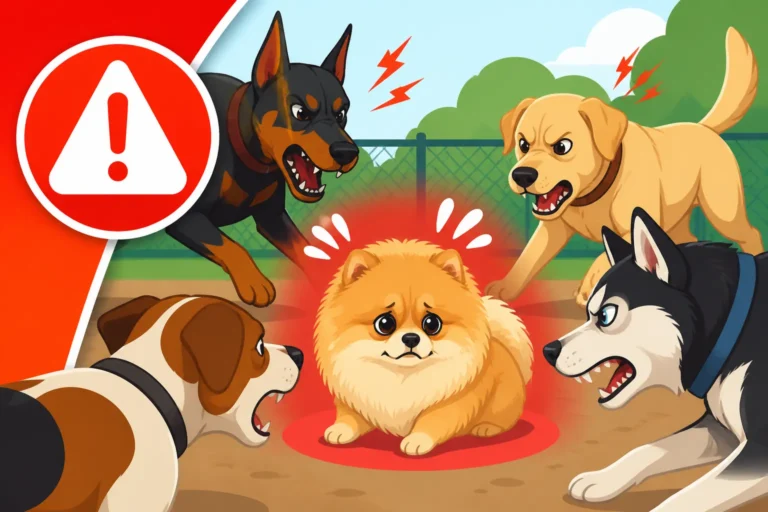
Let's be honest, the world can feel like a giant obstacle course for a tiny Pomeranian. A crowded street, a boisterous large dog, even a clumsy human footstep can seem like a monumental threat. Owners often worry about their small dog being stepped on, tripped over, or injured in a fall. It's a valid concern, and wanting to keep them safe is commendable. However, the constant act of carrying, while alleviating immediate worries, can prevent your Pomeranian from learning how to navigate these environments themselves. They miss out on opportunities to assess situations, build resilience, and understand that not every large object or sound is a danger. Instead, they learn that you are their sole protector, and without you, the world is genuinely terrifying.
Think about walking your Pomeranian through a park. If you consistently carry them past every larger dog, they never learn to walk calmly by other canines. They might develop a habit of barking frantically from the safety of your arms, unable to differentiate between a friendly golden retriever and a genuinely aggressive dog. This creates a cycle where the carrying reinforces their anxiety, making them more reactive when they are on the ground.
The Emotional Bond and Codependency
Our emotional connection to our Pomeranians is powerful. We love their cuddles, their dependence on us, and the feeling of being their everything. Carrying them fosters this intense bond, creating a sense of closeness that can be incredibly fulfilling. However, there's a fine line between a healthy bond and codependency. When a Pomeranian is constantly carried, they can become overly reliant on their human for comfort, safety, and even basic movement. This can manifest as severe separation anxiety whenever you leave them, even for short periods.
Imagine a scenario where you're just trying to grab something from the kitchen, and your Pomeranian, used to being in your arms, starts to whine and bark incessantly the moment their paws hit the floor. This isn't just "cute" demand behavior; it's a genuine expression of distress rooted in their learned inability to cope without your immediate physical presence. They may never learn to settle in a bed or a designated "place" if they always expect to be held. The Pomeranian That Cannot Be Left Alone touches on how deeply this reliance can impact their well-being when left unsupervised.
Impact on Socialization and Confidence
Proper socialization is crucial for any dog, but especially for small breeds like Pomeranians, who often face unique challenges in interacting with a world designed for much larger canines. Constant carrying can severely hinder this vital developmental process.
Fear of New Environments and Stimuli
When a Pomeranian spends most of its time in your arms, it experiences the world from a very limited perspective. It's like viewing life through a tiny window rather than actively participating in it. The ground, different textures, varied sounds, and the hustle and bustle of everyday life become alien and potentially frightening. When eventually placed on the ground, these novel stimuli can trigger fear, anxiety, or defensive behaviors.
For example, a Pomeranian accustomed to being carried through a busy street might be terrified if asked to walk on a leash on that same pavement. The vibrations, the smells, the sounds of cars and people at ground level are all new and overwhelming. This lack of exposure can lead to a dog that is jumpy, excessively barks at anything unexpected, and is generally uncomfortable outside of the familiar confines of your home or your arms. They haven't learned to process new information in a calm, curious manner.
Reactivity Towards Other Dogs and People
One of the most common issues arising from over-carrying is leash reactivity and general fear-based aggression towards other dogs and strangers. From the elevated safety of your arms, a Pomeranian might feel emboldened to bark at passing dogs or people. They know they can't be reached, creating a false sense of bravery. However, this barking is often a manifestation of fear and insecurity rather than true aggression.
When this dog is then put on the ground, their confidence vanishes, and the fear takes over. They may still bark, lunge, or even snap out of an instinct to ward off what they perceive as threats. Other dogs, interpreting this as aggression, might react negatively, further reinforcing the Pomeranian's fear. This creates a vicious cycle. They haven't learned appropriate canine body language or how to calmly greet or ignore others because they've always been insulated. Imagine a child who has never been allowed to play with other kids, always held by a parent; they would likely struggle with social cues and interactions when finally put down in a playground. Why a Pomeranian Picks Fights It Cannot Win explores the dangers of this perceived bravado.
Physical Development and Coordination
While carrying might seem like it's protecting their delicate joints and tiny paws, it can actually hinder a Pomeranian's physical development, leading to weaker muscles, poor coordination, and even making them more susceptible to certain injuries down the line.
Undeveloped Muscles and Bone Density
Dogs need to walk, run, and explore to develop strong muscles, healthy bones, and good joint support. If a Pomeranian is constantly carried, their opportunities for natural exercise are severely limited. Their leg muscles, core strength, and overall musculature won't develop as robustly as a dog that regularly uses its body. This isn't just about athletic prowess; it's about basic physical well-being.
Weak muscles around joints, particularly the knees, can exacerbate existing predispositions to conditions like patellar luxation, common in Pomeranians. While carrying won't cause a genetic condition, strong muscles act as natural support systems, and a lack of muscle tone can make a dog more vulnerable to injury or discomfort from a condition they might otherwise manage better. Regular, low-impact exercise like walking on varied terrains helps build strength and coordination, which is vital for long-term health.
Difficulty Walking on a Leash and Spatial Awareness
A dog that is rarely on the ground won't have the chance to master fundamental skills like walking politely on a leash. They might pull, dart erratically, or simply freeze, unsure of how to move forward. This isn't just an inconvenience; it restricts their world even further. If they can't walk well, their opportunities for safe, enriching outings become severely limited.
Beyond leash manners, constant carrying also impairs their spatial awareness. They don't learn to judge distances, navigate obstacles, or understand their own body in relation to their environment. This can make them clumsy when they are on the ground, potentially increasing their risk of falls or minor bumps. For a tiny breed, a seemingly minor stumble can have greater consequences. Teaching a dog to navigate their world on their own four paws, even if it's just indoors, builds confidence and physical competence.
House Training Hurdles
House training a Pomeranian can feel like an uphill battle at the best of times, but a constant carrying habit can throw even more wrenches into the process, making it prolonged and confusing for everyone involved.
Missing Potty Cues and Outdoor Exploration
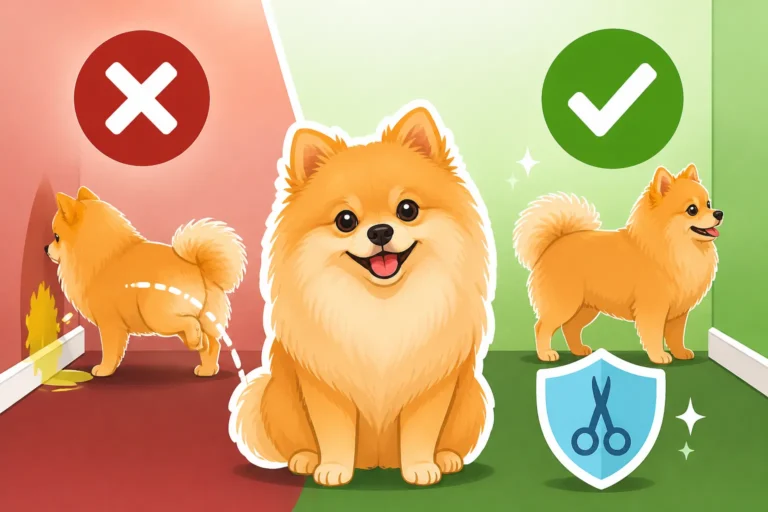
One of the cornerstones of successful house training is teaching your puppy to recognize the feeling of needing to go and then actively seeking an appropriate outdoor spot. When a Pomeranian is primarily carried, they might not learn to associate the sensation of needing to relieve themselves with the act of walking to a designated outdoor potty area. They might simply wait until they are put down indoors, or until their bladder is so full they can no longer hold it.
Moreover, if they are carried outdoors and immediately placed onto a patch of grass only when it's time to potty, they don't get to explore the environment, sniff around, and truly "choose" their spot, which is a natural canine behavior. They might feel rushed or confused, leading to accidents when they return indoors. Consistency is key, and consistency means allowing them to walk out to their potty spot every single time. How Many Weeks House Training a Pomeranian Takes often depends heavily on these foundational steps.
Confusion About Appropriate Elimination Spots
A dog that is frequently carried in and out of the house might develop confusion about where it's acceptable to eliminate. If they're always picked up and plopped down, they don't develop the mental map of "inside = no potty, outside = potty." The boundaries become blurry. They might associate going potty with being put down rather than being outside. This can lead to them relieving themselves indoors shortly after being carried inside, simply because they were just on the ground.
To effectively house train, your Pomeranian needs to understand that the entire outdoor space is their restroom, and the entire indoor space is not. Every step they take to get outside, every sniff, every moment of walking helps reinforce this crucial distinction. If they spend more time in your arms than on the ground, these lessons are simply not learned, prolonging the house-training process and leading to frustration for both pet and owner.
The "Spoiled" Pomeranian Misconception
When a Pomeranian constantly demands to be held, barks for attention, or becomes possessive of their owner's lap, it's often labeled as "spoiled." However, this isn't necessarily about being spoiled in a mischievous way; it's often a direct result of learned behaviors and unmet needs for security and confidence, exacerbated by constant carrying.
Resource Guarding the Owner's Lap
One common issue that can arise from constant carrying and holding is resource guarding, specifically guarding the owner's lap or person. When a Pomeranian is continuously held, your lap becomes their ultimate safe haven and prized possession. They might start to growl, snap, or even bite if someone else (another pet, a child, or even a spouse) tries to approach you or get onto the sofa with you. A Pomeranian That Snaps When Lifted details similar issues when a dog feels their space is invaded.
This behavior isn't cute or a sign of affection; it's a serious problem rooted in insecurity and a perceived threat to their most valuable resource – you. They haven't learned to share or trust that their place in the family is secure without physical possession of your lap. This can create tension in the household and make interactions with your Pomeranian unpredictable and potentially dangerous.
Separation Anxiety and Demand Barking
As touched upon earlier, a Pomeranian accustomed to constant physical contact can struggle immensely with separation anxiety. They haven't learned to self-soothe or feel secure when you're not physically present. This can lead to destructive behaviors, excessive barking, whining, and even accidents in the house when left alone, even for short periods. This demand barking isn't necessarily just to be "naughty;" it's often a cry for the security they've come to expect in your arms.
Imagine a Pomeranian who has never had to entertain themselves, always had their every need met by being held or picked up. When you step away, they don't have coping mechanisms. They haven't developed the independence to lie calmly in a bed, play with a toy, or simply observe their surroundings. Instead, they feel abandoned and helpless, leading to the frantic efforts to get your attention back. The Hours a Pomeranian Tolerates an Empty House becomes a much smaller window for dogs with such severe attachment issues.
Reversing the Carrying Habit
Breaking the cycle of constant carrying might seem daunting, especially if your Pomeranian has become accustomed to it. But with patience, consistency, and positive reinforcement, you can help your little companion develop the confidence and independence they need to thrive.
Gradual Desensitization and Positive Reinforcement
The key is to make the transition gradual and positive. Don't just suddenly stop carrying them cold turkey, as this can be very distressing. Start by carrying them less frequently, and for shorter durations. When you do put them down, make sure it’s in a safe, interesting environment. Offer high-value treats and praise immediately when their paws hit the ground, especially if they show calm behavior.
You can create "ground time" sessions. For example, instead of carrying them from the living room to the kitchen, walk them. Use a short leash if necessary, and reward them for every few steps they take on their own. Make it a game! Scatter some treats on the floor in a safe area, or put down a puzzle toy, encouraging them to explore on their own. The goal is to make being on the ground a rewarding and positive experience, not a punishment. If they start to demand being picked up, gently redirect them with a toy or a verbal cue, and only pick them up when they are calm and quiet, on your terms, not theirs.
Establishing Consistent Boundaries
Consistency is paramount. Everyone in the household needs to be on the same page about reducing carrying and encouraging independent behavior. If one person continues the old habits, it will confuse your Pomeranian and undermine your efforts. Decide on specific times or places where carrying is still acceptable (e.g., up a flight of stairs, or for a quick snuggle on the sofa), but make it clear that most of the time, they will be walking or resting in their designated safe space.
Teach your Pomeranian a "place" command, encouraging them to go to their bed or mat and settle there. Reward them heavily for staying in their place while you move around the room. This teaches them that they can be safe and content even when not in your arms. This also helps with Building a Pomeranian's Independence. Remember, you are not abandoning them; you are empowering them to be a more confident, well-adjusted dog.
Encouraging Exploration and Play
Actively encourage your Pomeranian to explore their environment and engage in play on their own four paws. Instead of bringing the toy to them while they're on your lap, toss it a short distance and encourage them to retrieve it. Hide treats around a safe room and let them use their nose to find them. These activities build confidence, engage their minds, and provide physical exercise.
Consider short, supervised playdates with other small, gentle dogs, if appropriate, to build positive social experiences on the ground. Enroll in a basic obedience class – a great way for them to learn in a structured environment and practice being independent while still feeling secure with you nearby. A good instructor can help you build your dog's confidence through fun training exercises. The Week a Pomeranian Puppy Can Start Learning is never too early to start building these positive habits.
Alternative Ways to Keep Your Pomeranian Safe and Close
The desire to keep your tiny Pomeranian safe and near is completely understandable. The good news is that there are many tools and strategies that allow you to do this without constantly carrying them, fostering their independence while still providing security.
Designated Safe Spaces and Confinement
Creating designated safe spaces for your Pomeranian is incredibly important. This could be a cozy crate, a small playpen, or a specific dog bed in a quiet corner. These spaces become their sanctuary, a place where they can feel secure, relax, and observe the world without feeling overwhelmed or constantly needing to be held.
When you can't actively supervise them, or when you need a break from them being underfoot, gently place them in their safe space with a favorite chew toy or a puzzle feeder. This teaches them that being in their own space is not a punishment but a comfortable, safe experience. Crate Work With a Pomeranian Puppy That Cries offers guidance on making the crate a positive den. Many excellent options for crates and playpens are available on Amazon that are perfectly sized for a Pomeranian.
Carriers, Strollers, and Slings
For situations where carrying is genuinely necessary or simply more practical than walking (e.g., crowded public spaces, long walks where their little legs will tire, or protecting them from hot pavement), invest in appropriate gear. A well-ventilated, secure carrier allows them to be with you while still being in their own contained space. This prevents them from becoming overly reliant on being held directly in your arms.
Dog strollers are another fantastic option for older Pomeranians, puppies who haven't completed their vaccinations, or simply for giving them a break on a long outing. They get to experience the sights, sounds, and smells of the world from a safe vantage point without exerting themselves or being exposed to potential dangers on the ground. Slings can also be useful for very short periods of carrying, but again, ensure your Pomeranian is learning to be on their own paws for most of their day.
Ramps, Steps, and Appropriate Leashes
To protect your Pomeranian's delicate joints and prevent injuries from jumping, invest in ramps or steps for furniture like sofas and beds. This empowers them to access their favorite spots without needing to be lifted or risking a fall. Ramps for a Pomeranian That Jumps Off the Sofa and Sofa Steps a Pomeranian Will Actually Use can guide you in choosing the right ones.
When walking, always use a properly fitted harness instead of a collar, especially given the breed's predisposition to tracheal collapse. A harness distributes pressure across their chest and shoulders, protecting their fragile windpipe. Harnesses Fitted for a Pomeranian's Windpipe is essential reading for any Pom owner. A lightweight leash also makes a big difference, allowing them to feel less restricted as they learn to walk independently. Many reputable brands offer harnesses and leashes sized perfectly for small breeds on Amazon.
By thoughtfully integrating these tools and training methods, you can foster a confident, independent, and well-adjusted Pomeranian who still cherishes your presence without feeling utterly dependent on being in your arms.
The Long-Term Benefits of an Independent Pomeranian
It might feel like a lot of effort to break the carrying habit, especially if it’s deeply ingrained, but the rewards for both you and your Pomeranian are immense. An independent Pomeranian is a happier, healthier, and more resilient companion.
Greater Confidence and Reduced Anxiety
When your Pomeranian learns to navigate the world on their own four paws, they develop a profound sense of confidence. They learn to trust their own abilities to walk, explore, and interact with their surroundings. This self-assurance directly translates to reduced anxiety. Instead of panicking when not in your arms, they learn that they can be safe and content in various situations.
Think of the difference between a child who can confidently ride a bike and one who always demands to be carried. The independent child experiences freedom and joy, while the dependent one is limited by their fear. It’s the same for your Pomeranian. They'll be more resilient to change, less prone to stress in new environments, and generally more at ease with the world, leading to a much more peaceful life for everyone. This resilience is a gift you give them.
Improved Physical Health and Mobility
Allowing your Pomeranian to walk and move independently promotes better physical health. Regular exercise, even gentle walks, helps maintain a healthy weight, strengthens muscles, supports joint health, and improves cardiovascular fitness. These are critical factors in extending their lifespan and improving their quality of life, especially as they age.
Furthermore, a dog with good coordination and muscle tone is less likely to suffer from accidental injuries. They'll be more agile, better able to recover from a stumble, and more capable of managing their body. This isn't about turning your Pomeranian into an athlete, but about ensuring they have the fundamental physical capabilities to enjoy everyday life without being hindered by underdeveloped musculature.
A More Harmonious Household Dynamic
Breaking the carrying habit often leads to a more balanced and harmonious relationship between you and your Pomeranian, and with other members of your household. When your dog isn't constantly demanding to be held or guarding your lap, the dynamics shift positively. There's less barking for attention, less potential for resource guarding, and a greater sense of calm.
You'll find that your Pomeranian still loves to cuddle and be close, but these interactions become more meaningful because they are chosen, not demanded out of codependency. They will seek you out for affection, but also be content to nap in their bed or play with a toy independently. This allows you to have a full life, knowing your Pomeranian is secure and happy, even when you're not physically holding them. It truly fosters a healthier, more respectful bond based on mutual trust and understanding, rather than constant reliance.
Practical Steps to Encourage Independence
Now that we understand the 'why,' let's talk about the 'how.' Implementing these changes requires patience and consistency, but the effort is truly worth it for your Pomeranian's well-being.
Start Small and Build Gradually
Rome wasn't built in a day, and neither is a perfectly independent Pomeranian. Begin with very short periods of 'ground time.' For example, instead of carrying them from the couch to their food bowl, put them down a few feet away and encourage them to walk. Reward with enthusiastic praise and a small treat when they reach the bowl.
Slowly increase the distance and duration. If you typically carry them up and down stairs, start by carrying them down, but encourage them to walk up the last two steps. Or use a ramp as an interim solution. Make every small step a success by celebrating their efforts. Never scold them for struggling or being hesitant; simply gently encourage and reward any forward momentum. Think of it as teaching a toddler to walk – it's full of small, wobbly steps and lots of praise.
Use Positive Reinforcement and High-Value Rewards
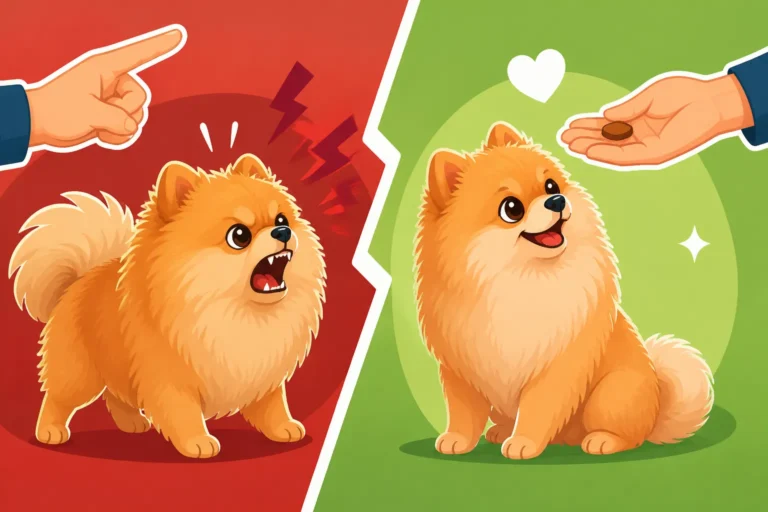
Positive reinforcement is your best friend here. Every time your Pomeranian walks on their own, settles in their bed, or calmly observes from a safe space without being held, reward them generously. This could be a tiny, high-value treat (like a piece of cooked chicken), their favorite toy, or enthusiastic verbal praise and gentle pets. The key is to make the desired behavior incredibly rewarding.
Avoid punishment or scolding if they whine or demand to be picked up. Instead, ignore the demanding behavior and reward them the moment they are quiet or choose to do something else independently. This teaches them that calm, independent behavior gets attention and rewards, while demanding behavior does not. Consider an online puppy training program like BAXTER & Bella for structured guidance on using positive reinforcement for various behaviors, as they often have modules on building confidence and independence.
Establish a Consistent Routine
Dogs thrive on routine, and a predictable schedule can significantly help in building independence. Establish set times for walks, playtime, meals, and rest periods in their designated safe space. When they know what to expect, they feel more secure and are less likely to rely on constant physical contact for reassurance.
For instance, if walks are always at 8 AM and 5 PM, they'll learn that those are the times for outdoor exploration on their own four paws, rather than waiting to be carried. If their crate time is after lunch, they'll learn to settle there. Consistency reduces uncertainty and builds a foundation of trust that allows them to relax and develop confidence. It also helps with The Routine a Pomeranian Needs Every Day.
| Aspect of Behavior | Impact of Constant Carrying | Outcome of Encouraging Independence |
|---|---|---|
| Confidence | Low, reliant on owner for safety, prone to anxiety. | High, self-reliant, resilient to new situations. |
| Socialization | Fearful/reactive towards others, poor social skills. | Calm greetings, appropriate canine interactions. |
| Physical Health | Weak muscles, poor coordination, higher injury risk. | Stronger body, better agility, reduced injury risk. |
| House Training | Confused cues, prolonged accidents, indoor elimination. | Clear understanding, consistent outdoor potty habits. |
| Independence | Codependent, prone to separation anxiety/demand barking. | Content alone, self-soothes, enjoys solo play. |
| Household Harmony | Resource guarding, tension with others, constant demands. | Relaxed interactions, harmonious family dynamics. |
By committing to these practical steps, you're not just changing a habit; you're nurturing a more well-rounded, confident, and joyful Pomeranian who can fully experience and enjoy the world around them, even when their paws are on the ground.
Disclaimer
This article is for general informational purposes only and does not constitute professional advice. Laws, prices and regulations vary by location and change over time. Consult a qualified professional for guidance on your specific situation.