Why a Pomeranian Picks Fights It Cannot Win
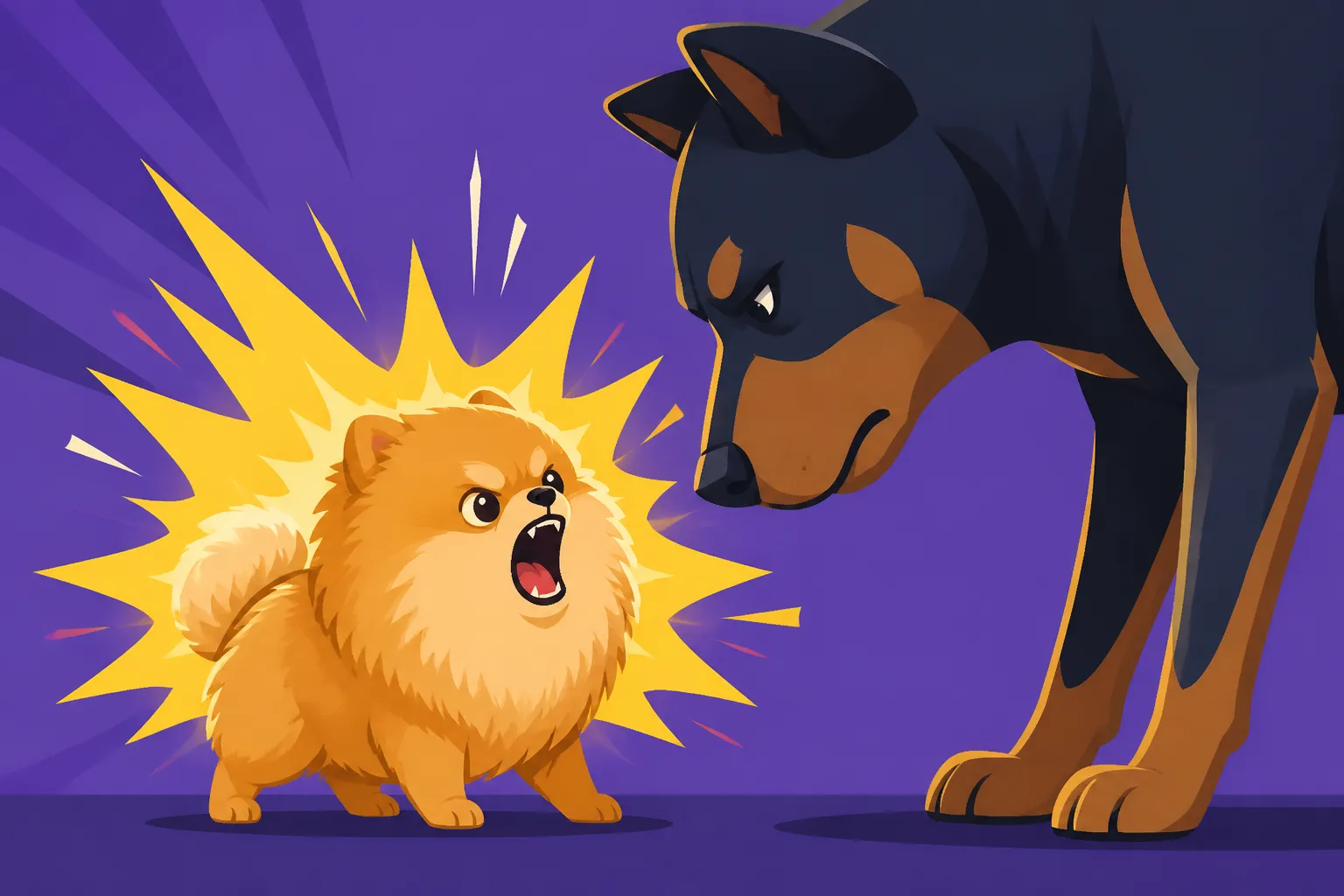
It’s a scenario many Pomeranian owners know all too well: your tiny, fluffy companion, weighing just a few pounds, squares off against a dog three, four, or even ten times its size, barking furiously and seemingly ready for a fight it absolutely cannot win. This baffling and often frightening behavior stems from a complex mix of breed history, personality, and learned habits. This guide aims to unravel the mysteries behind why your spirited Pom might pick fights, and more importantly, how you can manage this behavior to ensure their safety and your peace of mind.
Understanding the Pomeranian's Big Dog Mentality
It can be incredibly confusing and even embarrassing when your small Pomeranian acts like the toughest dog on the block, especially when it’s directed at a gentle giant. But to truly understand why Poms exhibit this 'big dog' mentality, we need to delve into their lineage and innate characteristics. They aren't trying to be difficult; they're often just living out their instincts.
A Legacy of Courage and Confidence
Pomeranians, despite their current toy breed status, descend from large, hardy Arctic Spitz breeds that were used for herding and sled pulling. Think of their ancestors as the ancestors of Samoyeds, Alaskan Malamutes, and Norwegian Elkhounds. While selective breeding drastically reduced their size over centuries, that inherent courage, confidence, and watchdog instinct didn't simply vanish. It's deeply embedded in their DNA.
This means that even a two-pound Pomeranian often possesses the spirit of a much larger working dog. They believe they are formidable protectors, alert and ready to stand their ground. When they encounter another dog, especially one they perceive as an intruder or threat to their space or their beloved human, they don't see themselves as vulnerable. Instead, they activate that ancestral bravery, barking and posturing as a first line of defense. It's not always rational, given their delicate stature, but it's an authentic expression of their heritage.
The Napoleon Complex: Is it Real?
The term "Napoleon complex" is often thrown around casually to describe small dogs acting aggressively, suggesting a compensation for their size. While it's easy to label it as such, the reality for Pomeranians is a bit more nuanced. It’s less about a true "complex" and more about their natural disposition meeting a world that isn't always designed for tiny canines.
Imagine living in a world where everything towers over you. Your Pom lives this reality every single day. Their aggressive displays, such as incessant barking, lunging, or snapping, are often their way of navigating this intimidating environment. It's a survival strategy. They might be trying to scare off what they perceive as a threat before it gets too close, or they might be communicating a clear boundary. Sometimes it's fear, sometimes it's territoriality, and sometimes it's simply a lack of appropriate social skills to interact otherwise. Understanding this shift from a dismissive label to a behavioral explanation can help us approach their reactions with more empathy and effective training.
Common Triggers for Confrontational Behavior
Identifying the specific catalysts for your Pomeranian's confrontational outbursts is the first step toward managing them. It’s rarely random; usually, there's an underlying reason or pattern to their reactivity, even if it seems illogical to us.
Resource Guarding and Territoriality
Pomeranians can be incredibly devoted to their people and their possessions, leading to resource guarding. This is when a dog becomes possessive of an item, space, or even a person, and reacts aggressively if they feel it might be taken away or encroached upon. For a Pom, this could manifest in a variety of ways: barking at another dog that approaches your lap at a friend's house, snapping if another dog tries to sniff their favorite chew toy, or even defensively posturing at the front door if another dog is visiting their home territory.
This guarding behavior isn't necessarily about malice; it's often an instinctive drive to protect valuable resources. They might be guarding food, their sleeping spot, or even you, their beloved human, from perceived threats. When another dog enters the picture, especially a larger one, your Pom might interpret their presence as a challenge to these prized resources, triggering a defensive, "I'll fight for what's mine!" reaction. Understanding what your Pom values most can help you anticipate and manage these situations, preventing them from escalating into actual confrontations.
Fear and Insecurity Masquerading as Bravery
It might look like boundless bravery when your little Pom charges a much larger dog, but very often, what you're witnessing is actually fear. For small dogs, the world can be a very scary place. Other dogs are often bigger, faster, and more boisterous. When a Pomeranian feels threatened or overwhelmed, their default response might be "the best defense is a good offense." They lunge, bark, and make themselves appear as fierce as possible, hoping to scare off the perceived threat before it can get too close.
This "fight" response is usually a desperate attempt to create distance or avoid a situation they feel they cannot control. A lack of proper socialization during their critical puppy development period, or even a single negative encounter with another dog, can hardwire them to react defensively out of insecurity. They might be communicating, "Stay away! I'm scared!" rather than truly trying to initiate a fight. Recognizing fear as the root cause is crucial, as it dictates a very different management approach than if the behavior were true aggression.
Lack of Proper Socialization and Exposure
One of the most significant contributors to a Pomeranian's confrontational tendencies is insufficient or improper socialization. The critical socialization window for puppies closes around 16 weeks of age. During this time, puppies need positive, controlled exposure to a wide variety of sights, sounds, people, and other dogs. If a Pomeranian puppy isn't adequately exposed to other dogs of various sizes, breeds, and temperaments in a positive way, they can grow up not knowing how to properly interpret canine body language or engage in appropriate dog-dog interactions.
A dog that hasn't been properly socialized might react with fear or aggression simply because they don't understand what's happening. They might misinterpret a larger dog's playful bow as a challenge, or a sniff as an invasion of personal space. This leads to overreactions and attempts to fend off what they perceive as an impending threat. Even if they've met other dogs, if those interactions were overwhelming or negative, it can cement a reactive pattern. Proper socialization isn't just about letting them run wild with other dogs; it's about structured, positive experiences that teach them confidence and appropriate social cues. Socializing a Pomeranian Before Its Shots Finish is an important read to ensure you're setting your puppy up for success.
The Dangers of Small Dog Syndrome in Action
While it might seem amusing or even endearing that your tiny Pom thinks they're a lion, the consequences of this "small dog syndrome" can be devastatingly real. Ignoring these behaviors or simply chalking them up to personality can put your beloved pet in serious harm's way.
Physical Risks for Your Pomeranian
Let's be blunt: a Pomeranian is physically no match for most other dog breeds, even medium-sized ones. When a Pom picks a fight, they are almost guaranteed to be on the losing side, and the injuries they can sustain are severe, often life-threatening. A playful snap from a Labrador, a body bump from a Golden Retriever, or even an accidental paw swipe from a Border Collie could cause irreparable damage.
Common injuries include broken bones (especially legs and ribs), puncture wounds, internal organ damage, and head trauma. Given their delicate trachea, even a sudden tug on a collar during a lunge can cause a tracheal collapse, a very serious condition. The Sound a Pomeranian Makes When Its Trachea Collapses highlights this specific vulnerability. These injuries often require extensive veterinary care, emergency surgery, and a long, painful recovery, assuming your Pom even survives the encounter. The risk is simply not worth any perceived "bravery."
Impact on Your Lifestyle and Dog's Well-being
Beyond the immediate physical dangers, allowing confrontational behavior to persist significantly impacts both your quality of life and your Pomeranian's overall well-being. Imagine every walk becoming a minefield of potential conflicts, forcing you to constantly scan for other dogs and pull your Pom away, sometimes awkwardly or defensively. This stress can make walks less enjoyable for both of you, turning a pleasant outing into a high-anxiety event.
Your Pomeranian's world can shrink dramatically as you start avoiding places like dog parks – which, frankly, are often dangerous for small dogs anyway – or even local walking trails. Why a Dog Park Is Dangerous for a Pomeranian explains why these environments are particularly risky. This limits their opportunities for positive enrichment and exercise. Furthermore, a constantly stressed or reactive dog isn't a happy dog. Their chronic anxiety about other dogs can lead to other behavioral issues, make them more prone to stress-related health problems, and ultimately diminish their quality of life. This behavior can also strain relationships with friends and family who have dogs, making social gatherings difficult.
Practical Strategies to Manage and Prevent Fights
Managing a Pomeranian's confrontational behavior requires a proactive, consistent approach. It’s about setting your dog up for success and teaching them safer, more appropriate ways to react to other canines.
Prioritizing Leash Safety and Control
The leash and harness are your primary tools for safety and control when out and about. For Pomeranians, due to their delicate tracheas, a well-fitting harness is absolutely essential. A collar can put dangerous pressure on their windpipe, especially if they lunge or pull. Look for harnesses that distribute pressure across their chest and shoulders, rather than their neck. There are many excellent options available on Amazon that cater specifically to small breeds. Harnesses Fitted for a Pomeranian's Windpipe provides more detail on choosing the right equipment.
Once you have the right gear, focus on consistent leash handling. Keep your Pomeranian on a shorter leash in busy areas or when you anticipate encountering other dogs. This allows you to quickly redirect their attention or physically move them away from a trigger. Practice walking calmly by your side, rewarding them for maintaining focus on you. A solid "leave it" command can be a lifesaver, allowing you to tell your Pom to ignore an approaching dog and focus on you instead.
Structured and Positive Socialization
The goal isn't necessarily for your Pomeranian to be best friends with every dog they meet, but rather to be neutral and calm in the presence of others. This requires structured, positive socialization experiences. Avoid uncontrolled interactions where your Pom might be overwhelmed or scared. Instead, arrange controlled "meet and greets" with known, calm, and friendly larger dogs. Choose dogs that are known to be gentle and ignore smaller dogs, rather than trying to play roughly.
Start with very brief, supervised interactions in a neutral territory. Reward your Pom for calm behavior around other dogs – even just for noticing another dog and not reacting. Puppy classes, or even small-dog specific playgroups, can be a great way to provide safe and appropriate exposure. Always supervise closely and remove your Pom if they show any signs of stress or reactivity. The key is quality over quantity, ensuring every interaction is positive and confidence-building. Introducing a Pomeranian to a Larger Dog offers more advice on these important introductions.
Environmental Management and Avoidance
Sometimes, the best strategy is simply to avoid situations that trigger your Pomeranian's confrontational behavior. This isn't about sheltering your dog entirely, but about making smart choices to keep them safe and prevent practicing unwanted behaviors. For instance, busy dog parks with many unknown, off-leash dogs are often not suitable environments for a small, reactive Pomeranian. The risk of injury or negative interaction is too high.
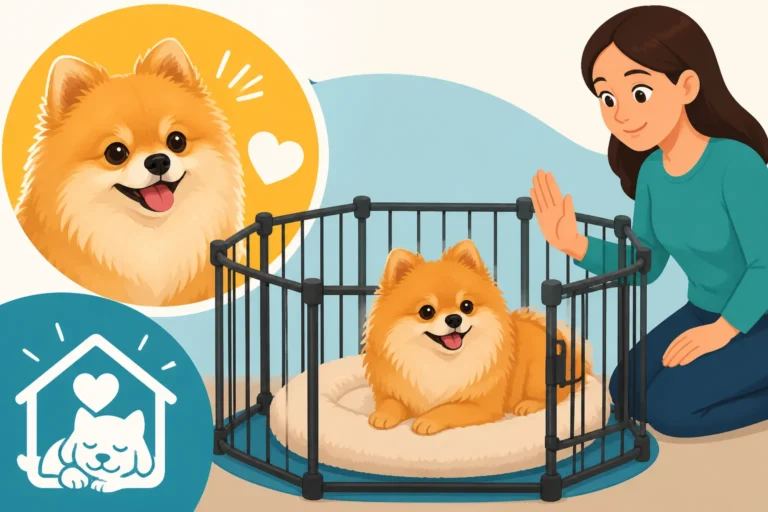
Instead, opt for quieter walking paths, go during off-peak hours, or explore fenced areas where you know the other dogs. Avoid letting your Pomeranian rush up to greet every dog you see on a walk. This can reinforce their belief that they are "in charge" of these interactions and put them at risk. If you see another dog approaching that might be a trigger, calmly change direction, cross the street, or create a barrier between your Pom and the other dog. At home, ensure your Pomeranian has their own designated safe space, like a crate or a bed, where they can retreat and feel secure, which can help reduce territorial resource guarding.
Training and Behavioral Modification Techniques
Effective training is the cornerstone of changing your Pomeranian's confrontational habits. It involves teaching them alternative behaviors, changing their emotional response to triggers, and sometimes, bringing in professional help.
Foundation Commands and Impulse Control
Building a strong foundation of basic obedience commands is crucial for managing a reactive Pomeranian. Commands like "sit," "stay," "come," and especially "leave it" are not just party tricks; they are vital for safety and control. "Leave it" teaches your Pom to disengage from something tempting or threatening and focus back on you. Practicing these commands consistently in various environments helps build your dog's impulse control and reinforces that you are the one in charge.
Start training in a quiet, low-distraction environment and gradually increase the difficulty. Use high-value rewards – small, soft, and extremely tasty treats work best for Poms, and you can find a huge variety of options on Amazon. The goal is for your Pomeranian to automatically look to you for direction when they encounter a potential trigger, rather than reacting aggressively. A well-trained Pom is a safer and happier Pom, and the process of training itself strengthens your bond.
Counter-Conditioning and Desensitization
These two techniques are powerful tools for changing your Pomeranian's emotional response to other dogs. Counter-conditioning involves changing a negative emotional reaction (fear, aggression) into a positive one (happiness, anticipation). Desensitization means gradually exposing your dog to the trigger at a low intensity, so they learn to tolerate it without reacting.
Here's a simple example:
- Identify the trigger: Another dog.
- Find the threshold: Observe your Pom from a distance where they notice the other dog but don't react aggressively. This might be a block away, or even further.
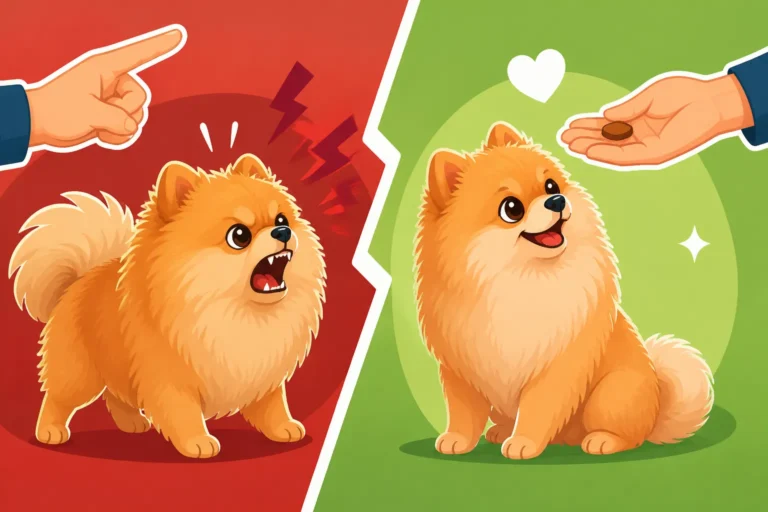
- Counter-condition: The moment your Pom notices the other dog (without reacting), immediately give them a high-value treat. Continue to feed treats as long as the other dog is visible and your Pom remains calm.
- Desensitize: Slowly, over many sessions and days, decrease the distance to the other dog, always staying below your Pom's reaction threshold. If your Pom reacts, you've gone too far, too fast – increase the distance again.
This teaches your Pomeranian that "other dog equals delicious treats!" instead of "other dog equals danger!" Consistency is key. Over time, their emotional response to other dogs can shift from fear/aggression to a calm, treat-anticipating state. Online programs, like those offered by BAXTER & Bella, can provide structured guidance for these complex training methods, offering step-by-step videos and support. Remember, this is a gradual process that requires patience and consistency. The Reward a Pomeranian Actually Cares About can help you determine the best motivators for your training.
Seeking Professional Guidance
There are times when managing a Pomeranian's confrontational behavior goes beyond what you can reasonably tackle on your own, and that's perfectly okay. If your Pom's reactions are severe, involve biting, or if you feel overwhelmed and unable to make progress, it’s time to consult a certified professional dog trainer or a veterinary behaviorist. These experts have the knowledge and experience to accurately assess the root cause of the behavior and develop a tailored training plan.
A professional can observe your Pom's body language, identify subtle triggers you might miss, and guide you through advanced techniques. They can also rule out any underlying medical conditions that might be contributing to reactivity. Look for trainers who use positive reinforcement methods and have experience with small breed behavior. They can offer invaluable support, practical strategies, and peace of mind. Whether a Pomeranian Needs a Private Trainer might be a useful resource if you're considering this step.
| Pomeranian Behavior | Underlying Reason | Management Strategy |
|---|---|---|
| Barking/Lunging at larger dogs | Fear, territoriality, lack of skills | Counter-conditioning, leash control, avoidance |
| Snapping at dogs near owner | Resource guarding (owner) | Teach "place," structured interactions, management |
| Puffed-up stance, aggressive growl | Overcompensation, insecurity | Build confidence through positive reinforcement, obedience |
| Chasing/nipping heels of other dogs | Undersocialized prey drive, seeking attention | "Leave it" command, redirect focus, controlled exposure |
| Constant alert barking at passersby | Watchdog instinct, territoriality | Desensitization to sounds, "quiet" command |
Disclaimer
This article is for general informational purposes only and does not constitute professional advice. Laws, prices and regulations vary by location and change over time. Consult a qualified professional for guidance on your specific situation.