Whether a Pomeranian’s Coat Needs Trimming Around the Rear
Sanitary trims for Pomeranian dogs remove thick fur around the rear end and inner thighs to prevent painful hygiene issues.
The daily stuff, done right.
Feeding amounts by life stage, coat and skin routines, dental and nail care, exercise needs, and what changes as they age.
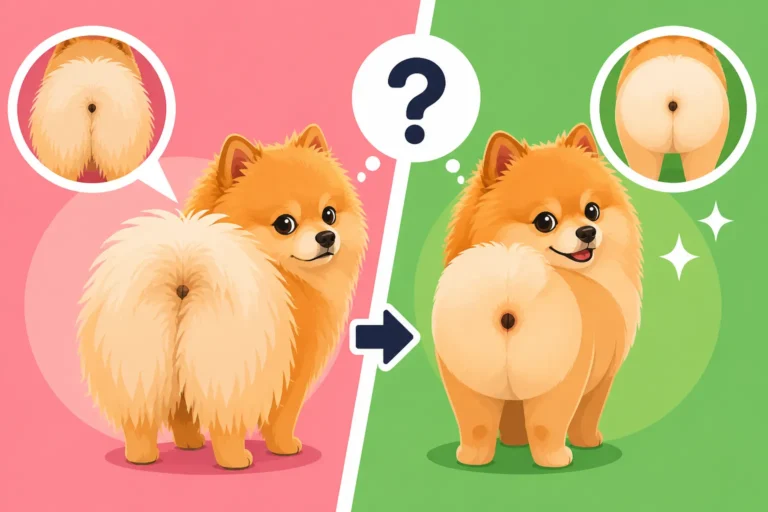
Sanitary trims for Pomeranian dogs remove thick fur around the rear end and inner thighs to prevent painful hygiene issues.
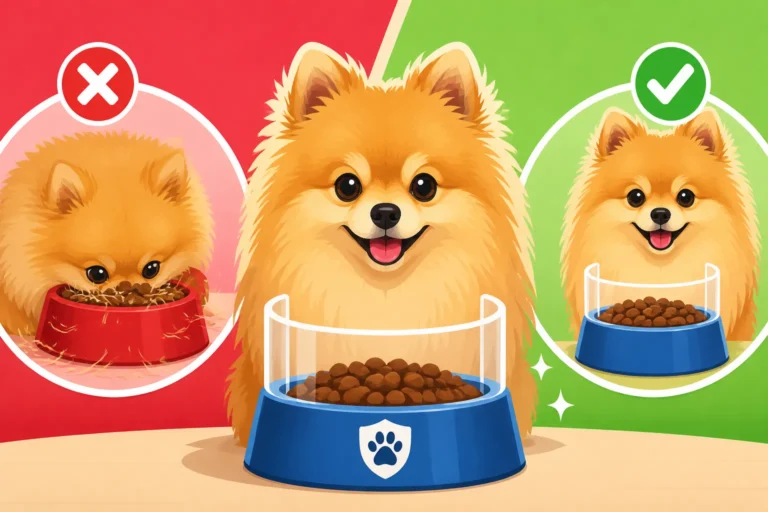
Pomeranian neck ruff cleanliness depends on coat structure, eating habits, and food bowl placement and elevation.
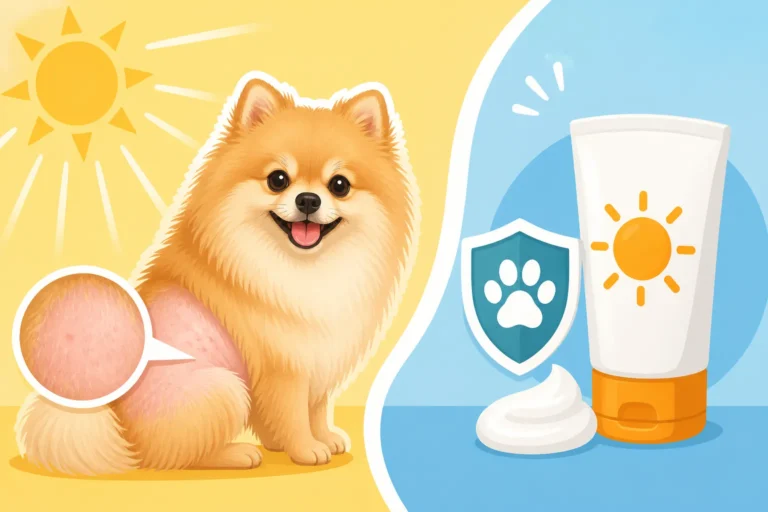
Pomeranian sunscreen needs depend on coat thickness, aging, and conditions like alopecia, explaining when thin skin requires protection.
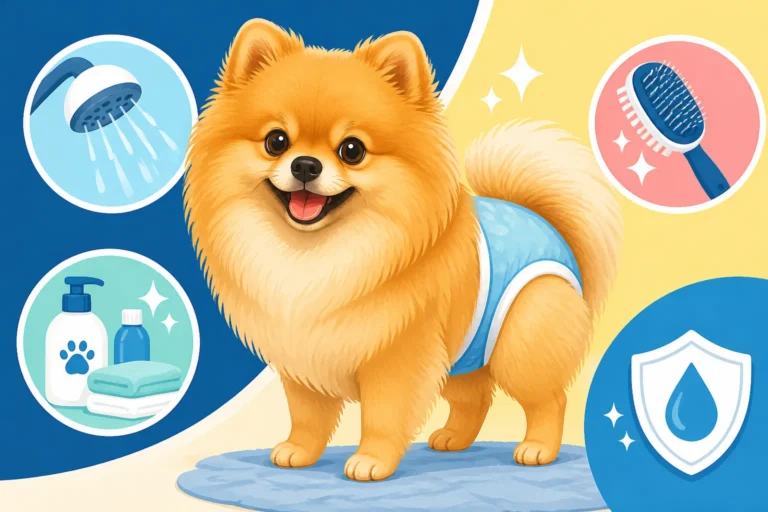
Managing incontinence in Pomeranians prevents skin irritation and keeps their dense double coats clean and hygienic.
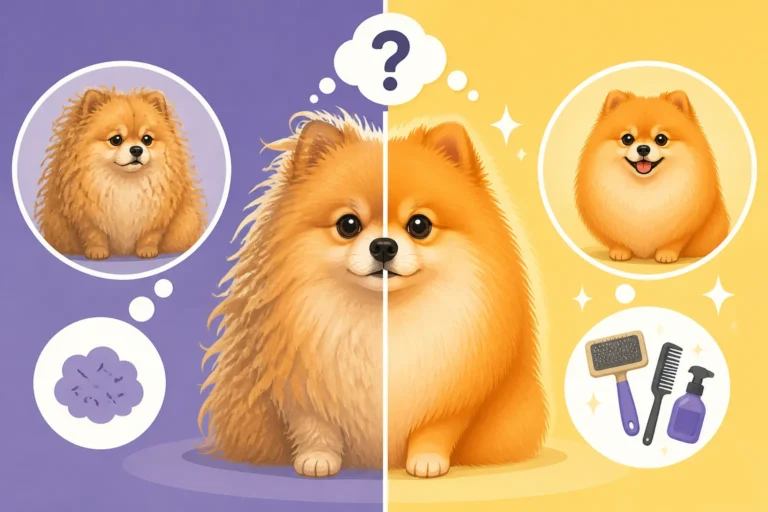
Senior Pomeranian grooming changes, explaining coat thinning, skin sensitivity, and matting risks for older dogs.

Senior Pomeranian coat thinning and softening happens naturally with age, alongside color fading and reduced density.
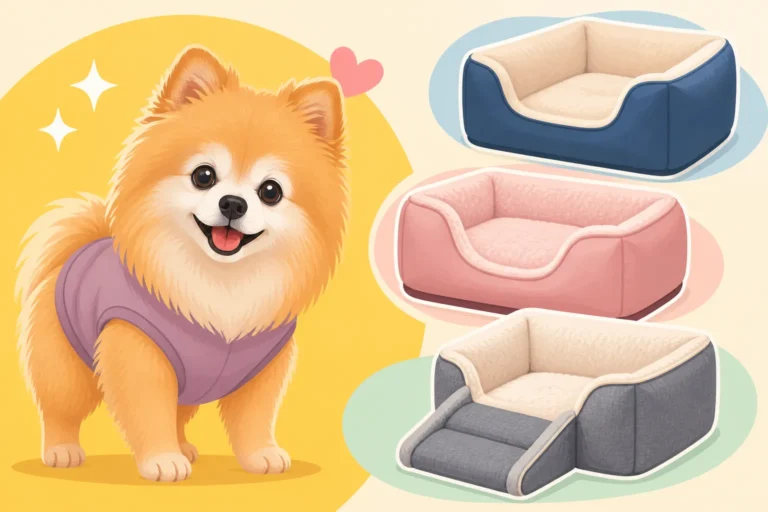
Senior Pomeranian bed options for aging joints, luxating patellas, and vision loss help five-pound dogs avoid injuries from high falls.
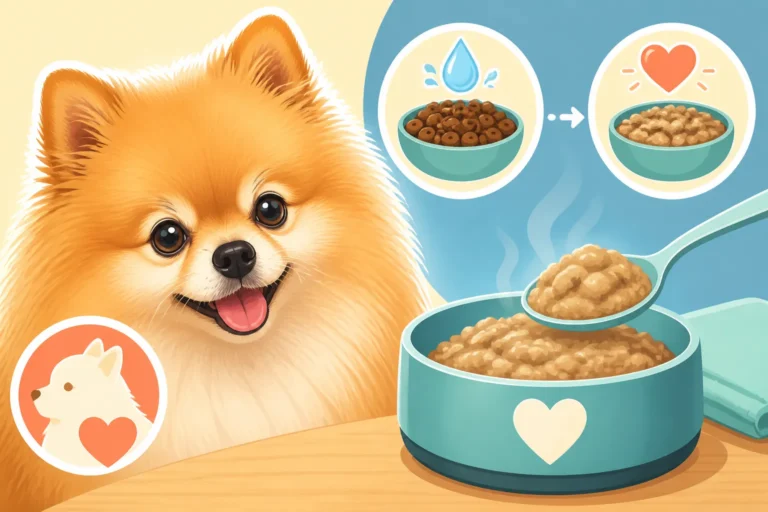
Softening dry kibble with liquid provides senior Pomeranians relief from dental pain and improves daily hydration.
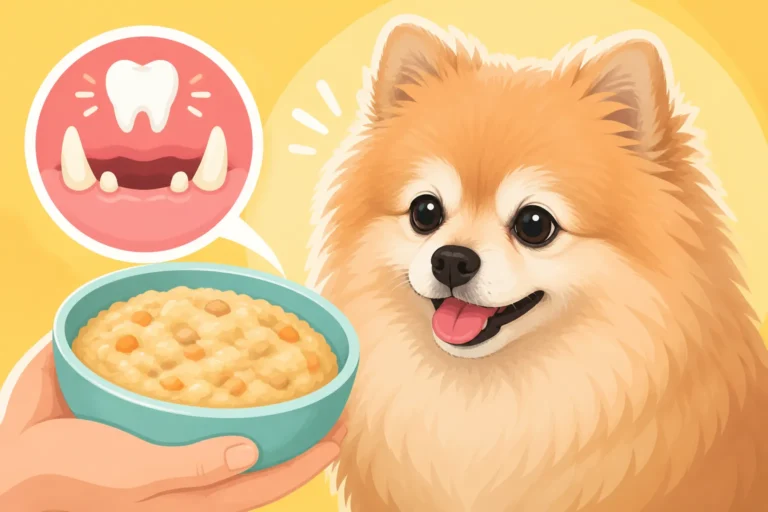
Senior Pomeranians with dental pain and missing teeth receive diet adaptation strategies for comfortable nutrition.

Pomeranian daily water intake depends on body mass, activity levels, weather, and whether they eat dry kibble or fresh food.