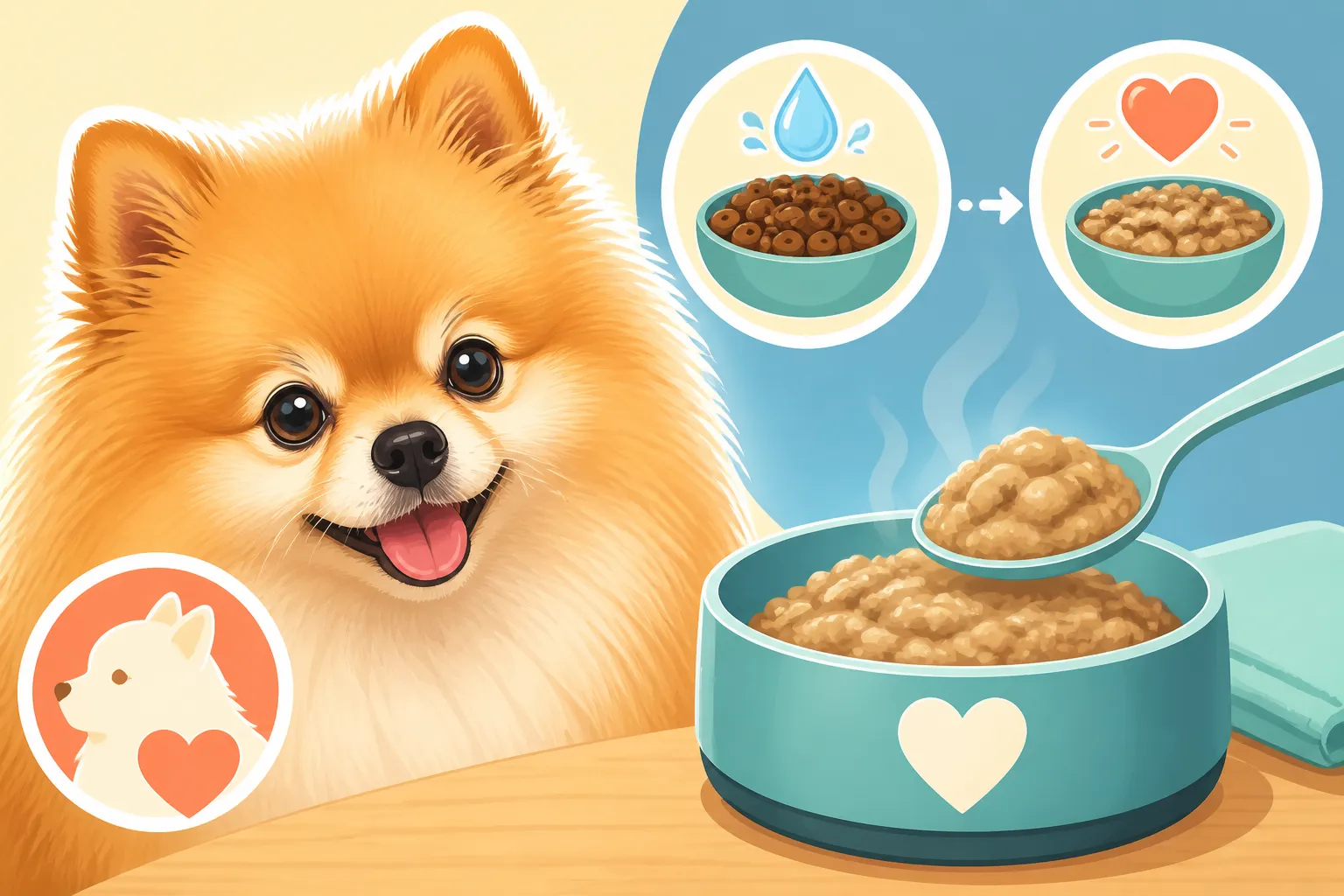
Softening Food for a Senior Pomeranian
It’s a heart-wrenching moment when you notice your beloved senior Pomeranian starting to struggle with their meals. What was once a joyous, enthusiastic crunching session can turn into a hesitant nibble, dropped kibble, or outright refusal to eat, often due to dental pain, reduced appetite, or digestive changes. This comprehensive guide will walk you through various practical and empathetic strategies to soften your aging Pom’s food, ensuring they continue to receive the vital nutrition they need to thrive in their golden years.
Why Your Senior Pomeranian Might Need Softer Food
As our tiny, spirited Pomeranians gracefully transition into their senior years, their bodies undergo a myriad of changes, just like ours do. What was once perfectly fine and easy to manage can suddenly become a challenge. One of the most common areas where this becomes evident is in their eating habits, particularly concerning the texture of their food. It’s not just about being picky; there are often very real, physical reasons behind their new preferences.
The Silent Struggle of Dental Pain
This is arguably the number one reason many senior Pomeranians need a softer diet. Their mouths are tiny, and unfortunately, small breeds are notoriously prone to dental disease. Over years of crunching kibble, plaque and tartar build up, leading to gingivitis, painful gum inflammation, and eventually, tooth decay and loss. Imagine trying to eat a hard cracker with a throbbing toothache or loose teeth – it’s just not going to happen comfortably. Your Pom might be trying to tell you they're hurting by turning away from their food or dropping pieces. They might only chew on one side of their mouth, or suddenly become very sensitive around their face. Dental Disease in a Mouth the Size of a Pomeranian's is a silent epidemic in older Poms, and it can severely impact their quality of life if not addressed. Even if they've had routine dental cleanings, old age can bring new issues, and extracting painful teeth might become necessary. Extractions in a Pomeranian's Small Jaw are a common reality for many senior Pomeranian owners.
Digestive Ease and Nutrient Absorption
Beyond the mouth, the digestive system also slows down and becomes more sensitive with age. A senior Pomeranian’s stomach might not handle complex, dense kibble as easily as it once did. Hard food requires more vigorous chewing and more digestive effort to break down. Softer foods, on the other hand, are often predigested to some extent by soaking or cooking, making them gentler on an aging digestive tract. This can reduce the likelihood of upset stomachs, gas, or constipation, which are all common complaints in older dogs. When food is easier to digest, your senior Pom's body can more efficiently absorb the vital nutrients it needs to support its organs, maintain muscle mass, and boost its immune system. This ease of digestion is crucial for their overall vitality.
Boosting Essential Hydration
Another frequently overlooked benefit of softer food, especially when moistened with water or broth, is increased hydration. Many senior dogs, Poms included, tend to drink less water as they age or simply forget to drink enough throughout the day. Dehydration, even mild, can exacerbate kidney issues, lead to lethargy, and generally make them feel unwell. By softening their dry kibble with liquid, or incorporating wet food into their diet, you're stealthily increasing their daily water intake. This extra hydration can make a noticeable difference in their energy levels, coat quality, and overall health, providing a gentle way to support their aging bodies. It's a simple change that can have a surprisingly big positive impact on how well they feel each day.
Practical Ways to Soften Your Pomeranian's Kibble
Once you've realized your senior Pom needs a little help with their meals, the good news is that there are many straightforward and effective methods to make their food more appealing and easier to consume. You don't need fancy equipment or complex recipes; often, the simplest solutions are the best. Experiment with these techniques to see which one your furry friend enjoys the most.
The Simple Water Soak Method
This is the easiest and most accessible way to soften dry kibble, and it's often the first step many owners try. All you need is warm water and your dog's regular kibble. Simply place their portion of kibble into their bowl and add enough warm (not hot!) water to just cover the kibble. Let it sit for about 10-15 minutes, or until the kibble has absorbed the water and become soft and mushy. Some Poms prefer it a little crunchy, some prefer it completely dissolved into a paste – you'll learn their preference. If it's too soupy, you can always drain a little excess water. This method not only softens the food to protect those tender gums and teeth, but it also provides that much-needed boost of hydration we talked about earlier. Just be sure to prepare only what your Pom will eat immediately, as moistened kibble can grow bacteria quickly if left out.
Adding Broth or Bone Broth for Flavor and Nutrition
If plain water doesn't quite entice your senior Pom, elevating the flavor with broth can be a game-changer. Low-sodium chicken or beef broth, or even better, bone broth, can be used in place of water to soak the kibble. Bone broth, in particular, offers additional benefits like collagen for joint health and gut-friendly amino acids, which are fantastic for an aging dog. Look for dog-specific broths or ensure human-grade broths are free of onions, garlic, and excessive salt, as these ingredients are toxic or harmful to dogs. You can find excellent options on Chewy or at most pet supply stores. Just like with water, add enough to cover the kibble and let it sit until soft. The enticing aroma and rich flavor often encourage even the most hesitant eaters to dig in, transforming mealtime from a struggle into a delightful experience once again.
Using Wet Food as a Topper or Mixer
Sometimes, soaking kibble simply isn't enough, or your Pom just needs a more palatable texture from the get-go. This is where high-quality wet dog food comes in handy. You can use it in a couple of ways:
- Topper: Add a spoonful or two of wet food on top of their dry kibble, creating an irresistible aroma and an easy-to-eat first few bites. This can encourage them to then tackle the softened kibble underneath.
- Mixer: For Poms with more severe dental issues or a greater aversion to dry textures, you can thoroughly mix a portion of wet food with their softened kibble. This creates a uniform, mushy consistency that's far easier to consume.
When choosing wet food, opt for formulas specifically designed for senior dogs or those with limited ingredients if your Pom has sensitivities. Brands like Ollie offer fresh, gently cooked options that are inherently soft and highly palatable, making them excellent choices. You can explore a wide variety of canned or fresh food options on platforms like Amazon to find what best suits your Pomeranian’s taste and nutritional needs. This strategy can provide a vital nutritional bridge for senior Poms who are really struggling to eat.
Here's a quick comparison of popular methods:
| Method | Pros | Cons | Best For |
|---|---|---|---|
| Water Soak | Simple, cheap, boosts hydration, easy to control consistency. | Might be less appealing to picky eaters, requires short prep time. | Poms with mild dental issues, those needing a hydration boost, owners looking for a basic solution. |
| Broth/Bone Broth Soak | Enhances flavor, adds nutrients (collagen), boosts hydration. | Can be more expensive, requires checking for dog-safe ingredients. | Picky eaters, Poms needing extra joint/gut support, those with mild to moderate dental discomfort. |
| Wet Food Topper/Mixer | Highly palatable, excellent for severe dental issues, nutrient-dense. | More expensive than kibble, some Poms might only eat the wet food part. | Poms with significant dental pain, very low appetite, or those needing a substantial increase in palatability. |
Exploring Other Soft Food Options for Aging Poms
While softening kibble is a great starting point, some senior Pomeranians might require a complete diet change to something naturally softer and more digestible. This could be due to severe dental issues, chronic digestive problems, or simply a strong preference for a different texture. Luckily, the market has expanded significantly to offer a range of delicious and nutritious alternatives.
Home-Cooked Meals Tailored for Seniors
For dedicated owners, preparing home-cooked meals can be an incredibly rewarding way to cater to a senior Pomeranian's specific needs. This approach allows you to control every ingredient, ensuring freshness, quality, and a soft texture. Common ingredients for senior Pom diets include lean cooked proteins like chicken breast, turkey, or white fish, along with easily digestible carbohydrates such as cooked sweet potato, pumpkin puree, or well-cooked white rice. Soft, steamed vegetables like green beans or carrots, mashed thoroughly, can also be added.
However, it's crucial to formulate these meals carefully to ensure they are nutritionally complete and balanced. Simply feeding boiled chicken and rice long-term can lead to nutrient deficiencies. Consulting with a veterinary nutritionist is highly recommended to create a balanced recipe specifically for your Pom's age, weight, and any underlying health conditions. This way, you're not just providing soft food, but truly optimal nutrition. Feeding an Old Pomeranian With Few Teeth becomes much easier with a tailored, soft, home-cooked diet.
Fresh, Lightly Cooked Commercial Diets
If the idea of home cooking is appealing but the time commitment feels overwhelming, a fantastic middle-ground solution is commercially prepared fresh dog food. These diets are typically made with human-grade ingredients, gently cooked, and delivered right to your door. They are inherently soft, highly palatable, and designed to be nutritionally complete. Services like Ollie are great examples, offering pre-portioned meals that often resemble what you'd cook yourself.
These fresh food options can be particularly beneficial for senior Pomeranians with sensitive stomachs or picky appetites, as their natural aromas and textures are often more appealing than traditional kibble. They usually contain fewer artificial ingredients and fillers, which can also contribute to easier digestion. While they tend to be a higher price point than kibble, many owners find the health benefits and peace of mind well worth the investment, especially for a senior dog who might otherwise struggle to eat.
Specialized Senior Formulas and Pâtés
Beyond regular wet food, many pet food companies offer specialized senior dog food formulas in canned, pâté, or stew form. These are crafted with the unique needs of older dogs in mind, often containing joint-supporting supplements, antioxidants, and easily digestible proteins. The texture of pâté-style foods is incredibly smooth and uniform, making them ideal for Pomeranians with very few or no teeth. Stews, with their soft, shredded meat and vegetable chunks, can also be very enticing.
When selecting these foods, pay attention to the ingredient list. Look for whole protein sources as the primary ingredient and avoid excessive fillers. You can find a vast selection of these specialized senior formulas on retailers like Chewy and Amazon, allowing you to compare brands, ingredients, and price points to find the perfect fit for your beloved Pom. These options provide convenience and targeted nutrition without the need for any additional softening.
Making the Transition Smoothly and Safely
Changing a senior Pomeranian's diet, especially when they're already facing challenges, needs to be handled with care and patience. A sudden switch can upset their delicate digestive system, leading to diarrhea or vomiting, which is the last thing you want for an aging dog. The goal is a seamless transition that encourages them to eat without causing further discomfort.
Gradual Introduction is Key
The golden rule for any dietary change in dogs, but especially for seniors, is to do it gradually. Start by mixing a small amount of the new, softened food (whether it's soaked kibble, wet food, or home-cooked) with their current, familiar food. A good starting point is about 25% new food to 75% old food for a few days. If your Pomeranian tolerates this well, slowly increase the proportion of new food over the next week or two. For instance, you could move to 50/50 for a few days, then 75/25, until they are entirely on the new diet.
Observe them closely during this period. Are they still eating with enthusiasm? Is their stool normal? Are there any signs of digestive upset? Remember, senior Poms can be quite sensitive, and what works for one might not work for another. Be prepared to slow down the transition if needed, or even revert to a previous stage if any issues arise. This slow and steady approach minimizes digestive stress and gives your Pom time to adjust to new tastes and textures. It also helps manage their expectations, as Poms are smart and will notice the change! You might even find that The First Signs a Pomeranian Is Aging can sometimes include a pickiness that only a gradual food change can address.
Monitoring Your Pom's Response and Appetite
Throughout the transition and once they're on their new diet, consistent monitoring is absolutely vital. Pay close attention to their appetite – are they finishing their meals? Are they more eager to eat? Also, observe their energy levels, their stool consistency, and their overall demeanor. Increased interest in food, a return to healthy bowel movements, and a brighter, more active disposition are all positive signs that the new diet is working well.
Conversely, if you notice decreased appetite, loose stools, vomiting, lethargy, or any new discomfort, it might be a sign that the new food isn't agreeing with them, or that the transition is too fast. In such cases, pause the change and consult your vet. Keeping a small journal of their food intake, stool observations, and general behavior can be incredibly helpful in tracking their response and providing valuable information to your veterinarian. This vigilance ensures that the dietary change is truly beneficial for their health.
When to Consult Your Veterinarian
While these tips can greatly help, remember that they are not a substitute for professional veterinary advice. If your senior Pomeranian is consistently refusing to eat, losing weight, showing signs of severe pain, or if their digestive issues persist despite dietary changes, it's time to schedule a visit with your vet. A sudden or significant change in appetite can be a symptom of underlying health issues such as The Leaking Valve in an Older Pomeranian's Heart, kidney disease, or other geriatric conditions that require medical intervention.
Your veterinarian can perform a thorough examination, including a dental check-up, blood work, and other diagnostics to pinpoint the exact cause of their struggles. They can also offer specific dietary recommendations, prescribe appetite stimulants if necessary, or discuss pain management options for dental or joint discomfort. Establishing The Checkup Schedule a Pomeranian Should Keep with your vet is crucial for managing the health of your aging Pom and ensuring that any dietary adjustments you make are part of a comprehensive care plan. They are your best partner in navigating the unique health challenges of your cherished senior Pomeranian.
Disclaimer
This article is for general informational purposes only and does not constitute professional advice. Laws, prices and regulations vary by location and change over time. Consult a qualified professional for guidance on your specific situation.