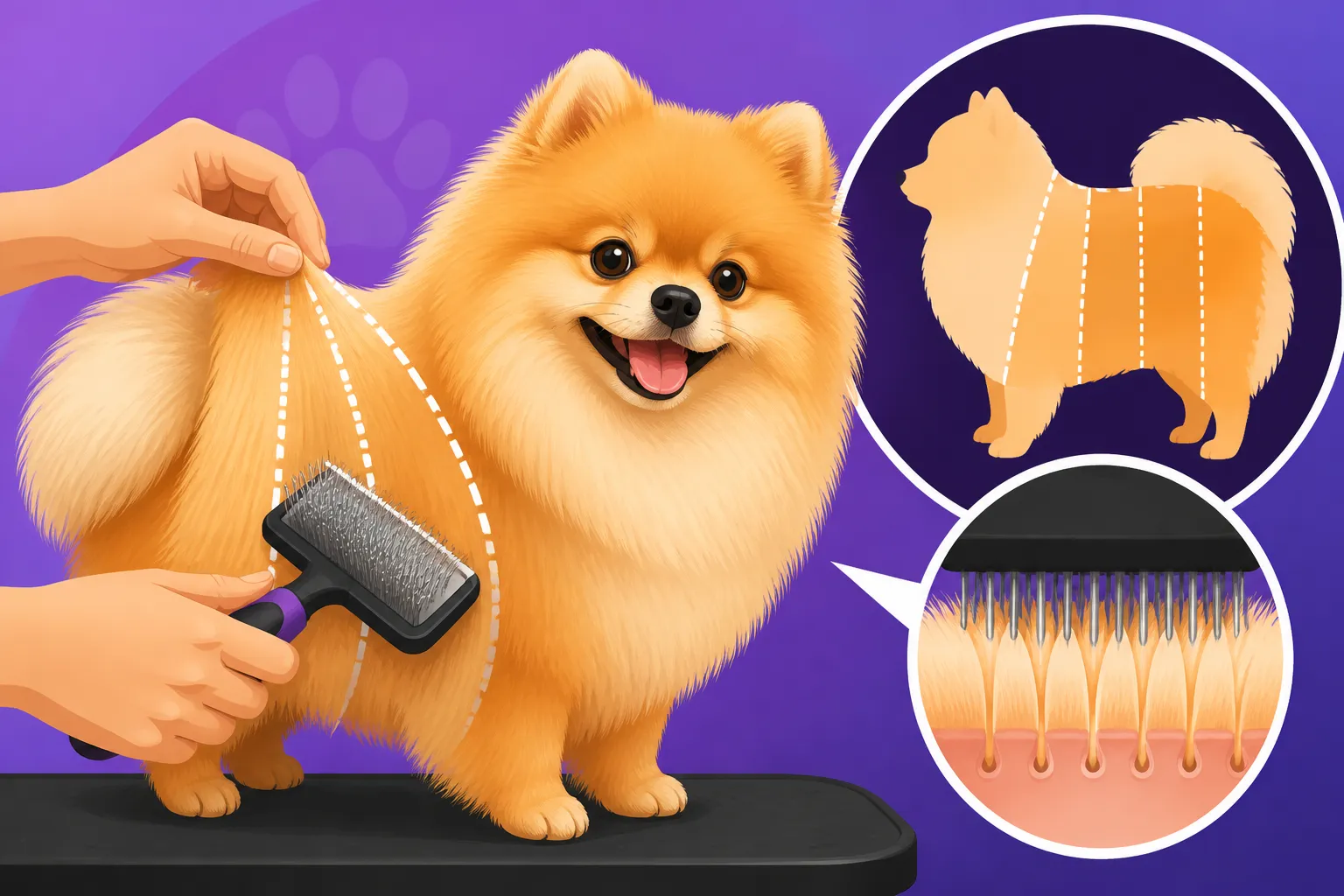
Working a Pomeranian’s Coat in Sections to the Skin
One of the biggest struggles Pomeranian parents face is battling those pesky mats and tangles that seem to crop up out of nowhere, especially when you're trying your best to keep that magnificent coat looking its best. It's frustrating when you brush and brush, but still feel like you're only skimming the surface, never truly reaching the dense undercoat where real problems begin. This guide is dedicated to solving that very issue, showing you exactly how to work through your Pomeranian's coat in sections, right down to the skin, ensuring a healthy, mat-free, and truly stunning fluffball.
Understanding the Pomeranian's Unique Double Coat
Before we even pick up a brush, it's vital to understand what makes a Pomeranian's coat so special and, let's be honest, a bit of a challenge. It's not just a single layer of fur; it's a complex, multi-layered marvel designed to protect these little dogs in harsh climates. Without truly appreciating its structure, you'll always be playing catch-up with mats and dullness.
The Anatomy of a Pomeranian's Double Coat
Your Pomeranian sports what's known as a double coat, and it's truly a wonder to behold – thick, plush, and utterly gorgeous when well-maintained. This double coat consists of two distinct layers, each serving a crucial purpose. First, you have the outer layer, known as the guard hairs. These are longer, coarser, and straighter hairs that stand off the body, giving your Pomeranian that characteristic puffy, rounded look. These guard hairs act as a protective barrier, repelling dirt, moisture, and providing insulation against the elements.
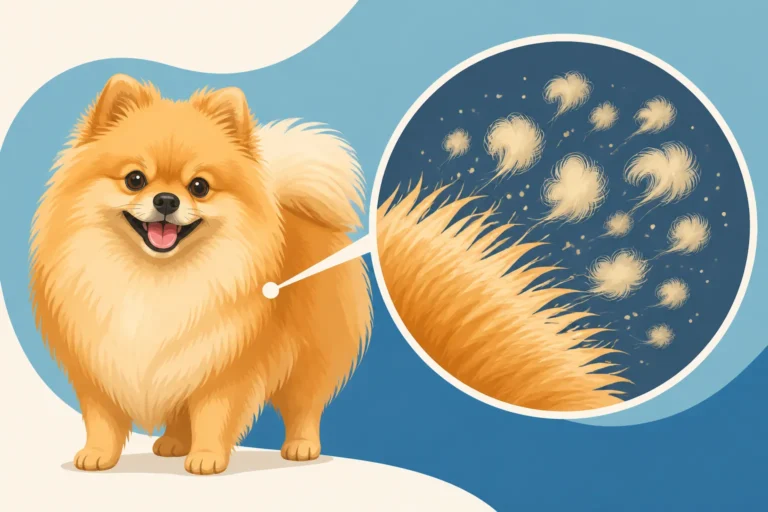
Beneath this impressive outer layer lies the second, equally important layer: the undercoat. This is where things get really dense. The undercoat is composed of soft, downy, short hairs that are incredibly abundant and woolly. Its primary job is to provide superior insulation, keeping your Pom warm in winter and, surprisingly, helping to regulate body temperature in warmer weather by trapping a layer of cool air next to the skin. When we talk about "working to the skin," it's this incredibly dense undercoat that we're aiming to properly address. Without regularly brushing out the old, dead undercoat, it becomes a breeding ground for mats. The Double Coat That Makes a Pomeranian and Why It Stays On delves deeper into this fascinating protective mechanism.
Why Surface Brushing Isn't Enough
Many well-meaning Pomeranian owners fall into the trap of surface brushing. They run a brush over the top layer of guard hairs, making the coat look fluffy and tidy on the outside. While this certainly helps to remove loose hairs from the top and distribute natural oils, it completely misses the point when it comes to a double-coated breed like the Pomeranian. Imagine sweeping dust off a rug but never vacuuming underneath – it might look clean for a moment, but the dirt is still deeply embedded.
Surface brushing fails to penetrate the thick outer layer and reach the undercoat, which is where the bulk of shedding occurs. Dead undercoat hairs get trapped, tangle with live hairs, and quickly form dense, painful mats right at the skin level. These mats can be incredibly difficult to remove once they've set in, and they often pull at the skin, causing discomfort and even skin irritation. A quick, superficial brush just won't cut it for long-term coat health and comfort for your little fluffball.
The Risks of Neglecting the Undercoat
Neglecting the undercoat has serious implications for your Pomeranian's health and well-being, far beyond just looking a bit disheveled. The most obvious risk is severe matting. Mats, especially those tight against the skin, restrict air circulation, creating a damp, warm environment perfect for skin infections, hot spots, and parasites. It's not uncommon for a dog with severe matting to develop painful sores or infections underneath the matted fur that go unnoticed until the mat is removed.
Furthermore, neglected undercoats can lead to overheating in warmer weather because the trapped, dead fur prevents proper air flow and insulation. It can also make shedding cycles much worse, as the old hair stays trapped longer. In extreme cases, severe matting can restrict movement, causing pain and impacting your dog's gait. Trying to remove these dense mats without proper technique can be very painful for your Pomeranian, turning grooming into a dreaded experience for both of you. This is why learning to brush properly, right down to the skin, is not just about aesthetics but about fundamental care.
Essential Tools for a Successful Brush-Out
Having the right tools is half the battle when it comes to grooming a Pomeranian. You wouldn't try to sculpt a masterpiece with dull, cheap instruments, and the same goes for your dog's beautiful coat. Investing in quality grooming tools makes the process easier for you and far more comfortable for your Pom. Forget those flimsy brushes that just glide over the top layer; we're talking about instruments designed to get deep into that plush undercoat. Many of these essential items can be found readily on platforms like Amazon or specialized pet retailers such as Chewy.
The Workhorse: Slicker Brushes
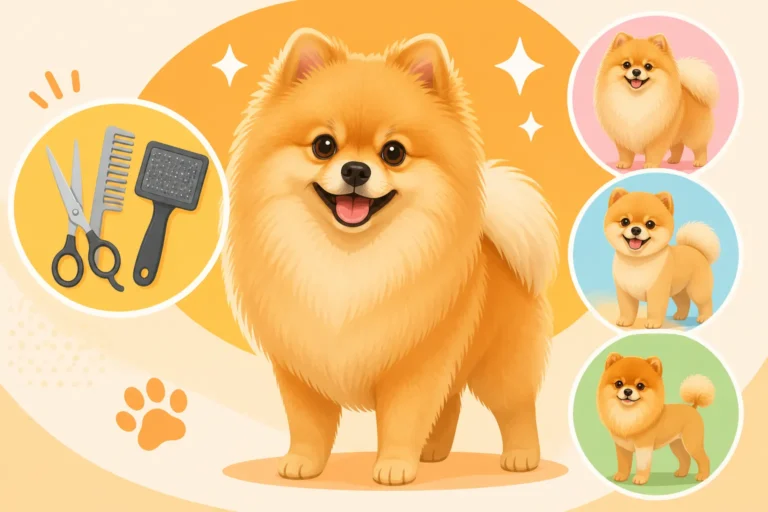
A good quality slicker brush is absolutely non-negotiable for a Pomeranian owner. These brushes feature fine, tightly packed wire pins, often angled slightly, that are designed to penetrate the dense undercoat and remove loose, dead hair and minor tangles. When choosing a slicker brush, look for one with flexible pins that aren't too sharp, as harsh pins can scratch your dog's delicate skin. Many high-quality slicker brushes are designed with comfort grips to make long grooming sessions easier on your hand.
The slicker brush is your primary tool for separating the coat into sections and working through the undercoat layer by layer. It's incredibly effective at de-shedding and lifting out trapped debris. You'll use this brush with a gentle, yet firm, stroke, always being careful not to press too hard against the skin. For detailed work and especially on smaller Poms or puppies, a smaller slicker brush can offer better control. Remember, the goal is to get those pins down to the skin without irritating it, effectively pulling out the dead undercoat before it can clump and mat.
The Finisher: Pin Brushes and Metal Combs
While the slicker brush does the heavy lifting, a good pin brush and a metal comb are essential for finishing touches and more precise work. A pin brush typically has longer, wider-spaced pins, often with rounded tips. It's excellent for fluffing up the coat, smoothing the guard hairs, and checking your work after using the slicker. It doesn't penetrate as deeply as a slicker, but it helps distribute natural oils and leaves the coat looking beautifully voluminous and untangled.
A sturdy metal comb, with both wide and fine-toothed sections, is another absolute must-have. This is your ultimate "mat detector" and finishing tool. After you've brushed a section with the slicker, you'll use the metal comb to gently comb through the entire section, from skin to tip. If the comb glides through smoothly without snagging, you know that section is truly free of tangles and dead undercoat. The wide-toothed side is great for initial passes or larger areas, while the fine-toothed side is perfect for delicate areas like behind the ears or the britches, and for catching any last stubborn knots. The Slicker and Pin Brush a Pomeranian Needs offers more specific recommendations.
Detangling Sprays and Conditioners
Never, ever brush a dry Pomeranian coat. Brushing dry fur, especially when trying to work out tangles, can cause breakage, static, and discomfort for your dog. This is where a good quality detangling spray or leave-in conditioner becomes an indispensable part of your grooming kit. These products typically contain ingredients that lubricate the hair shaft, making it easier for brushes and combs to glide through without snagging or pulling.
Before you begin brushing any section, give it a light mist of detangling spray. This helps to soften the fur, reduce static, and protect the coat from damage. Look for sprays specifically designed for dogs, ideally those that are moisturizing and leave no residue. Some sprays even contain anti-static agents, which is a huge bonus for Poms, especially in drier climates. Using these sprays not only makes the grooming process more pleasant but also helps to maintain the integrity and health of your Pomeranian's beautiful fur, leaving it softer and shinier.
Setting Up Your Grooming Space for Success
Grooming a Pomeranian isn't just about the tools; it's about the environment and your dog's state of mind. A chaotic, uncomfortable grooming experience will only lead to a resistant, stressed-out pup, making future sessions even harder. Taking the time to prepare your space and your Pomeranian for a positive grooming routine is key to long-term success.
Creating a Calm and Safe Area
Think of your grooming area as a mini-spa for your Pomeranian. It should be a quiet, well-lit space where you won't be easily interrupted. Minimize distractions like loud noises, other pets, or excited children. You want your Pomeranian to associate this space with calm, gentle handling, not anxiety. A dedicated spot, even if it's just a corner of a room, can help establish a routine and make your dog feel more secure.
Ensure the temperature is comfortable – not too hot, not too cold. Gather all your tools within easy reach before you even bring your Pom to the area. This prevents you from fumbling around or leaving your dog unattended on a grooming surface. Having everything organized and ready fosters a sense of calm for both you and your pet, making the process smoother and more efficient. A relaxed environment is the first step towards a successful and stress-free grooming session.
Getting Your Pomeranian Comfortable with Grooming
If your Pomeranian isn't already used to being handled and brushed, you'll need to introduce grooming gradually and positively. Start with very short sessions, just a minute or two, focusing on gentle strokes and positive reinforcement. High-value treats are your best friend here! Touch their paws, ears, tail – all the areas that might be sensitive during a full brush-out. Praise them lavishly for any cooperation.
As your Pom gets more comfortable, slowly increase the duration and intensity of the sessions. The goal is to make grooming a pleasant, even enjoyable, experience rather than a dreaded chore. Many puppies go through a "puppy uglies" phase where their coat changes, and this is a great time to introduce consistent grooming habits before their adult coat fully comes in. If your dog is particularly anxious, consider playing calming music during grooming or even engaging in a short play session beforehand to burn off some nervous energy. Remember, patience is paramount; consistency and positive association will build trust over time. Building a Pomeranian's Tolerance for Combing Mats offers more tips on this.
The Importance of a Grooming Table or Non-Slip Surface
Trying to groom a wriggly Pomeranian on your lap or on the floor can be a frustrating and even dangerous endeavor. A dedicated grooming table, even a small, portable one, can make a world of difference. The raised surface puts your dog at a comfortable height for you, reducing strain on your back. Most importantly, a non-slip surface on the table prevents your dog from sliding around, making them feel more secure and less likely to struggle or accidentally fall.
If a grooming table isn't an option, use a non-slip bath mat or a towel securely placed on a sturdy, flat surface like a kitchen counter or a sturdy table. The key is stability. A wobbly surface or one where your dog feels unstable will increase their anxiety and make them less cooperative. For added security, many grooming tables come with grooming arms and loops, which allow you to gently secure your Pomeranian to prevent them from jumping off. Never leave your dog unattended when secured on a grooming table. Safety is always the top priority.
The Sectioning Technique: A Step-by-Step Guide
This is the core of effective Pomeranian grooming. The secret to getting right down to the skin and preventing mats is to work in small, manageable sections. Think of it like dividing a dense forest into smaller plots to ensure every tree is tended to. This method prevents you from overwhelming yourself and ensures no area is overlooked, leading to a thoroughly brushed, mat-free coat.
Starting with the Legs and Paws
We typically start with the legs and paws because these areas can be quite sensitive and are prone to matting, especially behind the joints and between the toes. It's also a good way to ease into the grooming process for your Pom, as these are smaller, more manageable areas. Begin by gently laying your Pomeranian on its side, or having them stand comfortably if they prefer.
Take one leg and, using your slicker brush, gently part the hair down to the skin, creating small "lines" or sections as you work. Hold the fur above the section you're working on with one hand, and brush downwards with short, soft strokes with the other. Once you've brushed through that small section, use your metal comb to check your work, ensuring it glides smoothly from skin to tip. Move systematically around each leg, paying special attention to the "armpits" and the back of the hocks, where friction often creates mats. Don't forget to comb out the paw feathering and check between the pads, carefully trimming any excess hair there later to prevent debris accumulation.
Moving to the Body and Sides
Once the legs are done, you can move to the main body of your Pomeranian. This is where the density of the undercoat really comes into play. Again, the sectioning technique is crucial here. Start by parting the hair along your dog's spine, from neck to tail. Now, imagine horizontal lines running across their body. You'll work on one small horizontal strip at a time.
Lay your Pom on its side. Take a small section of hair near the flank, hold the rest of the coat up and out of the way, and brush this small section down and away from the body using your slicker brush. Work your way across the body, always brushing from the skin outwards. Once you've completed one horizontal strip, lower the next strip of hair and repeat the process. Continue this method, moving from flank to shoulder, ensuring every inch of the undercoat is reached. Don't forget the tummy area, which often gets neglected and can mat easily. Remember to check each section with your metal comb once you believe you've brushed it thoroughly. The Minutes a Full Pomeranian Brush Out Takes can give you an idea of time commitment.
Tackling the Ruff and Tail Plume
The ruff (the magnificent mane around the neck) and the tail plume are often the most impressive features of a Pomeranian's coat, but they're also notorious for matting. These areas have some of the densest fur and are subject to a lot of movement and friction. When approaching the ruff, start by gently parting the hair right at the base of the neck, near the shoulder.
Just like with the body, work in small sections, brushing the hair upwards and outwards from the neck, against the natural lay of the coat. This helps to lift the dense undercoat and ensures you reach all the way down to the skin. Again, use your slicker brush first, followed by the metal comb to confirm all tangles are gone. For the tail, hold the tail up and away from the body. Take small sections of the plume, brushing them outwards from the base of the tail to the tip. These areas require extra patience and a very gentle touch, as they can be sensitive. Regular brushing of these areas will maintain that iconic "stand-off" appearance and prevent painful mats.
Dealing with Mats and Tangles Effectively
Discovering a mat in your Pomeranian's coat can feel like a setback, but it's important to approach it with patience and the right technique. Yanking or pulling will only cause pain and make your dog resistant to future grooming. With a methodical approach, most mats can be safely and comfortably worked out.
Gentle Detangling Strategies
When you encounter a mat, stop brushing immediately with the slicker brush and grab your detangling spray and metal comb. Liberally mist the matted area with the detangling spray; this will help to soften the mat and make it more pliable. Use your fingers to gently try and pull apart the mat as much as possible, breaking it into smaller sections. The goal is to loosen it without causing pain.
Next, using the fine-toothed end of your metal comb, work from the outermost edge of the mat, teasing out just a few strands of hair at a time. Don't try to pull the comb straight through the mat. Instead, use a "picking" motion, gently lifting and separating the tangled hairs. Work slowly, patiently, and in very small increments. It might take some time, but this gentle approach is crucial for preventing skin irritation and avoiding pulling on live hairs. Offer praise and treats throughout the process to keep your Pom calm.
When to Cut vs. When to Brush
Sometimes, a mat is just too tight, too close to the skin, or too extensive to safely brush out. In these situations, attempting to brush it out will only cause significant pain and could potentially damage your dog's skin. This is when you need to make the difficult decision to cut the mat out. However, this should always be done with extreme caution. Pomeranian skin is thin and easily nicked, and mats often sit very close to the skin, making it hard to get scissors underneath without injury.
If you absolutely must cut, use blunt-nosed scissors (grooming scissors with rounded tips are best) and always, always point the tips away from the dog's body. Slide a metal comb or your fingers between the mat and the skin to create a barrier before you cut. Only make small snips. Better yet, if a mat is too severe or you're uncomfortable cutting, it's always safer to consult a professional groomer. They have specialized tools and expertise to remove even the most stubborn mats safely. Whether a Matted Pomeranian Has to Be Shaved explores this topic in more detail.
Preventing Future Matting
The best way to deal with mats is to prevent them from forming in the first place! Consistency in your grooming routine is key. Regular, thorough brush-outs using the sectioning technique, ideally every other day or at least 3-4 times a week, will go a long way. During seasonal coat blows, when your Pomeranian sheds its undercoat more heavily, you might even need to brush daily. The Grooming Schedule a Pomeranian Runs On provides a great framework.
Beyond regular brushing, consider these preventative measures:
- Harness Choice: Ensure your Pomeranian's harness fits properly and isn't constantly rubbing in one spot, which can cause friction mats. Preventing Mats Where a Pomeranian's Harness Sits offers more guidance.
- Regular Baths: Proper bathing with a good quality shampoo and conditioner can help keep the coat clean and less prone to tangles. Just remember to always brush out before bathing and thoroughly dry after to prevent mats from tightening. Washing a Pomeranian in a Kitchen Sink shares tips for this.
- Diet and Supplements: A healthy diet rich in omega fatty acids can contribute to a healthier, more manageable coat. Brands like Ollie often emphasize quality ingredients that support overall skin and coat health. Sometimes, a supplement for skin and coat, easily found on Chewy or Amazon, can also make a difference. Supplements That Support a Pomeranian's Skin has more information.
- Checking Problem Areas: Pay extra attention to areas prone to matting: behind the ears, under the armpits, the britches (rear end), and where a collar or harness sits. These spots mat quickly due to friction and movement.
Maintaining Coat Health Between Full Brush-Outs
While those deep, thorough brush-outs are crucial, what you do on the "off days" can significantly impact your Pomeranian's coat health and make those bigger grooming sessions much easier. Establishing a routine of quick, consistent maintenance helps keep minor issues from escalating into major matting nightmares.
Quick Daily Maintenance Routines
Even on days when you don't do a full, section-by-section brush-out, a few minutes of quick maintenance can make a huge difference. This isn't about deep penetration to the skin, but rather preventing surface tangles and removing loose debris before it can work its way down. A quick daily routine might look something like this:
First, use your pin brush or a light slicker brush to quickly go over the entire coat, fluffing it up and catching any surface dust, leaves, or loose hairs. Pay a little extra attention to those common friction points like behind the ears, under the chin, and where the harness sits. This quick pass helps to smooth the guard hairs and prevent minor tangles from settling in. Think of it as a quick tidying up. This daily habit helps your Pomeranian stay comfortable with being handled and brushed, reinforcing positive associations with grooming. It also makes your more extensive grooming sessions less daunting and time-consuming.
Bathing Best Practices to Support Coat Health
Bathing a Pomeranian can be a double-edged sword: it keeps them clean, but if done incorrectly, it can severely worsen matting. Always, always thoroughly brush your Pomeranian before bathing. Any existing mats will tighten significantly when wet, becoming nearly impossible to remove without cutting. Once the coat is fully brushed out and mat-free, you can proceed with bathing.
Use a high-quality shampoo and conditioner specifically designed for dogs, ideally one that is moisturizing and won't strip natural oils. Avoid harsh detergents. When washing, work the shampoo gently into the coat, squeezing rather than rubbing vigorously, which can create tangles. Rinse thoroughly to remove all shampoo residue, as leftover product can irritate the skin and dull the coat. Follow up with a good conditioner, leaving it on for the recommended time before rinsing. After rinsing, gently squeeze excess water from the coat, then blot with a towel – again, no rubbing! Finally, use a blow dryer on a cool or low heat setting, brushing the coat as you dry it to prevent tangles and ensure it's dry right down to the skin. Drying a Pomeranian Without Damaging the Coat has more tips.
Nutritional Support for a Healthy Coat
While external grooming is crucial, a healthy coat truly starts from within. What you feed your Pomeranian plays a significant role in the luster, strength, and overall health of their fur and skin. A diet lacking in essential nutrients can lead to a dull, dry, brittle coat that's more prone to breakage and matting, and can even contribute to skin issues.
Look for high-quality dog foods that list real meat as the first ingredient and contain a balanced profile of vitamins, minerals, and essential fatty acids. Omega-3 and Omega-6 fatty acids, often derived from fish oil or flaxseed, are particularly beneficial for skin and coat health, promoting shine and reducing dryness. Some owners also opt for fresh food options, such as those offered by Ollie, as they believe the nutrient density supports a healthier coat. If your dog's coat seems dull or dry despite regular grooming, speak to your vet about potential dietary changes or the addition of a coat supplement. These often come in oil or chewable forms and can be easily purchased from pet supply stores like Chewy.
Common Mistakes to Avoid While Brushing
Even with the best intentions, it's easy to fall into habits that can actually harm your Pomeranian's coat or make grooming a stressful experience. Knowing these common pitfalls can help you steer clear of them and ensure your grooming efforts are always beneficial.
Brushing a Dry Coat: A Recipe for Damage
This is perhaps the most critical mistake to avoid. Brushing a dry Pomeranian coat, especially one with even minor tangles, is a surefire way to cause static, breakage, and discomfort. Dry hair is more brittle and susceptible to damage. Each time you drag a brush through dry, knotted fur, you risk tearing out healthy hairs, creating split ends, and causing micro-traumas to the hair shaft. This leads to a frizzy, dull, and ultimately thinner-looking coat over time.
Instead, always use a good quality detangling spray or a light mist of water mixed with conditioner before you start brushing. This lubricates the hair, makes it more elastic, and allows the brush to glide through much more easily, preventing breakage and reducing static. Think of it like conditioning your own hair before brushing; it makes the process smoother and protects the strands. Whether Brushing a Dry Pomeranian Breaks the Coat offers further insights into this.
Rushing the Process and Causing Discomfort
We all lead busy lives, and sometimes it's tempting to try and get grooming over with as quickly as possible. However, rushing through a Pomeranian brush-out is another major mistake. Their dense double coat demands patience and a methodical approach. Hurried, aggressive brushing is uncomfortable, even painful, for your dog. It can pull on their skin, snag existing tangles, and turn what should be a bonding experience into a source of fear and anxiety.
When you rush, you're also more likely to miss sections, leading to unnoticed mats that will only worsen. Take your time. Plan your grooming sessions for when you have ample time and are feeling calm yourself. Break the session into smaller segments if needed, with short breaks for your Pomeranian. A calm, unhurried pace allows you to be thorough, gentle, and ensures your dog has a more positive experience, making them more cooperative for future grooming sessions.
Ignoring Specific Problem Areas
It's natural to focus on the large, easy-to-reach areas of the coat, but often, the real problems hide in those neglected nooks and crannies. Ignoring specific problem areas is a common mistake that quickly leads to severe matting in sensitive spots. These areas include:
- Behind the ears: Constant rubbing and movement, combined with dense fur, makes this a prime matting zone.
- Under the armpits: Friction from movement, especially if your Pom is active, causes mats to form here very quickly.
- The britches (rear end): This area gets messy easily and the dense fur can become a matted mess if not regularly combed.
- Under the chin/chest: Again, friction from collars or simply lying down can cause tangles.
- Tummy and inner thighs: These areas are often overlooked but can develop tight mats.
Make a mental checklist and dedicate extra time and care to these spots during every grooming session. They require a gentle touch and diligent sectioning to ensure every strand is free of tangles. Being proactive about these hotspots will save you a lot of headache and discomfort for your Pomeranian in the long run.
When to Seek Professional Grooming Help
While home grooming is essential for maintaining your Pomeranian's coat, there are times when calling in a professional is not just helpful but absolutely necessary. Recognizing these situations ensures your dog receives the best care and prevents unnecessary pain or stress.
Recognizing Severely Matted Coats
Sometimes, despite your best efforts, or perhaps due to unforeseen circumstances, your Pomeranian's coat might become severely matted. A severely matted coat is one where the mats are tight, extensive, pulling on the skin, and potentially causing discomfort or even skin irritation underneath. These aren't just a few tangles; they're dense, felt-like clumps that often sit right against the skin and might even cover large portions of the body.
Attempting to brush out severe matting can be incredibly painful for your dog and can even cause damage to their skin if you're not experienced. It's also a very time-consuming and frustrating task for you. If you can't easily slide a comb underneath a mat, or if your dog reacts with extreme discomfort or aggression when you try to tackle a mat, it's time to call a professional groomer. They have specialized tools, techniques, and the experience to safely and humanely remove even the worst matting, often requiring a full shave-down to start fresh. Whether a Matted Pomeranian Has to Be Shaved explains this scenario.
The Benefits of Regular Professional Grooming
Even if you're diligent with home grooming, incorporating regular visits to a professional groomer can offer significant benefits for your Pomeranian's coat and overall well-being. Professional groomers have access to industrial-strength dryers that can dry a double coat right down to the skin much more effectively than home dryers, preventing hidden mats. They also use professional tools and techniques for de-shedding that are hard to replicate at home.
Beyond just the coat, groomers can provide expert nail trims, express anal glands (if needed), clean ears thoroughly, and even spot potential skin issues or lumps you might miss. Their trained eye can identify subtle changes in your dog's skin or coat that could indicate a health problem. For many Pomeranian owners, a professional groomer is a partner in maintaining their dog's health, offering peace of mind that their precious companion is receiving top-notch care. Regular professional grooming can also make your at-home maintenance much easier, as the groomer gets the coat reset to a manageable state.
Communicating Your Needs to a Professional Groomer
When you take your Pomeranian to a professional groomer, clear communication is essential to ensure you get the results you desire and your dog has a positive experience. Don't be shy about discussing your concerns and preferences. If your dog has specific sensitive spots, such as a tendency to mat behind the ears or a fear of having their feet touched, let the groomer know upfront.
Discuss your desired look – whether you want a full, natural coat, a light trim to tidy things up, or something like a "teddy bear" cut. Bring pictures if you have a specific style in mind. Be honest about your home grooming routine and any challenges you face. A good groomer will listen, offer advice, and tailor their services to your dog's individual needs and temperament. They can also recommend a schedule for future appointments, helping you maintain your Pomeranian's glorious coat year-round. Don't hesitate to ask questions; a good groomer is a valuable resource for any Pomeranian parent.
Disclaimer
This article is for general informational purposes only and does not constitute professional advice. Laws, prices and regulations vary by location and change over time. Consult a qualified professional for guidance on your specific situation.