Feeding a Dog That Weighs What a Pomeranian Weighs
One of the biggest concerns for new Pomeranian parents, and even seasoned ones, is figuring out how to properly feed a dog that weighs so little. It’s not just about tiny portions; these pint-sized pups have unique metabolic rates, delicate digestive systems, and specific nutritional requirements that can be incredibly challenging to get just right. This comprehensive guide will walk you through everything you need to know to ensure your Pomeranian is getting the best possible nutrition, from puppyhood through their golden years.
Understanding the Unique Dietary Needs of a Tiny Pomeranian
Bringing a Pomeranian into your home means understanding that their small stature dictates a lot about their care, especially their diet. These aren't just smaller versions of larger dogs; their physiology is distinct, making their feeding requirements quite specialized. You can't just scale down a large breed diet and expect it to work. Their fast metabolism and small stomachs mean they burn through calories quickly and can't hold a lot of food at once.
Why Small Dogs Have Different Nutritional Requirements
It might seem counterintuitive, but smaller dogs often have a higher metabolic rate than larger dogs. Think of it like a hummingbird versus an eagle – the hummingbird is constantly buzzing, burning energy at an incredible pace. Your Pomeranian is similar. Their little bodies are working harder, requiring more calories per pound of body weight just to maintain their core functions. This means they need nutrient-dense food that provides ample energy without overwhelming their tiny digestive systems. Owners often worry about overfeeding their small dogs, but the real challenge is making sure they get enough of the right nutrients.
Another factor is their physical size itself. A Pomeranian's stomach is, naturally, very small. They can't eat a huge meal in one sitting. If you try to give them too much at once, you might see them regurgitate food, or they might simply not finish it, leading to insufficient calorie intake over the day. This is why frequent, smaller meals are often recommended for Poms. Their tiny mouths and delicate teeth also mean they need kibble that's appropriately sized to prevent choking and encourage proper chewing.
Common Health Concerns Linked to Diet in Pomeranians
Pomeranians are adorable, but they do come with a few health predispositions that can be managed or exacerbated by their diet. One of the most critical is hypoglycemia, or low blood sugar, especially in puppies and very small adults. Because of their high metabolism and low body fat reserves, their blood sugar can drop dangerously fast if they go too long without eating. This is particularly frightening for new puppy owners who might not realize how often a young Pom needs to eat to stay safe. Feeding a Pomeranian Puppy Often Enough to Stay Safe is a must-read for anyone with a young pup.
Another significant concern is dental disease. Pomeranians have small mouths, and their teeth are often crowded, making them highly susceptible to plaque and tartar buildup. What does this have to do with diet? The type of food they eat can impact their dental health. While dry kibble isn't a magical tooth-cleaner, some kibbles are designed to help scrape plaque, and overall, a healthy diet supports a stronger immune system, which can fend off gum infections. Beyond that, obesity is a silent killer in Poms, leading to issues like The Honking Cough of a Pomeranian's Collapsing Windpipe and Slipping Kneecaps in a Five Pound Pomeranian. Maintaining The Three to Seven Pounds a Pomeranian Should Hold is crucial for their long-term health.
Choosing the Right Food for Your Small Pomeranian
Selecting the perfect food for your Pomeranian can feel like navigating a maze of conflicting advice and endless options. With so many brands, ingredients, and feeding philosophies out there, it's easy to get overwhelmed. The key is to look for foods specifically formulated for small breeds, but even within that category, there are distinctions that matter for your tiny companion.
Deciphering Dog Food Labels for Small Breeds
When you pick up a bag or can of dog food, the label is your first clue, but it can be full of jargon. Look for foods labeled "small breed formula" or "toy breed formula." These typically have smaller kibble sizes, which is vital for your Pom's tiny mouth and helps prevent choking. Beyond that, pay close attention to the ingredient list. The first few ingredients are the most abundant. You want to see a high-quality animal protein source like chicken, lamb, or salmon listed first. Avoid foods where corn, wheat, or soy are the primary ingredients, as these are often fillers and can sometimes trigger sensitivities.
The guaranteed analysis section tells you the minimum percentages of crude protein and crude fat, and maximum percentages of crude fiber and moisture. For a Pomeranian, you generally want a higher protein and fat content to fuel their fast metabolism. However, remember that "crude" refers to the entire composition, not necessarily the digestibility or bioavailability of the nutrients. This is where researching reputable brands that prioritize high-quality, digestible ingredients comes in. Don't be afraid to compare a few different brands side-by-side; sometimes the best option isn't the most expensive, but the one that truly fits your dog's unique needs.
Comparing Dry Kibble, Wet Food, and Fresh Food Options
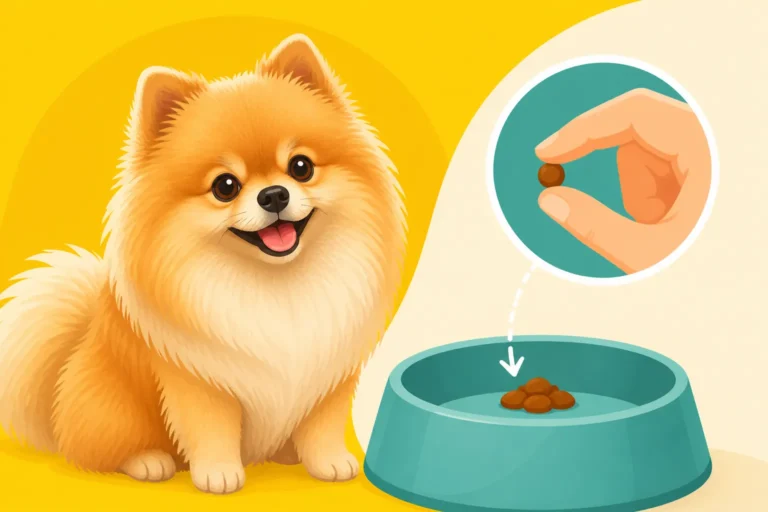
Each type of dog food has its pros and cons for a Pomeranian. Dry kibble is usually the most economical and convenient. Good quality small breed kibble is formulated with the right balance of nutrients and often has a texture designed to help clean teeth slightly. However, some Poms might find it hard to chew if their teeth are compromised or if they're particularly finicky. When looking for Kibble Small Enough for a Pomeranian, consider options from reputable brands known for their small-bite formulations.
Wet food can be highly palatable and is excellent for hydration, which is a bonus for many small dogs who might not drink enough water. It's also softer, making it ideal for Pomeranians with dental issues or those that have [Few Teeth]. The downside is that wet food is often more expensive and doesn't offer the same potential dental benefits as dry kibble. Many owners choose to feed a mix of wet and dry, often called "topping," to get the best of both worlds.
Fresh food, like that offered by services such as Ollie or even homemade meals (under vet guidance), is gaining popularity. The benefits include highly digestible, human-grade ingredients and often fewer artificial additives. For a picky Pomeranian, fresh food can be a game-changer because of its aroma and texture. The main drawbacks are cost and the need for careful portion control to ensure complete and balanced nutrition, especially with homemade diets. Without proper formulation, a homemade diet can lead to nutritional deficiencies over time. It’s always best to consult with your vet before embarking on a fully fresh or homemade diet to ensure it's nutritionally sound for your particular Pom.
Establishing a Healthy Feeding Schedule for Your Pom
Once you’ve chosen the right food, the next step is establishing a consistent and healthy feeding schedule. This is paramount for Pomeranians, not just for digestion but for managing their energy levels and preventing dangerous blood sugar drops, especially when they are young. A routine brings comfort and predictability to your dog’s day, and it makes house-training much easier too!
How Often Should a Pomeranian Eat?
For Pomeranian puppies, frequent meals are non-negotiable. Their tiny bodies and rapid growth demand a steady supply of nutrients and calories to maintain stable blood sugar levels. A puppy under six months old typically needs to eat three to four times a day. Skipping even one meal can lead to Blood Sugar Crashes in a Pomeranian Puppy, which is a serious emergency. As they grow, you can gradually reduce the frequency. The Age a Pomeranian Outgrows Sugar Crashes usually correlates with their move from puppy food to adult food.
Adult Pomeranians generally do well with two meals a day, spaced out to prevent them from getting too hungry. Some very small Poms or those with specific health conditions, like a history of hypoglycemia, might still benefit from three smaller meals. It's really about finding what works best for your individual dog and discussing it with your veterinarian. Consistency is key – try to feed them around the same times each day. This helps regulate their digestive system and gives them a sense of security. If you have a busy schedule, automatic feeders can be a lifesaver, but always monitor to ensure your Pom is actually eating.
Best Practices for Feeding Times and Locations
Beyond how often, when and where you feed your Pomeranian also matters. Feeding them at consistent times, perhaps once in the morning and once in the evening, helps set their internal clock. This also aids in predicting bathroom breaks, which is a huge help for house training. Avoid feeding them right before bed, as this can lead to nighttime potty accidents and can also disrupt their sleep with digestive activity.
Choose a quiet, consistent location for their feeding bowl. This should be a place where they feel safe and undisturbed, away from high-traffic areas, other pets, or young children who might accidentally startle them. A kitchen corner or a quiet spot in the living room often works well. Using non-slip bowls can prevent them from chasing their food around the floor, which can be frustrating for them and messy for you. Ceramic or stainless steel bowls are generally preferred over plastic, as plastic can harbor bacteria and lead to chin acne or allergies in some dogs.
Navigating Portion Sizes and Weight Management
One of the trickiest aspects of feeding a Pomeranian is getting the portion size just right. They are so small that even a few extra kibbles can make a big difference, leading to unwanted weight gain. Balancing their high metabolic needs with the risk of obesity requires a keen eye and consistent monitoring.
Determining the Correct Portion Size for Your Pomeranian
The back of most dog food bags provides a feeding guide, usually based on your dog's weight. However, these are often just starting points and need to be adjusted based on your Pomeranian's age, activity level, and individual metabolism. A highly active Pom who zooms around the house and plays fetch for hours will naturally need more calories than a couch potato senior. How Little Food an Adult Pomeranian Needs is surprisingly small, so precision matters.
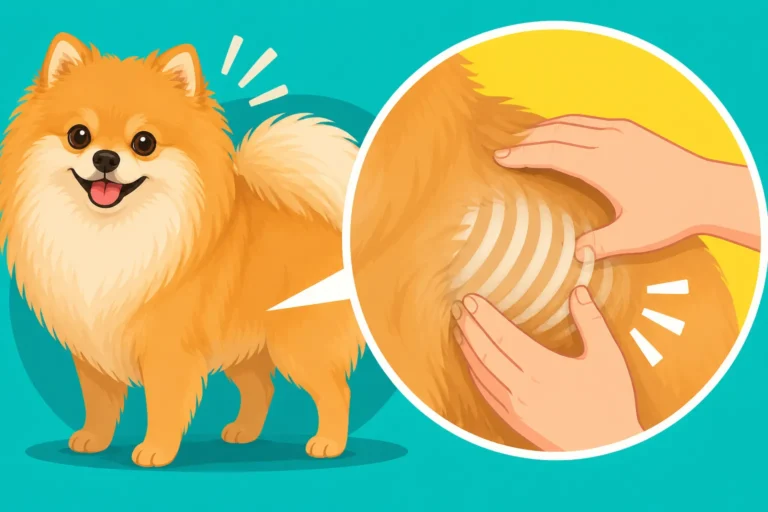
Start with the recommended portion for their ideal weight (which is typically between three and seven pounds) and then observe your dog. Is their energy level good? Are they clearing their bowl eagerly but not begging constantly? Most importantly, how is their body condition? You should be able to feel their ribs easily under a slight layer of fat, but not see them protruding. Their waist should tuck in slightly when viewed from above. If they're gaining weight, gently reduce the portion. If they seem too thin, increase it slightly. Making small adjustments over time is key, typically in increments of a few pieces of kibble or a teaspoon of wet food. Remember, The Small Monthly Food Bill a Pomeranian Runs can be deceptive; while individual portions are tiny, the quality matters.
Preventing and Managing Obesity in Small Breeds
It's easy for Pomeranians to become overweight. Those pleading little eyes, combined with their small size, make it tempting to over-treat or overfeed. But obesity is a major health risk for Poms, contributing to problems like worsening The Honking Cough of a Pomeranian's Collapsing Windpipe, putting extra strain on delicate joints like those prone to Slipping Kneecaps in a Five Pound Pomeranian, and increasing Anesthesia Risk in a Four Pound Pomeranian if they ever need surgery. Whether an Eight Pound Pomeranian Is Overweight is often a yes, depending on their individual frame.
The best way to manage weight is through careful portion control and regular, appropriate exercise. If your Pomeranian is already overweight, the goal is to safely take weight off. This involves reducing their caloric intake gradually, swapping high-calorie treats for healthier options like small pieces of carrot or green bean, and increasing their physical activity. Always consult your vet before implementing a significant diet change, as they can help you create a safe and effective weight loss plan. Taking Weight Off a Pomeranian Without Starving It is a delicate process, and your vet can guide you. They might recommend a prescription weight-loss diet or provide specific calorie targets.
| Food Type | Pros | Cons | Typical Pomeranian Use |
|---|---|---|---|
| Dry Kibble | Convenient, cost-effective, aids dental health, balanced nutrition. | Can be less palatable, harder to chew for dogs with poor teeth. | Staple diet for most Poms, especially good for maintaining dental health. |
| Wet Food | Highly palatable, good for hydration, easy to chew. | More expensive, less dental benefit, often higher calorie density. | Excellent for picky eaters, seniors, or dogs with dental issues; often mixed with kibble. |
| Fresh Food | Highly digestible, human-grade ingredients, no artificial additives. | Most expensive, requires careful balancing of nutrients (if homemade). | Good for sensitive stomachs, picky eaters, or owners preferring natural diets. |
| Raw Food | Can promote healthy skin/coat, dental health (bones). | Risk of bacterial contamination, nutritional imbalance, choking hazards. | Highly debated; requires extensive research and vet consultation due to risks. |
Recognizing Signs of Healthy Weight and Underweight
It can be difficult to assess a Pomeranian's weight just by looking at them, thanks to their glorious double coat. Finding a Pomeranian's Ribs Through the Coat is the primary method. Run your hands along their sides; you should be able to feel their ribs without pressing too hard, much like feeling the back of your hand. If you can clearly see their ribs, they might be underweight. If you have to press hard to feel them, they're likely overweight.
Another good indicator is the "waist." When viewed from above, your Pomeranian should have a distinct waistline that tucks in behind their ribcage. From the side, their abdomen should tuck up slightly, not hang down. Regular weigh-ins at home or at your vet's office are also incredibly helpful. Many vets have scales you can use even if you don't have an appointment. Tracking their weight allows you to catch any upward or downward trends early, making it much easier to make small, preventative adjustments to their diet rather than needing drastic changes later.
Addressing Picky Eaters and Food Sensitivities
Pomeranians, with their spirited personalities, can sometimes be notoriously picky eaters. What's more, their sensitive systems can sometimes react to certain ingredients, leading to discomfort and digestive upset. It's a fine line to walk between indulging a fussy eater and ensuring they get the nutrition they need, all while identifying and avoiding potential triggers.
Strategies for Dealing With a Finicky Pomeranian
It's a familiar scenario: you put down a fresh bowl of carefully chosen food, and your Pomeranian gives it a sniff and walks away. A Pomeranian That Turns Its Nose Up at Dinner can be incredibly frustrating. First, rule out any underlying medical issues with a vet visit; sometimes a loss of appetite indicates illness or dental pain. If they get a clean bill of health, then it's likely pickiness. One common mistake is constantly offering new foods in an attempt to find "the one" they'll love. This often just teaches them that if they hold out long enough, something better will come along.
Instead, try establishing a routine: put the food down for 15-20 minutes. If they don't eat it, pick it up and offer it again at the next scheduled mealtime. Don't offer treats or other food in between. It sounds harsh, but a healthy dog will not starve itself. Adding a small amount of warm water or a low-sodium broth can sometimes enhance the aroma and make dry kibble more appealing. You might also try mixing in a tiny bit of wet food or a fresh food topper to entice them. For dogs that are truly stubborn, a fresh food service like Ollie might be a game changer due to its natural palatability, but again, introduce changes slowly. For more persistent issues, Getting a Pomeranian to Eat When It Refuses can involve careful observation and professional guidance.
Identifying and Managing Food Allergies and Sensitivities
Food sensitivities and allergies are different, though often confused. A food allergy is an immune response that can cause severe symptoms like itchy skin, ear infections, vomiting, or diarrhea. A food sensitivity is a digestive issue, often leading to gas, soft stools, or occasional vomiting without an immune response. Both, however, mean your Pomeranian isn't feeling their best. Foods That Give a Pomeranian a Bad Stomach can vary wildly from dog to dog. Common culprits often include proteins like beef, chicken, or dairy, and grains like wheat or corn, though any ingredient can be a trigger.
If you suspect a food sensitivity or allergy, the best approach is an elimination diet under veterinary supervision. This involves feeding a novel protein (one your dog has never eaten before, like duck or venison) and a single carbohydrate source (like potato or peas) for several weeks, with absolutely no other treats or foods. If symptoms resolve, you then gradually reintroduce old ingredients one by one to identify the trigger. This process requires patience but is the most reliable way to pinpoint the problem. Once identified, you can choose a dog food that avoids that specific ingredient. Sometimes, adding a probiotic can help settle a sensitive stomach, which you can learn more about in Whether a Probiotic Settles a Pomeranian's Stomach.
Supplements and Treats: Enhancing Your Pomeranian's Diet
While a complete and balanced dog food should theoretically provide all the nutrients your Pomeranian needs, there are times when supplements or carefully chosen treats can enhance their overall health and well-being. However, it's crucial to approach supplements with caution and treats with moderation, especially for a tiny dog where even small extras can quickly add up.
Choosing Healthy and Appropriate Treats
Treats are wonderful for training, rewarding good behavior, and simply showing your Pomeranian some love. However, for a small dog, treats can contribute significantly to their daily caloric intake. Always choose treats that are appropriately sized for your Pomeranian – tiny, soft, and easy to chew. Many larger dog treats are too big and hard, posing a choking hazard or risking dental damage. Brands like Zuke's Mini Naturals or Wellness Soft Puppy Bites are often good choices, as they are small and palatable.
When it comes to human foods as treats, exercise extreme caution. Many human foods are toxic to dogs (chocolate, grapes, xylitol, onions, garlic), and even safe ones can be too rich or fatty, leading to upset stomachs or pancreatitis. Small pieces of plain, cooked chicken, blueberries, or green beans can make excellent, healthy, low-calorie treats. Remember the 10% rule: treats should make up no more than 10% of your Pomeranian's daily caloric intake to prevent nutritional imbalance and weight gain. How Few Treats a Pomeranian Can Actually Have might surprise you!
When and How to Use Dietary Supplements
For the most part, if your Pomeranian is on a high-quality, complete, and balanced dog food, they shouldn't need a myriad of supplements. However, there are situations where supplements can be beneficial, always under the guidance of your veterinarian. For example, some Pomeranians might benefit from omega-3 fatty acids (like fish oil) for skin and coat health, especially if they struggle with dryness or shedding issues. Whether a Pomeranian Needs Fish Oil for Its Coat is a common question, and it often depends on their current diet and individual needs.
Joint supplements, containing ingredients like glucosamine and chondroitin, might be recommended for older Pomeranians or those predisposed to Slipping Kneecaps in a Five Pound Pomeranian. However, starting these too early isn't always necessary if their diet is already strong. Probiotics can be helpful for Poms with sensitive digestion, chronic diarrhea, or during and after antibiotic courses to help restore gut flora. Always discuss any potential supplements with your vet first. They can help you determine if a supplement is truly necessary, recommend a reputable brand, and advise on the correct dosage for your tiny dog. Never give human supplements without explicit vet approval, as dosages can be dangerously high for a Pomeranian.
Feeding a Pomeranian Through Different Life Stages
A Pomeranian's nutritional needs aren't static; they change significantly as they transition from a playful puppy to a mature adult, and then into their wise senior years. Adjusting their diet at each stage is crucial for supporting their health and vitality.
Puppy Nutrition: Building a Strong Foundation
Pomeranian puppies are bundles of energetic fur, and their rapid growth demands a specialized diet. They need a high-calorie, nutrient-dense puppy food formulated for small breeds. This food supports their fast growth rate and provides the energy necessary for their endless curiosity and play. As mentioned earlier, frequent meals (three to four times a day) are critical to prevent hypoglycemia. You can find more specific guidance on The Weight a Pomeranian Puppy Should Reach and how to ensure proper growth.
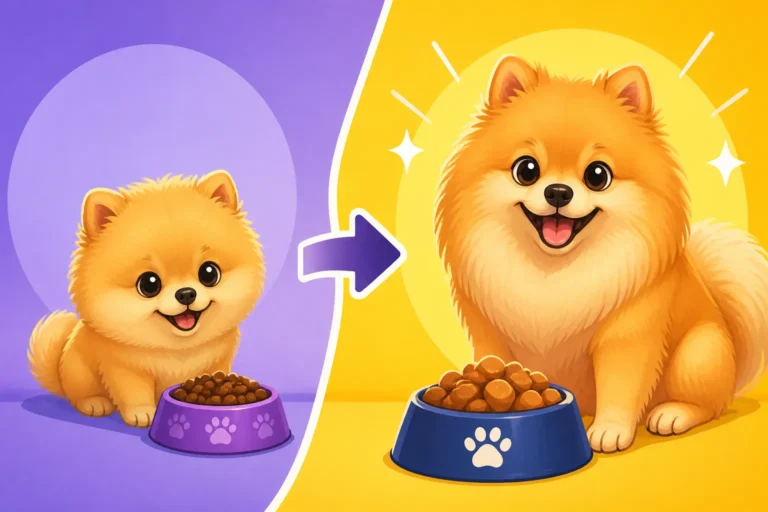
When choosing a puppy food, look for one that specifically states it's for puppies or "all life stages," and ensure the kibble is small enough for their tiny mouths. Puppy food typically has higher levels of protein, fat, and specific vitamins and minerals crucial for bone and muscle development. The transition from puppy food to adult food usually happens between 9 and 12 months of age, once their growth plates have closed and they've reached their full adult size. This transition should be gradual, mixing increasing amounts of adult food with decreasing amounts of puppy food over a week to ten days to avoid digestive upset. When a Pomeranian Graduates to Adult Food is a milestone to celebrate with a healthy meal!
Adult Diet: Maintaining Health and Vitality
Once your Pomeranian reaches adulthood, typically around one year of age, their dietary needs shift from rapid growth to maintenance. They'll need a high-quality adult small breed formula. The goal is to provide balanced nutrition that supports their energy levels, maintains a healthy coat, and helps prevent common health issues, all while keeping them at an ideal weight. Many adult Pomeranians thrive on two meals a day.
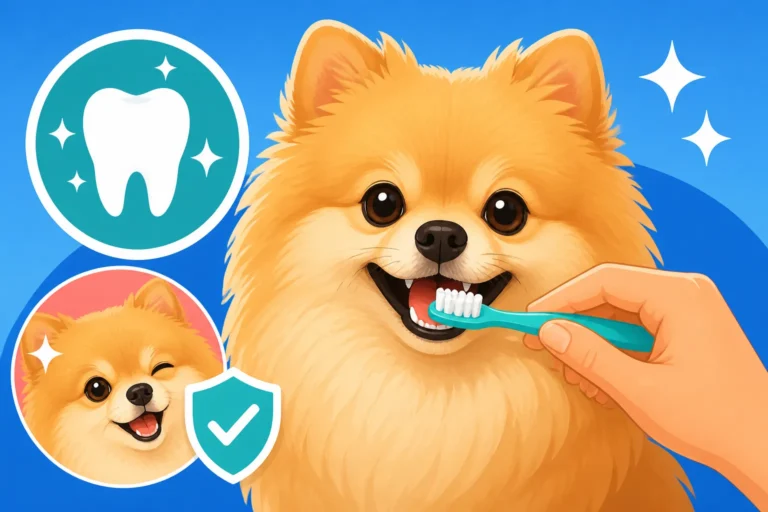
Pay close attention to their weight. It's very easy for adult Poms to creep up in weight if their activity levels drop or their food portions aren't carefully managed. Regular body condition checks and weigh-ins are essential. As they mature, continue to monitor for any signs of food sensitivities or allergies, which can sometimes develop later in life. A healthy adult diet also forms the foundation for good dental health, especially when combined with daily brushing. Daily Tooth Care in a Pomeranian's Crowded Mouth is non-negotiable for their long-term health.
Senior Pomeranians: Special Considerations for Aging Pups
As your Pomeranian gracefully enters their senior years (typically around 7-8 years old), their activity levels might decrease, and their metabolism can slow down. This often means their caloric needs will also decrease. Many senior Pomeranians benefit from a senior-specific dog food, which usually has fewer calories but still provides adequate protein to maintain muscle mass. Some senior formulas also include joint support supplements, which can be beneficial for aging Poms who might be experiencing arthritis or stiff joints.
Dental health becomes even more critical in senior Poms. If they've lost teeth or have significant dental disease, you might need to soften their kibble with water or switch to wet food that is easier to chew. Softening Food for a Senior Pomeranian can make a huge difference in their comfort and willingness to eat. Digestive issues can also become more common, so easily digestible proteins and sometimes a probiotic can be helpful. Above all, regular vet check-ups are vital for senior Poms, as their dietary needs might need to be adjusted based on any developing health conditions, such as kidney or heart issues.
Common Feeding Mistakes to Avoid with Your Small Dog
Even with the best intentions, it's easy to make common feeding mistakes that can negatively impact your Pomeranian's health. Being aware of these pitfalls can help you ensure your tiny companion stays happy and healthy for years to come.
Free-Feeding vs. Scheduled Meals
One of the most common mistakes, especially for small dogs, is free-feeding – leaving a bowl of kibble out all day for them to graze on. While it seems convenient, free-feeding can lead to several problems for Pomeranians. Firstly, it makes it nearly impossible to track how much your dog is actually eating, which is crucial for managing weight and identifying changes in appetite that could signal illness. Many Poms are prone to obesity, and free-feeding often encourages overeating.
Secondly, free-feeding doesn't help with house training, as there's no predictability in their digestive schedule. Thirdly, for dogs prone to hypoglycemia, free-feeding can lead to uneven intake and potential blood sugar crashes if they don't eat consistently. Finally, it can attract pests and allows food to spoil, especially in humid environments. Establishing scheduled meals, as discussed in Why a Pomeranian Eats Three Times a Day (for puppies) or twice a day (for adults), provides structure, helps with portion control, and allows you to monitor your Pom's eating habits closely. Why a Pomeranian Should Not Have Food Left Down is a rule I always emphasize.
Over-Treating and Table Scraps
Those big, soulful Pomeranian eyes are masters of persuasion, especially when you're eating. It's incredibly tempting to share a bite of your meal or offer an extra treat. However, over-treating and feeding table scraps are major contributors to obesity and can lead to digestive upset in Pomeranians. Even a tiny piece of cheese or a bite of your dinner can be a significant caloric contribution for a dog weighing only a few pounds. Many human foods are also high in fat, sugar, or sodium, which are unhealthy for dogs and can cause pancreatitis or other health issues.
It's better to stick to dog-specific treats, and even then, use them sparingly. If you want to share human foods, choose small amounts of plain, cooked lean meats (no seasoning), or small pieces of dog-safe fruits and vegetables. Establishing clear boundaries around meal times – like having your Pomeranian settle in their bed while you eat – can prevent begging behaviors from developing. Consistency from all family members is key; if one person consistently gives table scraps, the behavior will persist.
Ignoring Dental Health and Poor-Quality Foods
A feeding mistake that many owners overlook until it's too late is neglecting dental health. Because Pomeranians are so prone to Dental Disease in a Mouth the Size of a Pomeranian's, relying solely on kibble for dental care is not enough. Ignoring their teeth can lead to painful infections, tooth loss, and even systemic health issues as bacteria from the mouth enter the bloodstream. Daily brushing with dog-specific toothpaste is the gold standard for preventing dental disease. Brushing a Pomeranian's Teeth Every Day might seem like a chore, but it's essential.
The other significant mistake is feeding poor-quality dog food. While it might seem like a way to save money, cheap foods often use low-quality ingredients, fillers, and artificial additives that provide little nutritional value and can lead to long-term health problems. They may also be less digestible, leading to more frequent or softer stools. Investing in a high-quality, small breed-specific dog food might seem like a higher upfront cost, but it can save you significant vet bills down the line by supporting your Pomeranian's overall health, coat quality, and energy levels. Always opt for foods with clear, high-quality protein sources as the first ingredient.
Disclaimer
This article is for general informational purposes only and does not constitute professional advice. Laws, prices and regulations vary by location and change over time. Consult a qualified professional for guidance on your specific situation.