The Honking Cough of a Pomeranian’s Collapsing Windpipe
Oh, the sound no Pomeranian parent ever wants to hear. That sudden, alarming, dry cough that sounds exactly like a goose honking, often followed by a desperate gagging or gasping for air. It's truly terrifying to witness, leaving you feeling helpless and heartbroken for your tiny companion. This isn't just a regular cough; it's often the tell-tale sign of a collapsing windpipe, a condition tragically common in our beloved Poms. This guide is here to walk you through understanding, identifying, managing, and ultimately living with this challenging health issue, ensuring your furry friend can still enjoy the best quality of life possible.
Understanding Tracheal Collapse in Pomeranians
Let's get into the nitty-gritty of what's actually happening when your little Pom starts to struggle. Tracheal collapse isn't some rare, exotic ailment; it's a very real, often progressive condition that significantly impacts a dog's breathing and overall well-being. And unfortunately, Pomeranians are right at the top of the list of breeds prone to it.
What is a Collapsing Windpipe?
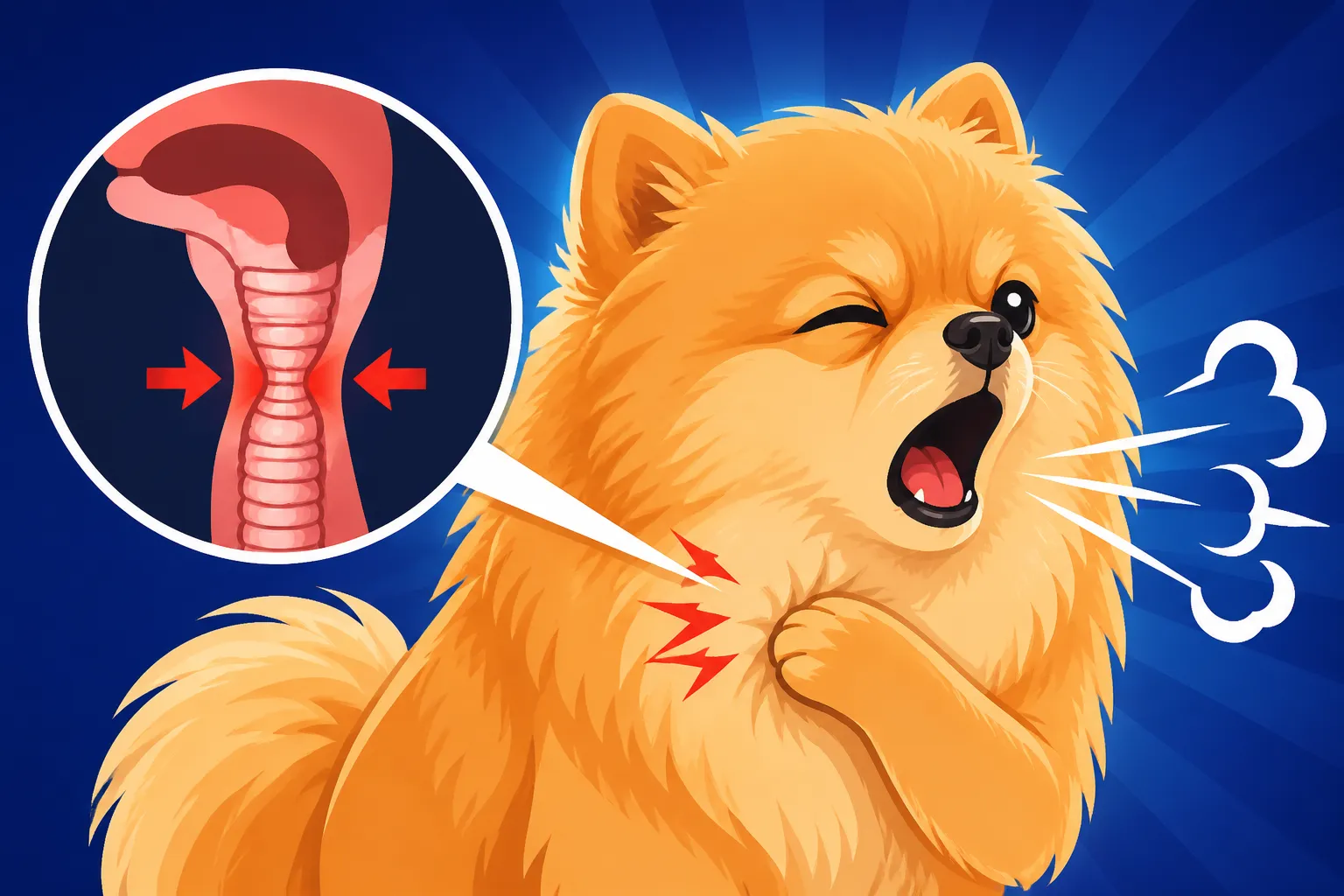
Imagine your windpipe, or trachea, as a sturdy vacuum cleaner hose – it's made of C-shaped rings of cartilage that hold it open, allowing air to pass freely to and from your lungs. Now, picture those rings becoming soft, weak, or losing their C-shape, starting to flatten or even completely collapse in on themselves. That, in essence, is what happens in tracheal collapse. The windpipe becomes narrowed, making it incredibly difficult for air to move through. This obstruction causes irritation, which in turn triggers that distinctive honking cough we're talking about. It's a vicious cycle where the cough itself can further irritate the trachea, leading to more coughing and more collapse. This can happen anywhere along the trachea, from just behind the voice box down into the chest cavity, though it's most commonly seen in the neck region.
Why Pomeranians are Prone to This Condition
It's a sad truth that our adorable Poms, along with other small breeds like Yorkshire Terriers, Chihuahuas, and Pugs, are genetically predisposed to tracheal collapse. This isn't usually due to injury or lifestyle choices in the beginning, but rather an inherent weakness in the cartilage rings that form their trachea. Think of it like a faulty gene – some Poms simply inherit this predisposition for softer, less rigid cartilage. This means that even with the best care, some Pomeranians might still develop the condition. It’s not your fault, and it’s not their fault; it’s just how they’re built sometimes. Over time, factors like chronic irritation, obesity, and even certain types of excitement can accelerate the progression of this underlying weakness, causing the trachea to give way more easily. It's why recognizing the signs early is so crucial, so you can mitigate these accelerating factors.
The Stages of Tracheal Collapse
Tracheal collapse is often graded on a scale, typically from I to IV, to describe its severity. This grading helps vets determine the best course of action and gives you a clearer picture of what your Pomeranian is facing. It's not always a straight line; some dogs might progress quickly, while others stay at a milder stage for years.
- Grade I (Mild): At this stage, the tracheal lumen (the open space inside the windpipe) is reduced by about 25%. Your Pom might only have an occasional, mild cough, perhaps when they get very excited or pull a little too hard on their leash. You might not even notice it's a "honk" yet, just a dry, unproductive cough. It's easy to dismiss these early signs, but this is when intervention can make the biggest difference.
- Grade II (Moderate): Here, the tracheal lumen is reduced by about 50%. The honking cough becomes much more noticeable and frequent. You'll likely observe it during exercise, when drinking water, or especially when your dog is stressed or excited. Breathing might become slightly more labored, and you might notice them breathing a bit more shallowly or quickly. This is often when owners start seeking veterinary attention, truly worried about The Sound a Pomeranian Makes When Its Trachea Collapses.
- Grade III (Moderately Severe): The reduction in the airway is now around 75%. The honking cough is almost constant, even at rest. Your Pomeranian might show clear signs of respiratory distress: open-mouth breathing, panting heavily even when not hot, and a reluctance to move or play. Gagging and struggling to breathe are common, and these episodes can be frightening for both you and your dog.
- Grade IV (Severe): This is the most critical stage, with a 90% or more reduction in the tracheal lumen. Your Pom will be in severe respiratory distress. Their gums might turn bluish due to lack of oxygen (a condition called cyanosis), and they could collapse. At this point, immediate emergency veterinary care is essential to stabilize their breathing. Understanding Grading a Pomeranian's Tracheal Collapse helps to appreciate the urgency and appropriate management for each stage.
Recognizing the Alarming Honking Cough
That distinct "honking" sound is usually the first, and most alarming, sign that something serious might be going on with your Pomeranian's windpipe. It's not just any cough; it has a very specific quality that once you hear it, you won't forget.
Describing the Sound: It's More Than Just a Cough
Many owners describe the cough as sounding like a "goose honk." It's a dry, harsh, paroxysmal cough – meaning it comes in sudden, violent bursts. It's often an unproductive cough, meaning no phlegm or anything comes up. Sometimes, this honking cough is followed by a retching or gagging sound, almost as if your Pom is trying to clear something from their throat or is about to vomit. This gagging isn't just a side effect; it's another sign of the irritation and obstruction in their airway. They might even swallow hard after a bout of coughing, trying to relieve the sensation. It can be incredibly distressing to witness, making you feel completely helpless as your little one struggles to breathe. This distinctive sound is what often prompts owners to make an urgent vet appointment, realizing this is far more than just a typical throat tickle.
When the Cough Usually Appears
The honking cough isn't usually constant in the early stages; rather, it's often triggered by specific actions or environmental factors. Knowing these triggers can help you manage your Pom's environment and reduce the frequency and severity of episodes.
- Excitement or Stress: Many Poms will start honking when they get overly excited, like when you come home, or when they are stressed, such as during a car ride or a visit to the vet. The increased respiratory effort and changes in breathing associated with these emotions can put extra strain on the already compromised trachea. It's that adrenaline rush that makes them breathe harder, and unfortunately, their weak windpipe just can't keep up.
- Eating or Drinking: Sometimes, the act of eating or drinking can initiate a coughing fit. This might be due to a piece of food or water irritating the airway as it goes down, or simply the position of their neck while bending to eat or drink.
- Pulling on a Collar: This is a big one. Even a slight tug on a collar can put immense pressure on a delicate trachea, directly causing it to collapse. This is why veterinarians and experienced Pomeranian owners universally recommend using a harness over a collar for walks. The pressure on their windpipe from a traditional collar can be incredibly damaging, often triggering an immediate, severe coughing spell. If your Pom pulls even a little, a collar can make things significantly worse, which is why we often discuss Why a Collar Threatens a Pomeranian's Windpipe.
- Exercise and Heat: Any increased physical activity or being in a hot, humid environment can make a Pomeranian with tracheal collapse cough more. They're trying harder to get oxygen, which stresses the windpipe.
- Environmental Irritants: Smoke (cigarette, fireplace), dust, strong perfumes, or even airborne allergens can irritate the already sensitive lining of a compromised trachea, leading to a coughing fit.
Other Signs Beyond the Cough
While the honking cough is the most prominent symptom, it's crucial to look for other accompanying signs that indicate your Pomeranian is truly struggling. These can range from subtle changes in behavior to more obvious signs of respiratory distress.
- Difficulty Breathing (Dyspnea): You might notice your Pom panting excessively, even when not hot or exercising, or breathing with more effort. Their chest might heave more noticeably, or they might extend their neck to try and open their airway more effectively. Sometimes, you'll hear wheezing or a raspy sound during inhalation or exhalation.
- Lethargy or Reduced Activity: A dog struggling to breathe simply won't have the energy for normal activities. They might become more subdued, reluctant to play, or tire easily after even short walks. This isn't just them being lazy; their body is working harder just to get enough oxygen.
- Blue-Tinged Gums or Tongue (Cyanosis): This is an emergency! If your Pomeranian's gums or tongue appear bluish or purplish, it means they're not getting enough oxygen. This is a critical sign of severe respiratory distress and requires immediate veterinary attention. Don't wait; get your Pom to an emergency vet right away if you see this.
- Fainting or Collapse: In severe cases, extreme lack of oxygen can lead to dizziness, weakness, and even fainting or collapse. Again, this is an emergency situation where every second counts. It's often a sign that Whether a Pomeranian's Cough Is an Emergency and it certainly is.
- Restlessness at Night: Difficulty breathing can make it hard for your Pomeranian to settle down and sleep comfortably, leading to restlessness, pacing, or frequent position changes throughout the night.
The Initial Vet Visit and Diagnosis
When you first notice that alarming honking cough, your immediate instinct is to get your Pom to the vet, and you're absolutely right to do so. A proper diagnosis is the cornerstone of effective management.
Your Vet's Diagnostic Approach
When you bring your Pomeranian in, your vet will start with a thorough physical examination. They'll listen to your dog's heart and lungs, observe their breathing patterns, and carefully palpate (feel) their trachea. Sometimes, simply gently pressing on the windpipe in the neck region can induce a cough, giving the vet a strong indication of a collapsing trachea.
- X-rays (Radiographs): These are often the first step in imaging. While not always definitive, X-rays can sometimes show a narrowing of the trachea. However, the trachea is a dynamic structure, meaning it can change shape with each breath. An X-ray captures just a single moment in time, so it might miss the collapse if the picture is taken when the trachea is open. Despite this limitation, X-rays are crucial for ruling out other conditions that might mimic tracheal collapse, such as heart enlargement (which can press on the trachea) or lung disease.
- Fluoroscopy: This is often considered the gold standard for diagnosing tracheal collapse. Fluoroscopy is essentially a live X-ray video. Your vet can watch your Pomeranian breathe in and out, observing the trachea in real-time as it dynamically collapses and re-expands. This allows for a much more accurate assessment of the location and severity of the collapse, and how it's affected by different phases of breathing.
- Endoscopy (Tracheobronchoscopy): In some cases, a small camera (endoscope) might be inserted into the trachea under light anesthesia. This allows the vet to directly visualize the inside of the airway, assess the integrity of the cartilage rings, and see the extent of the collapse. It also helps rule out other causes of coughing, like polyps or foreign bodies. However, because it requires anesthesia, there's always a slight risk, especially for a small dog, so it's not always the first diagnostic choice.
Differentiating from Other Respiratory Issues
It's easy to assume any cough is just kennel cough or allergies, but with Pomeranians, it's vital to get a precise diagnosis. Several other conditions can cause coughing and similar respiratory signs, and your vet will need to rule these out to ensure your Pom gets the correct treatment.
- Kennel Cough: This is a highly contagious respiratory infection, often causing a harsh, dry, hacking cough. While the sound can sometimes be similar to tracheal collapse, kennel cough usually resolves on its own within a few weeks and is often accompanied by other signs like nasal discharge. Your vet will consider your Pom's vaccination history and recent exposure. Telling a Pomeranian's Trachea From Kennel Cough is a key part of the diagnostic process.
- Heart Disease: As Pomeranians age, they can develop heart conditions, particularly mitral valve disease, which can lead to fluid buildup in the lungs (pulmonary edema) and cause a cough. An enlarged heart can also physically press on the trachea, mimicking collapse. Your vet will listen for heart murmurs and might recommend chest X-rays or even a cardiac ultrasound to assess heart health. It's important to distinguish between Whether a Pomeranian's Cough Is Heart or Trachea.
- Allergies or Asthma: Just like people, dogs can suffer from allergies that manifest as coughing or sneezing. While less common in Poms to cause a prominent "honking" cough, it's something your vet might consider, especially if other allergic symptoms like itching are present.
- Bronchitis: Chronic bronchitis can cause a persistent cough due to inflammation of the airways. This might be a primary condition or secondary to other issues like tracheal collapse.
- Foreign Body: Though less common, a foreign object lodged in the airway could cause sudden, severe coughing and distress.
The Importance of Early Diagnosis
Getting an early and accurate diagnosis of tracheal collapse is absolutely critical for your Pomeranian's long-term health and quality of life. The sooner you know what you're dealing with, the sooner you can implement management strategies that can slow the progression of the disease and significantly improve your dog's comfort.
- Prognosis and Management: An early diagnosis allows for conservative management strategies to be put in place before the condition becomes severe. This often means less need for powerful medications, fewer emergency visits, and a more stable condition. If the collapse progresses unchecked, more aggressive (and expensive) treatments might become necessary, and the prognosis can worsen.
- Preventing Further Damage: Understanding that your Pom has a delicate trachea means you can immediately take steps like switching to a harness, managing their weight, and avoiding irritants. These preventive measures are far more effective when implemented early rather than trying to reverse advanced damage.
- Quality of Life: Ultimately, early diagnosis means your Pomeranian can live a much more comfortable life, free from constant coughing fits and the associated distress. It reduces anxiety for both you and your pet, allowing you to enjoy your time together without the constant worry of a severe coughing episode.
Managing Collapsing Trachea: Conservative Approaches
Once a diagnosis of tracheal collapse has been confirmed, your vet will likely recommend starting with conservative management. For many Pomeranians, especially in the earlier stages, these approaches can be incredibly effective in controlling symptoms and improving their quality of life, often allowing them to live comfortably for years.
Lifestyle Adjustments You Can Make
These aren't just minor tweaks; they are fundamental changes that can drastically reduce the stress on your Pomeranian's windpipe.
- Weight Management: This is, without a doubt, one of the most impactful things you can do. Excess weight puts additional pressure on the chest and airways, making breathing harder and exacerbating tracheal collapse. Even a pound or two on a small Pomeranian is significant. Your vet can help you determine your Pom's ideal weight and create a safe weight loss plan. Losing weight can reduce the frequency and severity of coughing episodes, sometimes dramatically. It's truly amazing what a difference it makes, and we often find that Whether Weight Gain Worsens a Pomeranian's Windpipe is a resounding yes.
- Harness Over Collar: This is non-negotiable for a Pomeranian with tracheal collapse. A traditional neck collar, even a seemingly gentle one, can directly compress the already weakened trachea, triggering a cough or making a collapse worse. A harness, especially one that distributes pressure across the chest and shoulders, completely bypasses the neck, protecting the delicate windpipe. Make sure the harness fits well and isn't too tight around the chest or armpits. There are many options available, from step-in harnesses to vest-style ones, ensuring you can find something comfortable for your Pom.
- Environmental Control: Minimize exposure to anything that irritates the airways. This includes cigarette smoke (absolutely no smoking near your Pom), strong air fresheners, dusty environments, and even some harsh cleaning products. If you live in an area with high air pollution, consider an air purifier for your home. Keep your home well-ventilated without creating drafts.
- Managing Excitement: While it's hard to tell a Pom not to be excited, try to manage situations that trigger intense bursts of activity or stress. For example, greet them calmly when you arrive home, use positive reinforcement for calm behavior, and ensure visitors understand the need for gentle interactions.
Medications to Ease Symptoms
Your veterinarian will likely prescribe a combination of medications to help manage the symptoms of tracheal collapse, particularly the coughing and inflammation. These medications don't fix the underlying structural issue, but they can significantly improve comfort.
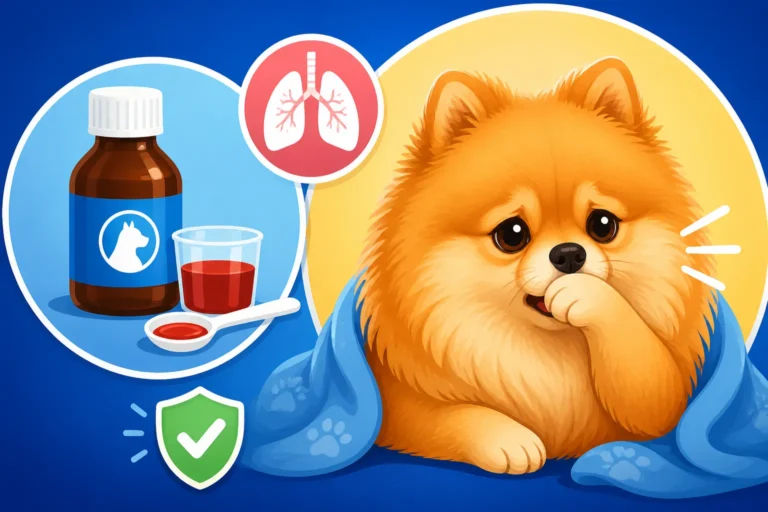
- Cough Suppressants: These medications, such as hydrocodone or butorphanol, reduce the frequency and intensity of coughing fits. By suppressing the cough, they help to break the cycle of irritation and further collapse. Some Poms may need these long-term, while others might only need them during flare-ups. Cough Suppressants for a Pomeranian can make a huge difference in their daily comfort.
- Anti-inflammatories: Steroids (like prednisone) can be very effective in reducing the inflammation and swelling in the tracheal lining, which often contributes to the cough and makes breathing more difficult. However, steroids come with potential side effects, so they are typically used at the lowest effective dose for the shortest possible duration, or on an as-needed basis.
- Bronchodilators: These medications (like aminophylline or theophylline) help to relax the muscles around the airways, widening the bronchial tubes and making it easier for air to reach the lungs. While tracheal collapse is about the windpipe itself, wider lower airways can still improve overall breathing efficiency.
- Sedatives/Anti-anxiety Medications: In cases where excitement or anxiety significantly triggers coughing episodes, a mild sedative or anti-anxiety medication might be prescribed. This can help keep your Pom calm, reducing the physiological stress that exacerbates the collapse.
- Antibiotics: If a secondary bacterial infection develops due to the chronic irritation and inflammation, antibiotics may be necessary. This is not for the collapse itself but for any opportunistic infections that might arise.
Supporting Your Pomeranian's Breathing at Home
Beyond vet-prescribed medications and lifestyle changes, there are several things you can do at home to provide comfort and support for your Pomeranian's breathing.
- Humidifiers: Dry air can irritate the respiratory tract. Using a humidifier in the rooms where your Pomeranian spends most of their time can help keep the air moist, potentially easing irritation and making breathing more comfortable.
- Cool, Calm Environment: During a coughing fit or a period of respiratory distress, keeping your Pom in a cool, quiet, and calm environment is crucial. Overheating or stress will only worsen their breathing. A small fan can help circulate air, but avoid pointing it directly at their face.
- Elevated Food and Water Bowls: For some Poms, bending down to eat or drink can put pressure on their trachea. Elevated bowls might help them maintain a more open airway while consuming food and water. Experiment to see if this provides any relief for your dog.
- Limit Barking: Excessive barking can put significant strain on the trachea. While completely stopping a Pomeranian from barking might be a monumental task (they're vocal little creatures!), try to manage situations that trigger prolonged barking. This might involve distraction techniques or working with a trainer on "quiet" commands.
- Recognize and Respond to Distress: Learn to recognize the signs of respiratory distress quickly. If your Pom starts to struggle significantly, try to keep them calm, get them to a cool, quiet place, and have your emergency vet's number handy. Know when a situation warrants an immediate trip to the emergency clinic.
Surgical Options for Severe Cases
While conservative management is the first line of defense and effective for many Pomeranians, there are situations where the condition progresses to a point where surgery becomes a necessary consideration. It's a big decision, especially for a tiny dog.
When Surgery Becomes a Consideration
The decision to pursue surgery is never taken lightly and usually involves a comprehensive discussion with your veterinarian and potentially a veterinary specialist. It's typically considered when:
- Conservative Management Fails: If your Pomeranian's quality of life is severely impacted despite strict adherence to weight management, environmental control, and a full regimen of medications, surgery might be the next step. This means ongoing, severe coughing, frequent episodes of respiratory distress, and a significant reduction in their ability to engage in normal activities.
- Rapid Progression: For some dogs, the disease progresses very quickly to advanced stages (Grade III or IV), where conservative measures are simply not enough to maintain an open airway.
- Life-Threatening Episodes: If your Pom experiences recurrent episodes of severe cyanosis (blue gums) or collapse due to the trachea shutting down, surgery might be recommended to prevent fatal outcomes.
- Quality of Life is Poor: Ultimately, if your Pomeranian is miserable, constantly coughing, struggling to breathe, and unable to enjoy life, surgery might be the best option to restore their comfort and well-being. It’s about ensuring they have the best possible life, even if that means a significant intervention.
Different Surgical Techniques
There are primarily two surgical approaches for tracheal collapse, both aiming to provide structural support to the weakened windpipe. These procedures are complex and typically performed by experienced veterinary surgeons.
- Intraluminal Stent Placement: This involves placing a self-expanding mesh stent inside the trachea. The stent acts like a scaffold, pushing the collapsed tracheal walls outward and holding the airway open. This procedure is less invasive than external rings, as it usually requires fluoroscopy to guide placement rather than open chest surgery. It's often favored for collapse occurring further down in the chest or for older dogs due to its less invasive nature. However, stents can have their own complications, such as stent fracture, granulation tissue formation (scar tissue that can narrow the airway), or migration. We often get questions about Whether a Stent Fixes a Pomeranian's Windpipe and while it can provide significant relief, it's not without its own set of challenges and is a management tool rather than a "fix."
- External Tracheal Ring Placement: This involves surgically placing small, plastic prosthetics (rings) around the outside of the trachea to reinforce the weakened cartilage. This procedure requires open neck and sometimes open chest surgery, making it more invasive. It's often preferred for collapse in the cervical (neck) region, especially in younger dogs, as it directly addresses the external support. Risks include damage to nerves or blood vessels, and the potential for a temporary worsening of the cough post-surgery. Recovery can be more intensive due to the nature of the surgery.
Understanding the Risks and Recovery
Any surgery, especially on a small breed like a Pomeranian, comes with inherent risks, and tracheal repair is no exception. It's essential to have a thorough discussion with your veterinary surgeon about potential complications and what to expect during recovery.
- Anesthesia Risks: Pomeranians, being small and often having other underlying conditions (like heart murmurs or dental disease), can have higher anesthesia risks. Pre-anesthetic bloodwork and a careful assessment by the veterinary team are crucial. The concern for Anesthesia Risk in a Four Pound Pomeranian is always present.
- Surgical Complications: Risks include infection, bleeding, damage to surrounding nerves (which can affect the larynx or esophagus), and failure of the implant (stent fracture or ring dislocation). With stents, there's also the risk of the body reacting to the foreign material, causing excessive granulation tissue.
- Post-Operative Recovery: Regardless of the technique, recovery requires careful monitoring and often involves a hospital stay. Your Pom will likely be on pain medication, anti-inflammatories, and possibly cough suppressants. Activity will be severely restricted for several weeks, meaning no jumping, rough play, or collar use ever.
- Ongoing Management: Even after successful surgery, your Pomeranian will still need ongoing management. This includes continued weight control, harness use, and potentially some medications. Surgery aims to improve quality of life, not necessarily to eliminate all symptoms entirely, though many dogs see a dramatic improvement. The trachea, even with implants, will still be a delicate structure needing careful consideration.
Living with a Pomeranian with Tracheal Collapse
Receiving a diagnosis of tracheal collapse for your Pomeranian can feel overwhelming, but it's important to remember that many dogs live long, happy, and comfortable lives with this condition, especially with dedicated care. It truly becomes a part of their ongoing health management, much like managing allergies or arthritis.
Long-Term Care and Monitoring
Life with a Pom with tracheal collapse means a commitment to vigilant, ongoing care and communication with your veterinary team. This isn't a condition that gets diagnosed, treated once, and then forgotten.
- Regular Vet Visits: Schedule regular check-ups with your vet, usually every 6-12 months, or more frequently if your Pom's symptoms change. These visits are essential for monitoring the progression of the disease, adjusting medications, and catching any secondary issues early. Your vet will listen to their lungs, assess their breathing, and discuss any changes you've noticed. This proactive approach helps to stay ahead of potential problems.
- Symptom Tracking: Keep a journal or use a notes app to track your Pomeranian's coughing episodes. Note the frequency, duration, what triggers them, and how severe they are. Also, record any other symptoms like changes in breathing, activity levels, or appetite. This detailed information is invaluable for your vet when making treatment decisions. It helps them understand what's working and what isn't, providing an objective record of your Pom's condition.
- Medication Management: Strictly adhere to your vet's prescribed medication schedule. Never adjust doses or stop medications without consulting your vet, even if your Pom seems to be feeling better. These medications are carefully balanced to provide relief and prevent flare-ups. Be aware of potential side effects and report them to your vet promptly. For instance, long-term steroid use needs careful monitoring.
- Body Condition Scoring: Regularly assess your Pom's body condition. It can be tricky with their thick double coat, but you should be able to feel their ribs easily without pressing hard, and they should have a discernible waist. Weight management is paramount, so if you notice any weight gain, address it immediately with your vet.
Preventing Flare-Ups and Emergencies
While you can't prevent every cough, you can significantly reduce the frequency and severity of flare-ups and potentially avoid scary emergency situations by being proactive and mindful of your Pomeranian's environment and routine.
- Stress Reduction: Poms can be sensitive little souls, and stress or over-excitement can easily trigger a coughing fit. Create a calm and predictable routine for your dog. Provide quiet spaces for them to retreat to. If you know certain situations (like visitors or car rides) are stressful, talk to your vet about pre-emptive strategies, which might include mild sedatives or calming pheromone diffusers.
- Avoid Irritants: We can't say it enough: smoke of any kind, strong perfumes, aerosol sprays, and harsh cleaning chemicals are all potential irritants for a compromised trachea. Keep your home as free as possible from these airborne irritants. If you have a fireplace, ensure good ventilation. Consider an air purifier to remove dust and allergens from the air.
- Manage Play and Exercise: While exercise is important, it needs to be managed carefully. Avoid intense, prolonged exercise, especially in hot or humid weather. Instead, opt for shorter, more frequent walks and indoor play. Watch for signs of fatigue or increased coughing and stop activity immediately if you see them. Teach your Pom to play calmly rather than getting overly frantic. This balance is key to helping A Pomeranian That Will Not Walk on Wet Grass or in different conditions.
- Hydration: Ensure your Pomeranian always has access to fresh, clean water. Staying hydrated can help keep their airways moist and prevent them from becoming overly dry and irritated.
- Emergency Preparedness: Have an emergency plan in place. Know the quickest route to your veterinary emergency clinic, have their number saved, and ensure you have a designated carrier or sling ready for transport. Keep a small emergency kit with any prescribed emergency medications (like fast-acting bronchodilators) readily accessible. Knowing what to do if A Pomeranian That Turns Selectively Deaf at One and ignores you due to excitement or distress can also be helpful.
Quality of Life Considerations
Your Pomeranian's happiness and comfort are paramount. Living with tracheal collapse means making adjustments, but it doesn't mean they can't have a fulfilling life. It's about finding that balance and making informed decisions.
- Adjusting Activities: While your Pom might not be able to participate in strenuous activities, they can still enjoy walks, puzzle toys, and gentle playtime. Focus on mental stimulation and calm companionship. Think about shorter strolls around the neighborhood rather than long hikes. Maybe try some indoor scent games or teaching them new tricks that don't involve a lot of jumping or running.
- Pain and Discomfort Management: The constant coughing can be uncomfortable, even painful. If your Pomeranian appears to be in pain, or if their cough is exceptionally harsh, discuss pain management options with your vet. This might involve different cough suppressants or other comfort medications.
- Emotional Support: Dogs pick up on our emotions. Seeing your Pom struggle is tough, but try to remain calm and reassuring during their coughing fits. Your calm demeanor can help soothe them. Provide plenty of cuddles and positive reinforcement for managing their condition. Remember, they don't understand why they're coughing, just that it's distressing.
- Considering End-of-Life Care: This is a difficult topic, but an important one. As tracheal collapse is often progressive, there may come a time when even with all interventions, your Pomeranian's quality of life significantly declines. Having open and honest conversations with your vet about palliative care and when it might be time to consider euthanasia is a loving, responsible part of Pomeranian ownership. Focusing on their comfort and dignity at every stage is key.
The Financial Reality of Tracheal Collapse Management
Let's be real: caring for a Pomeranian with a chronic condition like tracheal collapse can take a significant toll on your wallet. It's not just the initial diagnosis; it's the ongoing medications, specialized care, and the possibility of expensive procedures down the line. Being prepared for these costs is a huge part of responsible pet ownership.
Understanding the Costs Involved
The expenses associated with tracheal collapse can vary widely depending on the severity of the condition, your location, and the chosen treatment path.
- Diagnostics: Initial diagnostic tests like X-rays can range from $100-$300. If fluoroscopy or endoscopy is needed, you could be looking at $500-$2,000 or more, especially if a specialist is involved.
- Medications: This is often an ongoing cost. Cough suppressants, anti-inflammatories, and bronchodilators can add up to $50-$200 per month, depending on the specific drugs and dosages required. These are not one-time purchases; they are usually daily medications for the rest of your Pom's life.
- Emergency Visits: A severe coughing episode or respiratory distress could necessitate an emergency vet visit, which can easily run into hundreds or even thousands of dollars, particularly if oxygen therapy, sedation, or an overnight stay is required.
- Surgery: If surgical intervention becomes necessary, the costs are substantial. Intraluminal stent placement or external ring surgery can range from $3,000 to $10,000 or more, depending on the complexity, location, and post-operative care. And remember, surgery doesn't always guarantee a complete cure; there might be follow-up treatments or even revisions needed.
- Specialist Consultations: Consulting with a board-certified veterinary internal medicine specialist or surgeon will add to the costs, but their expertise can be invaluable for complex cases.
Pet Insurance and Pre-Existing Conditions
This is where pet insurance, or the lack thereof, can really hit home. Many owners wish they had insurance before a diagnosis like tracheal collapse.
- Pre-Existing Conditions: Most pet insurance policies, including reputable providers like Healthy Paws, consider tracheal collapse a pre-existing condition if your dog showed symptoms or was diagnosed before you enrolled or during the waiting period. This means that if your Pomeranian develops tracheal collapse after you get insurance, but before your policy's waiting period ends, treatment for it likely won't be covered. This is incredibly frustrating for owners, but it's a standard clause across the industry to prevent people from buying insurance only when their pet is already sick. This is why we stress the importance of getting pet insurance when your Pomeranian is a healthy puppy, ideally before any minor health issues pop up, to ensure conditions like this are covered down the line. It's a gamble, but one that can pay off handsomely if something serious arises. Understanding Insuring a Pomeranian That Needs Dental Work Yearly can also provide insights into insurance decisions.
- Finding Coverage: If your Pom already has tracheal collapse, finding a policy that will cover it will be extremely difficult, if not impossible. Some policies might cover future unrelated conditions, but not the trachea.
- Wellness Plans vs. Accident & Illness: Don't confuse basic wellness plans (which cover routine exams and vaccinations) with accident and illness policies (which cover unexpected medical issues). Tracheal collapse falls under the latter. Always read the fine print of any policy to understand what is and isn't covered.
Budgeting for Ongoing Care
Whether you have insurance or not, budgeting for the long-term care of a Pomeranian with tracheal collapse is essential.
- Emergency Fund: It's always a good idea to have an emergency fund specifically for your pet's unexpected medical needs. Given the potential for acute respiratory distress, this fund can be a lifesaver.
- Monthly Budget Allocation: Factor in the recurring costs of medications into your monthly budget. These will be ongoing expenses for the life of your Pom.
- Payment Plans and Financial Aid: If surgery or extensive treatment is needed and you're facing financial strain, discuss payment plan options with your vet. Many clinics offer options like CareCredit. There are also various non-profit organizations that offer financial assistance for pet owners facing costly veterinary bills, though eligibility requirements vary.
- Compare Costs: Don't be afraid to get quotes from different veterinary clinics or specialists for procedures like surgery. Costs can vary, and it's important to make an informed decision that balances quality of care with financial feasibility.
Preventing Tracheal Collapse: What You Can Do
While genetic predisposition plays a significant role in tracheal collapse, there are definitely steps you can take to minimize the risk or slow the progression of the disease in your Pomeranian. Think of it as stacking the odds in their favor.
Choosing a Reputable Breeder
This is perhaps the single most important preventive measure, though it's taken before your Pomeranian even enters your home. Responsible breeders are dedicated to the health and longevity of their lines.
- Health Clearances: A reputable breeder will health test their breeding stock for common conditions in the breed, although there isn't a specific genetic test for tracheal collapse as it's complex and polygenic. However, good breeders will generally breed dogs with sturdy structures and good respiratory health, avoiding individuals with known issues that might contribute to tracheal weakness.
- Avoid "Teacup" Breeding: Be extremely wary of breeders who advertise "teacup" Pomeranians. These extremely small dogs are often bred for their tiny size at the expense of robust health. They can have more fragile bones, smaller windpipes, and are often more prone to a host of health issues, including more severe forms of tracheal collapse. As we discussed in What Teacup Breeding Costs a Pomeranian, prioritizing extreme smallness often comes with significant health compromises. A healthy Pomeranian should fall within the breed standard's weight range, typically 3 to 7 pounds.
- Observe Parents: When possible, observe the temperament and health of the puppy's parents. Do they have a persistent cough? Do they seem to struggle with breathing? While not a guarantee, healthy parents are a good indicator of a healthy puppy.
- Breed Standard: A good breeder aims to produce Poms that meet the breed standard, which describes a sound, healthy dog. Focus on breeders who emphasize health, temperament, and conformity to the standard, rather than just aesthetics or extreme smallness.
Maintaining Optimal Weight
As mentioned earlier, keeping your Pomeranian at a healthy weight is crucial, not just for their overall well-being but specifically for reducing the strain on their respiratory system.
- Impact on Breathing: Every extra pound of fat on a Pomeranian is significant. It increases the demand on their heart and lungs, and the fat itself can accumulate around the neck and chest, directly compressing the trachea and making it harder for them to breathe. It's like trying to breathe through a squashed straw.
- Proper Diet: Feed a high-quality, vet-approved diet appropriate for small breed dogs. Avoid overfeeding and limit treats. Remember, a tiny Pom needs very little food, and it's easy to give them too many calories. How Little Food an Adult Pomeranian Needs is a topic often underestimated.
- Regular Exercise: Provide consistent, moderate exercise. This doesn't mean marathon runs, but daily walks (with a harness!) and supervised playtime to keep them active and maintain muscle tone. Exercise can help manage their weight and keep their cardiovascular system healthy, indirectly supporting respiratory function.
- Body Condition Scoring: Learn how to assess your Pomeranian's body condition. You should be able to feel their ribs without seeing them, and they should have a visible waist when viewed from above. Your vet can show you how to do this accurately.
Harness Use from the Start
This is a simple, yet incredibly effective, preventative measure that every Pomeranian owner should adopt, regardless of whether their dog has a tracheal collapse diagnosis.
- Preventing Neck Pressure: A harness distributes pressure across your dog's chest and shoulders, completely bypassing the delicate throat area. This eliminates the risk of accidental compression or irritation to the trachea from a collar, which can be a primary trigger or aggravator of collapse. Even a tiny pull from your Pomeranian on a walk can cause significant stress on their windpipe if they're wearing a collar.
- Early Adoption: Start using a harness from the moment you bring your Pomeranian puppy home. This gets them accustomed to it early, making it a natural part of their routine. There are many comfortable and secure options available specifically for small breeds.
- Safe Walking: Not only does a harness protect their trachea, but it also provides better control and security for walking a small dog. It reduces the chance of them slipping out of a collar, which can be a major safety concern for such tiny adventurers.
- Educate Others: Make sure anyone who walks your Pomeranian (family, friends, dog walkers) understands the importance of always using a harness and never a collar. Consistency is key in protecting their windpipe.
By taking these proactive steps, you are not only safeguarding your Pomeranian against the progression of tracheal collapse but also promoting their overall health and well-being, allowing them to lead a vibrant and joyful life by your side.
| Tracheal Collapse Grade | Description of Collapse | Common Symptoms | Typical Management |
|---|---|---|---|
| Grade I (Mild) | ~25% tracheal lumen reduction | Occasional mild "honk" cough (excitement/pulling) | Lifestyle adjustments (harness, weight), environmental control |
| Grade II (Moderate) | ~50% tracheal lumen reduction | Frequent honking cough (exercise, drinking), mild respiratory effort | Lifestyle adjustments, cough suppressants, anti-inflammatories |
| Grade III (Mod. Severe) | ~75% tracheal lumen reduction | Persistent cough, clear respiratory distress, gagging, lethargy | Aggressive medical management, consider surgical consultation |
| Grade IV (Severe) | 90%+ tracheal lumen reduction | Severe respiratory distress, cyanosis (blue gums), collapse | Emergency stabilization, intensive medical care, urgent surgical consideration |
Disclaimer
The information provided in this article is for educational purposes only and is not intended as a substitute for professional veterinary advice. Always consult with a qualified veterinarian for any health concerns or before making any decisions about your Pomeranian's medical care.