Anesthesia Risk in a Four Pound Pomeranian
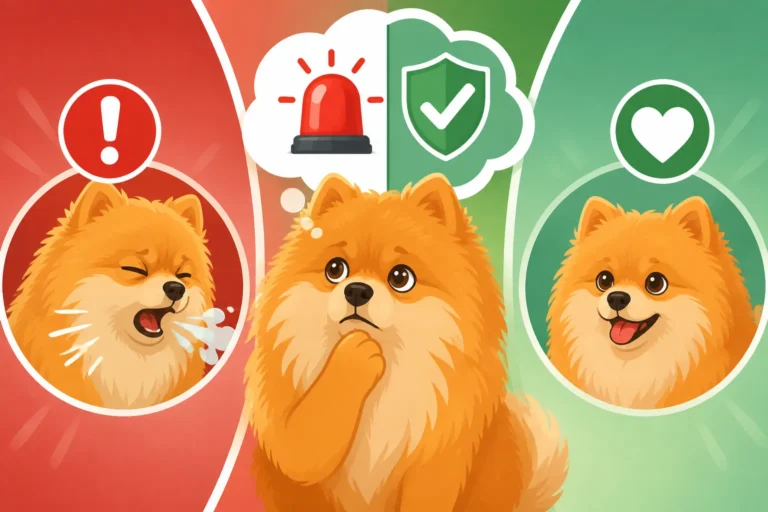
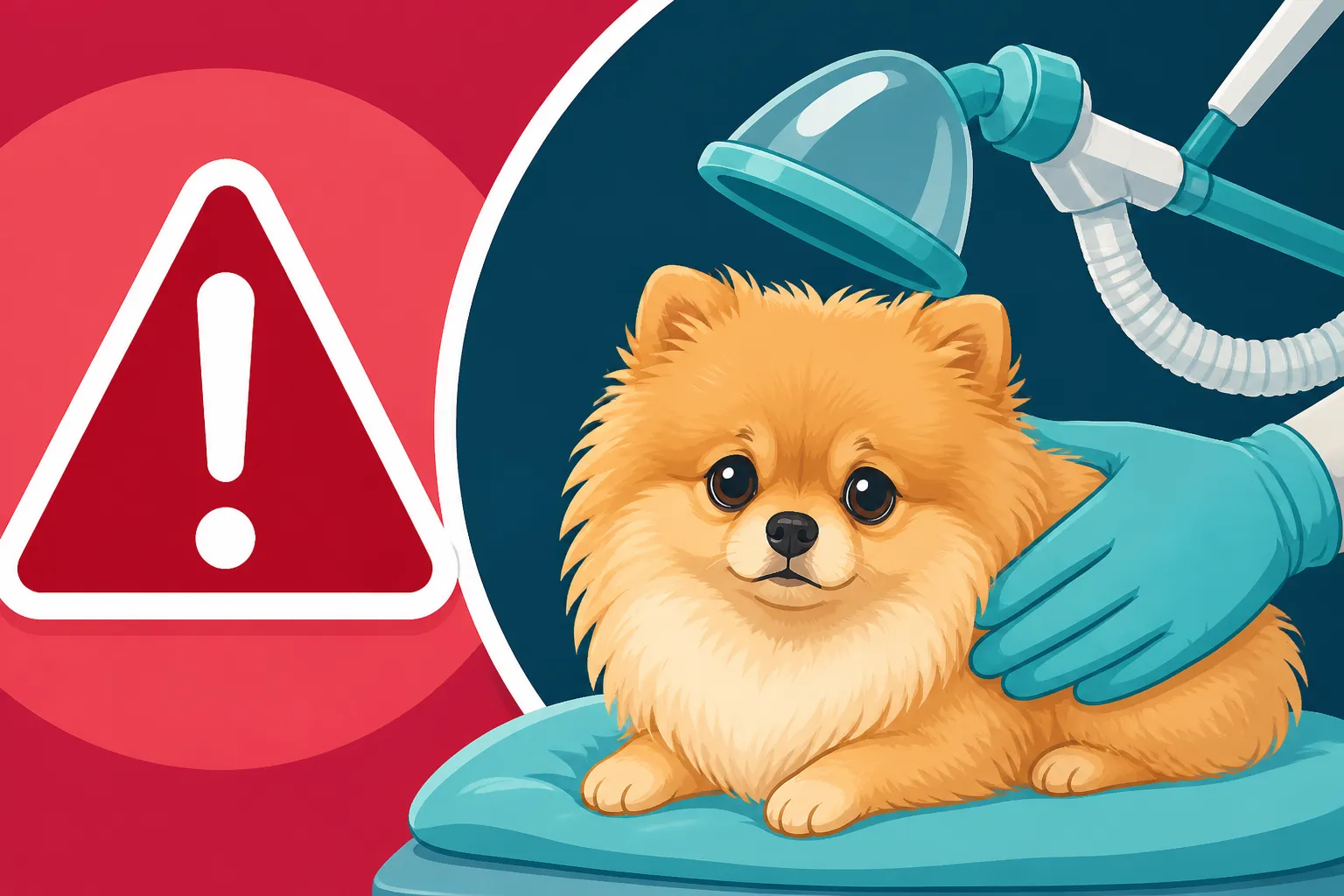
It's incredibly nerve-wracking when your tiny four-pound Pomeranian needs to go under anesthesia. That little bundle of fluff feels so fragile, and the thought of them being sedated, even for a routine procedure, can fill any owner with anxiety. This guide is here to shed light on the real risks involved, explore the crucial precautions veterinary teams take, and empower you with the knowledge to ensure your beloved Pom's safety during any anesthetic event.
Understanding Anesthesia and Tiny Breeds
When we talk about anesthesia, we're not just discussing a single drug; it's a carefully orchestrated process designed to render your pet unconscious, pain-free, and immobile for a procedure. For a dog as small as a Pomeranian, this process comes with its own unique set of considerations that differ significantly from larger breeds. Their small size means their physiology handles medications differently, and their systems are more delicate.
Why Small Size Magnifies Risk
The sheer diminutive stature of a four-pound Pomeranian means their body systems are miniature versions, and often, less robust. Their metabolic rate, body temperature regulation, and even their circulatory volume are all on a much smaller scale, making them more sensitive to anesthetic drugs and more prone to complications. It’s not just about giving a smaller dose; it’s about a fundamentally different physiological response.
Consider their tiny lungs and heart. A slight change in breathing or heart rate that might be barely noticeable in a larger dog can have profound effects on a tiny Pomeranian. Their veins are delicate, making IV catheter placement a precise art, and fluid overload is a much higher risk. Similarly, their blood volume is so small that even a minor blood loss during surgery becomes a significant concern. Everything from drug calculations to maintaining body temperature requires a heightened level of precision and vigilance for these little ones. The smallest mistake can have outsized consequences, which is why your vet's experience with toy breeds is paramount.
Common Anesthetic Concerns in Pomeranians
Pomeranians, like many toy breeds, are predisposed to certain health conditions that can heighten anesthetic risks. One major concern is their propensity for The Honking Cough of a Pomeranian's Collapsing Windpipe. A compromised trachea means that intubation – placing a breathing tube into the windpipe – must be done with extreme care to avoid further irritation or damage. Vets often use smaller, softer tubes and advanced monitoring techniques to ensure the airway remains patent and healthy throughout the procedure.
Another significant worry is Blood Sugar Crashes in a Pomeranian Puppy, which, while more common in puppies, can still occur in stressed or fasting adult Pomeranians, especially if they have underlying health issues. Anesthesia can suppress appetite and increase stress, making careful blood glucose monitoring essential before, during, and after the procedure. Hypothermia, or a drop in body temperature, is also a pervasive issue. Their large surface area relative to their small body mass means they lose heat quickly, and maintaining warmth is a constant battle in the operating room. Without diligent efforts to keep them warm, hypothermia can lead to a host of problems, including slower drug metabolism and delayed recovery.
Pre-Anesthetic Protocols: The Foundation of Safety
The safest anesthetic event starts long before your Pomeranian ever steps foot in the operating room. Comprehensive pre-anesthetic protocols are the bedrock of minimizing risk, especially for a small and potentially fragile breed. This isn't just about a quick check-up; it's a deep dive into your dog's overall health to identify and mitigate any potential red flags.
Thorough Health Assessment and Diagnostics
Every Pomeranian, regardless of age or apparent health, should undergo a thorough physical examination and diagnostic work-up prior to anesthesia. Your vet will listen to their heart and lungs, check their teeth for signs of Dental Disease in a Mouth the Size of a Pomeranian's, and palpate their abdomen. This initial assessment helps flag any obvious issues. However, for a small breed, internal diagnostics are even more critical.
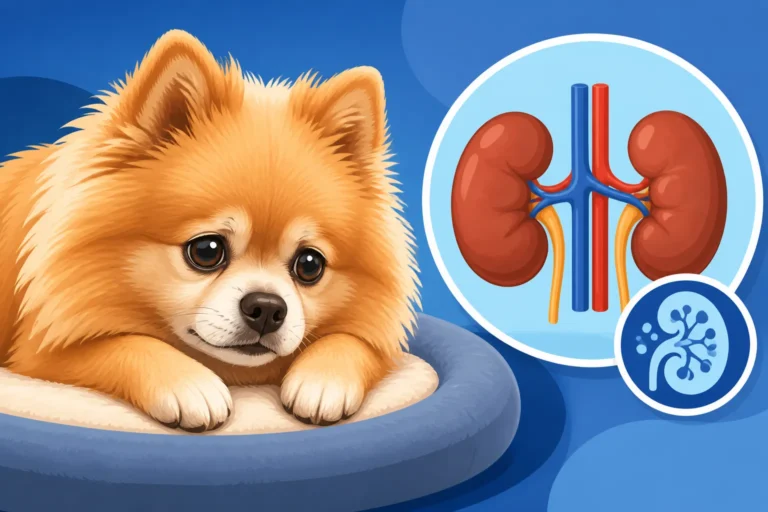
This usually involves a complete blood count (CBC) and a biochemistry panel. The CBC looks at red and white blood cells, assessing for anemia, infection, or other blood disorders. The biochemistry panel evaluates organ function, specifically the liver and kidneys, which are crucial for metabolizing and eliminating anesthetic drugs. If these organs aren't functioning optimally, certain drugs might need to be adjusted or avoided entirely. Furthermore, a urinalysis can provide additional insights into kidney function and detect infections. For older Pomeranians, or those with known heart concerns, an electrocardiogram (ECG) is often recommended to assess heart rhythm and electrical activity, and sometimes even chest X-rays to check for lung or heart abnormalities. This diligent screening helps veterinarians tailor the anesthetic plan to your dog's specific needs, catching potential issues before they become life-threatening complications. This is why discussing Whether a Pomeranian Needs Pre-Anesthetic Bloodwork with your vet is so important.
Tailoring the Anesthetic Plan
Once all the pre-anesthetic diagnostics are complete, your veterinary team will create a customized anesthetic plan. This isn't a one-size-fits-all approach. For a four-pound Pomeranian, drug selection, dosage, and administration methods are meticulously chosen. Veterinarians often opt for multi-modal anesthesia, using a combination of drugs at lower doses to achieve the desired effect while minimizing side effects. This might include sedatives to calm them before induction, pain medications, and then the anesthetic agents themselves.
The choice of anesthetic gas also matters. Isoflurane and Sevoflurane are commonly used inhalant anesthetics because they allow for rapid adjustments in depth of anesthesia and quick recovery, which is ideal for small patients. Furthermore, the method of drug delivery is critical. Intravenous (IV) access is almost always established, not just for administering induction drugs, but also for providing continuous fluid support throughout the procedure. This helps maintain blood pressure, counteract dehydration, and provide a route for emergency medications if needed. The goal is always to achieve the deepest level of safety with the least amount of pharmacological burden on your tiny Pom's system.
Monitoring During Anesthesia: Vigilance is Key
Anesthesia for a tiny Pomeranian isn't a "set it and forget it" situation. It requires constant, meticulous monitoring by a dedicated team. This vigilance is paramount to identifying and addressing subtle changes in your dog's physiological status before they escalate into serious complications. It's an active process of observation, measurement, and immediate intervention.
Essential Monitoring Equipment and Techniques
Modern veterinary clinics are equipped with sophisticated monitoring tools that are indispensable for anesthetic safety, especially for small patients. At the very least, a comprehensive monitoring setup for a Pomeranian should include:
- Pulse Oximetry: Measures oxygen saturation in the blood and pulse rate. Low oxygen levels are a critical red flag.
- Capnography: Measures the amount of carbon dioxide in the exhaled breath. This helps assess ventilation and overall respiratory function. Abnormal CO2 levels can indicate hypoventilation (not breathing deeply enough) or other respiratory issues.
- ECG (Electrocardiogram): Monitors the electrical activity of the heart, allowing the veterinary team to detect arrhythmias or other cardiac irregularities. This is especially crucial if your Pom has a history of The Heart Murmur Heard on a Pomeranian Puppy or other heart conditions.
- Blood Pressure Monitor: Regular blood pressure readings are vital. Hypotension (low blood pressure) is a common anesthetic complication that can compromise organ perfusion, particularly in the kidneys and brain.
- Temperature Probe: As mentioned, hypothermia is a significant concern. A rectal temperature probe allows for continuous monitoring, coupled with external warming devices like forced-air warmers (e.g., Bair Hugger systems), warm water blankets, and even warm IV fluids to maintain core body temperature.
Beyond these machines, there's the invaluable human element: a dedicated veterinary technician or assistant whose sole job is to monitor your Pomeranian, record vital signs, and communicate any changes to the veterinarian. They are constantly checking gum color, capillary refill time, eye reflexes, and muscle tone – all subtle indicators of anesthetic depth and overall well-being.
Maintaining Temperature and Glucose Levels
For a four-pound Pomeranian, regulating body temperature is a constant battle against the cold. Their small size means they lose heat incredibly quickly to the ambient environment of the operating room. Prolonged hypothermia can lead to delayed recovery, increased anesthetic drug requirements, and even cardiac arrhythmias. To combat this, veterinary teams employ a multi-pronged approach:
- External Warming Devices: Forced-air warming blankets, circulating warm water blankets, and even simple hot water bottles (with protective layers to prevent burns) are used to provide external heat.
- Warm IV Fluids: Administering warmed intravenous fluids helps to maintain core body temperature from the inside out.
- Insulation: Covering exposed areas of the body with surgical drapes or towels can help reduce heat loss.
Alongside temperature, blood glucose levels are a critical watchpoint. Small dogs, particularly if they are stressed or have not eaten for a prolonged period, are susceptible to hypoglycemia (low blood sugar). Anesthetic drugs can also impact glucose metabolism. Continuous glucose monitoring or frequent spot checks are essential, especially in longer procedures or for puppies. If blood glucose starts to drop, dextrose can be added to the IV fluids to prevent a dangerous Blood Sugar Crashes in a Pomeranian Puppy. Proactive management of both temperature and glucose is a cornerstone of safe anesthesia for tiny Pomeranians.
Post-Anesthetic Recovery and Care
The moment the anesthetic gas is turned off, the real work of recovery begins. This phase is just as critical as the anesthesia itself, especially for a small Pomeranian, as many complications can arise during this transition back to consciousness. A skilled and attentive recovery team is essential to ensure a smooth and safe awakening.
Managing the Immediate Recovery Period
As your Pomeranian starts to wake up, they might be disoriented, groggy, or even a bit vocal. The veterinary team will continue to monitor their vital signs closely, including heart rate, respiratory rate, temperature, and oxygen saturation. The breathing tube, if used, is typically removed once the swallowing reflex returns, indicating they can protect their own airway. This immediate post-operative period is when the risks of hypothermia, pain, and respiratory depression are still quite high.
One of the first priorities is maintaining warmth. Your Pom will be moved to a warm, quiet recovery area, often with continued use of warming blankets or incubators. Pain management is also crucial. Pre-emptive pain medication, given before surgery, helps, but additional pain relief may be administered as needed, tailored to their size and the type of procedure. The goal is to keep them comfortable, warm, and calm as they gradually regain full consciousness. Constant observation ensures that any signs of distress, excessive pain, or delayed recovery are immediately addressed, which might include further monitoring or specific medications. This phase often feels like a blur of worry for owners, but knowing the steps taken for Recovery After a Pomeranian's Knee Surgery or other procedures can bring some peace of mind.
At-Home Care and What to Watch For
Once your Pomeranian is fully awake, stable, and the veterinary team is confident they can go home, you'll receive detailed instructions for their at-home care. This usually includes guidelines for feeding, medication administration (especially for pain relief), and activity restrictions. It's common for Poms to be a bit sleepy or subdued for 12-24 hours after anesthesia. They might also have a mild cough if they were intubated, which usually resolves quickly.
What to watch for:
- Appetite and Thirst: Most Poms will start eating and drinking within a few hours of returning home. If they refuse food or water for an extended period (more than 24 hours), it warrants a call to your vet.
- Vomiting or Diarrhea: While some mild nausea can occur, persistent vomiting or diarrhea is not normal and should be reported.
- Lethargy: While some grogginess is expected, extreme lethargy, unresponsiveness, or difficulty standing should prompt immediate veterinary attention.
- Breathing Difficulties: Any labored breathing, excessive panting, or blue gums are emergencies.
- Pain: Whining, trembling, reluctance to move, or aggression when touched can indicate uncontrolled pain.
- Surgical Site (if applicable): Check for excessive swelling, redness, discharge, or any signs of incision opening.
It's vital to provide a quiet, comfortable space for your Pom to rest, away from other pets or boisterous children. Ensure they have easy access to food and water, possibly elevated bowls if they've had oral surgery, as is often the case with Dental Disease in a Mouth the Size of a Pomeranian's. Adhering strictly to medication schedules and activity restrictions is key to a successful recovery.
Addressing Common Concerns and Misconceptions
It's natural to have a myriad of questions and worries when your tiny Pomeranian is facing anesthesia. There are a lot of myths and misunderstandings floating around, and getting clear, factual information can alleviate a lot of that stress. Let's tackle some of the most frequent concerns.
"My Pom is too old/small for anesthesia!"
This is a very common fear, and it's rooted in a partial truth. Yes, age and very small size do increase anesthetic risk, but it doesn't automatically mean anesthesia is impossible or too dangerous. Modern veterinary medicine has made incredible strides in making anesthesia safer for vulnerable patients.
For older Pomeranians, the concern is often underlying conditions like heart disease, kidney disease, or a slower metabolism. However, the comprehensive pre-anesthetic bloodwork, ECGs, and X-rays discussed earlier are specifically designed to identify these issues. With this information, the veterinary team can make informed decisions, adjusting drug choices, dosages, and monitoring protocols to suit the individual senior dog. For example, if a senior Pomeranian needs a dental, the benefits of preventing severe dental disease, which can lead to systemic infection and organ damage, often far outweigh the carefully managed anesthetic risk. Many owners worry about Whether an Old Pomeranian Should Have a Dental, but it can dramatically improve their quality of life.
Similarly, for very small Poms, while their physiology demands extra precision, it's not a barrier. As long as the veterinary hospital is equipped with the right tiny-patient-specific monitoring tools, trained staff, and a customizable anesthetic protocol, even a four-pound Pomeranian can undergo necessary procedures safely. The key is thorough preparation and a highly attentive team, not an arbitrary weight cut-off.
The Myth of "Light Anesthesia"
Some owners mistakenly believe that asking for "light anesthesia" will make the procedure safer for their small Pomeranian. While the intention is good, this is actually a dangerous misconception. Anesthesia needs to be deep enough to ensure the patient is truly unconscious, pain-free, and immobile. If anesthesia is too light, your Pomeranian could feel pain, move during surgery (which is dangerous for both the patient and the surgical team), or even become aware during the procedure, leading to significant distress and trauma.
The goal is stable anesthesia, not light. This means maintaining a consistent, appropriate depth of anesthesia where the patient is fully insensible, but their vital signs remain strong and stable. A skilled anesthesiologist or vet technician constantly monitors parameters to ensure this optimal plane. They adjust gas levels, fluid rates, and other medications in real-time to maintain this stability. It's a delicate balance, and it's far more complex than simply reducing the dose; it's about finding the right, stable level for each individual.
Insurance and Anesthetic Costs
The comprehensive pre-anesthetic workups, advanced monitoring equipment, and dedicated staff all come with a cost, and it's a valid concern for many pet owners. The good news is that many pet insurance providers understand the importance of these safety measures.
Most reputable pet insurance policies, like those from Healthy Paws, will cover the costs associated with necessary diagnostic tests (such as bloodwork, X-rays, ECGs) and the anesthesia itself for covered conditions or procedures. This can include anything from emergency surgery to dental work that is deemed medically necessary. While preventative procedures like routine dental cleanings might have specific limitations or require a wellness add-on, the costs of managing anesthetic risk, especially for a condition that has already manifested, are typically covered. It’s always best to check your specific policy details with providers like Healthy Paws beforehand to understand what is included, but having insurance can certainly ease the financial burden and allow you to make decisions based on your Pomeranian's health needs rather than solely on cost. Knowing the Anesthesia Charges on a Five Pound Pomeranian can help you budget, but insurance can be a lifesaver.
The Role of Veterinary Expertise and Clinic Choice
When your small Pomeranian needs anesthesia, the choice of your veterinary team and clinic is perhaps the single most critical decision you'll make. Not all clinics are created equal, and the level of experience, equipment, and protocols can vary significantly. Finding a practice that prioritizes anesthetic safety for tiny patients is paramount.
What to Look for in a Veterinary Clinic
When evaluating a veterinary clinic for an anesthetic procedure for your four-pound Pomeranian, don't hesitate to ask questions. A good clinic will be transparent and happy to discuss their protocols. Here are some key things to look for:
- Dedicated Anesthetic Monitoring Staff: Does the clinic have a dedicated, trained veterinary technician or assistant whose only job is to monitor your pet during anesthesia and recovery? This is a huge indicator of a commitment to safety, as it prevents the vet or other staff from being distracted during surgery.
- Comprehensive Monitoring Equipment: As detailed earlier, check if they use pulse oximetry, capnography, ECG, and blood pressure monitoring as standard for all anesthetic procedures, especially for small dogs.
- Warmth Maintenance Protocols: Ask about their strategies for preventing hypothermia (e.g., forced-air warmers, warm IV fluids, incubators).
- Pre-Anesthetic Bloodwork Policy: Do they strongly recommend or require pre-anesthetic bloodwork for all patients, or at least for older and toy breed dogs?
- Pain Management: What are their protocols for pre-emptive and post-operative pain management?
- Emergency Preparedness: Do they have emergency drugs readily available and staff trained in CPR?
- Experience with Toy Breeds: While not always a specific "certification," ask about the team's experience with anesthetizing very small dogs. Their confidence and detailed answers will tell you a lot.
Choosing a clinic that invests in these areas demonstrates a commitment to the highest standard of care, recognizing the unique vulnerabilities of a small Pomeranian.
Open Communication with Your Veterinarian
Don't be afraid to be your Pomeranian's advocate. Before any anesthetic procedure, schedule a consultation with your veterinarian to discuss all your concerns. Ask about the specific drugs they plan to use, how they will monitor your Pom, and what their emergency plan is.
A good vet will take the time to explain everything in detail, answer all your questions, and address any anxieties you might have. They should be able to articulate why certain protocols are in place and how they specifically benefit your tiny dog. If you have a specific concern, like your Pom's history of a heart murmur or a sensitive windpipe, make sure these are thoroughly discussed and factored into the anesthetic plan. This open dialogue not only helps you feel more at ease but also ensures that the veterinary team has all the necessary information to provide the safest possible experience for your cherished Pomeranian. Remember, you're a team when it comes to your pet's health, and understanding The Checkup Schedule a Pomeranian Should Keep is part of that partnership.
Disclaimer
This article is intended for informational purposes only and does not constitute veterinary advice. Always consult with a qualified veterinarian for any health concerns or before making any decisions about your pet's medical care.