Kidney Disease in an Aging Pomeranian
It's incredibly distressing to watch our beloved Pomeranians age, and when serious health issues like kidney disease start to emerge, it can feel overwhelming. This guide is here to walk you through understanding, recognizing, and managing kidney disease in your senior Pomeranian, offering practical advice and empathetic support every step of the way.
Understanding Kidney Disease in Older Pomeranians
As our tiny, spirited Poms get older, their bodies inevitably start to show wear and tear, and their kidneys are often among the organs most affected. Kidney disease, or renal disease, is a common and serious condition in aging dogs, and for a small breed like a Pomeranian, it can progress quite rapidly if not caught early. It's a silent threat that can sneak up on you, making it all the more important to be vigilant.
How Kidneys Work and Why They Fail
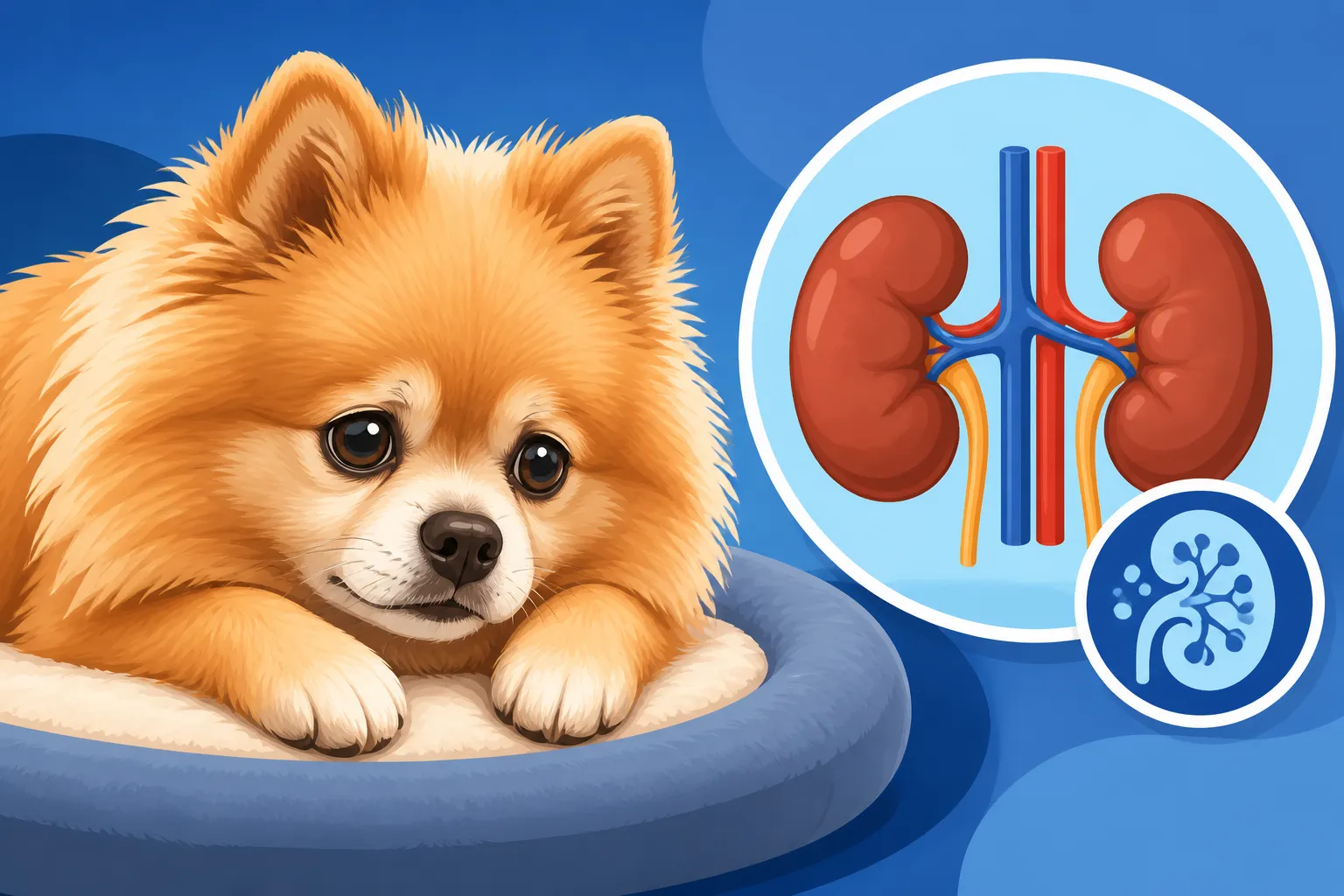
Think of your Pomeranian's kidneys as sophisticated filtering stations. They're responsible for removing waste products and toxins from the blood, maintaining proper fluid balance, regulating blood pressure, producing hormones vital for red blood cell production, and keeping mineral levels (like calcium and phosphorus) in check. It’s a huge job for two small organs!
When kidney disease sets in, these filtering units, called nephrons, start to deteriorate. Over time, as more and more nephrons become damaged and can no longer function, the kidneys lose their ability to effectively clean the blood. This leads to a buildup of toxins in the body, which can make your Pomeranian feel very sick. For older Poms, this decline is often gradual and can be a natural part of the aging process, but sometimes underlying conditions can accelerate it. The tricky part is that dogs can lose a significant portion of their kidney function, sometimes up to 75%, before obvious symptoms even appear.
Common Causes and Risk Factors for Kidney Disease
While aging is a primary factor, several other elements can contribute to the development or worsening of kidney disease in your Pomeranian. Genetics can play a role, as some breeds might be predisposed, though it's less talked about specifically for Poms compared to other conditions like luxating patellas or tracheal collapse.
Here are some common culprits:
- Age: Simply put, the older your Pom gets, the higher the risk. Just like us, their organs don't last forever. Regular checkups become paramount as your Pomeranian approaches "senior" status, typically around The Year a Pomeranian Starts Needing More.
- Dental Disease: This might sound surprising, but severe dental disease is a huge risk factor. Bacteria from infected gums and teeth can enter the bloodstream and travel to the kidneys, causing inflammation and damage. Given that Dental Disease in a Mouth the Size of a Pomeranian's is rampant in the breed, this is a particularly relevant concern.
- Infections: Chronic or severe kidney infections (pyelonephritis) can directly damage kidney tissue.
- Toxins: Exposure to certain toxins, like antifreeze, certain medications (especially NSAIDs if misused or given at incorrect dosages for prolonged periods), or even some common household plants, can lead to acute kidney injury, which can then progress to chronic disease.
- Other Health Conditions: Diseases like diabetes, high blood pressure, or even certain types of cancer can put a strain on the kidneys.
- Poor Diet/Hydration: A diet lacking essential nutrients or consistent dehydration can exacerbate kidney issues, although they are rarely the sole cause. Ensuring your Pomeranian has fresh water available at all times is crucial.
Understanding these factors can help you be proactive in your Pomeranian's care. For instance, if your Pom is already dealing with The Honking Cough of a Pomeranian's Collapsing Windpipe, they might be on medications that require careful kidney monitoring.
Recognizing the Subtle Signs of Kidney Issues
One of the hardest parts about kidney disease is how subtly it begins. Our Poms are often masters at hiding discomfort, especially in the early stages. This means that as owners, we need to be extra observant and pay close attention to any changes, no matter how minor they seem.
Early Warning Signals to Watch For
In the very beginning, you might notice changes that you could easily attribute to "just getting old." This is why routine veterinary visits are so important, as early detection can significantly impact the prognosis.
Here are some subtle signs to keep an eye on:
- Increased Thirst (Polydipsia): This is often one of the first and most common signs. You might find yourself refilling their water bowl more frequently or notice your Pom trying to drink from unusual sources. They're drinking more because their kidneys can't concentrate urine effectively, leading to more water loss, so they need to compensate.
- Increased Urination (Polyuria): Hand-in-hand with increased thirst, your Pomeranian will be peeing more often, and potentially producing larger volumes of urine. You might notice more accidents in the house, or needing to take them out more frequently. The urine itself might also appear clearer and less yellow.
- Subtle Changes in Appetite: Perhaps they're not diving into their food with the usual gusto, or they leave a few kibbles behind. This can be easy to dismiss, but persistent reduced appetite can be a red flag.
- Slight Lethargy: They might seem a little less energetic than usual, perhaps less keen on playing or going for walks. They might sleep more, or just not have their typical sparkle. This is different from the occasional lazy day; it’s a sustained decrease in activity.
These early signs are your cue to call the vet. Don't wait until things get worse. A quick phone call could lead to an early diagnosis, which is key.
When Symptoms Become More Obvious
As kidney disease progresses, the symptoms become more pronounced and can be quite distressing to witness. This is usually when a significant amount of kidney function has been lost, and toxins are building up to dangerous levels.
More advanced signs include:
- Weight Loss and Muscle Wasting: Despite eating, your Pom might start losing weight, and you may notice their muscles diminishing, especially over their hindquarters. This is often due to the body breaking down muscle for energy, as well as general poor health and nausea.
- Nausea and Vomiting: The buildup of toxins in the blood can cause significant gastrointestinal upset. Your Pomeranian might vomit frequently, or you might see them licking their lips, drooling excessively, or showing other signs of nausea.
- Poor Coat Quality: A healthy coat is often a sign of good health. With kidney disease, the coat can become dull, dry, and brittle, sometimes accompanied by skin issues. This might be mistaken for The Age a Pomeranian's Coat Starts to Thin which is a natural process, but poor coat quality is different.
- Oral Issues: Bad breath (halitosis) that smells somewhat metallic or like ammonia is a classic sign, caused by the breakdown of urea in the mouth. You might also notice ulcers or sores on their gums or tongue.
- Weakness and Lack of Coordination: As toxins accumulate, they can affect the nervous system, leading to general weakness, stumbling, or a reluctance to move.
- Increased Blood Pressure: Kidney disease can lead to hypertension, which might manifest as sudden blindness or disorientation, although these are less common as initial signs.
- Pale Gums: Anemia can develop in advanced kidney disease because the kidneys produce erythropoietin, a hormone that stimulates red blood cell production. Pale gums are a sign of anemia.
If you observe any of these more severe symptoms, it's an emergency. Your Pomeranian needs immediate veterinary attention.
Diagnosing and Managing Kidney Disease
Receiving a diagnosis of kidney disease can be heartbreaking, but it's important to remember that it's not an automatic death sentence. With proper management and care, many Pomeranians can still live comfortable and fulfilling lives for a significant period after diagnosis. The key is early and consistent intervention.
The Diagnostic Process and What to Expect
When you bring your Pomeranian to the vet with suspected kidney issues, they will typically start with a thorough physical examination, including checking their hydration status, gum color, and listening to their heart.
The diagnostic workup will usually involve:
- Blood Tests:
- Chemistry Panel: This measures key kidney values like Blood Urea Nitrogen (BUN) and Creatinine, which are waste products that build up in the blood when the kidneys aren't filtering properly. It also checks phosphorus levels, which can become elevated with kidney disease, and calcium, glucose, and electrolytes.
- SDMA (Symmetric Dimethylarginine) Test: This is a newer, more sensitive marker for kidney disease. It can detect a decrease in kidney function much earlier than BUN and creatinine, sometimes when as little as 25% of kidney function is lost. This test has been a game-changer for early detection.
- Urinalysis: This involves analyzing a urine sample to check for specific gravity (how concentrated the urine is), presence of protein, blood, or bacteria. A low specific gravity indicates that the kidneys are struggling to concentrate urine.
- Blood Pressure Measurement: As mentioned, high blood pressure can be both a cause and a consequence of kidney disease.
- Imaging: X-rays or ultrasound might be used to visualize the kidneys, check their size and shape, and rule out other issues like stones or tumors.
- Urine Protein:Creatinine Ratio (UPC): This test helps quantify protein loss in the urine, which is a marker for kidney damage.
Your veterinarian will use a combination of these tests to determine if kidney disease is present, its stage, and to rule out other potential problems. Don't be afraid to ask questions about the results and what they mean for your Pom. This information will guide the treatment plan. You might even consider discussing pet insurance providers like Healthy Paws at this stage, as ongoing treatment can be costly, and a good policy could alleviate financial stress.
Dietary Management and Lifestyle Adjustments
Dietary therapy is a cornerstone of managing kidney disease. Your vet will likely recommend a prescription kidney diet. These diets are specifically formulated to:
- Reduce Protein: They contain high-quality, but restricted, protein levels. This helps minimize the production of nitrogenous waste products, easing the burden on the kidneys.
- Control Phosphorus: Lowering phosphorus intake is crucial, as elevated phosphorus levels are common in kidney disease and can worsen the condition and make your Pom feel worse.
- Moderate Sodium: Helps manage blood pressure.
- Supplement Omega-3 Fatty Acids: These have anti-inflammatory properties that can help support kidney health.
- Higher Calorie Density: Often includes fats to ensure enough calories without requiring large meal volumes, which can be challenging for dogs with reduced appetite.
Popular brands for kidney diets include Hill's k/d, Royal Canin Renal Support, and Purina Pro Plan Veterinary Diets NF Kidney Function. It can be a challenge to get a picky Pomeranian to switch to a new diet, so work closely with your vet on transition strategies. You might need to warm the food or mix it with small amounts of enticing, safe toppers. Remember that these diets are designed to slow the progression of the disease and improve quality of life, not cure it.
Beyond diet, ensuring constant access to fresh water is absolutely vital. Consider offering multiple water bowls around the house and perhaps a pet fountain to encourage drinking. Regular, gentle exercise is still important, but avoid overexertion, especially if your Pom is feeling unwell or has other conditions like Slipping Kneecaps in a Five Pound Pomeranian.
Medical Interventions and Supportive Care
Depending on the stage and specific symptoms, your vet might prescribe several medications:
- Phosphate Binders: If dietary restriction isn't enough to control phosphorus levels, these medications are given with food to bind to phosphorus in the gut, preventing its absorption.
- Blood Pressure Medications: ACE inhibitors (like enalapril or benazepril) are commonly used to lower blood pressure and reduce protein loss in the urine.
- Anti-nausea Medications: To combat vomiting and improve appetite.
- Appetite Stimulants: If your Pom is refusing to eat.
- Potassium Supplements: If potassium levels are too low.
- Fluid Therapy: In more advanced cases, or during periods of acute worsening, subcutaneous (under the skin) fluid administration at home can be life-saving. Your vet can teach you how to do this. This helps hydrate your Pom and flush out toxins.
Regular monitoring with blood and urine tests is crucial to adjust treatments as needed. It can feel like a lot to manage, but your vet team is there to support you. You might find that pet insurance like Healthy Paws can really help with the ongoing costs of these medications and treatments, especially if you enrolled your Pom before the condition manifested.
Supporting Your Pomeranian Through Kidney Disease
Living with a Pomeranian diagnosed with kidney disease means a commitment to ongoing care, observation, and providing as much comfort as possible. It’s a journey that requires patience, vigilance, and a whole lot of love.
Creating a Comforting Environment
Making your Pom's environment as comfortable and stress-free as possible can significantly improve their quality of life.
- Warmth and Soft Beds: Poms, especially older ones, can get chilly. Provide plenty of soft, warm beds in quiet, draft-free spots. Consider an orthopedic bed to support their aging joints, particularly if they also have conditions like Arthritis in a Pomeranian at Ten.
- Easy Access to Essentials: Make sure their food, water, and potty areas are easily accessible. If your Pom has trouble with stairs, consider ramps to favorite spots like the couch or bed. Read more about Ramps for a Pomeranian That Jumps Off the Sofa.
- Maintain Routine: Dogs thrive on routine. Stick to a predictable schedule for feeding, potty breaks, and gentle walks. This consistency can reduce stress and help them feel secure.
- Gentle Grooming: While your Pom's coat might not be as magnificent as it once was, regular, gentle brushing can still be a comforting ritual. It also helps you monitor their skin and overall condition. For tips on grooming an older dog, you can check out Brushing an Old Pomeranian Lying Down.
- Emotional Support: Your Pom relies on your presence and affection. Spend quality time cuddling, gently petting, and talking to them. Your calm demeanor can be incredibly reassuring.
Monitoring and Regular Veterinary Check-ups
The success of managing kidney disease often hinges on vigilant monitoring and frequent communication with your vet.
- Home Observation: Keep a detailed log of your Pomeranian's water intake, urination frequency, appetite, energy levels, and any instances of vomiting. This information is invaluable to your vet.
- Scheduled Vet Visits: Expect more frequent vet visits for bloodwork and urinalysis, especially in the initial stages of diagnosis or when adjusting medications. These regular check-ups, even more frequent than The Checkup Schedule a Pomeranian Should Keep for a healthy senior, are essential to track the disease's progression and ensure the treatment plan is effective. Don't be surprised if your vet wants to see them every few months, or even more often, particularly if their condition is unstable.
- Discussing Quality of Life: As the disease progresses, there might come a time to have honest conversations with your vet about your Pomeranian's quality of life. This is one of the hardest parts of owning an aging dog, and resources like The Day You Decide for an Old Pomeranian can offer support when faced with such difficult choices.
Remember, you are your Pomeranian's strongest advocate. Don't hesitate to ask questions, voice concerns, and seek clarification from your veterinary team. They are your partners in providing the best possible care for your cherished companion. Companies like Healthy Paws are often there to help financially, making these frequent visits and necessary medications more accessible.
Disclaimer
The information provided in this article is for educational purposes only and is not intended to be a substitute for professional veterinary advice, diagnosis, or treatment. Always seek the advice of your veterinarian or other qualified health provider with any questions you may have regarding a medical condition.