Whether a Pomeranian’s Kneecap Needs Surgery
There's nothing quite as heartbreaking as watching your beloved Pomeranian suddenly yelp, hold up a back leg, or do that tell-tale little skip that makes your heart sink. You know something isn't quite right, and often, what you're seeing are the classic signs of a luxating patella – a slipping kneecap. It's a hugely common issue in our tiny Poms, and it naturally brings a load of questions and worries about whether surgery is inevitable. This guide is here to walk you through everything, from understanding the condition to exploring all your options, so you can make the most informed decision for your furry family member.
Understanding Luxating Patella in Pomeranians
Luxating patella, often simply called a "slipped kneecap," is one of the most prevalent orthopedic conditions we see in small dog breeds like our precious Pomeranians. It sounds scary, but with the right knowledge and veterinary care, it's a manageable condition.
What Exactly is a Luxating Patella?
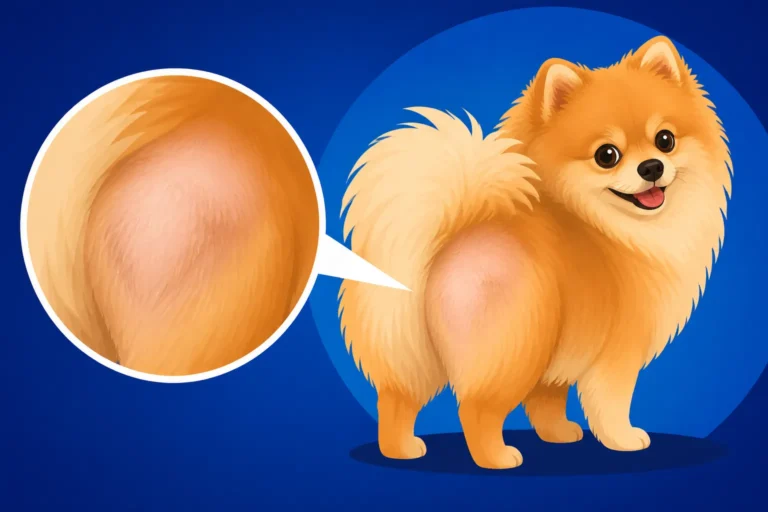
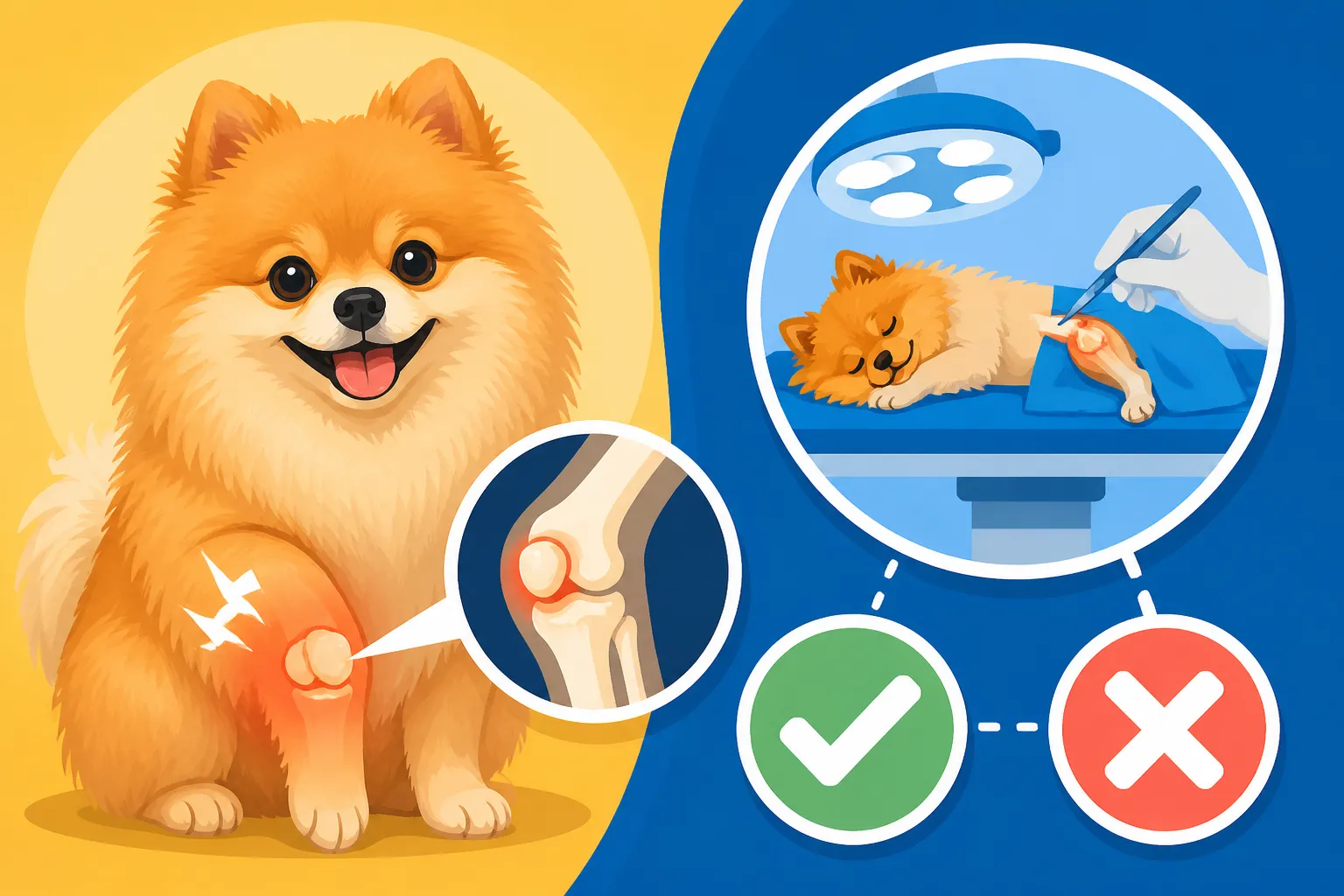
Let's break down what's actually happening in your Pomeranian's knee. The patella is your dog's kneecap, a small bone that sits in a groove on the end of the femur (thigh bone) called the trochlear groove. It's held in place by ligaments and tendons, and its job is to act like a pulley, allowing the leg to extend smoothly. In a dog with luxating patella, this kneecap pops out of that groove, either to the inside (medial luxation, which is most common in Poms) or, less frequently, to the outside (lateral luxation).
Imagine a train running on a track. The kneecap is the train, and the trochlear groove is the track. When the kneecap "luxates," it's like the train derailing. This can happen intermittently, where the kneecap pops out and then back in, or it can be a more constant issue. When it pops out, your Pomeranian might momentarily hold up their leg, skip, or even yelp in discomfort. This misalignment can lead to abnormal wear and tear on the joint, potentially causing pain, inflammation, and over time, the development of arthritis. It’s a real concern, particularly for a breed as active and prone to jumping as a Pomeranian.
Why Pomeranians Are So Prone to This Condition
It often feels unfair when our Poms, with their tiny, delicate frames, are so susceptible to certain health issues, and luxating patella is definitely one of them. The truth is, it's largely a genetic and conformational predisposition. Pomeranians, along with other toy and small breeds like Chihuahuas, Yorkshire Terriers, and Boston Terriers, are bred to be small, and sometimes this comes with certain skeletal characteristics that make them more vulnerable.
Think about the structure of a Pomeranian's hind leg. Often, their bones might not align perfectly straight, or the trochlear groove on their femur isn't deep enough to securely hold the kneecap. The ligaments that attach to the patella might also be looser than they should be, or the attachment point on the shin bone (tibia) might be slightly off. All these subtle differences can increase the likelihood of the kneecap slipping out. It's not usually due to an injury, though an injury can certainly worsen an existing predisposition. Instead, it's often something they're born with, a silent issue waiting for the right moment to reveal itself. This is why responsible breeders will often screen their breeding dogs for patellar luxation, trying to reduce the incidence in future generations. It's important to understand this isn't your fault as an owner; it's simply a common challenge of the breed.
The Different Grades of Patellar Luxation
When a vet diagnoses luxating patella, they'll often give it a "grade." This grading system helps determine the severity of the condition and guides the treatment plan. It ranges from Grade I (the mildest) to Grade IV (the most severe). This isn't just an arbitrary number; it tells you a lot about how often the kneecap slips, how easily it goes back into place, and the potential impact on your Pomeranian's mobility and comfort.
Here's a breakdown:
- Grade I: This is the mildest form. The kneecap can be manually luxated (pushed out of place by the vet) but pops back into its groove spontaneously. Your Pomeranian might show very minimal or intermittent signs, perhaps just an occasional skip that you might barely notice. Many Poms live long, happy lives with Grade I luxation without ever needing surgery.
- Grade II: In this grade, the kneecap luxates spontaneously, meaning it slips out on its own, and may stay luxated for a short period before popping back in. This is where you'll start to notice more frequent skipping, or your Pom might hold their leg up for a few steps. The kneecap can still be manually put back into place by the vet, and sometimes your dog can even "kick" it back into place themselves. While surgery isn't always immediately necessary, it becomes a more serious consideration as pain and arthritis can develop. Many owners find their Pomeranian's activities, like running or playing, are often interrupted by a sudden skip or limp, making them wonder about Whether a Pomeranian Can Live With a Grade Two Knee.
- Grade III: With Grade III, the kneecap is luxated most of the time. It can be manually put back into the groove, but it will immediately pop out again once the pressure is released. This means your Pomeranian will likely have a persistent lameness or a crouched stance, and their movement will be noticeably affected. Pain and discomfort are more common at this stage, and the joint is undergoing more significant wear and tear. At this point, surgery is often highly recommended to improve the dog's quality of life and prevent further degeneration.
- Grade IV: This is the most severe grade. The kneecap is permanently luxated and cannot be manually returned to its groove. The trochlear groove is often flattened or even absent, and there can be significant deformities of the femur and tibia. Dogs with Grade IV luxation will have severe lameness, often struggling to extend their leg or even walk normally, with a noticeable "bow-legged" appearance. Surgery is almost always necessary to correct the structural issues and improve function, though the prognosis can be more guarded.
Understanding Grading Patellar Luxation in a Pomeranian is crucial for discussing treatment options with your vet.
| Grade | Description | Common Symptoms | Treatment Considerations |
|---|---|---|---|
| I | Kneecap manually luxates but reduces spontaneously | Occasional, usually unnoticed skip | Conservative management, monitoring |
| II | Kneecap spontaneously luxates, may stay out briefly | Intermittent skipping, holding leg up, mild lameness | Conservative management, surgery considered if symptoms worsen |
| III | Kneecap mostly luxated, can be manually reduced | Persistent lameness, crouched stance, difficulty extending leg, pain | Surgery highly recommended |
| IV | Kneecap permanently luxated, cannot be reduced | Severe lameness, inability to extend leg, severe deformities, chronic pain | Surgery necessary, often complex |
Recognizing the Signs Your Pomeranian's Kneecap is Slipping
As a Pomeranian owner, you become intimately familiar with your dog's gait, quirks, and habits. Noticing subtle changes can be the first step in addressing a luxating patella. Early detection can often lead to more effective management, whether surgical or non-surgical.
Early Indicators and Subtle Changes
The initial signs of a luxating patella can be quite subtle, and sometimes, you might even dismiss them as your Pomeranian being playful or just having an "off" moment. One of the most common early indicators is the "skip" or "bunny hop" gait. Your Pom might be running or walking normally, then suddenly skip a step, hold one back leg up for a stride or two, and then put it down and carry on as if nothing happened. This often occurs when the kneecap momentarily slips out and then quickly pops back into place.
You might also notice a reluctance to engage in activities they once loved, such as jumping onto the sofa or going up stairs. Perhaps they're usually eager to jump up for a treat, but now they hesitate or try to find an alternative way to get to you. Sometimes, after a period of rest, they might appear stiff, especially in colder weather, or show a slight lameness that seems to resolve once they've "warmed up." Pay attention to any soft clicking sounds coming from their knee when they move, or if they seem to favor one leg more than the other even when walking. These tiny observations, when pieced together, can paint a clear picture that something needs investigation. Many Poms are notoriously stoic, so any sign of discomfort should be taken seriously.
When to Seek Veterinary Attention
Knowing when to transition from observing at home to scheduling a vet visit can be tricky. Generally, if you notice any of the aforementioned signs more than occasionally, or if they seem to be worsening in frequency or intensity, it's definitely time to call your veterinarian. If your Pomeranian yelps in pain when the skip happens, struggles to bear weight on a leg, or is completely reluctant to use a limb, that's an urgent red flag.
Another key indicator is if your Pom's personality or activity level changes. A previously playful dog who now prefers to lie down, avoids interactions, or seems generally uncomfortable could be suffering from more than just an occasional skip. The development of persistent lameness, even if mild, warrants a check-up. Remember, this condition can lead to arthritis over time, so addressing it proactively can help preserve joint health and reduce future pain. Don't wait until the symptoms are debilitating; early intervention can make a significant difference in outcomes.
Diagnostic Process: What to Expect at the Vet
When you bring your Pomeranian to the vet with concerns about a slipping kneecap, the diagnostic process is usually straightforward but thorough. Your vet will start by taking a detailed history, asking about the symptoms you've observed, how long they've been occurring, and any changes in your dog's activity or behavior.
Next comes the physical examination. Your vet will carefully palpate (feel) your Pomeranian's hind legs, paying close attention to the knee joints. They'll try to manipulate the kneecap to see if it luxates and, if so, how easily it slips out and whether it goes back into place. This is how they determine the grade of the luxation, as discussed earlier. They'll also check for any muscle atrophy, tenderness, or signs of arthritis in the joint. During this exam, your vet might even perform a "drawer test" to check the stability of the cruciate ligaments, as sometimes luxating patella can be accompanied by other knee issues.
Finally, X-rays are usually recommended. While luxating patella itself is primarily diagnosed by physical palpation, X-rays are invaluable for several reasons. They allow the vet to assess the overall bone structure, including the depth of the trochlear groove, the alignment of the femur and tibia, and any existing signs of arthritis or other bone abnormalities. They can also rule out other conditions that might mimic luxating patella. Sometimes, your vet might suggest bloodwork as a pre-screening measure, especially if surgery is a potential consideration, to ensure your Pomeranian is healthy enough for anesthesia. This comprehensive approach helps your vet understand the full picture of your Pomeranian's knee health.
Non-Surgical Management Options for Luxating Patella
Discovering your Pomeranian has a luxating patella doesn't automatically mean surgery is the only answer. For many Poms, especially those with lower-grade luxation, a conservative, non-surgical approach can be highly effective in managing symptoms and maintaining a good quality of life.
Lifestyle Adjustments and Environmental Modifications
One of the most impactful things you can do for a Pomeranian with a luxating patella, regardless of its grade, is to manage its lifestyle and environment. First and foremost, weight management is critical. Even an extra pound on a small Pomeranian puts significant stress on already compromised joints. Keeping your Pom at a lean, healthy weight, as advised by your vet, can dramatically reduce the strain on their knees. This might mean adjusting their food portions – a challenging task given how little a Pomeranian needs to eat daily – or increasing gentle, controlled exercise.
Next, environmental modifications are key to preventing further injury and reducing the frequency of luxation. Think about all the jumping your Pomeranian does throughout the day: on and off furniture, beds, and even up and down stairs. Each jump puts stress on those fragile knee joints. Providing pet-friendly ramps or steps for access to sofas and beds can greatly reduce this impact. You can find excellent, sturdy ramps at pet stores or online, such as those by PetSafe or Royal Ramps, that are specifically designed for small breeds. Limiting high-impact activities, avoiding slippery floors (using rugs or runners), and preventing rough play with larger dogs can also contribute significantly to joint protection. Even careful handling, ensuring you always support your Pom's hindquarters when lifting them, can make a difference. These small changes can play a huge role in supporting A Pomeranian That Will Not Get Its Coat Wet. For those concerned about preventing injuries, consider researching Why Jumping Off Furniture Wrecks a Pomeranian's Knees.
Supplements and Medications to Support Joint Health
Beyond lifestyle changes, certain supplements and medications can play a vital role in supporting joint health and managing pain in Pomeranians with luxating patella. The goal here is to reduce inflammation, protect cartilage, and provide comfort.
Joint supplements are often the first line of defense. Ingredients like glucosamine, chondroitin, and MSM are widely used for their purported ability to support cartilage health and reduce inflammation. Omega-3 fatty acids, particularly EPA and DHA found in fish oil, are also excellent anti-inflammatories that can benefit joint health. Brands like Cosequin, Dasuquin, or even specific veterinarian-recommended formulas are popular choices. Remember, it's crucial to discuss any supplements with your vet before starting them, as not all products are created equal, and dosing needs to be precise for a tiny dog. You might be surprised at How Little Food an Adult Pomeranian Needs to keep their weight managed, which in turn impacts joint health.
For pain management, your vet might prescribe non-steroidal anti-inflammatory drugs (NSAIDs) during flare-ups or if your Pomeranian is experiencing consistent discomfort. These medications, such as carprofen (Rimadyl), meloxicam (Metacam), or firocoxib (Previcox), can significantly reduce pain and inflammation, allowing your dog to move more comfortably. Long-term use of NSAIDs requires regular monitoring of kidney and liver function through blood tests. Other pain medications, like gabapentin, might also be used in conjunction with NSAIDs, especially for chronic pain. Always follow your vet's instructions carefully when administering any medication. This is also where having pet insurance, like a plan from Healthy Paws, can be incredibly beneficial, as these ongoing medication costs can add up. It's certainly worth considering Whether Joint Support Helps a Pomeranian's Knees as part of their daily routine.
Physical Therapy and Rehabilitation
Physical therapy and rehabilitation are increasingly recognized as powerful tools in managing luxating patella, both as a standalone non-surgical option and as a critical component of post-surgical recovery. The aim of these therapies is to strengthen the muscles surrounding the knee joint, improve flexibility, enhance balance, and reduce pain.
A certified canine rehabilitation therapist can develop a tailored program for your Pomeranian. This might include a variety of techniques:
- Therapeutic exercises: These are specific, low-impact exercises designed to build strength in the quadriceps muscles, which help stabilize the kneecap. Examples include gentle range-of-motion exercises, controlled leash walks, exercises on unstable surfaces (like balance boards), and cavaletti poles.
- Hydrotherapy: Swimming or walking on an underwater treadmill can be incredibly beneficial. The buoyancy of the water reduces weight-bearing stress on the joints while still allowing for muscle strengthening and improved range of motion. It's particularly good for Poms who are uncomfortable bearing full weight on a leg.
- Massage and manual therapy: Gentle massage can help reduce muscle tension, improve circulation, and alleviate pain.
- Modalities: Therapists might also use modalities like therapeutic ultrasound, laser therapy, or electrical stimulation to reduce inflammation, promote healing, and manage pain.
Regular sessions with a therapist, combined with a dedicated home exercise program, can significantly improve your Pomeranian's comfort and mobility, potentially delaying or even avoiding the need for surgery. It's an investment in their long-term well-being, and many pet insurance plans, like those offered by Healthy Paws, may cover rehabilitation costs, which is definitely something to look into.
Deciding if Surgery is the Right Path for Your Pomeranian
For many Pomeranians with luxating patella, especially those with higher grades or significant pain, surgery becomes the most effective long-term solution. The decision to proceed with surgery is a big one, involving careful consideration of various factors.
Surgical Procedures: What They Involve
If conservative management isn't enough to keep your Pomeranian comfortable and mobile, or if the luxation is severe (Grade II, III, or IV), your vet might recommend surgical correction. The goal of surgery is to realign the kneecap so it stays within its groove, restoring proper knee function and reducing pain and the progression of arthritis. There are several surgical techniques, often used in combination, depending on the specific anatomical abnormalities of your Pomeranian's knee.
The most common procedures include:
- Trochlear Groove Deepening: As discussed, a shallow trochlear groove is a primary reason the kneecap slips. The surgeon will deepen this groove (either by creating a wedge or block recession trochleoplasty) so the patella has a more secure track to run in. This essentially carves out a deeper "valley" for the kneecap.
- Tibial Crest Transposition: This procedure addresses cases where the attachment point of the patellar ligament on the shin bone (tibial crest) is misaligned, pulling the kneecap out of its groove. The surgeon carefully cuts a small piece of bone where the ligament attaches, moves it to the correct alignment, and then reattaches it with pins or wires. This effectively changes the angle of pull on the kneecap.
- Capsular Overlap: The joint capsule surrounding the knee can stretch and weaken due to chronic luxation. A capsular overlap involves tightening the stretched capsule on one side and releasing it on the other to help hold the kneecap in place.
- Lateral Imbrication: Similar to capsular overlap, this involves tightening the soft tissues on the side of the knee opposite to where the kneecap is luxating, providing additional stability.
Often, a combination of these techniques is used to achieve optimal stability. The procedure is performed by a skilled veterinary surgeon, and success rates are generally very high, especially for Grade II and III luxations. It's a significant undertaking, and understanding the details helps prepare you for Knee Surgery Prices for a Pomeranian, which can vary widely.
Factors Influencing the Surgical Decision
Deciding whether to proceed with surgery for your Pomeranian's luxating patella is a complex process. It's a deeply personal choice, made in consultation with your veterinarian, considering several crucial factors.
- Grade of Luxation: For Grade I luxation, surgery is rarely necessary unless your Pom is experiencing significant pain or progressive lameness. For Grade II, the decision is often borderline; if conservative management isn't providing sufficient relief or if the symptoms are worsening, surgery becomes a stronger option. For Grade III and IV, surgery is almost always recommended due to the constant discomfort, compromised mobility, and higher risk of severe arthritis.
- Severity of Symptoms and Pain: This is perhaps the most important factor. Is your Pomeranian in pain? Are they consistently limping, crying out, or reluctant to move? Even a lower-grade luxation that causes significant pain or severely impacts their quality of life might warrant surgery. Conversely, a higher-grade luxation with minimal clinical signs might be managed conservatively for a period, though this is less common.
- Age and Overall Health: A younger Pomeranian typically recovers better from surgery and has less established arthritis, often leading to a better long-term prognosis. However, older Poms can also undergo surgery successfully, provided they are otherwise healthy. Pre-anesthetic bloodwork is always done to assess their suitability for anesthesia. Conditions like heart murmurs are carefully evaluated, as Anesthesia Risk in a Four Pound Pomeranian is something vets take very seriously.
- Presence of Concurrent Issues: Sometimes, luxating patella can occur alongside other orthopedic problems, such as hip dysplasia or cruciate ligament tears. Addressing all these issues might influence the surgical plan.
- Your Lifestyle and Commitment to Post-Operative Care: Surgical recovery requires significant commitment to rest, medication, and rehabilitation. Are you prepared for the weeks of restricted activity and the dedication required for their recovery?
These factors, combined with your vet's expert opinion and your financial considerations (which is where a good pet insurance plan like Healthy Paws can be invaluable), will guide your decision. It's all about balancing the potential benefits of surgery against the risks and ensuring the best possible outcome for your furry friend.
Potential Risks and Benefits of Surgery
Like any surgical procedure, luxating patella repair comes with both potential risks and significant benefits. It's essential to have a clear understanding of these before making your decision.
Potential Risks:
- Anesthesia Risks: While generally safe, anesthesia always carries some risk, especially for small breeds. Your vet will conduct pre-anesthetic blood tests and careful monitoring to minimize these risks.
- Infection: As with any surgery, there's a risk of post-operative infection at the incision site. This is typically managed with antibiotics.
- Implant Failure: In procedures using pins or wires, there's a small chance these implants could loosen or break, requiring further intervention.
- Persistent Lameness or Re-Luxation: While uncommon, especially with experienced surgeons, there's a chance the kneecap could still luxate after surgery, or your Pom might have some residual lameness.
- Nerve Damage: A rare but serious complication.
- Arthritis Progression: While surgery aims to reduce the progression of arthritis, it cannot completely reverse any existing changes, and some degree of arthritis may still develop or progress over time.
- Complications to the Other Leg: It's not uncommon for Pomeranians to have luxating patella in both knees. Sometimes, after one knee is repaired, the increased stress on the other knee can exacerbate its condition, potentially leading to Whether a Pomeranian's Second Kneecap Follows a similar path to surgery.
Benefits of Surgery:
- Pain Relief: The primary benefit is often a significant reduction or complete elimination of pain associated with the slipping kneecap.
- Improved Mobility and Function: Surgery can restore normal knee mechanics, allowing your Pomeranian to walk, run, and play without the constant disruption of a luxating patella.
- Prevention of Arthritis Progression: By stabilizing the joint and preventing abnormal wear, surgery can significantly slow down or prevent the development and worsening of debilitating arthritis.
- Enhanced Quality of Life: Ultimately, a successful surgery can greatly improve your Pomeranian's overall quality of life, allowing them to live more comfortably and actively.
- Long-Term Solution: For many, surgery offers a durable, long-term solution that non-surgical methods cannot provide, particularly for higher grades of luxation.
Weighing these risks and benefits carefully with your veterinarian is crucial. For many Poms, the benefits of pain relief and improved mobility far outweigh the potential risks, leading to a much happier, healthier life.
Post-Operative Care and Long-Term Recovery
Surgery is just the first step. The success of your Pomeranian's kneecap repair heavily relies on diligent post-operative care and a well-structured rehabilitation program. This period requires patience, commitment, and a keen eye for your dog's progress.
Immediate Post-Surgery Management
The first few days and weeks after your Pomeranian's luxating patella surgery are critical for healing and comfort. When your Pom comes home, they will likely be a bit groggy from anesthesia, and their leg will have an incision that needs careful monitoring.
- Pain Control: Your vet will send you home with pain medication, usually a combination of NSAIDs and potentially other pain relievers. Administer these exactly as prescribed to keep your Pomeranian comfortable. Keeping pain managed is not just about comfort; it helps reduce stress and encourages gentle movement, which is important for healing.
- Strict Rest and Confinement: This is arguably the most challenging part for active Poms! For the first few weeks, strict crate rest or confinement to a small, secure area is essential. Your Pomeranian must be prevented from running, jumping, climbing stairs, or engaging in any rough play. Leash walks for potty breaks should be short, controlled, and on a flat surface, with no off-leash activity. This restriction is vital to allow the surgical site to heal and prevent strain on the newly repaired joint. You might even need to consider Crates Sized for a Pomeranian to ensure they have a secure, comfortable recovery space.
- Wound Care: You'll need to monitor the incision site daily for any signs of redness, swelling, discharge, or opening. Keep it clean and dry. Your Pomeranian will likely wear an E-collar (cone of shame) to prevent them from licking or chewing at the incision, which could lead to infection or reopening the wound. Keep that cone on!
- Ice Packs: Your vet might recommend applying ice packs to the surgical area for the first few days to help reduce swelling and discomfort. Always wrap the ice pack in a thin towel and apply for short periods (10-15 minutes).
- Follow-Up Appointments: You'll have scheduled follow-up visits with your vet to check the incision, assess healing, and eventually remove stitches. These appointments are crucial for tracking progress and adjusting the recovery plan.
This initial period of careful management sets the stage for a successful long-term recovery.
Rehabilitation and Gradual Return to Activity
Once the initial healing phase is complete (usually around 2-4 weeks post-surgery), your Pomeranian will slowly begin the rehabilitation process. This isn't about rushing back to normal activity; it's about gradually rebuilding strength, flexibility, and confidence in the operated leg. This is also why many owners get pet insurance like Healthy Paws to cover the costs of these often extensive rehabilitation programs.
- Controlled Exercise Progression: Your vet or a canine rehabilitation specialist will guide you through a structured exercise plan. This typically starts with short, controlled leash walks, gradually increasing in duration. As your Pom progresses, more challenging exercises may be introduced, such as walking up and down gentle inclines, weight-shifting exercises, and eventually controlled trotting. Avoid any sudden twists, turns, or high-impact activities.
- Physical Therapy: As mentioned earlier, physical therapy plays an immense role in post-surgical recovery. This can include:
- Passive Range of Motion (PROM) Exercises: Gentle bending and straightening of the joint to prevent stiffness and maintain flexibility.
- Therapeutic Exercises: Specific exercises to strengthen the quadriceps and hamstring muscles, which are crucial for knee stability.
- Hydrotherapy: Underwater treadmill or swimming can be incredibly beneficial, providing low-impact resistance to build muscle and improve gait.
- Manual Therapy and Massage: To address muscle tightness and promote circulation.
- Modalities: Laser therapy or therapeutic ultrasound can accelerate healing and reduce pain.
Rehabilitation is a marathon, not a sprint. It can take several months for your Pomeranian to make a full recovery, and consistency is key. Following the professional guidance provided will maximize the chances of a complete and lasting return to function. This meticulous approach is vital for Recovery After a Pomeranian's Knee Surgery.
Long-Term Outlook and Preventing Recurrence
The long-term outlook for Pomeranians who undergo successful luxating patella surgery is generally very good, with many dogs returning to a normal, pain-free life. However, it's important to understand that while surgery corrects the mechanical issue, it cannot entirely prevent the development of arthritis, especially if there were existing arthritic changes before the operation.
- Continued Monitoring: Even after full recovery, it's wise to continue monitoring your Pomeranian's gait and activity levels. Report any return of lameness, skipping, or discomfort to your vet. Regular veterinary check-ups are important to assess joint health.
- Joint Supplements: Many vets recommend continuing joint supplements (glucosamine, chondroitin, omega-3s) for the long term to support joint health and potentially slow the progression of arthritis.
- Weight Management: Maintaining an ideal body weight remains paramount for the rest of your Pomeranian's life. This is the single most effective way to reduce stress on all their joints.
- Environmental Modifications: Continue to use ramps or steps for furniture access, and avoid activities that involve excessive jumping or twisting.
- Regular, Moderate Exercise: Keep your Pomeranian active with controlled, moderate exercise. This helps maintain muscle strength and joint flexibility. Over-exercising or sudden bursts of intense activity, however, should still be avoided.
- Managing Arthritis: If arthritis does develop or progress, your vet can help manage it with ongoing pain medications, anti-inflammatories, or other therapies to keep your Pomeranian comfortable.
By staying vigilant with these long-term care strategies, you give your Pomeranian the best chance at a comfortable and active life, long after their kneecap surgery. Investing in comprehensive care, potentially supported by pet insurance such as a plan from Healthy Paws, ensures you're prepared for whatever your Pomeranian needs through their golden years.
Disclaimer
This article is intended for informational purposes only and does not constitute veterinary advice. Always consult with a qualified veterinarian for any health concerns or before making any decisions about your Pomeranian's medical care or treatment plan. Individual situations may vary, and a professional veterinary diagnosis is essential.