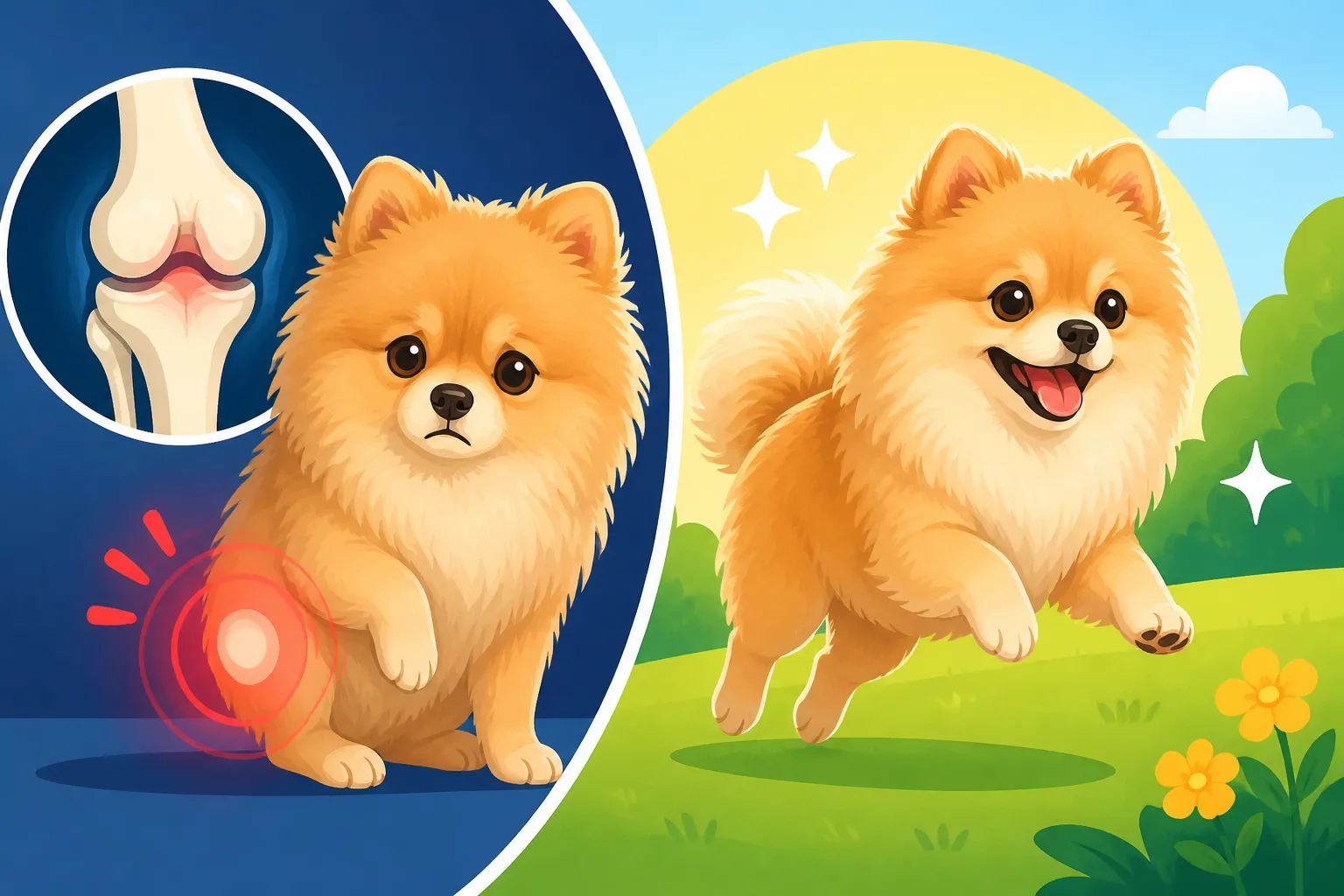
Whether a Pomeranian Can Live With a Grade Two Knee
It’s a heart-stopping moment for any Pomeranian owner: you see that cute little skip in their step, that momentary lift of a back leg, or a sudden reluctance to jump onto the sofa they usually conquer with ease. Often, these subtle signs lead to a veterinary visit and the diagnosis of a luxating patella, or slipping kneecap. If your vet has told you your beloved Pom has a Grade 2 knee, you’re likely grappling with a mix of worry and uncertainty about their future. This comprehensive guide will walk you through what a Grade 2 luxating patella truly means for your Pomeranian, how it impacts their daily life, and the practical steps you can take to manage it, ensuring they continue to live a happy, active life.
Understanding Patellar Luxation in Pomeranians
Hearing that your Pomeranian has a "slipping kneecap" can sound quite alarming, but it's a remarkably common orthopedic issue in small breeds. Getting a clear understanding of what patellar luxation is and how it's graded can go a long way in easing your mind and empowering you to make the best decisions for your little companion.
What Exactly is a Luxating Patella?
At its simplest, patellar luxation refers to a kneecap (patella) that slips out of its normal position. Imagine your own kneecap; it sits in a groove at the end of your thigh bone (femur), allowing it to slide smoothly up and down as you bend and straighten your leg. In dogs, specifically small breeds like our precious Pomeranians, this groove (called the trochlear groove) can sometimes be too shallow, or the alignment of the bones in the leg isn't quite right. This makes it easier for the patella to pop out of place, either to the inside (medial luxation, which is most common in Poms) or to the outside (lateral luxation).
This isn't necessarily a traumatic injury, though trauma can certainly exacerbate it. More often, it's a congenital or developmental condition, meaning your Pomeranian might have been predisposed to it from birth due to their genetics and skeletal structure. When the patella luxates, it can cause your dog to briefly hold their leg up, skip a step, or show momentary lameness until the kneecap either slips back into place on its own or they manually extend their leg to "pop" it back in. It's a quick, often startling event, but the underlying mechanics are about that shallow groove or slight misalignment.
Decoding the Grading System
Veterinarians use a grading system from 1 to 4 to describe the severity of patellar luxation. This system helps to categorize the condition and guide treatment decisions. Understanding these grades is key to knowing what to expect with your Pomeranian's Grade 2 knee.
- Grade 1: The patella can be manually luxated (pushed out of the groove by the vet), but it immediately returns to its normal position when released. Dogs with Grade 1 usually show no clinical signs, or only very infrequent skipping.
- Grade 2: This is where things get a bit more noticeable, and often where Pomeranian owners first pick up on "The Skip in a Pomeranian's Back Leg". With a Grade 2 luxation, the patella spontaneously slips out of its groove fairly easily, but it will also spontaneously reduce (slip back in) on its own. This is why you might see your Pom do a little hop, shake their leg, and then carry on as if nothing happened. The kneecap isn't constantly out of place, but it's not perfectly stable either. It can sometimes be manually manipulated back into place by a vet, or your dog might do a specific movement to achieve this themselves. While it's not a severe, constant displacement, the intermittent nature means there's wear and tear on the joint over time, and it can eventually lead to arthritic changes.
- Grade 3: The patella is luxated most of the time, but it can still be manually reduced by a vet. Dogs with Grade 3 often have a crouched stance and more persistent lameness.
- Grade 4: This is the most severe grade. The patella is permanently luxated and cannot be manually reduced. Dogs with Grade 4 often have significant lameness and may struggle to walk normally.
For your Pomeranian with a Grade 2 knee, the main takeaway is that the kneecap is unstable but not constantly out of place. This often means they can live a relatively normal life with careful management, but it's something to actively monitor and support to prevent progression and discomfort.
Daily Life with a Grade Two Luxating Patella
Discovering your Pomeranian has a Grade 2 luxating patella can bring up a lot of questions about their quality of life. Will they be in pain? Can they still play? The good news is that many Pomeranians with a Grade 2 knee lead happy, full lives, often with minimal intervention. However, it's crucial to understand the nuances of this condition and how it might impact them day-to-day.
Recognizing the Signs and Symptoms
The hallmark sign of a Grade 2 luxating patella in a Pomeranian is that characteristic "skip" or "hop." You might be playing fetch, or your dog might just be trotting across the room, and suddenly they'll lift a back leg for a few steps, perhaps shake it, or stretch it out behind them, before putting it back down and resuming their gait as if nothing happened. This is usually when the patella has slipped out and then popped back into place.
Other, more subtle signs can include:
- Intermittent lameness: Not a constant limp, but occasional favoring of one leg.
- Reluctance to jump: They might hesitate before jumping onto the couch or bed, or you might notice them trying to find easier ways up and down. This directly relates to "Why Jumping Off Furniture Wrecks a Pomeranian's Knees".
- Less enthusiasm for play: If playing used to involve lots of running and jumping, they might gradually slow down or prefer less strenuous activities.
- Stiffness, especially after rest: They might seem a bit stiff when getting up after a nap, which can be an early sign of joint irritation or developing arthritis.
- Discomfort when touched: While many Grade 2 Poms aren't overtly painful, some might flinch or show sensitivity if you touch the affected knee.
It’s important to remember that these signs can vary greatly from one dog to another. Some Pomeranians might hardly show any symptoms, while others might have more frequent episodes. Keeping a keen eye on your dog's movement and behavior is your best tool for understanding their comfort level.
The Spectrum of Impact on Your Pomeranian
The impact of a Grade 2 luxating patella on a Pomeranian is truly a spectrum. On one end, you have dogs who experience infrequent, mild skips, live full and active lives, and never require surgery. Their quality of life is barely affected, perhaps just a minor inconvenience on occasion. On the other end, some Grade 2 Poms might have more frequent luxations, leading to chronic irritation, pain, and eventually, the development of osteoarthritis.
When the kneecap repeatedly slips in and out of its groove, it causes friction and wear on the cartilage lining the joint surfaces. This constant rubbing can lead to inflammation and the eventual breakdown of cartilage, which is the beginning of arthritis. Over time, this can cause pain, stiffness, and a decrease in range of motion. For this reason, even if your Pomeranian seems fine now, it’s vital to be proactive in their care to minimize the long-term impact. This includes careful management, as discussed in the next section, to help protect the joint and delay or prevent the onset of more severe arthritic changes. Early intervention and ongoing support can make a world of difference in your Pomeranian’s comfort and mobility as they age.
Strategies for Managing a Grade Two Knee
If your Pomeranian has been diagnosed with a Grade 2 luxating patella, the good news is that there are many non-surgical strategies you can implement to help manage the condition, minimize discomfort, and potentially prevent progression. It's all about creating an environment and lifestyle that supports joint health.
Environmental Modifications for Safety
One of the simplest yet most effective ways to manage a luxating patella is to modify your home environment to reduce stress on your Pomeranian's knees.
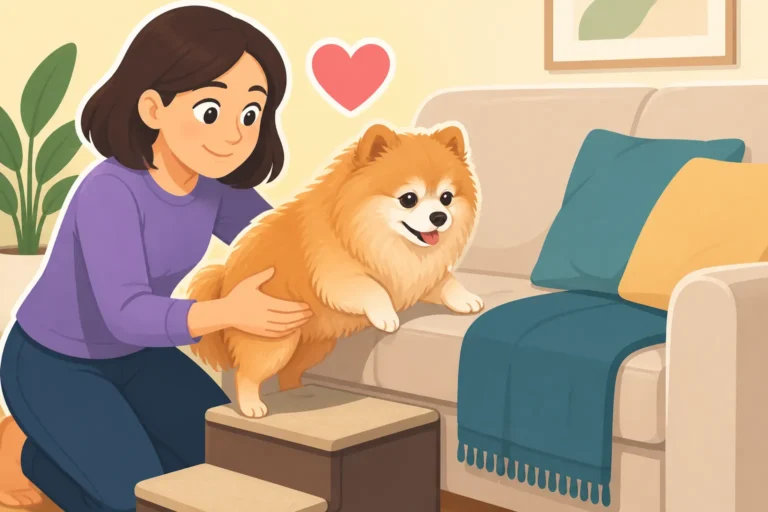
- Ramps and Steps: Pomeranians love to be up high with their people, but repeatedly jumping on and off furniture like beds and sofas puts immense strain on their delicate joints. Investing in "Ramps for a Pomeranian That Jumps Off the Sofa" or small dog steps can drastically reduce this impact. Teach your Pom to use them consistently. This is not just about comfort; it's about long-term joint preservation.
- Non-Slip Surfaces: Slippery floors, like hardwood or tile, can cause your Pomeranian to splay out, twisting their legs and putting stress on their kneecaps. Lay down rugs, runners, or carpet tiles in high-traffic areas to provide traction and stability, especially where they jump off furniture (even if using a ramp, sometimes they miss!).
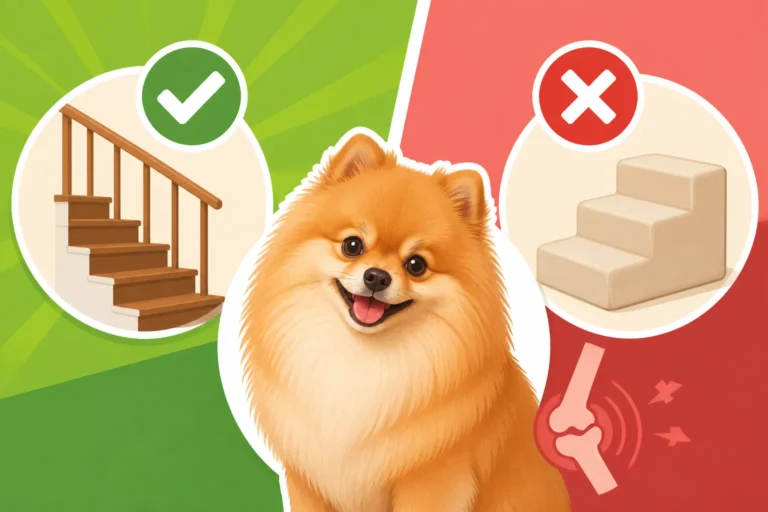
- Minimizing Stairs: While a few stairs occasionally might be okay for some, frequent or high-impact use of stairs should be limited. "Whether an Adult Pomeranian Should Use Stairs" is a common concern. If you have multiple flights or steep stairs, consider carrying your Pom, or blocking access to prevent unsupervised use.
- Safe Play Zones: Ensure your play areas are safe and free from hazards that could cause awkward landings or falls. Supervise play, especially with other dogs, to prevent roughhousing that could lead to injury.
Weight Management and Nutrition
Keeping your Pomeranian at a healthy weight is paramount for joint health. Every extra pound your tiny Pom carries puts disproportionate stress on their joints, exacerbating a luxating patella and increasing the risk of arthritis.
- Maintain an Ideal Weight: Consult your vet to determine your Pomeranian's ideal weight. It's surprising how quickly even half a pound can make a difference in a dog that weighs five pounds. Ensure you are "Feeding a Pomeranian That Weighs What a Pomeranian Weighs" by carefully measuring their food and being mindful of treats. A lean body condition allows for less strain on the kneecap as it moves within its groove.
- Joint Supplements: Many vets recommend joint supplements for dogs with luxating patellas, even Grade 2. Ingredients like glucosamine, chondroitin, and MSM can help support cartilage health and reduce inflammation. Omega-3 fatty acids (like fish oil) are also excellent for their anti-inflammatory properties. Brands like Cosequin, Dasuquin, or other high-quality veterinary-grade supplements are often suggested. These supplements are not a cure, but they can significantly help with comfort and slow down degenerative changes. It’s worth noting that pet insurance plans like Healthy Paws can often cover prescribed joint supplements or physical therapy if deemed medically necessary, which can offer significant financial relief for ongoing care.
- Quality Diet: A balanced, high-quality diet provides the necessary nutrients for overall health, including strong bones and healthy connective tissues. Discuss with your vet if a specific diet might be beneficial for joint support.
Exercise and Physical Therapy
While you want to protect your Pomeranian's knees, regular, controlled exercise is crucial for maintaining muscle strength, which helps stabilize the joint.
- Controlled Exercise: Avoid high-impact activities like excessive jumping, agility work that involves tight turns, or long periods of intense running, especially on uneven terrain. Instead, focus on consistent, moderate exercise. Short, regular leash walks are ideal.
- Swimming: If your Pomeranian enjoys water and is safe to swim, it's an excellent low-impact exercise that builds muscle without stressing the joints.
- Strengthening Exercises: Specific exercises can help build the quadriceps muscles that support the kneecap. Your vet might suggest gentle hind leg stretches or specific movements.
- Canine Physical Rehabilitation: A certified canine rehabilitation therapist can be an invaluable resource. They can design a tailored exercise program, including therapeutic exercises, hydrotherapy, and modalities like laser therapy, to strengthen supporting muscles, improve joint stability, reduce pain, and enhance mobility. This specialized care can greatly improve your Pomeranian's comfort and function, often delaying or even preventing the need for surgery. Seeking professional help for "Joint Support Helps a Pomeranian's Knees" can provide the best outcomes.
Monitoring, Progression, and When to Consider Surgery
Living with a Grade 2 luxating patella means actively partnering with your veterinarian. It’s not a "set it and forget it" situation; ongoing monitoring is essential to catch any signs of progression or increased discomfort, and to determine if and when surgical intervention might become necessary.
Regular Veterinary Check-ups and Monitoring
Even if your Pomeranian seems to be doing well with conservative management, regular veterinary check-ups are non-negotiable. Your vet will want to assess the knee's stability, check for any signs of pain or inflammation, and look for early indicators of arthritis.
- Consistent Vet Visits: Beyond the usual annual wellness exam, your vet might recommend more frequent orthopedic check-ups, especially in the initial phase after diagnosis or if you notice any changes. This aligns with "The Checkup Schedule a Pomeranian Should Keep". During these visits, the vet will palpate the knee, assess the range of motion, and determine how easily the patella still luxates.
- Diagnostic Imaging: While X-rays don't show cartilage or ligaments, they are invaluable for assessing bone alignment and detecting the presence and severity of osteoarthritis. If your vet suspects progression, they might recommend X-rays to get a clearer picture of the joint's condition.
- Keeping a Journal: You are your Pomeranian's best advocate. Keep a detailed journal of their symptoms. Note down:
- How often you observe a skip or hop.
- Any signs of pain (vocalization, reluctance to move, licking the joint).
- Changes in activity level or willingness to jump/play.
- Response to supplements or medications.
This information is crucial for your vet to understand the true impact of the condition and how it's evolving.
Signs a Grade Two Knee Might Be Worsening
A Grade 2 luxating patella can remain stable for years, or it can progress. It's vital to know the warning signs that indicate the condition might be worsening and that it's time to re-evaluate your management plan.
- Increased Frequency or Duration of Lameness: If the skips become more frequent, last longer, or your Pomeranian is holding their leg up for more than just a few steps, this is a clear sign that the patella is luxating more easily or frequently.
- Visible Pain or Vocalization: While many Grade 2 Poms don't show overt pain, increased vocalization (yelping, whining), limping, or sensitivity when the leg is touched are definite red flags.
- Muscle Atrophy: If you notice the muscles in the affected hind leg appear thinner or less developed compared to the other leg, it suggests your Pomeranian is favoring it more and not using it as much.
- Compensatory Limping in the Other Leg: Sometimes, a dog will put more weight on their "good" leg to compensate for the weaker one. This can put undue strain on the healthy knee, potentially leading to a luxation in that joint too. This is a real concern, and something to watch out for, as "Whether a Pomeranian's Second Kneecap Follows" is a common progression.
- Reduced Quality of Life: Ultimately, if your Pomeranian's pain, discomfort, or restricted mobility is significantly impacting their ability to enjoy life—playing, walking, or even resting comfortably—it's a strong indicator that more aggressive intervention might be needed.
Understanding Surgical Options
If conservative management is no longer enough, and your Pomeranian's quality of life is declining, your vet might suggest surgery. "Whether a Pomeranian's Kneecap Needs Surgery" is a complex decision, but for a Grade 2 that is causing significant issues, it can be a highly effective solution.
The goal of surgery is to stabilize the kneecap and prevent it from slipping out of the groove. Common surgical procedures include:
- Trochlear Sulcoplasty: This involves deepening the trochlear groove in the femur so the patella has a more secure channel to ride in.
- Tibial Tuberosity Transposition: This procedure repositions the tibial tuberosity (the bony prominence where the patellar ligament attaches to the shin bone) to realign the patella with the trochlear groove.
- Lateral Imbrication: This involves tightening the soft tissues on the side of the knee joint opposite to where the patella luxates, creating more tension to hold it in place.
Often, a combination of these techniques is used. The choice of procedure depends on the specific anatomical abnormalities of your individual Pomeranian. Surgical success rates are generally high, especially for Grades 2 and 3.
Post-surgery, there's a recovery period that typically involves strict rest, pain management, and a structured rehabilitation program. "Recovery After a Pomeranian's Knee Surgery" often includes physical therapy to regain strength and range of motion. This can be a significant commitment of time and resources, but for many dogs, it results in a vastly improved quality of life, free from pain and lameness. It's at times like these that having robust pet insurance like Healthy Paws can truly be a godsend, helping to cover the often-substantial costs of diagnostics, surgery, and rehabilitation, allowing you to prioritize your Pomeranian's health without financial stress.
| Patellar Luxation Grade | Description | Common Signs in Pomeranians | Typical Management | Surgical Likelihood |
|---|---|---|---|---|
| Grade 1 | Patella can be manually luxated but reduces spontaneously. | Usually none, or very rare, fleeting skips. | Monitor, maintain ideal weight, joint supplements. | Low |
| Grade 2 | Patella spontaneously luxates and spontaneously reduces. Groove often shallow. | Intermittent skips, hops, leg-holding; occasional lameness. | Weight management, environmental modifications (ramps), joint supplements, controlled exercise, physical therapy. Close monitoring. | Moderate |
| Grade 3 | Patella is luxated most of the time but can be manually reduced. | More persistent lameness, crouched stance, difficulty extending leg. | All Grade 2 management, but often insufficient. Surgery usually recommended to improve quality of life and prevent severe arthritis. | High |
| Grade 4 | Patella is permanently luxated and cannot be reduced. Severe anatomical deformities. | Severe lameness, often unable to extend leg fully, significant pain. | Surgery almost always required, often more complex procedures. Prognosis varies, but often improves mobility significantly. | Very High |
Disclaimer
The information provided in this article is for general informational purposes only and does not constitute veterinary advice. Always consult with a qualified veterinarian for any health concerns or before making any decisions about your Pomeranian's care.