Whether a Pomeranian’s Coat Comes Back After Puppy Uglies
It’s incredibly disheartening to watch your adorable, fluffy Pomeranian puppy transform into a rather scraggly, patchy-looking adolescent. Many first-time Pom parents get seriously worried when their once-fluffy little furball starts to shed what seems like all its hair, leaving behind thin, wispy patches. You might find yourself frantically searching for answers, wondering if something is terribly wrong, or if your beloved pup will ever get that magnificent double coat back. This guide is here to reassure you and explain exactly what’s happening during this awkward but totally normal stage, and what you can expect regarding your Pomeranian’s coat regrowth after these "puppy uglies."
Understanding the "Puppy Uglies" Phase in Pomeranians
The "puppy uglies" is a perfectly natural, albeit sometimes alarming, phase in a Pomeranian's development. It's a rite of passage for most of these tiny fluffballs, and while it might look concerning, it’s usually nothing to worry about. Knowing what to expect can save you a lot of anxiety and unnecessary vet visits.
What Exactly Are the Puppy Uglies?
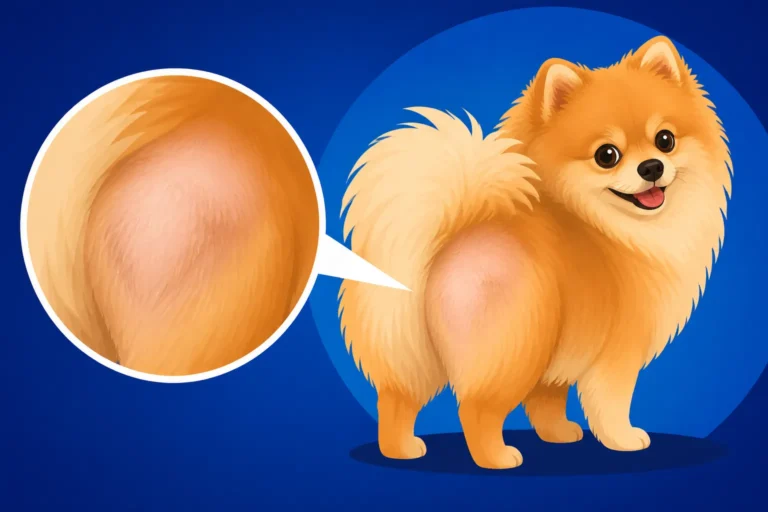
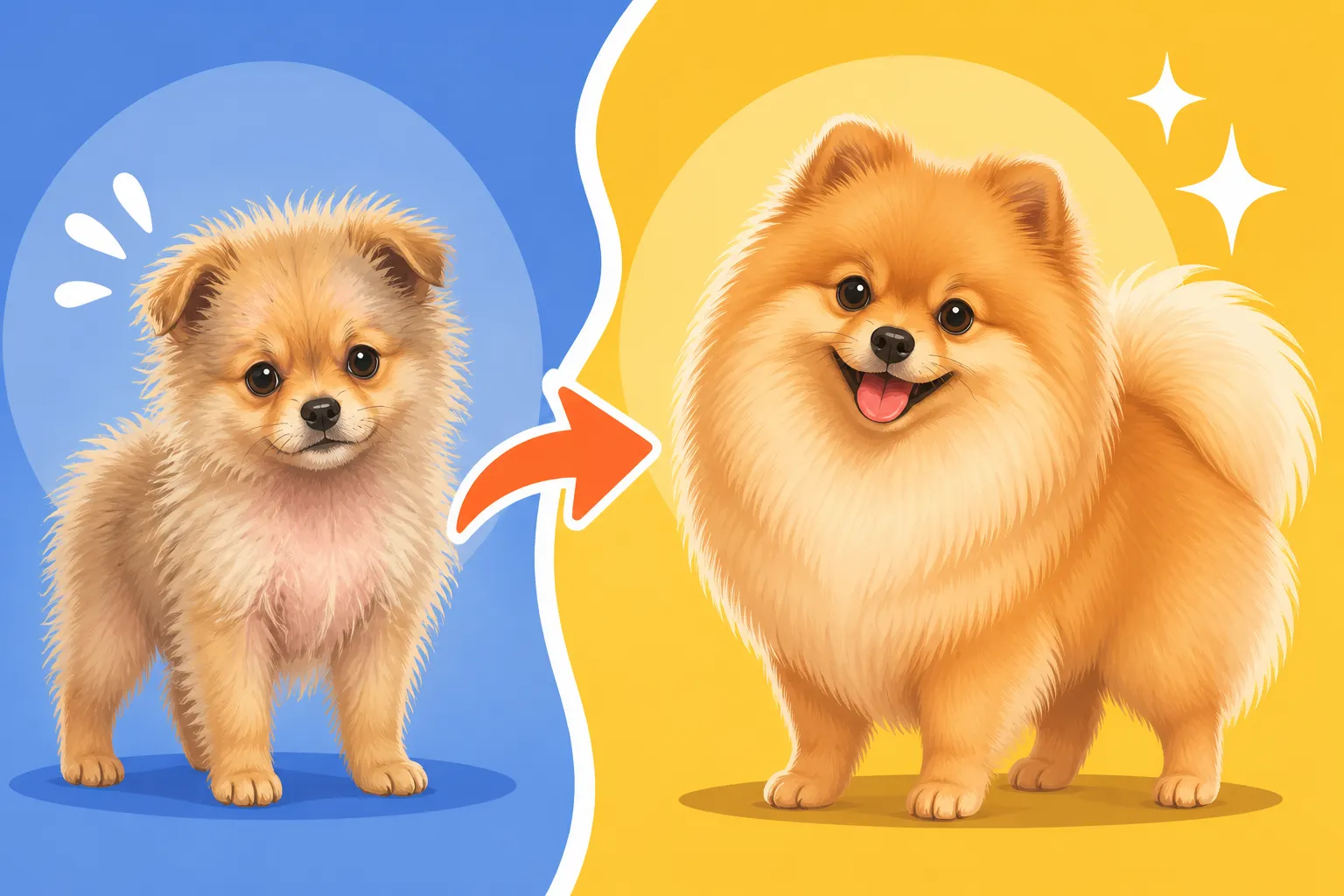
Think of the puppy uglies as your Pomeranian's awkward teenage phase, but for their fur! This is the period when your puppy's soft, downy baby coat (which is often sparse and not very dense) falls out to make way for their luxurious adult double coat. This shedding typically begins around 3 to 4 months of age, and it can last anywhere from 6 to 10 months, or even longer for some individuals, sometimes not fully resolving until they are well over a year old. During this time, you'll notice their coat becoming very sparse, patchy, and sometimes a bit dull or cottony. They might lose hair around their face, neck, and hindquarters, looking quite gangly and less like the fluffy teddy bears you picture. It truly is part of The Puppy Uglies a Pomeranian Goes Through.
This isn't a sudden, dramatic hair loss overnight, but a gradual process. You might see more shedding than usual, and your pup's appearance will fluctuate. One week they might look a bit better, and the next, another patch seems to thin out. It can be a real emotional rollercoaster for owners who are used to that initial picture-perfect fluff. However, it’s essential to remember that this is a critical biological transition, preparing their body for the dense, protective coat of an adult Pomeranian. Every hair follicle is essentially rebooting to produce a stronger, thicker, and more colorful adult hair shaft.
The Difference Between Puppy Uglies and Other Coat Issues
While the puppy uglies are normal, it’s important to distinguish them from other, more serious coat problems. One of the biggest fears for Pomeranian owners is Alopecia X, often mistakenly called Black Skin Disease, which causes significant hair loss and often darkens the skin. The key differences lie in the age of onset and the overall health of the skin. Puppy uglies occur at a very specific developmental stage (3-18 months), and the underlying skin usually remains healthy, without redness, flaking, or darkening. The hair loss is generally symmetrical and widespread, rather than in specific, alarming patches.
On the other hand, conditions like Alopecia X typically manifest later in life, often between 1 to 5 years of age, though it can occur earlier or later. You can learn more about The Age Alopecia X Usually Appears in a Pomeranian. With Alopecia X, the skin itself often becomes hyperpigmented (darkened) and sometimes feels greasy or dry. Other conditions, like thyroid imbalances or skin infections, also present with additional symptoms like itching, lethargy, weight changes, or obvious skin lesions. If your Pomeranian is past the typical puppy ugly age range and still has severe, unexplained hair loss, or if you notice any skin irritation, scales, or changes in behavior, it’s always best to consult your vet to rule out other medical issues. A pet insurance plan, like those offered by Healthy Paws, can be incredibly helpful for covering unexpected veterinary costs if you do need to investigate a more complex dermatological issue.
The Journey of the Pomeranian Adult Coat
The transformation from the sparse puppy coat to the magnificent adult double coat is a fascinating journey that requires a good dose of patience from us humans. Understanding this process will help you appreciate the beauty of their full, mature fur when it finally arrives.
The Gradual Return of the Double Coat
Once the puppy coat has shed, the adult coat begins to emerge. This isn't an overnight explosion of fluff, but a slow, methodical process. You'll start to see the emergence of the adult guard hairs—these are the longer, coarser, and somewhat stiff hairs that give the Pomeranian its characteristic "stand-off" appearance. Beneath these, the soft, dense undercoat will also begin to grow in, providing insulation and body to the overall coat. This is the hallmark of The Guard Hair and Undercoat of a Pomeranian. The undercoat is what makes a Pom feel like a cloud of fluff.
The timeline for a full adult coat can vary greatly among individual Pomeranians. Some might have a decent coat by 10-12 months, while others might take 18 months or even up to 2-3 years to truly achieve their full glory, especially in terms of density and length in areas like the ruff and britches. The coat fills in gradually, often starting from the body and then extending to the extremities. You'll notice the texture changing as well; the puppy fuzz gives way to a more robust and resilient adult coat. It's a truly amazing natural process to witness, albeit a test of patience!
Factors Influencing Coat Quality and Regrowth
Several factors play a crucial role in how quickly and how well your Pomeranian's adult coat grows in and its overall quality. Genetics, of course, are paramount; a puppy from parents with excellent coats is more likely to develop a beautiful coat themselves. But beyond genetics, nutrition and proper care are incredibly important.
A high-quality diet, rich in essential fatty acids (like Omega-3 and Omega-6), vitamins, and minerals, provides the building blocks for healthy hair growth. Look for dog foods formulated for small breeds with high-quality protein sources. Many owners also consider adding specific supplements, such as fish oil, flaxseed oil, or a good skin and coat supplement, to their Pomeranian’s diet to support healthy fur. However, always consult your vet before adding supplements. Beyond diet, regular grooming is vital. Even during the puppy uglies, gentle brushing helps stimulate circulation to the skin and distributes natural oils, which can encourage healthier growth. Conversely, harsh brushing, inappropriate shampoos, or frequent shaving can damage the delicate hair follicles and hinder proper regrowth.
Here's a quick comparison of factors:
| Factor | Positive Impact on Coat Regrowth | Negative Impact on Coat Regrowth |
|---|---|---|
| Genetics | Parents with strong, healthy coats | Parents with sparse coats or known coat issues |
| Nutrition | High-quality, balanced diet; Omega fatty acids | Low-quality food; nutritional deficiencies |
| Grooming | Gentle, regular brushing; appropriate tools | Harsh brushing; frequent shaving (damages follicles) |
| Health | Good overall health; no underlying medical issues | Skin infections; hormonal imbalances (e.g., thyroid) |
| Environment | Clean living space; appropriate humidity | Allergens; harsh chemicals; excessive sun exposure |
It’s worth noting that if you have an older Pomeranian whose coat is thinning, factors like age can play a role. For more on that, you might want to read The Age a Pomeranian's Coat Starts to Thin. Furthermore, maintaining good general health is key. Regular veterinary check-ups are important to ensure there are no underlying health issues that could impede coat growth. Should any health issues arise, having a robust pet insurance plan like Healthy Paws can provide financial relief, making sure you can afford the best care to support your Pom’s overall well-being, which directly impacts coat health.
Supporting Your Pomeranian Through Coat Changes
During the puppy uglies and the subsequent regrowth phase, your Pomeranian’s skin and nascent adult coat are particularly vulnerable. Your care routine needs to be gentle and supportive to encourage healthy, full development without causing damage.
Essential Grooming Practices During the Transition
Gentle grooming is paramount during this phase. While it might seem counterintuitive to brush a sparse coat, regular, careful brushing is incredibly beneficial. It helps remove loose puppy hair, prevents any emerging tangles, and stimulates the skin's blood flow, which is crucial for healthy follicle development. You’ll need the right tools; a slicker brush and a metal comb are essential for getting through The Comb That Gets Through a Pomeranian's Undercoat. Focus on line brushing, working in small sections down to the skin, but be extra gentle, as the skin can be more sensitive. You can learn more about How Many Times a Week a Pomeranian Is Brushed for effective but safe routines.
Bathing should be infrequent, only when necessary, using a gentle, moisturizing shampoo specifically designed for dogs. Avoid harsh detergents or human shampoos, which can strip natural oils and irritate the skin. Look for a shampoo that will not flatten your Pomeranian's coat, such as those formulated for double coats or volume, as these often contain gentle conditioning agents. After bathing, gently towel-dry and then use a cool setting on a blow dryer, brushing the coat outwards as it dries to encourage fluffiness. Absolutely do not shave your Pomeranian during this phase (or ever, ideally, unless medically necessary). Shaving can damage the hair follicles, leading to coat damage, poor regrowth, or even permanent changes to the texture and density of their double coat. It can take years for a shaved Pom's coat to return to its former glory, and sometimes it never fully does.
When to Consult Your Veterinarian
While the puppy uglies are a normal part of Pomeranian development, there are definite signs that warrant a trip to the vet. If your puppy's coat loss seems asymmetrical, or if you notice any changes in the underlying skin – such as redness, flaking, scabs, pimples, or a greasy/darkened appearance – don't hesitate to seek professional advice. Excessive itching, discomfort, or changes in your puppy's energy levels or appetite alongside hair loss are also red flags.
These symptoms could indicate underlying issues like allergies, skin infections (bacterial or fungal), parasites (like mites), or hormonal imbalances. For instance, Ruling Out Thyroid on a Balding Pomeranian is a common diagnostic step when hair loss is atypical. A veterinarian can conduct a physical exam, skin scrapes, blood tests, or other diagnostics to pinpoint the exact cause. Early diagnosis and treatment are always best. Having pet insurance, like a comprehensive plan from Healthy Paws, can offer immense peace of mind during these situations, allowing you to pursue necessary tests and treatments without the added stress of exorbitant vet bills. It's an investment in your Pomeranian's long-term health and your financial preparedness.
Long-Term Coat Care and Expectations
Once your Pomeranian has navigated the puppy uglies, you can look forward to their full, glorious adult coat. However, understanding what a mature coat entails and managing expectations is key to appreciating your Pom's unique beauty.
What to Expect from a Fully Mature Pomeranian Coat
A fully mature Pomeranian coat is truly a marvel. It's a double coat, meaning it consists of two distinct layers: a soft, fluffy undercoat that provides insulation, and a longer, harsher outer coat (guard hairs) that stands off from the body, giving the Pom its characteristic puffy silhouette. This incredible double layer is what makes The Double Coat That Makes a Pomeranian and Why It Stays On. The adult coat should be dense, rich in color, and have that distinctive "stand-off" quality, especially around the neck (the ruff) and hindquarters (the britches). The overall shape should be rounded, without being overly sculpted or trimmed short, which can damage the coat.
The complete development of this magnificent coat can take time, sometimes not reaching its peak until your Pomeranian is two or three years old. You might notice the color deepening or subtle changes in shade as they mature. For instance, a sable Pomeranian's coat can undergo significant changes with age. Even after full maturity, a Pomeranian's coat will continue to evolve throughout its life. It's common for Poms, like many other breeds, to experience The Age a Pomeranian's Coat Starts to Thin as they enter their senior years, a natural part of aging. Regular, consistent grooming throughout their lives will be essential to maintain its health and beauty.
Common Misconceptions and Patience
One of the biggest misconceptions new Pomeranian owners have is that their puppy will look like a show dog with a massive coat from day one. The reality is that the puppy uglies are a universal experience for the breed, and that stunning, full coat takes time to grow in. Another common misunderstanding is that shaving a Pomeranian will make its coat grow back thicker or healthier. This is a myth that can unfortunately lead to permanent coat damage, as mentioned earlier. The unique structure of How Many Layers a Pomeranian's Coat Has means shaving disrupts its natural growth cycle and texture.
Patience is truly a virtue when it comes to Pomeranian coat development. Resist the urge to compare your pup to photos of fully mature, professionally groomed show dogs. Every Pomeranian is an individual, and their coat will develop at its own pace and to its own unique genetic potential. As long as your vet has confirmed that there are no underlying health issues contributing to the coat loss, trust the process. Continue with good nutrition, gentle grooming, and regular veterinary check-ups, and before you know it, your adorable, fluffy adult Pomeranian will emerge from its awkward teenage phase, dazzling you with its glorious coat. It’s a waiting game, but one that is almost always rewarded with a beautiful transformation.
Disclaimer
The information provided in this article is for general informational purposes only and is not a substitute for professional veterinary advice. Always consult with a qualified veterinarian for any health concerns or before making any decisions about your pet's health or treatment plan.