The Double Coat That Makes a Pomeranian and Why It Stays On
One of the biggest joys, and sometimes the biggest mysteries, of owning a Pomeranian is that incredible, fluffy coat. It's what makes them so undeniably captivating, like a little cloud of pure joy bouncing through your home. But let's be honest, that luxurious double coat also comes with a lot of questions, misconceptions, and even frustrations, especially when you hear conflicting advice about grooming or worry about shedding. This guide is here to demystify your Pomeranian's unique fur, explain why it's built the way it is, why it absolutely should not be shaved, and how to properly care for it to keep your little floof healthy and happy.
Understanding the Marvel of the Pomeranian Double Coat
When you look at a Pomeranian, what you're really seeing is the magnificent result of centuries of selective breeding that transformed large, working Spitz dogs into the miniature companion we adore today. But while their size changed dramatically, their coat structure largely remained, built for warmth and protection in colder climates. It’s a marvel of natural engineering, designed to keep them comfortable in various conditions.
The Two Layers: Guard Hairs and Undercoat
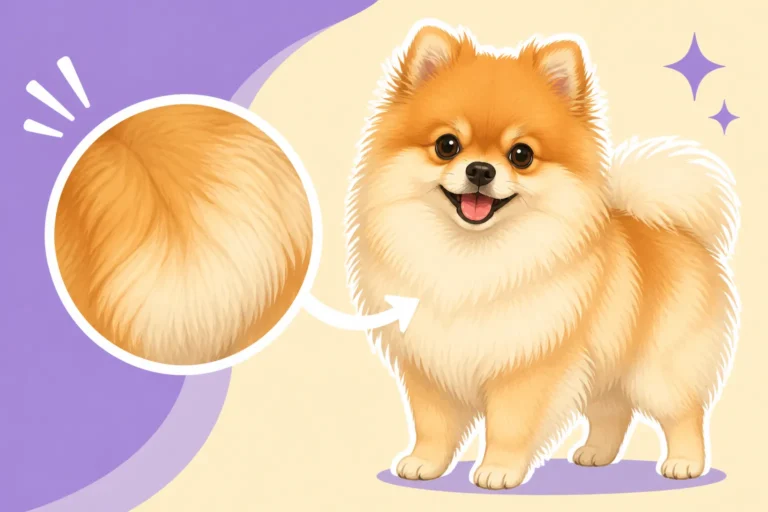
To truly appreciate your Pomeranian's coat, you need to understand its two distinct layers, each with its own crucial job. These layers work in tandem, creating that characteristic "stand-off" appearance that is so recognizable. It's not just fluff; it's a sophisticated system.
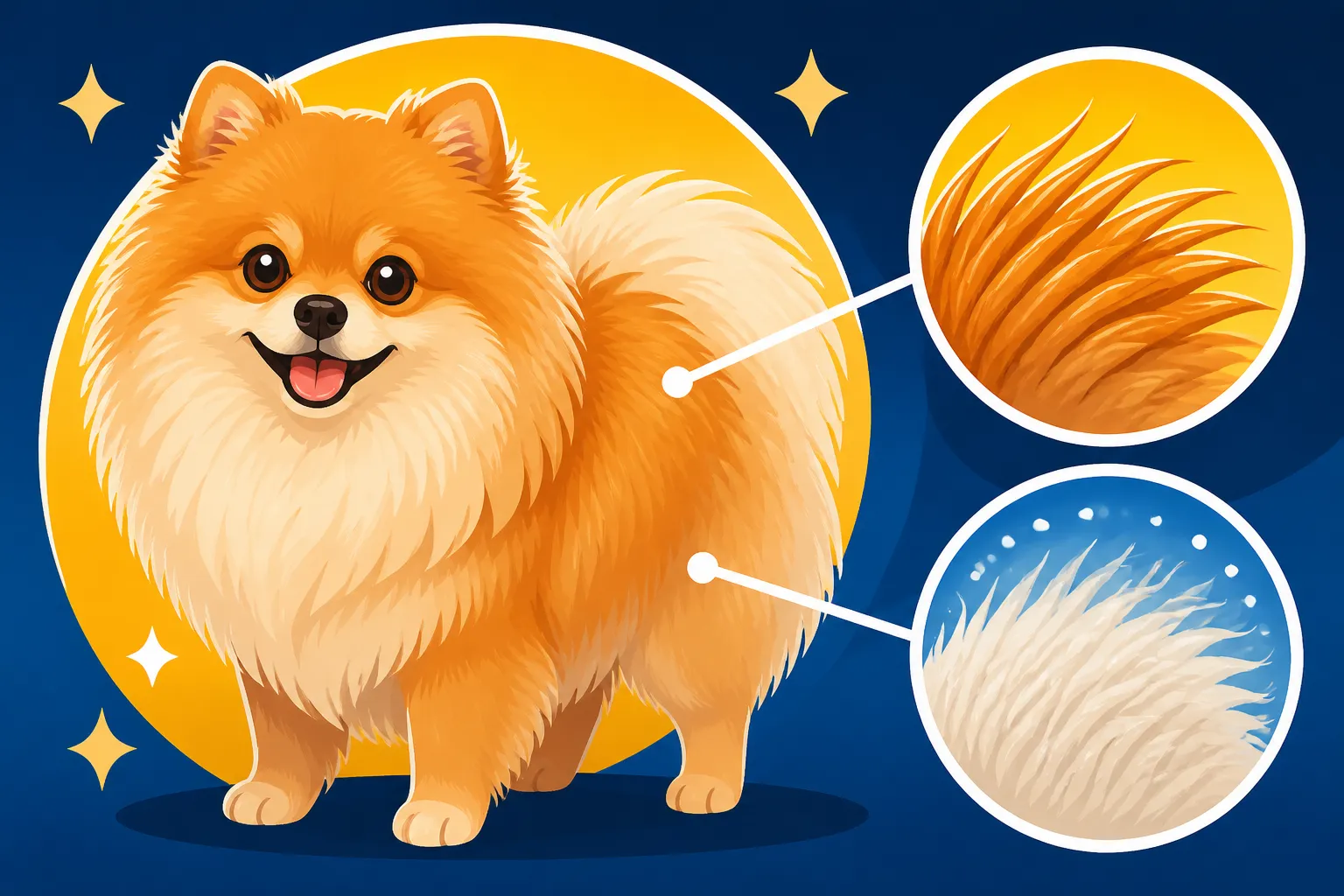
The outer layer is composed of what we call "guard hairs." These are typically longer, coarser, and somewhat stiffer than the hairs underneath. Their primary function is protection. They act like a natural shield, repelling water, dirt, and debris, and offering a first line of defense against UV rays. Think of them as the roof shingles of your Pomeranian's fur house – they're there to keep the elements out. These guard hairs are what give the coat its color and shine, whether your Pom is a vibrant orange, a classic black, or a striking parti-color. They’re relatively slow-growing and contribute to the overall texture and structure of the coat.
Beneath this protective outer layer lies the "undercoat." This is the real secret to the Pomeranian's fluffiness and warmth. The undercoat consists of dense, soft, downy hairs that are much shorter and finer than the guard hairs. These hairs grow extremely close together, forming a thick, insulating layer next to the skin. Their main job is thermoregulation – keeping your Pomeranian warm in winter and surprisingly, helping to keep them cool in summer by trapping a layer of air that acts as insulation. When you give your Pomeranian a good brushing, it's often this soft undercoat you're trying to reach and clear out, especially during shedding season. This layer is crucial for their comfort and health, much like the insulation in your own home. The Guard Hair and Undercoat of a Pomeranian goes into even more detail about these distinct layers.
Why That Beautiful Coat Stays On (and Why It Should)
It might seem counterintuitive, especially when you feel like you're constantly battling floating fur bunnies, but your Pomeranian's coat is actually designed to stay on for the vast majority of its life. Unlike some breeds that have continuously growing hair, like Poodles, a Pomeranian's double coat goes through a distinct growth cycle that involves shedding, but not permanent removal. This natural cycle is essential for maintaining the coat's health and functionality.
The Natural Growth Cycle and Shedding
Every hair follicle on your Pomeranian's body goes through a cycle of growth, rest, and shedding. This is a perfectly normal and healthy process. New hairs grow, old hairs are pushed out, and the cycle continues. With a double coat, this process can feel more intense because there are so many hairs! You'll notice periods of more significant shedding, often referred to as "blowing coat." This typically happens twice a year, usually in spring to prepare for warmer weather and in fall to make way for a thicker winter coat. During these times, it can feel like your house is suddenly covered in a fine layer of Pom-dust. It's during these periods that diligent brushing becomes even more critical to help remove the dead undercoat and prevent matting.
It's tempting to think that getting rid of some of that hair permanently would be easier, especially when you're vacuuming daily. However, the coat is designed to be there, and removing it permanently or drastically altering its structure can have unintended and often negative consequences. The guard hairs, once fully grown, create a protective barrier that is vital. Interfering with this natural growth cycle can disrupt the delicate balance of their coat's function and appearance.
The Risks of Shaving a Pomeranian
This is perhaps the most crucial point to understand about your Pomeranian's coat: it should almost never be shaved. While it might seem like a logical way to "cool them down" in summer or manage shedding, shaving a Pomeranian's double coat can lead to serious, irreversible damage. It's a common misconception, often fueled by well-meaning but misinformed groomers or owners.
When you shave a Pomeranian, you cut both the guard hairs and the undercoat down to the same length. The problem is, these two types of hair grow back at different rates and with different textures. The soft, fluffy undercoat tends to grow back much faster and thicker than the coarser guard hairs. This leads to a condition sometimes called "coat funk" or "post-clipping alopecia," where the coat grows back patchy, uneven, dull, and often with a cotton-like texture, losing its natural stand-off appearance. In some cases, the guard hairs may never grow back properly, or at all, leaving your Pomeranian with a permanently damaged coat that is less protective and prone to matting. Why a Shaved Pomeranian May Not Regrow dives into this specific issue in detail.
Beyond the aesthetic damage, a shaved coat loses its natural insulation. In summer, the double coat actually helps keep them cool by trapping air, creating a barrier against the heat. Removing it exposes their delicate skin to sunburn and makes them more susceptible to overheating. In winter, they lose their natural warmth. It truly compromises their ability to regulate their body temperature, making them more vulnerable to both heatstroke and hypothermia. This is a primary reason why many experienced groomers will refuse to shave a Pomeranian unless there's a medical necessity, such as severe matting that poses a health risk.
The Seasonal Shed: Preparing for the Fur Storm
Even though their coat is meant to stay on, Pomeranians are indeed shedders. Anyone who shares their home with one can attest to the little clouds of fur that seem to magically appear. However, understanding when and why they shed can help you prepare and manage it more effectively, reducing frustration for both you and your fluffy companion. It's a natural process, not a flaw, and learning to work with it is key to a happy Pom.
When to Expect More Fur
Pomeranians typically have two major "blows" of their undercoat each year, usually in the spring and fall. These are the times when you'll notice a significant increase in the amount of hair coming out when you brush, and likely more fur tumbleweeds rolling across your floor. Think of it as their natural wardrobe change, shedding the heavier winter undercoat for a lighter summer one, and then vice-versa. During these periods, the undercoat can come out in impressive clumps, and it’s critical to help them shed it properly.
Beyond these major seasonal sheds, some Poms will shed more consistently year-round, especially those living in temperate climates where seasonal changes aren't as dramatic. Females may also experience shedding cycles related to their heat cycles, pregnancy, or after spaying. The Weeks a Pomeranian Drops Its Undercoat covers the specifics of these shedding periods. This additional shedding can be quite noticeable, but again, it’s a natural process. The key is to be proactive with grooming during these times, rather than waiting for mats to form or for the fur to take over your home.
Managing Shedding Without Shaving
So, if shaving is out of the question, what do you do to manage all that fur? The answer is consistent, proper grooming. This is your most powerful tool in keeping your Pomeranian comfortable and your home relatively fur-free. It requires dedication, but it's well worth the effort to maintain their beautiful and functional coat.
Here’s what helps:
- Daily Brushing (especially during shedding season): During heavy shedding, a quick daily brush-out can make a huge difference. Use a slicker brush and a metal comb to get deep into the undercoat without damaging the guard hairs. The goal is to remove the dead undercoat before it can mat or fall out on its own. For general maintenance, 2-3 times a week is often sufficient. How Many Times a Week a Pomeranian Is Brushed offers a good guide.
- De-shedding Tools (used carefully): Tools specifically designed for de-shedding can be very effective, but caution is key. Avoid harsh rakes or blades that can cut or damage the guard hairs. Gentle de-shedding tools, used correctly, can help extract loose undercoat without harming the live hair. Always follow the directions and use a light touch.
- Professional Grooming: Regular trips to a professional groomer who understands double coats can be invaluable. They have the right tools and expertise to perform a thorough de-shedding bath and blow-out, which can significantly reduce shedding at home for weeks afterward. This service usually involves a specialized shampoo and conditioner, followed by high-velocity drying to blow out the loose undercoat.
- Healthy Diet: A high-quality diet rich in omega fatty acids can contribute to a healthier coat and potentially reduce excessive shedding. Brands like Ollie often offer balanced, fresh food options that prioritize coat health, or you can find excellent supplements on platforms like Chewy or Amazon.
By embracing a consistent grooming routine, you'll not only manage the shedding more effectively but also keep your Pomeranian's coat healthy, free of mats, and looking its absolute best.
The Myth of the "Cooling Shave" and Its Harsh Realities
It’s a persistent myth that shaving a double-coated dog like a Pomeranian will help them stay cooler in the summer. I hear it all the time from well-meaning owners who just want their little fluffball to be comfortable when the temperatures rise. However, the reality is quite the opposite. This misconception can actually lead to serious problems for your Pom.
How a Double Coat Regulates Temperature
Let's break down the science behind it. Your Pomeranian's double coat acts as a natural insulator, much like the insulation in your house. In winter, the dense undercoat traps warm air close to the body, keeping them toasty. But in summer, it works in reverse: the same dense undercoat, combined with the longer guard hairs, creates a protective barrier that prevents external heat from reaching the skin. It also protects their skin from direct sunlight, preventing sunburn, which can be just as painful and dangerous for a dog as it is for us.
Think of it this way: imagine wearing a thick sweater in the heat. You might think it would make you hotter, but if that sweater is breathable and properly designed, it can actually create a microclimate against your skin that's cooler than the searing air outside, particularly if it's protecting you from direct sun. The coat also allows for air circulation near the skin, which is crucial for their natural cooling mechanisms, primarily panting. When you shave this system away, you expose them to the full force of the sun and environmental heat, disrupting their natural temperature regulation. A Pomeranian's Coat in Ninety Degree Heat explores how their coat functions in extreme temperatures.
The Damage Beyond Aesthetics
We've already touched on the "coat funk" – the unpleasant, often irreversible change in coat texture and growth pattern that can occur after shaving. But the damage extends beyond just how your Pomeranian looks.
Increased Risk of Sunburn and Skin Cancer: Without the protective layer of guard hairs, your Pom’s delicate skin is directly exposed to harmful UV rays. Just like humans, dogs can get sunburned, leading to painful irritation, blistering, and in the long term, an increased risk of skin cancers. You might find yourself needing to apply pet-safe sunscreen regularly, which is an extra chore and a poor substitute for their natural coat.
Higher Risk of Heatstroke: By removing their natural insulation, you strip your Pomeranian of their primary defense against overheating. This makes them much more susceptible to heatstroke, a potentially fatal condition. Instead of shaving, focus on other cooling strategies like providing plenty of fresh water, keeping them indoors during the hottest parts of the day, and using cooling mats.
Allergies and Skin Irritations: A shaved coat can also lead to increased susceptibility to environmental allergens and skin irritations. Their skin is no longer protected from dust, pollen, bug bites, or harsh chemicals. You might notice more scratching, redness, or even secondary skin infections. The coat is a natural barrier against these external factors, and removing it leaves them vulnerable.
Disrupted Hair Growth Cycle: Shaving can confuse the hair follicles, sometimes leading to areas where hair simply refuses to grow back, or grows back very slowly and thinly. This can result in permanent bald patches, a condition often linked to Why Pomeranian Owners Call Alopecia X Black Skin Disease which is a more complex issue, but aggravated by harsh coat treatments. It’s a gamble you really don't want to take with your Pomeranian's health and appearance.
Protecting That Precious Coat: Daily Care and Regular Grooming
Since shaving is off the table, the best way to ensure your Pomeranian's coat is healthy, beautiful, and functional is through consistent and correct daily care, coupled with regular grooming practices. This isn't just about looks; it's fundamental to their comfort and well-being. A neglected coat can quickly lead to painful mats, skin issues, and general discomfort for your little companion.
Essential Grooming Tools for Pomeranian Owners
Having the right tools makes all the difference. Investing in quality grooming supplies will save you time, frustration, and potentially costly professional grooming appointments if you manage much of the upkeep yourself. You can find excellent options on platforms like Chewy or Amazon.
Here's a breakdown of what you'll need:
- Slicker Brush: This is your primary weapon against mats and shedding. Choose one with fine, bent wire bristles that are long enough to reach through the guard hairs to the undercoat without scratching the skin. A good slicker brush will help you detangle and remove loose undercoat effectively.
- Metal Comb (Fine and Wide-toothed): A sturdy metal comb with both wide and fine teeth is indispensable. Use the wide-toothed side for initial detangling and checking for mats, and the fine-toothed side to ensure all tangles are out and to finish the coat. It’s also great for delicate areas like behind the ears or the britches.
- Pin Brush: While a slicker brush is for deep detangling, a pin brush with smooth, rounded pins can be excellent for daily maintenance, fluffing the coat, and gently working through the guard hairs without pulling too much. It’s often more comfortable for a quick once-over.
- Undercoat Rake (Optional, with caution): If you're confident in your technique and during heavy shedding seasons, a good undercoat rake can help. However, be very careful not to dig into the skin or pull on the guard hairs. Always use it gently, in the direction of hair growth.
- Detangling Spray: A good quality detangling spray can make brushing much easier, especially if your Pom is prone to mats. It helps lubricate the hair, reducing breakage and static. Detangler Sprays for a Pomeranian can offer great advice here.
- High-Quality Pet Shampoo and Conditioner: Choose products specifically formulated for dogs, ideally for double coats, to avoid stripping natural oils or causing skin irritation. Brands known for their gentle, effective formulas are best.
Step-by-Step Home Grooming Routine
Establishing a routine is key, starting from puppyhood. The more accustomed your Pomeranian is to being handled and brushed, the easier grooming will be for both of you. Starting Brush Handling on a Pomeranian Puppy is an excellent resource for getting started early.
- Preparation: Gather all your tools and find a comfortable, well-lit space. A grooming table with a non-slip surface can be very helpful, but a counter or even your lap works for smaller Poms. Always offer treats and praise to make it a positive experience.
- Sectioning the Coat: This is a game-changer! Don't try to brush the whole coat at once. Instead, part the hair and work in small sections, from the skin outwards. This ensures you're getting through both layers of the coat. Start from the bottom (legs, tummy) and work your way up to the back and ruff. Working a Pomeranian's Coat in Sections to the Skin is a pillar post on this technique.
- Slicker Brush First: Use your slicker brush with light, gentle strokes, always brushing in the direction of hair growth. Pay close attention to areas prone to matting: behind the ears, under the armpits, the britches (rear legs), and around the collar or harness area. If you encounter a tangle, don't yank! Use your fingers to try and gently loosen it, apply a detangling spray, and then carefully work through it with the wide-toothed comb.
- Follow with Metal Comb: After slicker brushing a section, follow up with your metal comb to ensure you've removed all tangles and loose undercoat. If the comb glides smoothly through the hair from skin to tip, you've done a good job on that section. If it snags, go back with the slicker brush.
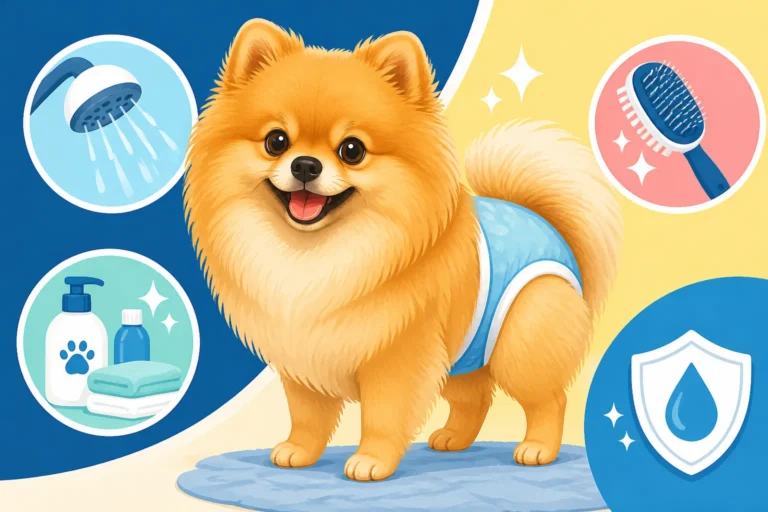
- Bath Time (Infrequent but Thorough): Pomeranians don't need frequent bathing, generally every 3-6 weeks, or when visibly dirty. Over-bathing can strip essential oils. Before bathing, always do a thorough brush-out to remove any mats – water will tighten mats, making them nearly impossible to remove. Use lukewarm water and a gentle shampoo, lathering gently. Rinse thoroughly, ensuring no residue is left behind. Follow with a good conditioner, leaving it on for a few minutes before rinsing.
- Drying (Crucial for a Double Coat): This is arguably the most important step after bathing. Never let a Pomeranian air dry, as this can lead to matting and skin issues. Use a pet-specific force dryer or a human hair dryer on a cool or low-heat setting. Keep the dryer moving and continuously brush the coat as you dry to fluff it out and ensure it’s dry right down to the skin. This also helps to "blow out" more loose undercoat. Drying a Pomeranian Without Damaging the Coat offers more drying tips.
- Finishing Touches: Trim nails, check and clean ears, and trim the fur around the paw pads if needed. A sanitary trim around the rear can also be helpful.
By adhering to this routine, you’ll not only keep your Pomeranian looking fabulous but also ensure their coat remains a healthy, functional asset rather than a source of discomfort.
| Grooming Task | Frequency (General) | Tools | Key Benefit |
|---|---|---|---|
| Full Brush-out | 2-3 times a week (daily during shedding) | Slicker brush, metal comb, detangling spray | Prevents mats, removes loose undercoat |
| Bathing | Every 3-6 weeks, or as needed | Dog shampoo & conditioner, towels, pet dryer | Cleans coat, helps loosen dead hair |
| Nail Trimming | Every 2-4 weeks | Nail clippers or grinder | Prevents discomfort, paw issues |
| Ear Cleaning | Monthly, or as needed | Pet ear cleaner, cotton balls | Prevents infections, irritation |
| Paw Pad & Sanitary Trim | As needed (every few weeks) | Small blunt-nosed scissors, clippers | Prevents mats, improves hygiene and traction |
When Things Go Wrong: Coat Loss and What to Look For
While some shedding is entirely normal and expected with a Pomeranian's double coat, there are times when coat loss becomes excessive, uneven, or doesn't grow back as it should. This can be a distressing experience for owners, and it's important to recognize when something more serious might be at play beyond simple seasonal shedding. Understanding potential issues helps you seek veterinary advice promptly.
Common Causes of Abnormal Coat Loss
Not all balding is created equal. While shaving is a definite no-go for coat health, other factors can lead to problems:
- Alopecia X (Black Skin Disease): This is one of the most frustrating and talked-about coat conditions in Pomeranians. Often called "black skin disease" because the skin darkens in affected areas, it typically involves a gradual loss of coat, usually starting on the hindquarters, tail, and body, while the head and legs remain unaffected. The skin can become dry, flaky, or greasy. The exact cause isn't fully understood, but it's believed to be genetic and possibly hormonal. There's no single cure, and treatments vary widely, from melatonin supplements to specialty shampoos. The Thinning That Starts on a Pomeranian's Hindquarters is a must-read if you suspect this.
- Hormonal Imbalances: Conditions like hypothyroidism (underactive thyroid) or Cushing's disease (overproduction of cortisol) can manifest as symmetrical coat loss, often accompanied by other symptoms like lethargy, weight gain, or changes in skin pigmentation. A vet can diagnose these through blood tests. Ruling Out Thyroid on a Balding Pomeranian gives practical advice on testing.
- Allergies: Skin allergies, whether environmental (pollen, dust mites), food-related, or contact allergies, can cause intense itching, leading your Pomeranian to scratch, lick, and chew themselves, resulting in hair loss and skin irritation. Identifying and managing the allergen is key.
- Parasites: Fleas, mites (like demodex or sarcoptes), and ticks can cause severe itching and subsequent hair loss. Regular parasite prevention is essential.
- Nutritional Deficiencies: A diet lacking essential nutrients, especially omega fatty acids, can lead to a dull, brittle coat and excessive shedding or poor regrowth. Ensuring a high-quality, balanced diet is fundamental. Many owners use reputable brands available on Chewy or even fresh food services like Ollie that ensure balanced nutrition.
- Stress or Illness: Any significant stressor or underlying illness can sometimes lead to temporary coat thinning or shedding, as the body redirects resources.
- Follicular Dysplasia: This is a group of genetic conditions where the hair follicles develop abnormally, leading to fragile hair that breaks easily or doesn't grow properly. It can affect certain colors more than others.
When to Consult Your Veterinarian
If you notice any significant changes in your Pomeranian's coat beyond normal seasonal shedding, it's crucial to consult your veterinarian. Don't wait, hoping it will resolve on its own. Early diagnosis and treatment can often prevent more severe problems or manage existing conditions more effectively.
Here are red flags that warrant a vet visit:
- Bald patches or significant thinning that isn't symmetrical.
- Changes in skin color or texture (darkening, redness, flakiness, greasiness).
- Excessive itching, scratching, licking, or chewing.
- Sores, scabs, or skin infections.
- A coat that grows back patchy, sparse, or with an altered texture after a normal shedding cycle (not a shave).
- Any coat loss accompanied by other symptoms like lethargy, changes in appetite or thirst, or unusual weight fluctuations.
Your vet will conduct a thorough examination, which may include skin scrapes, fungal cultures, blood tests (to check for hormonal issues or allergies), or even a biopsy, to determine the underlying cause and recommend the appropriate course of action. Remember, you are your Pomeranian's best advocate, and noticing these changes early is a crucial part of responsible pet ownership.
Living with a Double Coat: Embracing the Fluff and the Responsibility
Owning a Pomeranian is a commitment to a life of fluff, charm, and spirited companionship. Their double coat is an integral part of their identity, beauty, and health. Embracing the unique aspects of their fur, rather than fighting against it, will lead to a happier, healthier Pom and a more harmonious household. It’s about understanding their needs and adapting your care routine to meet them.
Seasonal Adaptations and Comfort
Living with a double-coated dog means making a few seasonal adjustments to ensure their comfort, rather than relying on drastic measures like shaving.
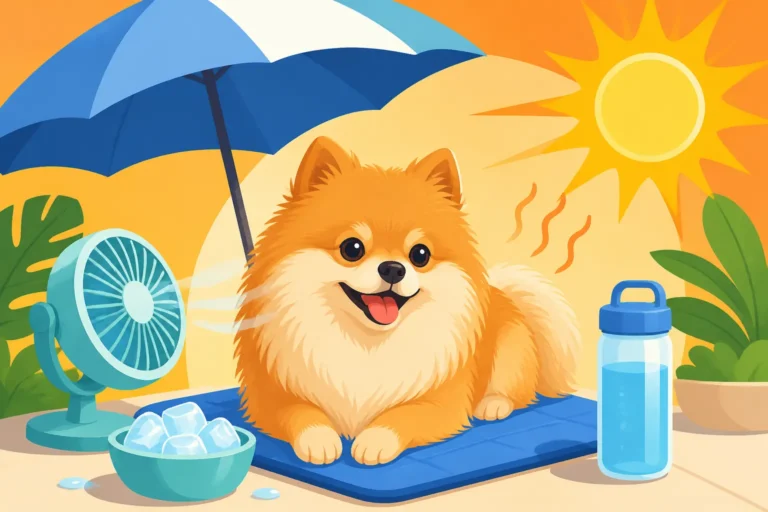
Summer: When the weather heats up, focus on keeping your Pomeranian cool and preventing overheating.
- Timing Walks: Walk your Pom during the cooler parts of the day – early morning and late evening. Avoid the midday heat entirely.
- Hydration: Always provide fresh, cool water. Consider adding ice cubes to their bowl.
- Shade and Indoors: Ensure they have access to shade outdoors and spend the hottest hours inside with air conditioning or fans.
- Cooling Aids: Cooling mats or bandanas can offer extra relief. Make sure they are pet-safe and clean.
- Grooming: Increase your brushing frequency to remove any excess undercoat, which will improve air circulation through their existing coat. This is crucial; a well-groomed coat is a cooler coat! Getting a Pomeranian Through a Heat Wave can provide more tips.
Winter: Pomeranians generally love the cold thanks to their insulated coats, but extreme conditions still require attention.
- Protection for Extremes: In very harsh, freezing conditions, or if your Pomeranian is elderly or has a medical condition, a light, protective sweater can add an extra layer of warmth, especially for potty breaks.
- Paw Protection: Salt and ice can be harsh on paw pads. Consider paw balms or even tiny dog boots for walks. Ice Balling Up in a Pomeranian's Foot Feathering is a common problem in snowy conditions.
- Humidity: Dry indoor air in winter can sometimes dry out their skin. A humidifier can help.
- Continued Grooming: Even in winter, regular brushing is essential to prevent mats and ensure the undercoat can provide optimal insulation.
The Bond of Grooming
Beyond the practical benefits of a healthy coat, the act of grooming can significantly strengthen the bond between you and your Pomeranian. It's a time for quiet connection, gentle touch, and positive reinforcement. Many Poms come to enjoy their grooming sessions, especially if they’ve been introduced to them early and gently.
Imagine your little Pom settling onto your lap, enjoying the gentle strokes of the brush, perhaps even drifting off to sleep. This isn't just a chore; it's an opportunity for cuddles, reassurance, and building trust. You'll become intimately familiar with their skin and coat, allowing you to quickly spot any abnormalities or developing health concerns. It’s an act of love and care, a dedicated moment in your day just for them.
The Pomeranian's double coat is a hallmark of the breed—a beautiful, functional feature that requires understanding and commitment to maintain. By respecting its natural design and committing to a consistent, gentle grooming routine, you ensure your fluffy companion remains healthy, comfortable, and utterly enchanting for years to come.
Disclaimer
This article is for general informational purposes only and does not constitute professional advice. Laws, prices and regulations vary by location and change over time. Consult a qualified professional for guidance on your specific situation.