The Weeks a Pomeranian Drops Its Undercoat
One of the biggest surprises, and sometimes frustrations, for new Pomeranian owners is the sheer volume of hair that can appear during a "coat blow" or undercoat drop. It feels like your adorable, fluffy companion is suddenly shedding enough to build another small dog, leaving tufts and tumbleweeds of fur everywhere. This guide will walk you through understanding why your Pomeranian experiences these intense shedding periods, when to expect them, and how to effectively manage the flurry of fluff to keep both you and your Pom comfortable.
Understanding the Pomeranian's Double Coat
Before we dive into the shedding, it’s essential to appreciate the unique construction of your Pomeranian's magnificent coat. Unlike many breeds with a single layer, Pomeranians boast a luxurious double coat, which is truly a marvel of natural engineering. This double coat consists of two distinct types of hair, each serving its own vital purpose.
The Guard Hairs and the Undercoat
Think of your Pomeranian's coat as a two-story building. The outer layer is made up of long, coarse "guard hairs." These are the stiff, straight hairs that give your Pom its characteristic fluffy, stand-off appearance. The guard hairs are designed to protect your dog from the elements – rain, snow, and even harsh sunlight. They're like the shingles on the roof, providing the first line of defense. These guard hairs shed minimally, mostly as individual hairs fall out over time, similar to human hair.
Beneath this protective outer layer lies the "undercoat." This is the truly dense, soft, and woolly layer that acts as your Pomeranian's insulation. In colder climates, it traps warm air close to the body, keeping them toasty. In warmer weather, it actually helps to regulate body temperature by preventing the skin from overheating and allowing air to circulate. It's this undercoat that is primarily responsible for the dramatic shedding periods you'll experience. When we talk about a "coat blow" or an "undercoat drop," we are referring specifically to the shedding of this dense, woolly undercoat. You might be interested in reading more about The Double Coat That Makes a Pomeranian and Why It Stays On.
Why the Undercoat Drops
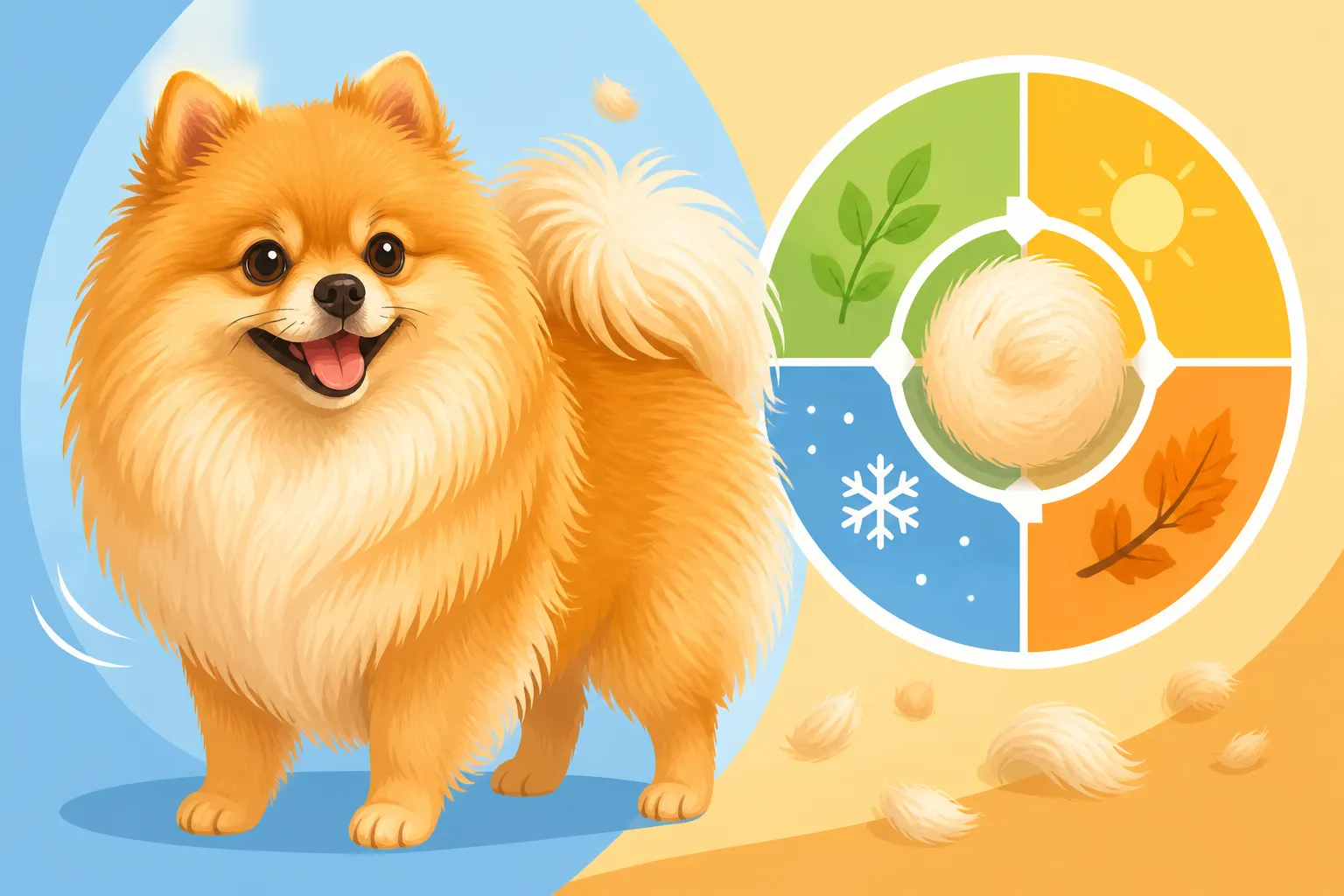
The undercoat doesn't just fall out randomly; it's a carefully orchestrated natural process. The primary trigger for a major undercoat drop is a change in seasons or hormones. As the weather warms up in spring, your Pomeranian no longer needs its heavy winter insulation, so the body signals the dense undercoat to release. Similarly, as autumn approaches, they'll shed some of the lighter summer undercoat to make way for a thicker, warmer winter coat. It’s their body's way of adapting to the environment, much like trees shedding leaves or animals growing thicker fur.
Hormonal changes also play a significant role. Intact females often experience a substantial coat blow after a heat cycle or after giving birth, as their hormones fluctuate dramatically. Spaying or neutering can also sometimes trigger an initial, albeit temporary, coat change or heavier shedding as the body adjusts. Understanding this natural cycle helps you prepare and manage the shedding rather than fighting against it.
When to Expect Those Fluffy Storms
Knowing when these shedding periods are likely to occur can help you mentally and practically prepare. It's not always a single, predictable event; several factors can trigger your Pomeranian to drop its undercoat.
The Puppy Uglies: First Major Coat Blow
For many first-time Pomeranian owners, the first truly shocking coat blow occurs during what is affectionately, or perhaps despairingly, known as the "puppy uglies." This usually happens between 4 to 6 months of age, though it can start a bit earlier or later and last for several months. During this phase, your adorable, fluffy puppy coat suddenly starts to fall out in chunks, often unevenly, leaving your little Pom looking a bit scraggly, patchy, and yes, sometimes a little "ugly" compared to their former fluffy self. Their baby coat is being replaced by their adult double coat.
It's a completely normal part of their development, and while it might look alarming, it's nothing to worry about. This is when you'll truly start to appreciate the power of their undercoat. Many owners panic during this time, wondering if something is wrong with their puppy's health. Rest assured, this is just nature at work. Eventually, their beautiful adult coat will grow in, often thicker and more vibrant than their puppy coat. If you're curious about this phase, you might find The Coat Blow and the Pomeranian Puppy Uglies insightful.
Seasonal Sheds: Spring and Fall
The most common and predictable undercoat drops happen seasonally, typically in spring and fall. These are often referred to as "blowing their coat."
- Spring Shed: As the days get longer and temperatures rise, usually around March or April, your Pomeranian will start to shed its dense winter undercoat. This can be the most dramatic shedding period, as they are getting rid of a significant amount of insulating fur. You might find large tufts coming out with every brush stroke, or even notice little piles of fluff appearing around the house. This usually lasts for several weeks, sometimes even a couple of months, depending on the individual dog and climate.
- Fall Shed: In preparation for winter, usually around September or October, Pomeranians will shed their lighter summer undercoat to make way for a new, thicker winter coat. While still noticeable, this shed is often less intense than the spring "blow," as they aren't shedding as much bulk. It's a re-adjustment, a fine-tuning of their natural insulation system.
The exact timing and intensity can vary. Dogs living indoors in climate-controlled environments might shed more consistently year-round, or have less distinct seasonal "blows," simply because their bodies aren't experiencing extreme temperature fluctuations.
Hormonal Changes and Stress
Beyond seasonal shifts and puppyhood, hormonal fluctuations are powerful triggers for undercoat drops. As mentioned, unspayed female Pomeranians will typically have a significant coat blow about 2-3 months after each heat cycle. The hormonal surge and subsequent drop can cause a massive release of undercoat. Similarly, pregnant and lactating females will often shed heavily after whelping, due to the intense hormonal demands of motherhood.
Even spaying or neutering, while a one-time event, can trigger a coat change. Some Poms may experience a heavy shed a few months post-surgery as their bodies adjust to the new hormonal balance. While usually not as extreme as a seasonal blow, it's something to be aware of. Stress can also sometimes contribute to shedding, though usually not as dramatically as a full undercoat blow. A sudden change in environment, a new pet, or even prolonged anxiety can cause some additional hair loss.
Effective Management During an Undercoat Drop
When your Pomeranian is blowing its coat, the key is proactive and consistent grooming. Trying to ignore it will only lead to more fur tumbleweeds in your home and potentially painful mats for your dog.
Brushing Techniques and Tools
This is where you become your Pomeranian's best friend. Daily, thorough brushing is absolutely crucial during an undercoat drop. You’re not just brushing the topcoat; you need to get down to the skin to remove the dead undercoat before it has a chance to mat.
Here’s how to do it effectively:
- Sectioning: Imagine you're brushing a human's long hair. Start by gently parting the coat in sections, much like you would if you were styling hair. Work your way through a small area at a time, moving against the grain slightly to lift the coat, and then brushing with the grain.
- Tools: You'll need the right tools for the job. A good quality slicker brush is indispensable for getting through the undercoat. Look for one with fine, bent wire bristles. A metal greyhound comb with both wide and narrow teeth is also excellent for checking for tangles and ensuring you've reached the skin. Some owners also find a pin brush useful for finishing and general daily brushing. It's important to be gentle, especially with the delicate skin of a Pomeranian. Aggressive brushing can cause brush burn. When choosing tools, reputable online retailers like Amazon or Chewy offer a wide array of options and customer reviews to help you decide.
- Line Brushing: This technique is particularly effective for double-coated breeds. You essentially create a "line" by brushing a small section of fur upwards, then working your brush downwards through the section, ensuring you feel the bristles touch the skin. Then move down slightly and repeat, effectively brushing line by line across your dog's body. This ensures you systematically remove all loose undercoat.
Remember, the goal isn't to pull out live hair, but to gently extract the dead, shed undercoat. It should come out easily. If you encounter resistance, you might be pulling or hitting a mat. Take your time and be patient. You can learn more about Working a Pomeranian's Coat in Sections to the Skin to master these techniques.
Bathing and Drying Strategies
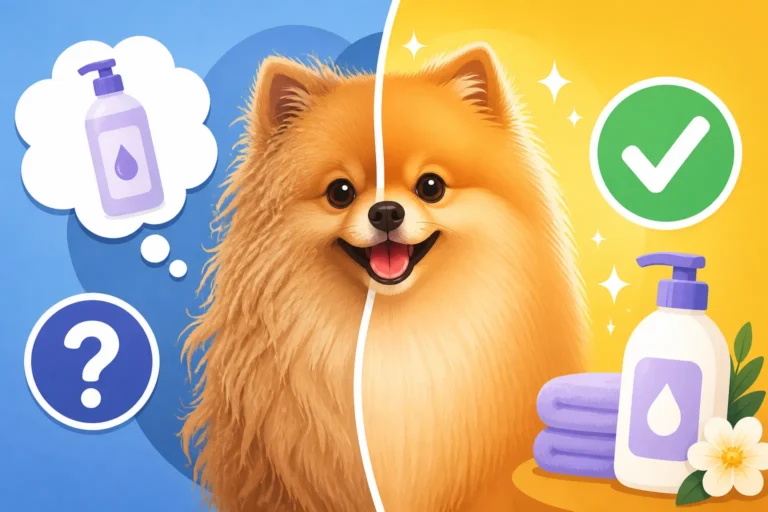
Bathing can actually help loosen the dead undercoat and make brushing easier, but it needs to be done correctly. During a coat blow, a warm bath with a good quality shampoo designed for double coats can work wonders. The water helps to further release the shedding hair.
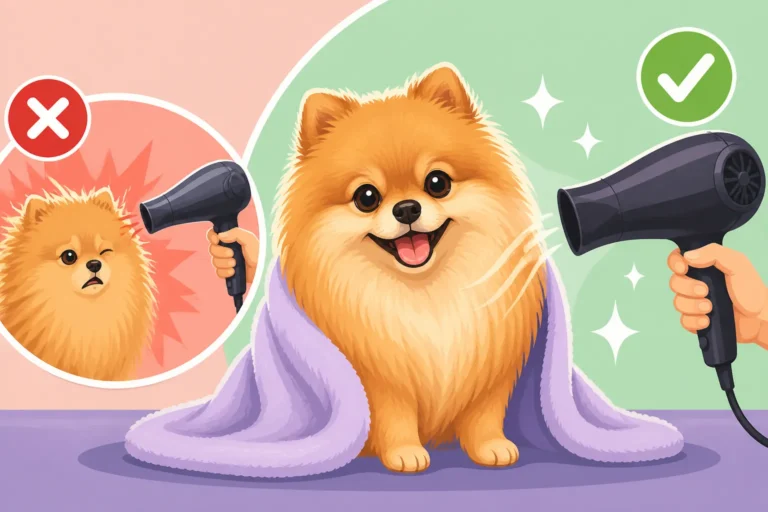
After shampooing and rinsing thoroughly, a good conditioner can help hydrate the remaining coat and skin. However, the most critical part comes after the bath: drying. You must thoroughly dry your Pomeranian. Leaving a double coat to air dry can create a breeding ground for skin issues and make matting much worse, as the undercoat will clump together.
- Towel Dry: Gently blot your Pom dry with a super absorbent towel first to remove as much excess water as possible.
- Blow Dry: Use a pet-specific force dryer or even a human hairdryer on a cool or low-heat setting. The air current from a force dryer is incredibly effective at "blowing out" loose undercoat. As you dry, continuously brush through the coat. This helps to separate the hairs, allow air to reach the skin, and physically push out the dead undercoat. It’s a bit of an art form, but once you get the hang of it, you'll see a dramatic reduction in shedding. For deeper insights into this process, check out Drying a Pomeranian Without Damaging the Coat.
Diet and Supplements for Coat Health
While diet won't stop a natural coat blow, good nutrition is fundamental for overall coat health, resilience, and minimizing excessive, non-seasonal shedding. A high-quality diet rich in omega fatty acids, vitamins, and minerals helps maintain healthy skin and a strong coat.
Look for dog foods where meat is the primary ingredient and avoid excessive fillers. Brands focusing on fresh, whole ingredients, such as Ollie, can provide excellent nutritional support. Many owners also consider adding supplements like fish oil (omega-3s) or biotin to their Pomeranian's diet, as these are known to support skin and coat health. Always discuss any dietary changes or supplements with your veterinarian, especially for a small breed like a Pomeranian. A healthy coat is less prone to breakage and general dullness, even during shedding cycles. Consider researching The Protein a Pomeranian's Coat Needs for more information on dietary support.
| Grooming Tool | Purpose During Coat Blow | Key Benefit |
|---|---|---|
| Slicker Brush | Reaching deep into the undercoat to remove loose hair | Most effective for detangling and removing shed undercoat |
| Metal Greyhound Comb | Checking for mats, ensuring thorough brushing | Detects hidden mats, perfect for finishing and fluffing |
| Pin Brush | General daily brushing, gentle detangling | Less aggressive, good for maintaining fluff and surface knots |
| Force Dryer | Blowing out loose undercoat and thoroughly drying the coat | Speeds drying, prevents matting, physically removes shed hair |
| Deshedding Shampoo | Helps loosen dead hair during bathing | Aids in releasing undercoat for easier removal |
| Conditioner | Hydrates skin and coat, makes brushing easier | Reduces static, improves coat health, prevents dryness |
What NOT to Do During a Coat Blow
In the midst of a fluffy onslaught, it's easy to make choices that seem helpful but can actually harm your Pomeranian's coat or skin. Avoiding these pitfalls is just as important as knowing what to do.
Never Shave a Pomeranian
This is perhaps the most critical piece of advice for any Pomeranian owner facing an undercoat drop. While it might seem like a quick fix to deal with the shedding or to help your Pom stay cool in summer, shaving a double-coated breed like a Pomeranian can have devastating, often irreversible, consequences. The undercoat and guard hairs grow at different rates and serve complementary functions. When you shave them, you disrupt this natural balance.
What often happens is that the softer, woolly undercoat grows back faster and thicker, while the guard hairs struggle to return, if they do at all. This can lead to a condition known as "post-clipping alopecia" or "clipper alopecia," where the coat simply doesn't grow back correctly, or sometimes not at all in certain areas. It can also permanently alter the texture of the coat, making it prone to matting and less effective at regulating temperature. It leaves your Pomeranian vulnerable to sunburn, insect bites, and overheating. Never shave your Pomeranian, no matter how tempting it is during a heavy shed or in hot weather. Even a "teddy bear trim" or a "lion cut" can be risky if not done by a professional who understands the double coat, but even then, significant clipping can damage the coat. For more on this, please read Why Shaving a Pomeranian Can End Its Coat.
Don't Neglect Regular Brushing
It might feel overwhelming, and you might think, "What's the point? It just keeps shedding!" But neglecting regular brushing during a coat blow is a recipe for disaster. The dead undercoat, if left in place, will quickly become matted. These mats aren't just unsightly; they can be incredibly painful for your Pomeranian, pulling on their skin and causing irritation, hot spots, or even skin infections if moisture gets trapped underneath.
Furthermore, mats restrict air circulation to the skin, making your dog feel hotter in warm weather. Regular, gentle brushing ensures that the dead hair is removed, the skin can breathe, and new, healthy hair can grow in. Even if you're battling what seems like an endless supply of fur, committing to daily brushing sessions, even short ones, will make a huge difference. Consider establishing a routine to make it a positive experience for both of you. Consistency is truly your best defense against matting and discomfort.
Avoiding Harsh Deshedding Tools and Rough Handling
While you want to remove the dead undercoat, not all "deshedding" tools are created equal for a Pomeranian's delicate double coat. Some tools, like certain types of deshedding rakes or blades (e.g., specific brands often associated with "deshedding" tools that resemble a fine-toothed comb with a blade), can actually cut or break the guard hairs, leading to coat damage. As discussed, the guard hairs are crucial for the coat's integrity and appearance.
Always use appropriate tools for a Pomeranian's double coat, such as a high-quality slicker brush and a metal comb. Be gentle; never yank or pull through tangles. If you encounter a mat, work it out patiently with your fingers and a comb, or carefully cut it out if it’s too tight and close to the skin, always using blunt-nosed scissors and angling them away from the skin. Excessive force or improper tools can not only damage the coat but also make the grooming experience a negative one for your Pom, leading to future resistance. For a deeper dive into appropriate tools, check out Whether a Furminator Should Touch a Pomeranian.
Living with the Fluff: Long-Term Coat Care
Managing the undercoat drop is part of the lifelong commitment to caring for your Pomeranian. Beyond the intense shedding periods, consistent year-round care will ensure their coat remains healthy and manageable.
Year-Round Grooming Routine
Even when your Pomeranian isn't actively blowing its coat, a regular grooming routine is essential. This typically means brushing 2-3 times a week with a slicker brush and comb to prevent mats and remove loose hair. This consistent care keeps the undercoat from building up and makes those seasonal sheds less dramatic because you're already on top of the loose hair. It also allows you to check for any skin issues, bumps, or parasites.
Regular baths, perhaps every 3-4 weeks, using quality shampoo and conditioner, also contribute to coat health. Remember to always thoroughly dry the coat after bathing. A well-maintained coat is less likely to mat, sheds more cleanly, and reflects the overall health of your Pomeranian. Building a positive association with grooming from a young age will make these sessions much easier throughout your dog's life.
Environmental Considerations
While you can't stop nature, you can create an environment that minimizes the impact of shedding on your home and helps your Pomeranian cope. Regular vacuuming is a given, but also consider washable blankets or covers for furniture where your Pom likes to relax. Air purifiers with good filters can help capture airborne dander and loose hairs, improving air quality for both you and your pet.
Keeping your home at a consistent, comfortable temperature can also slightly moderate the intensity of seasonal sheds, as your Pomeranian's body won't experience such drastic temperature swings. However, do remember that even in climate-controlled homes, hormonal and light cycle changes will still trigger undercoat drops. Providing a comfortable, clean environment benefits everyone in the household.
When to Seek Professional Help
Even with the best intentions and tools, some grooming tasks can be challenging, especially during a heavy coat blow or if your Pomeranian develops stubborn mats. Don't hesitate to seek help from a professional groomer who is experienced with double-coated breeds. A good groomer can effectively remove dead undercoat without damaging the guard hairs, trim nails, clean ears, and provide advice tailored to your dog's specific coat type.
They have specialized equipment, like high-velocity dryers, that can make a world of difference. While professional grooming adds to the overall cost of ownership, it can save you a lot of headache and keep your Pomeranian healthier and more comfortable in the long run. Regular grooming appointments, especially leading into a seasonal blow, can be a lifesaver. You might be surprised by The Grooming Bill Nobody Warns a Pomeranian Owner About, but it's an investment in your pet's well-being.
Disclaimer
This article is for general informational purposes only and does not constitute professional advice. Laws, prices and regulations vary by location and change over time. Consult a qualified professional for guidance on your specific situation.