Whether a Furminator Should Touch a Pomeranian
It's completely understandable to feel overwhelmed by the sheer volume of fluff that a Pomeranian can produce, especially during their seasonal coat blows. You love your little floofball, but sometimes it feels like they're shedding enough to build another whole dog! Faced with piles of hair, the idea of a powerful "deshedding" tool like a Furminator can seem like a godsend. However, for a Pomeranian's unique double coat, this particular tool often does more harm than good, and understanding why is key to keeping your beloved Pom looking their best without compromising their coat health.
Understanding Your Pomeranian's Magnificent Double Coat
Before we even touch on specific grooming tools, it’s vital to truly appreciate the incredible design of a Pomeranian's coat. It's not just hair; it's a finely tuned system that protects them, regulates their temperature, and gives them that iconic, vibrant appearance we all adore. Many owners don't realize just how specialized this coat is, leading them down paths that can unintentionally damage it.
The Guard Hair and Undercoat Dynamic
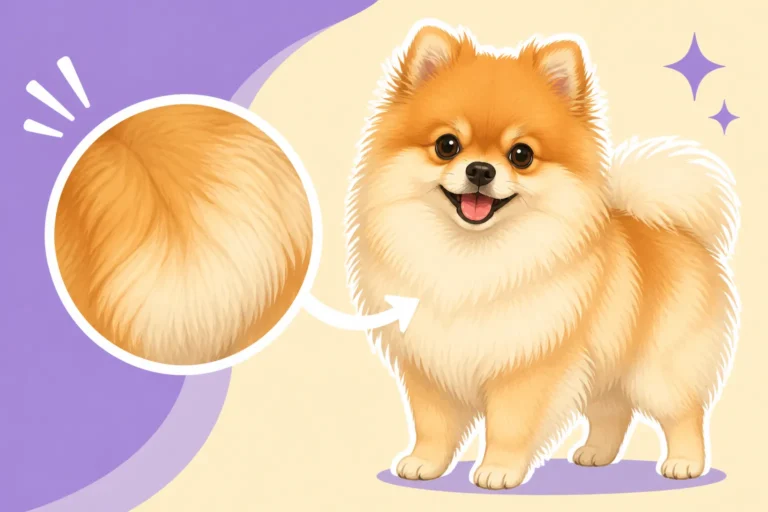
A Pomeranian boasts what's known as a "double coat," which means it consists of two distinct layers. The outer layer is made up of long, straight, and somewhat coarse "guard hairs." These hairs are water-resistant and provide a protective shield against dirt, debris, and the elements. They’re the ones that give your Pom that beautiful, flowing silhouette and vibrant color. Underneath this protective layer lies the "undercoat," which is dense, soft, and fluffy, almost like cotton. This undercoat acts as insulation, keeping your Pomeranian warm in winter and actually helping to cool them in summer by creating an air barrier against their skin. You can learn more about The Double Coat That Makes a Pomeranian and Why It Stays On in another post.
These two layers work in harmony, with the guard hairs allowing air to circulate through the undercoat, preventing matting and promoting healthy skin. The undercoat sheds periodically, especially during seasonal changes, while the guard hairs are relatively stable. This shedding of the undercoat is a natural process, but it needs to be managed with the right tools to avoid damaging the more delicate guard hairs. The delicate balance between these two types of hair is precisely what can be disrupted by improper grooming techniques and tools.
Why a Pomeranian's Coat is Different From Other Breeds
When people think of "shedding breeds," they often picture dogs like Labradors or German Shepherds, whose coats are quite different from a Pomeranian's. While Poms do shed, especially during major coat blows, their hair structure is not designed for the same kind of aggressive undercoat removal that benefits those other breeds. A Labrador's coat, for example, is thicker and coarser overall, and a tool designed to pull out large amounts of dead undercoat might work effectively without damaging their guard hairs.
For a Pomeranian, the guard hairs are finer and more easily broken or cut. The undercoat, while dense, is intricately intertwined with the guard hairs, providing support and lift. Think of it like a delicate ecosystem. Disrupting one part of it can have unforeseen consequences for the entire structure. Using tools that aren't specifically designed for this type of double coat can lead to dullness, frizziness, and even permanent damage that prevents the coat from growing back properly. You might wonder How Many Layers a Pomeranian's Coat Has and how each plays a role in its overall health and appearance.
The Problem With Using a Furminator on a Pomeranian
Now, let's get to the heart of the matter. The Furminator, and similar deshedding tools, have gained immense popularity, but they are absolutely not suitable for every breed, especially not for a Pomeranian's precious double coat. The way these tools are designed fundamentally clashes with the natural structure and growth pattern of your Pom's hair.
How a Furminator Works and Why It's Harmful
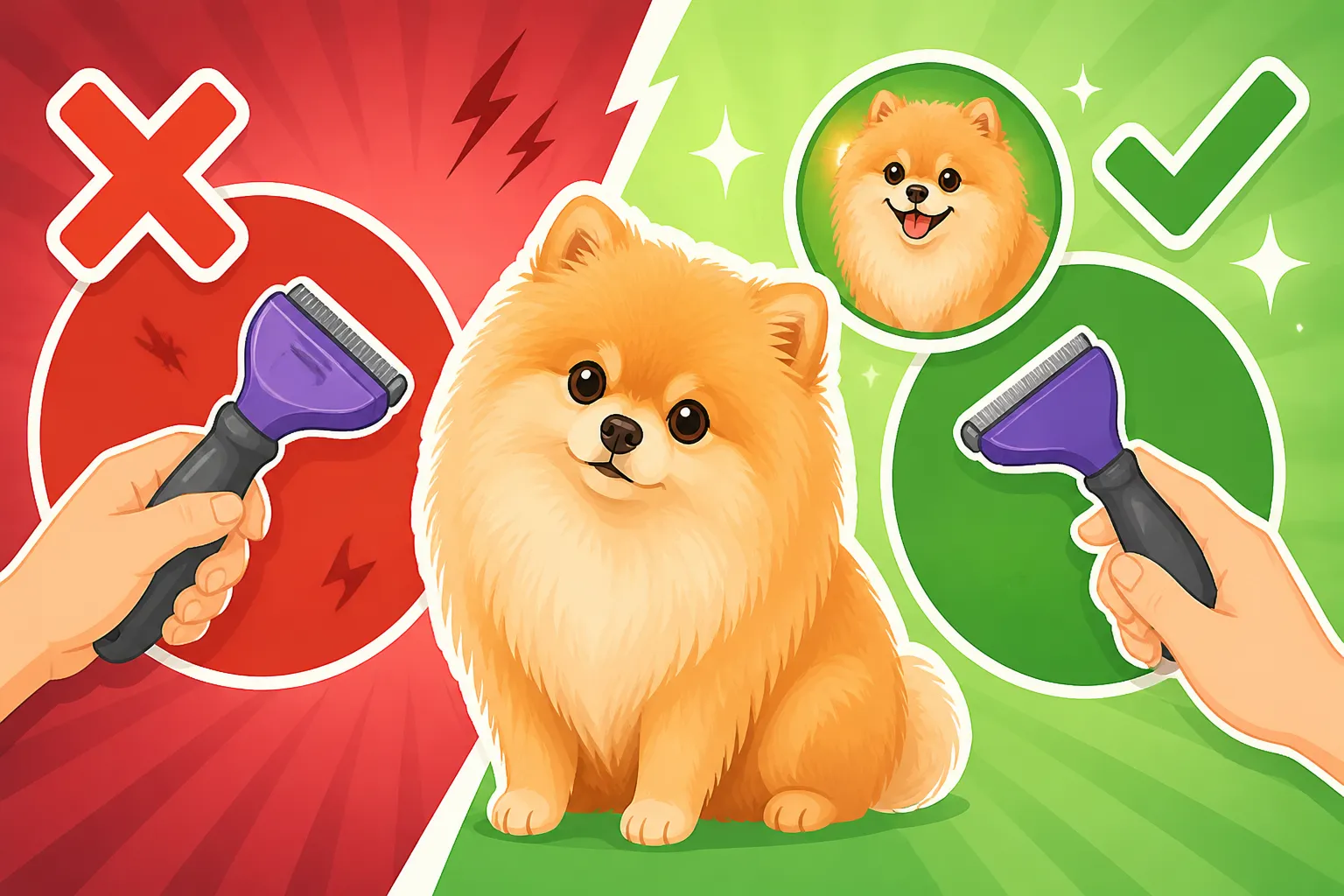
A Furminator is essentially a fine-toothed blade designed to reach deep into the coat and pull out loose undercoat. On breeds with a continuously growing undercoat that needs aggressive removal, this can be effective. However, for a Pomeranian, the teeth of a Furminator are designed to cut and break their delicate guard hairs. Instead of just removing dead undercoat, it aggressively slices through the outer layer, leaving the coat damaged and uneven.
Imagine trying to trim a beautiful, flowing curtain with a razor blade designed for close shaving – that's essentially what a Furminator does to a Pomeranian's coat. It doesn't just "deshed"; it effectively shaves or cuts the guard hairs short, altering the coat's texture and natural protective qualities. Over time, this can lead to a sparse, dull, and wiry coat that loses its characteristic fluff and stand-off appearance. Worse still, once these guard hairs are damaged, they may not grow back correctly, or at all, which is a major concern for owners who notice Why a Shaved Pomeranian May Not Regrow.
Damaging the Coat and Potential for Skin Issues
The damage caused by a Furminator isn't just cosmetic. When the guard hairs are cut, the undercoat becomes exposed. This can make the undercoat more prone to matting because it no longer has the guard hairs to protect it and help it lie smoothly. Mats are not just unsightly; they can pull on the skin, causing pain, irritation, and even skin infections if moisture gets trapped underneath.
Furthermore, a damaged coat loses its ability to properly regulate temperature. Without the protective guard hairs and a healthy undercoat, your Pomeranian might struggle more in both hot and cold weather. Their skin can become more vulnerable to sunburn in the summer and chilling in the winter. It’s a vicious cycle where a well-intentioned grooming attempt leads to a cascade of problems for your furry friend. Many owners worry about Whether a Deshedding Tool Damages a Pomeranian Coat for these very reasons.
| Aspect | Ideal Pomeranian Coat | Effect of Furminator |
|---|---|---|
| Guard Hairs | Long, straight, protective | Cut, broken, uneven |
| Undercoat | Dense, soft, insulating | Exposed, prone to matting |
| Texture | Fluffy, "stand-off" | Dull, wiry, flat |
| Protection | Weather, debris, UV | Reduced, vulnerable |
| Temperature Reg. | Excellent | Compromised |
| Skin Health | Protected, well-aerated | Irritated, increased mat risk |
| Long-term Growth | Healthy, consistent | Slowed, damaged, uneven |
Safer and More Effective Grooming Tools for Pomeranians
So, if a Furminator is out, what should you be using? The good news is that there are plenty of excellent tools specifically designed to work harmoniously with a Pomeranian's double coat, helping you manage shedding and keep them looking their best without causing damage. The key is to choose tools that detangle and remove loose undercoat without cutting the guard hairs.
Essential Brushes and Combs for Pomeranians
For regular grooming, your arsenal should include a few key items. First, a slicker brush is indispensable. Look for one with fine, slightly angled pins that are gentle on the skin but effective at getting through the undercoat. A good slicker brush will help you gently tease out tangles and remove dead undercoat without pulling or breaking healthy hair. You'll want to use it carefully, working in sections to avoid any discomfort for your Pom.
Next, a pin brush with rounded tips is fantastic for finishing and fluffing the coat. It helps distribute natural oils, prevent static, and give your Pomeranian that glorious, full look. For getting deep into the undercoat and ensuring no mats are forming close to the skin, a metal greyhound comb with both wide and fine teeth is a must-have. This comb allows you to meticulously check your work after brushing and catch any hidden knots. You can find high-quality versions of all these tools on platforms like Chewy or Amazon, making it easy to stock up on the right equipment. To learn more about specific tools, check out The Slicker and Pin Brush a Pomeranian Needs and The Comb That Gets Through a Pomeranian's Undercoat.
Avoiding Harmful Tools and Practices
Beyond the Furminator, there are other tools and habits that can harm a Pomeranian's coat. Avoid any rakes or brushes with sharp blades that are designed to cut hair. If a tool feels like it's snagging or pulling excessively, it's likely too aggressive for your Pom's delicate coat.
Furthermore, resist the urge to shave your Pomeranian, even in summer. Their double coat actually provides insulation against heat by creating an air pocket, and shaving it off can expose their sensitive skin to sunburn and make it harder for them to regulate their body temperature. It can also lead to "post-clipping alopecia," where the coat simply doesn't grow back the same, or at all. It’s a common misconception that shaving helps them cool down, but it usually does the opposite and damages the coat. Remember, their coat is a marvel of natural engineering, and it's best to work with it, not against it.
Proper Grooming Techniques for a Healthy Pomeranian Coat
Having the right tools is only half the battle; knowing how to use them effectively is equally important. Consistent and correct grooming practices will ensure your Pomeranian's coat remains healthy, beautiful, and free of mats, making both of your lives much easier.
Establishing a Regular Brushing Routine
For a Pomeranian, regular brushing isn't just a suggestion; it's a necessity. Aim to brush your Pom at least two to three times a week, and ideally daily during heavy shedding seasons or if you notice any tangles. Breaking it down into manageable sessions will prevent overwhelming both you and your dog. A full brush out takes commitment, so plan for it.
The key to effective brushing is to work in sections, layer by layer, down to the skin. Start by gently misting the coat with a detangling spray or a very light conditioner mixed with water. This helps prevent static and reduces breakage. Then, using your slicker brush, part the hair and brush small sections upwards, against the grain, before brushing back down. This helps lift the undercoat and ensures you're reaching all the way to the skin. Pay special attention to areas prone to matting, such as behind the ears, under the armpits, and around the "britches" on their hindquarters. I've found that The Minutes a Full Pomeranian Brush Out Takes is time well spent, and bonding with your dog is a lovely bonus.
The Art of Bathing and Drying a Pomeranian
Bathing a Pomeranian should be done sparingly – usually no more than once a month, unless they've gotten particularly dirty. Over-bathing can strip essential oils from their skin and coat, leading to dryness and irritation. When you do bathe them, use a high-quality shampoo and conditioner specifically formulated for dogs with double coats. Make sure to rinse thoroughly to avoid any residue, which can cause skin issues and dullness. You can find excellent options on Chewy that cater to sensitive skin and coat needs. For specific advice, check out How Rarely a Pomeranian's Coat Should Be Washed.
After bathing, drying is crucial. Never let a Pomeranian air dry, as this can lead to matting of the undercoat as it dries unevenly. Instead, towel dry gently to remove excess water, then use a forced-air pet dryer on a cool or low-heat setting. Brush the coat as you dry, again working in sections, to ensure the undercoat is completely dry and fluffy. This "line drying" technique helps separate the hairs and gives your Pomeranian that signature stand-off coat. Patience is key here; a proper dry can take a while but is essential for coat health. Many home groomers invest in quiet, efficient dryers, which are readily available on Amazon for Dryers and Brushes for Grooming a Pomeranian at Home.
Maintaining Coat Health Through Nutrition
While grooming tools and techniques are important, don't forget that a healthy coat truly starts from within. Your Pomeranian's diet plays a significant role in the luster, strength, and overall health of their fur. A high-quality diet rich in essential fatty acids, vitamins, and minerals can make a noticeable difference in their coat's condition, reducing shedding and promoting healthy growth.
Look for dog foods with real meat as the first ingredient and avoid fillers, artificial colors, and by-products. Omega-3 and Omega-6 fatty acids, often found in fish oils, are particularly beneficial for skin and coat health. Sometimes, adding a supplement can also help, but always discuss this with your veterinarian first. Brands like Ollie, which offer fresh, human-grade ingredients, are examples of premium nutrition that can contribute to a stunning, healthy coat. Providing the right nutrients is a proactive step in preventing many coat problems, making your grooming efforts even more effective.
Disclaimer
This article is for general informational purposes only and does not constitute professional advice. Laws, prices and regulations vary by location and change over time. Consult a qualified professional for guidance on your specific situation.