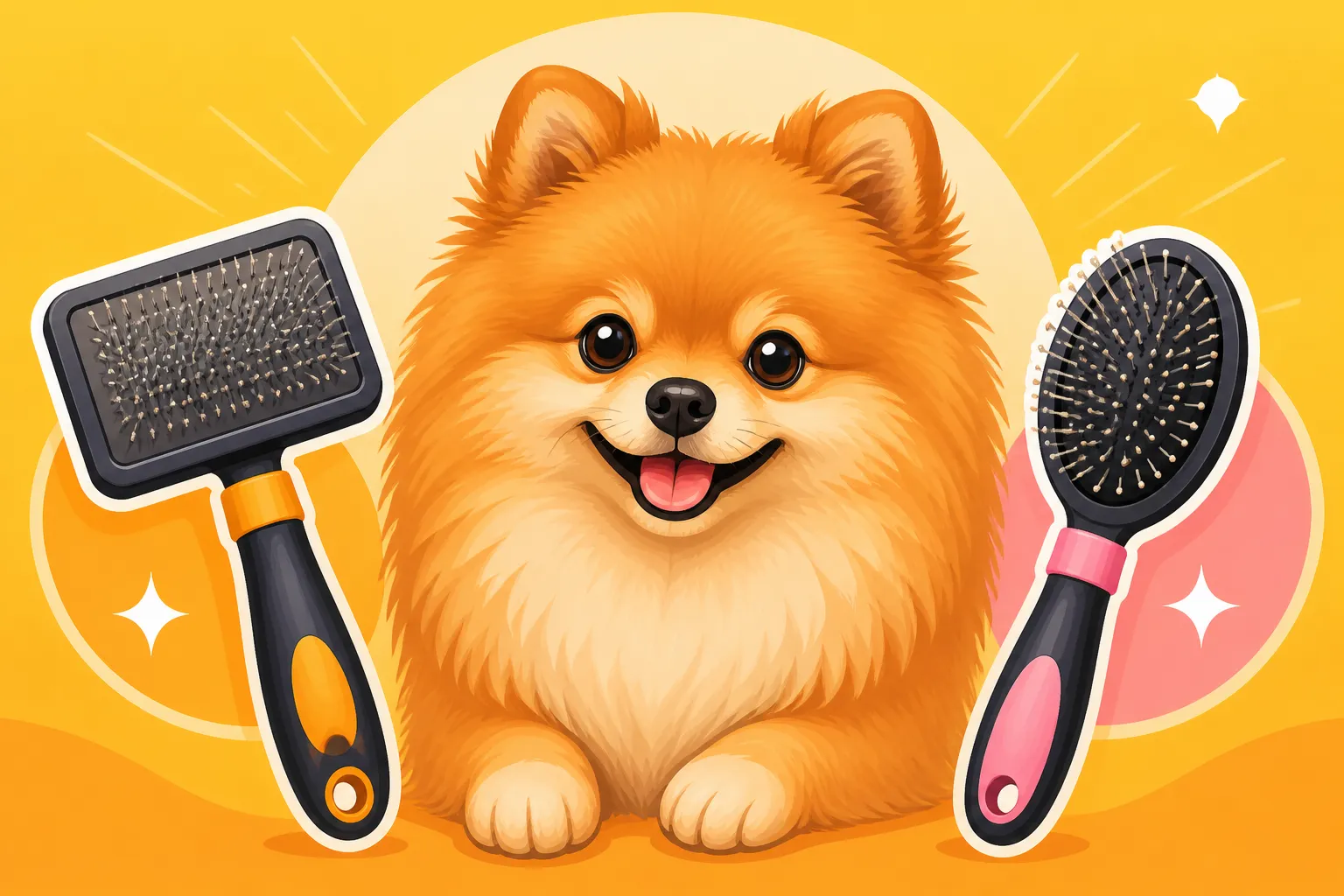
The Slicker and Pin Brush a Pomeranian Needs
One of the most common frustrations for Pomeranian owners is battling mats and tangles in that magnificent double coat, often because they're not quite sure which brush to use or how to use it effectively. If you've ever felt overwhelmed standing in the pet supply aisle or struggled to get through your Pom's fluffy exterior, you're not alone. This comprehensive guide will walk you through the essential slicker and pin brushes your Pomeranian needs, explaining why they're crucial and how to use them to keep that coat healthy, beautiful, and mat-free.
Why the Right Brushes Are Non-Negotiable for a Pomeranian's Coat
Taking care of a Pomeranian's coat isn't just about aesthetics; it's a vital part of their overall health and comfort. Without the proper tools and techniques, that beautiful fluff can quickly turn into a matted mess, leading to skin irritation, discomfort, and even serious health issues. I've seen countless Poms come into rescue with coats so neglected, it's heartbreaking. Understanding the unique structure of their fur is the first step to becoming a grooming pro.
Understanding the Pomeranian's Unique Double Coat
A Pomeranian's coat is truly a marvel of nature, designed to protect them from harsh weather in their northern ancestral lands. It's a double coat, meaning it consists of two distinct layers. First, there's the harsh, long, straight guard hairs that form the outer layer. These are the hairs that give your Pom that iconic fluffy, stand-off appearance. They're coarser and provide protection from dirt, debris, and moisture. Underneath this beautiful topcoat lies a soft, dense, downy undercoat. This insulating layer is what keeps them warm in winter and surprisingly, helps to keep them cool in summer by trapping air.
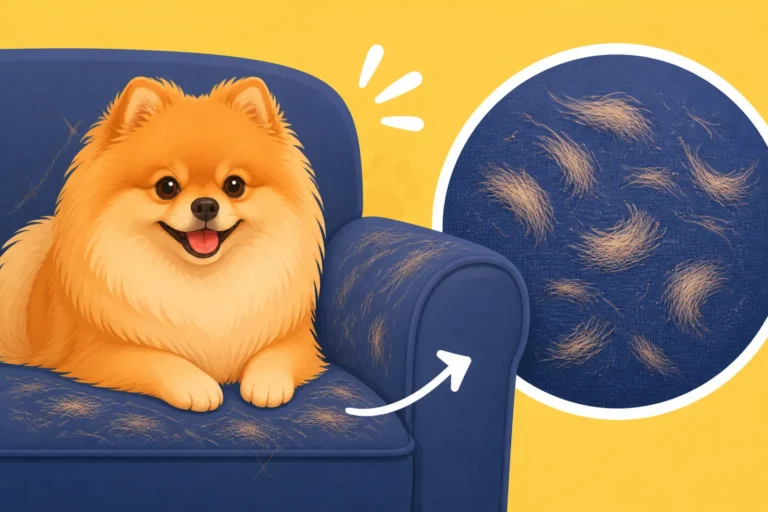
This combination is what gives the Pomeranian its distinct fluffy silhouette, but it's also what makes grooming such a critical task. The undercoat sheds regularly, especially during seasonal "coat blows," and if those loose hairs aren't removed, they can get caught in the guard hairs, creating dense mats that pull at the skin. Many new Pom parents underestimate the sheer volume of fur that needs regular attention. It's not like brushing a short-haired dog where a quick once-over will do the trick; you need to get all the way down to the skin to be effective. Neglecting this leads to compacted undercoat, which can't insulate properly and can hide skin problems. You can learn more about The Double Coat That Makes a Pomeranian and Why It Stays On.
The Dangers of Using the Wrong Tools
Using the wrong brush on a Pomeranian's double coat can be more detrimental than not brushing at all, believe it or not. A brush that's too soft won't penetrate the dense undercoat, leaving all the shedding hair trapped and forming mats. On the other hand, a brush that's too harsh or used improperly can scratch the delicate skin beneath, causing irritation, brush burn, or even damaging the guard hairs, making them brittle and prone to breakage. I've seen owners try to use human hairbrushes or cheap, ineffective brushes, only to find their Pom's coat becoming increasingly tangled and uncomfortable.
Another common mistake is trying to "power through" a mat with an unsuitable brush, which is incredibly painful for your dog and can create a strong aversion to grooming. Poms are small and their skin is delicate. Imagine someone pulling on your hair constantly; that's what a matted coat feels like. Worse, if mats get severe and close to the skin, they can restrict blood flow, trap moisture, and lead to skin infections or hot spots. In extreme cases, a severely matted Pomeranian might require a full shave-down by a professional groomer, which, due to the unique nature of their double coat, can sometimes mean Why a Shaved Pomeranian May Not Regrow. This is why investing in the right tools, and knowing how to use them, is absolutely essential.
The Essential Slicker Brush for Your Pomeranian
When it comes to tackling that dense undercoat and preventing mats, the slicker brush is your absolute best friend. It's not just a nice-to-have; it's a non-negotiable part of your Pomeranian's grooming kit.
What Makes a Good Slicker Brush for a Pom
A good slicker brush for a Pomeranian will have fine, bent wire bristles closely set together on a flat or slightly curved head. The key here is the fine, bent wires. These are designed to reach through the topcoat and gently pull out loose undercoat without damaging the longer guard hairs. When you're shopping for one, look for one that feels sturdy but not overly aggressive. The bristles shouldn't feel sharp to the touch on your own skin, but they should be firm enough to do their job. Some slicker brushes have a soft, comfortable handle, which makes a huge difference during longer grooming sessions. You might find a good selection on Chewy or Amazon, often with descriptions that highlight their suitability for double-coated breeds.
The size of the slicker brush also matters. For a small Pomeranian, you don't want a huge, paddle-sized brush that's difficult to maneuver around their small frame, armpits, and behind their ears. A smaller to medium-sized head, perhaps two to three inches wide, is usually ideal. Brands like Chris Christensen offer highly regarded slicker brushes specifically designed for delicate coats, but there are many other reputable options available that offer the right balance of stiffness and flexibility in their bristles. The goal is to choose a brush that can effectively detangle and de-shed without causing any discomfort.
Proper Technique for Using a Slicker Brush
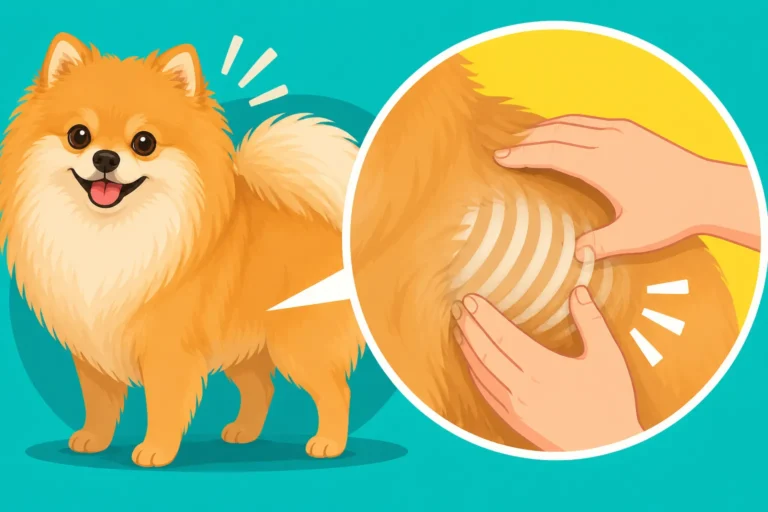
Using a slicker brush isn't about scrubbing your Pomeranian like you're cleaning a floor. It's all about gentle, methodical strokes, often referred to as "line brushing." You'll want to work in small sections, starting from the bottom of a section and brushing upwards, making sure you can see the skin after each stroke. Imagine dividing your Pom's body into horizontal lines. You'll lift the top layer of hair and brush the bottom layer, then bring down a bit more hair and brush that layer, and so on. This ensures you're getting all the way down to the skin, where most mats form.
Always hold the brush lightly and use short, quick strokes. Never press down hard, as the wire bristles can easily cause brush burn if you're too heavy-handed. If you encounter a mat, don't yank! Gently pick at it with the corner of the slicker brush or use a separate matting comb or dematting tool first. You can also spray a detangling conditioner to help loosen the mat before brushing. Working a Pomeranian's Coat in Sections to the Skin is a fundamental technique to master. Always brush in the direction of hair growth, except when trying to fluff up the coat, where gentle back-brushing can be used sparingly and carefully. Pay special attention to areas prone to matting, like behind the ears, under the chin, in the armpits, and on the britches.
When to Reach for Your Slicker Brush
Your slicker brush should be your primary tool for weekly (or even more frequent) grooming sessions, especially during shedding seasons. Pomeranians shed year-round, but they often have heavier "coat blows" a couple of times a year, where they shed a significant amount of their undercoat. During these times, daily slicker brushing might be necessary to prevent mats from forming. Think of it as preventative maintenance.
Even outside of heavy shedding periods, a good slicker brush routine two to three times a week is generally recommended to keep the coat healthy and free of tangles. If your Pom enjoys rolling around in leaves or playing outdoors, you might need to give them a quick brush-down after their adventures to remove any debris and prevent potential mats. Regular use of the slicker brush also helps to distribute natural oils throughout the coat, keeping it shiny and healthy. It's the workhorse that keeps the undercoat under control.
Introducing the Pin Brush: A Gentle Follow-Up
While the slicker brush is crucial for de-shedding and detangling, the pin brush plays a different, yet equally important, role in maintaining your Pomeranian's magnificent coat. It’s often used as a finishing tool, helping to smooth and fluff the topcoat and ensure every strand is in its place.
Why a Pin Brush Complements the Slicker
The pin brush is typically characterized by widely spaced, smooth, wire pins with rounded tips, often set into a rubber or cushioned base. Unlike the slicker brush, it doesn't have the bent wires designed to rake out undercoat. Instead, its primary function is to gently glide through the topcoat, removing loose surface hairs, detangling minor snags, and smoothing the coat to give it that beautiful, airy look. It also helps to fluff out the coat, enhancing that desired "stand-off" appearance. After you've done the heavy lifting with the slicker brush to remove all the dead undercoat and tackle any mats, the pin brush comes in to put the finishing touches on your Pom's coiffure.
Think of it as the conditioner to your shampoo, or the final styling step after a deep cleaning. The pins are gentler on the skin and the longer guard hairs, making it ideal for a final pass. It helps to ensure that the individual guard hairs lie correctly and aren't caught or broken. For a deeper understanding of how frequently these tools should be used, check out How Many Times a Week a Pomeranian Is Brushed. This combination of slicker for the undercoat and pin brush for the topcoat is the gold standard for Pomeranian grooming.
How to Use a Pin Brush Effectively
Using a pin brush is generally less intensive than using a slicker. Once you've thoroughly brushed out your Pomeranian with the slicker brush, ensuring all mats and loose undercoat are removed, you can switch to the pin brush. Use long, flowing strokes, working with the natural direction of the hair growth. The goal here isn't to dig deep into the undercoat, but to gently smooth and aerate the outer layers.
Start from the head and work your way down the body, making sure to get all the fluffy areas like the ruff, britches, and tail plume. The pin brush should glide easily through the coat without snagging, which is your sign that the slicker brush has done its job properly. If you feel resistance or hit a tangle with the pin brush, go back to your slicker brush or a wide-toothed comb to address it before continuing. The pin brush is also excellent for daily quick touch-ups between full grooming sessions, especially if your Pom is prone to slight tangles on the surface of their coat.
Choosing the Right Pin Brush Features
When selecting a pin brush for your Pomeranian, look for pins that are firmly set but have enough give to be comfortable. The tips of the pins should be smooth and rounded to prevent scratching your dog's skin. Avoid brushes with sharp, exposed wire ends. The length of the pins is also important; they should be long enough to reach through the depth of your Pom's coat, but not so long that they are unwieldy. A brush with an ergonomic handle will make your life much easier, especially during those times your Pom decides a full groom is a wrestling match.
You'll find pin brushes made with different materials, including wood, plastic, and bamboo. The choice often comes down to personal preference, but ensure the pins themselves are of good quality. Some pin brushes come with a combination of pins and natural bristles on opposite sides. While the bristle side can be great for adding shine, the pin side is what you'll primarily use for detangling and fluffing a Pomeranian's coat. As with slicker brushes, brands available on platforms like Amazon or Chewy will offer a range of options, so reading reviews from other small, double-coated dog owners can be incredibly helpful.
Beyond the Basics: Other Grooming Tools to Consider
While the slicker and pin brushes are your primary weapons against mats and dull coats, there are a few other tools that no Pomeranian owner should be without. These supplementary items can make your grooming routine smoother and more effective, ensuring your Pom always looks their best.
The Role of a Metal Comb
A good quality metal comb is an invaluable tool for any Pomeranian owner. It's not designed for the initial heavy detangling or de-shedding, but rather for checking your work and tackling those stubborn, smaller knots the brushes might miss. A comb with both wide and narrow teeth is ideal. You'll use the wide-toothed side for areas with denser fur or initial checks, and the narrow-toothed side for delicate areas like behind the ears, under the chin, and on the facial furnishings.
After you've finished with your slicker and pin brushes, run the metal comb through your Pom's coat, especially in those mat-prone areas. If the comb glides smoothly from root to tip, you know you've done a thorough job. If it catches, it means there's a tangle or a section of undercoat you missed. This is your cue to go back with the slicker brush to work out that specific spot. A metal comb is also excellent for precisely separating small mats or gently picking them apart. Just remember to be incredibly gentle; never pull hard with a comb, as it can cause significant pain. This is especially true for working through a mat Working Through a Mat Behind a Pomeranian's Ear.
Sprays and Conditioners to Aid Brushing
Brushing a dry coat, especially one as dense as a Pomeranian's, can sometimes lead to static, breakage, and discomfort. That's where grooming sprays and leave-in conditioners come in. A good detangling spray or conditioning mist can make a world of difference. These products lubricate the hair strands, making it easier for the brush to glide through the coat, reducing friction, and minimizing static electricity. They also help to prevent tangles from forming in the first place and can add a lovely shine to the coat.
Before you start your brushing session, lightly mist your Pomeranian's coat with a quality grooming spray. Don't saturate it; a light application is usually all that's needed. This is particularly helpful when you're trying to work out a stubborn mat. Look for sprays formulated for dogs, preferably those with moisturizing ingredients that won't leave the coat greasy. You can find many options at pet stores or online, including on Chewy, which often provides customer reviews to help you decide. While a good diet is crucial for coat health, and options like Ollie can provide excellent nutrition, topical treatments like sprays offer immediate benefits during grooming. Using a detangler can save you a lot of heartache and prevent your Pom from associating grooming with pain. Explore options like Detangler Sprays for a Pomeranian to find the best fit.
Establishing a Consistent Grooming Routine
Grooming a Pomeranian isn't a one-time event; it's an ongoing commitment. Establishing a consistent and positive grooming routine from puppyhood will save you countless headaches and ensure your Pom remains comfortable and happy with the process throughout their life.
How Often Your Pomeranian Needs Brushing
For most Pomeranians, a thorough brushing session with both a slicker and a pin brush at least two to three times a week is necessary. During seasonal shedding (often referred to as a "coat blow"), this frequency might need to increase to daily brushing to prevent mats from forming. Neglecting brushing even for a week can lead to significant matting that's much harder and more painful to resolve. Think of it as a small, regular investment of time that pays off immensely in the long run.
Puppies should start getting used to brushing as early as possible. Even short, gentle sessions with a soft brush, followed by treats and praise, can help them learn that grooming is a pleasant experience. As they grow, and their adult coat comes in, you can gradually increase the duration and intensity of the sessions. The goal is to make it a calm, predictable part of their week. Knowing The Minutes a Full Pomeranian Brush Out Takes can help you plan your time efficiently. Consistency is key, not only for coat health but also for your dog's cooperation.
Making Grooming a Positive Experience
No one wants to wrestle their dog every time it's time for a brush. The trick to stress-free grooming lies in positive reinforcement. Start early and keep sessions short and sweet, especially with puppies. Introduce the brushes slowly, letting your Pom sniff them, and giving treats for calm behavior. Praise them lavishly throughout the process. If they seem uncomfortable, take a break and try again later. Never force them or punish them for wiggling, as this will only create negative associations.
High-value treats are your best friend here. Offer them before, during, and after brushing. Speak in a calm, soothing voice. You can also use a grooming table with a non-slip surface, which can help your Pom feel more secure and keep them at a comfortable height for you. Some Poms even enjoy a gentle massage with the pin brush, turning it into a bonding experience. The more relaxed and enjoyable you make grooming, the more cooperative your Pomeranian will be. It's about building trust and showing them that this routine is not something to be feared.
Recognizing When Professional Help is Needed
Despite your best efforts, there might be times when you need to call in the professionals. If you encounter a mat that you simply cannot get out, or if your Pomeranian develops a severe case of matting, it's always best to consult a professional groomer. Attempting to cut out dense mats with scissors can be extremely dangerous, as it's easy to accidentally cut your dog's skin, which is often pulled up into the mat. Groomers have specialized tools and techniques to safely remove mats, even severe ones. They can also offer advice on specific grooming challenges you might be facing.
Additionally, if your Pomeranian's coat seems unusually dull, excessively oily, or if you notice any skin irritation, redness, or bald patches, it's time for a vet visit. While proper brushing helps, sometimes coat issues can be a symptom of underlying health problems. Regular check-ups are important for overall health, and your vet can rule out issues like allergies, hormonal imbalances, or other conditions. Professional groomers can also provide services like bathing, nail trims, and sanitary clips that complement your at-home routine.
Disclaimer
This article is for general informational purposes only and does not constitute professional advice. Laws, prices and regulations vary by location and change over time. Consult a qualified professional for guidance on your specific situation.