Finding a Pomeranian’s Ribs Through the Coat
One of the biggest struggles we Pomeranian parents face is trying to figure out if our little fluffballs are at a healthy weight. Their glorious double coats are amazing for warmth and that signature poofy look, but they also act like a furry camouflage, making it incredibly difficult to tell what’s going on underneath. This guide is all about helping you cut through the fluff (literally!) to find your Pomeranian’s ribs, understand what that tells you about their weight, and ensure they’re living their healthiest, happiest life.
The Fluffy Dilemma: Why Feeling Your Pomeranian's Ribs Is So Tricky
Let's be honest, trying to assess your Pomeranian's weight by just looking at them is nearly impossible. You might gaze at that cloud of fur and think, "Are they a perfect little puff, or have they been getting a few too many sneaky treats?" The truth is, their magnificent double coat, with its dense undercoat and long guard hairs, obscures their body shape beautifully. It's what makes them so captivating, but it also creates a real challenge for routine health checks.
The Anatomy of a Pomeranian's Magnificent Coat
Pomeranians are renowned for their incredibly thick, luscious coats. It's not just one layer of hair; it's a sophisticated system designed to protect them from the elements. You have the soft, dense undercoat that provides insulation, and then the longer, harsher guard hairs that give the coat its structure and water resistance. The Double Coat That Makes a Pomeranian and Why It Stays On goes into great detail about this. This dual-layered system is fantastic for keeping them warm and looking regal, but it also means that visual cues for weight, like a visible waistline or prominent hip bones, are almost entirely hidden. You simply cannot rely on your eyes alone when it comes to a Pomeranian.
Why Visual Assessment Fails Our Fluffballs
Imagine trying to guess the size of a teacup hidden under a thick wool blanket. That's essentially what you're doing when you try to eyeball your Pomeranian's physique. The sheer volume of hair, especially around their chest and abdomen, can make even an overweight Pomeranian appear perfectly proportioned. Conversely, a very thin Pomeranian might still look relatively full-bodied because the coat stands off their body so well. This is why a hands-on approach is absolutely essential. We need to bypass the visual and go straight to tactile assessment to truly understand what's happening beneath all that glorious fur.
The Crucial Role of Healthy Weight in Pomeranian Lifespan
Maintaining an ideal weight is perhaps one of the most impactful things you can do for your Pomeranian's long-term health and happiness. It’s not just about aesthetics; it directly influences their mobility, energy levels, and susceptibility to a host of health problems. An extra pound or two on a five-pound dog is proportionally much more significant than on a fifty-pound dog, and the health consequences can be severe.
Preventing Joint Issues and Mobility Struggles
Pomeranians, like many small breeds, are unfortunately prone to certain orthopedic issues, the most common being luxating patellas, or "slipping kneecaps." Slipping Kneecaps in a Five Pound Pomeranian explains this condition in depth. Even a slight amount of extra weight puts undue stress on these delicate knee joints, exacerbating existing conditions or accelerating their onset. A Pomeranian carrying too much weight might struggle with stairs, jumping on and off furniture, or even just running and playing. Keeping them at an optimal weight helps minimize this strain, allowing them to remain agile and pain-free for longer. Think of it: an extra pound on a 5-pound Pomeranian is a 20% increase in body weight, which is a massive burden on tiny joints!
Reducing Risk of Tracheal Collapse and Respiratory Woes
Another significant concern for Pomeranians is tracheal collapse, a condition where the windpipe weakens and can flatten, leading to a distinctive honking cough and breathing difficulties. The Honking Cough of a Pomeranian's Collapsing Windpipe details this common issue. Excess weight around the neck and chest can put additional pressure on the trachea, worsening the severity of collapse and making breathing even harder. It's a cruel cycle: an overweight Pomeranian gets winded more easily, is less inclined to exercise, and thus gains more weight, further compromising their breathing. Keeping them lean helps ensure their airways remain as open as possible, making every breath easier.
Guarding Against Other Weight-Related Health Problems
Beyond joints and breathing, obesity in Pomeranians can contribute to a myriad of other health problems. It increases the risk of diabetes, heart disease, certain cancers, and even affects their ability to regulate body temperature. An overweight Pomeranian might struggle more in warm weather because their body has to work harder to cool itself, and their thick coat already acts as an insulator. Furthermore, carrying extra fat can make anesthesia riskier during necessary procedures, like their routine dental cleanings. Anesthesia Risk in a Four Pound Pomeranian highlights just how critical precise dosing is for small dogs. Essentially, an ideal weight is a cornerstone of overall vitality and longevity for our beloved Poms.
The Hands-On Approach: A Step-by-Step Guide to Feeling Your Pomeranian's Ribs
Since relying on your eyes is out, it's time to get hands-on! This method is called a "Body Condition Score" and it's something veterinarians use all the time. It might feel a little awkward at first, especially if your Pomeranian isn't used to being handled in this way, but with a gentle touch and some tasty treats, they'll soon associate it with positive attention. Remember, patience is key.
Creating a Calm Environment for Assessment
Before you start poking and prodding, make sure your Pomeranian is relaxed. Choose a quiet time when they're not overly excited or stressed. You might want to do this after a walk or a cuddle session. Have some of their favorite small treats ready. You'll want to use them generously as positive reinforcement throughout the process. A happy, calm dog is much more cooperative, and it reinforces that this is a safe, even pleasant, interaction. A high-value treat, something they only get for this specific interaction, can work wonders.
The Gentle Rib Check Technique
Here's how to perform the rib check:
- Position your Pomeranian: Have them stand comfortably on all four paws. This gives you the most accurate feel for their body shape. If they're lying down or squirming, it will be harder to get a true assessment.
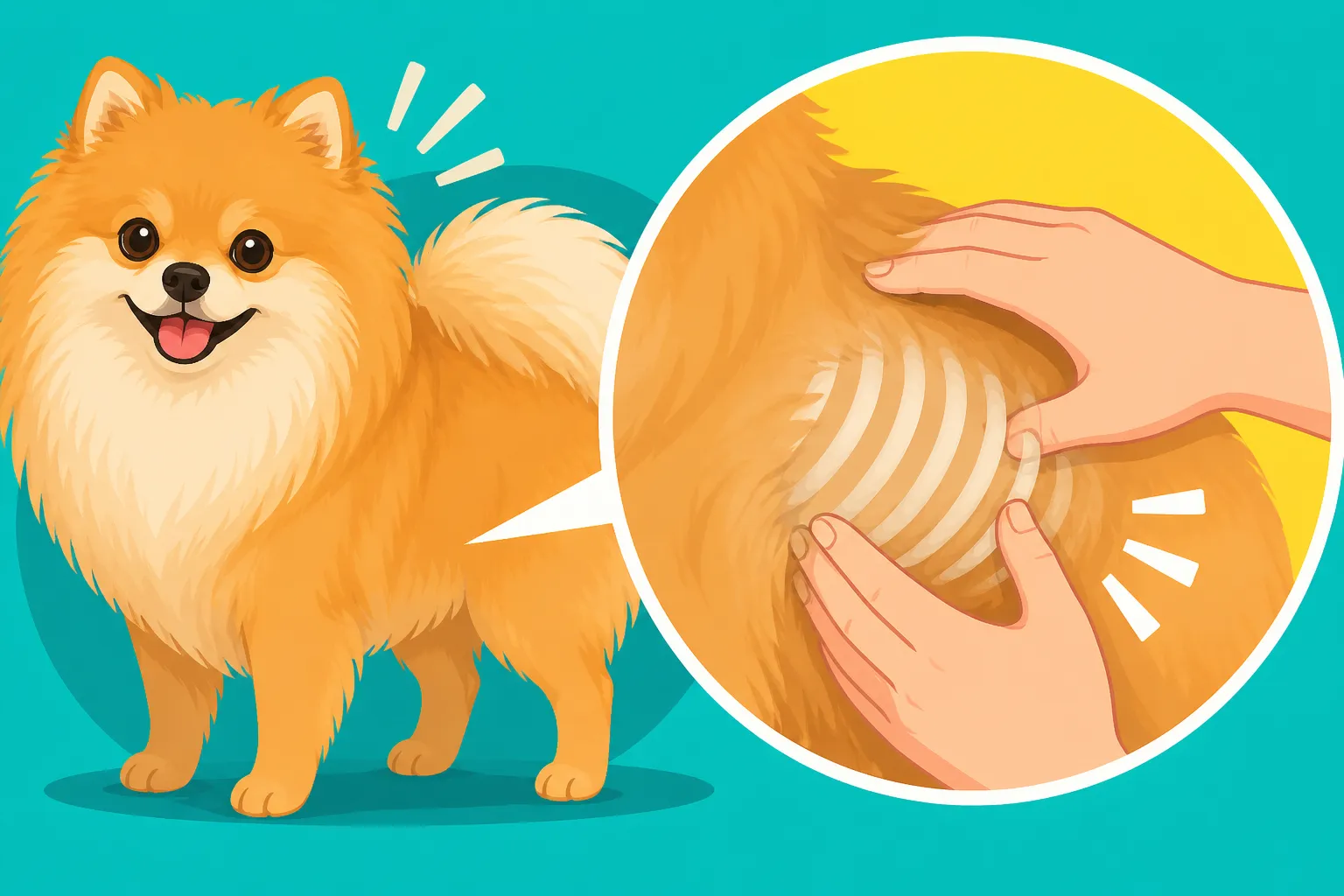
- Locate their rib cage: Gently place both hands on either side of your Pomeranian's chest, just behind their front legs. You're aiming for the area where their ribs are located.
- Use light pressure: With the flats of your fingers, gently run your hands along their sides. You're not trying to dig in; think of it like gently feeling for the keys through a light jacket in your pocket. You should be able to feel the individual bumps of their ribs beneath the fur and a thin layer of muscle and fat.
- Feel for a "wash-board" effect: Ideally, you should be able to feel each rib distinctly, almost like running your fingers over a washboard, without pressing hard. You shouldn't see them, but you should easily feel them.
If you find this difficult because of the coat, you can try wetting a small patch of fur down or parting the fur with your fingers to get a better sense of the skin surface, but typically, gentle pressure should be enough. If your dog is wiggly, a second person to hold them gently might help.
Interpreting What You Feel: Ideal, Underweight, and Overweight
Once you've gotten the hang of finding those ribs, the next step is to interpret what you're feeling. This is where your gentle touch becomes a diagnostic tool. Your veterinarian uses a similar scale, often called a Body Condition Score (BCS), to make objective assessments.
The "Just Right" Ideal Body Condition
When your Pomeranian is at an ideal weight, you should be able to:
- Easily feel the ribs without pressing hard. Each rib should feel distinct, covered by a thin layer of fat and muscle. It shouldn't feel like you're searching for them, nor should they feel sharp or bony.
- Observe a visible waistline when looking down from above, though this can be very difficult with a thick Pomeranian coat. You might get a faint indentation if you really part the fur.
- Notice an abdominal tuck when looking from the side, where their belly gently slopes up from their rib cage to their hind legs. Again, this is often obscured by fur, but some owners can spot it.
- Their overall energy levels should be good, and they should move freely and enthusiastically.
This "just right" feeling is your goal, and it means their body is efficiently supported without carrying any extra burden. This is the sweet spot for a long, healthy life.
Recognizing an Underweight Pomeranian
If your Pomeranian is underweight, you’ll likely feel their ribs much more prominently, almost sharply:
- Ribs will be very easy to see and feel, with little to no fat covering them. They might even appear visually prominent, especially after a bath when their fur is wet and flattened.
- You might also be able to easily see and feel their hip bones, shoulder blades, and spine without much effort. These areas should normally have some cushioning.
- They may also seem lethargic, have a dull coat, or exhibit other signs of poor health.
- If you suspect your Pomeranian is underweight, it's crucial to consult your veterinarian. Unexplained weight loss can be a sign of underlying health issues, from dental problems making eating painful to more serious conditions like Kidney Disease in an Aging Pomeranian or digestive issues. Your vet can help determine the cause and recommend a safe way to help them gain weight.
Identifying an Overweight Pomeranian
This is often the trickiest category for Pomeranian owners due to their deceptive coats. If your Pomeranian is overweight:
- You'll have difficulty feeling their ribs without applying significant pressure. They might feel like they're buried under a thick layer of padding.
- When you do feel them, they won't feel distinct; instead, it might feel like a uniform, soft cushion over their entire rib cage.
- While hard to see, they might have no discernible waistline or abdominal tuck, even if you try to part the fur. Their back might look broad and flat.
- They may move slower, tire more easily during walks, or seem less enthusiastic about play. Some might even have a harder time grooming themselves.
It’s easy for Pomeranians to gain weight, especially if they’re getting too many treats or not enough exercise. If you suspect your Pom is overweight, don't panic! It's a common issue and one that can be managed. Taking Weight Off a Pomeranian Without Starving It offers guidance on how to approach this responsibly.
Here’s a quick table to help you summarize your findings:
| What You Feel (Ribs) | Interpretation | Action Needed |
|---|---|---|
| Very easy to feel, prominent, sharp, visible (wet coat) | Underweight: Too little body fat; ribs, hip bones, and spine easily seen/felt. | Consult vet immediately for evaluation of underlying health issues. Adjust diet under vet guidance to increase calories safely. |
| Easily felt with light pressure, distinct like washboard | Ideal Weight: Optimal body fat; ribs felt easily but not seen. Good muscle tone. | Maintain current feeding and exercise routine. Continue regular checks. |
| Difficult to feel without firm pressure, feel padded | Overweight: Excessive body fat; ribs are hard to feel or feel like they're under a thick cushion. No discernible waist (even if you part fur) or abdominal tuck. | Consult vet to rule out medical causes. Gradually reduce calorie intake and increase appropriate exercise. Consider portion control and healthier treats. The Three to Seven Pounds a Pomeranian Should Hold is important here. |
Beyond the Ribs: Other Indicators of a Healthy Weight
While the rib check is invaluable, it's not the only piece of the puzzle. Combining this tactile assessment with other observations about your Pomeranian's body and behavior gives you a more complete picture of their overall health and weight status.
Assessing Muscle Tone and Definition
Beyond the amount of fat, muscle tone is a critical component of a healthy body. Gently feel along your Pomeranian's back, hindquarters, and legs. Do you feel firm muscle, or does it feel soft and flabby? Good muscle tone indicates regular exercise and a balanced diet. If your Pom has good muscle but you can still easily feel their ribs, that's often a sign of ideal condition. If their muscles feel weak or wasted, especially if coupled with weight loss, it’s definitely a reason for a vet visit. This could point to inactivity or even a more serious underlying health concern.
Behavioral and Energy Level Clues
Your Pomeranian's behavior can also offer clues. A dog at a healthy weight typically has good energy levels, enjoys playing, and moves with ease. Do they still greet you with enthusiastic wiggles and zoomies? Are they eager for walks?
- Overweight Poms might seem more lethargic, less interested in play, or struggle to keep up on walks. They might pant more easily or spend more time resting. Why an Overweight Pomeranian Struggles to Breathe explores the serious implications.
- Underweight Poms might also lack energy, but it's often accompanied by other signs of poor health.
- Any sudden or significant change in your Pomeranian's activity level, coupled with weight changes, should always warrant a call to your veterinarian.
The Importance of Regular Weigh-Ins
While the hands-on rib check is fantastic, it's also important to track your Pomeranian's weight objectively. Get into the habit of weighing your Pomeranian regularly. For a small dog like a Pom, a small digital kitchen scale can be perfect. Just pick them up, step on your bathroom scale, then step off and weigh yourself alone. The difference is your Pom's weight.
Consistent weigh-ins allow you to catch subtle changes before they become significant problems. A half-pound gain or loss on a 5-pound Pomeranian is a 10% change, which is huge! This regular data, combined with your rib checks, gives you the best tools to manage their weight proactively. Many vets will weigh your dog at every appointment, which gives a good benchmark, but in between visits, you're the first line of defense.
Maintaining a Healthy Weight: Diet and Exercise
Finding your Pomeranian's ribs is the first step; the next is maintaining that ideal body condition. This involves a careful balance of appropriate nutrition and regular, suitable exercise.
Tailoring Diet to a Small Breed's Needs
Pomeranians don't eat a lot, but what they do eat needs to be nutrient-dense and high-quality. Feeding a Dog That Weighs What a Pomeranian Weighs emphasizes this point. Choosing a food specifically formulated for small breeds is often beneficial, as these foods typically have smaller kibble sizes that are easier for their tiny mouths to chew, and they're calibrated for the higher metabolic rates of small dogs. Brands like Ollie offer fresh, portion-controlled meals that can be great for weight management because you know exactly what your dog is eating.
- Portion Control is Key: It's incredibly easy to overfeed a Pomeranian. Even a few extra kibbles or treats can add up quickly. Measure their food precisely with a measuring cup, not just by eyeballing it. Refer to the feeding guidelines on your dog food bag, but remember these are just starting points. Your individual Pom's metabolism and activity level will determine their exact needs.
- Healthy Treats: Treats should make up no more than 10% of their daily caloric intake. Opt for low-calorie options or even small pieces of cooked lean meat or plain vegetables. You can find a vast array of healthy, small-breed-appropriate treats on sites like Chewy or Amazon. Break larger treats into tiny pieces to make them last longer and reduce caloric impact.
- Avoid Table Scraps: While it's tempting to share, table scraps are often too rich, fatty, or contain ingredients that are harmful to dogs. Stick to their balanced diet to avoid weight gain and digestive upset.
Designing a Suitable Exercise Routine
Despite their small size, Pomeranians are energetic little dogs who benefit from regular exercise. It's not just for their physical health but also for their mental stimulation.
- Daily Walks: Aim for at least two short walks a day (15-20 minutes each) to keep them moving and explore their world. Remember that a Pomeranian's fragile windpipe means a harness is crucial, not a collar. Harnesses Fitted for a Pomeranian's Windpipe can guide you to the right choice.
- Indoor Play: Pomeranians are well-suited to apartment living as long as they get enough indoor activity. Games of fetch in the living room, hide-and-seek, or even just chasing a feather wand can provide great exercise. Puzzle toys can also keep them engaged and mentally stimulated.
- Supervised Outdoor Play: If you have a secure yard, supervised playtime is wonderful. Always ensure they are safe from larger animals or potential hazards. Why a Dog Park Is Dangerous for a Pomeranian explains why dog parks are generally not a good idea for such small breeds.
Remember, every Pomeranian is an individual. What works for one might need adjustment for another. Regular vet check-ups are essential to monitor their weight, discuss their diet, and address any health concerns that might impact their ability to maintain an ideal weight. Your vet can provide personalized recommendations and help you develop a comprehensive plan to keep your fluffy companion thriving. The Checkup Schedule a Pomeranian Should Keep outlines how frequently your Pom should visit the vet.
Disclaimer
This article is for general informational purposes only and does not constitute professional advice. Laws, prices and regulations vary by location and change over time. Consult a qualified professional for guidance on your specific situation.