Slipping Kneecaps in a Five Pound Pomeranian
It's incredibly frustrating, and often heartbreaking, to watch your tiny, spirited Pomeranian suddenly yelp or lift a back leg, refusing to put weight on it. This common and often painful issue, known as luxating patella, can turn your energetic companion into a hesitant, limping shadow of their former self. This comprehensive guide will walk you through everything you need to know about slipping kneecaps in a five-pound Pomeranian, from understanding the condition to effective management and treatment options, helping you navigate this challenge with confidence and compassion.
Understanding What Happens When a Pomeranian's Kneecap Slips
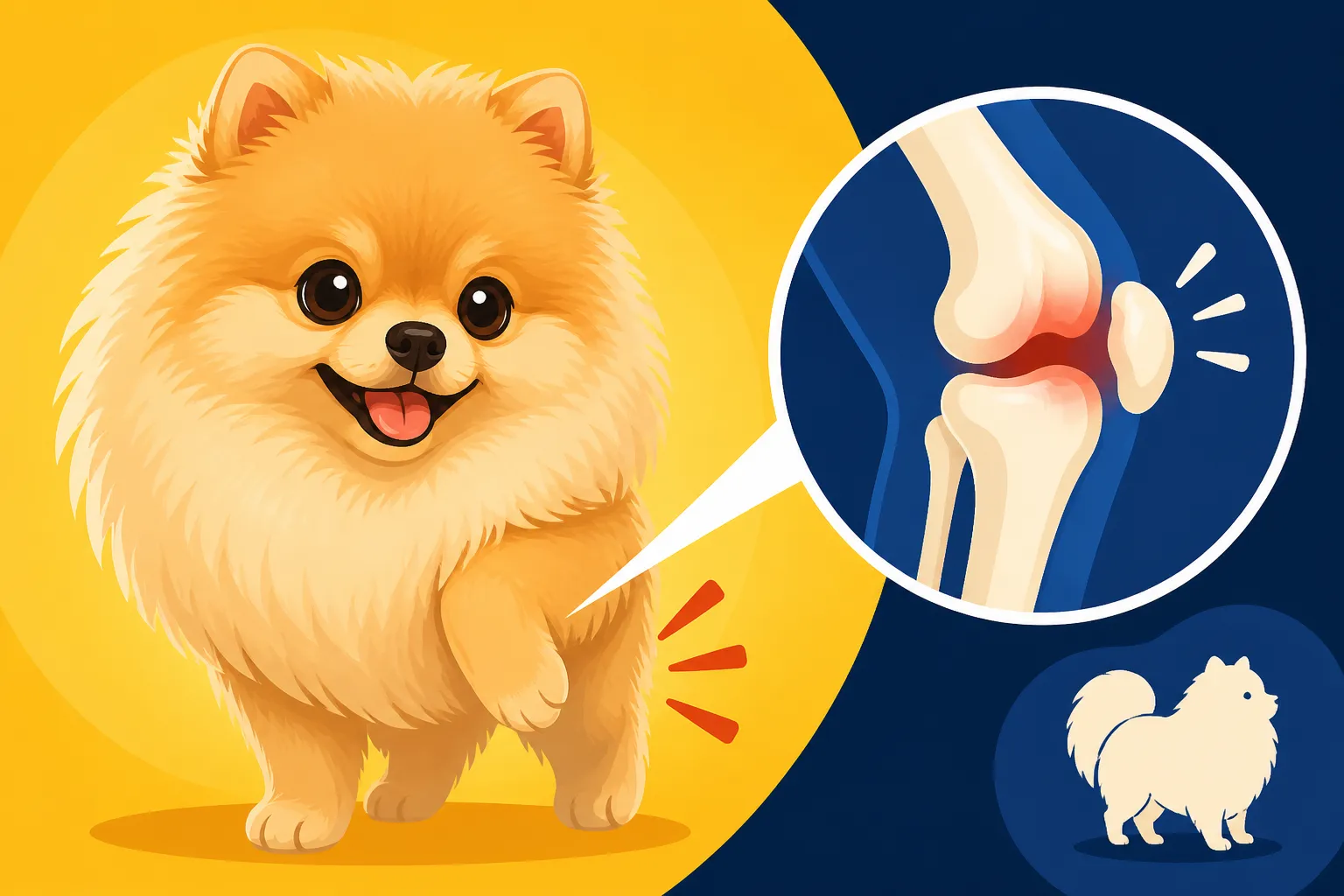
When we talk about a "slipping kneecap" in a Pomeranian, we're really talking about a condition called patellar luxation. It sounds intimidating, but it essentially means the kneecap (patella) dislocates or slips out of its normal groove on the thigh bone (femur). For a breed as small and active as a Pomeranian, this can be a frequent and painful occurrence. It's not just a minor inconvenience; repeated luxation can lead to significant wear and tear on the joint, potentially causing arthritis and chronic pain over time.
The Anatomy Behind a Luxating Patella
To truly grasp what's happening, let's briefly touch on the anatomy. Your Pomeranian's knee joint, or stifle, is quite similar to a human knee. It connects the femur (thigh bone) to the tibia (shin bone). The patella, or kneecap, is a small bone embedded within the quadriceps tendon, sitting right in front of the knee joint. It's meant to glide smoothly within a specific groove on the end of the femur, called the trochlear groove, as your dog bends and extends their leg. This setup allows the powerful quadriceps muscles to efficiently extend the lower leg.
When a patella luxates, it moves out of this groove. Most commonly in small breeds like Pomeranians, it slips medially, meaning towards the inside of the leg. Less frequently, it can slip laterally, to the outside. Imagine a train running off its tracks; the kneecap is the train, and the trochlear groove is the track. When it derails, the leg can't extend properly, causing that characteristic skip or lameness you might notice. This anatomical deviation is often present from birth, even if symptoms don't appear until later.
Why Small Breeds Like Pomeranians Are So Prone
It's a disheartening fact that patellar luxation is incredibly prevalent in toy breeds, and our beloved Pomeranians are unfortunately no exception. This isn't just bad luck; there are specific anatomical predispositions that make them more susceptible. One primary factor is genetics. The condition is considered hereditary, meaning it's passed down through breeding lines. Reputable breeders will often screen their breeding stock for patellar luxation, among other genetic conditions, to try and reduce its incidence.
Beyond genetics, the specific conformation of a small breed dog's hind leg plays a significant role. Often, there's a shallower-than-normal trochlear groove where the kneecap is supposed to sit. The quadriceps muscles and their attachment points might also be slightly misaligned, pulling the kneecap out of place with every movement. Additionally, the tibia (shin bone) can sometimes be rotated slightly, further contributing to the kneecap's tendency to slip. When you have a tiny dog, every millimeter of deviation can have a huge impact on joint stability. These subtle structural abnormalities are why we see this problem so frequently in our little companions.
The Different Grades of Patellar Luxation in Pomeranians
Not all luxating patellas are created equal, and veterinarians classify the severity of the condition using a grading system from 1 to 4. Understanding these grades is crucial because it often dictates the recommended course of action, from conservative management to surgical intervention. This classification system helps both you and your vet gauge the extent of the problem and predict potential outcomes.
-
Grade 1: This is the mildest form. The kneecap can be manually luxated (pushed out of the groove) by a veterinarian, but it spontaneously returns to its normal position. Your Pomeranian might occasionally skip a step or show a momentary lameness, but it's often transient and doesn't cause consistent pain. Some dogs might live their entire lives with a Grade 1 luxation and never require intervention, though it's always something to monitor.
-
Grade 2: With a Grade 2 luxation, the kneecap slips out of the groove more frequently, either spontaneously or when the leg is flexed. It doesn't always go back on its own, sometimes requiring your Pomeranian to kick their leg out to "pop" it back into place. You'll likely notice the classic "skip in a Pomeranian's back leg" more often. These dogs often experience intermittent lameness, and the risk of developing arthritis over time is higher. Many Grade 2 cases benefit from surgical correction, especially if they cause pain or significantly impact quality of life. Whether a Pomeranian Can Live With a Grade Two Knee
-
Grade 3: This is a more severe form where the kneecap is out of its groove most of the time but can still be manually reduced (pushed back into place) by a vet. However, it will reluxate (slip out again) immediately or very easily. Your Pomeranian will likely show persistent lameness, and chronic pain and arthritis are common. Surgical intervention is usually recommended for Grade 3 luxations to improve comfort and prevent further joint damage.
-
Grade 4: This is the most severe grade. The kneecap is permanently luxated and cannot be manually returned to its groove. The trochlear groove is often completely flat or even convex, rather than concave. Dogs with Grade 4 luxation often have significant lameness, bowed legs, and struggle to bear weight on the affected limb. Surgery is almost always necessary for these cases, though the prognosis can be more guarded due to the extent of the anatomical changes. It’s a very serious condition for a tiny five-pound Pomeranian, who relies so heavily on all four legs for their mobility and zest for life. Grading Patellar Luxation in a Pomeranian
Recognizing the Subtle Signs Your Five-Pound Pomeranian Has a Slipping Kneecap
Sometimes the signs are obvious, but often, especially in the early stages or with milder luxations, your Pomeranian might try to hide their discomfort. They're tiny but mighty, and they don't always want you to know they're hurting. Being vigilant and knowing what to look for can make all the difference in getting them the help they need sooner rather than later. Don't dismiss a slight change in gait as just "being clumsy" – it could be their little body telling you something is wrong.
The Classic Skip and Hop Gait
This is perhaps the most tell-tale sign of a luxating patella, and once you've seen it, it's hard to unsee. Your Pomeranian will be trotting along normally, and then suddenly, they'll pick up one back leg, hold it for a few steps, and then put it back down, continuing as if nothing happened. It's often described as a "skip" or a "hop." This happens when the kneecap slips out of place, rendering the leg unable to bear weight or extend properly. The dog then extends the leg out or shakes it, trying to "pop" the kneecap back into its groove.
This skipping can be intermittent. Some days your Pom might be perfectly fine, zooming around the house, and other days, especially after strenuous play or an awkward jump, you'll see the skip. It might happen more frequently on one leg than the other, or sometimes on both if the condition is bilateral. Observe them closely when they're playing, running, or even just walking across the room. Any consistent or increasing pattern of this skip should raise a red flag. The Skip in a Pomeranian's Back Leg
Intermittent Lameness and Holding the Leg Up
Beyond the classic skip, you might notice more generalized intermittent lameness. Your Pomeranian might start walking with a stiff hind leg, or they might outright refuse to put weight on it for a short period. This lameness often comes and goes, which can be confusing for owners. One moment they're limping, the next they're fine, making you wonder if you imagined it. This "intermittent" nature is characteristic of a kneecap that slips out and then, with a bit of manipulation or a specific movement, slides back in.
They might hold the affected leg up, sometimes for a few seconds, sometimes for a minute or two, letting it dangle or keeping it slightly bent off the ground. This is their way of trying to relieve the pressure or pain caused by the dislocated kneecap. If your five-pound Pomeranian is holding up their leg, it's a significant indicator of discomfort, especially since they have so little body weight to distribute. Pay attention to when and where this happens – is it after waking up, after a long walk, or after a burst of zoomies? These details can be helpful for your veterinarian.
Pain, Swelling, and Reluctance to Move
While toy breeds are incredibly stoic, persistent pain from a luxating patella will eventually manifest. You might notice your Pomeranian becoming less enthusiastic about their favorite activities. They might hesitate before jumping on and off furniture (which, by the way, they should be discouraged from doing anyway, as "Why Jumping Off Furniture Wrecks a Pomeranian's Knees"), or they might be reluctant to go for walks. They could even develop an aversion to being touched near their knee joint.
In more severe or chronic cases, you might observe subtle swelling around the knee area, although this can be hard to detect through a dense Pomeranian coat. Sometimes, a low-grade grumbling or clicking sound can be heard from the joint as the kneecap moves. If the condition has led to arthritis, you'll see signs of stiffness, especially after rest, and a general decrease in activity level. Any change in your Pomeranian's normal playful demeanor, combined with limping or skipping, warrants a veterinary visit.
Getting a Proper Diagnosis for Your Pomeranian's Knees
So, you've noticed some of these signs, and your gut is telling you something isn't quite right with your little Pom's legs. The next step, and arguably the most important, is to get a professional diagnosis from your veterinarian. They have the expertise and tools to accurately assess the situation and rule out other potential issues. Don't delay, because early diagnosis can lead to more effective management and prevent the condition from worsening.
The Physical Examination and Palpation
The diagnostic process almost always begins with a thorough physical examination by your veterinarian. They will observe your Pomeranian's gait, paying close attention to how they walk, stand, and bear weight on each leg. This initial observation can give them crucial clues about which leg is affected and the general severity of the lameness. It's often helpful if you can describe or even show a video of your Pom's skipping gait, as they might not "perform" it perfectly in the exam room.
Then comes the palpation, which is a skilled manual examination of the knee joint. Your vet will gently manipulate your Pomeranian's leg, feeling the kneecap and attempting to move it out of its groove. They will assess the ease with which it luxates, and whether it returns to position spontaneously or needs to be pushed back. This is how they determine the grade of the patellar luxation. They'll also check for any pain response, swelling, or instability in other parts of the joint. This hands-on assessment is surprisingly accurate for diagnosing patellar luxation.
Imaging Techniques to Confirm Severity
While a skilled physical exam can often diagnose a luxating patella, imaging techniques, particularly X-rays, are invaluable for confirming the diagnosis, assessing severity, and ruling out other concurrent orthopedic issues. X-rays provide a visual roadmap of the bones and joints, allowing your vet to see things that can't be felt by hand.
On an X-ray, your vet will be looking for several key indicators: the depth of the trochlear groove, any rotation or bowing of the femur or tibia, and signs of arthritis (such as bone spurs or narrowing of the joint space). While X-rays don't directly show the kneecap slipping, they show the underlying bony abnormalities that predispose it to slip. In some complex cases, or if surgery is being considered, more advanced imaging like CT scans might be recommended to get a 3D view of the joint and plan the surgical approach with precision. This comprehensive view helps ensure nothing is missed that could impact your Pomeranian's long-term mobility.
Differentiating From Other Orthopedic Issues
It's important to remember that not all limps in a five-pound Pomeranian are due to a luxating patella. There are several other orthopedic issues that can present with similar symptoms, and a thorough veterinary examination is essential to differentiate between them. Your vet will consider these possibilities during the diagnostic process.
One common differential diagnosis in small dogs is Legg-Calve-Perthes disease, a condition affecting the hip joint where the femoral head (the ball part of the hip) degenerates. Another possibility could be a cruciate ligament injury, which is a common cause of hind leg lameness, although less frequent in Pomeranians than in larger breeds. Spinal issues, nerve impingement, or even muscle strains can also cause a dog to limp. This is why a precise diagnosis is so important; the treatment for a luxating patella is very different from the treatment for a hip problem or a spinal issue. Your vet will conduct a full orthopedic workup to ensure your Pomeranian gets the correct treatment for their specific condition.
Non-Surgical Approaches to Managing a Pomeranian's Luxating Patella
Finding out your little Pomeranian has a slipping kneecap can be daunting, but for many cases, especially milder ones, surgery isn't always the immediate answer. There are several non-surgical, conservative management strategies that can significantly improve your Pom's comfort and quality of life. These approaches focus on strengthening surrounding structures, reducing inflammation, and preventing further irritation to the joint. It's about creating an environment where their little knees can thrive as much as possible without invasive procedures.
Weight Management and Controlled Exercise
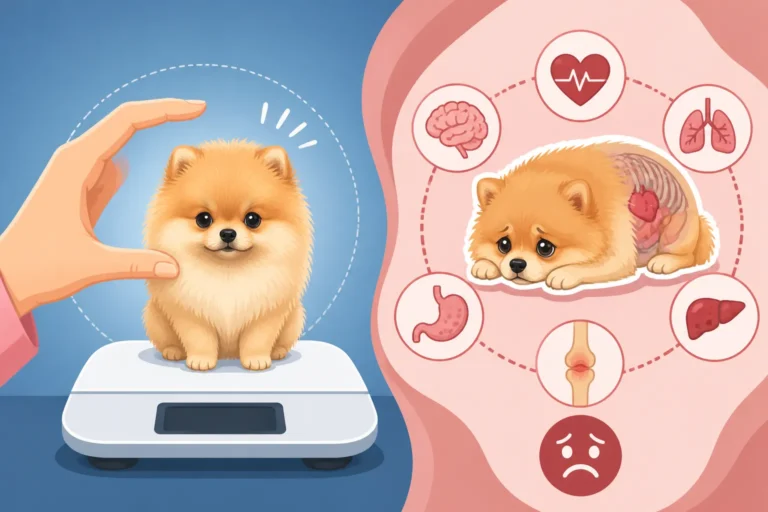
One of the most impactful things you can do for a Pomeranian with a luxating patella is to ensure they maintain a lean, healthy weight. Every extra ounce puts additional strain on those already compromised knee joints, increasing the likelihood of luxation and exacerbating pain. Even being a quarter-pound overweight on a five-pound frame is significant. Talk to your vet about the ideal weight for your individual Pom and work on a feeding plan if they need to shed a few ounces. It really can make a huge difference in their joint health.
Controlled, low-impact exercise is also key. Think short, regular walks on a leash on even surfaces, rather than high-impact activities like jumping or vigorous play sessions with larger, boisterous dogs. Swimming, if your Pomeranian enjoys it and you can ensure their safety, is fantastic for building muscle without joint impact. The goal is to build strong muscle around the knee to help stabilize the joint, without putting excessive stress on it. Avoid activities that involve sharp turns, sudden stops, or jumping, as these can easily cause the kneecap to slip out.
Joint Supplements and Anti-Inflammatory Medications
Supporting joint health from the inside out is another cornerstone of conservative management. Joint supplements, typically containing ingredients like glucosamine, chondroitin, and MSM, can help support cartilage health and reduce inflammation. Omega-3 fatty acids, often derived from fish oil, are also excellent natural anti-inflammatories that can benefit overall joint health and even improve coat quality. While these supplements aren't a cure, they can certainly help manage symptoms and slow the progression of arthritis. Whether Joint Support Helps a Pomeranian's Knees
For periods of increased pain or inflammation, your veterinarian might prescribe non-steroidal anti-inflammatory drugs (NSAIDs). These medications are very effective at reducing pain and swelling, making your Pomeranian more comfortable. However, they should always be used under veterinary guidance, as long-term use requires monitoring for potential side effects. Your vet might suggest a plan where NSAIDs are used as needed, or for short courses during flare-ups, to keep your Pom happy and active.
Environmental Modifications to Reduce Strain
Making some simple adjustments around your home can dramatically reduce the stress on your Pomeranian's knees and prevent accidental slips. The biggest culprits are often jumping on and off furniture. For a small dog, even a low couch can be a significant height, and repeated impacts can worsen the condition or cause acute injury. Providing dog-friendly ramps or steps for furniture access is highly recommended. Not only does it protect their knees, but it also helps them maintain their independence and continue to enjoy their favorite spots. Ramps for a Pomeranian That Jumps Off the Sofa
Consider runners or rugs on slippery floors like hardwood or tile. These provide much-needed traction, preventing slips and slides that can cause a kneecap to luxate. Keep your Pom's nails trimmed and the fur between their paw pads neat to maximize grip. Lastly, be mindful of their activities. While play is important, try to avoid roughhousing, especially with bigger dogs or children, that could result in accidental injury to their fragile knees. Small adjustments can go a long way in protecting your tiny companion.
When Surgery Becomes the Best Option for Your Pomeranian
While conservative management works wonders for many Pomeranians with mild luxating patellas, there are certainly times when surgery is not just an option, but the best course of action to ensure a pain-free and active life. This decision can feel overwhelming, but your vet will guide you through it, weighing the benefits against the risks for your specific dog. It's about long-term comfort and preventing irreversible damage.
Types of Surgical Procedures for Patellar Luxation
If your Pomeranian's luxating patella is causing persistent pain, significant lameness, or is a higher grade (Grade 2, 3, or 4), your veterinarian might recommend surgical correction. The goal of surgery is to restore the kneecap to its proper position and keep it there, allowing it to glide smoothly within the trochlear groove. Several techniques, often used in combination, achieve this:
- Trochlear Wedge Resection or Block Recession: This is a fundamental technique where the trochlear groove on the femur is deepened. The surgeon carefully removes a wedge or block of bone and cartilage, deepens the groove, and then replaces the wedge/block. This creates a deeper, more secure channel for the kneecap to sit in.
- Tibial Tuberosity Transposition (TTT): The tibial tuberosity is the bony prominence on the tibia where the patellar tendon attaches. If this attachment point is misaligned, it pulls the kneecap out of its groove. In a TTT, the surgeon cuts this bony prominence, moves it to the correct alignment, and then reattaches it with pins. This changes the angle of pull on the kneecap, keeping it centered.
- Fascial Release/Capsular Imbrication: Sometimes, the soft tissues around the knee joint are too tight on one side and too loose on the other, contributing to the luxation. Fascial release involves cutting the overly tight soft tissues on the side the kneecap is pulling towards, while capsular imbrication involves tightening the joint capsule on the opposite side to hold the kneecap in place. Often, a combination of two or three of these techniques is performed to provide the most stable and lasting correction. Whether a Pomeranian's Kneecap Needs Surgery
Deciding on Surgery and Pre-Operative Considerations
The decision to proceed with surgery is a significant one, and it's a conversation you'll have in depth with your veterinarian and potentially a veterinary orthopedic specialist. Factors influencing this decision include the grade of luxation, the frequency and severity of lameness, the presence of pain, and the onset of arthritis. Generally, if your Pomeranian is experiencing consistent discomfort or the condition is significantly impacting their quality of life, surgery is strongly considered.
Before surgery, your Pomeranian will undergo a thorough pre-anesthetic workup. This typically includes blood tests to ensure their organs are functioning properly and they can safely metabolize anesthetic drugs. For a small five-pound Pomeranian, anesthesia always carries a slightly higher risk, so this workup is particularly important. Your vet will also discuss potential risks of surgery, such as infection, implant failure, or recurrence of luxation, although success rates are generally very high with experienced surgeons. It's a lot to take in, but remember you're making this choice for your Pom's long-term well-being.
Post-Operative Care and Rehabilitation
Surgery is only half the battle; the recovery period is just as crucial for a successful outcome. Your Pomeranian will require strict confinement and activity restriction for several weeks, usually 6-8 weeks, to allow the bone and soft tissues to heal properly. This means no running, jumping, or strenuous play. Leash walks for potty breaks will be short and controlled. This can be challenging with an energetic Pom, but it's vital. A small crate or playpen can be invaluable for keeping them contained and safe.
Pain management will be a priority, with medications prescribed to keep your Pom comfortable during recovery. Physical rehabilitation, often involving gentle passive range of motion exercises, massage, and eventually controlled walks or even hydrotherapy, is increasingly recommended. This helps to restore muscle mass, improve joint flexibility, and prevent stiffness. Your vet or a certified canine rehabilitation therapist will provide a detailed plan. With diligent post-operative care, many Pomeranians make a fantastic recovery and go on to live active, pain-free lives. Recovery After a Pomeranian's Knee Surgery
Living with a Pomeranian Prone to Luxating Patellas: Long-Term Care and Prevention
Whether your Pomeranian has undergone surgery or is being managed conservatively, living with a luxating patella requires ongoing commitment and specific care strategies. It's not a "set it and forget it" situation. Your goal is to minimize recurrence, prevent secondary issues like arthritis, and ensure your little companion remains as comfortable and mobile as possible for "The Twelve to Sixteen Years a Pomeranian Lives". This long-term approach is about proactive care and vigilance.
Maintaining an Ideal Weight and Muscle Mass
We touched on weight management earlier, but it truly cannot be overstated for dogs with joint issues. For a five-pound Pomeranian, even a few extra ounces can significantly increase the load on their knees. Regularly check in with your vet about your Pom's ideal body condition and adjust their diet and exercise as needed. You should be able to easily feel their ribs without pressing hard, and they should have a discernible waist.
Beyond just weight, maintaining good muscle mass, particularly in the hindquarters, is critical for knee stability. Gentle, consistent exercise tailored to their condition is vital. Short, regular leash walks on flat ground, controlled swimming, or even specific exercises recommended by a rehab vet can help build and maintain strength around the knee joint. Strong muscles act as a natural brace, providing additional support to the kneecap and helping to keep it in its groove.
Preventing Falls and Jumping Incidents
Accidental falls and uncontrolled jumping are a Pomeranian's knees' worst enemy. For a dog with a history of patellar luxation, even a seemingly innocuous jump off the couch or a slip on a slick floor can cause the kneecap to re-luxate or exacerbate an existing problem. It's a constant, everyday threat to their joint health, and as owners, we have to be hyper-aware.
Continue to use dog-specific ramps or stairs for access to furniture, no matter how much your Pom thinks they're a champion jumper. Prevent them from leaping off beds or out of cars. Place rugs or non-slip mats on all hard, smooth floor surfaces. Be especially careful when carrying them, ensuring you have a secure grip. If you have other pets or young children, supervise interactions to prevent accidental bumps or rough play that could lead to a fall. Proactive measures can prevent many painful incidents.
Regular Vet Check-ups and Monitoring for Changes
Even after successful surgery or if your Pomeranian is doing well with conservative management, regular veterinary check-ups are paramount. These appointments allow your vet to assess the knee joint, check for any signs of recurrence or developing arthritis, and adjust their management plan as needed. For older Pomeranians, these check-ups are also crucial for managing other age-related conditions. The Year a Pomeranian Starts Needing More
Pay close attention to any changes in your Pomeranian's gait, activity level, or demeanor. Are they starting to skip again? Are they reluctant to go for walks or jump on their favorite spot? Are they showing signs of pain like licking the joint, yelping, or guarding the leg? Document these observations, including when they occur and how long they last, and communicate them to your vet. Early detection of any new issues or worsening of the condition allows for timely intervention, keeping your Pomeranian comfortable and extending their years of happy, mobile life. This ongoing vigilance is part of the commitment we make to our furry family members when dealing with "The Conditions That Take Years Off a Pomeranian".
Addressing Common Concerns About Pomeranian Kneecap Issues
It's natural to have a myriad of questions and concerns when your beloved Pomeranian is facing a health challenge like luxating patella. You might worry about their quality of life, ponder breeding implications, or stress about the financial burden. Let's address some of these common concerns head-on, offering realistic perspectives and practical advice.
Will It Affect Their Quality of Life?
This is often the first and most pressing question for any loving pet owner. The good news is that for many Pomeranians, especially those with lower-grade luxations or after successful surgery, their quality of life can remain excellent. The goal of any treatment plan, whether conservative or surgical, is to alleviate pain, restore normal function, and allow your Pom to live a full, happy, and active life.
However, if left untreated or unmanaged, a luxating patella can significantly diminish a Pomeranian's quality of life. Chronic pain, persistent lameness, and the development of severe arthritis can limit their ability to play, walk, and even move comfortably around the house. They might become withdrawn or irritable due to discomfort. This is precisely why early diagnosis and appropriate intervention are so important. With proper care, most Pomeranians with this condition can continue to be the joyous, energetic companions we adore.
Breeding Considerations for Pomeranians with Luxating Patella
Given that luxating patella has a strong hereditary component, ethical breeding practices are a critical aspect of managing this condition within the Pomeranian breed. Reputable breeders understand this and proactively screen their breeding stock. Dogs intended for breeding should have their patellas certified as normal by a veterinarian or an orthopedic specialist, often through organizations like the Orthopedic Foundation for Animals (OFA) in the United States.
It is generally recommended that Pomeranians diagnosed with patellar luxation, even mild cases, should not be used for breeding. This helps to prevent the passing on of genes that predispose future generations to this painful condition. Responsible breeding practices are essential for improving the overall health of the breed and reducing the incidence of hereditary diseases like luxating patella. Choosing a puppy from health-tested parents is one of the best ways to reduce your risk of encountering this issue.
The Cost of Treatment and Insurance Options
Let's be realistic: veterinary care, especially orthopedic surgery, can be expensive. The cost of diagnosing a luxating patella might involve consultation fees, X-rays, and possibly specialist referrals. If surgery is recommended, the cost can range significantly, typically from $1,500 to $4,000 per knee, depending on the severity, the surgical techniques required, the geographic location, and whether a specialist orthopedic surgeon is involved. This is a considerable financial outlay for any family.
This is where pet insurance can be an absolute lifesaver. Policies like those offered by Healthy Paws can help cover a significant portion of the costs associated with diagnostics, surgery, medications, and even physical rehabilitation. The key, however, is to enroll your Pomeranian before any signs of a luxating patella appear, as pre-existing conditions are typically not covered. If you haven't yet, research different pet insurance plans and consider getting coverage while your Pomeranian is young and healthy. It's a proactive step that can save you a lot of stress and financial burden down the line when it comes to managing conditions like this. Insuring a Pomeranian Before Its Knees Slip
Disclaimer
The information provided in this article is for general informational purposes only and does not constitute veterinary advice. Always consult with a qualified veterinarian for any health concerns or before making any decisions related to your Pomeranian's health or treatment.