Insuring a Pomeranian Before Its Knees Slip
One of the most heartbreaking moments for any Pomeranian parent is watching their tiny fur baby suddenly hop on three legs, often followed by a yelp. This can be a tell-tale sign of a luxating patella, or "slipping kneecap," a common and often painful condition in small breeds like ours. The financial burden of diagnosing and treating this issue can be overwhelming, especially if it's considered a pre-existing condition by pet insurance. This comprehensive guide will walk you through why insuring your Pomeranian before those knees start to slip is one of the smartest decisions you can make for their long-term health and your peace of mind.
Understanding Luxating Patellas in Pomeranians
Luxating patellas are a big concern for Pomeranian owners, and for good reason. It's not just a minor inconvenience; it can lead to significant pain and mobility issues for our little fluffballs.
What Exactly Are "Slipping Knees"?
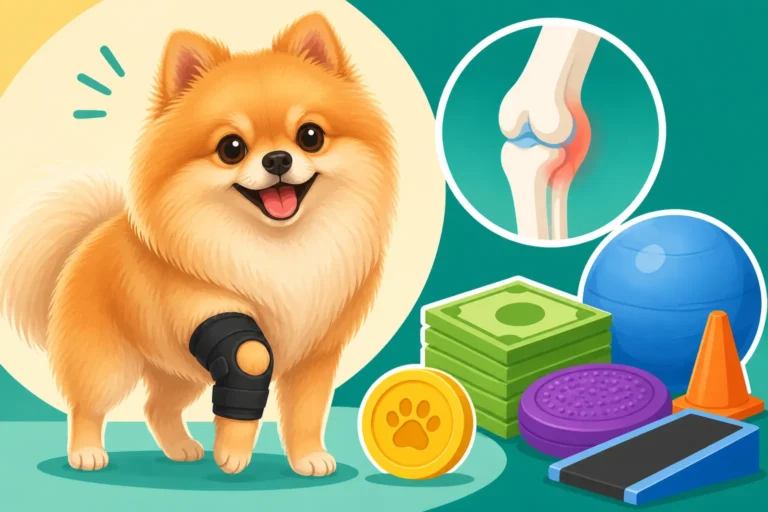
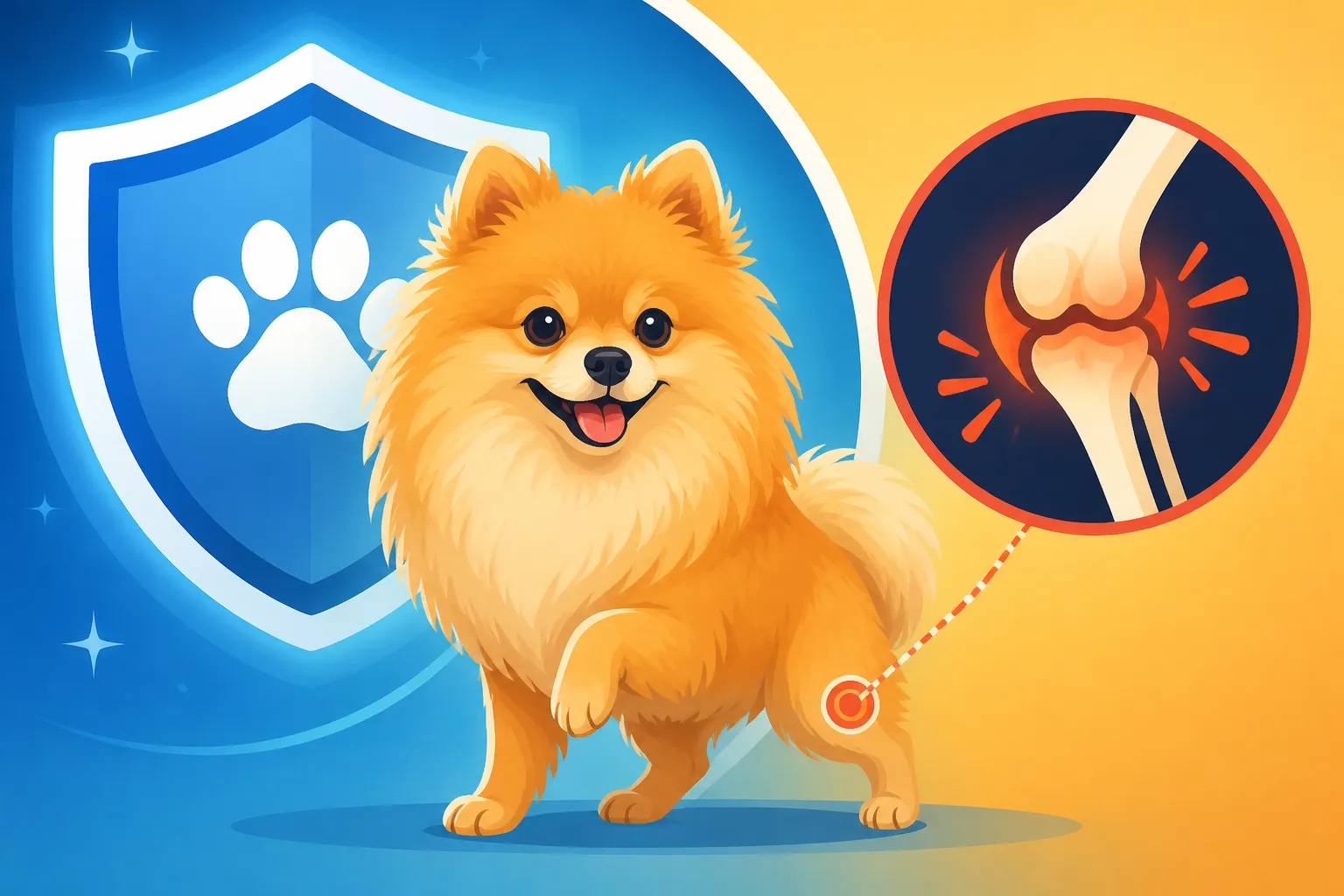
Imagine your own kneecap. It's supposed to sit snugly in a groove at the end of your thigh bone, moving up and down smoothly as you bend and straighten your leg. In a Pomeranian with a luxating patella, this kneecap (the patella) frequently slips out of that groove, either to the inside (medial luxation) or, less commonly, to the outside (lateral luxation). When it slips, it can cause immediate pain, lameness, and a distinctive "skip" in their step as they try to pop it back into place.
This isn't just a random occurrence; it's usually due to an anatomical abnormality, often present from birth, where the groove itself isn't deep enough, or the bones of the leg aren't perfectly aligned. Over time, the constant slipping can wear away cartilage, lead to arthritis, and even make your Pomeranian more susceptible to other injuries like a torn cruciate ligament. It’s a condition that can escalate, and the earlier it’s addressed, the better the outcome for your little one.
Why Pomeranians Are Prone to This Condition
It's a tough truth, but Pomeranians are genetically predisposed to luxating patellas. Their small size and specific skeletal structure, often carefully bred for appearance, can inadvertently contribute to this vulnerability. Many small and toy breeds share this unfortunate genetic lottery, and Poms are right up there with them. This isn't a reflection of poor care; it's often something they're born with, even if symptoms don't appear until later.
Beyond genetics, certain activities can exacerbate the condition. Think about the way a typical Pomeranian leaps off the sofa without a second thought, or makes quick, sharp turns during zoomies around the living room. While these are normal, joyful dog behaviors, repeated impacts and twists on an already compromised knee joint can hasten the onset of symptoms or worsen an existing mild luxation. Even climbing stairs regularly can put undue stress on these delicate joints. Why Jumping Off Furniture Wrecks a Pomeranian's Knees is a topic many Pom parents grapple with because they want their furry companions to be comfortable and safe. Understanding these factors helps us be more vigilant and proactive about their joint health.
Recognizing the Signs of Patellar Luxation
The good news is that luxating patellas often come with clear signs, even if they're subtle at first. The most common symptom is the "skip" or "hop" that your Pomeranian might do while walking or running. One moment they're trotting along, the next they lift a back leg for a few steps, then put it back down as if nothing happened. This is their way of trying to reset the kneecap. You might also notice them shaking a hind leg.
As the condition progresses, the signs can become more pronounced. You might observe persistent lameness, an inability or reluctance to bear weight on the affected leg, or even visible swelling around the knee. Your Pomeranian might cry out when the knee slips, indicating pain. If you gently touch their knee, you might feel a popping or grinding sensation. In severe cases, the leg might stay locked in an abnormal position. Being observant of these subtle changes in your Pomeranian's gait and behavior is crucial, as early detection can significantly impact treatment options and outcomes. If you notice any of these signs, a vet visit is definitely in order to get a proper diagnosis and discuss The Skip in a Pomeranian's Back Leg.
The Financial Impact of Patellar Luxation Without Insurance
Let's be real: veterinary care, especially for chronic or surgical conditions, can be incredibly expensive. Facing a luxating patella diagnosis without the safety net of pet insurance can add a significant layer of stress to an already worrying situation.
Diagnosis and Initial Treatment Costs
When you first notice your Pomeranian hopping or limping, your immediate thought is getting them to the vet. This initial visit alone comes with consultation fees. To confirm a luxating patella, your vet will perform a thorough physical examination, manipulating the knee joint to feel for the characteristic slipping. Often, X-rays will be recommended to assess the severity of the luxation, check for arthritis, and rule out other potential issues like hip dysplasia or even a fracture. These diagnostic imaging costs can quickly add up.
If the luxation is mild (Grade 1 or 2), your vet might initially recommend conservative management. This could include anti-inflammatory medications to manage pain and swelling, joint supplements to support cartilage health, and activity restriction to prevent further damage. Physical therapy or specific exercises might also be advised. While not as expensive as surgery, these ongoing costs for medication and supplements, possibly over several months or years, can still put a dent in your budget. It's a frustrating situation because you want to do everything you can, but the bills just keep coming.
Surgical Intervention and Recovery Expenses
For more severe cases, or when conservative management isn't enough, surgery often becomes necessary. This is where the costs can really skyrocket. Patellar luxation surgery involves reshaping the bone, deepening the groove, and adjusting soft tissues to keep the kneecap in place. It's a delicate procedure, especially on a tiny Pomeranian. The surgical bill itself can be substantial, covering the surgeon's fees, anesthesia, facility charges, and post-operative pain management. Knee Surgery Prices for a Pomeranian vary widely depending on your location and the complexity of the case, but it's rarely a small sum.
But the expenses don't stop once your Pomeranian leaves the operating table. Recovery is a critical period that requires dedicated care. This often includes multiple follow-up vet visits, continued pain medication, anti-inflammatories, and sometimes antibiotics. Physical rehabilitation, such as hydrotherapy or therapeutic exercises, is frequently recommended to strengthen the leg muscles and ensure a good recovery. These rehab sessions, often needed for weeks or even months, add significantly to the overall cost. Imagine trying to keep a lively Pomeranian calm and restricted for weeks – it’s a challenge both emotionally and financially.
Long-Term Management and Potential Complications
Even after successful surgery, the journey might not be over. A Pomeranian who has experienced a luxating patella, whether treated surgically or conservatively, is at a higher risk of developing arthritis in that joint later in life. This means ongoing management might be necessary, including daily joint supplements, periodic anti-inflammatory medications, and potentially other pain relief strategies. These are costs that can continue for the rest of your Pomeranian's The Twelve to Sixteen Years a Pomeranian Lives.
Furthermore, there's always the possibility of complications. The kneecap could reluxate, requiring further surgical intervention. The other knee might also develop luxation, meaning you're facing a similar expense and recovery process all over again. Whether a Pomeranian's Second Kneecap Follows is a valid concern for many owners. These long-term possibilities highlight why having a financial safety net from the start is so important. Without it, you might find yourself in the difficult position of having to choose between your Pomeranian's comfort and your financial stability.
The Strategy of Insuring Early: Before the Slip
This is the golden rule for pet insurance, especially with breeds known for specific conditions like luxating patellas. Getting your Pomeranian insured before any signs of knee issues appear is paramount.
How Pet Insurance Works with Pre-Existing Conditions
The single most crucial factor in pet insurance coverage is whether a condition is considered "pre-existing." For luxating patellas, this means if your Pomeranian shows any symptoms or receives a diagnosis of a slipping kneecap before your policy starts or during the waiting period, that condition will almost certainly be excluded from coverage. This is standard practice across nearly all pet insurance providers, including popular ones like Healthy Paws. They simply won't cover conditions that were already present.
This is why timing is everything. If you wait until you see that tell-tale skip or hop, or until your vet mentions the possibility of patellar luxation during a routine exam, it's likely too late for that specific issue to be covered. The goal is to enroll your Pomeranian when they are a healthy puppy, ideally as soon as you bring them home, to ensure that if a luxating patella develops later, it won't be deemed pre-existing. This proactive approach can literally save you thousands of dollars down the line and ensure you can always say "yes" to the best possible care for your furry family member.
Choosing the Right Policy for a Pomeranian
Not all pet insurance policies are created equal, and for a Pomeranian, you'll want to look for comprehensive coverage that includes both accidents and illnesses. Accident-only policies won't cover conditions like luxating patellas, as they are considered an illness or congenital condition, even if an accident exacerbates them. When researching, pay close attention to the details. Look for policies that cover hereditary and congenital conditions, which patellar luxation often falls under.
Consider factors like deductibles, reimbursement percentages, and annual limits. A higher deductible usually means lower monthly premiums, but you'll pay more out-of-pocket before coverage kicks in. Reimbursement percentages (e.g., 70%, 80%, 90%) determine how much of the covered vet bill the insurance company will pay back to you. Annual limits cap the total amount the policy will pay out in a year. Some policies also have specific limits for orthopedic conditions, so read the fine print carefully. Companies like Healthy Paws are known for their comprehensive accident and illness plans, often without per-incident caps, which can be very beneficial for ongoing conditions.
Maximizing the Value of Your Pet Insurance
Once you've chosen a policy, understanding how to use it effectively will help you get the most value. First, always make sure your annual wellness exams are up to date. Many insurance providers require regular vet check-ups to maintain coverage validity. Keep meticulous records of all vet visits, diagnoses, and treatments. This documentation is crucial when filing a claim.
Be proactive in communicating with your insurance provider. If your vet suggests a treatment plan or surgery, you can often get a pre-authorization from your insurer to confirm what will be covered and approximately how much you'll be reimbursed. This eliminates unwelcome surprises. Also, don't forget to factor in waiting periods. Most policies have an initial waiting period (e.g., 14 days for illnesses, often longer for orthopedic issues like patellar luxation) before coverage begins. Plan accordingly, ensuring your Pomeranian is enrolled well in advance of any potential issues. By being an informed and diligent policyholder, you can make sure your investment truly pays off when you need it most. What Pet Insurance Runs on a Pomeranian is a worthwhile question to explore fully.
Practical Steps for Enrolling Your Pomeranian
Taking the plunge into pet insurance can feel like a big decision, but it's a straightforward process that offers immense peace of mind.
When to Enroll Your Pomeranian Puppy
The best time to enroll your Pomeranian for pet insurance is as early as possible. Most insurance companies will allow you to enroll a puppy as young as 6 to 8 weeks old. This is typically before any signs of hereditary conditions like luxating patellas have a chance to manifest or be diagnosed. The younger your Pomeranian is when enrolled, the less likely they are to have any pre-existing conditions that would be excluded from coverage.
Think of it this way: your puppy is a clean slate. Any health issues that arise after the policy's waiting periods have passed will be covered, provided they aren't explicitly excluded by the policy terms (which is why reading the fine print is so important). Delaying enrollment, even by a few months, increases the risk that a vet visit for a slight limp or an early diagnosis could brand a potential luxating patella as pre-existing. Don't wait until a problem pops up; secure that coverage while your tiny bundle of joy is still just that – a tiny, healthy bundle.
What to Look for in a Policy Provider
Beyond coverage specifics, you want an insurance provider that offers excellent customer service and a user-friendly claims process. Check online reviews and ratings from other pet parents. Do they have a good reputation for paying claims promptly? Is their customer service team easy to reach and helpful? Many pet parents find it convenient to manage their policies and submit claims through online portals or mobile apps. Chewy, for example, often partners with pet insurance providers or offers its own plans, streamlining the process for those already familiar with their platform.
Consider providers that offer flexible plans that can be customized to your budget and your Pomeranian's needs. Some might offer wellness add-ons that cover routine care like vaccinations and annual check-ups, which, while not directly related to luxating patellas, can contribute to overall health and early detection of other issues. Providers like Ollie, known for their fresh dog food, also emphasize proactive health, aligning with the philosophy of early insurance. Don't hesitate to get quotes from several different companies to compare coverage and costs.
The Enrollment Process: Documentation and Waiting Periods
Enrolling your Pomeranian is usually a simple online process. You'll typically need to provide basic information about yourself and your pet, including their breed, age, and sometimes their medical history if they're older. The insurance company might request your Pomeranian's vet records to check for any pre-existing conditions. This is why it’s so important to have those records clean from any mention of knee issues before you apply.
Once enrolled, remember those waiting periods. There will usually be a short waiting period for accidents (often a few days) and a longer one for illnesses (typically 14-30 days). For orthopedic conditions like luxating patellas, some policies have even longer waiting periods, sometimes up to 6 months, or they might require an orthopedic exam during the waiting period. Understand these timelines clearly. You can't just buy a policy today and expect surgery coverage tomorrow if your Pomeranian develops an issue. Plan ahead, enroll early, and then you can rest easy knowing that if those little knees decide to act up, you've got a financial safety net in place.
Here’s a quick overview of how insurance generally handles pre-existing conditions:
| Condition Status | Insurance Coverage | Why It Matters for Pomeranians |
|---|---|---|
| Healthy at enrollment | Covered (after waiting periods) | Ideal scenario for luxating patellas; all conditions that develop later are covered. |
| Symptomatic/Diagnosed BEFORE enrollment | Not Covered (pre-existing exclusion) | If your Pom shows a limp or has been diagnosed, treatment for that knee will be excluded. |
| Symptomatic/Diagnosed DURING waiting period | Not Covered (pre-existing exclusion) | Even if not diagnosed before, if signs appear during the waiting period, it's considered pre-existing. |
| Minor, managed conditions (rarely) | May be covered with a special rider or after a long, symptom-free period. | Very unlikely for luxating patellas due to their structural nature. |
By taking the proactive step of insuring your Pomeranian while they are young and healthy, you’re not just buying a policy; you're investing in their future health and your peace of mind. It allows you to focus on getting them the best possible care, rather than agonizing over unexpected vet bills. You might also want to look into Whether a Pomeranian Needs Joint Support Early to prevent issues.
Remember, our little Poms are more than just pets; they're cherished family members. Preparing for their potential health needs, especially common breed-specific issues like luxating patellas, is just another way we show them how much we care. It's about being ready for whatever life throws at those tiny, happy bouncing legs. Grading Patellar Luxation in a Pomeranian is what your vet will do to determine the severity, and having insurance beforehand helps regardless of the grade.
Disclaimer
This article is for general informational purposes only and does not constitute professional advice. Laws, prices and regulations vary by location and change over time. Consult a qualified professional for guidance on your specific situation.