Why Jumping Off Furniture Wrecks a Pomeranian’s Knees
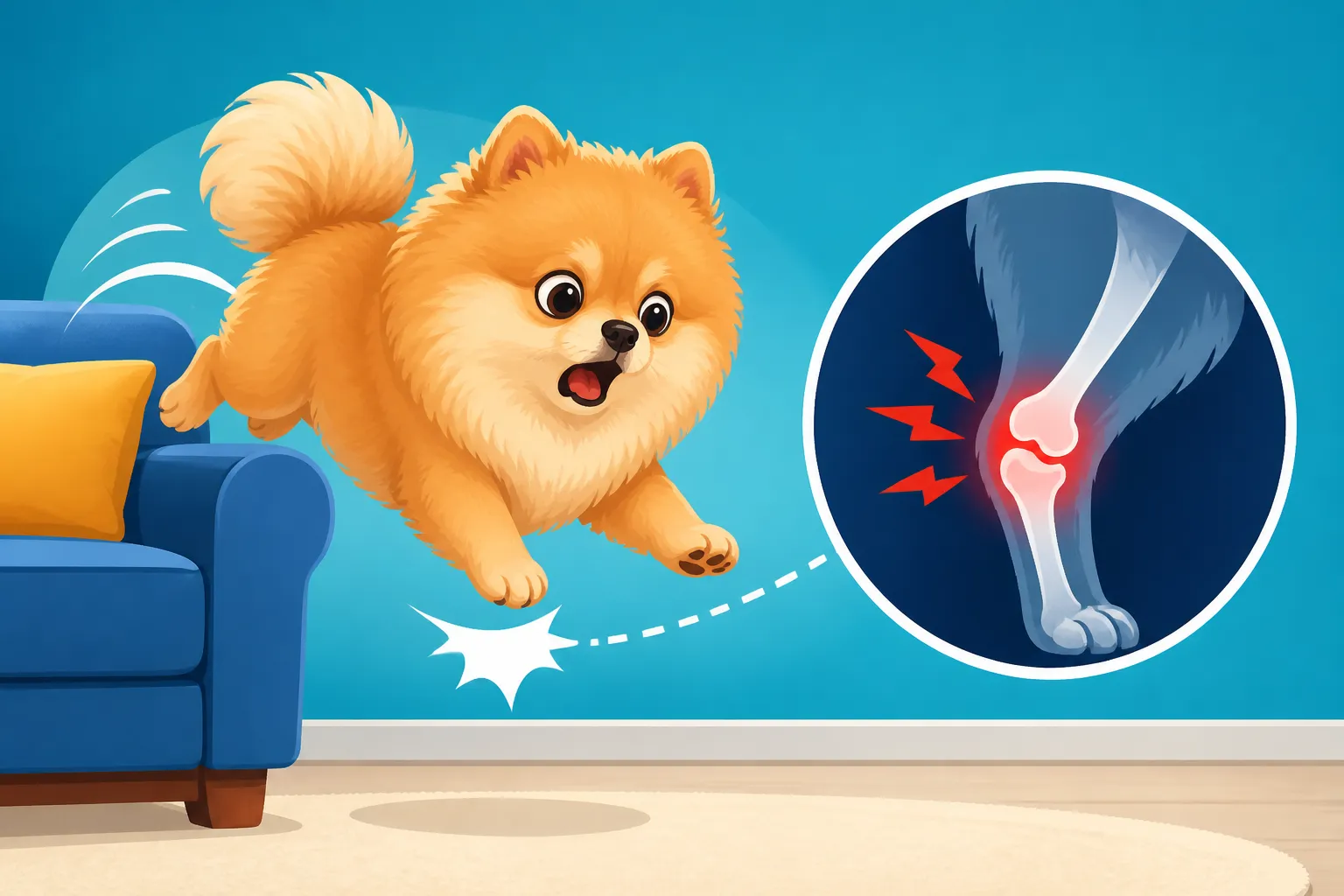
It’s a sight many of us Pomeranian parents know well: your fluffy little companion, full of boundless energy, leaping off the sofa, bounding down from the bed, or even making a daring jump from a low coffee table. It looks so effortless, so natural, and often, so adorable! But beneath that playful spirit lies a significant hidden risk. Those seemingly innocuous jumps can, over time or even in a single unlucky moment, wreak havoc on your Pomeranian's delicate knee joints, leading to painful and often costly conditions. This comprehensive guide is here to shed light on why jumping off furniture is such a threat to your Pom's knees and, more importantly, what you can do to protect them and ensure a long, comfortable life.
The Anatomy of a Pomeranian's Fragile Knees
Pomeranians, with their spirited personalities and diminutive size, are prone to certain orthopedic issues that larger breeds might not face in the same way. Their skeletal structure, particularly their knees, is uniquely vulnerable to the stresses of jumping and landing, making everyday furniture a potential hazard.
Understanding Patellar Luxation
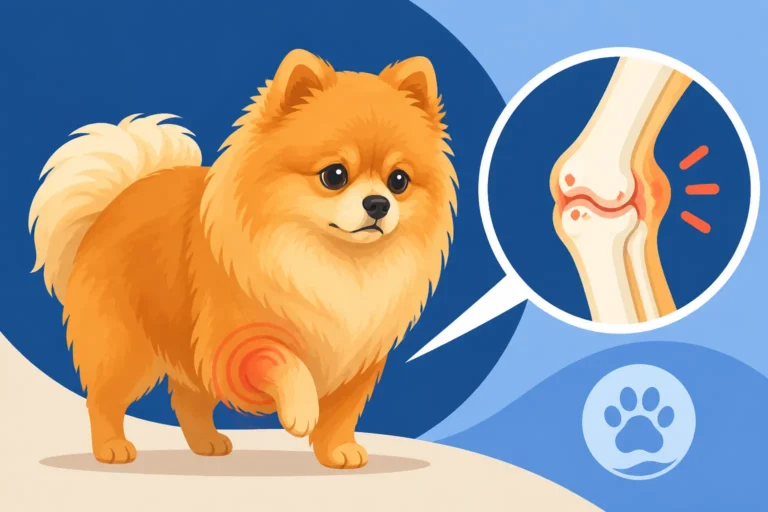
One of the most common knee problems in Pomeranians is patellar luxation, more commonly known as a "slipping kneecap." Imagine your kneecap (patella) as a small bone that normally rides in a groove at the end of the thigh bone (femur). It's supposed to stay put, gliding smoothly up and down as the leg bends and straightens. In patellar luxation, this kneecap slips out of its groove, either to the inside (medial luxation, most common in small breeds) or to the outside (lateral luxation).
When this happens, your Pomeranian might exhibit a characteristic "skip" in their step or suddenly hold up a hind leg for a few steps before putting weight on it again. While it might seem like a minor hiccup at first, especially if the kneecap pops back into place on its own, each time it luxates, it causes wear and tear on the cartilage and can stretch the ligaments. Over time, this repeated trauma can lead to significant pain, arthritis, and even more severe lameness. The condition is often congenital, meaning they're born with the predisposition, but environmental factors like jumping can certainly accelerate its onset and worsen its severity. You might want to learn more about Slipping Kneecaps in a Five Pound Pomeranian.
The Impact of Size and Structure
Pomeranians are toy breeds, typically weighing between 3 to 7 pounds. This tiny stature, while part of their charm, comes with a trade-off in musculoskeletal robustness. Their bones are delicate, and their joints are small. When a dog of this size jumps off something as "small" as a standard sofa (which might be 18-24 inches high), it's equivalent to a human jumping from a much greater height relative to their body size. The force exerted on landing is concentrated on these tiny, often underdeveloped knee joints.
Furthermore, many Pomeranians have shallow patellar grooves or slightly misaligned leg bones, which are structural issues that make luxation more likely. Their adorable, often slightly bow-legged or knock-kneed stance, while cute, can sometimes be an indicator of underlying structural predispositions that make their knees even more susceptible to injury from impacts. It's not just the height of the jump, but the angle and force of the landing on a leg that might already be predisposed to an issue.
The Mechanics of Jumping: Why It's So Harmful
It's easy to dismiss a quick hop off the bed, but understanding the biomechanics involved reveals why this seemingly harmless activity poses such a significant threat to your Pomeranian's delicate joints. Each jump is a small act of athleticism that puts considerable strain on their tiny bodies.
The Force of Impact
When your Pomeranian jumps off a piece of furniture, gravity takes over. As they descend, they accelerate, and upon landing, that kinetic energy has to go somewhere. It's absorbed by their legs, specifically their knee, hip, and ankle joints. For a small dog like a Pomeranian, a jump from even a foot or two off the ground results in an impact force that can be many times their body weight. Imagine a 5-pound Pomeranian jumping off a 20-inch sofa; the impact on each front and then hind leg can easily equate to 20-30 pounds of force concentrated on a joint meant to bear only a fraction of that in normal movement.
These forces cause jarring and compression within the joint, particularly on the patella and the surrounding cartilage. Over time, or with a single awkward landing, this can stretch ligaments, bruise bone, and even cause the kneecap to dislocate. This isn't just about the occasional big leap; even frequent small jumps can add up, creating micro-traumas that weaken the joint's integrity. It's a cumulative effect, slowly eroding the natural defenses of the knee.
Repetitive Strain Injury
It’s not often a single dramatic jump that causes the most damage, but rather the consistent, daily repetition of jumping on and off furniture. Think of it like a tiny, constant hammering on a fragile structure. Each time your Pomeranian jumps down, even if they land perfectly, there's a degree of stress applied to the ligaments, tendons, and cartilage within the knee. Over months and years, this leads to a condition known as repetitive strain injury.
The joint tissues, which are designed for smooth, controlled movement, are not meant to absorb high-impact forces repeatedly. This constant strain can cause microscopic tears in ligaments, irritate the joint capsule, and gradually wear down the protective cartilage that cushions the bones. The body tries to repair these tiny injuries, but if the trauma is ongoing, it can’t keep up, leading to chronic inflammation, pain, and the development of degenerative joint disease, or arthritis. This is why even if your Pom hasn't shown immediate signs of injury, the long-term effects of frequent jumping are still a serious concern, particularly as they age.
Accidental Missteps and Twists
Beyond the predictable forces of landing, there’s always the risk of an accidental misstep or twist during a jump. Pomeranians, being agile but also sometimes a little clumsy, can easily land at an awkward angle, stumble, or misjudge their footing. A slight twist of the leg upon impact can put enormous rotational stress on the knee joint, which is designed primarily for flexion and extension, not twisting.
Such sudden, acute movements can cause immediate and severe injury. This might include a complete dislocation of the patella, a tear in one of the cruciate ligaments (similar to an ACL injury in humans), or even fractures in the delicate bones. These types of injuries are usually very painful and require immediate veterinary attention, often leading to surgical intervention. Unlike the gradual onset of repetitive strain, an acute injury from a bad jump can happen without warning, turning a fun afternoon into a medical emergency. You may hear your vet discuss Grading Patellar Luxation in a Pomeranian and the potential for a sudden worsening of condition due to an acute event.
Recognizing the Signs of Knee Problems
As a loving Pomeranian parent, being attuned to your dog's movements and behaviors is crucial, especially when it comes to subtle signs of pain or discomfort. Early detection of knee problems can make a significant difference in management and outcome.
Early Warning Signals
The first indications of a luxating patella or other knee issues are often subtle and can easily be missed if you're not paying close attention. One of the most common early signs is a sudden "skip" or hop in your Pomeranian's gait, often followed by them holding one hind leg up for a few steps before returning it to the ground. This usually happens when the kneecap slips out and then pops back into place. Your Pom might also become reluctant to jump onto or off furniture, or you might notice them hesitating before using stairs. They may also show a decreased interest in their usual playful activities or seem a little less enthusiastic on walks.
Sometimes, the only sign is a subtle shift in weight distribution or a slight stiffness after rest. They might shake their leg, or you might hear a faint clicking sound as they walk. These are not always obvious limps, which can be perplexing for owners. It's important to remember that dogs are masters at hiding pain, so any change in their movement or usual activity level warrants investigation. Pay close attention to The Skip in a Pomeranian's Back Leg as it’s often the first symptom.
Progression of Symptoms
If early signs are ignored or go unnoticed, knee problems tend to progress, leading to more pronounced and consistent symptoms. The "skip" in their step might become more frequent and last longer, or your Pomeranian might start limping noticeably. They might favor one leg consistently, putting less weight on it. As the condition worsens, chronic inflammation and arthritis can set in, leading to persistent pain, stiffness, and reduced range of motion in the affected joint.
You might observe a change in their posture, where they try to compensate for the discomfort by shifting their weight, which can, in turn, put strain on other joints or their spine. Muscle atrophy in the affected leg can also occur, making the leg appear thinner. A Pomeranian who was once eager to greet you at the door might now struggle to get up, or they might cry out in pain when touched or when attempting certain movements. At this point, the impact on their quality of life becomes undeniable, and veterinary intervention is no longer just recommended, but essential.
When to Seek Veterinary Attention
It's always better to err on the side of caution when you notice any of these signs. Don't wait until your Pomeranian is in obvious distress. As soon as you suspect a problem with their knees—whether it's an occasional skip, reluctance to jump, or any change in gait or activity—schedule an appointment with your veterinarian. Early diagnosis allows for a wider range of treatment options and can significantly slow the progression of joint degeneration.
Your vet will perform a thorough physical examination, including palpating the knee joints to check for instability and pain. They might manipulate the leg to see if the patella luxates. X-rays may also be recommended to assess the severity of any existing luxation, check for arthritic changes, and rule out other potential orthopedic issues. Remember, your vet is your best partner in ensuring your Pom's health and comfort, and they can advise you on whether your Pomeranian's kneecap needs surgery or if conservative management is a viable option.
| Patellar Luxation Grade | Description | Clinical Signs | Prognosis & Treatment |
|---|---|---|---|
| Grade I | Patella can be manually luxated but returns spontaneously. | Occasional skip or lameness, often asymptomatic. | Good prognosis with conservative management, monitoring. |
| Grade II | Patella luxates spontaneously and remains luxated until reduced manually or by movement. | More frequent skipping, intermittent lameness, occasional holding leg up. | May benefit from surgery if symptoms are bothersome, otherwise conservative management. |
| Grade III | Patella is luxated most of the time but can be manually reduced. | Persistent lameness, mild to moderate pain, bowed legs may be noticeable. | Surgery often recommended for improved function and pain relief. |
| Grade IV | Patella is permanently luxated and cannot be manually reduced. | Severe lameness, significant pain, crouching stance, severely deformed limbs. | Surgical correction is complex, prognosis guarded; focus on pain management and mobility. |
Preventing Knee Injuries in Your Pomeranian
The good news is that many knee injuries in Pomeranians are preventable with proactive measures. As their guardian, you have a significant role to play in creating an environment that supports their joint health and minimizes risks.
Creating a Safe Environment
The most direct way to prevent jumping-related injuries is to eliminate the need for your Pomeranian to jump off high places. This means making your home safer for their small stature. Invest in dog-friendly ramps or steps for all furniture your Pom regularly accesses, such as sofas, beds, and even certain chairs. There are many stylish and effective options available, from soft foam ramps to sturdy wooden steps, designed specifically for small breeds. You can explore Ramps for a Pomeranian That Jumps Off the Sofa to find suitable options.
Consider restricting access to particularly high or unstable furniture entirely. This might involve using baby gates to block off certain rooms when you're not supervising or simply teaching your Pomeranian that certain furniture is off-limits. The goal is to make it easy and safe for them to get up and down without putting undue stress on their knees. This simple environmental modification can drastically reduce the cumulative impact on their joints over their lifetime.
Managing Weight and Exercise
Maintaining a healthy weight is paramount for your Pomeranian's joint health. Even a few extra ounces can put significant additional strain on their tiny knees. An overweight Pomeranian is at a much higher risk for developing or worsening patellar luxation, as well as experiencing more severe arthritis. Talk to your veterinarian about the ideal weight range for your individual Pomeranian and establish a feeding plan that helps them stay trim. This might involve portion control, switching to a lower-calorie small breed food, or limiting treats.
Beyond weight, appropriate exercise is key. While you want to avoid high-impact activities like jumping, regular, moderate exercise helps keep the muscles around the knee strong and supportive. Short, frequent walks on a leash, supervised play sessions on soft surfaces, and gentle indoor games are ideal. Activities like running and fetching on uneven ground or concrete should be limited. Strong leg muscles help stabilize the kneecap, reducing the chances of luxation. However, be mindful not to overdo it, especially with a young puppy, as their growth plates are still developing.
Nutritional Support and Supplements
A well-balanced diet provides the foundational nutrients for overall health, including joint health. Choose a high-quality small breed dog food that meets their specific nutritional needs. Some foods even include joint-supporting ingredients like glucosamine and chondroitin, though the amounts may be negligible.
For Pomeranians prone to knee issues or as a proactive measure, your veterinarian might recommend specific joint supplements. These often contain ingredients like glucosamine, chondroitin, MSM, and Omega-3 fatty acids, which are believed to support cartilage health, reduce inflammation, and improve joint lubrication. While supplements aren't a cure-all and their effectiveness can vary, they can be a valuable part of a comprehensive joint care plan, especially when your vet recommends them. Discuss with your vet if Whether Joint Support Helps a Pomeranian's Knees is right for your furry friend, and which specific brands they recommend. Many pet insurance providers, like Healthy Paws, recognize the importance of proactive care and may even have resources or plans that help cover the costs of vet-recommended supplements or physical therapy to maintain joint health.
Treatment Options for Luxating Patellas
Despite all the preventative measures, sometimes a Pomeranian's knees still develop issues. The good news is that there are several treatment options available, ranging from conservative management to surgical intervention, designed to alleviate pain and improve your dog's quality of life. The choice of treatment often depends on the grade of luxation and the severity of clinical signs.
Conservative Management
For Pomeranians with Grade I or some Grade II patellar luxation, especially if the symptoms are intermittent or mild, your veterinarian might recommend conservative management. This approach focuses on pain relief, reducing inflammation, and strengthening the surrounding muscles without surgery. It typically includes a combination of strategies:
- Weight Management: As mentioned before, keeping your Pomeranian at a lean, healthy weight is critical to reduce stress on the joints.
- Controlled Exercise: Low-impact activities like short, regular walks and swimming can help build muscle without jarring the joints. Avoid activities that involve jumping, twisting, or sudden stops and starts.
- Anti-inflammatory Medications: Your vet may prescribe Non-Steroidal Anti-Inflammatory Drugs (NSAIDs) to manage pain and inflammation, especially during flare-ups.
- Joint Supplements: Glucosamine, chondroitin, and Omega-3 fatty acids can help support cartilage health and reduce inflammation, often used long-term.
- Physical Therapy: Specialized exercises, massage, and hydrotherapy can strengthen muscles, improve range of motion, and reduce pain. A certified canine rehabilitation therapist can design a tailored program.
The goal of conservative management is to keep your Pomeranian comfortable and functional, minimizing the progression of arthritis. However, it's important to understand that it doesn't correct the anatomical defect that causes the luxation.
Surgical Interventions
For Pomeranians with more severe luxation (typically Grade II with significant symptoms, Grade III, and Grade IV), or those who don't respond well to conservative management, surgical correction is often the recommended course of action. The primary goal of surgery is to stabilize the patella within its trochlear groove, preventing it from slipping out. Several surgical techniques may be used, often in combination:
- Trochlear Groove Deepening: The surgeon deepens the groove in the femur where the patella sits, creating a more secure channel.
- Tibial Tuberosity Transposition: The bony attachment of the patellar ligament on the tibia is cut and repositioned to a more appropriate alignment, then reattached with pins. This corrects the angle of pull on the kneecap.
- Fascial Release/Capsular Overlap: Tissues on the side of the luxation may be released to reduce tension, while tissues on the opposite side may be tightened to help hold the patella in place.
- Corrective Osteotomy: In severe cases, where the femur or tibia itself is deformed, bone cuts may be necessary to realign the limb.
The specific combination of procedures will depend on the individual anatomy and severity of the luxation. Surgery can be highly effective in reducing pain, restoring normal limb function, and preventing or slowing the progression of arthritis. While Knee Surgery Prices for a Pomeranian can be a significant investment, the improvement in your dog's quality of life is often priceless.
Post-Surgery Care and Rehabilitation
Surgery is only the first step in the recovery process. The success of the surgery heavily relies on meticulous post-operative care and rehabilitation. Your Pomeranian will typically need a period of strict rest and activity restriction, usually 6-8 weeks, to allow the bone and soft tissues to heal. This means no jumping, running, or uncontrolled play. They will need to be leash-walked for bathroom breaks, often with support, and prevented from climbing stairs.
Your vet will provide specific instructions regarding pain medication, wound care, and follow-up appointments. Physical therapy often begins shortly after surgery, initially with passive range-of-motion exercises and progressing to controlled active exercises as healing advances. This helps prevent muscle atrophy, improve joint flexibility, and strengthen the limb. Full recovery can take several months, but with dedicated care, many Pomeranians regain excellent function and lead pain-free lives. You can find more specific advice on Recovery After a Pomeranian's Knee Surgery.
Living with a Pomeranian Prone to Knee Issues
Even after successful treatment, managing a Pomeranian with a history of knee problems requires ongoing vigilance and a commitment to their long-term well-being. It's about adapting their lifestyle to support their joint health and ensuring they can still live a full, happy life.
Long-Term Management and Monitoring
Whether your Pomeranian has undergone surgery or is managed conservatively, long-term care is essential. Regular veterinary check-ups are crucial to monitor the condition of their knees, assess for any signs of arthritis, and adjust their treatment plan as needed. Your vet will likely want to check their gait, palpate their knees, and discuss any changes you've observed at home.
Continuing with joint supplements, maintaining an ideal weight, and providing a joint-friendly environment (ramps, steps) should become permanent parts of your routine. You might also want to explore gentle canine physical therapy exercises that you can do at home to help maintain muscle strength and flexibility. Be proactive about managing pain; if you notice your Pom seems stiffer or more reluctant to move, don't hesitate to contact your vet. Early intervention for any new or worsening symptoms can prevent more severe issues down the line. It's also worth understanding The Age a Pomeranian's Kneecap First Slips to know when to start monitoring more closely.
Quality of Life Considerations
A Pomeranian with knee issues can still enjoy a fantastic quality of life, but it requires mindful management. The key is to find a balance between protecting their joints and allowing them to engage in activities they enjoy. This means providing appropriate outlets for their energy that don't put excessive strain on their knees. Consider things like:
- Mental Stimulation: Puzzle toys, training sessions, and interactive games can keep their minds engaged, which is just as important as physical exercise.
- Safe Play: Engage in gentle play sessions on soft carpets or grass, avoiding rough-housing or games that involve high jumps or sudden twists.
- Comfortable Resting Places: Provide orthopedic beds that offer good support for their joints, helping to alleviate pressure points and reduce stiffness.
- Socialization: Continue to socialize your Pomeranian, ensuring they have positive interactions with other small, gentle dogs in controlled environments.
The goal isn't to restrict their life, but to adapt it. A happy Pomeranian is one whose physical limitations are well-managed, allowing their cheerful personality to shine through without the shadow of constant pain or discomfort.
Financial Planning for Potential Vet Bills
Orthopedic issues, especially those requiring surgery or ongoing management, can incur significant veterinary expenses. It's a harsh reality that many pet parents face. Planning for these potential costs is a responsible step in Pomeranian ownership.
Pet Insurance is one of the best ways to mitigate the financial burden of unexpected health issues. Look for a comprehensive policy that covers accidents and illnesses, and specifically inquire about coverage for conditions like patellar luxation. While most policies won't cover pre-existing conditions, if you get insurance when your Pomeranian is young and healthy, it can provide invaluable peace of mind later on. Companies like Healthy Paws are known for their comprehensive coverage, which can be a lifeline for owners facing substantial vet bills, whether it's for an acute injury or chronic management. They could make a significant difference when considering Insuring a Pomeranian That Needs Dental Work Yearly and other ongoing health costs.
Another strategy is to set aside a dedicated emergency fund specifically for your pet's health. Even a small amount saved regularly can grow into a substantial fund over time. Discussing payment plans with your veterinarian or exploring veterinary financing options like CareCredit are also avenues to consider if unexpected costs arise. Being financially prepared helps ensure that you can always make the best health decisions for your beloved Pomeranian without added stress.
Disclaimer
The information provided in this article is for general informational purposes only and is not intended as a substitute for professional veterinary advice. Always consult with a qualified veterinarian regarding any health concerns or before making any decisions about your pet's medical care.