Whether a Male or Female Pomeranian Lives Longer
It's a common question many of us Pomeranian parents ponder: do our male or female fluff balls tend to stick around longer? We want to maximize every precious moment with our pint-sized companions, and understanding any potential differences in lifespan between the sexes feels like a crucial piece of that puzzle. This guide dives deep into the factors that truly influence a Pomeranian's longevity, addressing the male versus female question head-on and giving you the realistic insights you need to help your beloved Pom live its longest, healthiest life.
Unpacking the Lifespan Question for Male and Female Pomeranians
When we talk about the overall lifespan of our beloved Poms, the good news is that they are generally a long-lived breed. Many Poms enjoy a hearty existence, often living for more than ten years, with some even reaching their late teens! You can read more about this in The Twelve to Sixteen Years a Pomeranian Lives. However, the specific question of whether a male or female Pomeranian inherently lives longer isn't as straightforward as some might hope, and the answer often comes down to a nuanced interplay of genetics, individual care, and the proactive health choices we make as owners.
While some anecdotal evidence or old wives' tales might suggest one sex outlives the other, current veterinary consensus and breed-specific health data generally indicate that there isn't a significant, consistent difference in the average lifespan between male and female Pomeranians when all other factors are equal. What does make a substantial difference are elements like responsible breeding, diet, exercise, and, perhaps most importantly, spaying or neutering. These factors can often overshadow any inherent biological predisposition tied to sex alone.
The Role of Genetics and Early Breeding Choices
No matter the sex, a Pomeranian's genetic blueprint plays a foundational role in its potential lifespan. A puppy from a reputable breeder who screens for common health issues like luxating patellas, heart defects, and dental problems is already starting life with a distinct advantage. These inherited conditions can severely impact a Pom's quality of life and longevity, regardless of whether they're male or female.
For instance, conditions like the heart defect known as Patent Ductus Arteriosus (PDA) or severe forms of luxating patellas are not sex-linked. A Pomeranian with a genetic predisposition to these issues, whether male or female, faces a higher risk of a shorter, more complicated life. This is why understanding How Long a Well Bred Pomeranian Actually Lives often points back to the breeder's practices. Investing in a puppy from health-tested parents can mitigate many of these risks from the outset.
On the flip side, "backyard breeders" or puppy mills often prioritize profit over health, leading to Poms with hidden genetic weaknesses that can emerge later in life. These dogs, whether male or female, are simply starting behind the eight ball when it comes to longevity. It's a sobering thought, but the choices made before you even bring your puppy home can heavily influence its future health trajectory.
Impact of Spaying and Neutering on Longevity
This is arguably the single most impactful factor directly related to sex that influences a Pomeranian's lifespan. The decision to spay your female Pom or neuter your male Pom can dramatically alter their health risks and, consequently, their longevity.
For female Pomeranians, spaying (ovariohysterectomy) removes the uterus and ovaries. This procedure eliminates the risk of several serious, life-threatening conditions:
- Pyometra: A uterine infection that is extremely common in intact older females and can be rapidly fatal if not treated surgically and promptly. It's a huge concern that disappears entirely with spaying.
- Mammary Tumors: While not all mammary tumors are malignant, spaying a female before her first heat cycle significantly reduces her risk of developing them later in life. The risk increases with each subsequent heat cycle.
- Ovarian and Uterine Cancers: Though less common, these cancers are completely prevented by removing the organs.
For male Pomeranians, neutering (orchiectomy) removes the testicles. This procedure also mitigates significant health risks:
- Testicular Cancer: This is completely prevented by neutering. For male Poms, especially those with undescended testicles (cryptorchidism), this risk is particularly relevant.
- Prostate Problems: Neutering greatly reduces the likelihood of benign prostatic hyperplasia (enlarged prostate), prostate infections, and certain prostate cancers in older males.
- Behavioral Risks: While not directly a "health" issue, neutered males are less likely to roam, get into fights, or get hit by cars, all of which are common risks for intact males seeking mates.
You can delve further into how this decision impacts your female Pom's future in Whether Spaying Changes a Pomeranian's Lifespan. The benefits of spaying and neutering are so substantial in reducing specific health risks that they often level the playing field, if not tip it in favor of altered animals, regardless of their original sex.
Common Health Issues Affecting Both Male and Female Pomeranians
Beyond the sex-specific conditions, many of the most prevalent health issues in Pomeranians affect both males and females equally. These conditions are often chronic and, if not managed properly, can significantly shorten a Pom's life or severely impact its quality. Understanding and proactively addressing these is key to a long, happy life for any Pomeranian.
Dental Disease: A Silent Killer
Pomeranians, with their tiny mouths, are incredibly prone to dental disease. Their teeth are often crowded, making them magnets for plaque and tartar buildup. This isn't just about bad breath; severe dental disease can lead to painful infections, tooth loss, and systemic health problems. Bacteria from infected gums can enter the bloodstream and affect vital organs like the heart, kidneys, and liver.
Regular dental care, including daily brushing at home and professional veterinary cleanings, is paramount. Many vets recommend yearly dental check-ups and cleanings under anesthesia for most small breeds starting around 2-3 years of age, or even earlier if needed. Neglecting a Pom's teeth is one of the most common ways to shave years off their life, regardless of their sex. For more detailed insights, check out Dental Disease in a Mouth the Size of a Pomeranian's. Maintaining good oral hygiene can be a significant investment, and pet insurance providers like Healthy Paws can often help with the costs of routine dental cleanings and unexpected extractions.
Tracheal Collapse: A Breed-Specific Concern
The "honking cough" associated with tracheal collapse is a well-known issue in Pomeranians. This condition, where the cartilage rings of the windpipe weaken and flatten, restricts airflow. It's not sex-linked and affects both male and female Poms. Severity can range from mild, occasional coughing to severe respiratory distress.
While medical management with cough suppressants, anti-inflammatories, and weight control is often the first line of defense, severe cases may require surgical intervention. Obesity can significantly worsen tracheal collapse, so keeping your Pom at a healthy weight is crucial. Using a harness instead of a collar can also help reduce pressure on the windpipe. Understanding The Honking Cough of a Pomeranian's Collapsing Windpipe is vital for any Pom owner.
Luxating Patellas: The Skipping Kneecap
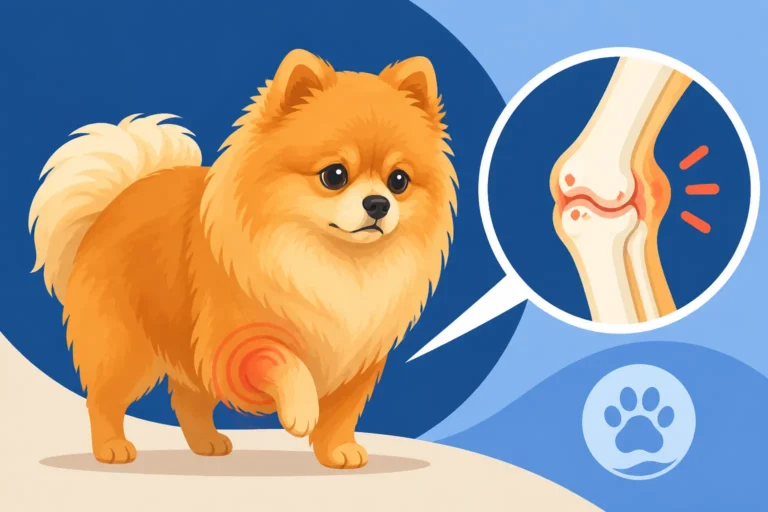
Luxating patellas, or "slipping kneecaps," are another common orthopedic issue in Pomeranians, affecting both males and females. This condition occurs when the kneecap (patella) moves out of its normal groove. It's often graded from 1 (mild) to 4 (severe). While mild cases might only cause an occasional skip in gait, more severe cases can lead to pain, arthritis, and even lameness.
Genetics play a huge role here, emphasizing once again the importance of choosing a responsible breeder. Preventing excessive jumping from furniture or off laps can help reduce stress on the knee joints. Surgery is often recommended for higher-grade luxations to prevent long-term damage and improve quality of life. Exploring topics like Slipping Kneecaps in a Five Pound Pomeranian can give you a deeper understanding of this common ailment.
Heart Conditions: Monitoring for Murmurs
Several heart conditions can affect Pomeranians, with some being congenital (present from birth) and others developing with age. Patent Ductus Arteriosus (PDA) is a congenital heart defect seen in puppies that can be life-threatening if not corrected. Later in life, conditions like mitral valve disease can become an issue for older Poms.
Regular veterinary check-ups are essential for detecting heart murmurs early, which can be an indication of an underlying heart problem. Early diagnosis and management, sometimes with medication, can help extend a Pom's life. While some heart conditions can have a genetic component, they are not typically sex-linked and affect male and female Poms indiscriminately. The overall health of the Pomeranian, regardless of sex, is highly tied to how well these common issues are managed.
Optimizing Lifespan Through Holistic Care
Given that the direct "male vs. female" question doesn't yield a clear, consistent answer in terms of longevity, the focus should shift to holistic care practices that benefit all Pomeranians. By diligently attending to these aspects, you can significantly increase the chances of your furry friend reaching the higher end of the breed's typical lifespan.
Nutrition and Weight Management
What and how much your Pomeranian eats has a profound impact on its health and longevity. Obesity is a major risk factor for many conditions, including diabetes, heart disease, joint problems (which can exacerbate luxating patellas), and respiratory issues like tracheal collapse.
Pomeranians are small dogs, and it's easy to overfeed them. Even a few extra ounces can be detrimental to their tiny frames. Feeding a high-quality, balanced diet appropriate for their age and activity level is crucial. Consult with your vet to determine the ideal caloric intake and consider measuring food carefully rather than free-feeding. Look for small breed formulas that cater to their unique needs. Regular exercise, even gentle walks and indoor play, helps maintain a healthy weight. Remember, a healthy weight is one of the easiest ways to help your Pom avoid The Conditions That Take Years Off a Pomeranian.
Regular Veterinary Care and Preventative Measures
Annual (or semi-annual for seniors) veterinary check-ups are non-negotiable. These visits allow your vet to catch potential health problems early, before they become severe and more difficult, or costly, to treat. This includes checking their teeth, listening to their heart and lungs, palpating their joints, and discussing any behavioral or physical changes you've noticed.
Vaccinations, parasite prevention (flea, tick, and heartworm), and routine blood work are all part of preventative care that protects your Pom from diseases that could shorten its life. For older Poms, these check-ups become even more critical, as early detection of conditions like kidney disease or a slowing thyroid can make a huge difference in management and outcome. Considering the potential costs of unexpected health issues, having a robust pet insurance plan like Healthy Paws can provide peace of mind and ensure you can always afford the best care for your Pom, whether it's routine diagnostics or emergency surgery.
Table: Preventative Care Checklist for Pomeranians
| Aspect of Care | Male Pomeranian | Female Pomeranian | General Importance |
|---|---|---|---|
| Spay/Neuter | Neutering prevents testicular cancer, reduces prostate issues. | Spaying prevents pyometra, mammary/ovarian/uterine cancers. | Highly recommended to prevent sex-specific cancers and infections, reducing behavioral risks. |
| Dental Care | Daily brushing, professional cleanings as needed. | Daily brushing, professional cleanings as needed. | Prevents systemic infections and pain, crucial for overall health and longevity. |
| Vaccinations | Core vaccines (Distemper, Parvo, Adenovirus, Rabies). | Core vaccines (Distemper, Parvo, Adenovirus, Rabies). | Protects against infectious diseases that can be fatal. |
| Parasite Prevention | Heartworm, flea, and tick prevention. | Heartworm, flea, and tick prevention. | Prevents serious diseases transmitted by parasites. |
| Weight Management | Balanced diet, regular exercise to maintain ideal weight. | Balanced diet, regular exercise to maintain ideal weight. | Crucial for preventing obesity-related illnesses (diabetes, joint issues, tracheal collapse). |
| Joint Health | Monitor for lameness, consider joint supplements if recommended. | Monitor for lameness, consider joint supplements if recommended. | Proactive management of conditions like luxating patellas. |
| Cardiac Screening | Regular vet check-ups for murmurs, potential screenings. | Regular vet check-ups for murmurs, potential screenings. | Early detection of heart conditions for better management. |
Safe Environment and Enrichment
A safe home environment minimizes risks of injury. Because of their small size, Pomeranians are vulnerable to accidental falls from high places (like sofas or beds, especially if they have Why Jumping Off Furniture Wrecks a Pomeranian's Knees), being stepped on, or encountering hazards in the yard. Puppy-proofing your home, providing dog steps or ramps, and supervising playtime are simple yet effective ways to prevent accidents.
Mental and physical enrichment are also vital. While Poms don't need extensive hikes, regular short walks, playtime with appropriate toys, and mental challenges (like puzzle feeders) keep them happy, engaged, and physically fit. A stimulated Pom is less likely to develop stress-related issues that can indirectly impact health. Ensuring their safety and engagement contributes to a well-rounded life, whether they are a male or female.
The Human-Animal Bond: Love and Attention
Perhaps the most understated factor in a Pomeranian's longevity is the quality of the human-animal bond. Poms thrive on companionship and attention. A dog that feels loved, secure, and is an integral part of the family is generally less stressed and happier. This emotional well-being has tangible benefits on their physical health, strengthening their immune system and overall resilience. Spending quality time, providing consistent care, and simply being there for your Pomeranian contribute immensely to their overall health and happiness, helping them reach their full lifespan potential. This connection is priceless, regardless of whether you have a male or female companion. For owners who are dedicated to their pet's long-term health, understanding the financial commitment, like The Eighteen Thousand Dollar Lifetime of a Pomeranian, is also important, ensuring care continues throughout their senior years.
In essence, while the intrinsic biological difference in lifespan between male and female Pomeranians is minimal, the proactive choices and dedicated care you provide can profoundly influence how long and how well your furry family member lives. From responsible breeding to spaying/neutering, excellent nutrition, consistent vet care, and a loving home, these are the true keys to a long life for any Pomeranian.
Final Thoughts on Pomeranian Longevity
Ultimately, whether you share your home with a male or female Pomeranian, the length of their life is far more dependent on the quality of care they receive than on their sex. There isn't a significant, inherent biological advantage that male Poms have over females, or vice-versa, when it comes to longevity.
Instead, the true determinants lie in responsible ownership: choosing a puppy from health-tested lines, ensuring they are spayed or neutered to prevent sex-specific diseases, maintaining a healthy weight through proper nutrition and exercise, providing consistent preventative veterinary care including early detection of breed-prone issues like dental disease or luxating patellas, and offering a safe, stimulating, and loving home environment. These are the practices that truly allow all Pomeranians to thrive and live out their full, vibrant lives. Whether you're thinking about Keeping a Pomeranian Going Past Fourteen or just ensuring your young pup has the best start, these fundamentals remain the same.
Disclaimer
This article is for general informational purposes only and does not constitute professional advice. Laws, prices and regulations vary by location and change over time. Consult a qualified professional for guidance on your specific situation.