Pomeranians That Live Past Seventeen
It's heartbreaking to imagine our tiny Poms leaving us, especially when they're still so full of life and bounce. Many of us hope for those golden years, seeing our furry companions thrive into true elders, but truly, having a Pomeranian live past seventeen years old feels like hitting the absolute jackpot. This guide is all about how to stack the odds in your favor, focusing on the dedicated care, vigilant observation, and understanding that can help your beloved Pom defy expectations and enjoy an exceptionally long, vibrant life.
The Reality of Pomeranian Lifespan
When we bring a fluffy Pomeranian puppy into our lives, it's easy to feel like they'll be with us forever. The reality, however, is that even with the best care, their time with us is limited. Knowing the typical lifespan helps us appreciate every moment and understand what it truly takes for a Pom to become a super senior.
Average Lifespan Versus Exceptional Longevity
Most well-cared-for Pomeranians generally live between The Twelve to Sixteen Years a Pomeranian Lives. This range represents a fantastic run for a small breed dog, especially considering some of the genetic predispositions they carry. Within this window, many Poms enjoy active, happy lives, slowing down gradually as they approach the higher end of the spectrum. Reaching 17 years old, or even beyond, is quite rare and truly makes a Pom an outlier, a testament to exceptional genetics, stellar care, and a little bit of luck.
It’s important to manage expectations, of course. While we all want our Poms to live forever, focusing on quality of life throughout their standard lifespan is paramount. However, by understanding what factors contribute to longevity, we can certainly maximize their chances of being one of those extraordinary Poms who celebrates many, many birthdays. These super seniors often maintain a surprising level of vigor, though their pace of life certainly slows down. They might still enjoy short walks, cuddle sessions, and their favorite treats, but require more rest and very specific accommodations.
Genetic Predispositions and Lifespan Impact
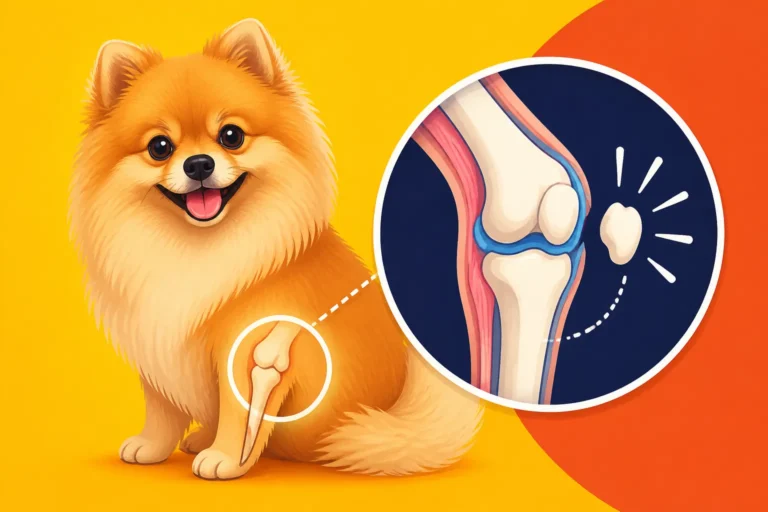
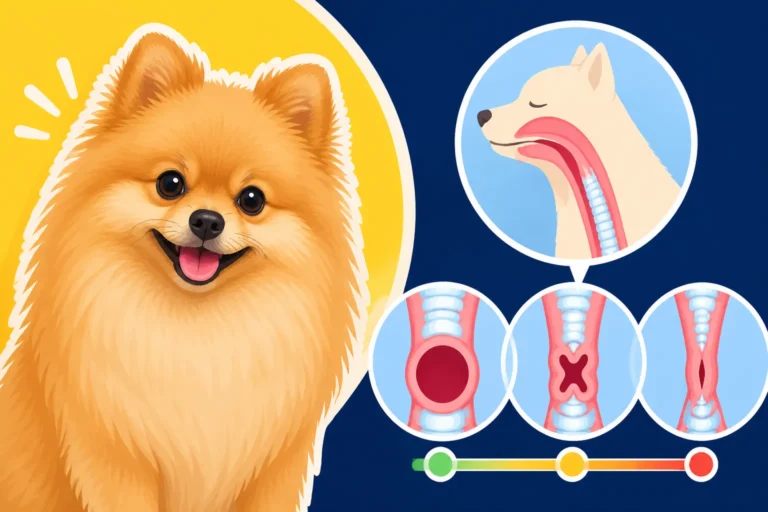
Pomeranians, like all purebreds, come with a specific set of genetic blueprints that can influence their health and, by extension, their lifespan. Some of these are minor, while others can be quite serious. For instance, patellar luxation, or "slipping kneecaps," is a common orthopedic issue that can affect a Pom's mobility and comfort as they age, although it rarely shortens their life directly. More concerning issues like certain heart conditions, or the dreaded tracheal collapse, can absolutely impact The Conditions That Take Years Off a Pomeranian.
A responsible breeder is crucial here. They actively work to screen their breeding stock for hereditary conditions, aiming to produce the healthiest puppies possible. When you get your Pom from a breeder who performs health clearances for issues like heart defects, eye problems, and patellar luxation, you're already laying a stronger genetic foundation for a long life. While no breeder can guarantee a dog will never develop a health issue, they can significantly reduce the risk of inheritable conditions that might otherwise cut a long life short. It's about starting with the best possible genetic hand you can.
Foundational Elements for a Long Life
Achieving exceptional longevity in a Pomeranian isn't just about what happens in their senior years; it begins right from their earliest days. The choices made by breeders and then by owners in the puppy and adult stages form the bedrock upon which a long, healthy life is built.
The Importance of Responsible Breeding
The journey to a long-lived Pomeranian often starts long before they even arrive in your home. A truly responsible breeder is dedicated to the health and welfare of their lines. They don't just breed for pretty faces or popular colors; they prioritize genetic health. This means extensive health testing of both parent dogs for conditions common in the breed. For Poms, this includes screening for luxating patellas, eye conditions, and heart health. They should be transparent about these screenings and willing to discuss their dogs' health history.
These breeders understand that a healthy lineage contributes directly to a longer life for their puppies. They avoid breeding dogs with known health issues, even if those issues might not be immediately apparent. This meticulous approach reduces the likelihood of passing on genetic weaknesses that could lead to chronic diseases or premature aging down the line. Asking a breeder about their health clearances, understanding the implications of different genetic tests, and even meeting the parent dogs can give you immense insight into the potential longevity and health of your future furry family member. It truly sets the stage for a thriving life.
Early Life Care and Nutrition
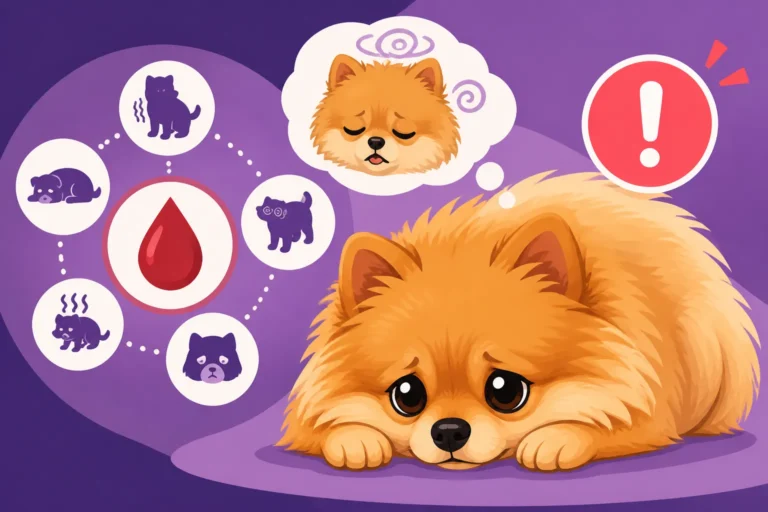
The first year of a Pomeranian's life is absolutely critical for setting them up for long-term health. Puppyhood is a period of rapid growth and development, and proper care during this time can prevent issues that might surface later. Nutrition plays a massive role. Puppies need a high-quality, small-breed specific puppy food that provides balanced nutrients without excess calories, which can lead to rapid growth and bone problems. Consistent, measured feeding also helps to prevent issues like Blood Sugar Crashes in a Pomeranian Puppy, a common concern for tiny pups.
Beyond nutrition, early socialization and regular, gentle exercise are key. A well-socialized puppy grows into a confident, less stressed adult, which can positively impact their overall well-being. Regular vet visits for vaccinations and deworming establish a baseline of health and catch any potential problems early. This foundational care isn't just about getting through puppyhood; it's about building a robust immune system, healthy bones and muscles, and a stable temperament that will serve your Pomeranian well throughout their entire life. Think of it as investing in their future health right from the start.
Daily Care Practices for Senior Poms
As our beloved Pomeranians transition from spirited adults to dignified seniors, their daily care needs inevitably shift. It's not just about more naps; it's about a holistic approach that caters to their changing bodies and minds. This dedicated attention in their golden years is often what makes the difference between a good senior life and an exceptionally long one.
Tailored Nutrition and Weight Management
One of the most impactful changes you can make for an aging Pomeranian is adjusting their diet. Older Poms tend to be less active, which means their caloric needs decrease. Continuing to feed them the same amount of food as their younger selves can quickly lead to weight gain. Obesity in a Pomeranian, even a small amount, can exacerbate joint issues, put strain on their heart and lungs, and even worsen conditions like The Honking Cough of a Pomeranian's Collapsing Windpipe.
Transitioning to a high-quality senior dog food formula, which often has fewer calories and more joint-supporting nutrients like glucosamine and chondroitin, is a smart move. Pay close attention to their weight, aiming for a lean body condition where you can easily feel their ribs but not see them. If your senior Pom starts to have dental issues, you might need to consider Feeding an Old Pomeranian With Few Teeth, perhaps by softening their kibble with warm water or transitioning to a wet food. Regular weight checks are essential, and your vet can help you determine the ideal body condition score for your individual Pom.
Regular Veterinary Check-ups and Preventative Care
As Pomeranians age, their health can change rapidly, sometimes subtly. This is why more frequent veterinary check-ups become absolutely non-negotiable. While a younger adult Pom might be fine with an annual visit, a senior Pom, especially one aiming for 17+, often benefits from biannual check-ups, or even more frequently if they have chronic conditions. These appointments are crucial for early detection of age-related issues. Your vet can monitor organ function through regular blood and urine tests, check for lumps and bumps, assess joint health, and monitor existing conditions.
These routine visits are also the perfect time to discuss preventative strategies. This might include supplements for joint health, managing pain from conditions like Arthritis in a Pomeranian at Ten, or proactive measures for cognitive decline. Your vet can also guide you on appropriate vaccination schedules for older dogs, often reducing the number of vaccines administered to minimize stress on their immune system. Think of these regular appointments not as a chore, but as a critical partnership with your veterinary team to ensure your Pom remains as healthy and comfortable as possible for as long as possible. Pet insurance, like that offered by Healthy Paws, can be incredibly beneficial here, providing a financial safety net for these increasingly important health appointments and potential treatments.
Maintaining Oral Hygiene
It's easy to overlook, but dental disease is one of the most common and debilitating health issues for senior Pomeranians, and it can significantly impact their overall health and longevity. Their tiny mouths are prone to overcrowding, making them a perfect breeding ground for plaque and tartar. Left untreated, dental disease can lead to painful infections, tooth loss, and bacteria entering the bloodstream, potentially affecting vital organs like the heart, liver, and kidneys.
Establishing a routine of Daily Tooth Care in a Pomeranian's Crowded Mouth from puppyhood is ideal. This means daily brushing with a dog-specific toothpaste. For senior Poms, if daily brushing hasn't been a lifelong habit, it's never too late to start, even if it's just for a minute or two a day, or using dental wipes. Regular professional dental cleanings under anesthesia are also paramount. While the idea of anesthesia for an older dog can be daunting, a thorough pre-anesthetic blood panel and careful monitoring by the vet team can make it a much safer procedure. Discussing Whether an Old Pomeranian Should Have a Dental with your vet is crucial, as the benefits of a healthy mouth often outweigh the risks, especially if there's significant existing disease.
Environmental and Lifestyle Factors
Beyond direct medical care and nutrition, a Pomeranian's living environment and daily routine play an enormous role in their overall well-being and ability to thrive into old age. Creating a safe, comfortable, and mentally stimulating world for them can make all the difference.
Safe and Stimulating Environment
As Poms age, their physical capabilities often decline. Their vision might worsen, their hearing may fade, and conditions like Slipping Kneecaps in a Five Pound Pomeranian or general arthritis can make navigating their home more challenging. It's crucial to adapt their environment to minimize risks and maximize comfort. This means providing ramps or steps for furniture they used to jump on, ensuring non-slip surfaces on hard floors, and keeping pathways clear. A comfortable, orthopedic bed is also a must for aching joints.
Beyond physical safety, mental stimulation is vital. Just because they're old doesn't mean their brains stop working. Puzzle toys, short training sessions for simple tricks, or even just novel scents on a short sniff-walk can keep their minds sharp and engaged. Consider their living space carefully; if they are starting to show signs of cognitive decline, such as An Old Pomeranian That Wanders at Night, maintaining a consistent routine and layout can be very reassuring. A safe, enriching environment helps reduce stress, prevent injuries, and keeps your Pom feeling loved and capable, even as their body ages.
Mental and Physical Exercise Tailored to Age
While an older Pomeranian won't be tearing around the dog park like a puppy, appropriate exercise is still incredibly important for their physical and mental health. The key is tailoring it to their current abilities. Short, gentle walks several times a day are often better than one long excursion, as it allows them to move their joints, sniff new smells, and maintain muscle mass without overexertion. Pay attention to their cues – if they're slowing down or lagging behind, it's time to head home.
Indoor play can also be highly beneficial. Gentle games of fetch, hide-and-seek with treats, or supervised playtime with soft toys can provide mental and physical engagement. These activities help prevent boredom, maintain a healthy weight, and keep their circulation going. Always prioritize safety, especially if they have orthopedic issues. The goal is to keep them moving and engaged, not to push them beyond their limits. A happy, mentally stimulated senior Pom is often a healthier one, contributing to a truly exceptional lifespan.
Managing Stress and Socialization
A peaceful, low-stress environment is incredibly important for any dog, but especially for senior Pomeranians. Chronic stress can suppress the immune system, exacerbate existing health issues, and generally diminish quality of life. This means ensuring they have a quiet, safe retreat where they can rest undisturbed, particularly in busy households. Changes in routine, loud noises, or new people can be more unsettling for an older Pom, so introductions should be slow and controlled.
Maintaining appropriate socialization is also vital. While they might not enjoy boisterous dog park visits anymore, gentle interactions with familiar, calm dogs or people can prevent isolation and keep them socially engaged. For Poms that have developed anxieties with age, or if you're managing any behavioral changes, discussing strategies with your vet or a certified professional dog trainer can be very helpful. Ensuring your Pom feels secure, loved, and understood contributes enormously to their emotional well-being, which in turn supports their physical health and their potential to live past seventeen.
Recognizing and Addressing Age-Related Health Issues
The path to an exceptionally long life for a Pomeranian is rarely without its bumps. As they age, it's almost inevitable that some health challenges will emerge. The key is not to prevent aging entirely, but to recognize the signs early and address them proactively and compassionately. This vigilance can significantly extend both the quality and duration of their golden years.
Common Ailments in Senior Pomeranians
As a Pomeranian reaches advanced senior status, generally around the age of ten or twelve, a number of common health issues become more prevalent. Recognizing The First Signs a Pomeranian Is Aging is crucial. These can include changes in energy levels, increased stiffness, cloudy eyes (often cataracts or lenticular sclerosis), hearing loss, increased thirst, or changes in appetite. Specific conditions to be aware of often include:
- Dental Disease: As discussed, this is almost universal in older Poms and requires constant attention.
- Arthritis: Joint pain and stiffness are common, affecting their mobility and comfort.
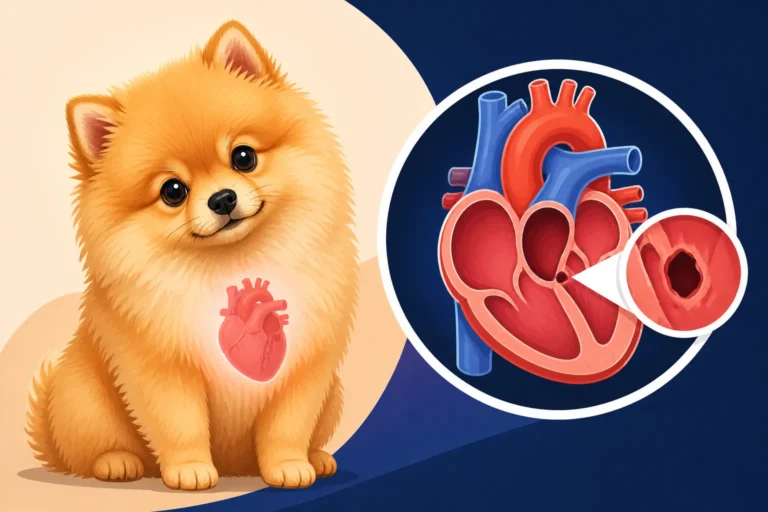
- Heart Disease: Conditions like mitral valve disease can lead to coughing, fatigue, and difficulty breathing.
- Kidney Disease: Declining kidney function is frequent, often manifesting as increased thirst and urination.
- Cognitive Dysfunction Syndrome (CDS): Similar to Alzheimer's in humans, signs include disorientation, changes in sleep-wake cycles, house-soiling, and altered interactions.
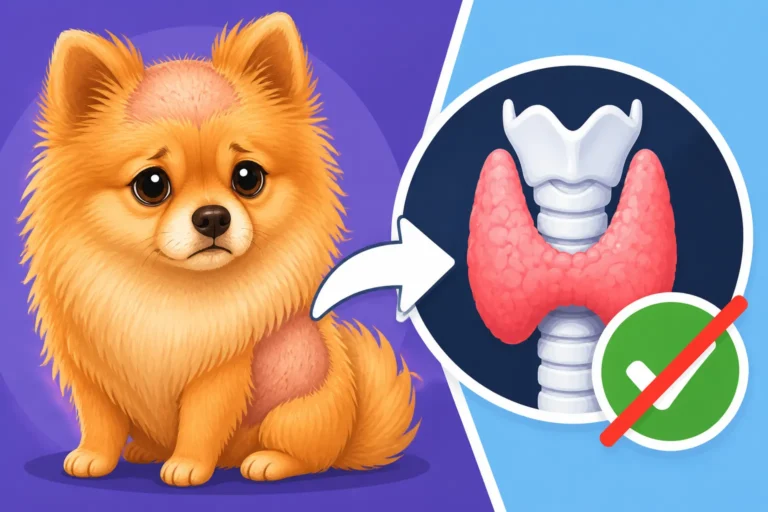
- Thyroid Issues: Hypothyroidism can lead to lethargy, weight gain, and coat changes.
Being observant of any subtle changes in your Pom's behavior or physical condition is your best tool for early detection. Don't dismiss symptoms as "just old age." A quick call to your vet is always warranted if you notice anything out of the ordinary. This proactive approach, supported by a good pet insurance plan like Healthy Paws, ensures that potential issues are addressed before they become emergencies.
Proactive Management and Palliative Care
Once age-related health issues are diagnosed, the focus shifts to managing them effectively to maintain your Pom's quality of life. Proactive management might involve daily medications for arthritis or heart disease, dietary changes for kidney support, or supplements for cognitive health. Regular re-evaluations with your vet are essential to adjust treatments as needed. For example, a Pom with advanced heart disease might need adjustments to their medication or changes in their exercise routine to prevent undue stress.
Palliative care becomes increasingly important as Poms approach extreme old age. This isn't about curing diseases, but about providing comfort, managing pain, and preserving dignity. This could involve pain medication for severe arthritis, specialized diets, comfortable bedding, and ensuring easy access to food, water, and potty areas. Sometimes, the kindest thing we can do is focus on keeping them happy and comfortable in their final years, ensuring every day is a good day, even if their body is failing them. It's a balance of treatment and comfort, guided by your vet and your intimate understanding of your Pom.
The Role of Specialized Veterinary Care
For a Pomeranian living past seventeen, their veterinary care often needs to become more specialized. Your primary veterinarian is a vital partner, but they may recommend consulting with veterinary specialists for complex conditions. For instance, a veterinary cardiologist can provide advanced diagnostics and treatment plans for heart disease, while an internal medicine specialist can offer expertise in managing kidney or liver conditions. These specialists often have access to state-of-the-art equipment and the most up-to-date treatment protocols, which can be invaluable for an aging pet.
Furthermore, some vets specialize in geriatric care, understanding the unique needs of super seniors. They can help you navigate the challenges of multiple co-existing conditions, pain management, and even quality-of-life assessments. Don't hesitate to ask your vet for referrals if you feel your Pom's needs are becoming particularly complex. This team approach, utilizing both your trusted family vet and specialists, ensures your long-lived Pomeranian receives the most comprehensive and tailored care possible, truly giving them the best shot at defying the odds and enjoying their many golden years. Remember to plan for these potential costs; having a financial safety net, perhaps through a robust pet insurance like Healthy Paws, can make these advanced care options accessible.
Disclaimer
The information provided in this guide is for general informational purposes only and does not constitute veterinary advice. Always consult with a qualified veterinarian for any health concerns or before making any decisions about your Pomeranian's care.