Recognizing a Hypoglycemic Pomeranian
One of the most terrifying moments a Pomeranian owner can experience is when their tiny companion suddenly becomes disoriented, weak, or even collapses. This often points to hypoglycemia, a dangerous drop in blood sugar that small breeds, especially Poms, are incredibly susceptible to. This comprehensive guide will walk you through exactly what hypoglycemia is, how to recognize its subtle and overt signs, and crucial steps you can take to protect your beloved Pom from this life-threatening condition.
Understanding Hypoglycemia in Pomeranians
It's truly heartbreaking to see your vivacious little Pom suddenly lose its spark, and sometimes, the culprit is something as fundamental as a dip in blood sugar. Hypoglycemia isn't just a concern for humans; it's a very real and dangerous threat to our tiny canine friends, especially the Pomeranian. Understanding what it is and why Poms are so prone to it is the first step in prevention and rapid response.
What Exactly Is Hypoglycemia?
In simple terms, hypoglycemia means "low blood sugar." Glucose, a simple sugar, is the primary source of energy for all the cells in your dog's body, particularly their brain and muscles. When the blood glucose level drops below a healthy range, the body's systems, especially the nervous system, start to malfunction because they're not getting the fuel they need. Think of it like a car running out of gas; everything starts to sputter and eventually stops. For a Pomeranian, whose system is already working at a higher metabolic rate due to their small size, this drop can happen much faster and with more severe consequences than in a larger dog. Their small bodies simply don't have the same reserves to draw upon when fuel runs low.
When a dog eats, carbohydrates are broken down into glucose, which then enters the bloodstream. Insulin, a hormone produced by the pancreas, helps transport this glucose from the blood into the cells to be used for energy. If there's too much insulin, or not enough glucose being consumed or produced by the liver, blood sugar levels can plummet. This delicate balance is vital for every bodily function, from playful zoomies around the living room to the critical functions of their brain.
Why Pomeranians Are Especially Vulnerable
Pomeranians, by their very nature, are predisposed to hypoglycemia. Their small stature, typically weighing between three and seven pounds, means they have a high metabolic rate and very little body fat to store energy. This is particularly true for Pomeranian puppies. They burn through calories much faster than larger breeds, and their tiny livers have limited glycogen stores – which is the body's backup energy supply. This is a crucial factor in understanding why you might encounter a case of Blood Sugar Crashes in a Pomeranian Puppy. A quick skip of a meal or an energetic play session can deplete their reserves rapidly, leading to a sudden and alarming drop in blood sugar.
Additionally, certain health conditions can exacerbate this vulnerability. Puppies are especially at risk because their bodies are still developing their ability to regulate blood sugar efficiently. Stress, illness, or even an overly long gap between meals can be enough to trigger an episode. While we often associate hypoglycemia with puppies, it's important to remember that Whether an Adult Pomeranian Gets Hypoglycemia is also a valid concern, especially if they have underlying health issues or are particularly tiny. The smaller the dog, the higher the risk, and some Poms can fall into the "teacup" category, which means their systems are even more fragile.
Common Triggers for a Blood Sugar Crash
Understanding the triggers is paramount for prevention. A common misconception is that a Pom will only experience hypoglycemia if they haven't eaten in a day. However, for these tiny dogs, the window is much shorter.
One of the most straightforward triggers is simply a missed meal or a significantly delayed feeding. Pomeranian puppies, especially, need to be fed frequently, often three to four times a day, to keep their blood sugar stable. Failing to provide enough food or spacing meals too far apart can quickly lead to an issue. You can read more about this in our guide on How Often a Pomeranian Puppy Needs to Eat.
Over-exertion is another significant factor. A long walk, an intense play session, or even excessive excitement can burn through a Pom's limited glucose reserves surprisingly fast. While it's wonderful to see your Pom active and happy, moderation is key. A frantic barking session at the mailman or an extended game of fetch can leave them depleted.
Stress can also play a role. A trip to the vet, a new environment, being left alone for too long, or even extreme weather changes can cause a Pomeranian's body to expend more energy, potentially leading to a blood sugar drop. Illnesses, infections, and even internal parasites can also make a Pom more susceptible, as their body is already working hard to fight off the ailment, using up valuable glucose. For instance, a Pomeranian struggling with a heart condition like The Heart Defect Found in Pomeranian Puppies might have an increased risk due to the added strain on their system.
Lastly, some medications or underlying health conditions, though less common, can impact blood sugar regulation. It's always crucial to discuss any new medications or changes in your Pom's health with your veterinarian to understand potential side effects or interactions that could affect their glucose levels.
Early Warning Signs: Catching It Before It's Critical
Recognizing the early signs of hypoglycemia can literally be a lifesaver for your Pomeranian. These tiny dogs can go from seemingly fine to critically ill very quickly, so being vigilant about subtle changes in their behavior and physical state is absolutely essential. Don't wait until things look dire; learn to spot the quiet whispers of a sugar crash.
Subtle Behavioral Changes
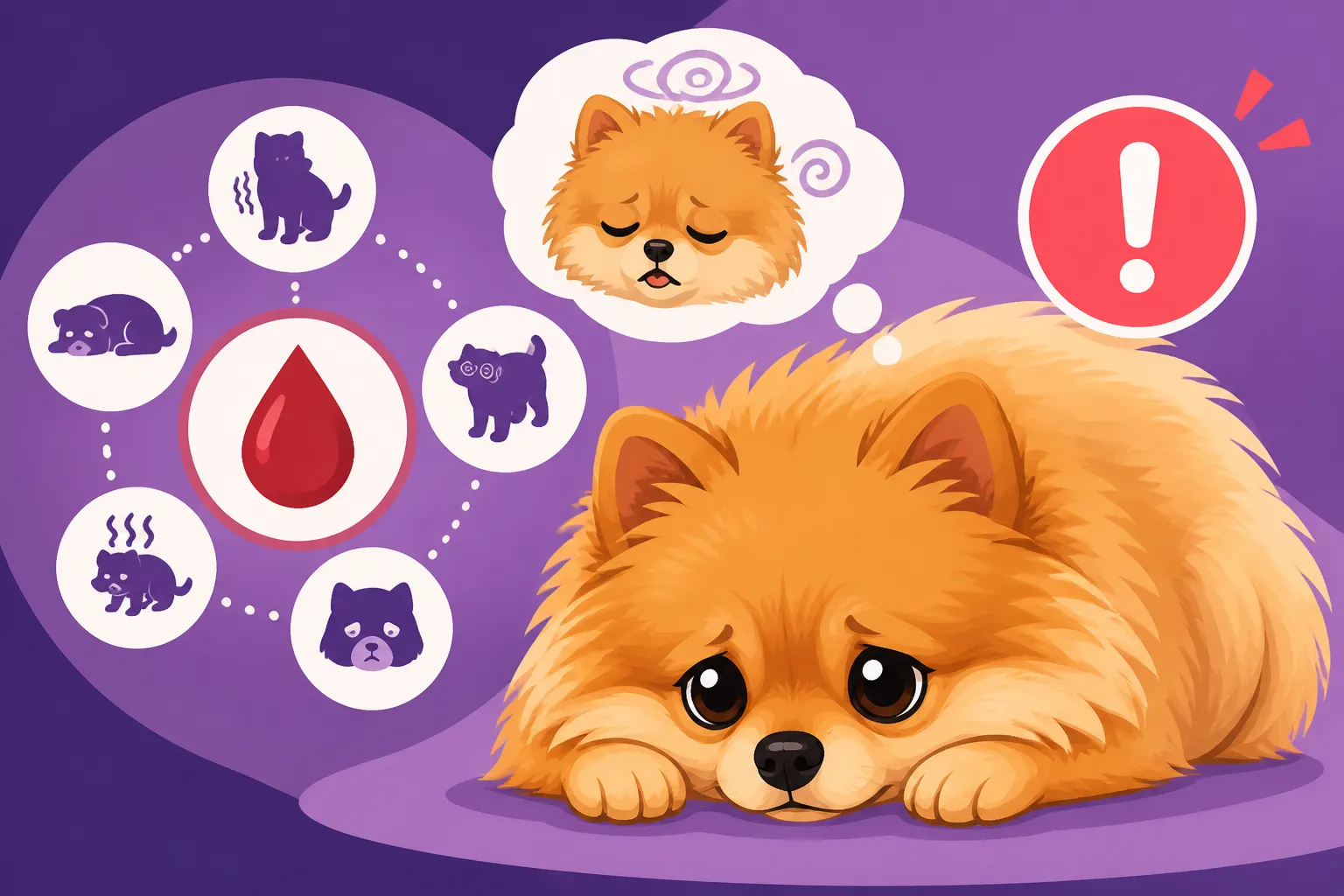
One of the first indications that something might be amiss isn't a dramatic collapse, but rather a shift in your Pom's normal demeanor. They might become unusually quiet or withdrawn. Your typically boisterous and playful companion might just want to lie down and not engage with toys or family members. This isn't just "being tired"; it's a lethargy that feels different, a lack of energy that's more pronounced than usual. They might seem less interested in their surroundings, not following you from room to room as they normally would, or ignoring the sound of their treat jar opening.
You might also notice a certain unresponsiveness. When you call their name, they might not react as quickly, or their tail wags might be weaker and less enthusiastic. They might stare blankly, appearing confused or disoriented. Imagine your Pom normally greeting you with a flurry of barks and wiggles, but instead, they just slowly lift their head, their eyes looking a little glazed over. These are the subtle cues that their brain isn't getting enough glucose, and their mental function is starting to be impaired. It's a precursor to the more serious Warning Signs Before a Pomeranian Collapses.
Physical Indicators to Watch For
Beyond behavioral shifts, there are distinct physical signs that point to a developing hypoglycemic episode. One of the most common and easily identifiable is trembling or shivering. This isn't just being cold; it's an internal tremor, often visible in their legs or their entire body, as their muscles protest the lack of energy. They might also appear weak, stumbling a bit as they walk, or having difficulty standing up from a lying position. Their coordination might be off, causing them to walk as if they're drunk or bumping into furniture.
Another key indicator is their gums. A healthy Pomeranian should have pink gums that quickly return to pink when you press them gently with your finger. If your Pom is hypoglycemic, their gums might appear paler than usual, possibly even white or bluish in severe cases, indicating poor circulation. They might also have cold extremities, like their ears and paws, as their body tries to conserve heat and energy. Their breathing might become shallow, and they might seem generally listless. It’s important to distinguish these symptoms from a typical "snorting fit" that might frighten Pomeranian owners, as those are usually respiratory and not tied to low blood sugar.
Distinguishing From Other Conditions
It’s important to remember that some of these symptoms, particularly lethargy or trembling, can overlap with other health issues. For instance, a sudden onset of weakness could also indicate pain, a neurological issue, or even a sudden infection. If your Pomeranian is showing these signs, it's always best to contact your vet, but knowing how to differentiate can help you explain the situation more clearly.
For hypoglycemia, the key is the combination of symptoms and their rapid onset, often coupled with a period of missed meals, excessive exercise, or stress. If you suspect hypoglycemia, the immediate first aid is to offer a sugar source (which we’ll discuss next), and if the dog responds quickly, it strongly points to low blood sugar. If they don't respond, or if their condition deteriorates, it's a clear signal that urgent veterinary attention is needed. Regular vet check-ups are vital for identifying potential underlying conditions that could make your Pom more susceptible to such crashes, giving you peace of mind and potentially allowing for early intervention before an emergency occurs.
The Progression of a Hypoglycemic Episode
Hypoglycemia in Pomeranians isn't always a sudden collapse; it can progress through stages, and recognizing these stages is crucial for timely and effective intervention. The faster you act, the better the outcome for your little one. Ignoring the early, subtle signs can lead to a rapid deterioration that puts your Pom's life at serious risk.
Moderate Symptoms and Their Urgency
When a Pomeranian's blood sugar continues to drop past the initial subtle signs, more obvious and alarming symptoms will start to manifest. You might notice your Pom exhibiting a distinct lack of coordination. They might stagger as they walk, their hind legs seeming particularly weak or unable to bear weight properly. They could bump into walls or furniture, appearing disoriented and unable to navigate familiar surroundings. This isn't just clumsiness; it's a sign that their brain is severely struggling without adequate glucose.
They might also become visibly confused. Their eyes could appear unfocused or dart around aimlessly. They might not recognize familiar faces or respond to their name, even with a strong, urgent call. Some Poms might even start acting unusually anxious or agitated in this stage, pacing restlessly or whining, seemingly without reason, as their body goes into a panic mode due to the energy deprivation. This stage demands immediate action. You cannot afford to wait and see if they "snap out of it." The brain cells are being deprived, and prolonged deprivation can lead to irreversible damage.
Severe Symptoms Requiring Immediate Intervention
If the moderate symptoms are not addressed, or if the drop in blood sugar is particularly precipitous, your Pomeranian will quickly move into a critical state. This is where you'll see the most frightening manifestations: seizures and collapse.
A seizure can look different depending on the dog and the severity. It might be a full-body convulsion, where your Pom's limbs stiffen, they fall to their side, and their legs paddle uncontrollably. They might foam at the mouth, vocalize, or lose bladder and bowel control. Even a focal seizure, which might present as uncontrollable twitching of one limb or facial muscles, is a sign of severe neurological distress due to a lack of glucose. Observing your Pom having a seizure is incredibly distressing, but it’s vital to remain as calm as possible to provide aid.
Following a seizure, or sometimes instead of a seizure, a severely hypoglycemic Pomeranian will collapse. They will become completely unresponsive, limp, and may appear comatose. Their breathing can become very shallow and slow, and their gums will likely be extremely pale or even blue. At this point, every minute counts. This is an absolute emergency, and while administering sugar at home is critical, getting to a veterinary clinic quickly is also paramount.
Recognizing When It's an Emergency
Let's be very clear: any instance of your Pomeranian exhibiting severe symptoms like collapse or seizures due to suspected hypoglycemia is an immediate veterinary emergency. Even if you successfully administer sugar and they seem to recover at home, it is crucial to get them to the vet. There could be an underlying cause that triggered the severe drop, and without addressing it, future episodes are highly likely and could be even more dangerous.
If your Pom is unresponsive, seizing, or struggling to breathe, don't hesitate. Call your emergency vet clinic while you are on your way to give them a heads-up. While on the phone, they might guide you through administering corn syrup or honey if you haven't already. Remember, even if your Pom seems to 'bounce back' after sugar administration, a vet visit is still non-negotiable. They need a thorough examination to rule out other serious conditions that can mimic hypoglycemia or to identify why the episode occurred in the first place. This proactive approach is a cornerstone of responsible pet ownership for a breed like the Pomeranian, known for The Twelve to Sixteen Years a Pomeranian Lives, provided they receive attentive care.
Immediate At-Home Care for a Hypoglycemic Pomeranian
When your Pomeranian shows signs of a blood sugar crash, those first few minutes can make all the difference. Panicking is a natural reaction, but learning and practicing these immediate steps can be a true lifesaver for your tiny companion. Having a "hypoglycemia kit" ready is just as important as having a first aid kit for yourself.
The Lifesaving Role of Sugar Sources
The most critical and immediate action you can take for a hypoglycemic Pomeranian is to provide a readily absorbable source of sugar. This is not the time for complex carbohydrates; you need simple sugars that can rapidly enter their bloodstream and raise their glucose levels.
The best options include:
- Karo corn syrup (light corn syrup): This is a staple for many small dog owners and breeders. Its consistency makes it relatively easy to apply, and it's quickly absorbed.
- Honey: Another excellent option, honey is pure sugar and generally well-tolerated.
- Maple syrup: Similar to corn syrup and honey, it's a good alternative if the others aren't available.
- Glucose gels: These are often found in diabetic sections of pharmacies and are highly effective.
What you don't want to use are sugary drinks like soda or fruit juice, which might contain ingredients harmful to dogs or be too diluted to be effective quickly. Chocolate products are also an absolute no-go due to the toxicity of theobromine. The goal is to provide a concentrated source of glucose that can get into their system as fast as possible. This is the first aid that can stabilize them enough to get to a vet or recover. Many owners swear by keeping a small bottle of corn syrup in their pet's travel bag, car, and even by their bed, just in case. Our article, Syrup on the Gums of a Crashing Pomeranian Puppy, delves deeper into how to apply these effectively.
Safe Administration Techniques
Administering sugar to a weak or seizing Pomeranian requires care to prevent choking. Never try to force feed a liquid or solid food into the mouth of a dog who is unconscious, severely disoriented, or seizing. Their swallow reflex might be compromised, leading to aspiration (inhaling the substance into their lungs), which can be fatal.
The safest and most effective method is to rub the sugar source directly onto their gums. Here's how:
- Gather your supplies: Have your chosen sugar source (corn syrup, honey) and a small spoon or your finger ready.
- Position your Pom: Gently place your Pom on its side or in a comfortable position if it's conscious but weak. If they are having a seizure, protect them from injuring themselves on furniture, but do not try to hold their tongue or restrain them unnecessarily.
- Lift the lip: Carefully lift your Pomeranian's upper lip to expose their gums.
- Apply the sugar: Using a spoon or your finger, smear a small amount (about a quarter to a half teaspoon for an adult Pom, less for a very tiny puppy) directly onto their gums. Repeat this every 5-10 minutes. The sugar will absorb through the mucous membranes into their bloodstream.
- Monitor closely: Watch for signs of improvement, such as increased alertness, a reduction in trembling, or an attempt to stand.
Once your Pomeranian shows signs of recovery and is able to swallow safely, offer a small, appealing meal. This could be some cooked chicken, plain scrambled egg, or their regular kibble mixed with a little water. The food will help stabilize their blood sugar further and provide sustained energy. Remember, this immediate sugar boost is a temporary fix, not a cure for the underlying issue.
What Not to Do During a Crisis
In the heat of the moment, it's easy to make mistakes that could worsen the situation for your Pomeranian.
- Don't panic: While terrifying, try to remain calm. Your anxiety can further stress your Pom.
- Don't force food or liquid: As mentioned, never attempt to make a seizing or unconscious dog swallow anything, as it risks aspiration.
- Don't give too much sugar at once: A small amount rubbed on the gums is usually sufficient for initial absorption. Overdosing isn't typically an issue with natural sugars but focus on steady, manageable doses.
- Don't delay veterinary care: Even if your Pom appears to recover dramatically after sugar administration, a vet visit is still crucial. There might be an underlying cause, or they might need further observation and care. Consider getting pet insurance from providers like Healthy Paws to cover unexpected emergencies like this.
- Don't assume they're "fine now": A recovered Pom still needs careful monitoring and potentially a dietary adjustment to prevent recurrence.
By understanding these do's and don'ts, you can provide the most effective immediate care for your Pomeranian during a hypoglycemic crisis, increasing their chances of a full recovery.
Prevention Strategies to Keep Your Pomeranian Safe
An ounce of prevention is worth a pound of cure, especially when it comes to hypoglycemia in Pomeranians. Proactive measures are the best defense against those terrifying blood sugar crashes. By being mindful of their routine, activity levels, and diet, you can significantly reduce the risk for your little companion.
Consistent Feeding Schedules
This is perhaps the single most important preventive measure. Due to their high metabolism and limited energy reserves, Pomeranians, especially puppies, cannot go long periods without food. Establishing and sticking to a strict feeding schedule is crucial.
For puppies, this often means three to four small meals a day. Our guide on Feeding a Pomeranian Puppy Often Enough to Stay Safe provides detailed insights into appropriate schedules and portion sizes. As they mature, adult Pomeranians might do well with two to three meals daily. However, for particularly small or active adults, or those prone to hypoglycemia, three smaller meals spaced evenly throughout the day might still be the safest bet. Leaving food down all day, often referred to as free-feeding, is generally not recommended for Poms, as it can make it harder to monitor their intake and can lead to overeating or, conversely, long periods of not eating enough if they're finicky.
Consider the timing of meals relative to their activity. If your Pom has an active morning, make sure they've had a good breakfast. Similarly, a small snack before a long evening walk or play session can top up their glucose stores. Consistency is key; their tiny bodies thrive on predictability to maintain stable blood sugar levels.
Monitoring Activity and Stress Levels
While Pomeranians are often spirited and playful, their small size means their stamina is limited compared to larger breeds. Over-exertion can quickly deplete their glucose reserves. Long, strenuous walks, prolonged sessions of vigorous play, or even excessive barking and excitement can trigger a crash. Keep exercise sessions moderate and frequent rather than long and intense. A couple of short walks a day, combined with indoor play, is usually ideal.
It's also important to be aware of how stress impacts their energy. A trip to the vet, a new environment, loud noises, or being separated from you for extended periods can cause their body to burn through energy faster. Try to minimize stressors where possible, provide a calm and secure environment, and ease them into new situations gradually. If you know a stressful event is coming (like a vet visit or travel), ensure they've eaten a small meal beforehand. Knowing how to mitigate stress can also help prevent issues like The Snorting Fit That Frightens Pomeranian Owners, which, while not directly related to blood sugar, highlights the breed's sensitivity. If your Pom is prone to anxiety, discuss strategies with your vet, which might include pheromone diffusers or calming supplements.
Dietary Considerations and Supplements
The quality and type of food you feed your Pomeranian play a significant role in preventing hypoglycemia. Opt for a high-quality, small-breed specific dog food. These formulas are typically calorie-dense and have appropriate nutrient balances for their fast metabolisms. Look for foods with good protein sources and complex carbohydrates for sustained energy release. Avoid cheap fillers and excessive simple sugars in their regular diet.
Consulting with your veterinarian about the best diet for your individual Pomeranian is always a good idea, especially if they've had a previous hypoglycemic episode or have other health concerns. They might recommend specific brands or even a fresh food diet.
In some cases, especially for very tiny puppies or those with ongoing issues, your vet might suggest a dietary supplement. These could include certain vitamins, minerals, or even small amounts of an oral glucose supplement if deemed necessary. Never start supplements without veterinary guidance. For pet parents considering various support options, it’s worth checking if your pet insurance, like Healthy Paws, covers consultations for dietary management or specific supplements prescribed for health conditions. They focus on overall well-being, which often includes preventive care discussions.
For puppies, particularly, ensure they are receiving adequate nutrition during their crucial growth phases. You can find more information about this in articles such as The Age a Pomeranian Outgrows Sugar Crashes, which helps understand the developmental aspects of blood sugar regulation. By diligently implementing these prevention strategies, you can significantly safeguard your Pomeranian from the dangers of hypoglycemia, ensuring they remain healthy and vibrant.
When to Seek Veterinary Care
While immediate at-home sugar administration is vital for a hypoglycemic Pomeranian, it is almost always followed by the necessity of professional veterinary care. A sugar boost is a temporary fix, not a comprehensive solution. Knowing when and why to seek vet attention is crucial for your Pom's long-term health and safety.
Post-Recovery Check-ups
Even if your Pomeranian appears to make a full recovery after you've given them sugar and they are back to their normal, playful self, a vet visit is still highly recommended. Think of it this way: their blood sugar dropped for a reason, and simply raising it doesn't address the underlying cause.
During a post-recovery check-up, your veterinarian will conduct a thorough physical examination. They'll ask detailed questions about the episode, including when it happened, what symptoms you observed, and what you did to help. This appointment allows the vet to:
- Assess their current health: Ensure there are no lingering effects from the episode, and that their vital signs are stable.
- Discuss triggers: Help you identify potential triggers in your Pom's routine or diet that might have led to the crash.
- Review your emergency plan: Offer advice on how to respond if another episode occurs, and confirm your at-home sugar administration technique is correct.
- Consider potential underlying conditions: This is paramount. An isolated episode can be a warning sign of something more significant, and early detection is key.
This proactive approach helps you understand what happened and empowers you with strategies to prevent future occurrences, contributing to The Twelve to Sixteen Years a Pomeranian Lives.
Diagnosing Underlying Causes
The primary reason for a vet visit after a hypoglycemic episode is to determine why it happened. For puppies, it might simply be due to improper feeding or over-exertion, which can be corrected. However, for adult Pomeranians, or for recurrent puppy episodes, underlying medical conditions can be at play.
Your vet might recommend various diagnostic tests, which could include:
- Blood work: A comprehensive blood panel can check glucose levels, liver function, kidney function, and other metabolic indicators. This can help identify issues like liver shunts, bacterial infections, or problems with insulin regulation.
- Urinalysis: To assess kidney health and rule out urinary tract infections.
- Imaging: X-rays or ultrasounds might be used to examine organs like the liver or pancreas for abnormalities.
- Specific hormone tests: In rare cases, endocrine disorders can contribute to hypoglycemia.
Identifying and treating these underlying causes is critical. For instance, a condition like a portosystemic shunt (a liver shunt) can prevent the liver from properly processing glucose, leading to crashes. Without addressing the root cause, your Pom will remain at risk. Understanding what a Pomeranian's annual checkup costs will help you budget for these important diagnostic steps, ensuring you can afford the necessary investigations.
Long-Term Management and Support
Once an underlying cause is identified (or ruled out), your vet will work with you to create a long-term management plan. This might involve:
- Dietary adjustments: Specific food formulations, supplements, or more frequent meals.
- Medication: If an underlying condition is diagnosed, medication might be prescribed to manage it.
- Lifestyle changes: Strict adherence to feeding schedules, controlled exercise, and stress reduction.
- Regular monitoring: Your vet might ask you to monitor your Pom's behavior closely or even track their glucose levels at home if they have a chronic condition.
For ongoing or chronic issues, having pet insurance can be a huge relief. Companies like Healthy Paws offer comprehensive coverage that can help with the costs of diagnostics, treatments, and specialist consultations, ensuring you can provide the best possible long-term care without undue financial stress. They understand that managing conditions in small breeds can be complex and expensive. Regular communication with your vet and adherence to their recommendations are your best tools for keeping your Pomeranian healthy, happy, and free from the dangers of hypoglycemia.
Symptoms and Emergency Actions for Hypoglycemia
Understanding the progression of hypoglycemia and knowing what steps to take at each stage can save your Pomeranian's life. This table summarizes the key symptoms and the corresponding actions.
| Symptom Severity & Signs | Immediate Action Required | Urgency for Vet Visit |
|---|---|---|
| Mild/Early Signs | ||
| – Lethargy, unusual quietness | Offer small, appealing meal (e.g., cooked chicken, scrambled egg). | Schedule a routine check-up to discuss diet/routine. |
| – Sluggishness, less responsive | Monitor closely for worsening signs. | |
| – Mild trembling or shivering | ||
| Moderate Signs | ||
| – Staggering, uncoordinated movement | Administer 1/4 – 1/2 tsp corn syrup/honey rubbed on gums. | Call your vet immediately for advice, prepare for a visit. |
| – Disorientation, confusion | Repeat sugar every 5-10 min until improvement. | Even if symptoms resolve, a vet visit is strongly advised. |
| – Pale gums (less pink than usual) | Once stable, offer small meal. | |
| Severe/Critical Signs | ||
| – Seizures (paddling, convulsing) | Administer 1/4 – 1/2 tsp corn syrup/honey rubbed on gums. | IMMEDIATE EMERGENCY VET VISIT. Call en route. |
| – Collapse, unresponsiveness | Do not force feed anything into mouth. | |
| – Extreme paleness or bluish gums, shallow breathing | Ensure clear airway. Protect from injury during seizure. |
Disclaimer
The information provided in this article is for educational and informational purposes only, and does not constitute veterinary medical advice. Always consult with a qualified veterinarian for any health concerns or before making any decisions related to your Pomeranian's health or treatment plan. If your Pomeranian is experiencing symptoms of hypoglycemia or any other medical emergency, seek immediate veterinary attention.