Feeding a Pomeranian Puppy Often Enough to Stay Safe
Bringing home a tiny Pomeranian puppy is an absolute joy, but it often comes with a secret worry: their incredible fragility. Many new owners quickly discover that these pint-sized bundles of fluff aren't just small; they're susceptible to a serious condition called hypoglycemia, or critically low blood sugar, which can strike quickly and be life-threatening. This comprehensive guide will walk you through exactly why Pomeranian puppies are at risk, how to establish a feeding routine that keeps them safe and thriving, and what to do if you suspect a blood sugar crash.
Understanding Hypoglycemia in Pomeranian Puppies
It’s easy to look at a playful Pomeranian puppy and just see boundless energy, but beneath all that fluff is a delicate system, particularly when it comes to regulating blood sugar. Hypoglycemia is not just a mild inconvenience; it's a genuine emergency for these little ones, and it's absolutely crucial for every Pom parent to understand its nuances.
Why Small Breeds Are Prone to Blood Sugar Crashes
Pomeranians, by their very nature, are a toy breed, and puppies especially come with a metabolic setup that makes them uniquely vulnerable to hypoglycemia. Their tiny bodies have very limited reserves of glycogen, which is stored glucose in the liver. Think of it like a car with a tiny gas tank; it runs out of fuel much faster than a large truck. When a Pomeranian puppy runs, plays, shivers, or even just digests food, they burn through glucose at an incredibly fast rate. If they don't have a constant, steady supply of new glucose coming in from food, their blood sugar levels can plummet dramatically.
This is exacerbated by their high metabolism. Everything about being a puppy requires energy: growing, learning, playing, and staying warm. A sudden drop in glucose isn't just about feeling tired; it impacts every organ system, particularly the brain, which relies almost exclusively on glucose for fuel. Without it, neurological function can quickly become impaired. Owners often feel a deep frustration when they realize how easily their tiny puppy can be thrown off balance. It’s not about them being "weak," but about understanding their unique physiology. For a deeper dive into this, you might find our article on Blood Sugar Crashes in a Pomeranian Puppy particularly helpful.
The Dangers of Untreated Hypoglycemia
The risks associated with untreated hypoglycemia are incredibly severe and can progress terrifyingly fast. What might start as a bit of lethargy can spiral into a full-blown crisis within a matter of minutes or hours. Early signs, which we'll cover in more detail later, include weakness, disorientation, and uncoordinated movements. If the blood sugar continues to drop, the puppy can experience tremors, muscle twitching, and even seizures. These seizures are particularly alarming because they further deplete glucose reserves, creating a dangerous feedback loop.
Ultimately, without intervention, a hypoglycemic puppy can slip into a coma and, tragically, even die. This is why immediate recognition and action are paramount. It’s not a condition you can "wait and see" with; it demands urgent attention. Many owners recount stories of rushing their tiny pups to emergency vets in the middle of the night, highlighting the sudden and critical nature of this condition. Having a plan in place and knowing the signs can literally be the difference between life and death.
The Critical Role of Frequent Feeding
Given the precarious nature of a Pomeranian puppy's blood sugar regulation, it becomes glaringly obvious that feeding them frequently isn't just a suggestion; it's a foundational pillar of their health and safety. You simply cannot treat a tiny Pom puppy like an adult dog when it comes to meal times.
Why Constant Energy Supply is Essential
Imagine a tiny, high-performance engine constantly revving. That's essentially your Pomeranian puppy's metabolism. Their small stature means they have less body mass to store energy, and their rapid growth and endless curiosity mean they're burning through calories at an astonishing rate. Their bodies are constantly working to build bones, muscle, and that glorious double coat, all of which demand a continuous fuel supply.
If there are long gaps between meals, that small fuel tank quickly empties, and there's nothing left for their vital organs, especially their developing brain. This isn't about spoiling them; it's about providing the necessary physiological support for their growth and survival. A puppy that goes too long without food is putting its health, and potentially its life, at significant risk. It’s a challenge that many new Pomeranian owners struggle with initially, especially if they're used to larger, more robust breeds that can handle longer stretches without food.
The Impact of Missing or Delayed Meals
Skipping or even significantly delaying a meal for a Pomeranian puppy can be catastrophic. Unlike larger breed puppies or adult dogs who might just get a little grumpy when hungry, a Pom puppy faces the immediate threat of a blood sugar crash. Even a slight dip in blood sugar can cause lethargy, making them less inclined to eat their next meal, thus worsening the cycle.
Consider a scenario: you're running late, or the puppy is being a bit finicky and doesn't finish breakfast. By lunchtime, instead of being eager for food, they might be too weak or disoriented to eat. This compounding effect means that missing one meal can quickly lead to a severe hypoglycemic episode. This is a common frustration for owners, who find themselves constantly checking on their puppy and sometimes having to coax them to eat. It underscores why consistency in feeding is non-negotiable. Our guide on Whether a Pomeranian Puppy Can Skip a Meal provides even more context on this critical issue.
Crafting a Safe Feeding Schedule
Establishing a rigorous and consistent feeding schedule is perhaps the most powerful tool you have to prevent hypoglycemia in your Pomeranian puppy. It takes diligence, but the peace of mind it brings is invaluable. This isn't just about putting food down; it's about understanding frequency, portion control, and even overnight considerations.
How Often a Pomeranian Puppy Needs to Eat
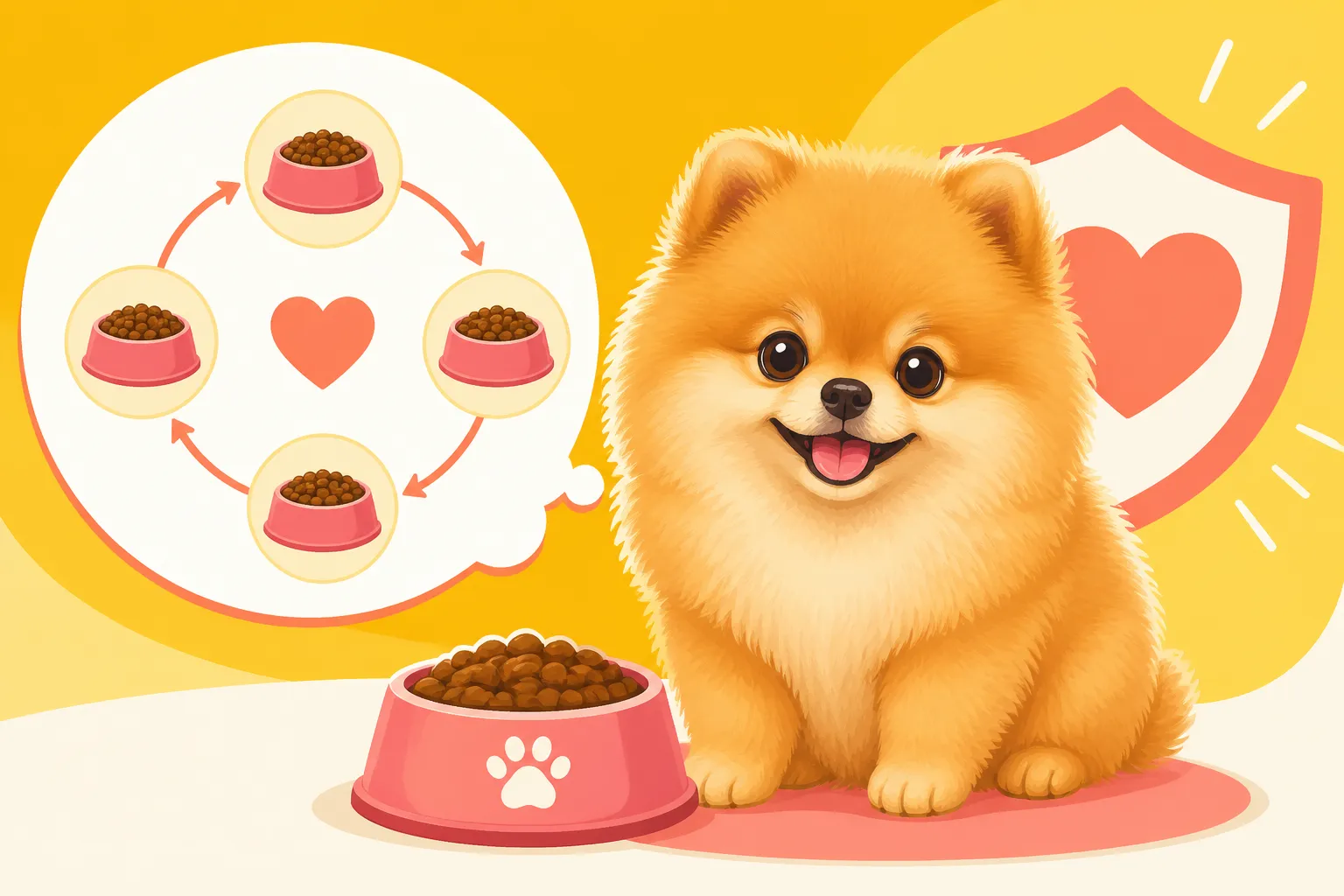
For the first few months of life, a Pomeranian puppy typically needs to eat every 3-4 hours throughout the day. Yes, you read that right – that's often 4 to 6 meals daily, not including potential overnight snacks for very young or particularly fragile pups. This frequent feeding ensures a steady stream of glucose, preventing those dangerous dips in blood sugar.
As they grow, usually around 4-6 months, you might be able to gradually reduce the frequency to 3 meals a day, but this transition should be done carefully and with close monitoring. By 6-8 months, many Poms can transition to two meals a day, but again, every puppy is different, and some may need three meals for longer. Observing your puppy's energy levels, alertness, and overall well-being after each meal is crucial. If they become lethargic or listless between feedings, you might need to increase frequency again. Remember, consistency is key, so try to stick to the same meal times each day. For specific guidelines on this, check out How Often a Pomeranian Puppy Needs to Eat.
Overnight Feeding Considerations
The thought of waking up in the middle of the night to feed a puppy might sound exhausting, and let's be honest, it often is! However, for very young or small Pomeranian puppies (especially those under 12-14 weeks or weighing less than 3 pounds), an overnight feeding might be absolutely essential. Their tiny systems simply can't go 8-10 hours without food without risking a blood sugar crash.
One common strategy is to provide a small, highly palatable meal right before you go to bed, and then again as soon as you wake up. For some, a middle-of-the-night check and a quick syringe-feeding of high-calorie nutritional gel or a tiny bit of wet food might be necessary. This can be particularly frustrating for owners who are already sleep-deprived from new puppy duties, but it’s a temporary measure for their safety. As your puppy grows and shows consistent energy levels, you can gradually extend the overnight fasting period, always keeping a close eye on them. Investing in a good quality pet insurance plan like Healthy Paws early on can offer peace of mind, knowing that if an overnight emergency does occur, you'll have support for the veterinary bills.
Gradually Transitioning to Fewer Meals
As your Pomeranian puppy matures, their metabolism will stabilize somewhat, and their ability to store glycogen will improve. This is when you can begin to slowly transition them to fewer meals. The key word here is slowly. Don't suddenly cut out a meal; instead, incrementally reduce the amount given at one feeding while slightly increasing the amounts at the remaining meals, ensuring their total daily caloric intake remains appropriate for their age and weight.
Monitor their energy levels, stool quality, and overall demeanor during this transition. If you notice any signs of lethargy, trembling, or reduced appetite, it's a sign that the change is too rapid, and you should revert to the previous schedule. For example, if you're going from four meals to three, start by slightly reducing the mid-morning meal and adding a bit more to breakfast and lunch for a few days before fully eliminating it. This allows their system to adjust without sudden shocks. Patience and observation are your best allies here. Our article on Feeding a Pomeranian Puppy Four Times a Day offers practical advice on these early stages.
Choosing the Right Food and Portions
Beyond frequency, what you feed your Pomeranian puppy and how much are equally critical for preventing blood sugar issues and ensuring healthy development. Not all dog foods are created equal, especially for a breed with such specific needs.
Selecting Small Breed Puppy Formula
When it comes to kibble, don't just grab any puppy food off the shelf. Pomeranian puppies need a high-quality, nutrient-dense small breed puppy formula. Why "small breed"? These formulas are specifically designed with smaller kibble pieces that are easier for tiny mouths to chew and digest. More importantly, they often have a higher caloric density and a carefully balanced nutrient profile to support rapid growth and high metabolism without overfeeding.
Look for a food with a good balance of protein, healthy fats, and complex carbohydrates. Ingredients lists can be overwhelming, but aim for real meat as the first ingredient (like chicken, lamb, or salmon) and avoid excessive fillers, artificial colors, or by-products. Companies like Royal Canin, Purina Pro Plan, and Hill's Science Diet offer excellent small breed puppy options. Always consult your veterinarian for their recommendation, especially if your puppy has any sensitivities or specific health concerns. The right food provides consistent energy release, which is vital for preventing those blood sugar rollercoaster rides.
Calculating Appropriate Portions
Determining the exact portion size for your Pomeranian puppy can feel like a delicate balancing act. Too little, and you risk hypoglycemia; too much, and you risk digestive upset or obesity, which brings its own set of health problems. The general guideline on the food bag is a starting point, but it's rarely a one-size-fits-all solution. Factors like your puppy's individual metabolism, activity level, and growth rate all play a role.
The best approach is to start with the lower end of the recommended daily portion for their weight range, divide it into their frequent meals (e.g., 4-6 times a day), and then adjust based on their body condition and energy levels. You should be able to easily feel their ribs without seeing them protruding, and they should have a visible waist. Your vet is your best resource for precise portion calculations, especially during those critical first few months. They can help you calculate the precise calories your puppy needs to thrive. Remember, their growth is rapid, so these portions will need to be re-evaluated frequently as they gain weight.
Incorporating Wet Food or Supplements
While dry kibble forms the foundation of most puppy diets, incorporating wet food or nutritional supplements can be incredibly beneficial for Pomeranian puppies, particularly those prone to hypoglycemia or those who are picky eaters. Wet food is often more palatable and can encourage a reluctant puppy to eat, ensuring they get those crucial calories. Its higher moisture content can also aid hydration.
For puppies at higher risk of blood sugar crashes, or during times of stress (like a vet visit or travel), having a high-calorie nutritional supplement on hand is a must. Products like Nutri-Cal or similar high-energy gels can provide a rapid boost of glucose when needed. These are not meal replacements but an emergency intervention or a way to ensure sufficient calorie intake during difficult times. A tiny smear on their gums can sometimes be enough to prevent a full-blown crash. This is one of those situations where being prepared can make all the difference, and a robust pet insurance plan like Healthy Paws can help cover the unexpected costs that might arise from such situations.
Recognizing and Responding to a Blood Sugar Crash
Even with the most diligent feeding schedule and the best food, a Pomeranian puppy can still experience a blood sugar crash. Recognizing the signs early and knowing exactly how to respond can literally save your puppy's life. This is not a time for panic, but for swift, informed action.
Early Warning Signs to Watch For
The signs of hypoglycemia can be subtle at first, often mistaken for just a tired or sleepy puppy. However, if you know what to look for, you can intervene before it becomes an emergency. Keep a keen eye out for:
- Lethargy or unusual sluggishness: Your normally bouncy puppy seems unusually quiet or uninterested in play. They might be slow to respond to your calls.
- Weakness or uncoordinated movements: They might stumble, walk like they're drunk, or have difficulty standing or walking steadily. Their legs might seem "rubbery."
- Shaking or trembling: This is a classic sign as their body tries to compensate for the lack of glucose. They might shiver even if they're not cold.
- Disorientation or confusion: They might stare blankly, get lost in a familiar room, or not seem to recognize you.
- Reduced appetite: This can be a dangerous cycle; low blood sugar makes them less willing to eat, further lowering their blood sugar.
If you observe any of these signs, don't wait. Act immediately. Our article on Recognizing a Hypoglycemic Pomeranian offers more detailed descriptions and common scenarios to help you identify these critical indicators.
Emergency Steps at Home
If you suspect your Pomeranian puppy is experiencing a blood sugar crash, time is of the essence. You need to act immediately, even as you prepare to contact your vet.
- Administer a Glucose Source: The most critical first step is to get sugar into their system quickly. The easiest way to do this is with corn syrup (Karo syrup is a common choice), honey, or a specialized glucose gel. Gently rub a small amount (about a pea-sized dab for a tiny puppy) onto their gums and under their tongue. Do not try to force them to swallow if they are unconscious or seizing, as this can lead to choking. The sugar will absorb through the mucous membranes. Our guide on Syrup on the Gums of a Crashing Pomeranian Puppy provides a step-by-step approach to this emergency measure.
- Keep Them Warm: Hypoglycemia often goes hand-in-hand with a drop in body temperature. Wrap your puppy gently in a warm towel or blanket.
- Attempt to Offer Food: Once they show signs of improvement (more alert, less shaky), offer a small, highly palatable meal. Wet puppy food, cooked chicken, or even a small amount of their regular kibble moistened with warm water can work. The goal is to get sustained calories into them.
- Contact Your Vet Immediately: Even if your puppy seems to recover at home, you must contact your veterinarian. They need to be examined to determine the underlying cause and ensure there are no lingering effects or other health issues at play. An episode of hypoglycemia can be a sign of something more serious, and your vet will want to investigate.
When to Seek Immediate Veterinary Care
While home intervention is crucial, there are definitely times when immediate veterinary care is non-negotiable. If your puppy is:
- Unresponsive or unconscious: If they cannot be roused, don't delay.
- Having seizures: This is a severe symptom requiring urgent professional attention.
- Not improving within 10-15 minutes after you've administered sugar.
- Repeatedly having hypoglycemic episodes, even with consistent feeding.
In these situations, it's straight to the emergency vet. Call ahead if possible to let them know you're coming and what symptoms your puppy is exhibiting. They will likely administer intravenous dextrose (sugar solution) to quickly raise blood sugar and provide supportive care. While the thought of an emergency vet bill can be daunting, having pet insurance like Healthy Paws can significantly alleviate that financial stress, allowing you to focus purely on your puppy's well-being during critical moments. Remember, for a small Pomeranian, minutes can matter.
Preventative Measures and Long-Term Health
Preventing hypoglycemia is an ongoing commitment, especially during your Pomeranian's puppyhood. It's not just about crisis management; it's about building a stable foundation for their long-term health. Proactive care involves more than just meal times.
Maintaining a Stable Environment
Beyond consistent feeding, a stable and stress-free environment plays a huge role in preventing blood sugar crashes. Stress, whether from cold, excitement, or anxiety, burns through a puppy's energy reserves rapidly. Ensure your Pomeranian puppy has:
- A warm, draft-free resting place: Small puppies can get cold easily, and shivering consumes a lot of glucose. A cozy bed, perhaps with a warm blanket, is essential.
- Minimal stress: Limit exposure to overly loud noises, chaotic environments, or too many new experiences all at once. Puppies, especially Poms, can be sensitive.
- Consistent routine: Pups thrive on predictability. Stick to regular feeding, potty breaks, and playtime schedules. This reduces anxiety and helps regulate their internal clock and metabolism.
- Safe play: While play is vital, avoid prolonged, overly strenuous activity that can exhaust their energy stores too quickly. Short, frequent play sessions are better than one long, intense one.
A calm, predictable home reduces the "silent stressors" that can contribute to glucose depletion, making your feeding efforts even more effective.
Regular Vet Check-ups and Monitoring
Regular veterinary check-ups are non-negotiable for Pomeranian puppies. Your vet will monitor their growth, weight gain, and overall health, all of which are indicators of proper nutrition and blood sugar regulation. These appointments are also your opportunity to discuss any concerns you have about feeding, energy levels, or behavior.
Your vet can offer personalized advice on feeding schedules, portion sizes, and the best food for your individual puppy. They can also perform necessary screenings to rule out other underlying health conditions that might mimic or contribute to hypoglycemia, such as certain liver shunts or metabolic disorders. Early detection of any issues is key to managing them effectively. This proactive approach helps ensure your Pomeranian is getting everything they need to transition safely out of the high-risk puppy phase. Discussions about The Age a Pomeranian Outgrows Sugar Crashes can be a regular part of these check-ups.
Gradual Transitions and Avoiding Sudden Changes
Pomeranian puppies, like many small breeds, can be sensitive to sudden changes, especially those related to diet. When you need to change their food, whether it's moving from puppy to adult formula or switching brands, do it gradually over 7-10 days. Mix a small amount of the new food with their old food, slowly increasing the proportion of the new food each day. This allows their digestive system to adjust and prevents stomach upset, which itself can lead to decreased appetite and potential blood sugar drops.
Similarly, when transitioning from frequent puppy meals to fewer adult meals, make the change incrementally. Observe their response carefully at each step. Avoiding sudden shifts minimizes stress on their delicate systems and helps maintain stable blood sugar levels. This cautious approach is a testament to the dedication Pomeranian owners have to their pets' well-being.
Sample Feeding Schedule for a Young Pomeranian Puppy
To give you a practical guide, here's a sample feeding schedule for a very young Pomeranian puppy (8-12 weeks old). Remember, this is a starting point and should be adjusted based on your individual puppy's needs and your vet's advice.
| Time | Meal Type/Action | Notes |
|---|---|---|
| 6:00 AM | Breakfast: Small portion of high-quality small breed puppy kibble (possibly moistened) | First meal of the day, crucial for boosting blood sugar after overnight fast. |
| 9:00 AM | Mid-Morning Meal: Small portion of kibble | Essential small meal to keep energy levels stable before lunch. |
| 12:00 PM | Lunch: Small portion of kibble | Don't skip this, even if they seem busy playing. |
| 3:00 PM | Afternoon Snack: Tiny portion of kibble or a safe puppy treat | A bridge between lunch and dinner, especially important for very active pups. |
| 6:00 PM | Dinner: Small portion of kibble | Main evening meal. |
| 9:00 PM | Before Bed Snack: Small portion of kibble, possibly wet food or high-calorie gel | Crucial last meal to sustain them through the early part of the night. Consider a vet check for The Heart Defect Found in Pomeranian Puppies if you notice any health concerns. |
| Overnight (Optional for very small/fragile pups) | Midnight Check/Feeding: Tiny smear of high-calorie gel on gums | Only if recommended by your vet for puppies under 3 lbs or those with a history of crashes. |
This table illustrates the density of meals required. Each meal might be only a tablespoon or two of food, but the frequency is what matters most.
Final Thoughts on Nourishing Your Tiny Pom
Caring for a Pomeranian puppy means embracing their unique needs, and understanding the vital role of consistent, appropriate feeding to prevent hypoglycemia is at the top of that list. It can feel like a big responsibility, especially with such a tiny, delicate creature, but with the right knowledge and diligence, you can provide a safe and healthy start to their life. From selecting the perfect small breed formula to knowing the exact moment to rub a bit of syrup on their gums, every action you take contributes to their well-being. Always maintain open communication with your veterinarian, and remember that resources like our articles, such as The First Year Bills on a Pomeranian Puppy, are here to support you every step of the way in your journey with your beloved Pomeranian.
Disclaimer
The information provided in this article is for educational purposes only and is not intended to be a substitute for professional veterinary advice. Always consult with a qualified veterinarian for any health concerns or before making any decisions related to your pet's health and treatment.