Why a Pomeranian’s Teeth Crowd and Rot
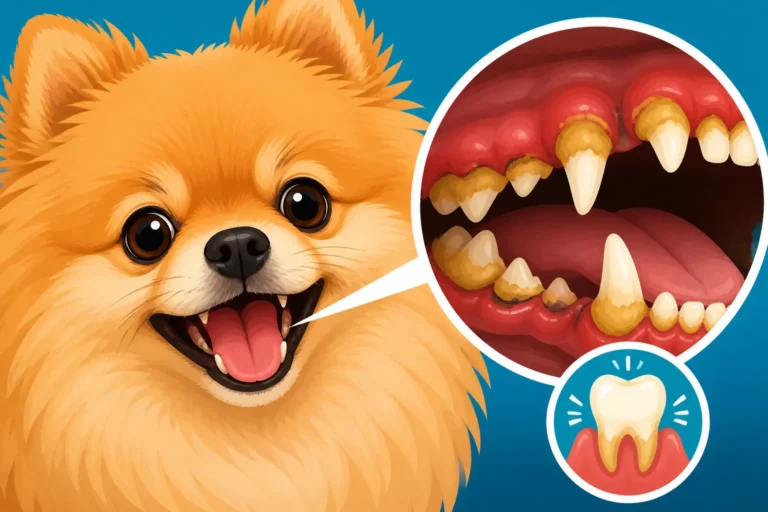
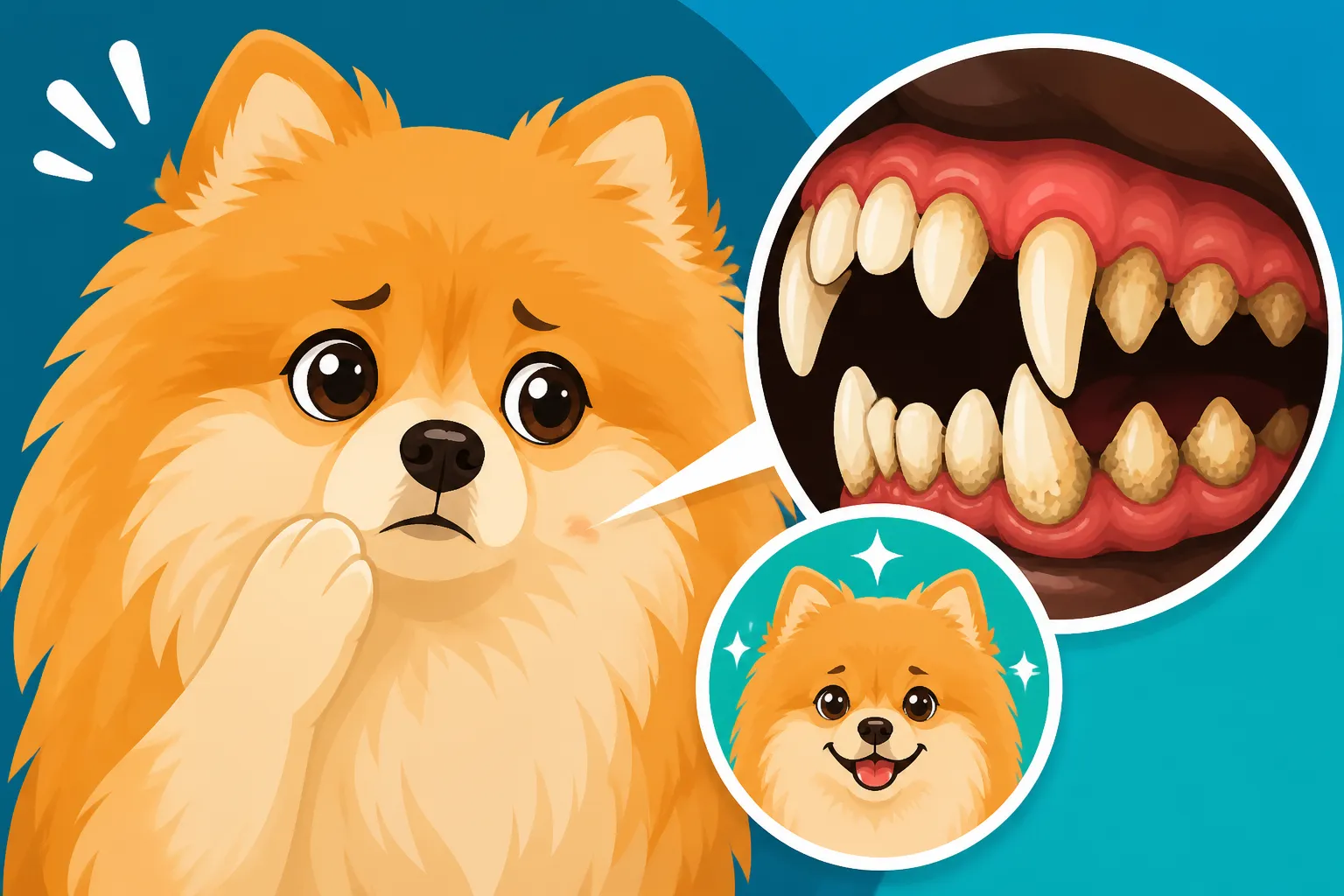
It’s a heart-wrenching reality for many Pomeranian owners: you open your sweet furball's mouth, and instead of sparkling pearly whites, you find tiny teeth crammed together, often discolored, and sometimes even a bit wobbly. This isn't just an aesthetic issue; it's a deeply painful and serious health problem that can dramatically impact your beloved Pom's quality of life. Understanding why a Pomeranian's teeth crowd and rot is the first crucial step toward prevention and ensuring they live a long, comfortable life free from chronic oral pain.
The Unique Challenges of a Pomeranian's Mouth Anatomy
Pomeranians are undeniably adorable, with their fluffy coats and charming smiles. But that very cuteness, particularly their compact size, comes with a specific anatomical quirk that predisposes them to significant dental challenges. Their mouths, while perfectly proportioned for their small stature, are simply not designed to accommodate a full set of teeth with adequate spacing.
Tiny Jaws and Standard Tooth Count
Imagine trying to fit a standard set of 36 to 42 adult teeth, the same number found in a much larger dog breed, into the petite jaw of a five-pound Pomeranian. It's a logistical nightmare for those tiny oral cavities! This isn't a design flaw; it's simply a consequence of selective breeding for miniaturization. While the skull and jawbone size decreased over generations, the number and size of the teeth didn't always shrink proportionately. This means your Pom's mouth is a constant state of overcrowding.
This inherent lack of space forces teeth into unnatural positions. They might rotate, overlap, or even erupt at odd angles. When teeth are packed together like this, they create nooks and crannies that are impossible to clean effectively, even with diligent brushing. Food particles, saliva, and bacteria inevitably get trapped in these tight spaces, forming plaque and eventually hardening into tartar. This environment is a breeding ground for harmful bacteria, leading to the rapid progression of dental disease, even in young dogs.
Retained Baby Teeth and Their Impact
One of the most common and frustrating dental issues in Pomeranians is the persistence of deciduous, or "baby," teeth long after their adult counterparts have begun to emerge. In most dog breeds, as the permanent teeth push through the gums, they naturally resorb the roots of the baby teeth, causing them to loosen and fall out. For some reason, in many small breeds, including Pomeranians, this process doesn't always happen efficiently. You might notice two teeth growing in the same spot – a baby tooth and an adult tooth right next to each other.
This phenomenon is particularly prevalent with the canine teeth, often leading to what's affectionately (though not accurately, from a health perspective) called "shark teeth." When these baby teeth don't fall out, they occupy space that the adult teeth desperately need. This forces the adult teeth to erupt in abnormal positions, exacerbating the already crowded conditions in the jaw. This double set of teeth creates even more surfaces and tighter crevices where food and bacteria can collect, making proper cleaning virtually impossible. Leaving retained baby teeth in place significantly accelerates the onset and severity of The Baby Canines a Pomeranian Fails to Lose. Your veterinarian will often recommend extracting these retained baby teeth when your Pomeranian is spayed or neutered, or during their first dental cleaning.
The Overcrowding Cascade
The initial problem of a small jaw with a standard number of teeth kicks off a cascade of dental issues. It's not just that the teeth are close together; they start pushing and turning, creating all sorts of misalignments. Imagine trying to keep a clean house when every shelf is overflowing, and items are constantly falling into awkward corners. That's essentially what happens in a Pomeranian's mouth.
The crowding leads to:
- Rotated and Misaligned Teeth: Teeth twist out of their natural alignment, exposing more surface area to bacteria and making natural self-cleaning (from chewing) less effective.
- Increased Surface Area for Plaque: More irregular surfaces mean more places for plaque biofilm to cling to.
- Food Traps: Gaps between overlapping teeth become perfect little pockets where food debris gets lodged, fermenting and feeding bacteria.
- Abnormal Occlusion (Bite): The way the upper and lower teeth meet can be severely compromised, leading to uneven wear, further discomfort, and even injury to the gums or roof of the mouth.
This overcrowding cascade is a primary reason why Dental Disease in a Mouth the Size of a Pomeranian's progresses so quickly in Pomeranians. It's a battle against anatomy, and without proactive intervention, the bacteria inevitably win, leading to significant tooth decay and gum inflammation.
The Silent Threat of Periodontal Disease
Periodontal disease is the leading health problem for dogs, and it’s especially aggressive in Pomeranians due to their unique oral structure. It's a silent threat because the early stages are often painless and easily overlooked, but it relentlessly progresses, causing significant discomfort and long-term health complications if left untreated.
Plaque and Tartar Buildup on Crowded Surfaces
Every time your Pomeranian eats, microscopic food particles combine with saliva and bacteria naturally present in the mouth to form a sticky film called plaque. Within 24-48 hours, this plaque begins to mineralize, hardening into tartar (also known as calculus). This process is significantly accelerated in Pomeranians because their crowded teeth provide ample irregular surfaces and sheltered nooks for plaque to adhere and mature undisturbed.
Unlike plaque, tartar cannot be removed by brushing alone. It forms a rough, porous surface that acts as a magnet for even more plaque and bacteria. This ever-growing layer of tartar pushes against the gum line, creating an ideal environment for bacteria to thrive beneath the gums where they can wreak havoc. The more crowded and misaligned the teeth, the more difficult it is for any brushing, chewing, or even your Pom's tongue to dislodge this accumulating buildup, making tartar an almost constant companion in their mouth.
Gingivitis and Its Progression to Periodontitis
The initial stage of periodontal disease is called gingivitis, which is inflammation of the gums. When plaque and tartar accumulate along the gum line, the bacteria they harbor irritate the soft gum tissue. You might notice your Pom's gums looking a little red, puffy, or even bleeding slightly when they chew on a toy. This stage is often reversible with professional cleaning and improved home care.
However, if gingivitis is left unaddressed, it will inevitably progress to periodontitis. This is where the real damage begins. The bacteria start to spread below the gum line, infecting the ligaments and bone that support the teeth. The body's immune response to this infection can actually contribute to the destruction of these supporting structures. Pockets form between the gums and the teeth, deepening as the infection worsens, providing an even better sanctuary for bacteria. As periodontitis advances, the destruction of bone and tissue can lead to:
- Gum Recession: Gums pull away from the teeth, exposing sensitive roots.
- Bone Loss: The jawbone that anchors the teeth erodes.
- Loose Teeth: As their support structure dwindles, teeth become unstable.
- Pain: Chronic inflammation and infection lead to persistent pain, which can be severe.
It's a grim reality that many Pomeranians, even relatively young ones, will already have some degree of periodontitis by the time they are two or three years old without consistent preventative care.
Systemic Health Risks from Oral Bacteria
The problems associated with periodontal disease aren't confined to the mouth. The mouth is highly vascular, meaning it has a rich blood supply. When there's a chronic bacterial infection in the gums, these bacteria can easily enter the bloodstream. Once in the bloodstream, they can travel to distant organs, potentially causing serious systemic health issues.
Research has shown a clear link between advanced periodontal disease and conditions affecting the heart, kidneys, and liver. The bacteria can set up secondary infections or contribute to inflammatory conditions in these vital organs. For instance, bacteria from the mouth can travel to the heart and colonize damaged heart valves, leading to infective endocarditis. Similarly, the kidneys and liver, which are responsible for filtering toxins from the blood, can become strained and damaged by the constant influx of bacteria and inflammatory byproducts. While a healthy immune system can combat these invaders to some extent, a prolonged, chronic infection eventually takes its toll. This is why addressing The Checkup Schedule a Pomeranian Should Keep is so vital, and why your vet always includes an oral exam. Preventing dental disease isn't just about saving teeth; it's about protecting your Pomeranian's entire body from the insidious spread of infection.
Contributing Factors Beyond Anatomy
While a Pomeranian's compact jaw is certainly the primary antagonist in the dental health saga, several other factors can either exacerbate or mitigate the progression of dental disease. Understanding these can empower you to make informed choices that protect your Pom's pearly whites.
Dietary Habits and Dental Health
What your Pomeranian eats plays a significant role in their oral health. Many commercial kibbles, especially those not specifically formulated for dental health, can actually contribute to plaque and tartar buildup rather than helping to clean teeth. Soft, sticky foods or an overabundance of sugary treats can cling to tooth surfaces, providing a feast for oral bacteria.
On the flip side, some specialized dental diets and certain dental chews are designed with abrasive textures or specific ingredients (like hexametaphosphate) that help reduce plaque and tartar accumulation. The mechanical action of chewing on harder, appropriately sized kibble or safe dental treats can provide a mild scrubbing effect on the tooth surfaces. However, it's crucial to choose chews that are safe and appropriately sized for a small breed like a Pomeranian to prevent choking hazards or tooth fractures. Always supervise your Pom with any chew toy. Even with the best diet and chews, they are supplements to, not replacements for, a comprehensive dental care routine.
Lack of Consistent Home Dental Care
Let's be honest: brushing your dog's teeth daily sounds like a great idea in theory, but it can feel like a monumental task in practice, especially with a tiny, sometimes feisty, Pomeranian. However, the lack of consistent home dental care is arguably the biggest non-anatomical contributor to the rapid progression of dental disease. Just like with humans, plaque starts forming immediately after eating, and without daily removal, it quickly turns into tartar.
Many owners mistakenly believe that feeding dry kibble or giving occasional dental chews is enough. While these can help, they are rarely sufficient to prevent plaque and tartar buildup, especially on the inside surfaces of the teeth or in the tightly packed areas. Regular brushing is the gold standard for removing plaque before it hardens. If you're struggling to establish a routine, remember that even a few times a week is better than nothing, and positive reinforcement (treats, praise!) goes a long way. Starting when your Pom is a puppy makes it much easier, but it's never too late to begin. Learning Whether a Pomeranian Needs Its Teeth Brushed Daily can save a lot of pain and expense down the road.
Genetic Predispositions and Breed-Specific Traits
Beyond the physical anatomy of a small jaw, there can also be genetic predispositions within the Pomeranian breed that contribute to dental issues. Some lines may be more prone to specific tooth abnormalities, enamel defects, or a quicker accumulation of tartar. While breeders strive for overall health, the emphasis on maintaining the breed's tiny size and distinctive facial features can inadvertently perpetuate these dental challenges.
It's also worth noting that toy breeds, in general, tend to have a higher incidence of periodontal disease compared to larger breeds. This isn't just about jaw size; there might be subtle differences in saliva composition, immune response in the oral cavity, or even chewing mechanics that play a role. As a Pomeranian owner, accepting that your dog is simply more susceptible to dental problems is crucial. This understanding should drive a more proactive and vigilant approach to their oral hygiene, rather than assuming they'll be fine without intervention. It's not a matter of "if" they'll develop dental disease, but "when" and "how severely," and how effectively you can manage it.
Recognizing the Signs of Dental Trouble
One of the biggest challenges with dental disease in dogs is that they are masters at hiding pain. It's a survival instinct. By the time you notice obvious signs, the problem is often quite advanced. Being proactive and knowing what to look for can help you catch issues early, before they escalate into something far more serious.
Subtle Changes in Eating Habits and Behavior
A Pomeranian in pain might not cry out or refuse to eat entirely. Their suffering can manifest in much more subtle ways. If you notice your Pom approaching their food bowl enthusiastically but then hesitating, chewing slowly, dropping food, or tilting their head to one side while eating, these are red flags. They might prefer soft food over crunchy kibble, even if they used to love it. Some dogs will try to eat but then whine or yelp and back away.
Beyond eating, look for changes in overall behavior. Is your once playful Pom now a bit more withdrawn or irritable? Do they flinch or snap if you try to touch their face or mouth, even gently? Are they less interested in chew toys they once adored? Excessive drooling, especially if it's bloody, or pawing at their mouth are also strong indicators of discomfort. These subtle shifts are often the first, and sometimes only, clues that your little companion is experiencing oral pain.
Visible Indicators: Bad Breath, Red Gums, Loose Teeth
While subtle behavioral changes are important, there are also more direct, visible signs of dental trouble that you should be checking for regularly. The most obvious indicator is often halitosis, or bad breath. While "dog breath" is often accepted as normal, a truly foul, strong, or putrid odor is never normal and almost always indicates a bacterial infection in the mouth. It's a sign that plaque and tartar have taken hold.
When you lift your Pomeranian's lips, check the color and texture of their gums. Healthy gums should be a healthy pink (unless your Pom has naturally pigmented gums) and should lie snugly around the teeth. Red, swollen, or bleeding gums (gingivitis) are a clear sign of inflammation. You might also see a visible buildup of yellowish-brown tartar on the tooth surfaces, especially on the outer surfaces of the molars and canines. In more advanced cases, you might notice loose, missing, or fractured teeth. Pockets of pus around the gum line, or even an abscess that appears as a swelling under the eye, are signs of severe infection and require immediate veterinary attention.
The Importance of Regular Veterinary Check-ups
Even if you are diligent with home care and don't notice any obvious signs, regular veterinary check-ups are absolutely essential for monitoring your Pomeranian's dental health. During these annual visits, your vet will perform an oral exam, which often involves visually inspecting the teeth and gums. They can spot issues you might miss and recommend a professional dental cleaning under anesthesia.
A professional dental cleaning goes far beyond what you can achieve at home. It allows the vet to thoroughly examine each tooth, probe for gum pockets, and often take dental X-rays to assess the health of the tooth roots and jawbone, which are hidden beneath the gum line. This is crucial because up to two-thirds of dental disease occurs below the gum line and is invisible to the naked eye. Early intervention, guided by your vet's expertise, can prevent significant pain, tooth loss, and the need for more complex and costly procedures like Extractions in a Pomeranian's Small Jaw. Don't wait until your Pom is showing clear signs of pain; regular vet visits are your best defense against the silent progression of dental disease.
Proactive Strategies for Pomeranian Dental Health
Understanding why Pomeranians are so prone to dental issues is just the beginning. The real power lies in taking proactive steps to protect their oral health. While their tiny mouths present unique challenges, there’s a lot you can do to minimize crowding, prevent rot, and keep their breath fresh and their gums healthy.
Establishing an Effective Daily Brushing Routine
This is the cornerstone of good dental hygiene for any dog, but especially for a Pomeranian. The goal is to remove plaque before it hardens into tartar. Aim for daily brushing, or at least every other day, to make a real difference. It sounds daunting, but with patience and positive reinforcement, most Poms can learn to tolerate it, and some even enjoy it!
Here’s how to approach it:
- Start Slow and Gentle: Begin by simply touching your Pom's mouth and lips, then progress to rubbing their gums with your finger. Reward heavily with praise and a small, high-value treat.
- Introduce a Toothbrush and Pet Toothpaste: Use a toothbrush specifically designed for small dogs (finger brushes can also work well) and an enzymatic pet toothpaste. Never use human toothpaste, as it contains ingredients toxic to dogs. Let them lick the toothpaste off the brush first to associate it with a treat.
- Focus on the Outer Surfaces: Most periodontal disease occurs on the outer surfaces of the teeth, so concentrate your efforts there. Gently lift your Pom's lip and brush in small, circular motions, paying extra attention to the back molars and canine teeth.
- Keep it Short and Sweet: Initially, aim for just 30 seconds to a minute, gradually increasing as your Pom becomes more comfortable. Always end on a positive note with a treat and praise.
Consistency is key. Making it a positive experience will make it a routine, not a battle. This daily ritual is your best defense against Whether a Pomeranian Needs Its Teeth Brushed Daily from advancing to severe stages.
Dental Chews, Water Additives, and Diet Choices
While brushing is paramount, other tools can complement your efforts and offer additional layers of protection.
- Veterinary Oral Health Council (VOHC) Approved Dental Chews: Look for dental chews that carry the VOHC seal. This means they've met specific scientific criteria for efficacy in reducing plaque and/or tartar. Choose chews appropriate for your Pomeranian's size to ensure they can chew them effectively without choking or breaking a tooth. Brands like Greenies or VetriScience Perio Support can be good options, but always supervise your Pom.
- Dental Water Additives: These products are added to your dog's drinking water and contain ingredients that help reduce bacteria in the mouth or inhibit plaque formation. While they won't remove existing tartar, they can be a useful adjunct to daily brushing.
- Dental Diets: Some prescription and over-the-counter kibbles are formulated with larger, fibrous kibbles that scrape the tooth surface as your dog chews. Others contain special coatings or ingredients that prevent plaque from adhering or tartar from forming. Discuss these options with your vet to see if a dental-specific diet is right for your Pom.
Remember, none of these options replace brushing or professional cleanings, but they can significantly support a comprehensive dental hygiene program.
Professional Dental Cleanings and Extractions
Despite your best home care efforts, your Pomeranian will almost certainly need professional dental cleanings under anesthesia at some point. Due to their predisposition, many vets recommend annual cleanings for Poms, sometimes starting as early as two or three years of age. During a professional dental, your vet will:
- Conduct a Thorough Oral Exam: This includes probing gum pockets and visual inspection of all tooth surfaces.
- Take Dental X-rays: These are crucial to assess the health of the tooth roots and jawbone, revealing issues hidden below the gum line.
- Scale and Polish: Using ultrasonic scalers, plaque and tartar are meticulously removed from all tooth surfaces, above and below the gum line. The teeth are then polished to create a smooth surface that is less prone to plaque accumulation.
- Address Problematic Teeth: Any retained baby teeth will be extracted, and severely diseased, loose, or fractured adult teeth will be removed. Extractions in a Pomeranian's Small Jaw are a common necessity during these procedures.
Yes, anesthesia always carries some risk, especially for small dogs, but modern veterinary anesthesia protocols are very safe. Most vets will perform pre-anesthetic bloodwork to ensure your Pom is a good candidate. The risks of not performing necessary dental work, leading to chronic pain, infection, and systemic disease, far outweigh the risks of a properly managed anesthesia. This consistent professional care is vital for preventing the severe consequences of neglected dental health.
Financial Considerations for Pomeranian Dental Care
It’s an unfortunate truth that providing optimal dental care for your Pomeranian can be a significant financial undertaking. Many owners are blindsided by the costs, particularly when dental issues become severe. However, understanding these expenses upfront and planning accordingly can prevent future heartache and budget strain.
The True Cost of Neglected Dental Health
The initial cost of a professional dental cleaning might seem high, ranging from a few hundred dollars to upwards of a thousand, depending on your location, the clinic, and whether X-rays or extractions are needed. However, compare that to the cost of neglected dental health. If early gingivitis progresses to advanced periodontitis, your Pomeranian could face:
- Multiple Extractions: Removing several diseased teeth.
- Advanced Imaging: More extensive X-rays or even CT scans.
- Antibiotics and Pain Medication: To manage infection and discomfort.
- Specialized Surgery: For severe bone loss, jaw fractures, or oro-nasal fistulas (a hole between the mouth and nasal cavity).
- Consultations with Specialists: If the case is complex.
A dental procedure involving multiple extractions and advanced care can easily climb to $1,500 to $3,000 or more. Beyond the direct costs, there are the intangible costs of your Pom's chronic pain, reduced quality of life, and the potential for systemic illnesses like heart or kidney disease, which then require their own ongoing treatments. When you consider The Eighteen Thousand Dollar Lifetime of a Pomeranian, a significant portion of that budget can unfortunately be allocated to dental care if not managed proactively.
Pet Insurance as a Lifeline for Dental Bills
Given the high propensity for Pomeranians to develop dental issues, pet insurance can truly be a lifeline. While many basic accident-only plans won't cover routine cleanings or even some dental diseases, comprehensive plans often do, especially if the disease is not pre-existing. It's crucial to research policies carefully and understand what they cover, particularly regarding dental care.
Some insurance providers, like Healthy Paws, offer plans that cover accidents and illnesses, which can include dental disease that is not pre-existing. This means if your Pom develops periodontal disease, and it wasn't present before you enrolled them, the policy could help reimburse you for the costs of cleanings, extractions, and associated medications. Many plans also offer optional "wellness riders" that help cover the cost of routine preventative care, including annual dental cleanings. Enrolling your Pomeranian when they are young and healthy is the best strategy to ensure that future dental problems, which are highly likely for the breed, are covered. Investing in pet insurance is often the most financially sound decision for long-term health management. Read up on Insuring a Pomeranian That Needs Dental Work Yearly to fully understand your options.
Budgeting for Preventative Care
The most cost-effective approach to Pomeranian dental health is prevention. While it requires an upfront commitment of time and some money, it invariably saves more in the long run. Here's how to budget for preventative care:
- Factor in Daily Brushing Supplies: Toothpaste, brushes, and perhaps some safe dental chews. This is a relatively low monthly cost, perhaps $10-$20.
- Annual Veterinary Dental Cleanings: Plan for a professional cleaning every 1-2 years, or as recommended by your vet. If you spread the estimated cost (e.g., $500-$1000) over 12 months, it might be $40-$80 a month you put aside.
- Routine Vet Visits: These are crucial for early detection, and your vet's oral exam is part of the overall wellness check.
By consistently allocating funds for these preventative measures, you significantly reduce the likelihood of costly emergency procedures and extensive extractions. It's a proactive investment in your Pomeranian's comfort, health, and happiness, allowing them to enjoy their meals and interact without the burden of oral pain.
Disclaimer
This article is intended for informational purposes only and does not constitute medical advice. Always consult with a qualified veterinarian for any health concerns or before making any decisions about your Pomeranian's care plan.