Whether a Smaller Pomeranian Lives a Shorter Life
It’s a natural worry for any Pomeranian owner, especially if you have a particularly dainty little fluffball: does a smaller Pomeranian really live a shorter life? This concern often stems from observing the fragile nature of extremely tiny dogs or hearing anecdotal tales. This comprehensive guide will meticulously explore the relationship between a Pomeranian's size and its potential lifespan, separating fact from common misconceptions and providing actionable insights for ensuring your small companion thrives for as long as possible.
Understanding the Standard Pomeranian Lifespan
Before we dive into the nuances of size, let's establish a baseline for what a typical, healthy Pomeranian lifespan looks like. Knowing what's considered "normal" helps put any concerns about size into perspective.
What's Considered a Typical Lifespan for Poms?
Generally speaking, a well-bred Pomeranian can be expected to live a good, long life, often gracing our homes for anywhere from 12 to 16 years. Some even make it well into their late teens! This impressive longevity is one of the many reasons why Poms are such beloved companions. They spend many years as active, playful members of the family, and then transition into wise, cuddly seniors, enjoying their golden years by your side. Factors like genetics, diet, exercise, and preventative healthcare all play a monumental role in reaching that upper end of the spectrum, or even surpassing it. You might be interested in reading about The Twelve to Sixteen Years a Pomeranian Lives for more details on average lifespans.
However, it's crucial to understand that this average applies to Poms bred to the established breed standard, which typically places their weight between 3 to 7 pounds. These dogs have been carefully selected over generations for robust health within their toy breed classification. Their compact size doesn't necessarily mean fragility, but rather a carefully balanced genetic blueprint that allows them to live full, active lives when properly cared for. The true joy of Pomeranian ownership comes from nurturing a healthy, happy dog, irrespective of whether they fall on the lighter or heavier end of that healthy weight range.
Factors That Influence Longevity in Standard Poms
A Pomeranian's lifespan isn't just a roll of the genetic dice; it's a complex interplay of various factors that we, as owners, can significantly influence. First and foremost, genetics play a huge role. Choosing a puppy from a reputable breeder who health-tests their breeding stock for common Pomeranian ailments like luxating patellas, tracheal collapse, and heart issues is paramount. These breeders are actively working to produce healthy puppies, not just aesthetically pleasing ones. Environment also makes a massive difference: a safe home free from hazards, consistent training, and plenty of mental and physical stimulation contribute to a dog's overall well-being.
Furthermore, proper nutrition is absolutely non-negotiable. Feeding a high-quality, species-appropriate diet that meets the specific caloric and nutritional needs of a small breed dog will support all their bodily functions, from a vibrant coat to strong bones and a healthy immune system. Regular exercise, even if it's just short walks and indoor play, helps maintain a healthy weight and muscle tone. And of course, consistent veterinary care is a cornerstone of longevity. This means not just vaccinations and yearly checkups, but also addressing any health concerns promptly, managing chronic conditions, and ensuring routine dental care. Many owners find value in pet insurance providers like Healthy Paws, which can help cover unexpected vet bills, allowing them to make the best health decisions without financial stress. If you're curious about maximizing your Pom's years, check out Keeping a Pomeranian Going Past Fourteen.
The Truth About "Teacup" Pomeranians and Extreme Small Size
The allure of an impossibly tiny dog is undeniable for many, leading to the rise of the "teacup" trend. However, with this trend comes a host of health concerns that directly impact a Pomeranian's potential lifespan. It’s important to distinguish between a naturally small, healthy Pomeranian and one that has been bred for extreme smallness.
Defining the "Teacup" Label and its Origins
The term "teacup" itself is a marketing invention, not a recognized breed standard. It's often used to describe dogs that are significantly smaller than the already small breed standard, typically weighing under 3 pounds as adults. The origin of this trend lies in the desire for increasingly miniature pets, driven by consumer demand for dogs that can fit into handbags or be easily carried. Unfortunately, achieving such extreme smallness often comes at a steep price for the animal's health. Breeders striving for these minuscule sizes may intentionally breed runts or dogs with genetic predispositions to dwarfism, which can carry a host of associated health problems.
These "teacup" Poms aren't just smaller versions of their standard counterparts; they are often the result of compromising genetic health and structural integrity for the sake of size. While a standard Pomeranian is indeed a small dog, it's bred to be robust and healthy within that small package. A "teacup" often pushes those boundaries into dangerous territory, creating an animal that is inherently more fragile and prone to severe health complications. Understanding What Teacup Breeding Costs a Pomeranian can shed more light on these practices and their implications.
Unique Health Challenges Faced by Extremely Small Poms
When a Pomeranian is bred down to "teacup" size, their tiny bodies struggle with many fundamental biological processes. One of the most common and dangerous issues is severe hypoglycemia, or dangerously low blood sugar. Their tiny livers aren't always developed enough to store adequate glucose, and their metabolic rates are incredibly high, meaning they burn through energy reserves very quickly. This can lead to frequent blood sugar crashes, especially in puppies, which can be life-threatening. Owners of these tiny Poms often have to feed them small meals very frequently, sometimes every couple of hours, to prevent these episodes.
Beyond hypoglycemia, these dogs are also highly susceptible to other issues like hydrocephalus (water on the brain), open fontanelles (a soft spot on the skull that never closes), and extremely fragile bones that are prone to fractures from even minor bumps or falls. Their internal organs are also proportionally smaller and can be underdeveloped, leading to chronic issues with heart, liver, and kidney function. These are not minor inconveniences; these are serious, life-threatening conditions that often require extensive, costly veterinary care throughout the dog's life. The article on The Health Cost of Breeding Pomeranians Under Three Pounds details many of these financial and emotional burdens.
Structural Weaknesses and Organ Vulnerabilities
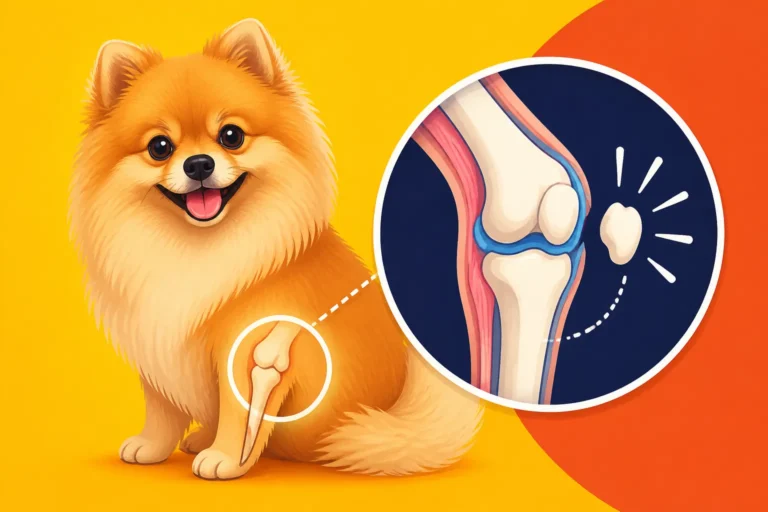
The skeletal structure of an extremely tiny Pomeranian is often compromised. Bones can be thinner and more brittle, making them incredibly prone to fractures from even a short jump or accidental fall. Their joints, particularly the knees (patellas), may be even more susceptible to luxation (slipping out of place) due to underdeveloped grooves or weak ligaments. This can lead to chronic pain, lameness, and the need for expensive surgeries.
Moreover, their internal organs are packed into an incredibly small space, and in many cases, are not fully developed or are disproportionately sized. The heart and lungs, for example, may struggle to efficiently supply oxygen and nutrients to the body, making them more prone to respiratory distress or cardiovascular issues. Their digestive systems can be extremely sensitive, leading to frequent bouts of diarrhea or vomiting, which can quickly lead to dehydration in such small animals. These vulnerabilities mean that "teacup" Poms often face a lifetime of chronic health management, which can unfortunately truncate their lifespan compared to their healthier, standard-sized counterparts. It's truly a difficult situation for these little ones, and it’s why many ethical breeders and veterinary professionals strongly discourage the breeding and purchase of dogs marketed as "teacups."
Breed Standard vs. Miniature Trends
Understanding the established breed standard is key to appreciating why certain sizes are considered healthy and others are not. The standard isn't just about aesthetics; it's about promoting the overall health and functional well-being of the breed.
The Official Pomeranian Breed Standard for Size
According to the American Kennel Club (AKC) and other major kennel clubs globally, the ideal weight for a Pomeranian is between 3 to 7 pounds. The official standard also specifies a height of 6 to 7 inches at the shoulder. This weight and height range is not arbitrary; it's the result of decades of selective breeding aimed at producing healthy, robust individuals that embody the quintessential Pomeranian traits. Within this range, a Pomeranian is expected to have strong bones, well-developed organs, and sufficient body mass to support its energetic personality.
A Pom that falls within these guidelines is typically more resilient to common health issues and has the physical structure to lead an active life without undue fragility. The breed standard serves as a guide for responsible breeders, encouraging them to prioritize health, temperament, and conformity to the established physical characteristics that ensure a quality of life for the dog. When you stray too far from this standard, particularly on the lower end of the weight spectrum, you start to encounter the health issues discussed previously. Understanding The Three to Seven Pounds a Pomeranian Should Hold can give you a clearer picture of what a healthy Pomeranian should look like.
Why Deviating from the Standard Can Be Risky
Deviating significantly from the breed standard, especially towards smaller sizes, introduces considerable risks. Dogs bred to be extremely tiny often inherit a range of genetic predispositions to illness and structural abnormalities. These aren't just minor health hiccups; they can be serious, chronic, and even fatal conditions. When breeders prioritize only size, they often overlook vital aspects of health, temperament, and genetic diversity. This can lead to an increased incidence of issues like severe patellar luxation, congenital heart defects, liver shunts, and fragile bones.
Furthermore, these ultra-small dogs may not cope well with anesthesia for routine procedures, making necessary dental work or spaying/neutering a higher risk. Their immune systems can be weaker, making them more susceptible to infections. The continuous stress on their tiny bodies to maintain basic functions often shortens their lifespan considerably, and the quality of that life is often compromised by ongoing medical needs and discomfort. It becomes a constant battle for owners to keep these dogs healthy, often requiring specialized care and significant financial investment. This is where pet insurance from companies like Healthy Paws can be a lifesaver, helping families manage the high costs of unforeseen health issues in their fragile "teacups."
Understanding Healthy Weight Ranges for the Breed
It's vital for prospective and current owners to grasp what a healthy weight truly means for a Pomeranian. The 3 to 7-pound range isn't just a suggestion; it's a benchmark for health. A Pomeranian at 3 pounds might be perfectly healthy if it's naturally petite, well-proportioned, and free from the issues associated with "teacup" breeding. The key is balance and overall health, not just a number on the scale. A healthy Pom should have good bone density, a sturdy build for its size, and a vibrant, energetic demeanor.
Conversely, a Pomeranian weighing 2 pounds, especially if it appears scrawny, has a bulging head (indicating hydrocephalus), or exhibits frequent blood sugar drops, is likely a product of unhealthy breeding practices. Similarly, a Pomeranian pushing towards 8 or 9 pounds might be perfectly robust and healthy, simply on the larger end of the standard. The focus should always be on the dog's overall condition, energy levels, appetite, and absence of chronic health problems, rather than solely fixating on a low number. Consult your veterinarian regularly; they can help you determine if your Pom's size and weight are healthy for their individual genetic makeup.
| Pomeranian Size Category | Typical Adult Weight | Common Health Risks | Potential Lifespan Impact |
|---|---|---|---|
| Standard (AKC) | 3-7 lbs (1.4-3.2 kg) | Genetic predispositions (e.g., patellar luxation, tracheal collapse) | 12-16 years (normal for breed) |
| Larger End of Standard | 6-7 lbs (2.7-3.2 kg) | Generally robust, fewer "small dog" specific issues | Excellent, often reaches upper end of lifespan |
| Small End of Standard | 3-5 lbs (1.4-2.3 kg) | Potentially higher risk of hypoglycemia if not well-bred | Good, but requires careful management for some |
| "Teacup" (Unstandardized) | Under 3 lbs (<1.4 kg) | Severe hypoglycemia, hydrocephalus, fragile bones, organ failure, open fontanelle, increased anesthesia risk | Significantly shortened, often less than 5-7 years, with chronic illness |
Common Health Concerns Exacerbated by Small Size
While all Pomeranians can face certain health challenges due to their small stature, these issues become significantly more pronounced and dangerous in the extremely tiny individuals often labeled "teacup."
Hypoglycemia and Blood Sugar Regulation
Hypoglycemia, or low blood sugar, is a major concern for very small Pomeranian puppies and often for adult "teacup" Poms. Their tiny bodies have very limited reserves of glycogen (stored glucose) in their livers. Because they have fast metabolisms, they burn through these reserves quickly, especially if they are stressed, haven't eaten for a few hours, or are overly active. Symptoms of hypoglycemia can range from lethargy, weakness, and trembling to disorientation, seizures, and even coma if not addressed immediately.
Owners of very small Poms need to be incredibly vigilant. This often means feeding very small, frequent meals throughout the day, sometimes every two to three hours for puppies. Keeping a sugary syrup, like Karo syrup or Nutri-Cal, on hand to rub on their gums during an episode can be life-saving. While most standard Pomeranian puppies outgrow the extreme risk of hypoglycemia as they mature, those bred for extreme smallness may struggle with blood sugar regulation throughout their lives. Understanding Blood Sugar Crashes in a Pomeranian Puppy and Feeding a Pomeranian Puppy Often Enough to Stay Safe are crucial reads for any owner.
Dental Disease and Jaw Fragility
Pomeranians, regardless of size, are prone to dental issues because they have 42 adult teeth packed into a very small mouth. This crowding leads to an increased likelihood of food and plaque accumulation, resulting in early onset of tartar, gum disease, and tooth decay. However, in extremely small Poms, these issues are exacerbated. Their jaws can be even more delicate and prone to fracture during dental cleanings or extractions, making routine veterinary dental care a higher risk procedure.
The chronic inflammation from severe dental disease can also impact their overall health, potentially leading to heart and kidney problems as bacteria from the mouth enter the bloodstream. Daily tooth brushing is paramount for all Poms, but for the tiniest ones, it's an even more critical preventative measure. Regular professional dental cleanings under anesthesia are essential, but the risks need to be carefully weighed with your vet. For more insights, refer to Dental Disease in a Mouth the Size of a Pomeranian's and Why a Pomeranian's Teeth Crowd and Rot.
Anesthesia Risk and Post-Operative Care
Any small breed dog carries a slightly elevated risk during anesthesia compared to larger breeds, primarily due to their delicate physiology, faster metabolism, and higher surface-area-to-volume ratio, which makes them lose heat more quickly. For extremely small "teacup" Pomeranians, these risks are significantly amplified. Their tiny bodies can struggle to regulate body temperature under anesthesia, making hypothermia a serious concern. Their cardiovascular and respiratory systems are also more delicate, and precise drug dosages are critical to avoid overdose.
Post-operatively, these tiny dogs require incredibly careful monitoring. Recovering from anesthesia takes longer, and they are more prone to complications like continued hypothermia or hypoglycemia. Vets need to use specialized equipment and protocols for such small patients, including warm air blankets, IV fluids to maintain hydration and blood pressure, and dedicated recovery staff. Owners need to be prepared for potentially higher costs associated with these specialized anesthetic and post-operative care measures. It’s why robust pet insurance, like plans offered by Healthy Paws, is so often recommended for Poms, especially those on the smaller side. The article on Anesthesia Risk in a Four Pound Pomeranian offers valuable information on this topic.
Nurturing Longevity in Any Pomeranian, Regardless of Size
While the risks associated with extremely small "teacup" Poms are undeniable, there are many proactive steps owners can take to nurture the health and maximize the lifespan of any Pomeranian, whether they're 3 pounds or 7 pounds. Responsible care is the ultimate key to a long and happy life.
Proactive Veterinary Care and Preventative Measures
The foundation of a long and healthy life for your Pomeranian is consistent, proactive veterinary care. This means more than just yearly vaccinations; it involves regular wellness check-ups where your vet can thoroughly examine your dog, perform blood work, and catch any potential issues early. For puppies, sticking to the recommended vaccination schedule is vital to protect their developing immune systems. As Poms age, especially past the age of seven, semi-annual check-ups become even more important, allowing your vet to monitor for common senior ailments like kidney disease, heart issues, and arthritis.
Preventative measures also include consistent parasite control, including flea, tick, and heartworm prevention tailored to their size and lifestyle. Discussing breed-specific health concerns with your vet, such as screening for Slipping Kneecaps in a Five Pound Pomeranian or monitoring for signs of The Honking Cough of a Pomeranian's Collapsing Windpipe, allows for early intervention. Don't hesitate to ask questions or seek a second opinion if you have concerns. Establishing a strong, trusting relationship with a vet who understands small breed dynamics is invaluable for your Pom’s health journey.
Tailored Nutrition for Small Breed Needs
Proper nutrition is perhaps one of the most impactful ways you can support your Pomeranian's health and longevity. Small breed dogs have unique dietary requirements, including a higher metabolism and smaller mouths. Therefore, they thrive on high-quality dog food formulated specifically for small breeds. This kibble is typically smaller, making it easier for their tiny jaws to chew, and it's densely packed with calories and nutrients to meet their higher energy demands without overfeeding.
Look for formulas with real meat as the first ingredient, healthy fats, and digestible carbohydrates. Avoid foods with excessive fillers, artificial colors, or by-products. Portion control is absolutely crucial; even a small amount of extra food can lead to obesity in a Pomeranian, putting undue stress on their delicate joints and respiratory system. If you are unsure, consult your vet for precise feeding guidelines based on your Pom’s age, activity level, and weight. Regular feeding times, rather than free-feeding, can also help regulate blood sugar, especially for smaller Poms prone to hypoglycemia. Consider reading How Little Food an Adult Pomeranian Needs for practical advice.
Creating a Safe Environment to Prevent Injuries
Given their small size and often fearless personalities, Pomeranians are surprisingly prone to accidental injuries within the home. Creating a safe environment is paramount to preventing these mishaps, which can lead to costly vet visits, long recovery times, and even permanent disability. One of the biggest dangers is falls from furniture. A simple jump off a sofa or bed can result in fractured bones or serious knee injuries, especially for those prone to patellar luxation. Providing ramps or steps for easy access to elevated surfaces can mitigate this risk significantly.
Supervising interactions with children and larger pets is also crucial. Even well-meaning children can accidentally injure a tiny Pom, and a rough-and-tumble play session with a big dog can lead to disaster. Ensure your home is "Pom-proofed" by securing anything that could fall on them, blocking access to stairs if they are prone to falls, and keeping toxic substances out of reach. Remember, a safe home allows your Pom to explore and play without constant danger, contributing significantly to their physical well-being and, ultimately, their lifespan. Think about using a Harnesses, Ramps and Carriers a Pomeranian Needs to further protect your little companion.
Disclaimer
This article is for general informational purposes only and does not constitute professional advice. Laws, prices and regulations vary by location and change over time. Consult a qualified professional for guidance on your specific situation.