Whether a Pomeranian’s Second Kneecap Follows
It’s a truly disheartening experience when your beloved Pomeranian starts showing signs of a limping back leg or an odd "skip" in their step. Many dedicated Pom parents find themselves grappling with the diagnosis of patellar luxation, a condition where the kneecap slips out of place. A common and deeply concerning question that often arises is whether this issue, once identified in one leg, is likely to appear in the other, leaving owners worried about managing potentially two fragile knees. This guide will delve deep into why this happens, what it means for your furry friend, and how you can best prepare and support them through it.
Understanding Patellar Luxation in Pomeranians
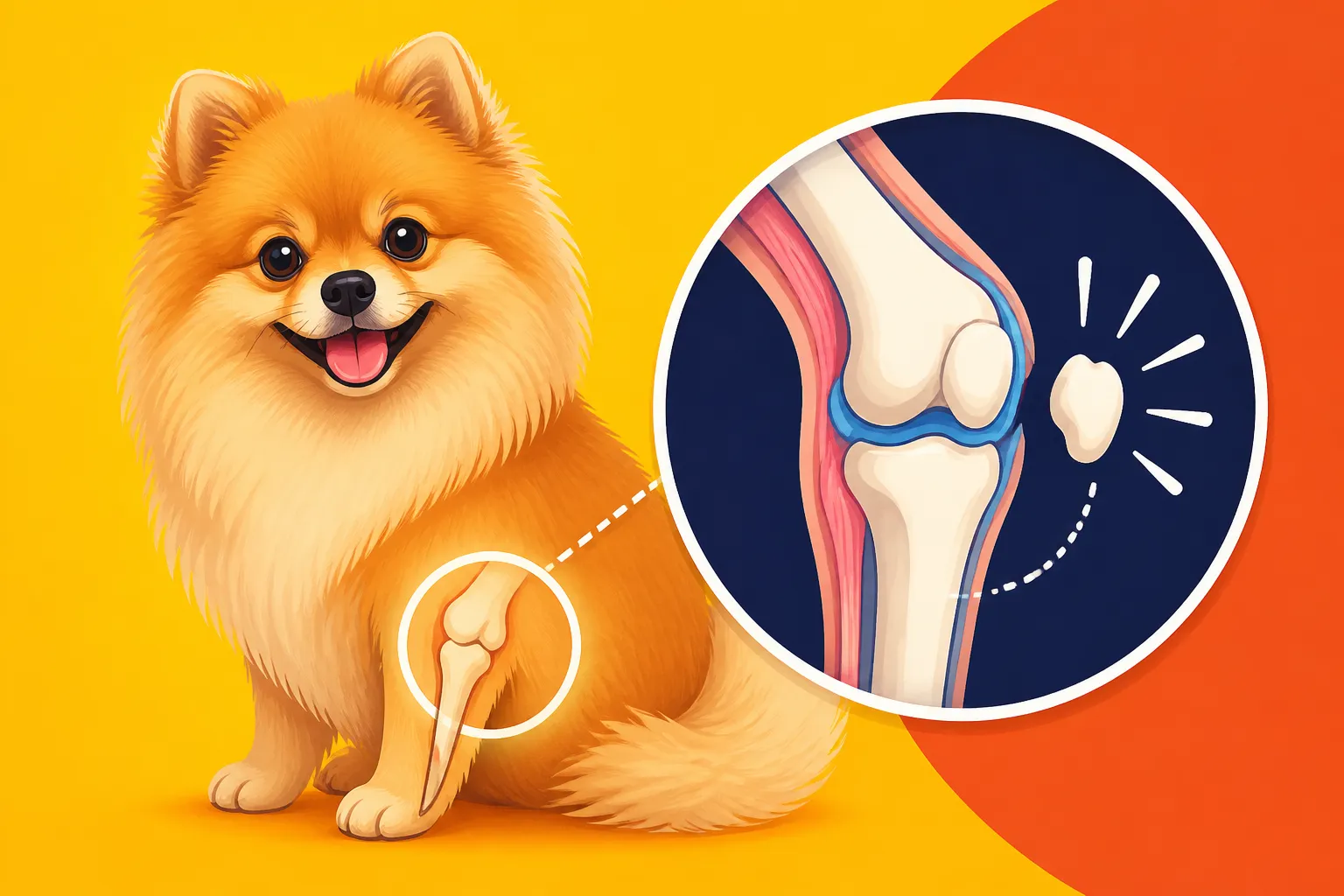
Patellar luxation, often simply called a "slipped kneecap," is one of the most common orthopedic conditions seen in small breed dogs, and our delightful Pomeranians are no exception. The patella, or kneecap, is a small bone embedded in the quadriceps tendon that sits in a groove on the end of the femur (thigh bone). Its job is to ensure the leg extends smoothly. When it slips out of this groove, it can cause pain, lameness, and a distinctive skipping gait.
The Mechanics of a Slipping Kneecap
Imagine your kneecap as a train on a track. For a Pomeranian with patellar luxation, that track, which is the trochlear groove on the femur, might be too shallow, allowing the kneecap (the train) to easily derail. This derailing can happen either to the inside of the leg (medial luxation, which is more common in small breeds) or to the outside (lateral luxation). The ligaments and muscles that hold the kneecap in place might also be abnormally aligned, pulling the patella out of its natural position. This isn't usually due to an injury from a fall or a rough play session, but rather a congenital malformation or developmental issue in how the leg bones formed. It's often something a puppy is born with, even if the symptoms don't show up until later in life, sometimes when they start experiencing The Age a Pomeranian's Kneecap First Slips.
When the kneecap slips, it can cause a moment of discomfort and an inability to bear weight on that leg. Your Pomeranian might pick up their leg for a few steps, shake it, or even yelp in pain, before the kneecap pops back into place and they resume normal activity. However, each time it slips, it can cause further wear and tear on the cartilage and tissues within the joint, potentially leading to inflammation, pain, and eventually, arthritis. The more frequently it happens, the more damage can accumulate, making the problem progressively worse over time. This cycle of slipping and returning can be frustrating to witness, leaving you feeling helpless as your vibrant Pom experiences these moments of vulnerability.
Grading the Severity and What it Means
Veterinarians classify patellar luxation into four grades, from Grade I to Grade IV, to describe its severity. Understanding these grades is crucial for determining the best course of action. A Grade I luxation is the mildest, where the kneecap can be manually luxated (pushed out of place) by a vet, but it spontaneously returns to the groove. Your Pom might not even show noticeable symptoms at this stage, or only very occasionally. It might just be a subtle "skip" that you notice every now and then, if at all.
Moving up the scale, a Grade II luxation means the kneecap luxates frequently, either manually or spontaneously, and may or may not return to its normal position on its own. This is where you'll start seeing that tell-tale skip or a more pronounced limp, especially after exercise. Many Pomeranians can live quite comfortably with a Grade II knee for years, but it's important to be vigilant. Then there's Grade III, where the patella is luxated most of the time, though it can still be manually put back into the groove. By Grade IV, the most severe, the kneecap is permanently luxated and cannot be manually repositioned. At this stage, the leg might appear visibly bowed, and your Pom will likely experience significant lameness and pain, making movement very difficult. Getting an accurate assessment of Grading Patellar Luxation in a Pomeranian is the first step in creating a management plan.
The Unfortunate Likelihood of Bilateral Luxation
One of the most concerning aspects for Pomeranian owners whose dog has been diagnosed with patellar luxation in one leg is the question of the other. Sadly, it is quite common for the condition to affect both knees, though not always to the same degree or at the same time. This is a cruel reality of living with a breed predisposed to certain structural issues.
Genetic Predisposition and Breed-Specific Challenges
The primary reason why patellar luxation often affects both knees in Pomeranians is its strong genetic component. This isn't a random injury; it's a structural flaw that's inherited. When breeders select for small size and certain conformational traits, sometimes inadvertently, they can perpetuate genes that lead to conditions like shallow trochlear grooves, malformed femurs, or misaligned tibias. Because Pomeranians have been selectively bred for their toy size and specific appearance, certain genetic predispositions have become more prevalent within the breed. If one parent carries the genes for this condition, there's a higher chance their offspring will inherit it, and if one leg has the structural predisposition, it's highly likely the other leg does too, even if symptoms aren't immediately apparent.
Responsible breeders strive to minimize this risk by screening their breeding dogs for patellar luxation, but it's a complex genetic puzzle, and sometimes even well-bred dogs can develop the condition. It’s not uncommon for a young Pomeranian to show signs in one knee, and then a few months or a year later, the other knee starts to exhibit the same symptoms. This can feel like a double blow, reinforcing the idea that it's a systemic issue rather than an isolated accident. This inherited fragility means that once you've seen it in one knee, the other automatically becomes a point of concern and careful monitoring.
How One Leg Impacts the Other
Even if the second kneecap isn't immediately problematic, the presence of luxation in one leg often puts additional stress on the "good" leg. Think about it: if your Pomeranian is experiencing pain or instability in one limb, they're naturally going to try to compensate by shifting more weight and pressure onto the other three legs, especially the contralateral hind leg. This compensatory movement can exacerbate or even initiate luxation in the previously unaffected knee. The constant uneven load can cause the already genetically predisposed structures of the second knee to deteriorate faster, pushing it over the edge into symptomatic luxation.
It's a vicious cycle where the body tries to protect the injured or compromised limb, only to potentially harm another. For example, a Pomeranian with a Grade II luxation in their left knee might instinctively put more weight on their right hind leg. This added strain can cause the right kneecap, which might have a mild, asymptomatic Grade I luxation, to start slipping more frequently or to worsen to a Grade II or even III. This is why veterinarians often recommend careful observation and sometimes even preventative measures for the "good" leg once one is diagnosed. Understanding Why Jumping Off Furniture Wrecks a Pomeranian's Knees is vital for protecting both.
Managing Bilateral Patellar Luxation
When both of your Pomeranian's knees are affected by luxation, the management plan becomes more complex, often requiring a multifaceted approach. The goal is always to reduce pain, improve mobility, and maintain the best possible quality of life for your furry companion.
Non-Surgical and Conservative Approaches
For Pomeranians with Grade I or mild Grade II luxation in one or both knees, especially if they are not exhibiting significant pain or lameness, conservative management is often the first step. This typically involves a combination of strategies designed to support joint health and minimize discomfort. Weight management is paramount; even a pound or two of excess weight can significantly increase stress on the knee joints. Your vet will help you determine an ideal weight and diet plan. You can read more about Whether a Pomeranian Can Live With a Grade Two Knee in more detail.
Supplements, particularly those containing glucosamine, chondroitin, and MSM, can be beneficial for supporting cartilage health and reducing inflammation. Brands like Cosequin or Dasuquin are commonly recommended. Physical therapy, including gentle massage, controlled exercises, and hydrotherapy, can help strengthen the muscles surrounding the knee, thereby improving stability. Anti-inflammatory medications, prescribed by your vet, may be used during flare-ups of pain. The key here is consistency and a keen eye for your Pom's comfort levels. Many owners find that a combination of these methods can significantly improve their dog's comfort and mobility, especially if they start early and stay diligent. Whether Joint Support Helps a Pomeranian's Knees is a question many owners ask.
Surgical Interventions and Considerations
For Pomeranians with persistent Grade II, Grade III, or Grade IV luxation, especially when conservative measures no longer provide adequate relief, surgical correction is often the most effective solution. The specific surgical technique depends on the underlying anatomical issues, but common procedures include trochlear wedge deepening (to create a deeper groove for the kneecap), tibial tuberosity transposition (to realign the tendon attachment), and lateral imbrication (to tighten the joint capsule on one side).
Deciding on surgery for one or both knees is a big decision. Sometimes, if both knees require surgery, vets may perform them a few months apart to allow one leg to recover before the other is operated on. This prevents the dog from being completely non-weight bearing on their hind legs during recovery, which would be incredibly challenging. However, in some cases, if the luxation is severe in both and the dog's overall health allows, a skilled orthopedic surgeon might opt to do both in one sitting, especially for very mild cases that just need minor adjustments. The recovery period is crucial, involving strict rest, pain management, and often physical therapy. It's a journey, but for many Poms, it offers a dramatic improvement in their quality of life. Understanding Recovery After a Pomeranian's Knee Surgery is key to a successful outcome.
Long-Term Care and Quality of Life
Whether your Pomeranian undergoes surgery or is managed conservatively, long-term care is essential. This often means a lifelong commitment to joint support supplements, maintaining an ideal weight, and regular, controlled exercise. Avoid activities that involve excessive jumping, twisting, or high-impact movements, which can put undue stress on the knee joints. Ramps or steps can be incredibly helpful for accessing furniture, preventing those risky leaps that could cause a kneecap to slip or even worsen existing damage. Even as your Pomeranian ages, the proactive care must continue to keep their knees as healthy as possible.
Regular veterinary check-ups are critical to monitor the progression of the condition and adjust the management plan as needed. As Pomeranians get older, they can also be prone to Arthritis in a Pomeranian at Ten, which can compound the issues caused by patellar luxation. Your vet can help identify any signs of arthritis and recommend treatments to keep your Pom comfortable. Investing in pet insurance early can also be a wise decision. Companies like Healthy Paws offer plans that can help cover the substantial costs associated with diagnostics, surgery, and long-term medication for conditions like patellar luxation, provided the condition isn't pre-existing when you enroll. This financial buffer can significantly ease the burden during what can be a very stressful time.
Proactive Prevention and Support
While the genetic predisposition for patellar luxation can’t be changed, there are many proactive steps you can take to minimize the impact and support your Pomeranian's joint health, even if only one knee is currently affected.
Weight Management and Controlled Exercise
Maintaining your Pomeranian at a healthy weight is perhaps one of the most impactful things you can do for their joint health. Every extra ounce puts additional strain on their small joints, making it harder for the kneecaps to stay in their grooves. Work closely with your vet to establish an ideal weight range for your individual Pom and stick to a carefully portioned diet. Regular, moderate exercise is also crucial for building strong muscles around the knee joints, which helps provide natural stability. This means consistent, short walks on a leash rather than uncontrolled bursts of activity or intense jumping games.
Avoid activities that involve sudden stops, sharp turns, or jumping off high surfaces. Instead, focus on controlled movements that build strength gently. Think about a brisk walk around the block, playing fetch on a flat, even surface, or engaging in puzzle toys that keep their mind active without putting stress on their body. For a Pomeranian with luxating patellas, every jump off the sofa or bed is a calculated risk. Providing safe alternatives, such as steps or ramps, can make a huge difference in preventing further injury and protecting both knees. Companies like PetSafe offer a range of pet steps and ramps that are perfectly sized for small breeds, making it easier for your Pom to navigate your home safely.
Creating a Knee-Friendly Home Environment
Making your home a safe haven for your Pomeranian's knees is an ongoing commitment. The goal is to minimize opportunities for slips, falls, and high-impact activities. Consider placing non-slip rugs or runners on hard floors to provide better traction. Smooth surfaces can be treacherous for a dog with unstable knees, increasing the risk of slips that could dislodge a kneecap or worsen the condition.
As mentioned, ramps and steps are invaluable tools. Whether it's to get onto the sofa, the bed, or even into the car, a ramp eliminates the need for jumping. You can find excellent Ramps for a Pomeranian That Jumps Off the Sofa that are specifically designed for small dogs. Beyond physical aids, consider soft, orthopedic beds that provide excellent support for joints, especially as your Pomeranian ages and arthritis might start to set in. Even something as simple as providing a designated safe spot for them to relax, away from the hustle and bustle, can help reduce the chances of accidental bumps or sudden movements. Remember, a proactive approach to their environment can save them from a lot of pain and potentially costly veterinary visits down the road.
Considering Pet Insurance for Long-Term Care
The financial implications of managing patellar luxation, especially if it affects both knees and requires surgery, can be substantial. Diagnostic imaging, surgical procedures, post-operative care, medications, and physical therapy all add up. This is where pet insurance can truly be a lifesaver. Enrolling your Pomeranian in a comprehensive pet insurance plan before any signs of patellar luxation appear is crucial, as most policies consider it a pre-existing condition if diagnosed prior to coverage.
A good policy, like those offered by Healthy Paws, can cover a significant portion of these expenses, providing peace of mind and allowing you to make medical decisions based on what's best for your Pom, not just what you can afford out of pocket. Many policies, including those from Healthy Paws, will contribute to the cost of future surgeries for a condition like patellar luxation if it's not deemed pre-existing. It's always worth researching different providers and plans to find one that fits your budget and offers robust coverage for orthopedic issues, which are unfortunately common in our tiny companions. Thinking ahead and preparing for potential health challenges is one of the most loving things you can do for your Pomeranian.
Patellar Luxation Management Options
| Grade of Luxation | Description | Common Symptoms | Typical Management |
|---|---|---|---|
| Grade I | Kneecap can be manually displaced but spontaneously returns to groove. | Often asymptomatic; occasional skip or momentary lameness. | Conservative management: weight control, joint supplements, controlled exercise, regular monitoring. |
| Grade II | Kneecap frequently luxates spontaneously but can be manually repositioned. May or may not return on its own. | Intermittent lameness, noticeable "skipping" gait, pain during episodes. | Conservative management (often effective), physical therapy; surgery considered if pain or lameness impacts quality of life. |
| Grade III | Kneecap is luxated most of the time but can be manually returned to groove. | Persistent lameness, leg often held up, noticeable bowing of the limb, discomfort. | Surgery often recommended to improve function and prevent arthritis; extensive physical therapy. |
| Grade IV | Kneecap is permanently luxated and cannot be manually repositioned. | Severe, chronic lameness, inability to bear weight on the limb, significant pain, visibly deformed limb. | Surgery almost always required, but prognosis can be more guarded; intensive rehabilitation. |
Disclaimer
Please remember that the information provided in this guide is for educational purposes only and should not replace professional veterinary advice. Always consult with a qualified veterinarian for any health concerns or before making any decisions regarding your Pomeranian's care and treatment.