Whether the Pomeranian Coat Has Grown Denser Over Time
Pomeranian coat density over time, historical photographs, and grooming practices that make modern dogs appear fluffier.
Is this the right one for you?
Origins and temperament, size and coat, what living with one is actually like, and how it compares to the breeds people weigh against it.
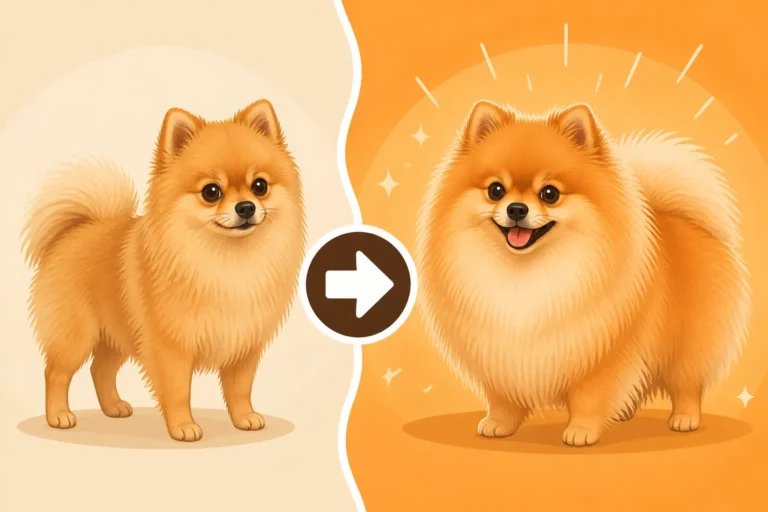
Pomeranian coat density over time, historical photographs, and grooming practices that make modern dogs appear fluffier.
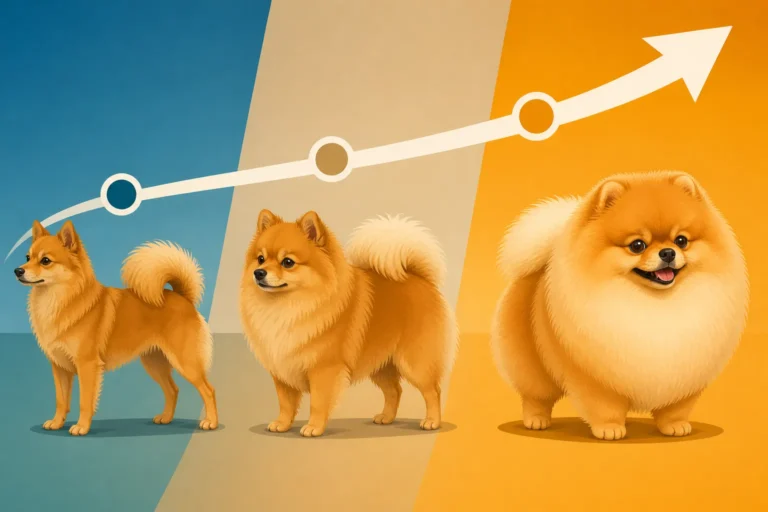
Pomeranian type evolution across the twentieth century explains how selective breeding and grooming changed the size and outline of the breed.
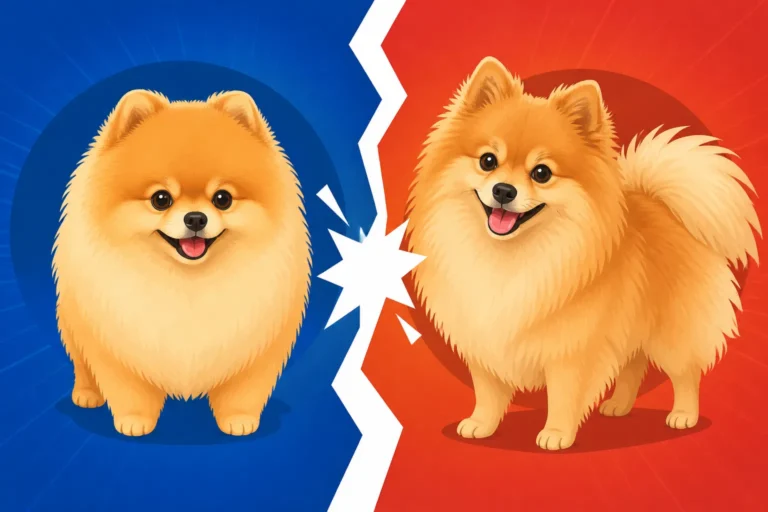
British and American Pomeranians are the same breed, though breeding preferences and show standards create noticeable appearance differences.
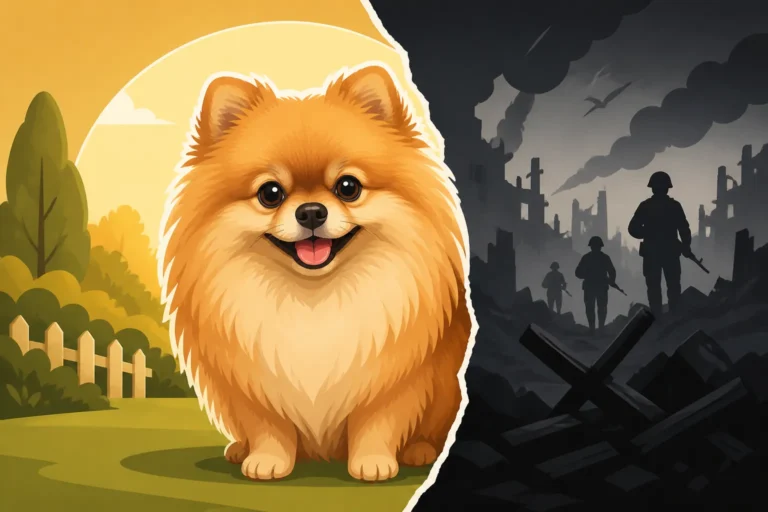
Wartime disruptions affected European dog breeding, but Pomeranians did not nearly vanish because populations existed in Britain and America.

Pomeranian ancestry from northern Spitz dogs explains how cold weather traits developed despite lacking proof of specific snow work.
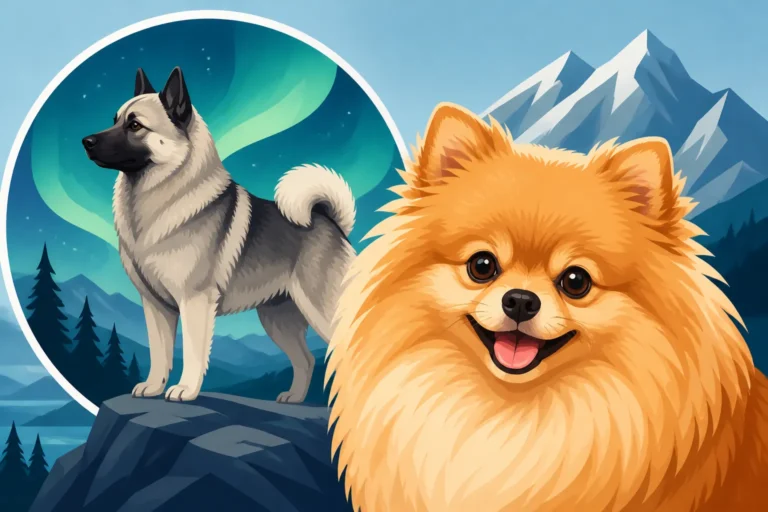
The Norwegian Elkhound and the Pomeranian share northern Spitz traits, but they belong to distinct breed lineages.

Pomeranian and Samoyed family history explains shared Spitz traits, distinct regional origins, and their lack of direct descent.

Ancient records and artwork cannot prove Pomeranians existed in antiquity, explaining how to evaluate claims about the breed.
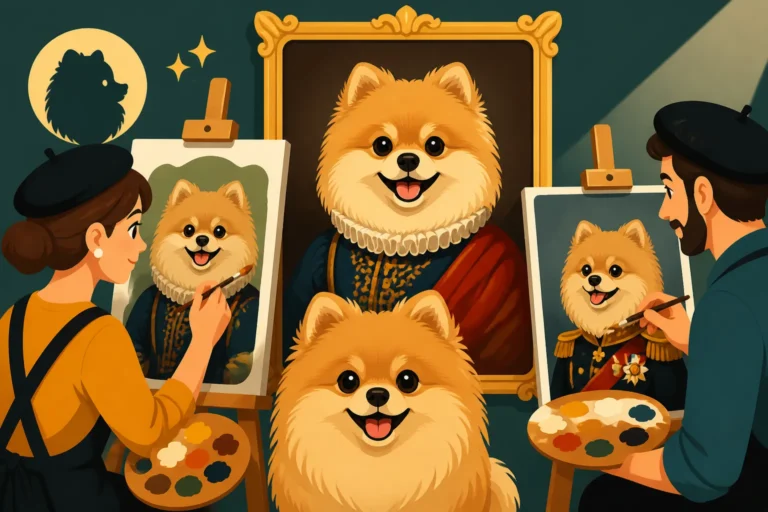
Historical portraits of Pomeranians and spitz-type dogs present identification challenges due to changing breed labels and artistic idealization.
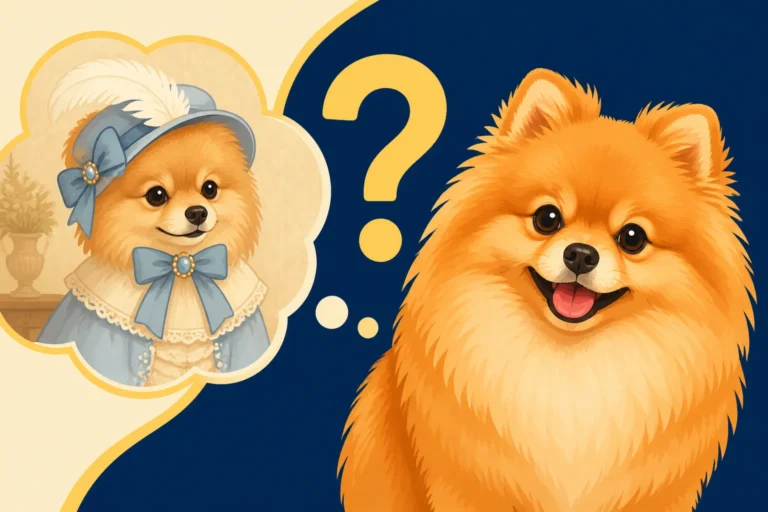
The historical name Loulou was a French term for small fluffy companion dogs rather than a Pomeranian breed label.