The German Spitz Family a Pomeranian Belongs To
The German Spitz family lineage explains the ancient northern working dog heritage behind the tiny Pomeranian.
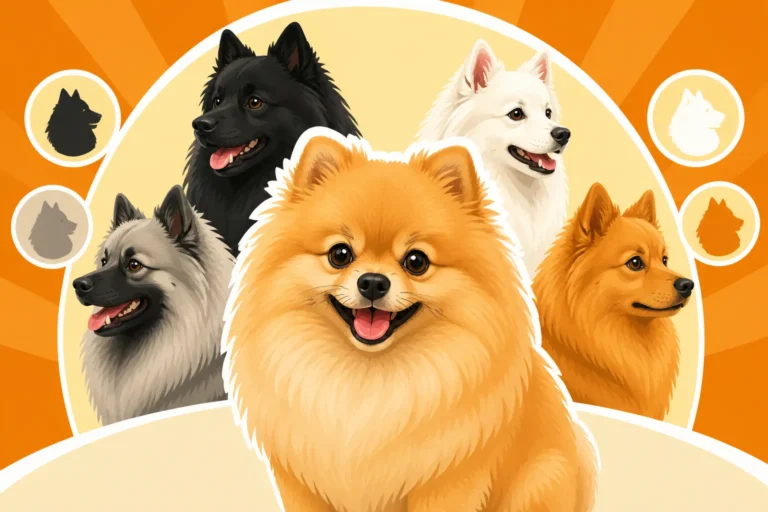
The German Spitz family lineage explains the ancient northern working dog heritage behind the tiny Pomeranian.
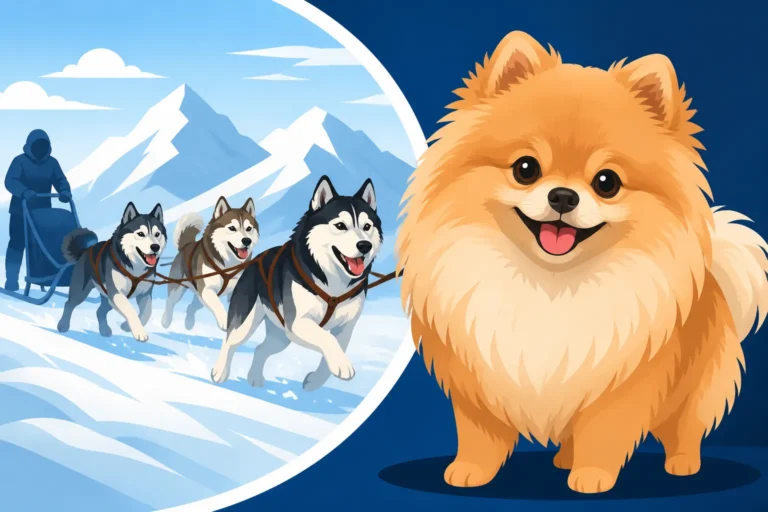
Pomeranian history reveals how twenty to thirty pound sled dogs and Spitz ancestors evolved into modern lapdogs.
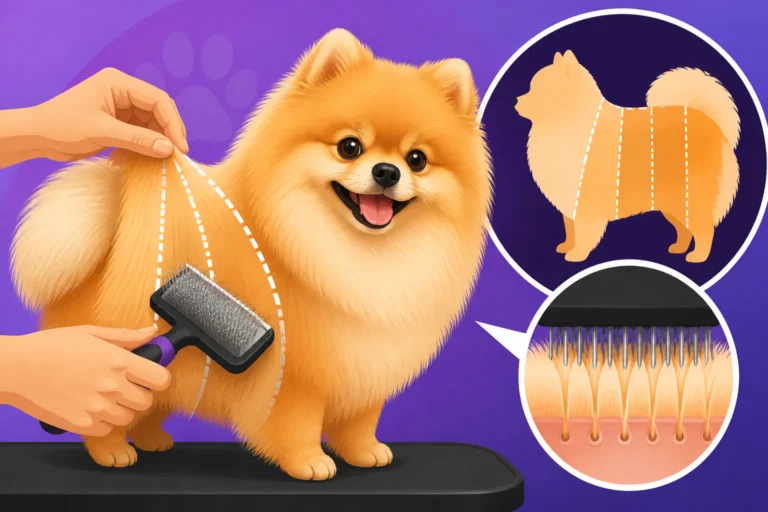
Pomeranian coat brushing in sections to the skin prevents matting, skin infections, and discomfort from trapped undercoat fur.
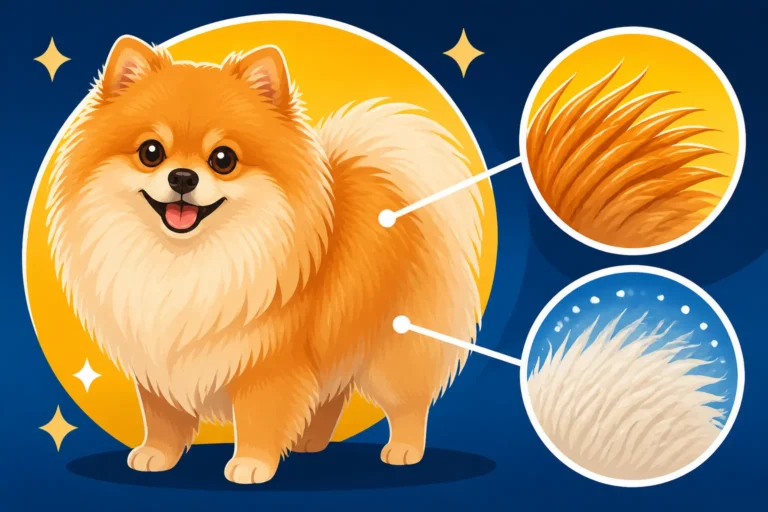
Pomeranian double coat structure, guarding hairs, and undercoat layers explain why shaving is harmful and shedding occurs naturally.
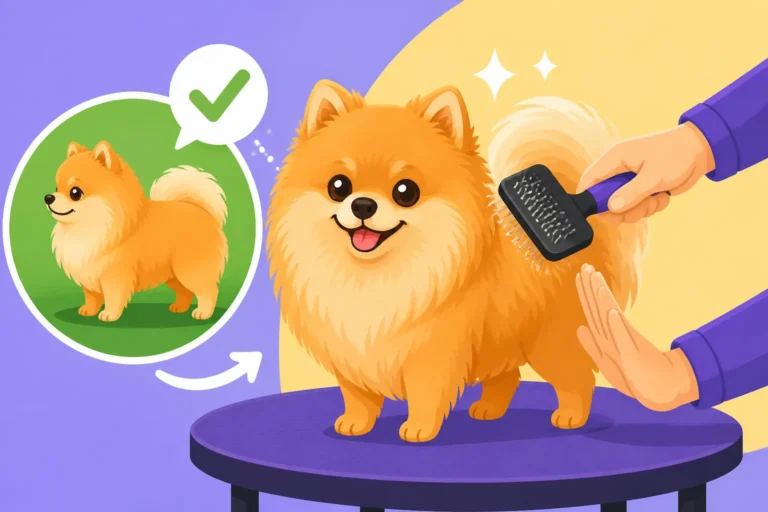
Training a Pomeranian to stand still for brushing using early exposure, positive association, gentle handling, and trust building.
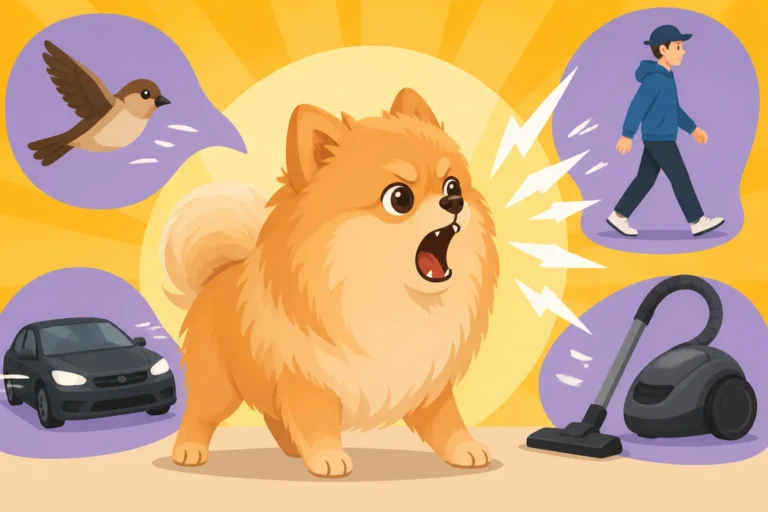
Pomeranian barking triggered by watchdog instincts, Spitz heritage, and keen sensory sensitivity explains excessive vocal alerts.

The first year bills for a Pomeranian puppy cover adoption fees from three hundred to seven hundred dollars and breeder costs.

Pomeranian puppy prices and the impact of coat colors and breeding expenses like health testing are explained for buyers.
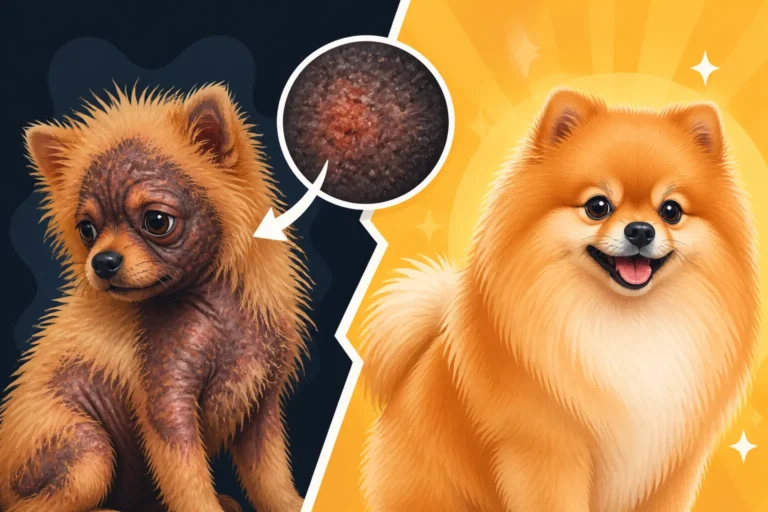
Alopecia X in Pomeranians causes hair loss and darkened skin, explaining symptoms, diagnoses, treatments, and care methods.

Pomeranian lifespan spans twelve to sixteen years, influenced by genetics, nutrition, weight management, and preventative veterinary care.
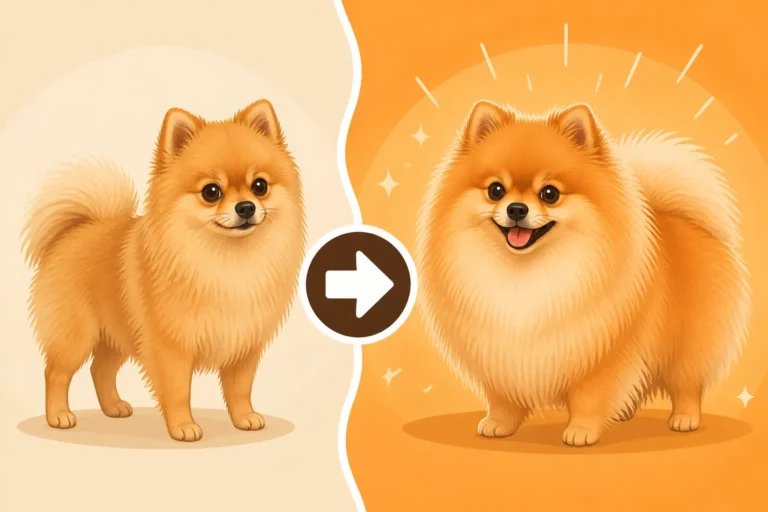
Pomeranian coat density over time, historical photographs, and grooming practices that make modern dogs appear fluffier.
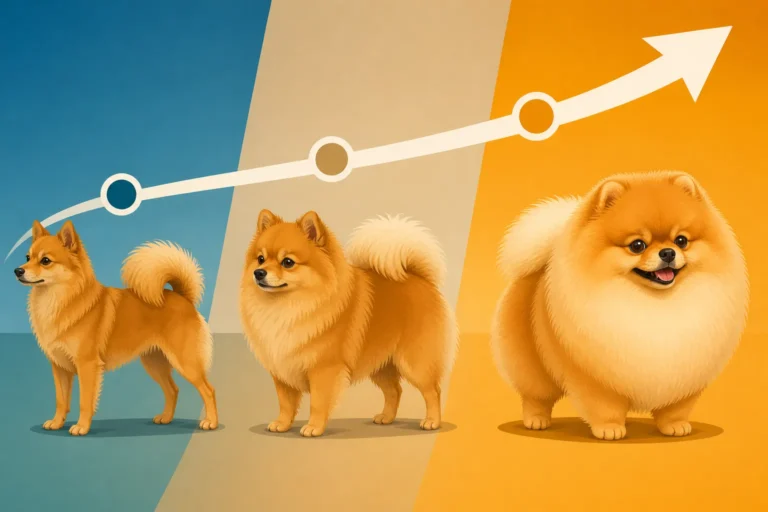
Pomeranian type evolution across the twentieth century explains how selective breeding and grooming changed the size and outline of the breed.
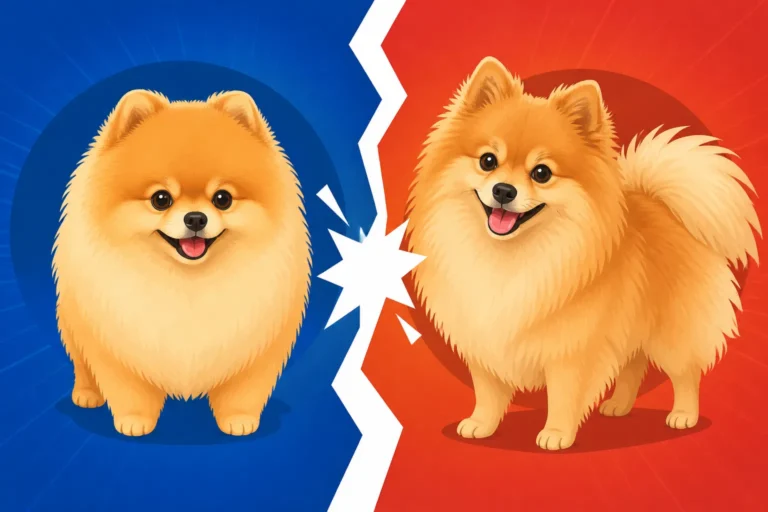
British and American Pomeranians are the same breed, though breeding preferences and show standards create noticeable appearance differences.
Wartime disruptions affected European dog breeding, but Pomeranians did not nearly vanish because populations existed in Britain and America.
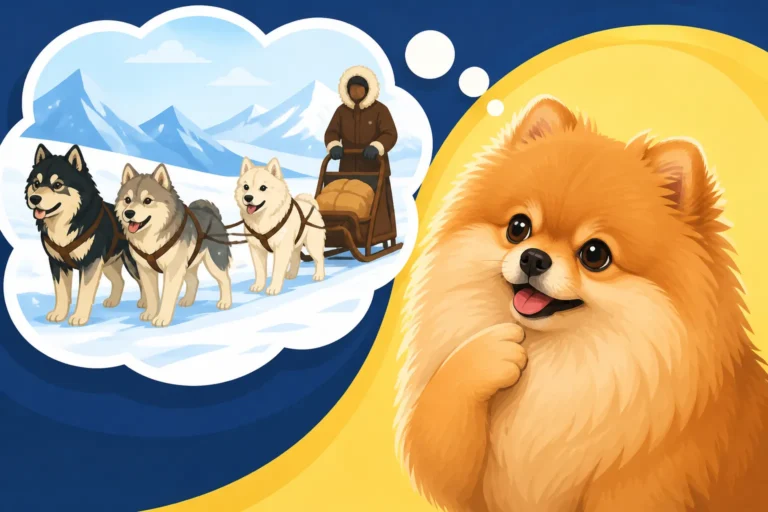
Pomeranian ancestry from northern Spitz dogs explains how cold weather traits developed despite lacking proof of specific snow work.
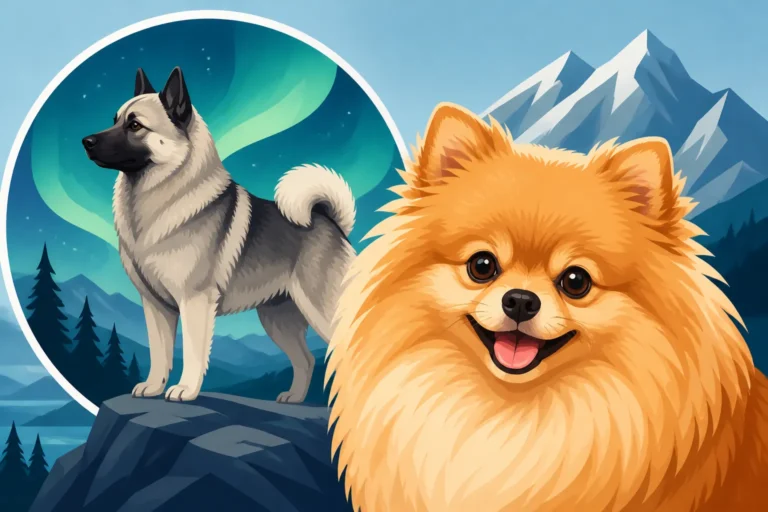
The Norwegian Elkhound and the Pomeranian share northern Spitz traits, but they belong to distinct breed lineages.
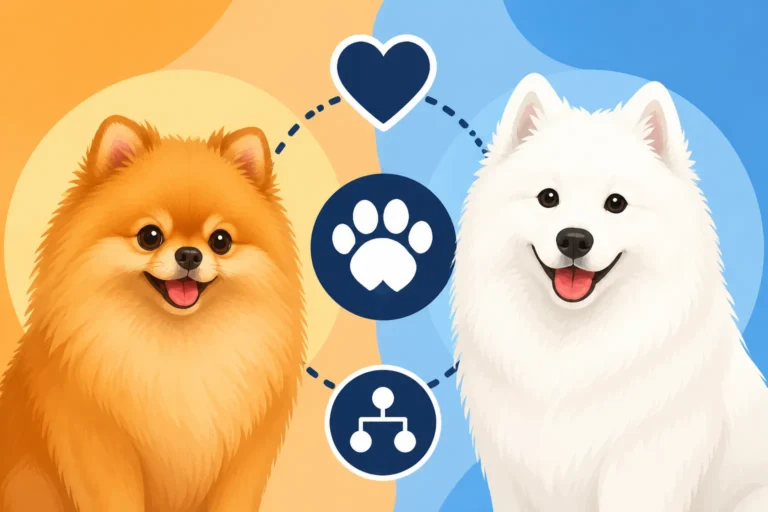
Pomeranian and Samoyed family history explains shared Spitz traits, distinct regional origins, and their lack of direct descent.
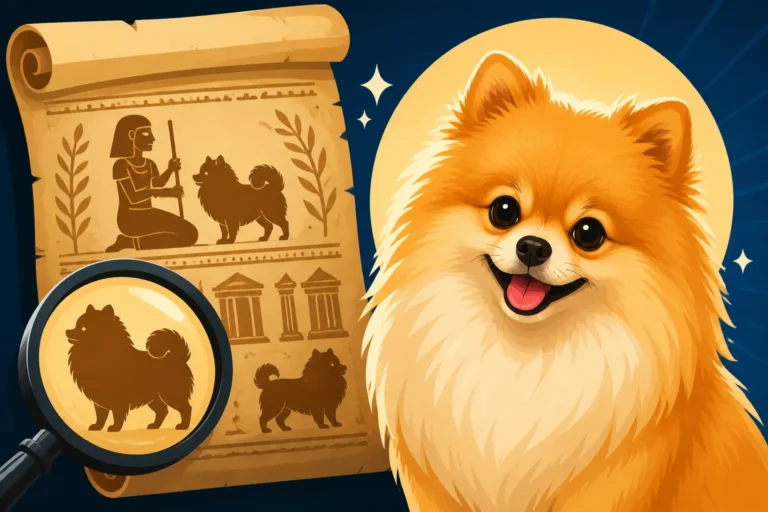
Ancient records and artwork cannot prove Pomeranians existed in antiquity, explaining how to evaluate claims about the breed.
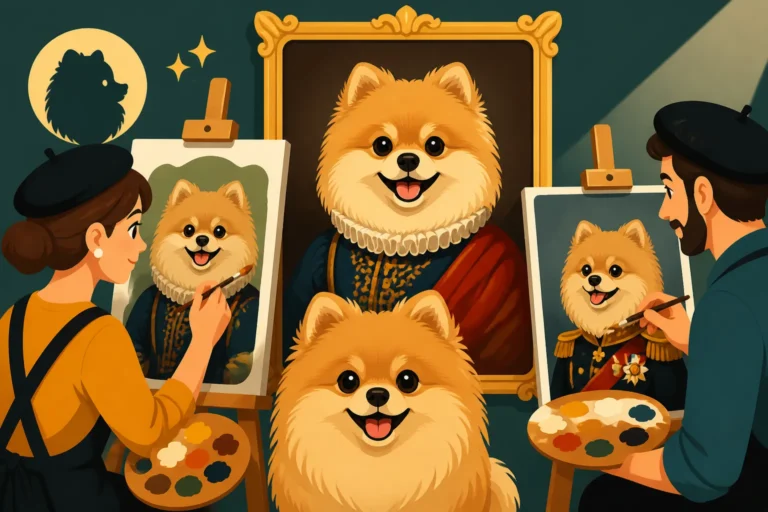
Historical portraits of Pomeranians and spitz-type dogs present identification challenges due to changing breed labels and artistic idealization.
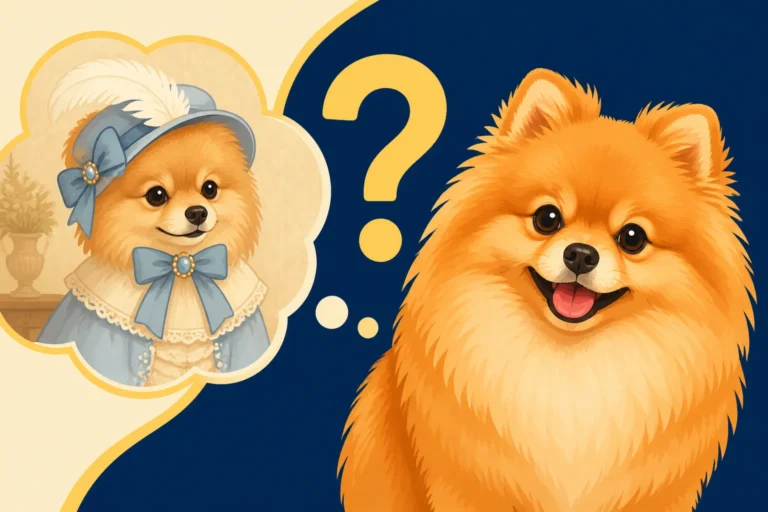
The historical name Loulou was a French term for small fluffy companion dogs rather than a Pomeranian breed label.