What a Pomeranian Puppy Costs and Why Colors Change It
Bringing a Pomeranian puppy home is a dream for many, but the journey often starts with a bewildering array of price tags, leaving prospective owners wondering why some pups cost hundreds and others thousands. It's truly frustrating to feel like you're navigating a secret market, especially when factors like coat color seem to swing the price wildly. This comprehensive guide is here to unravel the mysteries behind Pomeranian puppy costs, focusing specifically on how different colors and patterns influence what you can expect to pay, so you can make an informed decision without feeling taken advantage of.
The Sticker Shock of a Pomeranian Puppy: Understanding the Base Price
It’s easy to look at a tiny Pomeranian puppy and think, “How much could such a small dog possibly cost?” But the reality is, bringing a well-bred Pomeranian into your life is a significant financial commitment right from the start. The initial price of the puppy itself is often the first hurdle, and it’s influenced by a myriad of factors long before color even enters the conversation. Understanding these foundational costs helps set realistic expectations and allows you to appreciate the dedication of a reputable breeder.
What Contributes to a Pomeranian Breeder's Pricing
When you see a price tag on a Pomeranian puppy, it’s not just a random number; it reflects a substantial investment by the breeder. Think about it: a responsible breeder isn't just "selling puppies." They're carefully planning litters, ensuring the health and temperament of the parent dogs, and providing top-notch care for the puppies from birth until they go to their forever homes. This involves everything from proper nutrition for the pregnant mother to extensive veterinary care for the newborns. Each step incurs a cost, and these expenses are naturally factored into the puppy's price.
For instance, high-quality dog food for breeding females is expensive, and supplements are often necessary to ensure optimal health. The initial vet visits for the puppies, including their first vaccinations, deworming protocols, and microchipping, all add up quickly. A breeder also dedicates countless hours to early socialization, handling, and providing a clean, stimulating environment for the pups, which is an invaluable, though intangible, cost. These are the cornerstones of a healthy, well-adjusted puppy, and they are critical investments that good breeders make.
The Real Cost of Responsible Breeding Practices
Responsible breeding goes far beyond just feeding and sheltering dogs. It involves rigorous health testing for the parent animals to screen for genetic conditions that are common in Pomeranians, such as luxating patellas, eye issues, and heart defects. These health clearances—like OFA certifications for knees and elbows, or ophthalmologist evaluations—can be quite costly, often running into hundreds of dollars per dog, per test, per year. A dedicated breeder will also ensure their breeding dogs have excellent temperaments, meaning they are well-socialized, confident, and pass those desirable traits onto their offspring.
Beyond health, there's the stud fee if the male isn't owned by the breeder, which can range from hundreds to thousands of dollars depending on the stud's pedigree and accomplishments. There's also the potential for complications during pregnancy or birth, which might necessitate emergency veterinary intervention, including C-sections, costing thousands. And let's not forget the time and effort involved in genetic research and maintaining meticulous records of bloodlines to ensure the integrity and health of the breed. When you see a higher price from a reputable breeder, you're essentially investing in decades of careful selection and comprehensive care that reduces the risk of future health issues for your puppy.
Geographic and Demand Factors Influencing Price
Just like real estate, the cost of a Pomeranian puppy can vary significantly based on location and current market demand. In densely populated urban areas, or regions where the breed is particularly popular, prices tend to be higher due to increased demand and potentially higher operational costs for breeders. For example, a breeder operating out of a major metropolitan area like Los Angeles or New York City might have higher overheads, which are then reflected in the puppy price. Conversely, puppies from more rural areas might sometimes be slightly less expensive, though this is not always the case.
Seasonal demand also plays a role; puppies are often more sought after around holidays or during warmer months, leading to price fluctuations. The breed's overall popularity also dictates pricing. The Pomeranian has consistently been a beloved breed, maintaining a high ranking in various kennel club registrations, which naturally keeps demand—and thus prices—robust. This high demand means that competition among buyers can sometimes push prices higher, especially for puppies with desirable traits or unique colors. It's worth noting that if you're looking for a specific type of Pomeranian, you might need to broaden your search geographically, which then introduces travel costs if you’re picking up your puppy in person.
Deciphering the Standard Pomeranian Colors and Their Price Tags
When you start looking at Pomeranian puppies, you'll quickly notice a rainbow of colors. While the breed standard allows for many different shades, some are far more common and have a more predictable price range. These "standard" colors often represent the classic Pomeranian look that many people envision, and their pricing usually reflects their popularity and how readily available they are from reputable breeders.
The Enduring Popularity and Cost of Orange and Red Pomeranians
Orange and red Pomeranians are, without a doubt, the most iconic and widely recognized colors within the breed. When most people picture a Pomeranian, they're likely thinking of a fluffy, vibrant orange or deep reddish-orange dog. This widespread popularity ensures a consistent demand for puppies in these shades. Because they are so prevalent, their price tends to hover within a comfortable mid-range for well-bred puppies. They aren't typically the cheapest, due to their popularity, but they also rarely command the highest "rare color" premiums.
The vibrancy of an orange coat, often deepening into a rich red, is simply stunning, and breeders frequently focus on producing these classic hues. Many champion show lines feature orange and red dogs, further cementing their status as highly desirable. Prospective owners are drawn to their cheerful appearance, making them a perennial favorite. So, if you're set on a traditional orange or red Pom, you'll find plenty of options, and their pricing will generally reflect solid, responsible breeding practices without the added markup of a less common shade.
Classic Black, Cream, and White Pomeranians: Pricing for Timeless Appeal
Beyond the oranges and reds, black, cream, and white Pomeranians hold a significant place in the breed's history and continue to be very sought after. A solid black Pomeranian, with its deep, glossy coat, is incredibly striking and elegant. White Pomeranians, often mistaken for tiny polar bears, have a ethereal beauty, though finding a truly pure white Pom without any cream or biscuit shading can be a challenge. Cream Poms fall somewhere in between, offering a softer, warmer look than pure white. These colors have a timeless appeal and are often considered classic.
The pricing for these colors typically aligns with that of orange and red Pomeranians, falling into a similar range for reputable breeders. While not as dominant in the show ring as oranges, good quality black, white, and cream Poms are still highly valued. Sometimes, a particularly striking jet black or a pristine white puppy might fetch a slightly higher price due to its exceptional clarity and lack of any unwanted shading. However, generally speaking, if you're interested in one of these classic beauties, you'll find their prices to be in line with the standard investment for a healthy, well-bred Pomeranian puppy.
Sable Pomeranians and Their Dynamic Color Shifts
Sable Pomeranians offer a fascinating twist on traditional coat colors, known for their unique two-toned appearance. A sable Pomeranian features a base color (like orange, red, cream, or even chocolate) with black tipping on the guard hairs. This creates a shaded, often smoky effect, giving the puppy a very distinctive look. What makes sable Poms particularly interesting is how their coats can change dramatically as they mature. A dark, almost grizzled-looking sable puppy might lighten considerably as an adult, with the black tipping becoming less prominent, revealing more of the underlying base color. This transformation is part of their charm.
Because sable is a relatively common and accepted pattern within the breed standard, the pricing for sable Pomeranian puppies is generally comparable to that of solid orange, black, or cream Poms. You're paying for a well-bred puppy, not necessarily a "rare" color premium. However, a beautifully marked sable, with rich, even tipping and a vibrant base color, might sometimes be priced slightly higher by a breeder who specializes in or particularly values these patterns. The expectation of a changing coat can also be a unique selling point, as owners get to witness their puppy's color evolution. You can learn more about how A Sable Pomeranian's Coat Changes With Age as they grow.
The Premium Placed on "Rare" and Unique Pomeranian Colors
While orange, black, white, and sable Poms are widely beloved, there's a certain undeniable allure to "rare" or less common colors. These unique shades often catch the eye and, consequently, can come with a higher price tag. However, it's crucial to understand that "rare" doesn't always equate to "better" or "healthier." Often, the higher cost is due to fewer breeders specializing in these specific genetics, or simply because demand for something distinctive pushes the market price up.
Blue and Lavender Pomeranians: The Allure of Dilutes
Blue Pomeranians possess a stunning, diluted black coat that appears as a soft, steely grey. This color is caused by a recessive gene that dilutes black pigment. A truly blue Pom will have a blue nose, paw pads, and eye rims, rather than black. Lavender, on the other hand, is an even rarer dilute color, often described as a diluted chocolate, giving the coat a beautiful, almost purplish-grey hue. Like blue Poms, lavenders will have self-colored (lavender/grey-brown) pigmentation on their noses and paw pads. Both of these dilute colors are quite striking and distinct from the more common black or chocolate.
Because the dilute gene is recessive, it takes careful breeding to produce blue and lavender puppies consistently. Fewer breeders specialize in these colors, which contributes to their higher price point. Buyers are often willing to pay a premium for the unique aesthetic of a blue or lavender Pomeranian, viewing it as a special and uncommon find. It's not unusual to see these puppies priced significantly higher than their orange or black counterparts, sometimes by several hundred to over a thousand dollars, reflecting the specific genetic planning and scarcity involved in their production.
Chocolate and Beaver Pomeranians: Rich Hues and Higher Costs
Chocolate Pomeranians boast a beautiful, rich brown coat, ranging from a deep, dark chocolate to a lighter milk chocolate shade. Their pigmentation (nose, paw pads, eye rims) will also be brown, matching their coat color. Beaver Pomeranians are a diluted version of chocolate, presenting a lighter, almost fawn-like brown with liver-colored pigmentation. Both colors are incredibly appealing for their warmth and depth, offering a sophisticated alternative to the more common orange or black. They stand out beautifully and have a loyal following of enthusiasts.
Like blue and lavender, chocolate and beaver colors are genetically distinct and require specific breeding strategies. Breeders who focus on these hues might have fewer litters or smaller litters with these specific colors, which drives up the price due to scarcity. The intensity and evenness of the chocolate or beaver color can also impact the price; a rich, unblemished chocolate with perfect brown points might be valued higher than a lighter, less defined shade. You might find that What a Chocolate Pomeranian Sells For can often be 10-20% higher than a standard orange or black Pomeranian due to their relative rarity and the specific genetics involved.
Parti-Color and Irish-Marked Pomeranians: Distinctive Patterns and Price Points
Parti-color Pomeranians are characterized by having white as one of their main colors, with distinct patches of another color like orange, black, sable, or chocolate. The white usually covers at least 50% of the body, creating a striking pattern. Irish-marked Poms are a type of parti-color where white markings appear specifically on the chest, muzzle, feet, and tail tip, usually on a solid-colored body. These patterns are visually captivating and offer a playful, distinctive look compared to solid-colored Poms.
The complexity of breeding for specific parti-color patterns, especially those with desirable and symmetrical markings, can influence their price. Breeders who consistently produce well-marked parti-colors with good distribution of color and clear white areas might charge a premium. These puppies tend to be priced similarly to other "rare" colors, often falling into the higher end of the Pomeranian price spectrum. The uniqueness of each parti-color pattern means that no two puppies are exactly alike, which adds to their appeal and can sometimes allow for individual pricing based on the aesthetic quality of their markings.
Merle Pomeranians: The Controversial Color and Its Health Implications
Merle Pomeranians are perhaps the most visually striking, but also the most controversial, color pattern in the breed. While their patchwork coats and often blue eyes are undeniably beautiful, the genetics behind the merle pattern carry significant health risks when not bred responsibly. Understanding these risks is crucial for any potential owner considering a merle Pomeranian, as it directly impacts their long-term health and, consequently, the true cost of ownership.
Understanding the Genetics and Appearance of Merle Pomeranians
The merle gene creates irregular patches of diluted pigment and solid color, giving the coat a marbled or mottled appearance. This can manifest on any base color, so you might see blue merles (black base with grey patches), chocolate merles (brown base with lighter brown patches), or even red merles. Beyond the coat, merle can also affect eye color, leading to stunning blue eyes or heterochromia (one blue eye, one brown), and can lighten the nose and paw pad pigment. The pattern is dominant, meaning only one parent needs to carry the merle gene to pass it on.
The aesthetic appeal of merle Pomeranians is undeniable; their unique coats and captivating eyes often draw a lot of attention. However, this visual appeal can unfortunately lead to irresponsible breeding practices by individuals looking to capitalize on demand for "rare" or "designer" colors without fully understanding the genetic implications. This is where the controversy begins, as the merle gene, while beautiful, is not without its potential downsides, particularly when two merle dogs are bred together.
The Ethical Concerns and Higher Costs Associated with Merle Breeding
The primary ethical concern with merle Pomeranians arises when two merle dogs are bred together, resulting in what is known as a "double merle." Double merles inherit two copies of the merle gene, which significantly increases the risk of severe health defects. Reputable breeders will never intentionally breed two merle dogs together. Instead, they will breed a merle dog with a non-merle dog, which is known as a "merle to non-merle" breeding, to safely produce merle offspring. This careful planning, however, is not always followed by less scrupulous breeders.
Despite the inherent risks, merle Pomeranians often command a higher price than most other colors. This premium stems from their unique appearance and the perception of them being "rare." However, this higher price doesn't necessarily reflect better health or more responsible breeding; in fact, it often reflects the opposite when the breeder is not adhering to ethical guidelines. You can learn more about The Case Against Buying a Merle Pomeranian if you're concerned about ethical breeding. It's critical for buyers to ask about the parentage and health clearances, especially when considering a merle puppy, to ensure they aren't inadvertently supporting dangerous breeding practices.
Health Risks Specific to Merle Pomeranians and How They Affect Price
The health risks associated with merle Pomeranians, particularly double merles, are serious and can lead to significant long-term costs. The most common and devastating issues include severe hearing and vision impairments, ranging from deafness or blindness in one or both eyes, to microphthalmia (abnormally small eyes) and colobomas (defects in the iris). These conditions are not just inconvenient; they require specialized care, training, and a lifetime of dedication, adding considerable financial and emotional burdens on owners. For instance, Why Double Merle Pomeranian Puppies Are Born Deaf is a direct result of improper breeding.
While a single merle Pomeranian (from a merle to non-merle breeding) generally carries fewer risks than a double merle, there are still discussions within the veterinary community about potential, albeit lower, risks. Therefore, a higher initial purchase price for a merle puppy might seem appealing, but it can be misleading. If the puppy develops health issues down the line due to its genetics, the overall lifetime cost of care, including vet visits, specialized equipment, and potential surgeries, can skyrocket, far outweighing any perceived "value" from its unique color. It’s a stark reminder that the cheapest or most visually appealing puppy upfront can often be the most expensive in the long run.
Beyond Color: Other Factors That Drive Pomeranian Puppy Prices
While color undeniably plays a significant role in a Pomeranian puppy's price, it's far from the only factor. Several other crucial elements contribute to the final cost, reflecting the breeder's investment, the puppy's potential, and even market perceptions. Understanding these additional influences is key to fully comprehending the diverse pricing you'll encounter when searching for your new furry family member.
Show Quality vs. Pet Quality: What's the Difference in Cost?
One of the most significant differentiators in Pomeranian puppy pricing is whether the dog is considered "show quality" or "pet quality." A show quality puppy is bred to meet or exceed the rigorous standards of the American Kennel Club (AKC) or other national kennel clubs. This means they possess ideal conformation, coat, temperament, and movement, making them suitable candidates for competitive dog shows. Breeders invest heavily in champion bloodlines, health testing, and selective breeding to produce these high-caliber puppies. Consequently, a show quality Pomeranian puppy can command a price significantly higher than a pet quality one, often ranging from $2,500 to $6,000 or more, depending on the pedigree and potential. If you want to know Whether a Show Quality Pomeranian Costs More, the answer is almost always yes.
Pet quality puppies, on the other hand, are wonderful companions that might have minor imperfections according to the breed standard, such as an ear that's slightly too large, a coat that's not quite dense enough, or a minor deviation in bite. These characteristics don't affect their health or their ability to be a loving family pet, but they would prevent them from excelling in the show ring. Pet quality puppies are typically sold with limited registration (meaning they cannot be bred or shown in conformation), and their prices are generally lower, often ranging from $1,500 to $3,500. For most families simply looking for a beloved pet, a pet quality Pomeranian is the perfect choice, offering all the charm and personality without the premium price of a show prospect.
Bloodlines, Champion Status, and Breeder Reputation
The lineage of a Pomeranian puppy—its bloodlines—can dramatically influence its price. Puppies from parents with champion titles in conformation, obedience, or agility competitions often carry a higher price tag. This isn't just about prestige; it indicates that the parent dogs have been rigorously judged against breed standards and have proven their excellent conformation, temperament, and health. Breeders who consistently produce champions invest in top-tier breeding stock, travel to shows, and dedicate immense time and resources to their breeding program. This commitment is reflected in the value of their puppies.
Furthermore, a breeder's reputation plays a huge role. Established breeders with years of experience, a history of healthy, well-socialized puppies, and strong ethical practices often charge more. They stand behind their dogs, offer comprehensive health guarantees, and provide ongoing support to new owners. Conversely, a breeder with a questionable reputation, or one who doesn't offer health clearances or proper documentation, might sell puppies at a lower price. While this might seem appealing initially, it often comes with the hidden cost of potential health problems and behavioral issues down the line. It's always worth paying more for a puppy from a breeder you trust and who has a track record of excellence.
Age and Size: How They Play a Role in Price Adjustments
The age of a Pomeranian puppy when it's sold can also affect its price. Younger puppies, especially those just old enough to leave their mother (typically 8-12 weeks), are often in high demand and command standard prices. However, if a puppy is a bit older, perhaps 4-6 months old, and still with the breeder, its price might be slightly reduced. This isn't because there's anything wrong with the puppy; it might simply be because the breeder originally held onto it as a potential show prospect, or perhaps it was overlooked in previous litters. Older puppies often have the advantage of being more independent, partially house-trained, and having received more socialization.
Size is another factor. Pomeranians are a toy breed, with the breed standard typically calling for dogs between 3 and 7 pounds. Puppies that are expected to mature on the smaller end of this spectrum—often referred to as "tiny" or "petite" Poms, though not true "teacups"—might sometimes be priced higher due to their delicate nature and perceived desirability. Conversely, a "throwback" Pomeranian that is expected to mature larger than the standard range (e.g., 9-12 pounds) might be priced lower, even if it's otherwise healthy and well-bred. However, it's crucial to be wary of breeders marketing "teacup" Pomeranians at exorbitant prices, as these often come with significant health risks. What Teacup Breeding Costs a Pomeranian goes beyond just money, often impacting the dog's lifespan and quality of life.
Navigating the Puppy Market: What to Look Out For
The process of finding a Pomeranian puppy can be exciting, but it's also fraught with potential pitfalls. The wide range of prices and sources can make it difficult to discern legitimate, ethical breeders from those who are simply looking to make a quick profit, often at the expense of the puppies' health and welfare. Knowing what red flags to watch for and how to protect yourself is paramount.
The Red Flags of Unusually Low-Priced Pomeranian Puppies
While everyone loves a bargain, an unusually low price for a Pomeranian puppy should immediately raise a red flag. Responsible breeding is expensive, as discussed earlier, and cutting corners inevitably leads to cheaper puppies. If a Pomeranian puppy is advertised for a few hundred dollars, especially if it seems too good to be true compared to average prices, it likely is. These puppies often come from backyard breeders or puppy mills, where profit is prioritized over health and well-being. This can mean inadequate veterinary care for the mother and puppies, poor nutrition, lack of socialization, and an increased risk of genetic health problems.
Puppies from these sources might not have received their initial vaccinations, might be infested with parasites, or could have underlying genetic conditions that will lead to expensive veterinary bills down the road. Furthermore, these breeders often don't provide proper health guarantees or registration papers. In some unfortunate cases, these low prices are associated with scams where no puppy actually exists, and buyers lose their money entirely. Always be suspicious of prices that significantly undercut the market average; while you might save money upfront, you're likely setting yourself up for heartache and considerable expense in the future.
Pet Stores and Online Advertisements: Buyer Beware
Pet stores, particularly those that sell puppies, often source their animals from large-scale commercial breeding operations, commonly known as puppy mills. While the puppies might seem adorable in the store, their origins can be problematic. These puppies are frequently bred in inhumane conditions, with parents confined to small cages and receiving minimal veterinary care. They are often taken from their mothers too early, leading to socialization and behavioral issues later in life. Pet stores typically mark up the price significantly, and their staff often lack detailed knowledge about the individual puppies' lineage or specific breed traits.
Online advertisements on platforms like Craigslist or general classified sites also require extreme caution. While some legitimate breeders might advertise online, these platforms are unfortunately ripe with scammers and irresponsible breeders. You might encounter individuals selling puppies that are too young to be separated from their mothers, misrepresenting the breed or health status, or even outright scams where they take your money and disappear. Always insist on seeing the puppy in person, visiting the breeder's home (where the puppies are raised), meeting the mother, and verifying all health records and registrations. Never purchase a puppy based solely on pictures or without thorough due diligence.
Protecting Your Investment: Health Guarantees and Contracts
A reputable Pomeranian breeder will always provide a comprehensive written contract and a health guarantee. This is your primary protection and peace of mind. The contract should outline the terms of the sale, including the puppy's price, details about its parentage, registration information, and any conditions, such as a spay/neuter clause. The health guarantee is especially vital; it typically covers genetic health issues for a specified period (e.g., one or two years) and might offer a refund, a replacement puppy, or assistance with veterinary costs if a covered condition arises.
When you invest in a Pomeranian, you're not just buying a pet; you're bringing a family member into your home, and that family member deserves the best start possible. A good contract and health guarantee demonstrate a breeder's confidence in their puppies' health and their commitment to ethical practices. It means they stand behind their breeding program and care about the well-being of their dogs long after they leave for their new homes. Always read the contract carefully, ask questions, and ensure you understand all its terms before signing. This due diligence is crucial for protecting your emotional and financial investment.
The Ongoing Costs Beyond the Purchase Price
The purchase price of a Pomeranian puppy is just the initial expense on a much longer financial journey. Owning a Pomeranian, like any pet, comes with significant ongoing costs that span their entire lifetime. Budgeting for these expenses from the outset is essential for responsible pet ownership, ensuring your tiny companion receives the best possible care for years to come.
Essential First-Year Expenses for a Pomeranian Puppy
The first year with a Pomeranian puppy is often the most expensive, even after you've paid the initial purchase price. During this time, your puppy will need a series of vaccinations, regular deworming, and preventative medications for fleas, ticks, and heartworm. They'll also have their spay or neuter surgery, which can cost anywhere from a few hundred to over a thousand dollars depending on your location and the vet. You'll need to invest in essential supplies like a crate, dog bed, food and water bowls, a harness, leash, and a variety of toys. Many owners also opt for puppy training classes, which are highly recommended for socialization and basic obedience.
Nutritious puppy food is another significant, ongoing expense. While Pomeranians don't eat a huge amount, feeding them high-quality, small-breed specific kibble or fresh food is important for their development. For instance, brands like Chewy offer a wide variety of small breed puppy foods and accessories, making it convenient to get everything you need delivered right to your door. The total for these first-year expenses can easily run into several hundreds to a few thousand dollars, on top of the puppy's purchase price. Being prepared for this upfront investment ensures a smooth and healthy transition for your new family member. To get a detailed breakdown, check out The First Year Bills on a Pomeranian Puppy.
Budgeting for Lifetime Care: Vet Bills, Grooming, and Food
Beyond the first year, your Pomeranian will continue to incur regular expenses for the rest of its life, which can span The Twelve to Sixteen Years a Pomeranian Lives. Annual veterinary check-ups are crucial for preventive care, and these visits often include booster vaccinations and routine screenings. Pomeranians are known for their luxurious double coats, which require regular professional grooming every 4-8 weeks to prevent matting and keep them looking their best. These grooming sessions can easily cost $60-$90 each, adding up to a substantial annual expense, which is why The Grooming Bill Nobody Warns a Pomeranian Owner About is so important to consider. Even if you do some grooming at home, you'll still need to budget for professional services periodically.
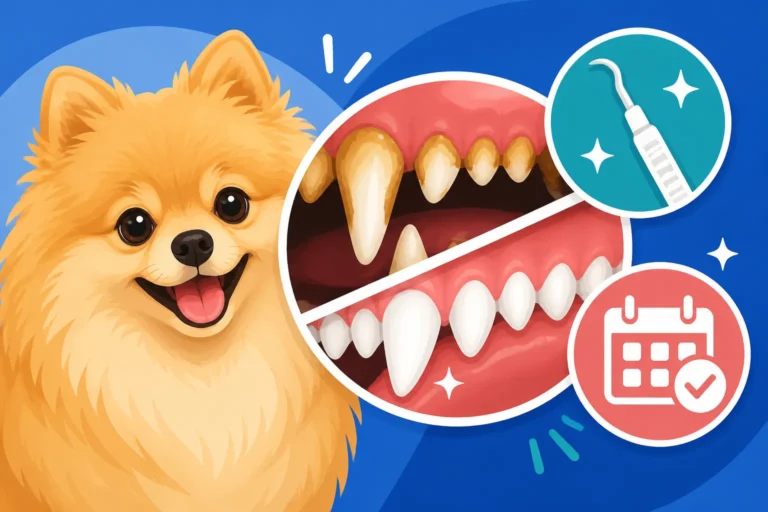
Daily dental care is also paramount for Pomeranians due to their small, crowded mouths. Regular brushing and professional dental cleanings under anesthesia (often annually or bi-annually) are vital to prevent severe dental disease, which can be very costly. Your Pomeranian's diet will transition to adult food, and while the quantity is small, opting for premium brands or fresh food services like Ollie can still be a significant monthly expenditure. These regular costs, combined with unexpected vet visits for minor ailments, truly highlight that owning a Pomeranian is a long-term financial commitment that requires careful budgeting.
The Value of Pet Insurance for Unexpected Pomeranian Health Issues
One of the most significant and often unpredictable lifetime costs for any pet owner is unexpected veterinary emergencies or chronic health conditions. Pomeranians, despite their generally robust nature, can be prone to certain breed-specific issues like luxating patellas (slipping kneecaps), tracheal collapse, and various eye problems. Treating these conditions, especially if surgery is required, can quickly run into thousands of dollars, causing immense financial stress. This is where pet insurance becomes an invaluable tool for managing these risks.
Companies like Healthy Paws offer comprehensive pet insurance plans that can cover a significant portion of unexpected vet bills, from accidents and illnesses to surgeries and specialized treatments. Having a policy in place means you can focus on getting your Pomeranian the best possible medical care without being overwhelmed by the financial burden. While it's an additional monthly premium, pet insurance can save you from making heartbreaking financial decisions during a crisis. It's especially wise to consider a policy early in your Pomeranian's life, before any pre-existing conditions are diagnosed, to ensure the broadest coverage. Researching Insuring a Pomeranian That Needs Dental Work Yearly can also provide insights into specific coverage for common Pomeranian health needs.
Disclaimer
This article is intended for informational purposes only and does not constitute professional veterinary advice. Always consult with a qualified veterinarian for any health concerns or before making any decisions about your pet's care.