Why Double Merle Pomeranian Puppies Are Born Deaf
It's absolutely heartbreaking when you bring home a tiny, fluffy Pomeranian puppy, full of life and promise, only to slowly realize that something is profoundly wrong with their hearing. The confusion, the repeated calls that go unanswered, the realization that your little companion can't hear you – it’s a gut-wrenching experience no pet parent wants to endure. But for some Pomeranian puppies, especially those with certain color patterns, this isn't an accident; it's a tragic, preventable outcome of specific breeding practices. This guide will walk you through the complex genetics behind why double merle Pomeranian puppies are often born deaf, giving you the knowledge to understand and avoid this heartbreaking condition.
The Merle Gene and What It Means for a Pomeranian's Coat
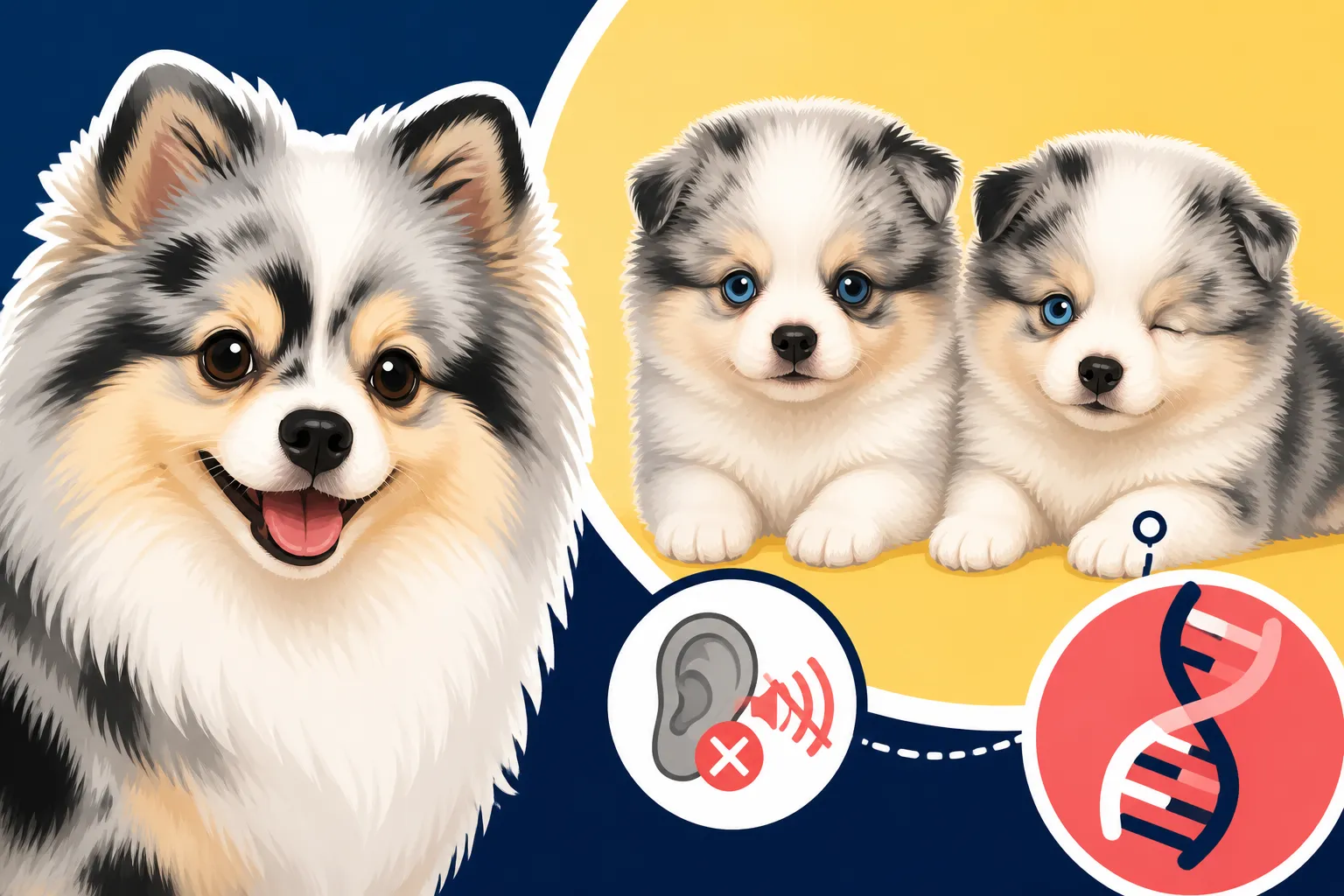
Before we dive into the issues of double merle puppies, it's crucial to understand what the merle gene is and how it typically manifests in a Pomeranian. The merle gene, often denoted as 'M' (with 'm' being non-merle), is a dominant gene that creates a striking pattern of diluted, mottled patches against a solid background color. Think of it as a genetic artistic brushstroke, creating irregular patches of lighter pigment – usually blue, gray, or liver – over a base coat of black, chocolate, or red. This gene doesn't just affect the fur; it can also influence eye color, often leading to stunning blue eyes or even heterochromia (two different colored eyes).
A Pomeranian that carries one copy of the merle gene (genetically written as Mm) will display this beautiful coat pattern. These "single merle" Poms are generally healthy dogs, and their unique markings are quite sought after by many. You might see a blue merle, chocolate merle, or even a parti merle where the merle pattern is combined with white patches. This single merle gene is responsible for the captivating patterns that have made merle Pomeranians popular. However, it's vital to differentiate this from the problematic "double merle" situation. The merle gene is a fascinating component of canine genetics, and you can learn more about How Merle Got Into Pomeranian Bloodlines.
How the Merle Gene Interacts with Pigmentation
The merle gene works by diluting random areas of the dog's coat, skin, and even the iris of their eyes. It's not just about the hair; it's about the cells that produce pigment, called melanocytes. When a dog has one copy of the merle gene, these melanocytes are unevenly distributed or have their pigment production interrupted in certain areas, leading to the characteristic patches. The effect is random, meaning no two merle dogs will have the exact same pattern. This randomness is what makes each merle Pomeranian truly unique.
However, the action of the merle gene isn't limited to visible color. Pigment cells are incredibly important in the development and function of several parts of the body, particularly the eyes and inner ears. In a single merle Pomeranian (Mm), there's usually enough pigment development in these critical areas for normal function. The potential issues arise when there's an overwhelming dilution of pigment, which is precisely what happens with two copies of the merle gene. It's a delicate balance, and when that balance is thrown off, the consequences can be devastating.
The Genetic Roulette of Double Merle Breeding
The real danger emerges when two merle-carrying Pomeranians are bred together. This is where the term "double merle" comes from. If both parents are single merle (Mm), there's a 25% chance with each puppy in the litter that they will inherit two copies of the merle gene (MM) – one from each parent. This homozygous combination is a ticking time bomb for severe health issues. These puppies often appear predominantly white or have a significantly lighter, washed-out merle pattern because the gene has effectively diluted too much pigment.
This breeding practice is widely considered unethical by responsible breeders and breed clubs alike, and for very good reason. It’s a gamble with life and health, where the odds are stacked against the puppies. Owners often ask Why Breed Clubs Object to Merle Pomeranians, and this is a primary factor. The allure of producing more merle puppies, which can often fetch higher prices due to their unique appearance, sadly drives some unscrupulous breeders to take this risk. The potential financial gain pales in comparison to the suffering these puppies often endure and the heartbreak their future families face.
Why Two Merles Make a Problem
When a Pomeranian inherits two copies of the merle gene (MM), the genetic dilution effect becomes extreme. Instead of creating distinct, mottled patterns, the gene essentially "over-dilutes" pigment across the entire body. This leads to puppies that are often mostly white, or have very little visible merle patterning, giving them a ghostly or pale appearance. It's not just about aesthetics; this extreme dilution directly impacts the development of crucial sensory organs.
The melanocytes, those pigment-producing cells, are fundamental not only for coat color but also for the proper development of the structures within the inner ear responsible for hearing, and various parts of the eyes. Without sufficient pigment cells in these areas, the delicate structures simply don't form correctly or degenerate, leading to profound sensory deficits. It's a cruel twist of genetics that what creates a beautiful coat in a single merle can lead to such severe disabilities in a double merle.
| Trait/Risk | Single Merle Pomeranian (Mm) | Double Merle Pomeranian (MM) |
|---|---|---|
| Coat Pattern | Distinct merle patches, often vibrant colors | Predominantly white, washed-out merle, or pale patches |
| Eye Color | Blue eyes, heterochromia, or normal eye color | Often blue or underdeveloped eyes (microphthalmia) |
| Hearing | Typically normal | High risk of congenital deafness, partial or complete |
| Vision | Typically normal | High risk of vision impairment, blindness, or severe eye defects |
| Health Risks | Generally healthy | Severe congenital defects, often requiring lifelong care |
| Ethical Breeding | Bred to non-merle (mm) partners | Avoided; breeding two merles together is unethical |
The Impact on Hearing and Vision
The primary and most devastating consequences of double merle breeding are related to the puppies' sensory organs, particularly their hearing and vision. The lack of pigment in critical areas of the inner ear and the developing eye can lead to congenital deafness and severe eye abnormalities. These are not minor issues; they often result in a lifetime of challenges for the dog and significant emotional and financial burdens for their owners.
Imagine the profound confusion and isolation a puppy must feel when it cannot hear the world around it. Or the terrifying experience of navigating a world you can barely see. This is the reality for many double merle Pomeranians, and it highlights why preventing such breedings is paramount. When considering a Pomeranian, especially one with a merle pattern, it's wise to consider The Case Against Buying a Merle Pomeranian if you're not sure about their lineage.
Congenital Deafness in Double Merles
Deafness in double merle Pomeranians is often congenital, meaning it's present from birth. The inner ear contains a structure called the cochlea, which is lined with hair cells responsible for converting sound vibrations into electrical signals that the brain interprets. Proper development and function of these cells are reliant on healthy melanocytes. In double merle dogs, the severe pigment dilution affects the melanocytes in the stria vascularis, a part of the cochlea that is crucial for maintaining the chemical balance necessary for hearing. When these melanocytes are absent or dysfunctional, the hair cells degenerate, leading to irreversible deafness.
This deafness can be unilateral (affecting one ear) or bilateral (affecting both ears). Bilateral deafness is particularly challenging for puppies and their owners, as it profoundly impacts communication and the puppy's ability to navigate its environment safely. While some deaf dogs can live full, happy lives with dedicated training and care, the fact remains that this is a preventable condition that stems directly from irresponsible breeding practices. Recognizing a Pomeranian That Stops Responding to Its Name might be one of the first signs an owner notices, especially if the deafness is developing or only partial.
Severe Eye Abnormalities
Beyond deafness, double merle Pomeranians are highly susceptible to a range of severe eye abnormalities. These can include microphthalmia (abnormally small eyes), colobomas (holes or defects in eye structures like the iris or retina), persistent pupillary membranes, cataracts, and even complete lack of eye development. The iris, pupil, retina, and optic nerve all rely on proper pigment development for their formation and function. When the merle gene over-dilutes this pigment, the eyes can fail to develop correctly or suffer damage.
A puppy born with microphthalmia might have eyes that are noticeably smaller than normal, sometimes appearing sunken. Colobomas can lead to light sensitivity or blind spots. In the worst cases, puppies might be functionally blind from birth or have eyes that are so severely compromised they require surgical removal to prevent pain or infection. These eye problems are often progressive, meaning they can worsen over time, leading to further vision loss or complete blindness. This goes hand-in-hand with Whether Merle Breeding Damages a Pomeranian's Eyes. It's a stark reminder that genetic health is far more important than a novel coat color.
Preventing Double Merle Pups: Ethical Breeding Practices
The good news is that double merle puppies are entirely preventable with responsible and ethical breeding practices. The key lies in understanding the genetics and making informed decisions about which dogs to breed together. For any serious breeder, the health and well-being of their puppies should always be the top priority, far above any desire for a specific color pattern or financial gain. This approach ensures that future generations of Pomeranians are robust and healthy.
It's also essential for prospective puppy buyers to be educated and vigilant. Asking the right questions and observing the breeder's practices can make a huge difference in avoiding supporting unethical breeding. A responsible breeder will be transparent about their dogs' health clearances and genetic testing. This foresight can save a lot of heartache and potential veterinary bills. Even with good pet insurance like Healthy Paws, which can help cover unexpected medical costs, preventing congenital issues is always the best approach.
The Importance of Genetic Testing
For any Pomeranian involved in a breeding program, genetic testing is an indispensable tool. DNA tests can identify whether a dog carries the merle gene. This information is critical because it allows breeders to make educated decisions about breeding pairs. A merle (Mm) dog should never be bred to another merle (Mm) dog if the goal is to avoid double merle (MM) puppies. Instead, a merle dog should always be bred to a non-merle (mm) dog. This pairing will still produce some merle puppies (approximately 50% Mm) but eliminates the risk of producing double merle (MM) offspring.
Genetic testing has become more accessible and affordable, leaving no excuse for breeders to plead ignorance about their dogs' merle status. Reputable breeders invest in these tests and are happy to share the results with prospective puppy buyers. This transparency is a hallmark of ethical breeding and a strong indicator that a breeder prioritizes health over aesthetics or profit. It’s also important to remember that genetic testing can screen for other common Pomeranian health issues, such as The Heart Defect Found in Pomeranian Puppies or Slipping Kneecaps in a Five Pound Pomeranian.
Choosing a Responsible Pomeranian Breeder
When you're searching for a Pomeranian puppy, selecting a responsible breeder is perhaps the most critical decision you'll make. A truly ethical breeder will:
- Avoid Merles to Merles: They will never intentionally breed two merle-patterned dogs together. They understand the risks and prioritize puppy health.
- Conduct Health Clearances: Beyond merle testing, they will perform various health screenings appropriate for Pomeranians, such as OFA certifications for patellas, cardiac evaluations, and ophthalmologist exams.
- Provide Documentation: They should be transparent and willing to show you health certificates, genetic test results, and pedigree information for both parent dogs.
- Allow Visits: They will welcome you to visit their facility, meet the parent dogs, and observe the living conditions of the puppies.
- Educate Buyers: A good breeder will spend time educating you about the breed, its specific needs, and potential health issues, including the dangers of double merle.
- Offer Support: They remain a resource for you throughout your dog's life and often have a take-back clause in their contract should you ever be unable to keep the dog.
Be wary of breeders who don't offer clear answers, seem evasive, or prioritize coat color above all else. Puppy mills and backyard breeders are often the sources of double merle puppies because they lack the knowledge, resources, or ethical compass to avoid these dangerous pairings. While a beautiful coat is certainly attractive, remember that What Teacup Breeding Costs a Pomeranian also shows how chasing certain traits can lead to immense health problems. Always prioritize health and temperament over specific looks, and don't be swayed by claims of "rare" colors that may be linked to genetic risks.
The journey of welcoming a Pomeranian into your home should be filled with joy, not heartache due to preventable health issues. By understanding the risks associated with double merle breeding and actively seeking out responsible, ethical breeders, you play a crucial role in safeguarding the health and well-being of these wonderful little dogs. Investing in a healthy puppy from a reputable source, and even considering a robust pet insurance plan like Healthy Paws, sets the stage for a long and happy life together, free from the preventable struggles of congenital deafness and vision problems.
Disclaimer
Please remember that this article is intended for informational purposes only and should not be considered a substitute for professional veterinary advice. Always consult with a qualified veterinarian for any health concerns or before making any decisions about your pet's care.