An Old Pomeranian That Stops Responding to Its Name
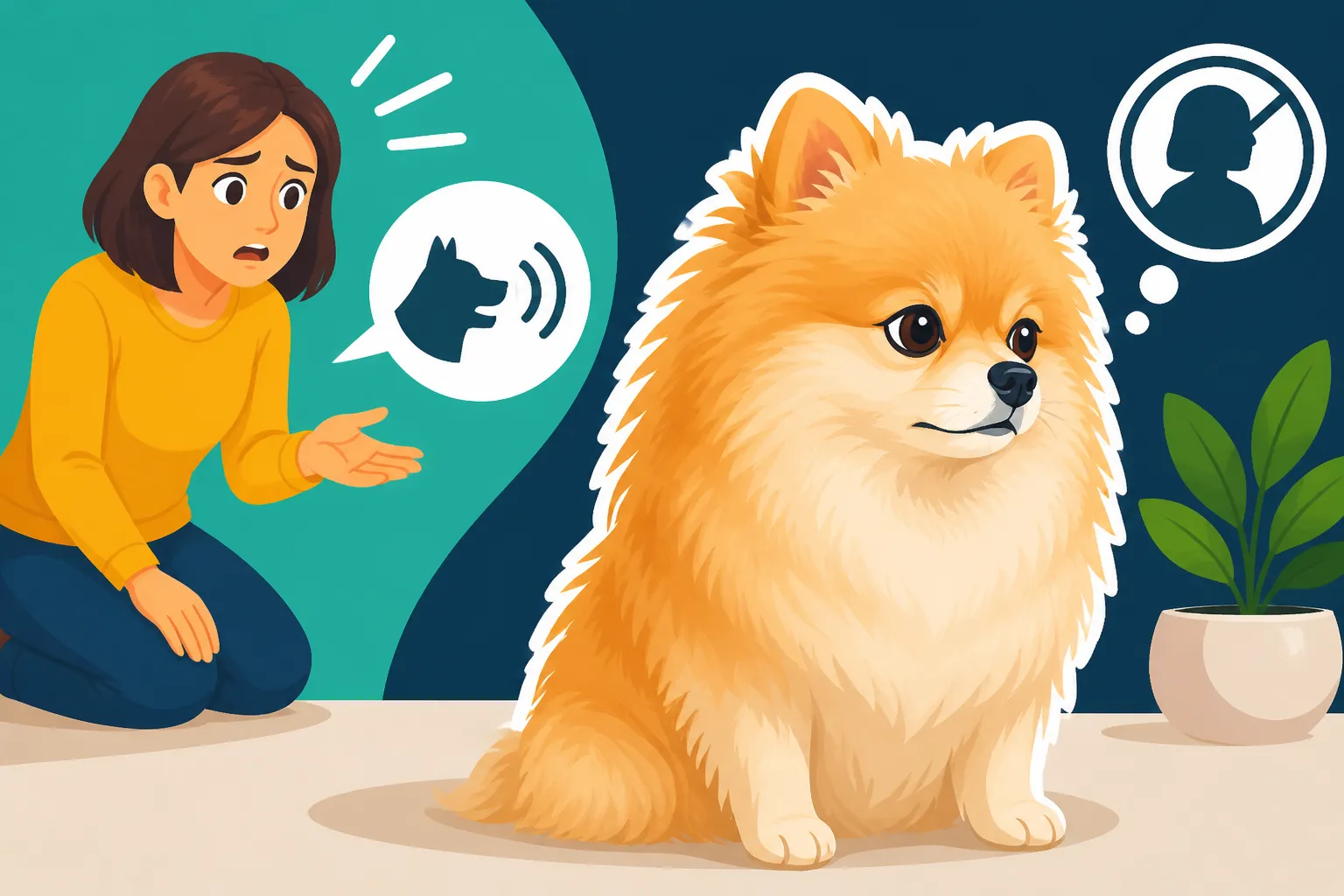
It’s a heart-wrenching moment for any Pomeranian parent when your beloved senior pup, who once zipped to your side at the mere whisper of their name, now stares blankly, or simply carries on as if you haven’t spoken at all. This isn't just about a dog being stubborn; it often signals a deeper, age-related change that can be incredibly distressing and confusing. This guide aims to help you understand the potential reasons behind your old Pomeranian's unresponsiveness and provide actionable steps to navigate this challenging phase with compassion and knowledge.
Unpacking the Mystery: Why Your Senior Pomeranian Isn't Responding
The bond we share with our Pomeranians is built on countless interactions, and their joyful response to their name is a big part of that. When that connection seems to fray with age, it's natural to feel worried, frustrated, or even a little heartbroken. There are several common reasons why an older Pomeranian might stop acknowledging their name, each requiring a different approach and understanding. It’s crucial to consider these possibilities with your vet to ensure you’re addressing the root cause appropriately.
The Quiet World: Age-Related Hearing Loss in Pomeranians
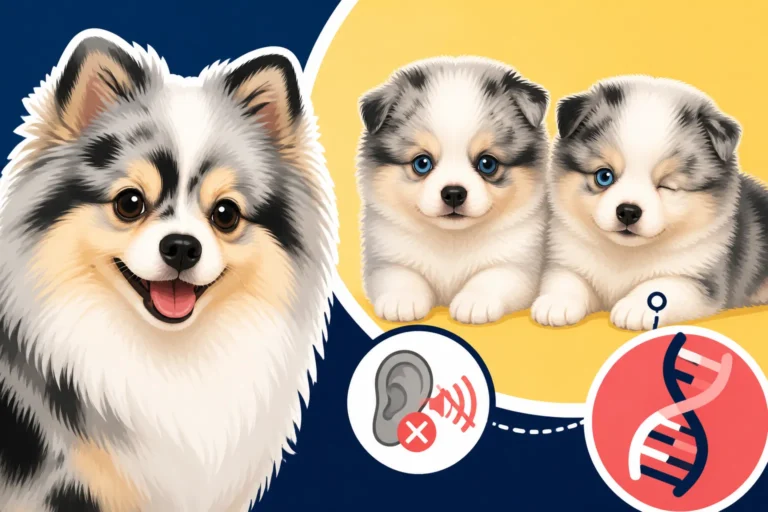
Just like humans, Pomeranians can experience a gradual decline in their hearing as they age, a condition known as presbycusis. This isn't a sudden deafness; it's a slow fade that often goes unnoticed in its early stages. You might find yourself calling your Pomeranian's name a little louder, or perhaps you've noticed they no longer react to the doorbell or the crinkle of a treat bag from across the room.
The subtle onset makes it tricky to pinpoint. One day, they might hear you perfectly, and the next, they miss a soft call. Over time, the missed cues become more frequent, making them seem unresponsive. Imagine living in a world where sounds slowly dim – it would be disorienting and could easily lead to misunderstanding social cues. Your Pomeranian might not even realize you're talking to them, leading to that blank stare that feels so uncharacteristic. It’s not that they’re ignoring you; they simply can’t hear you as clearly, or at all. This can be especially frustrating when you’re trying to get their attention or give a command, and they just don't seem to acknowledge you. It's a common, if challenging, part of The First Signs a Pomeranian Is Aging.
The Fading Mind: Canine Cognitive Dysfunction Syndrome
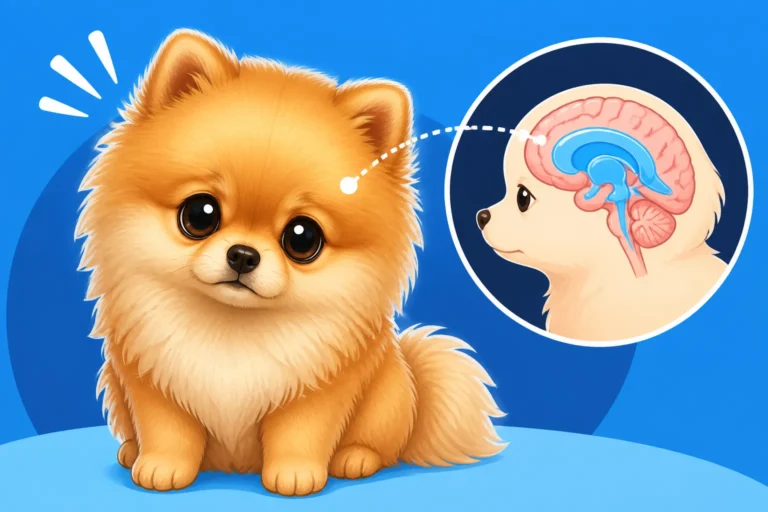
Perhaps one of the most difficult causes to come to terms with is Canine Cognitive Dysfunction (CCD), often referred to as "doggy dementia." This neurological condition affects an older dog's brain, leading to changes in memory, learning, awareness, and behavior. When your Pomeranian stops responding to their name, it might not be due to hearing loss but rather a decline in their ability to recall what their name means or even who you are.
CCD manifests in various ways, often remembered by the acronym DISHA: Disorientation, altered Interactions, Sleep-wake cycle changes, House soiling, and Activity level changes. A Pomeranian with CCD might seem confused about their surroundings, get "stuck" in corners, or wander aimlessly, especially at night. For more on this, you might find information on An Old Pomeranian That Wanders at Night helpful. They might forget familiar people, commands, or routines. So, when you call their name, they might hear the sound but not process its meaning, or they might simply not recognize it as referring to themselves. This condition can be incredibly heartbreaking for owners, as it feels like your cherished companion is slowly fading away, losing their personality and connection. The frustration comes from wanting to connect with the dog you know and love, but feeling blocked by this cruel thief of memory.
Beyond the Obvious: Vision and Other Physical Ailments
While hearing loss and cognitive decline are primary culprits, other physical issues can contribute to an old Pomeranian appearing unresponsive. If your Pomeranian's eyesight is deteriorating, they might be less likely to orient themselves to a sound if they can't visually confirm its source. Clouding Eyes in a Pomeranian Past Ten or other eye problems could make them less aware of your presence or gestures. A dog who can't see you approach might seem startled or confused when you suddenly appear, even if you’ve been calling their name.
Beyond sensory issues, underlying pain or discomfort can make any dog withdrawn and less engaged. A Pomeranian suffering from Arthritis in a Pomeranian at Ten, chronic dental pain, or other internal ailments might simply not have the energy or inclination to respond. They might be too focused on managing their discomfort to engage with their surroundings. General lethargy from conditions like hypothyroidism, kidney disease, or even certain cancers can also lead to a noticeable decrease in responsiveness and overall interaction. It's easy to mistake this lack of engagement for stubbornness or deafness, when in reality, they might be silently suffering.
Taking Action: Steps to Help Your Unresponsive Pomeranian
Discovering that your senior Pomeranian isn't responding like they used to is undoubtedly worrying. The good news is that there are proactive steps you can take, starting with professional veterinary care, to understand the situation better and implement effective strategies to improve your beloved companion’s quality of life. Don't feel alone in this; many owners face similar challenges as their tiny friends grow older.
The Crucial First Step: Veterinary Consultation and Diagnostics
When you first notice your old Pomeranian becoming unresponsive, the very first and most critical action is to schedule a comprehensive veterinary check-up. This isn't just a routine visit; it's an investigative mission to rule out treatable conditions and diagnose irreversible ones. Your vet will perform a thorough physical examination, paying close attention to their ears, eyes, mouth, and joints. They will likely recommend blood tests to check for underlying medical issues such as thyroid imbalances, kidney disease, or other systemic problems that could cause lethargy or cognitive changes. It's a key part of maintaining The Checkup Schedule a Pomeranian Should Keep for senior dogs.
Be prepared to discuss all the behavioral changes you’ve observed in detail, no matter how minor they seem. Think about when you first noticed the change, how frequently it occurs, and any other symptoms like disorientation, changes in sleep, appetite, or house-training habits. Your vet might also recommend specific tests, such as an ear exam with an otoscope to check for infections or structural issues affecting hearing, or an ophthalmic exam to assess their vision, especially if you suspect Whether a Pomeranian Loses Its Sight With Age. In some cases, if cognitive decline is suspected, neurological evaluations or even advanced imaging might be considered to rule out other brain-related issues like tumors or seizures, which can mimic symptoms of CCD. Getting an early and accurate diagnosis is paramount; it allows you to address treatable conditions promptly or to implement supportive care strategies if the condition is chronic or progressive.
Bridging the Gap: Adapting Your Communication Methods
Once you have a clearer understanding of the underlying cause, you can begin to adapt your communication strategies to better reach your Pomeranian. This adjustment often involves learning new ways to interact and being patient with the process.
For a Pomeranian experiencing hearing loss, relying solely on vocal commands will be fruitless and frustrating for both of you. This is where visual cues become incredibly powerful. Start teaching hand signals for common commands like "sit," "stay," "come," and "potty." You can pair them with your voice initially, even if they only pick up on the vibration, to create a strong association. Using a flashlight to get their attention, or gently stomping your foot to create a vibration they can feel, can also be effective. Some owners use vibrating collars (not shock collars!) for recall, which can be a game-changer for outdoor safety, although you need to train the association carefully. Remember, they aren't ignoring you; they just can't hear you, so patience and clear visual signals are your new best friends.
If vision impairment is the primary issue, consistency in their environment is key. Avoid moving furniture around, as this can disorient them. When you approach, speak softly first to avoid startling them, and then gently touch them. Verbal cues like "step up" or "wait" can help them navigate obstacles. Scent markers for important locations, like their food bowl or potty area, can also provide guidance. For a dog with CCD, maintaining a highly consistent daily routine is paramount. Predictable mealtimes, potty breaks, and playtime help reduce anxiety and confusion. Keep your commands short, simple, and consistent. Positive reinforcement, even for small successes, will go a long way in keeping them engaged and feeling secure.
Nurturing a Safe Space: Creating a Supportive Home Environment
Beyond communication, modifying your home environment can significantly improve your senior Pomeranian's comfort and safety, especially if they are experiencing sensory or cognitive decline. Think of your home through their eyes (or ears!).
Safety measures are crucial. If your Pomeranian is disoriented or prone to wandering, consider baby gates to restrict access to unsafe areas like stairs or rooms with potential hazards. For a dog with limited vision, keeping pathways clear of clutter is vital. Non-slip mats on slippery floors (hardwood, tile) can prevent falls, which are particularly dangerous for breeds prone to Slipping Kneecaps in a Five Pound Pomeranian. A pet monitoring camera or baby monitor can offer peace of mind, allowing you to check on them when you're in another room or even out of the house.
Comfort is equally important. Invest in an orthopedic bed to support aging joints. Ensure their food and water bowls are easily accessible and that potty areas are close by, especially if they have urgency or mobility issues. For dogs with severe cognitive decline, some owners find a designated "safe zone" or small pen can reduce anxiety, providing a familiar, secure space.
Mental stimulation, even for an aging pup, remains vital. Puzzle toys, gentle scent games, or short, familiar walks (if mobility allows) can help keep their minds active without over-stimulating them. However, it's crucial not to push them too hard. The goal is engagement, not exhaustion. A happy, comfortable environment goes a long way in maintaining their overall well-being.
Here’s a quick table summarizing communication strategies for common age-related issues:
| Issue Affecting Responsiveness | Communication Strategies | Environmental Adjustments |
|---|---|---|
| Hearing Loss | Hand signals, visual cues, flashlight signals, foot taps to create vibrations. | Keep routine consistent, use visual alarms (e.g., vibrating leash). |
| Cognitive Dysfunction (CCD) | Short, simple verbal commands; consistent routine; calm, patient tone; gentle touch. | Maintain furniture placement, safe zones, non-slip mats, night lights. |
| Vision Impairment | Speak before touching, use verbal cues for navigation, consistency in home layout. | Clear pathways, scent markers, bright lighting in frequently used areas. |
| General Pain/Lethargy | Gentle verbal encouragement, quiet approach, allow them to come to you. | Comfortable, accessible bedding; easy access to food, water, and potty area. |
Embracing the Golden Years: Managing Life with an Aging Pomeranian
Living with an aging Pomeranian who isn't as responsive as they once were requires a shift in perspective, a lot of patience, and an abundance of love. It’s about adapting to their changing needs, celebrating their enduring spirit, and ensuring their remaining years are as comfortable and joyful as possible. This phase of life, while challenging, can also deepen the bond you share.
Supporting Brain Health: Medications and Supplements
For Pomeranians diagnosed with Canine Cognitive Dysfunction, there are specific prescription medications available that can help manage symptoms and slow the progression of cognitive decline. Selegiline is one such medication, often prescribed to improve mental acuity and reduce disorientation. It works by increasing dopamine levels in the brain, which can help with memory and learning. It’s not a cure, but it can significantly improve the quality of life for many dogs.
Beyond prescription drugs, many owners explore supplements designed to support brain health. Omega-3 fatty acids (DHA and EPA), found in fish oil, are well-known for their anti-inflammatory properties and their role in brain function. Antioxidants like Vitamin E, Vitamin C, and coenzyme Q10 can help combat oxidative stress in the brain. S-Adenosylmethionine (SAMe) is another supplement that has shown promise in improving cognitive function. There are also specific diets formulated for senior dogs that are enriched with these brain-supporting nutrients. Always, and I mean always, discuss any new medications or supplements with your veterinarian before introducing them to your Pomeranian. What works for one dog might not be suitable for another, and interactions with existing medications need to be carefully considered. It's an investment in their comfort and well-being, which is where having good pet insurance like Healthy Paws can truly make a difference in covering these ongoing medical costs.
Nurturing Their Spirit: Maintaining Quality of Life and Emotional Well-being
It’s easy to get caught up in the medical aspects of caring for an aging, unresponsive Pomeranian, but their emotional well-being is just as crucial. Even if they don't respond to their name, they still benefit immensely from your continued affection and interaction. Gentle petting, soft words, and simply being present can provide immense comfort. Maintain as much of their routine as possible, as predictability provides security for a dog experiencing cognitive decline.
Understand that their limitations are not a reflection of their love for you, nor are they trying to be difficult. It's easy for owners to feel a sense of loss or grief for the dog they once knew, and it's okay to acknowledge those feelings. Focus on creating positive, low-stress experiences. A gentle walk in a quiet park, a warm bath followed by a soft towel dry, or a special treat can brighten their day. Avoid over-stimulating them with too much noise or too many new experiences, which can cause anxiety. Connecting with other Pomeranian owners who are navigating similar journeys can also provide invaluable emotional support and practical tips. Remembering that your little companion still feels love and comfort, even if they can't express it in the same ways, is key.
The Hard Choices: Knowing When to Seek Further Help and Support
Caring for an aging Pomeranian with declining responsiveness can be incredibly demanding, both emotionally and physically. There may come a time when, despite all your best efforts, your Pomeranian’s quality of life significantly deteriorates, or their behavioral changes become severe or dangerous. This is often the most agonizing part of pet ownership.
It’s important to have open and honest conversations with your veterinarian about your Pomeranian’s prognosis and quality of life. They can help you assess pain levels, cognitive decline, and overall well-being using objective measures. Questions to consider include: Are they still eating and drinking? Are they experiencing chronic pain that can no longer be managed effectively? Are they consistently disoriented, anxious, or distressed? Are they able to enjoy any of their favorite activities, even in a modified way?
Deciding when it’s time to say goodbye is the most profound act of love an owner can make. It’s a decision often made to prevent prolonged suffering, and it’s a decision that no one should make alone. Your vet can guide you through this process, discussing palliative care options, hospice care, or, when the time is right, humane euthanasia. Resources like pet loss support groups or counselors can also provide invaluable support during this incredibly difficult period. It’s a testament to the depth of your bond, and ultimately, it's about honoring The Day You Decide for an Old Pomeranian with compassion.
Proactive Care: Investing in Your Pomeranian's Longevity and Well-being
While some age-related changes are inevitable, there's a lot you can do throughout your Pomeranian's life to support their health and potentially mitigate the severity of age-related decline. Proactive care is about laying a strong foundation for a long, healthy, and happy life, allowing your beloved companion to thrive even into their golden years.
Regular Veterinary Checkups are Key
Perhaps the most impactful proactive measure is adhering to a consistent schedule of veterinary checkups. For senior Pomeranians, this often means semi-annual (every six months) rather than annual visits. These frequent appointments allow your vet to monitor subtle changes in your dog's health that might otherwise go unnoticed. Early detection is paramount for many conditions that affect older dogs. For instance, catching early signs of Kidney Disease in an Aging Pomeranian or A Pomeranian Whose Thyroid Has Slowed can allow for interventions that extend and improve their quality of life.
During these visits, your vet will perform comprehensive physical exams, blood work, and urine tests to establish baselines and catch any deviations. They'll assess their mobility, dental health (which is crucial for small breeds like Poms), and discuss any behavioral changes you've observed. These checkups are also the perfect opportunity to discuss preventative care, like appropriate vaccinations, parasite control, and nutritional needs tailored to an aging dog. Thinking ahead with pet insurance providers like Healthy Paws can ease the financial burden of these regular check-ups and any age-related health issues that might arise, ensuring your Pomeranian gets the best possible care without you having to choose between their health and your budget.
Keeping Minds Active: Environmental Enrichment and Mental Stimulation
A healthy mind contributes to a healthy life at any age, and this is especially true for senior Pomeranians. Engaging their brains helps to maintain cognitive function and can even slow the progression of conditions like CCD. This doesn’t mean rigorous training sessions; it means thoughtful enrichment.
Offer puzzle toys that dispense treats, encouraging them to problem-solve and use their senses. Rotate their toys regularly to keep things interesting. Gentle scent games, where you hide treats around the house for them to sniff out, are excellent for engaging their keen sense of smell without putting strain on their bodies. Even short, familiar walks around the neighborhood offer valuable mental stimulation through exposure to new sights, sounds, and smells (even if they can't see or hear them perfectly, the overall experience is enriching). Consider very short, positive reinforcement training sessions to reinforce known commands or even teach simple new tricks if they're up for it. The key is to keep activities low-impact, positive, and tailored to their current physical and mental capabilities. Preventing boredom and isolation can significantly impact their mood and overall cognitive well-being.
Fueling Longevity: Nutritional Support for Brain Health
Just like with humans, a proper diet plays a vital role in supporting brain health and overall vitality in aging Pomeranians. As dogs get older, their nutritional needs change. Senior dog formulas are often lower in calories to prevent weight gain (a common issue as activity levels decrease) but are rich in specific nutrients that support aging bodies and brains.
Look for dog foods that are fortified with antioxidants, Omega-3 fatty acids (DHA and EPA), and other brain-supporting ingredients. Some premium brands specifically design diets to support cognitive function in older dogs. If your Pomeranian has [Few Teeth] or struggles to eat hard kibble, consider softening their food with warm water or transitioning to a wet food formula. Again, any significant dietary changes or the introduction of supplements should always be discussed with your veterinarian. They can help you choose the best diet to meet your individual Pomeranian's needs, considering their current health status, any existing conditions, and your budget. Providing optimal nutrition is a simple yet powerful way to support their health and happiness as they age gracefully by your side.
Disclaimer
The information provided in this article is for educational purposes only and is not intended to be a substitute for professional veterinary advice, diagnosis, or treatment. Always seek the advice of your veterinarian or other qualified animal health provider with any questions you may have regarding a medical condition.