Why Shaving a Pomeranian Can End Its Coat
It’s a scenario many of us Pomeranian parents have considered, especially when summer heats up or when grooming feels like an endless battle: "Maybe I should just shave them." The idea that a short cut will make them cooler, cleaner, or easier to manage can be incredibly tempting. But here’s the tough truth that often gets overlooked: shaving your beloved Pomeranian can actually do irreversible damage to their beautiful, functional double coat, leading to a host of problems you never anticipated. This guide will walk you through exactly why a shave can "end" your Pomeranian's coat and what you should do instead to keep them happy and healthy.
The Marvel of the Pomeranian's Double Coat
Before we dive into why shaving is such a big no-no, it’s crucial to understand what makes a Pomeranian's coat so unique and truly marvelous. It’s not just for show; it's a finely tuned system designed by nature.
Layers of Protection: Guard Hairs and Plush Undercoat
Your Pomeranian's glorious fluffy coat isn’t just one type of hair; it's a sophisticated two-layer system, commonly known as a double coat. The outer layer consists of long, coarse, straight hairs called "guard hairs." These are the ones that give your Pom their distinct shape and vibrant color. They are strong, water-resistant, and, crucially, act like a protective shield. Underneath this outer layer lies the "undercoat," which is dense, soft, and woolly. Think of it as a thick, fluffy sweater. These two layers work in tandem, each playing a vital role. The guard hairs lie over the undercoat, helping to shed water, dirt, and debris, while the undercoat provides the primary insulation. It’s a beautifully engineered system, and it's why The Double Coat That Makes a Pomeranian and Why It Stays On is so important to their well-being. Understanding The Guard Hair and Undercoat of a Pomeranian is the first step to truly appreciating why we need to protect it.
The Double Coat's Role in Natural Climate Control
One of the biggest misconceptions about shaving a Pomeranian is that it will cool them down. In reality, it does the opposite. Their double coat is an incredibly efficient natural climate control system. In cold weather, the dense undercoat traps warm air close to the body, insulating them from the chill. But here’s the clever part: in warm weather, the coat doesn't just trap heat. Instead, it acts like an air conditioner. The guard hairs stand away from the body, allowing air to circulate between the two layers and create an insulating barrier that prevents external heat from reaching their skin. This natural airflow helps dissipate heat, keeping them cooler than if their skin were exposed directly to the sun. Removing this system by shaving leaves them vulnerable to both overheating and chilling, proving that nature truly knows best when it comes to regulating their body temperature. It's why trying to cool them down by shaving can backfire significantly, leaving them less able to cope with high temperatures. The Temperature That Is Too Hot for a Pomeranian is something their coat helps them manage.
Why Shaving is a Serious Threat to a Pomeranian's Coat
Given the intricate design and vital function of their double coat, it’s easier to understand why shaving it can have such detrimental effects. It’s not just a bad haircut; it’s a disruption of their natural protective mechanisms.
Disrupting the Natural Growth Cycle and Texture
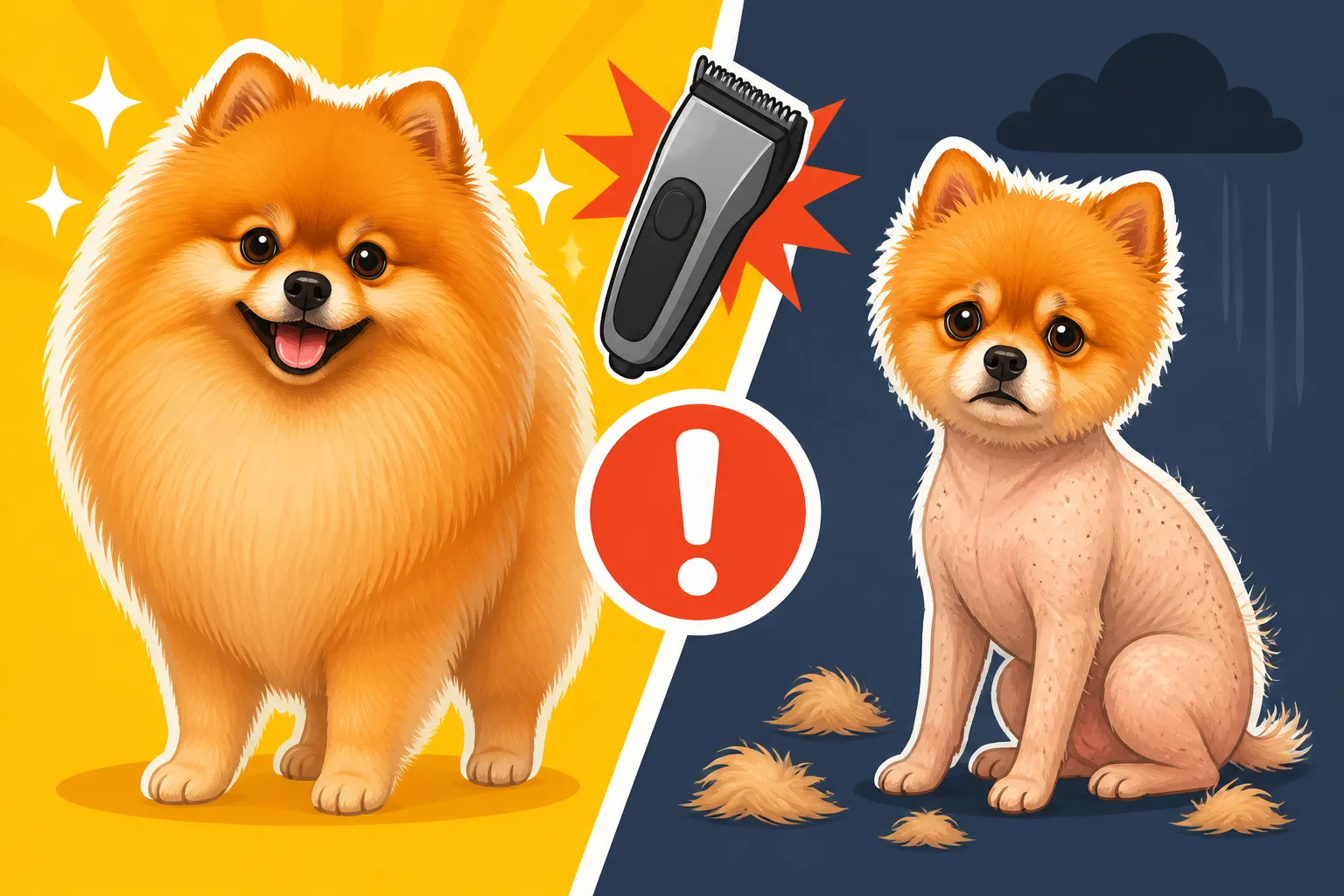
When you shave a Pomeranian, you're not just trimming the hair; you're often cutting through both the guard hairs and the undercoat. This severe cut can permanently damage the hair follicles. The guard hairs, which are structured to grow in a certain way, can become brittle, break easily, or simply stop growing back in their original strong, straight form. Instead, the softer, woollier undercoat tends to take over and grow much faster and thicker, but without the protective outer layer. This results in a coat that feels like cotton or wool, rather than the characteristic fluffy, stand-off coat we all adore. This change in texture is more than cosmetic; it signifies a fundamental alteration to the coat's structure and function. It’s a common reason Why a Shaved Pomeranian May Not Regrow its original beautiful coat.
The Alarming Reality of Post-Clipping Alopecia
Perhaps the most devastating consequence of shaving is a condition known as "Post-Clipping Alopecia" (sometimes referred to as coat funk or Follicular Arrest). This isn't just a slow regrowth; it's when the hair simply refuses to grow back, or grows back in patchy, thin, and uneven sections, if at all. For many Pomeranians, once shaved, their coat may never fully return to its original glory. The guard hairs, once cut, can struggle to re-establish their growth cycle, leaving only the undercoat to grow, leading to that coarse, cottony texture. Some Poms might end up with large bald spots or a perpetually stunted, unhealthy-looking coat. It can be heartbreaking for owners who had no idea of the potential for such a drastic, permanent change. This is a very real concern, and it's why articles like Whether a Pomeranian's Coat Grows Back After Alopecia X are so crucial for owners to read before making a decision.
Exposing Delicate Skin to Environmental Hazards
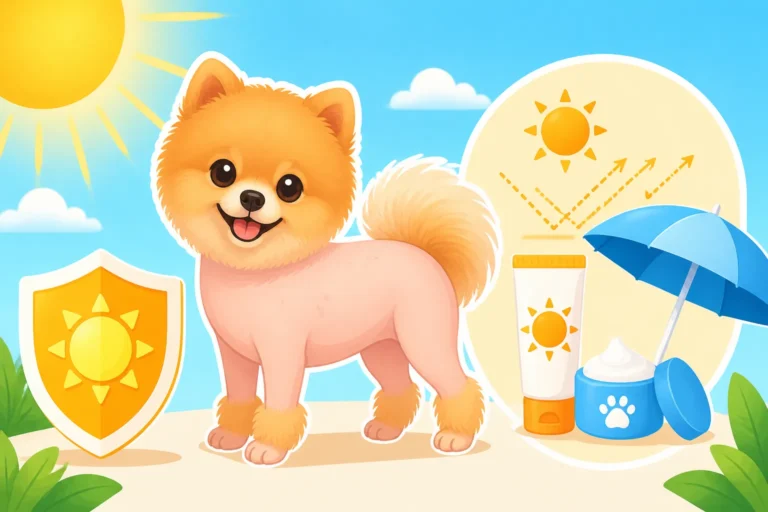
A Pomeranian's double coat does more than regulate temperature; it also provides a physical barrier for their delicate skin. When shaved, this protective layer is gone. Their skin becomes directly exposed to harmful UV rays, increasing their risk of sunburn, which can be painful and lead to serious long-term skin conditions, including skin cancer. Beyond sunburn, the exposed skin is also far more susceptible to insect bites, environmental irritants like pollen or harsh chemicals, and even minor scrapes and cuts that the dense fur would normally protect against. Furthermore, without the insulation of their coat, they are more vulnerable to chills and temperature fluctuations, especially if they spend time outdoors in varying weather. Suddenly, that protective barrier you thought you were helping them get rid of becomes sorely missed. Protecting a Bald Pomeranian's Skin From Sun becomes an urgent concern after an accidental or intentional shave.
The Unwanted Long-Term Transformations of a Shaved Coat
The immediate aftermath of shaving can be shocking, but the consequences often continue to manifest over months and even years, fundamentally changing your Pomeranian's grooming needs and overall skin health.
The Unmanageable "Cottony" or "Woolly" Coat
Once the guard hairs are compromised, and the undercoat takes over, the texture of your Pomeranian's coat often transforms into something entirely different. Instead of the naturally fluffy, airy, and shedding-resistant (to some degree) double coat, you might end up with a coat that is dense, soft, and feels almost like cotton or wool. This change makes the coat incredibly difficult to manage. It loses its natural "stand-off" quality, often lying flat or clumping together. It doesn't shed easily; instead, it tends to felt or mat very close to the skin, which is a much more painful and problematic form of matting. Many owners find themselves in a constant battle with this new, difficult texture, lamenting the loss of their Pom's original, iconic fluffy look.
Persistent Matting and Grooming Challenges
The cottony undercoat that takes over after a shave has a propensity for matting that far exceeds a healthy double coat. These mats often form quickly and tightly, sometimes right down to the skin, creating painful tugs and pulls every time your dog moves. What used to be a manageable brushing routine can turn into a daily struggle against painful knots. Removing these mats often requires careful, time-consuming work or even professional dematting, which can be stressful for your Pomeranian and expensive for you. In some cases, the matting can become so severe that it restricts blood flow, causes skin infections, or makes future grooming even more difficult, potentially leading back to the very reason many shaved their Pom in the first place—matting—but now in a much worse form. It's a vicious cycle that no one wants for their furry friend.
Increased Vulnerability to Health Issues
Beyond the aesthetic and grooming challenges, a compromised coat can lead to a cascade of health problems. The loss of insulation makes your Pomeranian less able to regulate its body temperature, increasing the risk of heatstroke in summer and hypothermia in winter. The exposed skin is prone to dryness, irritation, and allergic reactions. Skin infections can become more frequent, as bacteria and yeast thrive in irritated or moist conditions that a thick, matted undercoat might create. Some Pomeranians might even develop chronic skin conditions that require ongoing veterinary care. The costs associated with treating these issues can add up, making responsible grooming seem like a small price to pay in comparison. Pet insurance providers like Healthy Paws often cover unexpected illnesses and accidents, which could include severe skin infections or conditions arising from environmental exposure, but preventative care is always the best approach. Ensuring a healthy coat is a cornerstone of overall canine well-being. The Age a Pomeranian's Coat Starts to Thin naturally due to aging is one thing, but forced thinning due to shaving is another entirely.
Understanding When a Shave Might Be Medically Necessary
While the general rule is to never shave a Pomeranian, there are rare, specific circumstances where it might be unavoidable, and these should always be guided by professional advice.
Navigating Severe Matting and Urgent Skin Conditions
Sometimes, despite an owner's best efforts, a Pomeranian's coat can become so severely matted that shaving is the only humane option. This usually occurs when mats are extremely tight, covering large areas of the body, and are impossible to brush out without causing immense pain or tearing the skin. In such cases, a professional groomer or veterinarian might recommend shaving as a last resort to relieve the dog from discomfort and prevent further skin issues. Similarly, if a Pomeranian develops a severe skin infection, rash, or requires extensive topical medical treatment, a vet might recommend shaving a specific area or even the entire coat to allow the skin to breathe, apply medication effectively, and facilitate healing. These are not decisions taken lightly, and they are always driven by the dog's immediate health and welfare.
Consulting Your Veterinarian and Professional Groomer
If you find yourself in a situation where you believe shaving might be necessary, always consult your veterinarian first. They can assess your Pomeranian's skin condition, rule out underlying medical issues, and provide a professional recommendation. After or in conjunction with your vet, speak with a reputable groomer who specializes in double-coated breeds. A good groomer will explain the risks of shaving, discuss potential regrowth issues, and explore all other alternatives before resorting to a full shave. They can also offer advice on how to manage the coat after a shave if it becomes necessary, including specific products and techniques to encourage healthier regrowth and prevent future matting. Never attempt a full shave at home, especially if your dog is severely matted or has skin issues, as this can easily cause injury. It's an instance where proper professional guidance is invaluable, and services like those covered by Healthy Paws could assist with unforeseen veterinary costs associated with urgent skin conditions.
Nurturing Your Pomeranian's Coat with Proper Care
The good news is that with the right knowledge and tools, maintaining your Pomeranian's stunning double coat doesn't have to be an overwhelming task. Consistent, appropriate care is key.
Daily Routines: Brushing and Preventative Measures
The cornerstone of a healthy Pomeranian coat is regular, thorough brushing. This isn't just about making them look pretty; it's about preventing mats, distributing natural oils, and removing loose undercoat and debris. Aim for brushing sessions at least 2-3 times a week, though daily is ideal for preventing mats, especially in areas prone to tangles like behind the ears, armpits, and britches. You'll need a good quality slicker brush and a metal comb to get down to the skin. The technique, often called "line brushing," involves parting the hair and brushing in small sections, from the skin outwards, ensuring you reach all the way through the undercoat. This methodical approach is vital to prevent matting at the skin level, which is where problems truly begin. For a deep dive into technique, refer to Working a Pomeranian's Coat in Sections to the Skin. Consistency is far more effective than infrequent, intense sessions. If you're wondering about the frequency, How Many Times a Week a Pomeranian Is Brushed is a great resource.
Partnering with a Knowledgeable Groomer for Healthy Trims
While shaving is detrimental, appropriate trimming is an essential part of Pomeranian care. A professional groomer who understands double coats can perform necessary "tidy-ups" without compromising the protective layers. This includes sanitary trims around the hindquarters, trimming the fur between paw pads, and carefully shaping the chest and britches to maintain a neat appearance while preserving the coat's integrity. These trims should always be done with scissors or clippers with a long guard comb, never shaving down to the skin. Discuss your Pomeranian's specific needs and your concerns about coat health with your groomer. A responsible groomer will never suggest a full shave unless medically indicated and will instead offer services that enhance their natural coat, such as de-shedding treatments or professional baths. If you're looking for guidance, What a Full Pomeranian Groom Includes can help you understand the services that are beneficial. For a detailed look at what's safe, check out Trims a Pomeranian Can Safely Have.
Supporting Coat Health Through Diet and Veterinary Care
Beyond external grooming, your Pomeranian's coat health is deeply tied to their overall internal health. A high-quality diet rich in omega fatty acids, vitamins, and minerals can significantly contribute to a lustrous, strong coat and healthy skin. Consider supplements like fish oil, flaxseed oil, or specific skin and coat supplements if recommended by your vet. Regular veterinary check-ups are also crucial for monitoring skin and coat health, catching potential issues like allergies, parasites, or hormonal imbalances (such as thyroid problems) early on. These conditions can often manifest as coat changes or skin irritation, and prompt treatment is key to preventing further damage. Maintaining a healthy weight also impacts coat health; an overweight Pomeranian might struggle with grooming and develop skin folds that become irritated. When you have pet insurance like Healthy Paws, you gain peace of mind knowing that unexpected vet visits for skin conditions, allergies, or other health issues impacting the coat can be financially supported, helping you provide the best care without undue stress. For more on dietary support, Supplements That Support a Pomeranian's Skin is an excellent resource.
Here's a quick comparison of what you can expect from a healthy, natural double coat versus one that has been shaved:
| Feature | Healthy Double Coat (Natural) | Shaved/Damaged Coat (Post-Shave) |
|---|---|---|
| Structure | Distinct guard hairs over soft undercoat. | Guard hairs damaged/gone, undercoat overgrowth. |
| Texture | Fluffy, airy, "stand-off" appearance. | Often cottony, woolly, matted, flat against the skin. |
| Insulation | Excellent, regulates temperature year-round. | Severely compromised, poor heat/cold regulation. |
| Skin Protection | Strong barrier against sun, irritants, bites. | Exposed to UV rays, environmental hazards, injury. |
| Shedding Pattern | Seasonal "coat blow" of undercoat, some daily. | Less "shedding" but more problematic matting/felting. |
| Grooming Difficulty | Regular brushing prevents mats; manageable. | Prone to severe, tight matting; very challenging. |
| Health Risks | Low with proper care. | Increased risk of sunburn, skin infections, overheating. |
| Regrowth Potential | Grows back consistently with care. | Highly uncertain, potential for Post-Clipping Alopecia. |
Disclaimer
The information provided in this article is for educational and informational purposes only and does not constitute veterinary advice. Always consult with a qualified veterinarian for any health concerns or before making any decisions about your Pomeranian's care and treatment.