What a Full Pomeranian Groom Includes
As a Pomeranian owner, you know the absolute frustration of trying to keep that glorious, fluffy coat looking pristine. It's not just a quick brush and a bath; a full Pomeranian groom is an intricate dance of brushing, washing, drying, and trimming, all aimed at maintaining their health and that iconic look. This guide will walk you through exactly what goes into a comprehensive grooming session, whether you're tackling it yourself or entrusting your fluffy friend to a professional.
Understanding the Pomeranian's Unique Coat
Let's be real, that luxurious floof isn't just for show – it’s a powerhouse of protection that needs specific care. Ignoring it means mats, skin issues, and discomfort for your beloved Pom.
The Double Coat's Purpose and Structure
A Pomeranian's coat is one of its most defining features, a majestic plume that makes them look like a little walking cloud. But beneath that soft, flowing exterior is a complex double coat, designed for protection. There's an outer layer of long, straight, coarse guard hairs, which are water-resistant and protect against dirt and damage. Underneath this, close to the skin, is a dense, soft, fluffy undercoat that provides insulation, keeping them warm in winter and cool in summer. This combination is what gives the Pomeranian its characteristic "stand-off" appearance.
This unique structure is a throwback to their larger Spitz ancestors, who needed robust coats to survive harsh northern climates. While our modern Poms aren't pulling sleds, their coats still serve a vital protective function, especially for their delicate skin. Understanding this dual nature is key to proper grooming; you can't just brush the surface and call it a day, because the undercoat will mat if neglected.
Why the Double Coat Demands Specific Care
Because of its density and two distinct layers, the Pomeranian's double coat requires more than just a casual once-over. The undercoat sheds regularly, and if those shed hairs aren't removed, they can get tangled with the guard hairs, quickly forming painful mats and tangles. These aren't just cosmetic issues; severe matting can pull on the skin, cause irritation, restrict air circulation, and even lead to skin infections. Plus, a matted coat can't insulate properly, making your Pom uncomfortable in various temperatures.
Many new Pom parents are surprised by how much effort goes into keeping these coats healthy. It’s a commitment, but a necessary one to ensure your little companion is comfortable and happy. Proper care also prevents the dreaded "shave shock" or Black Skin Disease and the Pomeranian Coat That Never Returns, a condition often mistakenly attributed to shaving, but which is more formally known as Alopecia X, where the coat simply refuses to grow back correctly after being cut too short. So, protecting that coat is paramount.
The Core Elements of a Full Pomeranian Groom
A full groom isn't just about making your Pom look pretty; it’s a methodical process that addresses their entire coat and skin health. It's much more involved than what you might imagine for a small dog.
The Pre-Bath Prep: Brushing and Dematting
Before a single drop of water touches your Pomeranian, a thorough pre-bath brushing is absolutely crucial. This isn't optional; it's the foundation of a good groom. The goal here is to remove as much loose hair as possible and, more importantly, to find and carefully work out any mats or tangles that have formed. If you bathe a matted dog, those mats will only tighten, becoming almost impossible to remove without resorting to shaving, which, as we discussed, isn't ideal for a Pomeranian's coat.
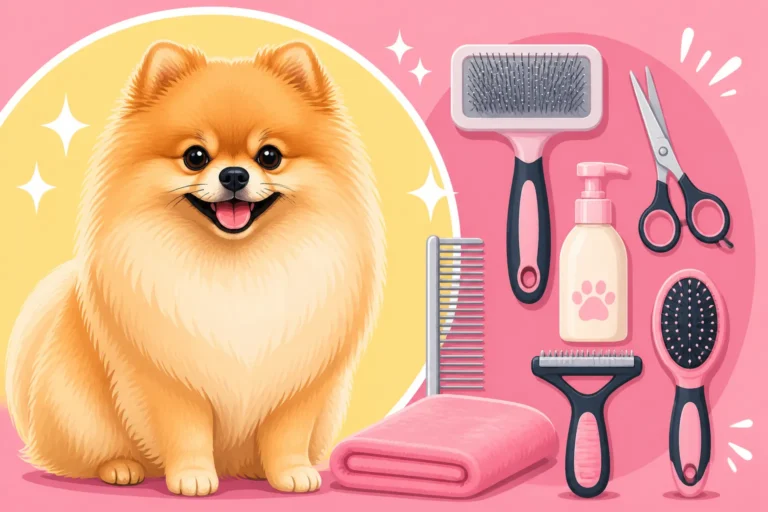
You'll need the right tools: a slicker brush to get down to the undercoat and a metal comb to check your work and tackle any stubborn knots. Work in small sections, gently separating the hair and brushing from the skin outwards. Pay special attention to areas prone to matting, like behind the ears, under the armpits, and around the "britches" (the fluffy hair on their hindquarters). This process can take a significant amount of time, sometimes an hour or more, depending on the condition of the coat. It’s also an excellent time to get your Pomeranian used to being handled, especially if you’re doing it at home, as this consistent exposure makes future grooming much easier. Many owners find great success with high-quality grooming tools found on sites like Chewy, which often have reviews from other small dog owners.
The Bathing Process: Shampoo, Conditioner, and Drying
Once your Pomeranian is thoroughly brushed and mat-free, it's time for the bath. Use a shampoo specifically formulated for dogs, ideally one designed for double coats or sensitive skin. Avoid human shampoos, as they can be too harsh and strip natural oils. Diluting the shampoo can help ensure it rinses out completely, preventing residue that can irritate the skin or weigh down the coat. Lather gently, ensuring the shampoo reaches the skin, but be careful not to scrub too vigorously, which can create new tangles.
Rinsing is perhaps the most important part of the bath. You must rinse, and then rinse again, until the water runs completely clear and you can't feel any slickness on the coat. Any leftover shampoo can cause skin irritation and make the coat dull. Follow up with a good dog conditioner, again, one suited for their coat type, to moisturize the skin and help smooth the hair cuticles, making drying and subsequent brushing easier. After a final thorough rinse, gently squeeze excess water from the coat, and then wrap your Pom in a soft towel.
Drying a Pomeranian is another critical, time-consuming step. Air drying is generally not recommended as it can lead to matting and skin issues. A professional groomer will often use a high-velocity dryer to force water out of the coat and fluff it simultaneously. If you're grooming at home, use a pet-specific force dryer or a human hairdryer on a cool or low-heat setting, keeping it moving constantly to prevent skin burns. Brush as you dry, lifting the hair away from the body to encourage that beautiful stand-off coat. This step, combined with the pre-bath brushing, truly creates the fluffy, voluminous look Pomeranians are famous for. This is where Drying a Pomeranian Without Damaging the Coat really comes into play.
Precision Trimming for the Signature Pomeranian Look
While Pomeranians are not typically "cut" breeds in the way a Poodle is, professional grooming always includes some precision trimming to maintain their distinct shape and neatness. This isn't about shaving them down, but rather tidying and shaping. The main areas trimmed are:
- Feet: The hair between their paw pads and around the edges of their feet is meticulously trimmed to be neat and round, often called "cat feet." This prevents debris from getting trapped and improves traction, which is important for breeds prone to Slipping Kneecaps in a Five Pound Pomeranian.
- Sanitary Areas: The hair around the anus and genitals is trimmed short for hygiene purposes, preventing staining and making cleanup easier after potty breaks. This is a must for all Poms.
- Hock and Leg Feathering: Excess hair on the back of the hind legs (hocks) and other leg feathering might be tidied to give a cleaner silhouette, without removing the natural look.
- Ear Edges: Sometimes, a tiny bit of stray hair around the edges of their small, erect ears is carefully scissored to make them appear even more prominent and round.
- Overall Silhouette: A skilled groomer might do what's called a "light trim" or "outline trim" to enhance the natural round shape of the coat, particularly around the chest (ruff) and britches, without shortening the coat significantly. This is subtle work, designed to maintain the breed's standard appearance, not to create an entirely new style like a "lion cut," which isn't generally recommended for Pomeranians.
The goal is always to enhance the natural beauty of the Pomeranian coat, keeping it healthy and neat, rather than drastically altering it.
Beyond the Basics: Essential Finishing Touches
A full groom goes beyond just the coat, addressing other vital aspects of your Pomeranian's health and comfort.
Nail Trimming and Paw Pad Care
One of the most commonly overlooked aspects of pet care, nail trimming, is absolutely essential for Pomeranians. Overgrown nails can cause significant discomfort, make it painful for your dog to walk, and can even lead to orthopedic issues over time, especially in a breed prone to Luxating Patellas and Torn Cruciates in a Pomeranian. Nails that are too long can also snag and tear, which is not only painful but can result in infection.
During a full groom, the groomer will carefully trim your Pom's nails, typically using clippers or a dremel tool. With dark nails, it can be tricky to see the "quick" (the blood vessel and nerve within the nail), so a groomer's experience is invaluable here. After trimming, some groomers will also file the nails smooth to prevent snags. Additionally, the hair between the paw pads will be trimmed. This helps prevent matting in an area that gets a lot of friction and moisture, and it also gives your Pom better traction, making them less likely to slip on hard floors. Dry, cracked paw pads might also get a soothing balm applied.
Ear Cleaning and Eye Area Maintenance
Pomeranians have small, erect ears, which are usually well-ventilated and less prone to infections than floppy-eared breeds. However, they still need regular attention. During a full groom, the groomer will gently clean the outer ear and the visible parts of the ear canal using a veterinarian-approved ear cleaner and cotton balls or soft wipes. They'll be looking for any signs of redness, odor, or excessive wax buildup, which could indicate an infection. While they won't typically pluck ear hair (unless specifically requested or medically necessary, as Poms don't usually have heavy hair growth inside their canals), they will ensure the area is clean and healthy.
The eyes are also a focus. Pomeranians can sometimes develop tear staining, especially lighter-colored Poms, or have minor irritation from hair growing too close to the eye. A groomer will gently clean around the eyes, removing any accumulated crust or discharge. They'll also check for any signs of irritation, excessive tearing, or redness, which could indicate underlying The Eye Problems a Pomeranian Carries or other issues that warrant a vet visit. Keeping the hair around the eyes trimmed slightly shorter helps prevent it from poking into the eye and causing irritation.
Addressing Anal Glands When Necessary
While not the most glamorous part of grooming, anal gland expression is a common component of a full professional groom, though it should ideally only be done when genuinely needed. These two small glands, located on either side of the anus, contain a smelly fluid that dogs naturally express when they defecate. However, sometimes these glands don't express properly on their own, leading to discomfort or potential impaction.
Signs that your Pomeranian might need their anal glands expressed include "scooting" (dragging their rear end on the floor), excessive licking or biting at their hindquarters, or a strong, fishy odor. A professional groomer can gently express these glands externally. It's important to note that while some groomers offer this routinely, many veterinarians advise against routine expression if your dog isn't showing symptoms, as over-expressing can sometimes lead to issues. If your Pom frequently needs expression, or if the glands are very full or inflamed, it's always best to consult your veterinarian to rule out any underlying health problems.
When to Seek Professional Grooming Versus DIY
Deciding whether to tackle the meticulous job of grooming your Pomeranian yourself or to rely on a professional is a common dilemma for many owners. Both options have their merits and challenges, and the best choice often depends on your comfort level, skill, and your Pom's specific needs.
The Benefits of a Professional Groomer
For many Pomeranian owners, a professional groomer is worth their weight in gold. First and foremost, they bring expertise. They understand the intricacies of the double coat, know how to safely and effectively remove mats, and are skilled in the precise trimming needed to maintain the Pomeranian's distinctive look. They have access to professional-grade tools, like high-velocity dryers, which are far more efficient and safer than standard home equipment. This means less stress for your dog and a better-finished product.
Professional groomers also have an eye for detail and can spot potential health issues that you might miss. During a groom, they’ll examine your dog’s skin for lumps or irritations, check ears for signs of infection, and assess nail and paw health. They can also handle the less pleasant tasks, like anal gland expression (if needed), allowing you to focus on the fun parts of pet ownership. Furthermore, if your Pomeranian is particularly wiggly, anxious, or prone to biting during grooming, a professional is equipped to handle them safely and calmly. Remember, a poorly done home groom can result in discomfort, skin issues, or even a damaged coat that takes a long time to recover, sometimes not fully growing back. Sites like Healthy Paws offer pet insurance plans that can sometimes help with unexpected vet bills that might arise from grooming accidents or complications, though routine grooming isn't typically covered.
What You Can Tackle at Home
While a full, professional-level groom is a lot to take on, there are many grooming tasks that can and should be done at home regularly. Daily or every-other-day brushing is paramount for a Pomeranian to prevent matting and keep their coat healthy between professional appointments. Learning how to properly use a slicker brush and a metal comb to get through both layers of their coat is a skill every Pom owner should master. You can also handle routine nail trimming (with practice and the right tools), ear cleaning (for general maintenance, not deep medical issues), and gently cleaning around their eyes.
Home grooming also offers a fantastic opportunity to bond with your Pomeranian and get them comfortable with being handled. Starting these practices early, during their puppyhood, can make professional grooming sessions much easier for them later on. Regular home care can extend the time between professional grooms, saving you money, and it allows you to stay closely attuned to your dog's skin and coat health. Just be realistic about your capabilities. If you find yourself struggling with mats or fear hurting your dog with clippers, that’s a clear sign it’s time to call in a pro. Consider signing up for a personalized dog food plan from services like Ollie, as good nutrition also plays a vital role in coat health and can make grooming easier.
Cost Considerations and Long-Term Savings
The cost of professional grooming for a Pomeranian can vary widely depending on your location, the groomer's experience, and the specific services included. While it might seem like a significant expense, especially for a small dog, it's an investment in your Pom's health and comfort. Regular professional grooms often prevent more costly problems down the line, such as severe matting requiring veterinary sedation for removal, or skin infections from neglected coats.
On the other hand, doing some grooming at home can certainly lead to long-term savings. Investing in quality tools like brushes, combs, dog-specific shampoo and conditioner, nail clippers, and perhaps a low-heat pet dryer, will be a one-time cost that pays off over years. However, remember that "saving money" should never come at the expense of your Pomeranian's well-being. If you're not confident in your ability to properly groom certain areas or if your Pom’s coat is getting out of hand, a professional groom is truly the better and safer option. It’s a balance between DIY and professional care that most Pomeranian owners eventually find works best for their lifestyle and their fluffy companion. What a Year of Pomeranian Grooming Adds Up To is often a surprise to new owners.
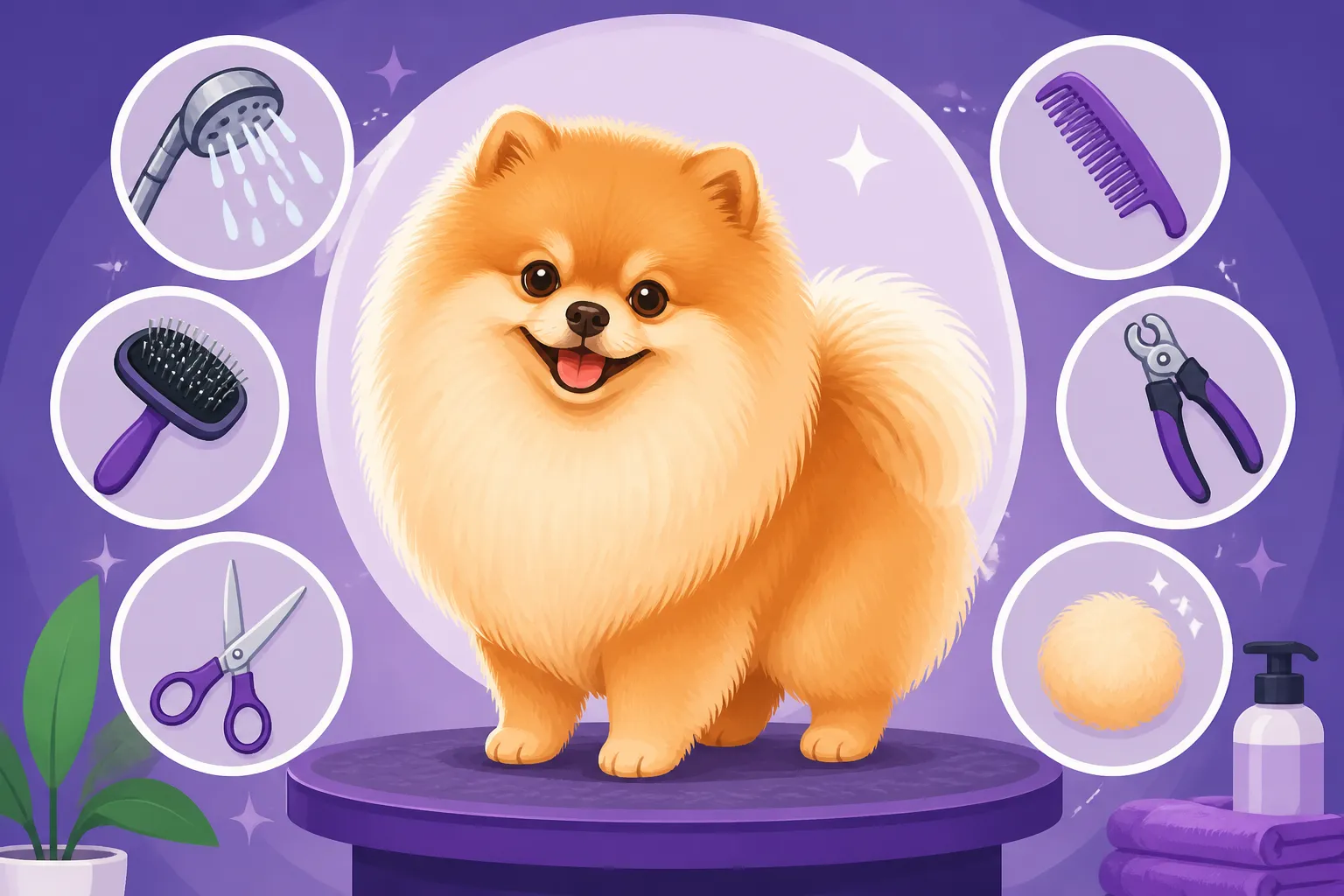
Here's a quick overview of what a full Pomeranian groom typically involves:
| Grooming Stage | Key Actions | Purpose | Tools Used (Typical) |
|---|---|---|---|
| Pre-Bath Prep | Thorough brushing, line brushing, detangling, mat removal | Remove loose hair, prevent matting during bath, check for skin issues | Slicker brush, metal comb, detangler spray |
| Bathing | Wetting, shampooing (often twice), conditioning, rinsing | Clean coat and skin, moisturize, prepare for drying | Dog shampoo, conditioner, warm water |
| Drying | Towel dry, force dryer/blow dryer, brushing while drying | Remove water, fluff coat, prevent matting, check for skin issues | Towels, high-velocity dryer, slicker brush |
| Trimming & Styling | Sanitary trim, paw pad trim, shaping feet, light body/ear feathering trim | Maintain neatness, hygiene, breed silhouette | Scissors, clippers (on low settings) |
| Nail Care | Clipping and/or grinding nails, filing | Prevent overgrowth, ensure comfortable walking, avoid injury | Nail clippers, dremel/grinder |
| Ear & Eye Care | Cleaning outer ear, checking for issues, cleaning eye area | Prevent infections, remove debris, check for discharge | Ear cleaner, cotton balls, eye wipes |
| Anal Gland Expression | External expression (if needed) | Relieve discomfort from impacted glands (consult vet for routine needs) | Latex gloves, lubricant (professional only) |
Disclaimer
This article is for general informational purposes only and does not constitute professional advice. Laws, prices and regulations vary by location and change over time. Consult a qualified professional for guidance on your specific situation.