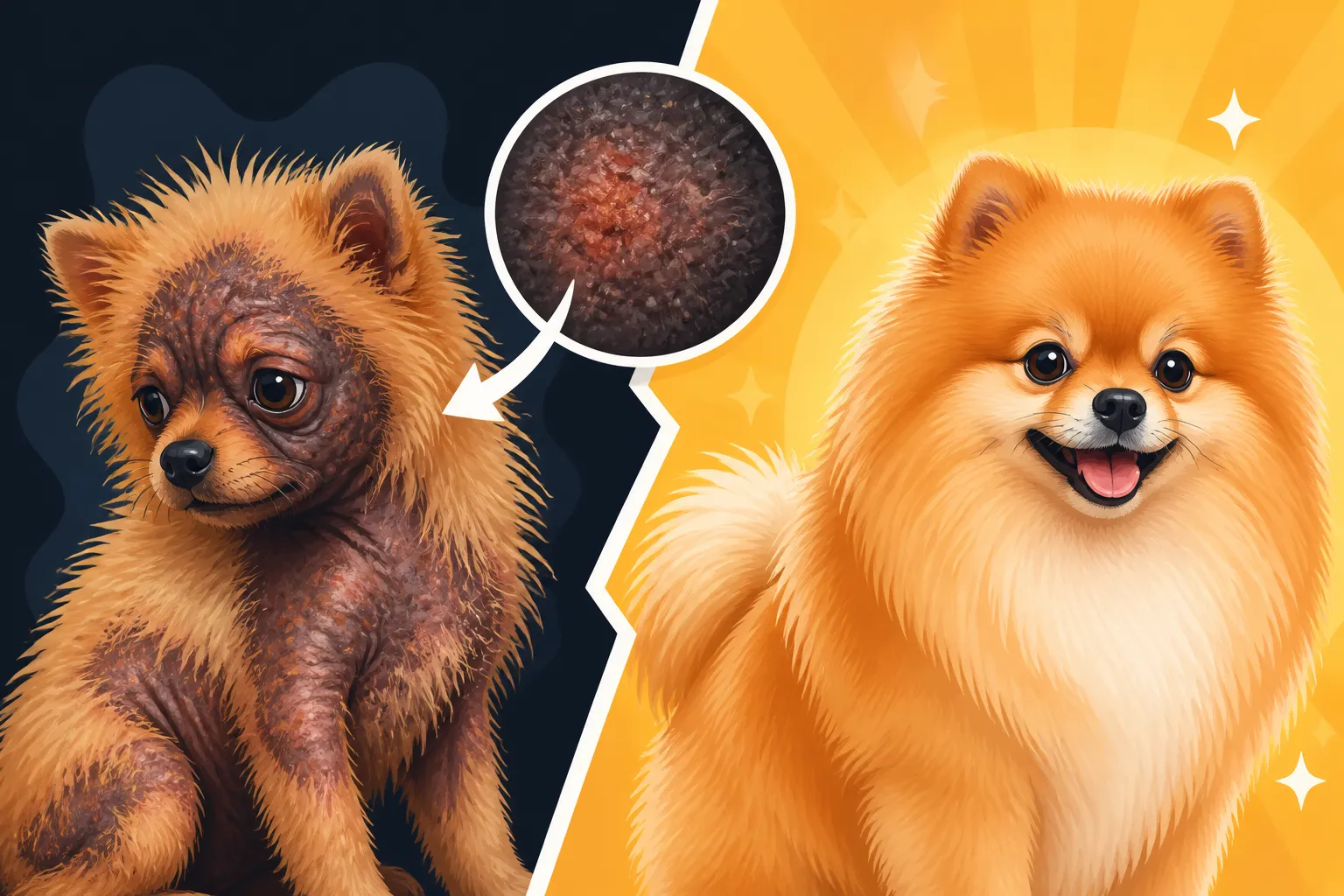
Black Skin Disease and the Pomeranian Coat That Never Returns
It’s truly heart-wrenching to watch your beloved Pomeranian, once a fluffy ball of vibrant fur, start losing its magnificent coat, eventually leading to dark, bare skin. This condition, often referred to as "Black Skin Disease" by worried owners, is medically known as Alopecia X, and it's a frustrating, often mysterious journey. This comprehensive guide will walk you through understanding what Alopecia X is, why it happens, how to recognize its signs, the diagnostic process, available treatments, and how to best care for your Pomeranian living with this challenging condition.
What Exactly is Black Skin Disease in Pomeranians?
For many Pomeranian owners, the term "Black Skin Disease" instantly conjures images of their once fluffy companion with thinning fur, leading to completely bald patches and hyperpigmented (darkened) skin. While the visual is undeniably striking and upsetting, it's important to understand the formal medical term for this condition: Alopecia X. This is not a contagious disease or an infection, but rather a perplexing endocrine-related skin disorder. It's truly a cosmetic challenge more than a life-threatening one, but it impacts the dog's comfort and the owner's peace of mind significantly.
Defining Alopecia X and Its Various Names
Alopecia X is officially defined as a non-inflammatory skin disorder characterized by progressive hair loss and hyperpigmentation, primarily affecting plush-coated breeds like Pomeranians. The "X" in Alopecia X signifies that the exact cause is still unknown, a frustrating reality for both veterinarians and owners alike. You might hear it called a few different things, and it’s helpful to know what they all mean. Beyond "Black Skin Disease," it’s also commonly referred to as Adrenal Hyperplasia-like Syndrome, Castration-Responsive Dermatosis, Growth Hormone-Responsive Dermatosis, Biopsy-Responsive Alopecia, and even "pseudo-Cushing's disease" because some symptoms can mimic Cushing's, though the underlying cause isn't the same. Each of these names highlights a different theory or observation about the condition, showcasing how elusive its true nature remains. It’s a complex issue, and the lack of a single, definitive name underscores the ongoing research and occasional breakthroughs in understanding it.
The Cosmetic vs. Health Impact of Coat Loss
For many, the most obvious impact of Alopecia X is the dramatic change in a Pomeranian's appearance. These dogs are renowned for their double coats, and to see that hallmark disappear can be devastating. Owners often express feeling sad or even embarrassed, wondering if people think they aren't properly caring for their pet. However, it’s crucial to remember that beyond the cosmetic aspect, Alopecia X typically doesn't cause physical pain or discomfort directly from the coat loss itself. The dog's overall health and vitality usually remain unaffected. That said, the exposed skin does become more vulnerable to environmental factors. Without the protective fur, a Pomeranian with Alopecia X is more susceptible to sunburn, cold temperatures, and minor skin irritations. Therefore, while not life-threatening, proper care for their exposed skin becomes paramount to prevent secondary issues. It's about maintaining their quality of life and ensuring their skin stays healthy.
The Mystery Behind Why Pomeranians Get Alopecia X
The exact etiology of Alopecia X remains largely unknown, which is why it carries the "X" designation. However, years of research and clinical observation have pointed to several strong theories involving genetics, hormones, and even the hair follicle's response to certain stimuli. It’s not just a random occurrence; there are patterns and predispositions that give us clues. Understanding these theories helps us appreciate the complexity of the condition and why a "one-size-fits-all" treatment rarely exists.
Genetic Predisposition and Breed Lines
It's widely accepted among veterinarians and breeders that Alopecia X has a significant genetic component, especially given its prevalence in Pomeranians and other plush-coated breeds like Alaskan Malamutes, Siberian Huskies, and Keeshonds. This strong breed predilection suggests that certain genes or combinations of genes make these dogs more susceptible to developing the condition. Unfortunately, the specific genes responsible haven't been definitively identified, making genetic screening for breeders a challenge. Responsible breeders often try to avoid breeding dogs that have developed Alopecia X or those with a strong family history of the condition. However, because it often manifests later in life, sometimes after a dog has already been bred, it can be difficult to completely eliminate from bloodlines. This inherited tendency is a major reason why, despite our best efforts, we continue to see cases pop up. Many owners wonder if the prevalence of this condition is increasing, and it certainly feels that way when you see so many affected Poms.
Hormonal Imbalances and Their Role
Hormones are often implicated in Alopecia X, given that many successful treatments involve hormonal manipulation. The condition is sometimes referred to as Adrenal Hyperplasia-like Syndrome, suggesting a dysfunction in the adrenal glands, which produce hormones like cortisol and sex steroids. While blood tests for typical adrenal diseases like Cushing's or Addison's often come back normal, some Pomeranians with Alopecia X show elevated levels of intermediate adrenal hormones (like 17-hydroxyprogesterone) that are precursors to sex hormones.
This has led to the theory that there's a subtle imbalance or abnormal metabolism of these adrenal hormones directly impacting the hair follicles. For instance, sometimes neutering or spaying a dog can lead to coat regrowth in some cases, which supports the idea that sex hormones play a role. However, it's not a consistent outcome, and the regrowth often isn't permanent. Similarly, treatments involving melatonin or trilostane (a drug used for Cushing's) aim to modulate hormone production or response, further highlighting the belief that hormones are key players, even if the exact mechanism remains elusive. It’s like a complex symphony where one instrument is playing slightly out of tune, and we're still trying to figure out which one it is.
The Role of Melatonin and Adrenal Hormones
Melatonin is a hormone produced by the pineal gland, primarily known for regulating sleep-wake cycles, but it also has effects on skin and hair growth. Interestingly, melatonin supplementation is one of the more common and often tried treatments for Alopecia X, with varying degrees of success. The thought is that melatonin might help normalize the endocrine system, particularly in relation to the adrenal glands, or directly influence hair follicle cycling. Some theories suggest that dogs with Alopecia X might have a melatonin deficiency or a problem with how their bodies utilize it.
The connection between adrenal hormones and Alopecia X is particularly fascinating. The adrenal glands produce not only cortisol but also sex hormones. In dogs with Alopecia X, while overt adrenal disease might not be present, there can be an imbalance in these sex hormones or their precursors. For example, some dogs might have high levels of estrogen or testosterone, or their precursors, which can negatively impact hair follicle health. This is why testing adrenal function, including looking at these intermediate hormones, is often part of the diagnostic workup. The aim is to identify any subtle dysregulation that could be contributing to the coat loss and then target those specific pathways with treatment.
Recognizing the Early Signs of Coat Loss and Skin Changes
Catching Alopecia X early can sometimes feel like a game of "Is it or isn't it?" because the initial signs can be subtle. It's often mistaken for normal shedding or even just a bad hair day. But as a Pomeranian owner, you know your dog's coat better than anyone. Paying close attention to changes in density, texture, and the underlying skin can help you spot the problem sooner.
Initial Thinning and Texture Changes
One of the first things you might notice is a change in the texture of your Pomeranian's beautiful double coat. The guard hairs, which are longer and coarser, might start to feel softer, almost cottony, or simply less resilient. This can be accompanied by a gradual thinning, particularly on the hindquarters, tail, and eventually the trunk. It doesn't usually happen overnight; it's a slow, insidious process that can be easy to miss at first. You might find more hair on your furniture or notice that your dog's luxurious plume of a tail starts to look a bit sparse. This thinning is different from the usual seasonal "coat blow" that Pomeranians experience, where the undercoat sheds heavily. With Alopecia X, the thinning is progressive and doesn't seem to resolve, eventually leading to bald patches. This is a tell-tale sign that something more serious than normal shedding is happening.
Patterns of Balding and Hyper-pigmentation
As the condition progresses, the thinning will turn into distinct patterns of baldness. Typically, the hair loss starts in areas of friction or wear, such as the back of the thighs (the "britches"), the tail, and often around the neck or flanks. Eventually, it can spread to cover most of the body, sparing only the head and lower parts of the legs. This distinctive pattern, where the head and paws often retain their fur, is a classic presentation of Alopecia X.
Along with the balding, the exposed skin begins to change. It often darkens significantly, becoming black or grey, hence the common name "Black Skin Disease." This hyperpigmentation is a hallmark of the condition and is a direct result of the chronic skin exposure and possibly hormonal influences. The skin can also become dry, flaky, and sometimes leathery to the touch. It's a striking transformation that can leave owners feeling helpless, but it's important to remember that this skin change itself isn't painful for the dog, though it does require careful management to prevent dryness or secondary infections. For more details on this process, you might find The Thinning That Starts on a Pomeranian's Hindquarters helpful.
When to Suspect Alopecia X Over Other Conditions
Given that hair loss can be a symptom of many different health issues, it’s crucial to know when to specifically suspect Alopecia X. The key differentiating factors often lie in the breed, the pattern of hair loss, and the dog's overall health. If you have a Pomeranian (or another susceptible breed) showing the progressive, symmetrical, and non-itchy hair loss pattern described above—starting on the hindquarters and tail, sparing the face and lower legs—Alopecia X should be high on your list of suspects.
Other conditions like hypothyroidism, Cushing's disease, or even severe allergies can cause hair loss. However, hypothyroidism often comes with other symptoms like lethargy, weight gain, and intolerance to cold, and the skin changes are usually less pronounced. Cushing's disease involves excessive cortisol and often includes increased thirst, urination, and a pot-bellied appearance. Allergies typically cause intense itching, redness, and inflammation, which are usually absent in primary Alopecia X. Therefore, if your Pomeranian is otherwise active and healthy, not excessively itchy, and is displaying the classic pattern of progressive, non-itchy hair loss and darkening skin, it’s time to talk to your vet specifically about investigating Alopecia X.
Diagnosing Alopecia X and Ruling Out Other Conditions
Getting a definitive diagnosis for Alopecia X can be a bit of a journey, often requiring a process of elimination. Since there's no single "Alopecia X test," your veterinarian will need to rule out other, more treatable causes of hair loss and skin darkening. This often involves a series of tests to get a complete picture of your dog's health. It’s an investment of time and resources, but it's essential to ensure your furry friend receives the correct care.
The Importance of a Thorough Veterinary Examination
The first step, as always, is a thorough examination by your veterinarian. They will meticulously assess your Pomeranian's coat, skin, and overall physical condition. They'll ask detailed questions about the onset and progression of the hair loss, whether it's itchy, your dog's diet, any changes in behavior or appetite, and what medications or supplements they might be on. This initial consultation is vital for gathering clues and narrowing down potential causes. The vet will look for signs of fleas, mites, or fungal infections, which can sometimes mimic coat loss. They'll also check for any underlying systemic illness that could contribute to skin problems. It's a detective process, and your observations as the owner are incredibly valuable pieces of the puzzle.
Diagnostic Tests to Rule Out Other Causes
Because Alopecia X is a diagnosis of exclusion, your vet will likely recommend a panel of tests to rule out other common causes of hair loss. These might include:
- Skin Scrapes and Fungal Cultures: To check for parasites like mites (e.g., Demodex) or fungal infections (ringworm) that can cause hair loss and skin changes. These are relatively quick and non-invasive.
- Bloodwork (Complete Blood Count, Chemistry Panel): To assess general organ function and rule out systemic diseases.
- Thyroid Testing: Hypothyroidism is a common cause of hair loss in dogs and its symptoms can sometimes overlap with Alopecia X. Your vet will test thyroid hormone levels to confirm or rule out this condition. For more on this, check out Ruling Out Thyroid on a Balding Pomeranian.
- Adrenal Function Tests: This might involve an ACTH stimulation test or a low-dose dexamethasone suppression test to rule out hyperadrenocorticism (Cushing's disease), as some of the symptoms can be similar. Specialized adrenal hormone panels may also be done to check for imbalances in sex steroid precursors, which, as discussed, are often implicated in Alopecia X.
- Skin Biopsy: This is often the most definitive diagnostic tool. A small sample of skin and hair follicles is taken and sent to a veterinary pathologist. While the biopsy doesn't diagnose Alopecia X directly (there's no specific "Alopecia X cell"), it reveals characteristic changes in the hair follicles that are consistent with the condition and, crucially, rules out other inflammatory or autoimmune skin diseases. The pathologist will look for "flame follicles" or immature hair follicles that are stuck in the resting phase, indicating a problem with hair growth cycles.
Once all other possible causes have been systematically ruled out, and the clinical signs and biopsy results align, a diagnosis of Alopecia X can be made. This process can be frustratingly long and involve multiple vet visits, but it's crucial for your Pomeranian's well-being.
Treatment Approaches for Pomeranians with Alopecia X
Once your Pomeranian receives an Alopecia X diagnosis, the next step is exploring treatment options. It's important to set realistic expectations here; there is no guaranteed cure, and what works for one dog might not work for another. The goal is often to stimulate hair regrowth, improve skin health, and ensure your Pomeranian is comfortable. It's a journey of trial and error, and your vet will be your best partner in navigating these choices.
Medical and Hormonal Interventions
Many of the treatments for Alopecia X focus on addressing the suspected hormonal imbalances.
- Neutering/Spaying: For intact males and females, castration or spaying is often the first recommendation. In some cases, particularly in males, this can lead to dramatic and often full coat regrowth within a few months, believed to be due to the removal of gonadal hormones that may be inhibiting hair growth. However, this response is not universal, and even if hair regrows, it might not be permanent. For females, the response is typically less predictable. Many Pomeranians are already neutered or spayed when the condition develops, in which case this option isn't available.
- Melatonin Supplementation: Oral melatonin is a common, relatively safe, and inexpensive treatment often tried. It's thought to help regulate hormonal cycles and influence hair follicle activity. Dosage varies by weight, and it's usually given for several months to assess its effectiveness. Some owners report excellent results, with partial or full regrowth, while others see no change. It's generally well-tolerated, with drowsiness being the most common side effect.
- Trilostane (Vetoryl): This medication is typically used to treat Cushing's disease, as it inhibits cortisol production. However, it's sometimes used off-label for Alopecia X, particularly in cases where adrenal sex hormone precursors are elevated. The theory is that by modulating adrenal function, it might normalize the hormonal environment for hair growth. Trilostane requires careful monitoring with regular blood tests to ensure adrenal function isn't suppressed too much, and it's a more significant commitment in terms of cost and vet visits.
- Growth Hormone Therapy: Historically, growth hormone injections were tried, but this treatment is less common now due to availability, potential side effects, and inconsistent results. It’s also often cost-prohibitive.
- Microneedling: A newer approach showing some promise involves microneedling the affected skin, sometimes in conjunction with topical treatments. The idea is that creating micro-injuries on the skin surface can stimulate dormant hair follicles to re-enter the growth phase. This is typically done by a vet or a specialized technician.
It's important to discuss all these options with your veterinarian to determine the most appropriate course of action for your individual Pomeranian, weighing the potential benefits against risks and costs.
Topical Treatments and Skin Care
Beyond internal medications, managing the skin itself is crucial for Pomeranians with Alopecia X.
- Moisturizing Shampoos and Conditioners: The exposed skin can become very dry and flaky. Using gentle, moisturizing shampoos specifically formulated for dogs, followed by a leave-in conditioner, can help maintain skin hydration and reduce flakiness. Bathing frequency should be determined by your vet, as over-bathing can sometimes exacerbate dryness. Products containing colloidal oatmeal or ceramides are often beneficial.
- Topical Humectants and Emollients: Sprays or lotions containing ingredients like hyaluronic acid, urea, or ceramides can be applied directly to the bald skin to keep it supple and prevent cracking. These help to draw moisture to the skin and create a protective barrier.
- Sun Protection: With no fur to protect it, the exposed skin is highly susceptible to sunburn. This is not just uncomfortable but can also increase the risk of skin cancer. Applying a veterinarian-approved sunscreen (zinc oxide is toxic to dogs, so human sunscreens are generally not safe) or dressing your Pomeranian in a lightweight, UV-protective doggie shirt are essential measures, especially during peak sun hours. Protecting a Bald Pomeranian's Skin From Sun provides more detailed advice.
- Avoiding Harsh Chemicals: Be very careful with any chemicals your dog might come into contact with, including household cleaners, pesticides, or flea and tick products. Their skin is more sensitive and can react adversely. Opt for natural, pet-safe products whenever possible.
Consistent skin care is vital for comfort and preventing secondary skin issues.
The Debate Around Shaving Pomeranians
The topic of shaving a Pomeranian often sparks strong opinions among owners and groomers, and it's particularly relevant for those dealing with Alopecia X. Many owners are desperate to encourage new hair growth and might consider shaving, thinking it will "reset" the coat. However, for a double-coated breed like a Pomeranian, shaving can be detrimental.
The double coat consists of a soft, dense undercoat for insulation and longer, coarser guard hairs for protection. When shaved, especially with clippers that go very close to the skin, the guard hairs are often permanently damaged or removed. The undercoat then typically grows back much faster and can become thick and cottony, sometimes even preventing the guard hairs from growing back at all. This phenomenon is often called "post-clipping alopecia" or "clipper alopecia" and can lead to an even worse coat texture and appearance than before, sometimes even triggering a full Alopecia X-like presentation in previously healthy dogs. For a Pomeranian already battling Alopecia X, shaving could further damage the struggling hair follicles and hinder any chance of natural regrowth. Most experts advise against shaving a Pomeranian unless it's absolutely medically necessary, for example, for surgery or severe matting. You can learn more about this in Whether a Groomer Should Ever Shave a Pomeranian.
Living with a Pomeranian Affected by Black Skin Disease
Caring for a Pomeranian with Alopecia X goes beyond just trying to regrow hair; it's about managing their daily life, ensuring their comfort, and providing the best quality of life possible. This involves a holistic approach that considers their physical needs, their emotional well-being, and even the financial aspects of ongoing care.
Daily Skin Care and Protection
As mentioned earlier, daily skin care becomes a cornerstone of your Pomeranian's routine. Think of their bald skin as needing similar care to human skin – it needs to be kept clean, moisturized, and protected.
- Regular, Gentle Bathing: While you don't want to over-bathe, a schedule of gentle baths (perhaps every 2-4 weeks, or as advised by your vet) with a hydrating, soap-free shampoo can remove dead skin cells and environmental irritants. Follow up with a good conditioner. Always ensure your dog is thoroughly dried to prevent skin infections.
- Moisturizing and Barrier Creams: After bathing, and perhaps daily or every other day, apply a thin layer of a veterinary-recommended moisturizing cream or spray. Look for ingredients like ceramides, essential fatty acids, or hyaluronic acid, which help to repair the skin barrier and lock in moisture. This prevents dryness, itching, and cracking.
- Protective Clothing: This isn't just for fashion! Lightweight dog shirts or sweaters can provide a crucial barrier against the sun's harsh UV rays in summer and offer warmth in colder weather. Make sure the clothing is breathable and doesn't rub or irritate the exposed skin. Some owners find that a good quality dog vest can really help keep their naked Poms cozy.
- Environmental Awareness: Be mindful of extreme temperatures. In winter, your Pomeranian will get cold much faster without their insulating double coat. Limit outdoor exposure and provide warm, soft bedding. In summer, avoid direct sunlight and hot pavements, as their skin can burn quickly.
Nutritional Support and Supplements
While no specific diet is proven to cure Alopecia X, providing excellent nutrition can support overall skin and coat health.
- High-Quality Diet: Feed a balanced, high-quality dog food that is rich in easily digestible proteins, healthy fats, and essential vitamins and minerals. Look for foods that list meat as the primary ingredient and avoid excessive fillers or artificial additives.
- Omega Fatty Acid Supplements: Omega-3 and Omega-6 fatty acids are crucial for skin barrier function and reducing inflammation. Fish oil (like salmon or sardine oil) is a popular supplement that can significantly improve skin health, reduce dryness, and potentially promote a healthier environment for hair regrowth. Always consult your vet for appropriate dosing.
- Vitamin E: This antioxidant can also support skin health. Some vets might recommend Vitamin E supplementation, often in conjunction with omega fatty acids.
- Biotin and Zinc: These are sometimes included in skin and coat supplements, as deficiencies can impact hair growth. However, always discuss any new supplements with your vet to ensure they are safe and appropriate for your individual dog, especially if they are on other medications.
A holistic approach to nutrition aims to give your Pomeranian's body the best chance to thrive, even if it can't directly reverse Alopecia X.
Addressing the Emotional Impact on Owners and Dogs
It's completely normal for owners to feel a range of emotions when their Pomeranian develops Alopecia X—sadness, frustration, confusion, and even guilt. You might mourn the loss of their signature fluffy appearance. Remember that your dog is still the same loving companion underneath, and they pick up on your emotions.
- Focus on Their Health and Happiness: Shift your focus from their appearance to their overall health and happiness. Continue to engage them in play, walks, and cuddles. Your love and attention are what truly matter to them.
- Educate Others: Be prepared for questions or comments from strangers who might express concern about your dog's appearance. Use it as an opportunity to educate them about Alopecia X, explaining that it's a cosmetic condition and your dog is otherwise healthy.
- Connect with Other Owners: Online forums and social media groups dedicated to Pomeranians or Alopecia X can be invaluable resources. Sharing experiences, tips, and emotional support with others who understand what you're going through can be incredibly comforting and empowering.
- Consider Pet Insurance: Managing a chronic condition like Alopecia X, which often involves multiple vet visits, diagnostic tests, and ongoing medications, can become costly. Companies like Healthy Paws offer pet insurance plans that can help alleviate some of the financial burden by covering eligible expenses. Having a plan in place can give you peace of mind that you can afford the best possible care for your Pomeranian without financial strain, especially for conditions that require long-term management.
Remember, your Pomeranian loves you unconditionally, regardless of their coat. Your unwavering affection and commitment to their well-being are the most powerful treatments of all.
Understanding the Prognosis and What to Expect Long-Term
Living with Alopecia X means navigating a condition with an often unpredictable course. While it's generally not life-threatening, the cosmetic changes and the potential need for ongoing management mean that understanding the long-term prognosis is crucial for owners. Setting realistic expectations can help manage the emotional rollercoaster.
The Likelihood of Coat Regrowth
The biggest question on most owners' minds is, "Will my Pomeranian's coat ever grow back?" The answer, unfortunately, is variable.
- Spontaneous Regrowth: In rare cases, some Pomeranians experience spontaneous, temporary regrowth, often after a period of stress or illness, only for the hair to fall out again.
- Treatment-Induced Regrowth: As discussed, some treatments, particularly neutering/spaying or melatonin, can induce partial or full regrowth in some dogs. However, even with successful regrowth, the new coat might be different in texture (often softer and less dense) and might not be permanent. Many dogs will experience a relapse, where the hair falls out again after a few months or years, sometimes requiring repeated or alternative treatments.
- No Regrowth: For a significant number of Pomeranians, despite trying various treatments, the hair simply does not grow back. The skin remains bare and hyperpigmented. In these cases, the focus shifts entirely to excellent skin care and protection to ensure the dog's comfort and health.
It's disheartening to hear that a full, permanent return of their original glorious coat isn't guaranteed, but it's important to be prepared for all possibilities. Your vet can give you an honest assessment based on your dog's specific response to any trials. For additional information on this, refer to Whether a Pomeranian's Coat Grows Back After Alopecia X.
Managing Secondary Skin Issues
While Alopecia X itself isn't painful, the exposed skin can become prone to secondary problems if not properly cared for. These issues can include:
- Dry Skin and Flakiness: Without the natural oils and protection of the fur, the skin can become very dry, leading to flaking, scaling, and sometimes itching. Consistent moisturizing is key here.
- Bacterial or Yeast Infections: Compromised skin barriers are more susceptible to opportunistic bacterial (pyoderma) or yeast (Malassezia) infections. Signs of infection include redness, increased itching, pustules, odor, or discharge. These will require veterinary attention and often a course of antibiotics or antifungals, either topical or oral.
- Sunburn and Skin Cancer: As previously mentioned, unprotected skin is at high risk of sunburn, which can be painful and, over time, increase the risk of developing skin cancers. UV-protective clothing and pet-safe sunscreen are indispensable.
- Folliculitis and Comedones: Inflammation of the hair follicles (folliculitis) or blackheads (comedones) can sometimes occur in the affected skin, requiring specific topical treatments.
Regular skin checks at home and during vet visits are crucial to catch any secondary issues early before they become more severe or uncomfortable for your Pomeranian.
Quality of Life for a Pomeranian with Alopecia X
Despite the cosmetic challenges, Pomeranians with Alopecia X can, and usually do, live full, happy, and otherwise healthy lives. The condition typically does not shorten their lifespan or diminish their playful, affectionate personalities.
- Physical Comfort: With diligent skin care, protective clothing, and attention to temperature, your Pomeranian can remain physically comfortable. They can still enjoy walks, play, and all the activities they always have, simply with a bit more consideration for their exposed skin.
- Mental Well-being: Dogs don't care about their appearance in the way humans do. Your Pomeranian’s happiness stems from your love, routine, proper care, and opportunities for engagement. As long as they are not in pain, are well-fed, and receive affection, their mental well-being will remain excellent.
- Adaptation: Over time, both you and your Pomeranian will adapt to the changes. What once seemed shocking will become the new normal. Many owners find creative ways to keep their naked Poms warm and stylish, often through an adorable wardrobe of sweaters and jackets.
- Ongoing Veterinary Partnership: Expect to maintain a close relationship with your veterinarian. Regular check-ups are important for monitoring skin health, discussing any new symptoms, and adjusting management strategies as needed. Consider pet insurance from providers like Healthy Paws, which can help cover these routine or unexpected veterinary costs, ensuring you can always provide the best care without financial worry.
The most important takeaway is that Alopecia X is a condition to manage, not a reason for despair. With your dedication and your vet's guidance, your Pomeranian can continue to thrive.
Preventative Measures and Responsible Breeding Practices
While there's no guaranteed way to prevent Alopecia X due to its complex and unknown causes, especially its genetic component, there are certainly steps owners and breeders can take to minimize risk and promote overall health. Focusing on responsible practices is key to reducing the incidence of this frustrating condition.
The Role of Responsible Breeders
For prospective Pomeranian owners, seeking out a responsible breeder is perhaps the most impactful preventative measure against Alopecia X. Ethical breeders prioritize the health and temperament of their dogs above all else.
- Health Testing: While there isn't a direct genetic test for Alopecia X yet, responsible breeders will screen their breeding stock for other common Pomeranian health issues, such as luxating patellas (slipping kneecaps), heart defects, and eye problems. A breeder who is proactive about genetic health in general is more likely to be aware of and try to mitigate issues like Alopecia X within their lines. They will openly discuss any history of skin or coat issues in their breeding dogs or their offspring.
- Transparency: A good breeder will be transparent about the health history of their puppies' parents and past litters. They should be willing to share pedigree information and discuss any instances of Alopecia X that have appeared in their lines. If they have had a dog develop Alopecia X, they should ideally remove that dog and its immediate relatives from their breeding program.
- Avoiding "Teacup" or "Rare Color" Breeders: Be wary of breeders who market "teacup" Pomeranians or emphasize "rare" colors above all else. These breeders often prioritize specific traits over health, sometimes leading to an increased risk of health problems, including Alopecia X and other issues associated with extreme breeding. Focusing on health, temperament, and adherence to breed standards (which include a healthy, dense coat) is always a better indicator of a responsible breeder. For instance, What Teacup Breeding Costs a Pomeranian highlights many of these concerns.
- Early Spay/Neuter Clauses: Some breeders include clauses in their contracts about spaying or neutering. While this can sometimes resolve or prevent Alopecia X, it's not a universal solution. Discuss this with your breeder and vet if you are concerned.
By choosing a breeder who is committed to health and transparency, you significantly improve your chances of bringing home a healthy Pomeranian with a lower genetic predisposition to conditions like Alopecia X.
General Health and Coat Care Practices
Even if you acquire a Pomeranian without a known history of Alopecia X, good general health and coat care practices are always beneficial.
- Avoid Unnecessary Shaving: As discussed, shaving a Pomeranian's double coat can sometimes trigger or worsen Alopecia X-like symptoms, even in dogs without a prior diagnosis. Stick to regular brushing and professional grooming that respects the integrity of the double coat. If you want to tidy up your Pom, ask for a "trim" not a "shave" and specify what you mean.
- Balanced Nutrition: A high-quality diet rich in essential nutrients supports overall health, including skin and coat health. Ensure your Pomeranian receives adequate protein, fats (especially omega fatty acids), and vitamins.
- Stress Management: While not a direct cause, chronic stress can impact a dog's immune system and hormonal balance, which theoretically could play a role in complex conditions like Alopecia X. Providing a stable, loving environment, consistent routine, and adequate exercise can help manage stress.
- Regular Veterinary Check-ups: Routine vet visits are essential for early detection of any health issues, including changes in coat or skin. Your vet can perform regular physical exams and blood work to monitor for underlying conditions like thyroid imbalances that can mimic or contribute to coat loss.
While these practices cannot guarantee complete prevention of Alopecia X, they certainly contribute to the overall well-being of your Pomeranian and might help support their coat health for as long as possible. The more proactive you are in providing comprehensive care, the better equipped your dog will be to handle any health challenges that come their way.
Table of Alopecia X Treatment Options
| Treatment Option | Mechanism of Action | Potential Benefits | Considerations & Side Effects | Expected Regrowth Success Rate |
|---|---|---|---|---|
| Neutering/Spaying | Removes gonadal sex hormones, altering endocrine balance. | Significant regrowth in some males; less predictable in females. | Not applicable if already altered. Regrowth not guaranteed or permanent. | 30-50% in males, lower in females |
| Melatonin Supplementation | Thought to regulate hormonal cycles, pineal gland function. | Inexpensive, generally safe, some regrowth reported. | Drowsiness is possible. Requires consistent dosing for months. Results vary widely. | 20-40% |
| Trilostane (Vetoryl) | Inhibits adrenal enzyme, reducing cortisol/sex hormone precursors. | Effective in some cases, especially with elevated adrenal precursors. | Requires strict veterinary monitoring (blood tests) due to potential for Addisonian crisis. Costly. | 30-50% |
| Microneedling | Creates micro-injuries to stimulate dormant hair follicles. | Localized regrowth, potentially triggers new growth. | Requires veterinary procedure, sometimes combined with topical treatments. May need multiple sessions. | Emerging data, variable |
| Topical Moisturizers/SPF | Hydrates skin, provides barrier protection. | Improves skin comfort, prevents dryness, flaking, sunburn. | Does not induce hair regrowth. Requires consistent application. Must be pet-safe. | 0% (supportive care) |
| Omega Fatty Acid Supp. | Supports skin barrier, reduces inflammation. | Promotes overall skin and coat health, reduces dryness. | Does not induce hair regrowth. Can cause loose stools in high doses. | 0% (supportive care) |
Disclaimer
This article is for general informational purposes only and does not constitute professional advice. Laws, prices and regulations vary by location and change over time. Consult a qualified professional for guidance on your specific situation.