Ruling Out Thyroid on a Balding Pomeranian
It's incredibly distressing to see your beloved Pomeranian start losing their beautiful, fluffy coat, especially when you're not sure why. That thick, vibrant double coat is one of their most defining features, and when it starts to thin or disappear, it's natural to feel worried and wonder what on earth is going on. This guide is here to walk you through understanding potential causes of a balding Pomeranian, with a specific focus on how veterinarians investigate and rule out thyroid issues, a common concern for many concerned pet parents.
Understanding Pomeranian Hair Loss: Beyond the Usual Shed
Let's be honest, Pomeranians are known for their magnificent coats, but they're also known for shedding, sometimes in epic proportions. However, there's a huge difference between routine seasonal shedding, even the dramatic "puppy uglies" phase, and actual hair loss that leaves bald patches or significant thinning. When you notice patches of skin showing through, a dull, brittle texture to the remaining hair, or a complete failure for the coat to grow back after a trim, it's a clear signal that something more serious might be at play.
This isn't just about aesthetics; a dog's coat and skin are vital indicators of their overall health. Hair loss, or alopecia, can be a symptom of various underlying health problems, ranging from hormonal imbalances to parasites or allergies. For a Pomeranian owner, this can be particularly frustrating because their unique coat type sometimes makes diagnosing certain conditions, like Alopecia X (also known as Black Skin Disease), a bit more complex. It often starts with a general thinning, especially on the flanks or hindquarters, before progressing. Many owners worry that their dog’s coat might never come back.
Differentiating Normal Shedding from True Alopecia
Normal shedding in a Pomeranian typically involves the undercoat coming out in clumps, especially during seasonal changes or after a female dog finishes a heat cycle or lactation. You'll find tumbleweeds of fur around the house, but the skin underneath remains healthy, and new hair growth is usually evident. The coat remains full, even if a bit less dense.
True alopecia, on the other hand, presents differently. You might see symmetric hair loss, meaning it affects both sides of the body equally, often starting on the flanks, chest, or behind the ears. The skin in these areas might look normal, or it could be discolored (often darkened, hence "Black Skin Disease" for Alopecia X), flaky, or even oily. The remaining hair might be sparse, easily plucked, or have a noticeably different texture. This is a red flag that warrants a veterinary visit, and one of the first things a vet often considers ruling out is a thyroid imbalance. You can read more about The Age a Pomeranian's Coat Starts to Thin and what that might mean.
The Anxiety of a Changing Coat
It's completely normal to feel a pang of anxiety when you notice your Pomeranian's coat isn't what it used to be. Their lush fur is such a big part of their charm and breed identity. Owners often worry about what this means for their dog's health, their comfort, and even if they'll still be "their Pom" without that signature fluff. This concern is valid, and addressing it promptly with your veterinarian is the best course of action. They can help you understand Why Pomeranian Owners Call Alopecia X Black Skin Disease and other causes.
The Thyroid Connection: Why It's a Suspect in Hair Loss
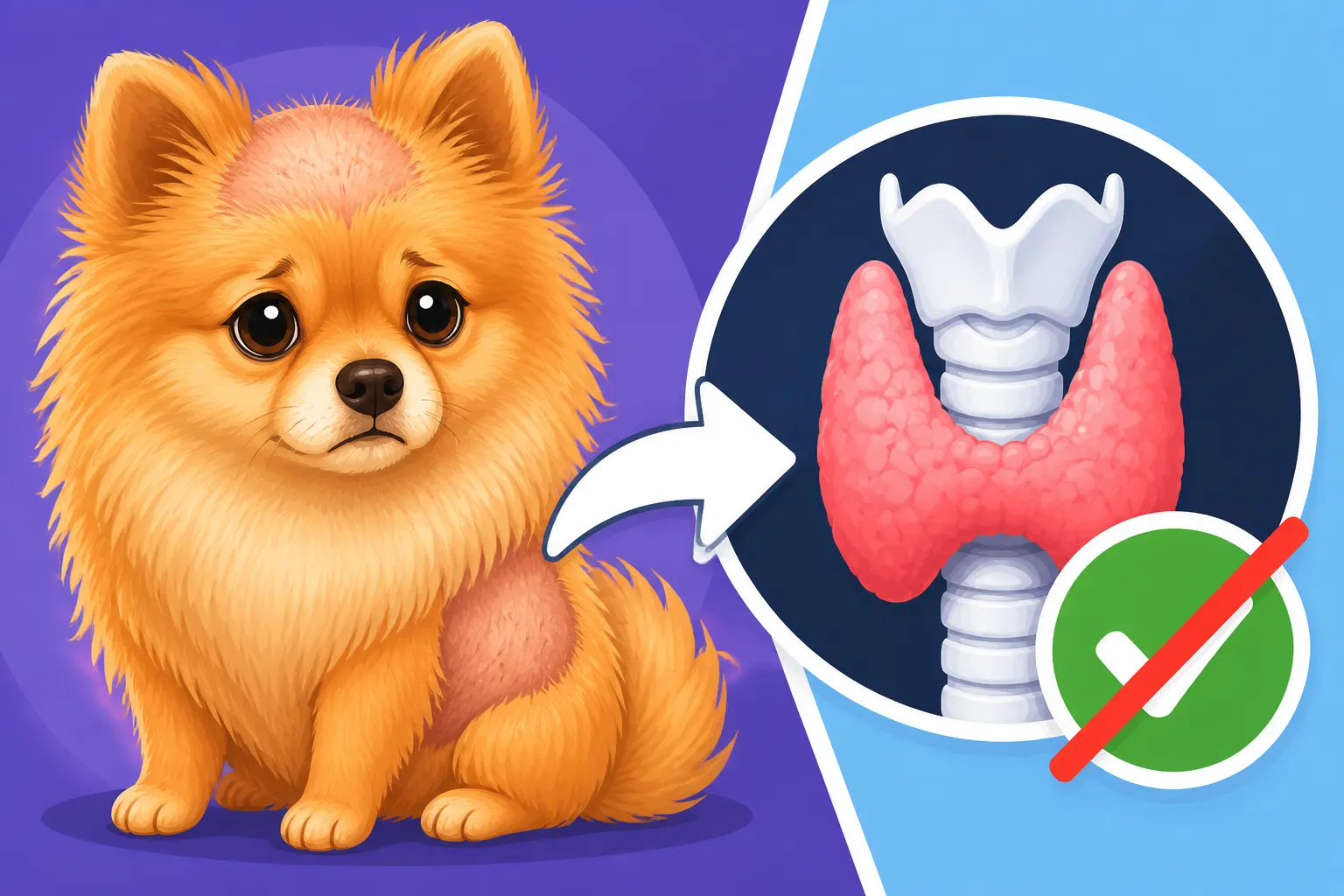
When a Pomeranian starts balding, one of the first things a responsible veterinarian will investigate is hypothyroidism. This condition occurs when the thyroid gland, located in the neck, doesn't produce enough thyroid hormones. These hormones are critical for regulating metabolism, energy levels, and yes, even healthy skin and coat growth. Without sufficient thyroid hormones, the body's systems slow down, and one of the most visible symptoms can be a noticeable decline in coat quality.
Hypothyroidism can affect any dog breed, but certain breeds, including Pomeranians, seem to be more predisposed. It's often seen in middle-aged to older dogs, though it can appear earlier. The insidious thing about hypothyroidism is that its symptoms can be quite subtle at first and progress slowly, making it easy for owners to miss or attribute to aging.
How Thyroid Hormones Affect the Coat
Think of thyroid hormones as the master regulators for many of the body's functions, including the hair growth cycle. Hair follicles need a specific hormonal environment to grow hair vigorously and replace shed strands efficiently. When thyroid hormone levels are low, the hair follicles essentially go "dormant." They might not shed old hair properly, and they certainly don't get the signal to produce new, healthy hair. This leads to the characteristic thinning, dullness, and eventual bald patches seen in hypothyroid dogs. The coat often becomes dry, brittle, and sparse, sometimes with a "rat tail" appearance.
Beyond hair loss, other subtle signs might accompany hypothyroidism, though they vary from dog to dog. These can include unexplained weight gain (despite no change in diet), lethargy or a decrease in activity level, intolerance to cold (you might notice your Pom shivering more), and sometimes a dull facial expression or puffiness around the eyes. If you've been seeing changes in your dog's energy or weight along with the hair loss, it further strengthens the case for checking their thyroid function.
Why Timely Diagnosis Matters
Diagnosing hypothyroidism is important not just for regrowing a beautiful coat, but for your Pomeranian's overall well-being. Untreated hypothyroidism can lead to a host of other health issues over time, including heart problems, neurological issues, and even increased susceptibility to skin infections because of the compromised skin barrier. The good news is that if hypothyroidism is the cause, it's usually very treatable with daily medication, often leading to a remarkable turnaround in your dog's health and coat. This is where having pet insurance, such as a comprehensive plan from Healthy Paws, can be incredibly beneficial, as it can help cover the costs of diagnostics and ongoing medication.
Diagnosing Thyroid Issues: What Your Vet Will Do
When you bring your balding Pomeranian to the vet, they'll start with a thorough physical examination and ask you a lot of questions about your dog's history. This will include details about when you first noticed the hair loss, if there have been any other changes in appetite, weight, or energy, and any previous health issues. Don't be shy about mentioning all the little things you've observed, even if they seem unrelated, because these clues can help your vet piece together the puzzle.
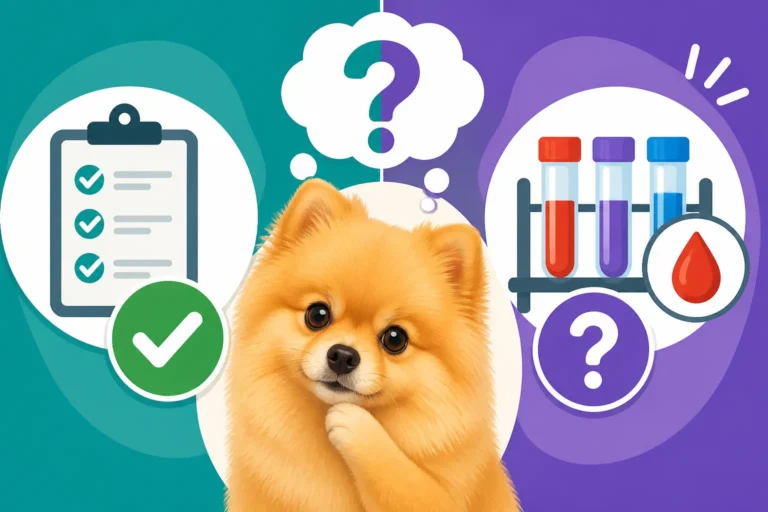
After the initial exam, your vet will likely recommend blood tests to assess thyroid function. This isn't just a simple "yes or no" test; a comprehensive thyroid panel is usually needed to get an accurate picture.
The Blood Test Panel
The most common way to diagnose hypothyroidism is through specific blood tests. A full thyroid panel usually includes:
- Total T4 (TT4): This measures the total amount of thyroxine (a major thyroid hormone) in your dog's blood. It's a good initial screening test. However, TT4 levels can be affected by other illnesses or medications, so it's not always definitive on its own.
- Free T4 (fT4): This measures the amount of unbound, active thyroxine in the blood. It's considered a more accurate indicator of thyroid function because it's less influenced by non-thyroidal factors.
- TSH (Thyroid Stimulating Hormone): This hormone is produced by the pituitary gland and tells the thyroid gland to produce T4 and T3. In hypothyroid dogs, the pituitary works overtime trying to stimulate a sluggish thyroid, so TSH levels are often elevated.
- Thyroglobulin Autoantibodies (TgAA): These are antibodies that attack the thyroid gland itself. Their presence indicates autoimmune thyroiditis, a common cause of hypothyroidism in dogs.
Your vet might also run a complete blood count (CBC) and a biochemistry panel to get a general overview of your dog's health and rule out other potential issues. Understanding the ins and outs of these tests, and what a specific vet visit might entail, can help when you're considering coverage from providers like Healthy Paws.
Interpreting the Results
Interpreting thyroid test results can be tricky, especially with toy breeds like Pomeranians, as their normal ranges might sometimes differ slightly. Your vet will look at the entire picture, considering all the hormone levels together, your dog's clinical signs, and ruling out other conditions.
For example, a low TT4, low fT4, and high TSH would strongly indicate hypothyroidism. If the TgAA is positive, it further confirms autoimmune thyroiditis. However, sometimes other illnesses can cause a temporary dip in thyroid hormone levels, a phenomenon called "euthyroid sick syndrome." This is why a thorough veterinary assessment is crucial, often requiring more than one test or follow-up. This deep dive into diagnostics is part of why it’s so helpful to have a strong pet insurance plan, as what a Pomeranian's skin workup costs can add up.
Other Reasons Your Pomeranian Might Be Balding
While thyroid issues are a common concern, they are by no means the only cause of hair loss in Pomeranians. It's important to rule out other possibilities, as the treatment for each condition varies greatly. Your vet will systematically work through these potential causes to arrive at an accurate diagnosis.
Alopecia X (Black Skin Disease)
This is perhaps the most notorious cause of hair loss in Pomeranians and often the most frustrating. Alopecia X, also known as Black Skin Disease, Coat Funk, or Adrenal Sex Hormone Imbalance, is a genetic condition that results in progressive hair loss, often symmetrical, starting on the hindquarters or flanks. The affected skin often darkens, thickens, and can become quite dry or scaly. Dogs with Alopecia X typically have normal thyroid hormone levels, and all other organ systems are healthy.
While the exact cause is still debated, it's thought to involve a complex interplay of hormones, particularly sex hormones. Diagnosis often involves ruling out other causes first, and sometimes a skin biopsy is needed to confirm it. Treatment can be challenging and varies, but some dogs respond to neutering/spaying, melatonin supplementation, or specific medications. This is a topic so common, there are dedicated guides like Whether Alopecia X Hurts a Pomeranian and Treatments Tried on a Pomeranian With Alopecia X.
Cushing's Disease
Another hormonal condition that can cause hair loss is Cushing's Disease (hyperadrenocorticism), where the body produces too much cortisol. Symptoms can overlap with hypothyroidism, including hair loss (often affecting the trunk and sparing the head and legs), a pot-bellied appearance, increased thirst and urination, and muscle weakness. Diagnosing Cushing's involves specific blood and urine tests, and sometimes imaging. It's important to differentiate this from hypothyroidism, and your vet will know the right steps. This is also covered in The Hormone Disease Mistaken for a Pomeranian's Alopecia.
Nutritional Deficiencies or Poor Diet
A diet lacking in essential nutrients, particularly certain proteins, fatty acids, and vitamins, can certainly impact coat health. A dull, dry, and sparse coat, along with slow or patchy regrowth, can be a sign that your Pomeranian isn't getting all the building blocks it needs. While complete nutritional deficiencies are less common with high-quality commercial dog foods, some individual dogs might have absorption issues or specific needs. Ensuring your Pomeranian has a balanced diet suitable for small breeds is crucial.
Allergies and Skin Infections
Pomeranians can suffer from environmental allergies (atopy), food allergies, or flea allergies, all of which can lead to itchy skin, excessive scratching, and secondary hair loss. The constant scratching and licking can damage hair follicles, leading to bald spots, often accompanied by redness, inflammation, and sometimes skin infections. Bacterial or fungal infections (like ringworm) can also cause localized hair loss and skin irritation. Your vet might perform skin scrapings, fungal cultures, or allergy tests to identify these issues. For any dog, especially a small one, a visit for What a Pomeranian's Annual Checkup Costs is money well spent to catch issues early.
Other Miscellaneous Causes
Less common causes of hair loss can include:
- Folliculitis: Inflammation of the hair follicles, often due to bacterial infection.
- Demodectic Mange: Caused by microscopic mites that live in hair follicles.
- Stress or Trauma: Severe stress or repeated trauma to an area (like constant rubbing from a harness) can cause localized hair loss.
- Post-Clipping Alopecia: Sometimes, after a Pomeranian's coat is shaved (especially if it's clipped too short or against the grain), the fur fails to grow back properly. This is particularly problematic for double-coated breeds and highlights why Why Shaving a Pomeranian Can End Its Coat is a serious concern.
Working through these possibilities with your vet, step-by-step, is key to finding the correct answer for your Pomeranian. It's a journey, but a solvable one with patience and expert guidance.
Comparative Table of Pomeranian Hair Loss Causes
To help visualize some of the key differences in how these conditions might present, here's a quick comparison:
| Feature | Hypothyroidism | Alopecia X (Black Skin Disease) | Cushing's Disease | Skin Allergies/Infections |
|---|---|---|---|---|
| Hair Loss Pattern | Symmetrical, generalized thinning, "rat tail" | Symmetrical, often on flanks/hindquarters, head/legs spared | Symmetrical on trunk, thin "pot belly" skin | Patchy, irregular, often where dog scratches |
| Skin Appearance | Dull, dry, flaky, sometimes hyperpigmented | Darkened, thickened, dry, scaly | Thin, fragile, easy bruising, hyperpigmented | Red, inflamed, scaly, crusts, pustules |
| Other Symptoms | Lethargy, weight gain, cold intolerance, dullness | Usually otherwise healthy, but skin changes | Increased thirst/urination, pot-belly, panting, muscle weakness | Itching, licking, chewing, ear infections, sneezing |
| Typical Onset Age | Middle-aged to older (2-8 yrs) | Young adult to middle-aged (1-6 yrs) | Middle-aged to older (6+ yrs) | Any age, often young adults |
| Primary Diagnostic Tool | Thyroid blood panel | Rule out other causes, skin biopsy | Blood & urine tests (ACTH stim, LDDS), imaging | Skin scrapings, allergy testing, elimination diet, culture |
Managing Hair Loss and Supporting Your Pomeranian
Once a diagnosis is made, your vet will develop a treatment plan tailored to your Pomeranian's specific condition. If it's hypothyroidism, medication is usually life-long but highly effective. For Alopecia X, treatment can involve various approaches, and for allergies or infections, specific medications or dietary changes are needed.
Beyond medical treatment, there are ways you can support your Pomeranian's coat health at home. Good nutrition is paramount, providing high-quality protein, omega-3 fatty acids, and essential vitamins. Regular, gentle grooming is also crucial, using appropriate brushes for their double coat, but avoiding harsh clipping that can damage follicles. Products like gentle shampoos and conditioners, or skin-soothing sprays, can also help maintain skin integrity.
No matter the cause, seeing your Pomeranian’s coat change can be heartbreaking. The most important thing is to work closely with your veterinarian. They are your best resource for navigating these health challenges, providing accurate diagnoses, and guiding you through the treatment process. Remember, a healthy coat is a sign of a healthy dog, and with the right care, your Pom can thrive, even if their coat looks a little different.
Disclaimer
This article is intended for informational purposes only and is not a substitute for professional veterinary advice, diagnosis, or treatment. Always seek the advice of your veterinarian or other qualified health provider with any questions you may have regarding a medical condition.