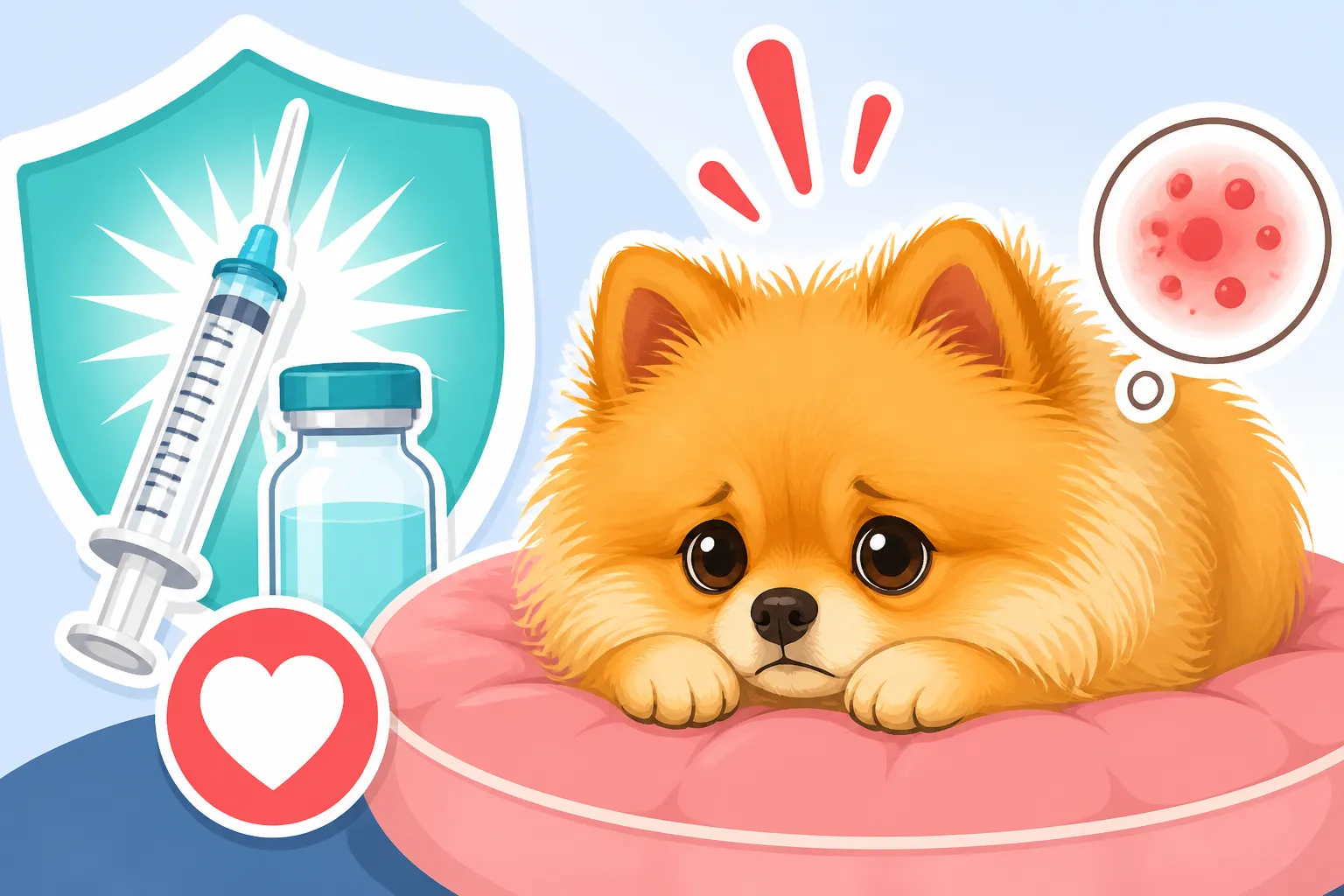
Vaccine Reactions in a Three Pound Pomeranian
It's absolutely terrifying when you have a tiny three-pound Pomeranian, and you’re faced with their routine vaccinations. The worry is palpable: will this small dose overwhelm their little system? Many of us have heard stories, or perhaps even experienced firsthand, how miniature breeds can react more intensely to medications and vaccines. This guide will walk you through everything you need to know about potential vaccine reactions in your small Pomeranian, helping you understand the risks, recognize the signs, and prepare for the best possible outcome.
Understanding Vaccine Reactions in Small Pomeranians
Bringing your precious Pomeranian puppy home means a whirlwind of joy, training, and, yes, veterinary visits, including those all-important vaccinations. For owners of tiny pups, the thought of injecting even a small amount of vaccine into their delicate three-pound frame can be incredibly daunting. It's a very real concern, and it's essential to understand why these little ones might be more susceptible to adverse reactions than their larger canine counterparts.
Why Size Matters for Vaccine Sensitivity
When we talk about vaccine reactions, it's not just about the volume of the vaccine; it's about the concentration of antigens and adjuvants in relation to a dog's body mass. A standard vaccine dose is typically formulated for a wide range of canine sizes, which means that a three-pound Pomeranian receives the same amount as, say, a seventy-pound Labrador. While vets often try to mitigate this by administering vaccines specifically labeled for smaller breeds or by breaking down doses, the inherent fact remains that a tiny body has less mass to dilute or process these components. This disproportionate ratio can lead to a more pronounced immune response or, unfortunately, an adverse reaction.
Furthermore, smaller dogs often have more delicate physiological systems. Their immune systems, while fully functional, might respond differently to the "wake-up call" of a vaccine. Metabolic rates and even liver function, which play a role in processing any foreign substance, can differ. Owners often share stories of their tiny pups being lethargic for days, refusing food, or even experiencing more severe issues. This isn't just anecdotal; there's a biological basis for these heightened sensitivities, making vigilant observation after vaccination absolutely crucial. It’s also important to consider if your Pomeranian might have other underlying health issues, as even something like a tendency for low blood sugar, which is common in small puppies, could be exacerbated by the stress of a vaccine. You might want to read about Recognizing a Hypoglycemic Pomeranian to be prepared.
Common Types of Vaccine Reactions
Vaccine reactions can manifest in a variety of ways, ranging from mild and temporary discomfort to serious, life-threatening emergencies. The most common type of reaction is a localized one at the injection site. This might appear as swelling, tenderness, or a small lump under the skin. Your Pomeranian might try to lick or scratch the area, and it can be a little uncomfortable for them for a day or two. This is usually due to inflammation and is generally not a cause for major concern, though it's always worth mentioning to your vet during the next visit.
Systemic reactions, however, are more widespread and can affect the entire body. Mild systemic reactions often include symptoms like lethargy, a slight fever, reduced appetite, or general malaise. Your usually playful Pomeranian might just want to curl up and sleep, appearing a bit "off." These symptoms typically appear within a few hours to a day after vaccination and usually resolve on their own within 24-48 hours. However, if your Pomeranian experiences more persistent or severe symptoms, or if they seem to be in significant distress, it’s always best to contact your veterinarian. It’s also wise to check their The Checkup Schedule a Pomeranian Should Keep to ensure they are on track with their overall health.
Recognizing the Signs of a Reaction
Knowing what to look for and when to act is paramount, especially with a small dog like a Pomeranian. It's not about panicking, but about being prepared and observant. The faster you can identify a potential issue, the sooner your vet can intervene, making all the difference in the outcome.
Mild vs. Moderate vs. Severe Symptoms
Let's break down the different levels of vaccine reactions so you can gauge the seriousness of the situation.
Mild Reactions: These are quite common and generally not a huge worry. They typically include:
- Localized soreness or swelling: A small, firm lump at the injection site. Your Pom might flinch if you touch it.
- Mild fever: Your dog might feel a little warm to the touch, but it's usually not excessively high.
- Lethargy: Your Pomeranian might be sleepier than usual, less interested in play, and just want to rest.
- Decreased appetite: They might skip a meal or two, or eat less enthusiastically.
- Sneezing or mild coughing: Especially if it's a nasal vaccine, a little sniffling can occur.
These symptoms usually resolve within 24-48 hours on their own. While you should keep a close eye on your pup, they generally don't require an emergency vet visit.
Moderate Reactions: These are more concerning and warrant a call to your vet for advice. They can include:
- Hives or welts: Raised, itchy bumps that can appear anywhere on the body, but often start on the face or belly.
- Facial swelling: Swelling around the eyes, muzzle, or ears. This can make your Pomeranian look quite puffy and uncomfortable.
- Vomiting or diarrhea: More persistent or severe gastrointestinal upset.
- Increased pain or lameness: If the injection site is particularly painful, or if your dog is noticeably limping or unwilling to put weight on a leg.
With moderate reactions, your vet might suggest bringing your Pomeranian in for an examination or prescribing an antihistamine or anti-inflammatory medication to help manage the symptoms. Insurance providers like Healthy Paws often cover unexpected vet visits for such issues, which can be a huge relief if you're worried about costs.
Severe Reactions (Anaphylaxis): These are rare but life-threatening medical emergencies that require immediate veterinary attention. Time is of the essence. Symptoms often appear rapidly, within minutes to a few hours of vaccination:
- Difficulty breathing: This might manifest as rapid, shallow breathing, open-mouthed breathing, blue-tinged gums, or gasping. This is terrifying to witness.
- Sudden collapse or weakness: Your Pomeranian might become suddenly unresponsive, unable to stand, or fall unconscious.
- Severe facial swelling: Swelling so pronounced it could potentially obstruct their airway.
- Profuse vomiting and diarrhea, often with blood.
- Pale gums and cold extremities: Indicating circulatory shock.
If you observe any of these severe signs, do not hesitate. Get your Pomeranian to an emergency veterinary clinic immediately. Call ahead if possible, so they can be prepared for your arrival. These situations are why it’s so important to monitor your dog closely after vaccination. Prompt action can literally save their life.
When to Seek Immediate Veterinary Care
As mentioned, severe reactions, particularly anaphylaxis, demand immediate emergency care. But sometimes, it's a grey area between "mildly off" and "truly sick." As a rule of thumb, if you ever feel your Pomeranian is in distress, struggling to breathe, or showing signs of pain or extreme weakness, pick up the phone and head to the vet. Don't wait to see if it gets better.
It’s also crucial to consider your specific Pomeranian. Are they normally quite resilient, or are they a more delicate pup? For a three-pound dog, even symptoms that might be considered moderate in a larger breed can quickly become serious due to their small size and limited physiological reserves. If the lethargy is profound, if they refuse water, or if the facial swelling progresses rapidly, err on the side of caution. Remember, your vet would much rather you call or come in for a false alarm than delay care when it's truly needed. Having a good pet insurance plan, like one from Healthy Paws, can certainly alleviate some of the financial stress associated with emergency visits, allowing you to focus purely on your dog's well-being.
Preventing and Managing Vaccine Reactions
While we can't eliminate the risk of vaccine reactions entirely, there are definite steps you can take to minimize the chances and manage any issues that arise. It’s all about proactive communication with your vet and diligent post-vaccination care.
Pre-Vaccination Preparations and Discussing Concerns with Your Vet
Before your Pomeranian even steps paw into the clinic for their shots, a crucial conversation needs to happen with your veterinarian. This is especially true for very small dogs. Don't be shy about expressing your concerns regarding your three-pound pup's sensitivity. Your vet can provide invaluable guidance.
One common practice for smaller or sensitive dogs is to administer vaccines one at a time, spacing them out over several weeks. This allows you to monitor for reactions to each individual vaccine, making it easier to pinpoint the culprit if a reaction occurs. For instance, if your Pomeranian needs both its distemper combo shot and its rabies vaccine, your vet might suggest giving the distemper one week and the rabies two to three weeks later. This prevents the immune system from being overwhelmed by multiple antigens at once. Discussing Vaccine Timing for a Very Small Pomeranian Puppy is a great way to start this conversation.
Ensure your Pomeranian is in good health on the day of vaccination. If they're feeling a little under the weather, even with minor issues like a runny nose or a bit of an upset stomach, it's wise to reschedule. Vaccinating a dog whose immune system is already a bit taxed can increase the likelihood of a reaction. Always be transparent with your vet about any health changes. Some vets might also recommend pre-medicating with an antihistamine, like Benadryl, a short while before the vaccine, especially if your dog has had a mild reaction in the past. This isn't a universal recommendation, so always discuss it with your vet first to get proper dosage and guidance.
Post-Vaccination Care and Monitoring
The work doesn't stop once you leave the vet's office. The first few hours and days after vaccination are critical for monitoring your Pomeranian. Here's what you should do:
- Stay Close: Try to schedule vaccinations for a day when you can be home with your dog, especially for the first 4-6 hours. This immediate post-vaccination period is when severe reactions are most likely to occur.
- Observe Closely: Regularly check your Pomeranian for any of the symptoms discussed above. Pay particular attention to their face for swelling, their skin for hives, and their breathing. Notice if their energy levels drop significantly or if they refuse to eat.
- Keep Them Calm: Avoid strenuous activity, excessive excitement, or stressful situations for the first 24-48 hours. Give them a quiet, comfortable space to rest. This helps their body focus its energy on building immunity rather than dealing with external stressors.
- Offer Food and Water: Provide easy access to fresh water and offer smaller, more frequent meals if they're a bit off their food. You might even tempt them with a bland diet like boiled chicken and rice if their appetite is very low. However, don't force them to eat if they're truly uninterested.
- Touch Test: Gently feel the injection site a few times a day to check for excessive swelling or pain. If the lump grows significantly or becomes hot and very tender, contact your vet.
It's common for a small Pomeranian to feel a bit "blah" for a day or so after shots. This is often just their immune system kicking into gear. However, being vigilant and knowing when to call your vet is key. If you have pet insurance like Healthy Paws, knowing you have coverage for unexpected incidents can make this monitoring period less stressful, as you won't hesitate to seek professional advice if you notice something concerning.
The Role of Spreading Out Vaccinations
Spreading out vaccinations is one of the most effective strategies for reducing the risk of a significant reaction in a small Pomeranian, especially during their puppy series. Instead of receiving multiple vaccines in one visit, which can be overwhelming for a tiny immune system, your vet might recommend breaking them up. For example, your puppy might get its DAPP (Distemper, Adenovirus, Parvovirus, Parainfluenza) booster one week, and its Leptospirosis or Lyme vaccine a couple of weeks later. The rabies vaccine is often given as a standalone shot for smaller dogs due to its potential for more severe reactions.
This staggered approach serves several purposes. Firstly, it reduces the overall "antigen load" on the immune system at any one time. Each vaccine introduces different viral or bacterial components, and a tiny body might struggle to mount an adequate, safe response to several at once. Secondly, if a reaction does occur, it helps pinpoint which vaccine caused the issue. This information is invaluable for your vet in planning future vaccination protocols. If your Pomeranian reacted to the Leptospirosis vaccine, for example, your vet might advise against giving that particular vaccine in the future, or suggest significant pre-medication and observation. This personalized approach to Vaccine Timing for a Very Small Pomeranian Puppy is a hallmark of good veterinary care for toy breeds.
This strategy requires more vet visits and might extend the period during which your puppy isn't fully protected, which means you need to be extra careful about exposing them to unknown environments or other dogs. However, for a three-pound Pomeranian, the benefits of reducing reaction risk often outweigh these drawbacks. Discuss this option thoroughly with your vet to create a vaccination schedule that is safe and effective for your individual dog.
Long-Term Considerations and Future Vaccinations
Once your Pomeranian has experienced a vaccine reaction, even a mild one, it changes the conversation around all future vaccinations. It's crucial not to simply proceed as before, but to carefully re-evaluate the necessity and approach for every subsequent shot.
What a Previous Reaction Means for Future Shots
If your Pomeranian has had a vaccine reaction in the past, your veterinarian will likely adjust their protocol for future vaccinations. This isn't a one-size-fits-all solution; the approach will depend heavily on the severity and type of the previous reaction.
For a mild, self-limiting reaction (like lethargy or a small lump at the injection site), your vet might recommend simply continuing to space out vaccines, pre-medicating with an antihistamine, and observing your dog very closely. They might also suggest using a different brand or formulation of the vaccine if available, as some dogs can react to specific components. If the reaction was to a non-core vaccine (like Leptospirosis or Lyme), your vet might advise against giving that particular vaccine again, especially if your dog's lifestyle doesn't put them at high risk for those diseases. Non-core vaccines are often given based on geographical location and exposure risk, so they're not always essential for every dog.
However, if your Pomeranian experienced a moderate to severe reaction, the conversation becomes much more serious. Your vet might recommend avoiding that specific vaccine entirely in the future. In cases of severe allergic reactions (anaphylaxis), future vaccinations could be incredibly dangerous, and your vet will likely discuss alternatives to traditional vaccination. It’s also important to consider if their general health might impact their response, so understanding things like Anesthesia Risk in a Four Pound Pomeranian can give you an idea of how fragile their system might be.
Titers and Alternative Vaccination Protocols
For Pomeranians who have experienced significant vaccine reactions, or simply for owners who are concerned about over-vaccination, antibody titers can be a valuable tool. A titer test measures the level of antibodies in your dog's blood for specific diseases (like distemper and parvovirus). A high enough titer indicates that your dog still has protective immunity and may not need a booster vaccine at that time. This allows you to avoid unnecessary vaccination, reducing the risk of adverse reactions while still ensuring your Pomeranian is protected.
While titer testing is typically more expensive than simply administering a vaccine, it can provide peace of mind and is a much safer option for a dog with a history of adverse reactions. Many vets are increasingly open to discussing titer testing, especially for small or sensitive breeds. If your Pomeranian tests with a sufficient titer, you might be able to delay or skip a booster for several years, reassessing their immunity with subsequent titer tests. This tailored approach, often covered in part by comprehensive pet insurance plans such as those from Healthy Paws, means your tiny companion receives the most appropriate and safest care for their unique needs.
Another alternative in very high-risk cases might involve a limited vaccine protocol, focusing solely on core vaccines (distemper, parvovirus, adenovirus, and rabies) and only vaccinating when absolutely necessary, often based on titer results. The goal is always to provide adequate protection against disease while minimizing any potential harm from the vaccines themselves. This balance is especially delicate for a small, sensitive dog, making a strong, communicative relationship with your vet absolutely essential.
Disclaimer
This article is intended for informational purposes only and does not constitute veterinary advice. Always consult with a qualified veterinarian for any health concerns or before making any decisions about your Pomeranian's care, diet, or treatment.