The Puppy Uglies a Pomeranian Goes Through
It's completely normal to wake up one morning, look at your once fluffy, adorable Pomeranian puppy, and wonder what on earth happened to them. Gone is the picture-perfect ball of fluff, replaced by a gangly, patchy, and sometimes downright scraggly creature. This bewildering stage, affectionately (or sometimes despairingly) known as the "puppy uglies," can be quite a shock, but it's a crucial and entirely natural part of your Pomeranian's journey to adulthood. This guide will walk you through what to expect during this awkward phase, how to care for your pup, and when you might need to seek a vet's opinion.
Understanding the Pomeranian Puppy Uglies
The "puppy uglies" is a universal term in the dog world, especially for double-coated breeds, referring to that slightly awkward, lanky, and often disheveled-looking adolescent stage. For Pomeranians, with their signature glorious coats, this transformation can be particularly pronounced, leaving many new owners wondering if they've somehow ended up with a different dog entirely.
What Exactly Are the Puppy Uglies?
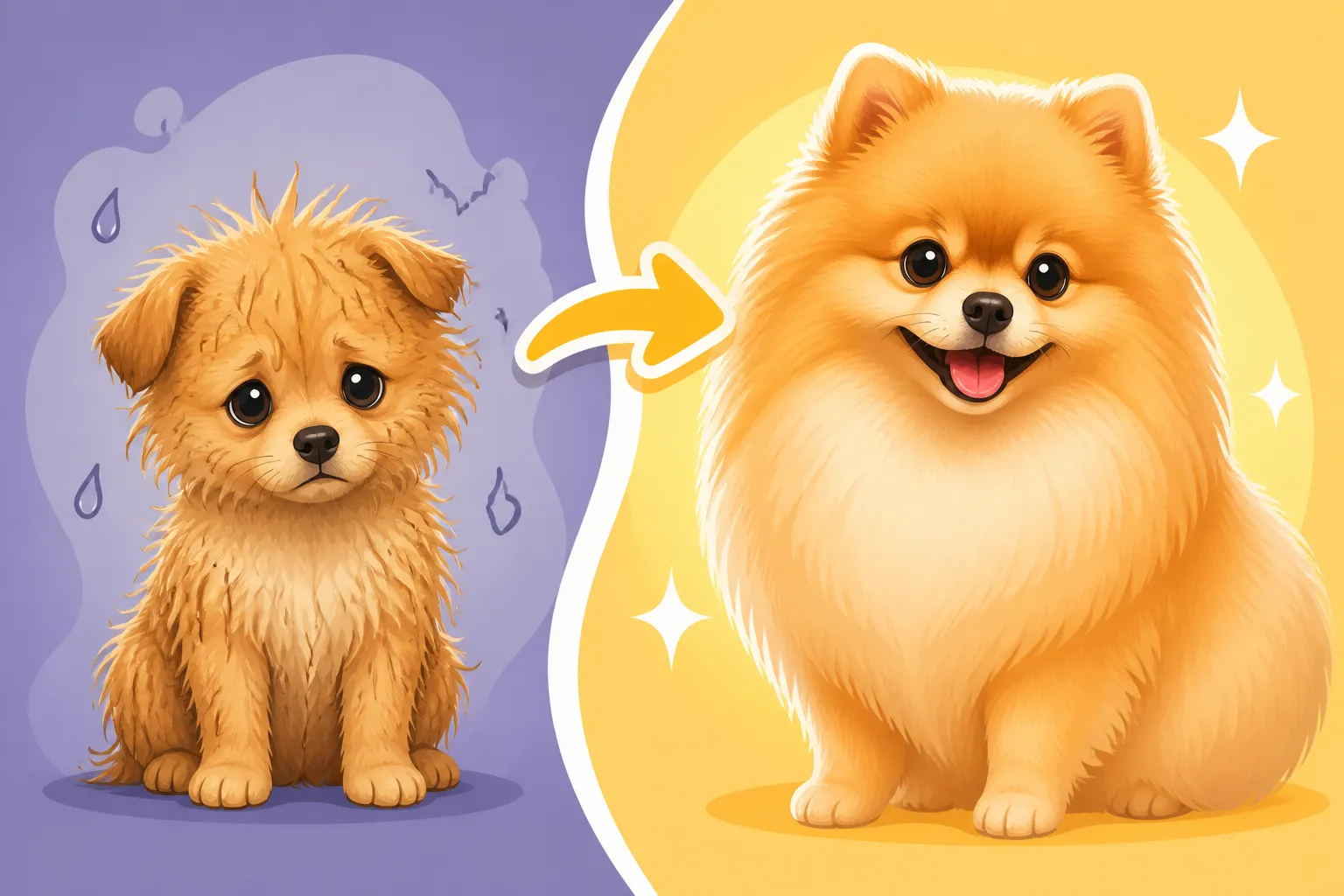
Imagine your Pomeranian puppy as a furry teenager going through a growth spurt combined with a radical hair change. That's essentially what the puppy uglies entail. Your adorable, compact little fluffball begins to shed its soft, single-layer puppy coat, making way for the dense, luxuriant double coat that defines the adult Pomeranian. During this period, their body also undergoes rapid growth, sometimes at an uneven pace, leading to a rather uncoordinated appearance.
This phase is characterized by a patchy, uneven coat. You might notice thinning hair on their head, legs, and flanks, making them look somewhat bald in spots. Their once full "mane" or "ruff" might become sparse, and their tail plume could appear less magnificent. They might look gangly and disproportionate, with legs that seem too long for their body or a head that appears a little too big. It’s certainly not the show-stopping glamour we associate with the breed, but it’s a vital sign of healthy development.
It's important to remember that this is a completely natural developmental process, much like a human teenager's awkward years. They’re simply growing into their adult bodies and coats. This stage is not a sign of poor health or bad breeding; it's a testament to the biological clock ticking perfectly. It might test your patience for perfectly coiffed photos, but it’s a temporary passage they all must make. Rest assured, your beautiful puppy is still in there, just undergoing a spectacular metamorphosis.
When the Transformation Begins and Ends
The timing of the puppy uglies can vary slightly from one Pomeranian to another, but it generally kicks off when your pup is between four and six months of age. This is often when you'll first notice that soft, fluffy puppy hair starting to thin and shed more readily. The intensity of the "blow" of the puppy coat, where large amounts of hair are shed, can also vary. You might find tufts of hair around the house, especially after a good cuddle session or a gentle brush. This initial shedding is the precursor to the adult coat making its grand entrance.
The progression of this transformation usually sees the puppy coat gradually falling out while the coarser, denser guard hairs of the adult coat start to push through. This can lead to a very uneven look, almost like they've had a bad haircut in places, or like parts of their body are covered in fine down while others have thicker, emerging fur. The phrase "The Weeks a Pomeranian Blows Its Coat" accurately describes this intense shedding period, which is necessary for the new growth.
For most Pomeranians, the puppy uglies phase typically lasts until they are about ten to fourteen months old, though some may take a bit longer, even up to eighteen months, to fully mature and grow in their complete adult coat. This means you could be living with a slightly less-than-glamorous pup for a good portion of their first year. Individual genetics, diet, and even environmental factors can influence the exact timeline. During this time, you might also notice changes in their body shape as they gain muscle and their bones mature, filling out what once seemed like an overly lanky frame.
Why This Phase Is Completely Normal
The puppy uglies are a completely normal and healthy phenomenon rooted deeply in the biology of double-coated breeds like the Pomeranian. The primary reason for this dramatic change is the transition from a single-layered, softer puppy coat to the signature dense, double adult coat. A Pomeranian's adult coat is designed for insulation, with a soft, thick undercoat for warmth and longer, coarser guard hairs that stand off the body, giving them their characteristic fluffy appearance. You can learn more about the structure by reading about The Double Coat That Makes a Pomeranian and Why It Stays On. The puppy coat simply isn't equipped for this adult function, so it must be replaced.
While the Pomeranian’s magnificent coat makes this phase particularly noticeable, it’s not unique to them. Other double-coated breeds, from Huskies to Australian Shepherds, go through similar awkward stages as their coats mature. It’s just that with a Pomeranian, whose primary aesthetic appeal often lies in its abundant fur, the contrast is starker and more apparent. So, when you see a fluffy Samoyed puppy suddenly look like a scruffy teenager, know your Pomeranian is in good company.
Beyond just the coat, your puppy is also undergoing immense hormonal changes and rapid physical growth. These internal processes heavily influence coat development. Energy that was once directed solely towards growing that initial puppy fluff is now being redirected towards bone development, muscle growth, and the complex process of developing the adult hair follicles. This massive internal workload means that the external appearance might be a bit dishevelled. It’s a testament to the incredible amount of growth happening beneath the surface, confirming that your little companion is developing just as nature intended.
Navigating the Physical Changes
The puppy uglies manifest in several noticeable physical ways, primarily affecting your Pomeranian's coat and body proportions. Understanding these changes helps you appreciate that what you're seeing is a natural part of their maturation, not a cause for alarm.
The Coat — Patchy, Thin, and Unruly
During the puppy uglies, your Pomeranian's once evenly distributed puppy fluff gives way to a truly patchy and unpredictable landscape. You’ll likely observe significant thinning, particularly around the face, ears, legs, and hindquarters. It’s not uncommon for them to develop "bald" spots where the puppy hair has completely shed, and the adult coat has yet to fully grow in. This uneven distribution can make them look quite scruffy, a far cry from the fluffy ideal. This is the very essence of "The Age a Pomeranian's Coat Starts to Thin".
The texture of their emerging coat will also be markedly different from their soft puppy fur. The new growth, which comprises the adult guard hairs, is typically coarser and more bristly. This can feel strange to the touch compared to what you were used to. Beneath these emerging guard hairs, the dense, cotton-like undercoat will also begin to develop, but it won't be uniform initially. This combination of sparse, coarse guard hairs and a budding undercoat often creates a disheveled, even "unruly" appearance that defies easy grooming.
Interestingly, the color of your Pomeranian's adult coat might even be slightly different from their puppy coat. Many puppies, especially those with sable or cream genetics, will undergo a color change as their adult fur comes in. A dark sable puppy might lighten considerably, or a cream pup might develop more apricot tones. This fascinating transformation, often described when discussing What a Pomeranian Puppy's Coat Looks Like at Six Months, is another perfectly normal part of the process. Gentle, consistent brushing with appropriate tools will be your best friend during this time, helping to remove dead hair and encourage new growth without damaging delicate skin.
The "Lanky" Body and Changing Proportions
Beyond the dramatic coat transformation, your Pomeranian will also experience significant changes in their body proportions during the puppy uglies. What was once a compact, well-rounded puppy might suddenly appear long-legged, thin, and rather gangly. Their legs might seem disproportionately long for their body, and their chest might appear shallow. This rapid, uneven growth is typical of growth spurts, where different parts of the body grow at different rates, leading to that awkward, "all legs and ears" look.
This lanky phase is a clear indicator that your puppy is growing into their adult size and shape. While they might look slender, it’s important to monitor their weight to ensure they are healthy. Understanding The Weight a Pomeranian Puppy Should Reach is crucial, as you want them to be lean but not underweight. The lanky appearance is temporary; as they mature, their body will gradually fill out, their chest will deepen, and their overall proportions will become more balanced, developing into the sturdy, compact form characteristic of the Pomeranian breed.
This period of rapid and sometimes uneven growth can also affect their coordination. Your pup might seem a bit clumsier, tripping over their own feet or misjudging jumps. This is simply because their brain and muscles are trying to keep up with their rapidly changing body. Provide a safe environment with ramps or steps for furniture, and avoid encouraging risky jumps, especially given the breed's predisposition to certain joint issues. This phase, while a bit amusing to watch, is a critical step in their skeletal and muscular development, laying the foundation for their adult physique.
Dental Drama: Losing Baby Teeth
Coinciding with the puppy uglies, your Pomeranian will also be going through the crucial stage of losing their baby teeth and growing in their adult set. This dental drama typically begins around 3-4 months of age and can continue until 6-8 months, putting it squarely within the "ugly" phase. You might find tiny teeth on the floor or notice them missing from your pup's mouth during playtime. Understanding The Age a Pomeranian Should Lose Its Baby Teeth helps to normalize this process.
During teething, puppies will have an increased urge to chew, which helps to relieve discomfort and encourages the baby teeth to fall out. Provide a variety of safe, appropriate chew toys to satisfy this need and protect your furniture. You might also notice some bad breath or even a tiny spot of blood on a chew toy, which is generally normal. However, pay close attention to ensure all baby teeth fall out.
For Pomeranians, with their famously small mouths, retained deciduous (baby) teeth can be a common issue. If a baby tooth doesn't fall out before the adult tooth starts to erupt, it can cause crowding, leading to dental problems, misalignment, and increased risk of gum disease later on. It’s vital to have your vet check your puppy’s mouth during their regular visits to ensure all baby teeth are shed. If retained teeth are present, your vet might recommend extraction, often done during their spay/neuter surgery. Continuing good oral hygiene habits, even through teething, by gently introducing them to a toothbrush, as discussed in Whether a Pomeranian Needs Its Teeth Brushed Daily, can set them up for a lifetime of better dental health.
Keeping Your Pomeranian Healthy During This Phase
While the puppy uglies are a natural process, there are several things you can do as a dedicated Pomeranian owner to ensure your pup remains healthy, comfortable, and happy during this transformative period.
Gentle Grooming to Encourage New Growth
During the puppy uglies, gentle and consistent grooming is paramount, but the key word here is gentle. Daily, light brushing helps to remove the shedding puppy coat, prevents mats from forming in the emerging adult fur, and stimulates blood circulation to the hair follicles, which can encourage healthy new growth. However, resist the urge to over-brush or use harsh tools that could irritate your pup's delicate skin or damage the new, fragile adult hairs. A pin brush and a metal comb are usually sufficient.
When bathing, keep it infrequent, perhaps once a month or as needed, using a high-quality, gentle dog shampoo and conditioner designed for sensitive skin. Ensure you rinse thoroughly to avoid any residue that could cause irritation. After bathing, gently towel dry, then use a low-heat, forced-air dryer to fluff out the coat. This helps prevent matting and encourages the signature "stand-off" look of the adult Pomeranian coat.
One critical piece of advice that cannot be overstated: never shave a Pomeranian's double coat. While you might be tempted to "even out" the patchy look or make them more comfortable in warmer weather, shaving can cause irreversible damage to their unique double coat. It can prevent the adult coat from growing back properly, leading to a permanent "fuzzy" or "cottony" texture, bald spots, or even hyperpigmentation. This serious concern is explored further in Whether a Pomeranian's Coat Comes Back After Puppy Uglies. Instead of shaving, focus on regular brushing, proper nutrition, and ensuring your pup stays cool through other means in the summer months.
Nutritional Support for a Growing Body
Good nutrition is always important, but it's especially critical during the puppy uglies, as your Pomeranian is undergoing rapid growth and significant physiological changes. Continue feeding a high-quality puppy formula specifically designed for small breeds. These foods are typically nutrient-dense and provide the right balance of protein, fats, vitamins, and minerals to support developing bones, muscles, and, of course, that emerging adult coat. Look for formulas with real meat as the first ingredient and healthy fats like omega-3 and omega-6 fatty acids.
Maintain a consistent feeding schedule appropriate for a growing puppy. Young Pomeranians need regular meals to sustain their high metabolism and rapid development, usually three to four times a day. As detailed in Feeding a Pomeranian Puppy Often Enough to Stay Safe, skipping meals can be risky for small puppies due to their susceptibility to hypoglycemia. Always ensure fresh water is available. As they approach their first birthday, you can gradually transition them to an adult small breed formula, but always follow your veterinarian's guidance on timing.
While a good quality puppy food should provide all the necessary nutrients, some owners consider supplements to boost skin and coat health. Omega fatty acid supplements (like fish oil) can be beneficial for promoting a healthy, shiny coat and good skin. However, always consult your veterinarian before adding any supplements to your puppy's diet. They can advise on appropriate dosages and ensure there are no contraindications with their current health or diet. Also, keep a close eye on their weight; while they might look lanky, ensure they are not becoming underweight, nor allowing them to become overweight, as this can put undue stress on their developing joints.
Managing Expectations and Showering Love
It's completely understandable to feel a bit disappointed when your once-fluffy puppy looks a bit, well, ugly. Many new Pomeranian owners confess to a moment of "what have I done?" during this phase. However, managing your own expectations is crucial. Remember, this is a temporary, normal stage. Your puppy isn't any less wonderful or loved because their coat is patchy or they look a bit awkward. Focus on their playful personality, their developing intelligence, and the joy they bring into your home.
This period is a fantastic opportunity to deepen your bond through continued socialization and training. Don't let their appearance overshadow the importance of their behavioral development. Keep taking them to puppy classes, exposing them to new sights and sounds, and reinforcing good manners. A well-adjusted, confident Pomeranian is far more important than a perfectly coiffed one, especially when their adult coat will eventually grow in anyway.
Ultimately, your Pomeranian needs your consistent love and reassurance during this time. They won't know they look different, but they will sense any frustration or disappointment from you. Continue to play with them, offer plenty of cuddles, and reinforce that they are a cherished member of the family, no matter what their coat looks like. This phase, while a minor aesthetic inconvenience for you, is a major developmental leap for them, and your unwavering support makes all the difference.
Common Concerns and When to Worry
While the puppy uglies are a normal part of Pomeranian development, it's vital for owners to distinguish between typical coat and body changes and actual health issues that might require veterinary attention. Knowing the difference can save you worry and ensure your pup gets help if they need it.
Differentiating Uglies from Health Issues
It's easy to second-guess yourself during the puppy uglies. Is this normal thinning, or is something wrong? The key lies in observing for accompanying symptoms. Normal puppy uglies typically involve widespread, albeit uneven, coat loss and regrowth, without severe skin irritation or other signs of illness. Your pup remains active, has a good appetite, and their skin under the sparse coat looks healthy, though perhaps a bit pinker due to less fur coverage.
To help you differentiate, here's a quick comparison:
| Feature | Normal Puppy Uglies | Potential Health Concern (Seek Vet Advice) |
|---|---|---|
| Coat Loss Pattern | Patchy, uneven, symmetrical thinning over body, head, legs. New fine hair visible. | Sudden, rapid, or localized bald spots; no new growth; excessive shedding in adult areas. |
| Skin Appearance | Healthy, supple, possibly slightly pink. | Redness, inflammation, rashes, scabs, scales, pimples, black spots. |
| Itching/Scratching | Minimal, occasional grooming. | Excessive, relentless scratching, licking, or biting at skin. |
| Energy & Appetite | Normal puppy energy, good appetite, playful. | Lethargy, loss of appetite, changes in thirst or urination. |
| Other Symptoms | None other than coat/body changes. | Vomiting, diarrhea, limping, behavioral changes, fever. |
If you're ever in doubt, a quick call or visit to your veterinarian is always the best course of action. It's better to be safe than sorry, especially with a small breed like a Pomeranian. Having a robust pet insurance plan, like one from Healthy Paws, can provide peace of mind during these times, as it can help cover unexpected vet visits, diagnostic tests, and treatments if a health issue is indeed present.
Coat Issues Beyond the Normal Shed
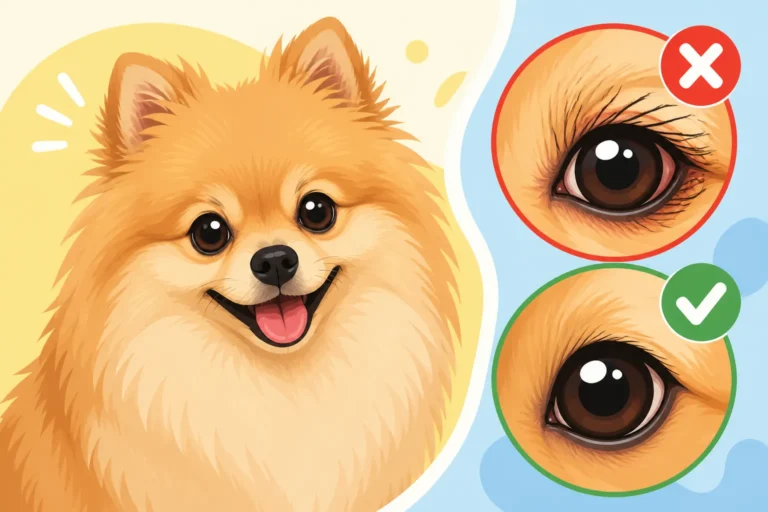
While a certain degree of thinning and patchiness is normal during the puppy uglies, some coat problems warrant closer investigation. Pay attention to the quality of the skin underneath the fur. If you notice persistent redness, inflammation, crusting, or black spots on the skin where hair should be growing, this is definitely a red flag. These could be signs of underlying skin infections, allergies, or other dermatological conditions, not just the puppy uglies. Comparing this to Whether an Old Pomeranian's Coat Thins Naturally can help you recognize the difference between puppy development and more serious issues that can arise at any age.
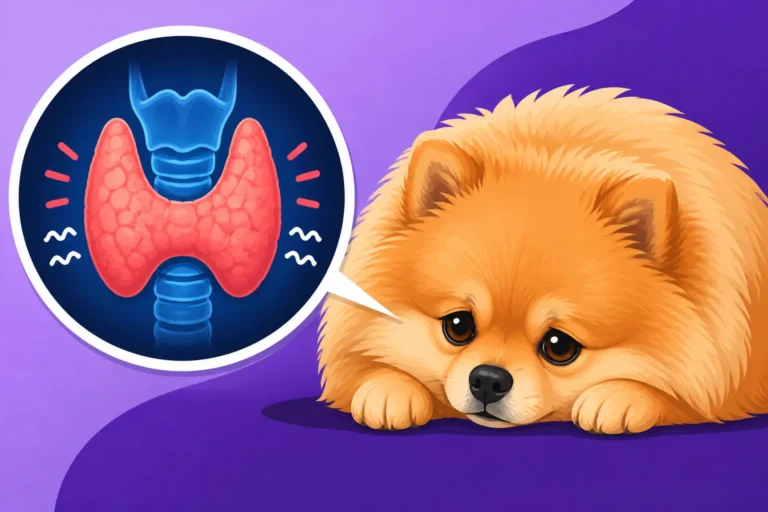
Abnormal coat loss can stem from various causes beyond the natural shedding cycle. Parasites like fleas or mites can cause intense itching, leading to self-inflicted hair loss and skin damage. Fungal infections, bacterial skin infections, or even environmental allergies can manifest as patchy fur and irritated skin. More serious conditions, such as hypothyroidism (an underactive thyroid) or other hormonal imbalances, can also lead to significant hair loss and changes in coat texture, though these are less common in young puppies.
If you suspect something more serious than normal puppy uglies, don't hesitate to consult your vet. They may perform diagnostic tests such as skin scrapes to check for parasites, fungal cultures, or blood tests to check for hormonal imbalances. Early diagnosis and treatment are crucial for these conditions to prevent them from worsening and to ensure your Pomeranian's comfort. Understanding that your pet insurance, like a plan from Healthy Paws, might cover these diagnostic procedures and prescribed medications can also alleviate some of the financial stress during an unexpected health concern.
When to Consult Your Veterinarian
Knowing when to pick up the phone and call your vet can be the most challenging part of owning a puppy, especially during the puppy uglies when things already look a bit out of sorts. However, some symptoms should never be ignored. Always contact your vet if your Pomeranian exhibits severe or persistent itching, redness, inflammation, or any open sores on their skin. These could indicate an infection or severe allergic reaction.
Beyond skin and coat issues, be vigilant for any changes in your pup’s general health and behavior. This includes lethargy, a significant decrease in appetite or thirst, vomiting, diarrhea, persistent coughing or sneezing, or any signs of pain or discomfort suching as limping. While Pomeranians are generally robust, their small size means they can decline rapidly if something serious is amiss. If you notice any sudden lumps or bumps, these also warrant immediate veterinary evaluation.
Don't ever feel like you're overreacting or being an overly cautious "helicopter parent" when it comes to your pet's health. Your veterinarian is there to help, and they'd much rather you call about a false alarm than delay treatment for a serious condition. If you're ever unsure about a symptom or simply have a gut feeling that something isn't quite right, err on the side of caution. This is where investing in quality pet insurance like Healthy Paws can truly come in handy, allowing you to seek veterinary advice without the immediate stress of potential costs for exams or diagnostics. Most of the time, the puppy uglies are just that – an awkward phase – but your vigilance is key to ensuring your Pomeranian grows into a healthy, happy adult.
Disclaimer
This article is for general informational purposes only and does not constitute professional advice. Laws, prices and regulations vary by location and change over time. Consult a qualified professional for guidance on your specific situation.