Whether an Old Pomeranian’s Coat Thins Naturally
It's a common concern for us Pomeranian parents: you look at your once-fluffy senior companion, and suddenly, their magnificent double coat doesn't seem quite as opulent as it used to be. You might wonder if it's just a normal part of getting older, or if there's something more serious going on. The truth is, a Pomeranian's coat can, and often does, change with age, becoming a bit thinner and softer. However, it's also crucial to distinguish these natural shifts from underlying health issues that might require a vet's attention. This guide will walk you through what to expect from your senior Pom's evolving coat and when to seek professional advice.
The Inevitable Softening of Time: Natural Coat Changes in Senior Pomeranians
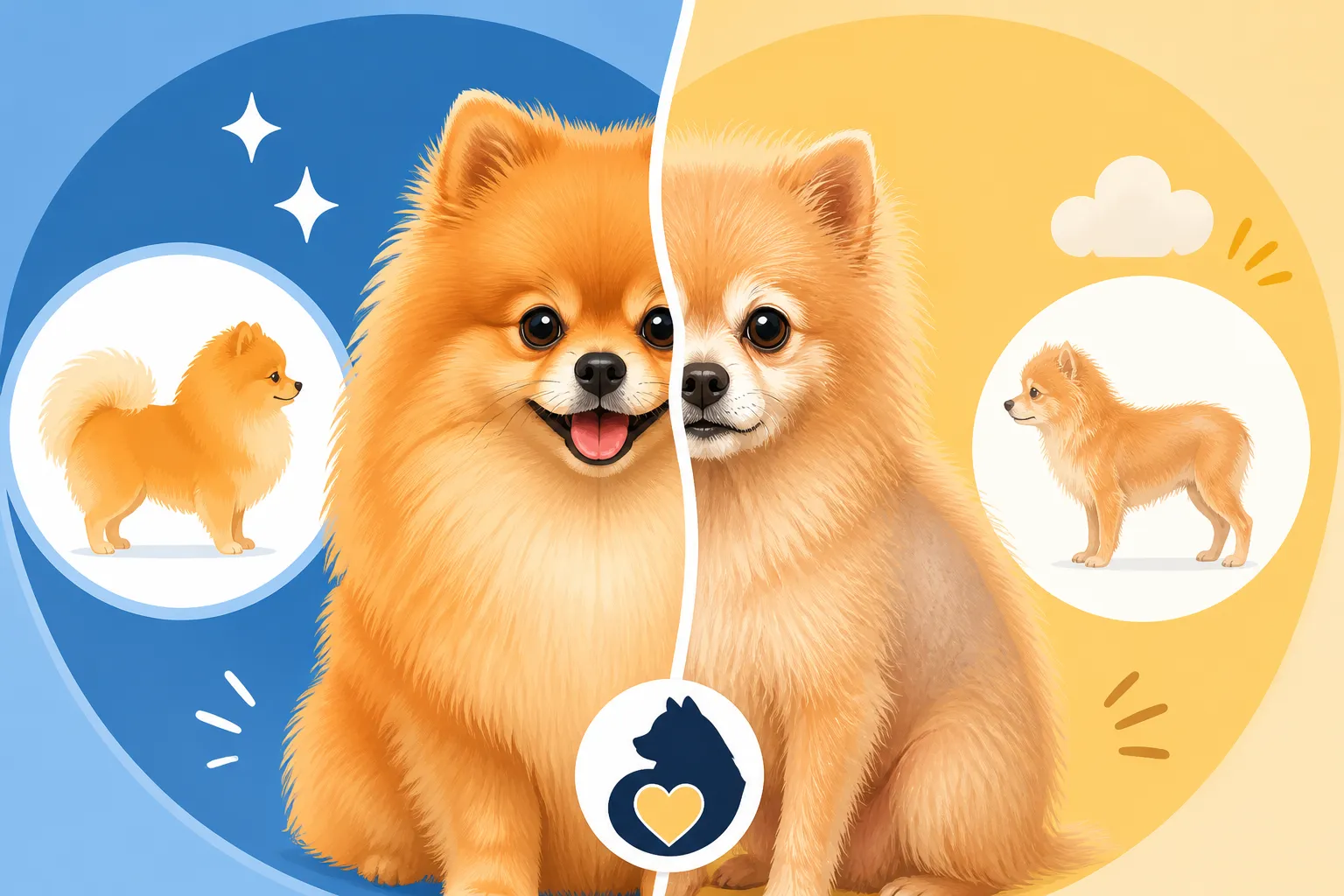
Just like us humans, our beloved Pomeranians go through a natural aging process that affects every part of their body, including their glorious double coat. That thick, stand-off fur that defined their youthful exuberance can indeed become a little less dense, a little softer, and sometimes even change in color or texture as they enter their golden years. This isn't usually a cause for alarm, but rather a gentle reminder of the passage of time.
Reduced Density and Softer Texture
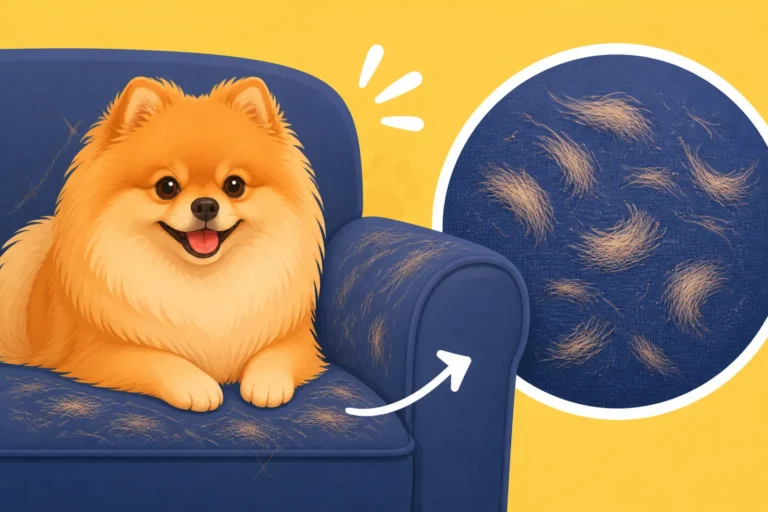
One of the most noticeable changes you might observe in an older Pomeranian's coat is a reduction in overall density. Where once their fur felt like a plush, impenetrable cloud, it might now feel a bit thinner, particularly along the back, flanks, and belly. This isn't due to excessive shedding necessarily, but rather a decrease in the number of active hair follicles and a slower rate of hair growth. Think of it like our own hair thinning; it’s not baldness, just less robust. The guard hairs, which are typically coarser and provide the structure for that characteristic "stand-off" look, might also become softer and more pliable. This can make the coat feel less stiff and more fine to the touch, often losing some of its vibrant bounce.
It's common to see this thinning start around areas of friction or pressure, such as the hindquarters where they sit, or the areas where a harness might rub. You might also notice that the impressive ruff around their neck, which was once a regal mane, becomes a bit less pronounced. These are all subtle indicators that your Pom is maturing, and the metabolic processes supporting rapid hair growth are simply slowing down. You might recall when your Pomeranian was a puppy and went through The Puppy Uglies a Pomeranian Goes Through, where their coat seemed to vanish before coming back in full. Aging is a bit like that, but in reverse – a gradual, subtle retreat rather than a dramatic transformation.
Color Fading and White Hairs
Another charming sign of an aging Pomeranian is the appearance of white or grey hairs, especially around their muzzle, eyes, and sometimes even scattered throughout their body coat. This is much like how our hair turns grey, and it's completely normal. A vibrant orange Pomeranian might find their fiery hues softening to a lighter cream or even developing silver strands. A black Pomeranian might see flecks of white appear in their deep sable.
Beyond just the appearance of grey, the overall pigmentation of the coat can also seem to fade. What was once a rich, deep color might become a lighter, more muted shade. This is due to a reduction in melanin production within the hair follicles. These color changes are usually quite gradual, unfolding over months and years, so you might not even notice them day-to-day until you look back at old photographs. It’s part of their unique journey, adding character and a distinguished look to your senior companion. How a Sable Pomeranian's Coat Changes With Age is a great example of how a Pomeranian's coloring can evolve throughout its life, and aging is just another chapter in that story.
More Than Just Age: When Coat Thinning Signals a Deeper Issue
While some coat thinning is a natural part of aging, it's really important for us Pomeranian guardians to be vigilant. Not every change in your senior Pom's coat is benign. Sometimes, a thinning coat can be a red flag, hinting at an underlying health issue that needs professional attention. Ignoring these signs can delay crucial treatment, so knowing the difference is key.
Hormonal Imbalances and Alopecia X
One of the most common culprits behind significant coat loss in Pomeranians, especially as they age, is a hormonal imbalance. Thyroid issues, specifically hypothyroidism (an underactive thyroid), can lead to a dull, dry, and thinning coat, often accompanied by dry skin, lethargy, and weight gain. A Pomeranian Whose Thyroid Has Slowed can truly struggle, and their coat is often one of the first places to show it. It’s not just a bit of thinning; it's a noticeable deterioration in coat quality and density.
Another infamous condition in the Pomeranian world is Alopecia X, sometimes known as Black Skin Disease. While it often appears in younger adult dogs, it can also manifest or worsen in older Poms. This condition causes symmetrical hair loss, often starting on the hindquarters and eventually affecting the body, leaving patches of darkened, bare skin. It’s not simply thinning; it’s full-blown hair loss. The Hormone Disease Mistaken for a Pomeranian's Alopecia highlights how crucial it is to get a proper diagnosis, as several conditions can mimic Alopecia X. If you see patches of baldness rather than just diffuse thinning, or if the skin underneath looks abnormal, it's definitely time for a vet visit.
Nutritional Deficiencies and Absorption Issues
Even if your senior Pomeranian has been on the same high-quality diet for years, their body's ability to absorb nutrients can change as they age. This can lead to nutritional deficiencies that impact coat health. Essential fatty acids (like Omega-3s and Omega-6s), vitamins, and minerals are all crucial for maintaining a healthy skin barrier and a lustrous coat. If their body isn't processing these nutrients efficiently, or if their diet isn't adequately meeting the needs of an aging dog, their coat can suffer.
You might notice the fur becoming brittle, dry, and dull, or even falling out more easily than usual. It's not just thinning, but a lack of vitality. Sometimes, a senior Pomeranian might also develop dental issues that make eating harder, leading to reduced food intake and, subsequently, poor nutrient absorption. Feeding an Old Pomeranian With Few Teeth can become a real challenge, impacting their overall health, including their coat. Switching to a high-quality senior formula, or incorporating fresh food options, might be beneficial. Brands like Ollie offer fresh, balanced meals that can be appealing and easier to digest for older dogs, while Chewy carries a wide range of senior-specific kibbles and supplements designed to support aging bodies.
Other Health Concerns
Beyond hormonal and nutritional issues, various other health problems can contribute to a thinning or unhealthy coat in older Pomeranians. Internal parasites, though less common in well-cared-for seniors, can still drain essential nutrients. Skin infections, allergies, or even autoimmune diseases can lead to itching, scratching, and secondary hair loss. Stress, too, can play a role; a sudden change in routine or environment can sometimes manifest as excessive shedding or a dull coat.
If your senior Pomeranian is experiencing other symptoms alongside coat thinning—such as increased thirst or urination, changes in appetite, weight fluctuations, lethargy, excessive scratching, or skin redness—it's imperative to consult your veterinarian. These combined signs suggest something more significant than just natural aging. Your vet can perform diagnostic tests, like blood work, skin scrapings, or biopsies, to pinpoint the exact cause and recommend appropriate treatment. Regular check-ups are vital, especially for older dogs, to catch these issues early. The Checkup Schedule a Pomeranian Should Keep becomes even more important as they age.
Here's a quick comparison to help you differentiate:
| Characteristic | Natural Aging Coat Thinning | Potential Health Issue Coat Thinning |
|---|---|---|
| Onset | Gradual, subtle over months/years | Can be more sudden, or progressive over weeks/months, sometimes rapid |
| Symmetry | Often generalized, or symmetrical thinning | Can be patchy, asymmetrical, or localized to specific areas |
| Skin Appearance | Healthy, supple, possibly slightly drier, no irritation | Red, flaky, itchy, dark patches, greasy, oily, scabs, bumps |
| Coat Texture | Softer, finer, less dense overall | Brittle, dry, excessively oily, dull, coarse, matted easily |
| Accompanying Signs | No other major symptoms, generally good health and vitality | Lethargy, increased thirst/urination, weight changes, skin infections, excessive licking/scratching, changes in appetite, other systemic signs |
| Hair Loss Pattern | Overall thinning, less "stand-off" | Bald patches, significant shedding, hair easily pulled out, breakage |
Nurturing the Golden Years: Supporting Your Senior Pomeranian's Coat
Even if your old Pomeranian's coat is thinning naturally, that doesn't mean you're powerless to help. In fact, providing attentive care during their senior years is more crucial than ever. A healthy senior coat reflects good overall health and can significantly contribute to their comfort and well-being. Think of it as a gentle partnership where you provide the support their aging body needs.
Adapted Grooming Practices
As a Pomeranian ages and their coat potentially thins or changes texture, your grooming routine will need slight adjustments. Regular brushing remains paramount to prevent mats, stimulate circulation, and distribute natural oils. However, you might need to use softer brushes, like a soft slicker brush or a pin brush with rounded tips, to be gentle on their more delicate skin and thinning coat. Brushing them while they are relaxed and maybe even lying down can make the experience more comfortable, as their joints might be stiffer. Brushing an Old Pomeranian Lying Down can be a great way to bond and get the job done without causing them discomfort.
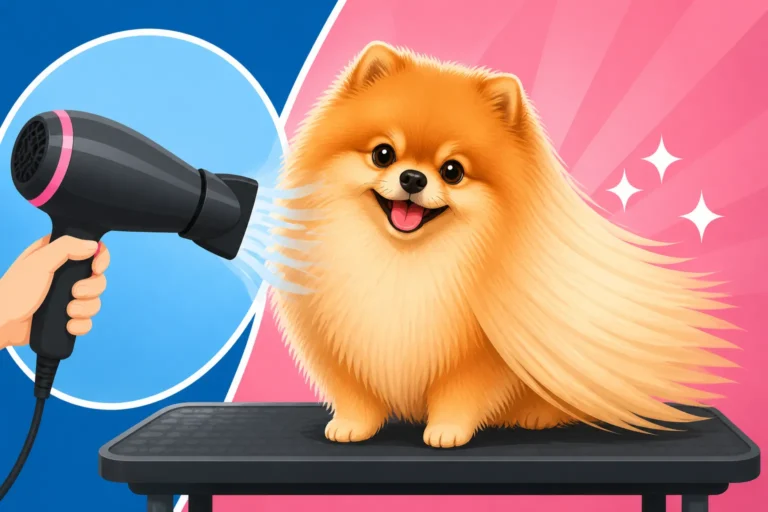
Bathing should still be regular, but choose a mild, moisturizing shampoo and conditioner specifically formulated for sensitive skin or senior dogs. Over-bathing can strip natural oils, leading to dryness, so find a balance that keeps them clean without irritating their skin. When drying, use a low heat setting on your blow dryer and be extra gentle. Avoid excessive tugging or harsh brushing, especially if their hair is more prone to breakage. For minor touch-ups or if their sanitary areas are becoming harder to keep clean due with mobility issues, Sanitary Trimming on a Pomeranian can become more frequent, but always proceed with caution and appropriate tools.
Tailored Nutrition and Supplements
The diet of an aging Pomeranian needs careful consideration to support both their overall health and their coat. Senior dog formulas are often lower in calories (to prevent weight gain from reduced activity) but rich in easily digestible proteins and essential nutrients. Look for foods that list quality meat sources as the first ingredient. As mentioned, fresh food options, like those from Ollie, can be excellent for senior dogs, offering highly digestible nutrients that might be better absorbed. Many owners find that these diets lead to a noticeable improvement in coat quality.
Supplementation can also play a vital role. Omega-3 fatty acids, often found in fish oil, are fantastic for skin and coat health, reducing inflammation and promoting a healthy sheen. You can find many reputable fish oil supplements on Chewy or Amazon. Supplements That Support a Pomeranian's Skin often include these fatty acids, along with vitamins E and C. Some joint supplements also contain ingredients that can indirectly benefit skin and coat, as inflammation can impact many bodily systems. Always discuss any dietary changes or new supplements with your veterinarian to ensure they are appropriate for your individual dog's health needs, especially if they are on any medications. Whether a Pomeranian Needs Fish Oil for Its Coat is a question many senior Pom owners consider, and for good reason!
Environmental Comfort and Stress Reduction
A comfortable environment can significantly impact your senior Pomeranian's overall well-being, which in turn can reflect in their coat. Ensure they have soft, supportive bedding to alleviate pressure on joints, especially if they are spending more time resting. Ramps or steps can help them access their favorite spots on the sofa or bed without straining their knees, reducing physical stress. These can be found readily on Amazon, specifically sized for small breeds.
Minimize stressors in their daily life. A consistent routine, quiet spaces, and gentle interactions can help keep their stress levels low. Chronic stress can sometimes lead to a dull coat or even exacerbate shedding. Keeping them mentally stimulated with gentle play and puzzle toys appropriate for their age can also contribute to their happiness and vitality. Remember, What a Pomeranian's Care Looks Like Past Ten often involves a holistic approach to comfort, health, and happiness, and a healthy coat is just one outward sign of that inner well-being.
When to Call the Vet: Red Flags and Professional Guidance
While we love to believe that a little thinning is just part of our senior Pom's charm, it's really important to know when those coat changes cross the line from natural aging into something that needs a veterinarian's expert eye. Being proactive can make all the difference in catching and treating potential health issues early, which is always the best outcome for our furry family members.
Specific Symptoms That Warrant a Visit
Don't hesitate to reach out to your vet if you notice any of these specific symptoms accompanying your senior Pomeranian's coat thinning:
- Patchy Hair Loss or Bald Spots: If the thinning isn't generalized but instead creating distinct bald areas or patches where the hair has completely fallen out. This is very different from just a less dense coat. The Thinning That Starts on a Pomeranian's Hindquarters could be an early indicator of something more than just age.
- Skin Changes: Any redness, inflammation, scaling, flaking, scabs, crusts, pimples, or unusual darkening of the skin underneath the fur. If your Pom is constantly scratching, licking, or biting at their skin, this is a clear sign of irritation or infection.
- Dull, Brittle, or Greasy Coat: If the coat feels excessively dry, brittle, breaks easily, or conversely, becomes unusually greasy or oily despite regular grooming. A healthy coat should have a natural sheen, even if it's thinner.
- Odor: An unusual or unpleasant odor coming from their skin or coat that isn't resolved with a bath. This can indicate bacterial or yeast infections.
- Systemic Symptoms: If coat changes are accompanied by other signs of illness such as lethargy, increased thirst or urination, changes in appetite, unexplained weight gain or loss, diarrhea, vomiting, or behavioral changes. These are crucial indicators that something internal might be amiss.
- Rapid Onset of Thinning: If the coat thinning seems to happen quickly over a few weeks, rather than a gradual process over months or years.
The Importance of Diagnostic Testing
When you bring your senior Pomeranian to the vet for coat concerns, be prepared for a thorough examination. Your vet will ask about their diet, routine, any other symptoms you've noticed, and how long the coat changes have been occurring. They might recommend several diagnostic tests to rule out common conditions and pinpoint the exact cause.
These tests could include:
- Blood work: A complete blood count and chemistry panel can check for systemic illnesses, organ function, and often includes a thyroid panel to assess hormone levels. Given how common thyroid issues are, this is often a first step.
- Skin scrapings: To look for mites or other parasites that can cause itching and hair loss.
- Fungal cultures: To check for ringworm or other fungal infections.
- Allergy testing: If environmental or food allergies are suspected.
- Biopsy: In some cases, a small skin sample might be taken and sent to a lab for microscopic examination, especially if conditions like Alopecia X or autoimmune diseases are suspected.
Understanding The First Signs a Pomeranian Is Aging can help you differentiate between normal changes and those that need immediate attention. Your vet is your best partner in navigating these senior years, and they have the expertise to interpret these signs and guide you toward the best care plan for your beloved companion. Don't ever feel like you're overreacting by seeking professional advice for your senior Pom's health—it's always better to be safe than sorry!
Disclaimer
This article is for general informational purposes only and does not constitute professional advice. Laws, prices and regulations vary by location and change over time. Consult a qualified professional for guidance on your specific situation.