Whether a Water Additive Helps a Pomeranian’s Teeth
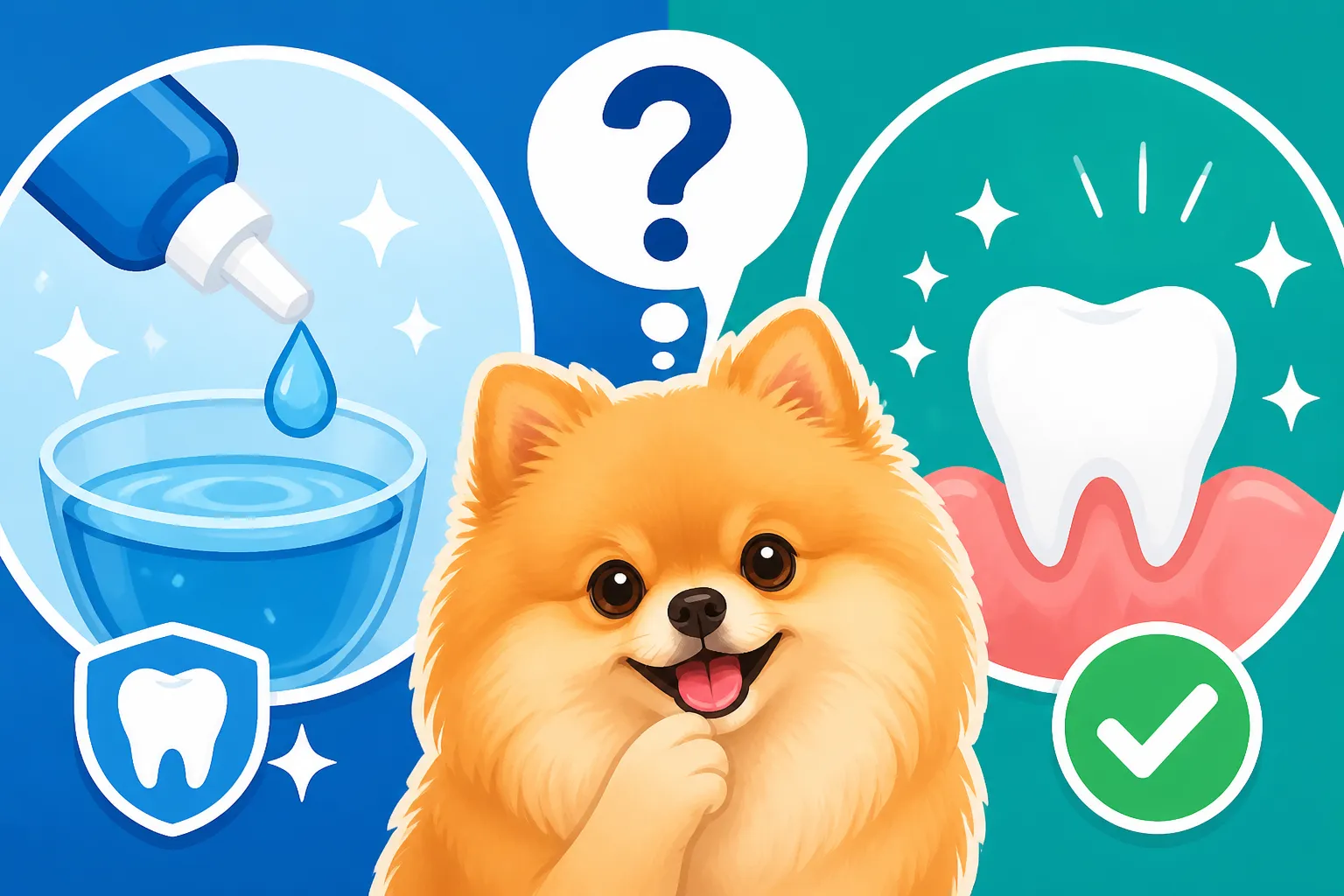
If you're a Pomeranian parent, you already know the incredible joy and sometimes, the unique challenges that come with these tiny fluffballs. One of the biggest, and often most frustrating, hurdles many of us face is keeping their pearly whites actually white and healthy. Because of their small mouths, Pomeranians are incredibly prone to dental disease, and brushing their tiny teeth daily can feel like a Herculean task. So, it's natural to wonder if those enticing dental water additives you see on the shelves are truly a magic bullet. This guide is going to dive deep into whether adding something to your Pom's water bowl can really make a difference for their dental health, or if it's just another hopeful marketing claim.
The Unique Dental Challenges of Pomeranians
Let's be honest, those adorable, fox-like faces hide a multitude of dental issues just waiting to happen. It's not your imagination; Pomeranians genuinely have it tougher when it comes to oral health compared to many other breeds. Understanding why is the first step toward tackling the problem effectively.
Why Pomeranian Mouths Are Prone to Trouble
Imagine trying to fit a full set of adult human teeth into the mouth of a toddler. That's essentially what happens with a Pomeranian. Their tiny jaws are simply not designed to comfortably accommodate 42 adult teeth. This leads to severe crowding, where teeth are often rotated, overlapping, or crammed together. These tight spaces become perfect traps for food particles and bacteria, which quickly transform into plaque. If that plaque isn't removed promptly, it hardens into tartar, a cement-like substance that brushing alone can't remove.
Beyond crowding, many Pomeranians also struggle with The Baby Canines a Pomeranian Fails to Lose. These persistent puppy teeth further exacerbate the crowding issue and create even more surfaces for plaque to accumulate. The consequences of unchecked plaque and tartar are painful and serious: gum inflammation (gingivitis), periodontal disease, tooth decay, abscesses, and eventually, tooth loss. What's even scarier is that the bacteria from severe dental infections can travel through the bloodstream, affecting vital organs like the heart, kidneys, and liver. Suddenly, a little bad breath isn't so little anymore. This is why discussions about Dental Disease in a Mouth the Size of a Pomeranian's are so common among Pom owners. It's a relentless battle against biology.
The Struggle to Implement Daily Brushing
In an ideal world, we'd all be brushing our Pomeranian's teeth every single day. Vets will tell you it's the gold standard, and they're absolutely right. But let's get real for a moment. Most Pomeranian owners, despite their best intentions, find daily brushing incredibly difficult, if not impossible. These little dogs can be quite opinionated, and a squirming, protesting Pom with a mouth the size of a thimble isn't exactly an easy patient.
The sheer logistics are challenging. You need a tiny toothbrush, a dog-specific toothpaste (never human toothpaste!), and a willing participant. Many Poms see the toothbrush as a foreign object, a weapon even, leading to a wrestling match that leaves both parties stressed. Even if you manage a quick scrub, reaching all the crowded surfaces, especially the back molars, is a monumental feat. We often feel guilty when we miss a day, then two, then a week, and suddenly the habit is broken. This is where the temptation for "easier" solutions like water additives really kicks in. We want to do right by our dogs, but the reality of daily commitment often clashes with our busy lives and our Pom's strong will. Brushing a Pomeranian's Teeth Every Day is a commitment few manage flawlessly.
Understanding Dental Water Additives and How They Work
So, if daily brushing is a struggle, what exactly are these water additives, and how do they claim to help? It sounds almost too simple, doesn't it? Just pour a little liquid into the water bowl and poof, better dental health. Let's peel back the layers and see what's actually going on.
What Exactly Are Dental Water Additives?
At their core, dental water additives are liquid solutions designed to be mixed into your dog's regular drinking water. They're formulated with various active ingredients that aim to target the bacteria in your Pomeranian's mouth, the very culprits responsible for plaque buildup and bad breath. The idea is that as your Pom drinks throughout the day, these active ingredients are distributed throughout their mouth, working their magic with every sip.
They are meant to be a passive form of dental care, requiring minimal effort from you once mixed into the water. This passive approach is incredibly appealing, especially for owners of dogs who are resistant to more direct methods like brushing. You'll find a wide array of these products available, from major pet retailers like Chewy to general online marketplaces like Amazon, each boasting slightly different formulations and promises. However, it's crucial to understand that these additives are generally not designed to remove existing plaque or tartar, but rather to help prevent or slow down its formation. They work on a microbial level, targeting the precursors to dental disease rather than the disease itself.
Common Ingredients and Their Roles
The effectiveness of a dental water additive largely depends on its active ingredients. While formulations vary, several common components are frequently used for their purported dental benefits:
- Chlorhexidine: This is a potent antiseptic agent often used in veterinary dental rinses and some additives. It's effective at killing a broad spectrum of bacteria in the mouth, thereby reducing the bacterial load that contributes to plaque formation and bad breath. When present in water additives, it's typically in a much diluted form.
- Zinc: Zinc compounds are included because they can bind to the volatile sulfur compounds that cause halitosis (bad breath). By neutralizing these compounds, zinc helps to freshen your Pomeranian's breath. It also has mild antibacterial properties and can inhibit plaque mineralization.
- Enzymes (e.g., Glucose Oxidase, Lactoperoxidase): Some additives contain enzyme systems that mimic natural processes in saliva. These enzymes work to break down the components of plaque and inhibit bacterial growth, essentially creating an unfavorable environment for plaque to form.
- Baking Soda (Sodium Bicarbonate): While less common in commercial water additives, some formulations might include baking soda for its mild abrasive properties and ability to neutralize acids in the mouth, which can contribute to tooth decay.
- Citric Acid/Ascorbic Acid (Vitamin C): These can be included for their antioxidant properties and potential to support gum health, though their direct impact on plaque reduction in water additives is generally considered minor.
It’s important to carefully read the ingredient list of any product you consider for your Pomeranian. You'll want to ensure that it doesn't contain anything potentially harmful to dogs, and ideally, that it has been vetted by your veterinarian. The mechanism is simple: these ingredients dissolve in the water, and as your Pomeranian drinks, they coat the oral surfaces, disrupting bacterial activity and freshening breath. They're a prophylactic measure, not a cure for existing dental woes.
Evaluating the Effectiveness for Pomeranians
Now for the big question: do they actually work? The answer, like with many things in pet care, isn't a simple yes or no. It's more nuanced, especially for a breed like the Pomeranian with its specific dental challenges.
The Pros: Convenience and Mild Benefits
The most significant advantage of dental water additives is undeniably their convenience. For busy pet parents, or those with highly resistant Poms, simply adding a capful to the water bowl feels like a victory. It requires virtually no effort, training, or wrestling matches. This ease of use means you're far more likely to stick with it consistently, which is key for any preventive measure.
For Pomeranians who hate having their teeth touched, additives can offer a minimal, but still beneficial, layer of care when direct brushing is off the table. They can certainly help with mild breath issues, making those close-up snuggles a bit more pleasant. By reducing the overall bacterial load in the mouth, these additives can indeed slow down the accumulation of new plaque, especially in cases where absolutely nothing else is being done. Think of it as a small daily effort that might slightly push back the inevitable progression of dental disease, buying you a little more time between professional cleanings.
They can be particularly useful as a supplemental measure. If you're already trying to brush a few times a week, a water additive can complement that effort, targeting bacteria in areas you might miss. Products from reputable brands, readily available on platforms like Chewy or your local pet store, often have veterinary endorsements, which can provide some peace of mind.
The Cons: Limitations and Misconceptions
Despite their appeal, it's crucial to approach dental water additives with realistic expectations. The biggest misconception is that they are a substitute for regular brushing or professional veterinary dental cleanings, and they absolutely are not. Here's why:
- Cannot Remove Existing Tartar: This is a critical point. Water additives work on soft plaque and bacteria. Once plaque hardens into tartar, only a professional dental cleaning under anesthesia can remove it. They won't magically dissolve the hard, crusty buildup already present on your Pomeranian's teeth. This is especially important for Poms, who develop tartar rapidly.
- Limited Efficacy: While they can help reduce bacteria and slow plaque formation, their effectiveness is often limited. They don't provide the mechanical scrubbing action that physically removes plaque and food debris from the tooth surface, which is what daily brushing does best. Relying solely on a water additive is like relying on mouthwash to clean your own teeth instead of brushing.
- Picky Eaters/Drinkers: Some Pomeranians are incredibly discerning about their food and water. Many water additives have a slight taste or odor, which can cause some sensitive Poms to refuse to drink their water altogether. If your Pom isn't drinking the treated water, then the additive is completely ineffective. You certainly don't want to risk dehydration.
- Risk of False Security: This is perhaps the most dangerous pitfall. Owners might feel they're doing enough by adding the solution to the water, delaying or neglecting other, more effective dental care strategies. This false sense of security can lead to more severe dental disease progressing unnoticed. Whether a Pomeranian Needs Its Teeth Brushed Daily is a question that water additives don't fully answer.
Ultimately, while they offer a small benefit and fantastic convenience, they are a tool, not the entire toolbox.
Here's a comparison to help put things in perspective:
| Method | Effort Required | Effectiveness Against Plaque | Effectiveness Against Tartar | Pros | Cons |
|---|---|---|---|---|---|
| Daily Brushing | High (consistent) | High | Moderate (prevents buildup) | Most effective preventive at home | Requires training, consistency, cooperation, time |
| Professional Dental | High (vet visit) | High | High (removes all) | Essential for existing issues & subgingival plaque | Anesthesia risk, cost, not a daily solution Anesthesia Risk in a Four Pound Pomeranian |
| Dental Chews/Treats | Low-Medium | Low-Moderate | Low | Enjoyable, some mechanical scrubbing, distraction | Often calorie-dense, less thorough, Poms can choke Whether a Pomeranian Can Choke on a Chew |
| Dental Water Additives | Very Low | Low | None | Convenient, some breath improvement | Limited efficacy, Poms may refuse water, not a standalone solution |
| Dental Wipes/Gels | Medium | Low-Moderate | Low | Better than nothing, no rinsing needed, good for targeted spots | Can be hard to reach all teeth, Poms may still resist |
Integrating Additives into a Holistic Dental Plan
Given their limitations, the best way to think about dental water additives is as one small piece of a much larger puzzle. They are an adjunct, a supportive player, never the star of the show.
Water Additives as Part of a Multi-faceted Approach
To truly safeguard your Pomeranian's dental health, you need a comprehensive, multi-pronged strategy. This means combining several approaches to tackle plaque and bacteria from different angles. Water additives fit in here as a continuous, low-effort background measure.
- Brush When You Can: Even if you can't manage daily, brushing your Pomeranian's teeth a few times a week is significantly better than never. Focus on the outer surfaces and try to get a little paste on as many teeth as possible. Consistency, even if infrequent, matters. Check out tips for The Toothpaste to Use on a Pomeranian for safe options.
- Consider Dental Chews or Gels: Veterinary Oral Health Council (VOHC) approved dental chews can offer some mechanical abrasion and deliver active ingredients to help reduce plaque. Just ensure they are appropriate for your Pomeranian's small size and supervise them to prevent choking. Dental gels can be applied directly to the gums or teeth, offering a more targeted application than water additives.
- Regular Veterinary Check-ups: Your veterinarian is your primary partner in dental health. They can assess your Pomeranian's oral cavity, recommend appropriate products, and advise on when a professional dental cleaning is necessary. Don't wait until your Pom has severe bad breath or is showing obvious signs of pain. Early intervention is key. The Checkup Schedule a Pomeranian Should Keep should always include oral health assessments.
- Dietary Considerations: While not a direct dental solution, a high-quality, balanced diet supports overall health, including gum health. Some owners choose fresh food diets like Ollie, believing they contribute to better overall vitality. However, even with the best diet, mechanical cleaning remains crucial for teeth.
Many pet supply stores like Chewy and Amazon offer a range of products – from toothbrushes and specialized toothpaste to VOHC-approved dental chews and various water additives. You can explore these options, but always with your vet's guidance. The key is to find a routine that you can actually maintain and that your Pomeranian tolerates, using water additives to fill in some of the gaps, not replace the fundamentals.
When to Consult Your Veterinarian
Never underestimate the power of your vet when it comes to your Pomeranian's health. They are your best resource and should be involved in any dental care decisions beyond basic brushing.
You should consult your veterinarian:
- Before starting any new dental product: This is especially true for water additives or chews, as your vet can help you choose a safe and appropriate product for your individual Pom, considering any existing health conditions or sensitivities. They can also advise if your Pom's current dental state warrants something more aggressive than an additive.
- At the first sign of dental disease: If you notice persistent bad breath (What a Pomeranian's Breath Says About Its Gums), red or swollen gums, yellow or brown buildup on teeth, drooling, difficulty eating, pawing at their mouth, or any changes in behavior, get your Pomeranian to the vet immediately. These are signs that dental disease is already present and likely requires professional attention, not just an additive.
- For routine dental assessments: During your Pomeranian's annual check-ups, your vet will perform an oral exam. They can spot early signs of trouble and recommend a professional cleaning before problems become severe. Don't put off these exams, as Poms are notorious for needing frequent dental care. You might be surprised to learn How Many Dentals a Pomeranian Needs in a Lifetime.
Ultimately, a dental water additive can be a helpful tool in your Pomeranian's dental care arsenal, offering a convenient way to combat oral bacteria and freshen breath. But it should always be used in conjunction with, and never as a replacement for, daily brushing (if possible) and regular professional veterinary dental care. Your tiny Pom deserves a healthy mouth, and that often means a multi-pronged approach that includes consistent effort and professional oversight.
Disclaimer
This article is for general informational purposes only and does not constitute professional advice. Laws, prices and regulations vary by location and change over time. Consult a qualified professional for guidance on your specific situation.