Clearing the Corners of a Pomeranian’s Eyes
It's incredibly frustrating when you look at your beloved Pomeranian, with their bright, intelligent eyes, only to find crusty gunk stubbornly clinging to the corners. This isn't just a cosmetic issue; it can lead to irritation, discomfort, and even skin problems if not addressed. This guide will walk you through exactly why your Pomeranian's eyes get cruddy, the gentle tools you'll need, a step-by-step cleaning process, and crucial tips for prevention and knowing when it's time to call the vet.
Why Pomeranian Eyes Get Cruddy
Pomeranians, with their expressive faces and luxurious double coats, are prone to specific issues that contribute to eye discharge and staining. It’s not just about a little sleep crust; sometimes it’s a constant battle, and it helps to understand the root causes. You might feel like you're constantly wiping, and still, it comes back, making you wonder if you're doing something wrong. Rest assured, many Pom parents face this exact challenge.
Anatomy and Tear Production
A Pomeranian's eyes, while adorable, are often quite large and prominent for their small skull, which can expose them more to environmental irritants. Their shallow eye sockets mean tears might not drain efficiently through the tear ducts. Instead, they can spill over onto the fur around the eyes, leading to that tell-tale dampness. This excess moisture becomes a breeding ground for yeast and bacteria, which can then cause reddish-brown tear stains, especially noticeable on lighter-colored Poms. Think of it like a tiny overflowing gutter on a house; if the water can't go down the drain, it's going to find another path, often staining the siding along the way. Tear Duct Blockage in a Pomeranian is a common concern that can exacerbate this issue, making tears spill more readily.
Environmental Factors
Our homes, as much as we try to keep them clean, are full of tiny particles that can irritate a Pomeranian's sensitive eyes. Dust, pollen, household cleaners, air fresheners, and even smoke from cooking or fireplaces can cause increased tear production as the eyes try to flush out irritants. If your Pom spends a lot of time poking their nose into dusty corners or playing in the garden, they're likely to pick up more debris in their eyes. Even a draft from a window or an air conditioning vent blowing directly on them can cause their eyes to water excessively. Consider where your little one rests or plays during the day; sometimes a simple change of location can make a difference.
Diet and Allergies
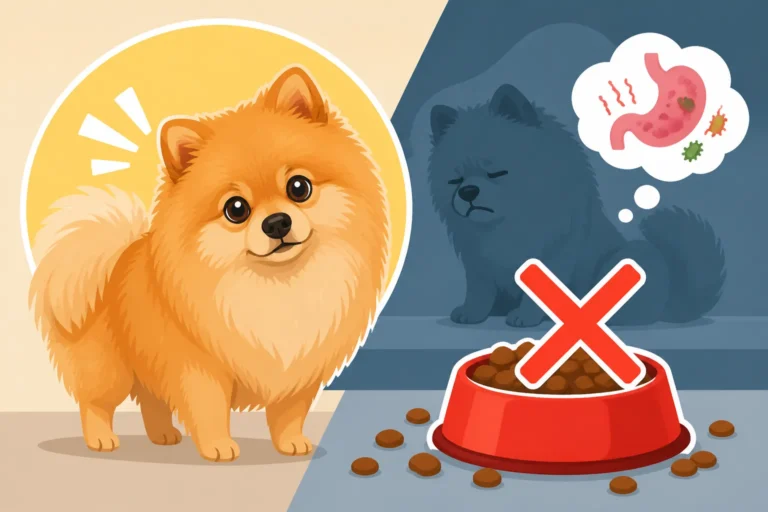
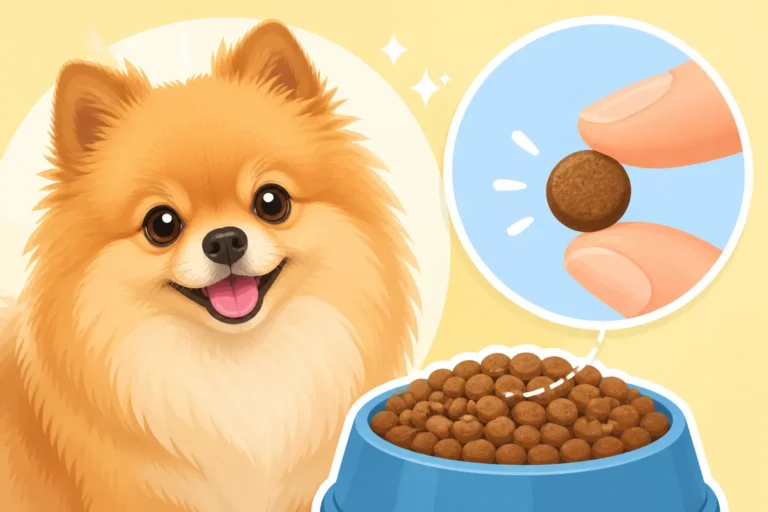
What goes into your Pomeranian's body can definitely show up in their eye health. Some Poms are sensitive to certain ingredients in their food, which can manifest as allergies, leading to itchy, watery eyes and increased discharge. Common culprits can be specific proteins like chicken or beef, or even grains. Inferior quality food, lacking in essential fatty acids, might also contribute to drier eyes or less healthy tear film, making them more susceptible to irritation. If you've noticed a sudden increase in eye gunk or staining, and you've recently changed their food or treats, that could be a major clue. Many owners find that switching to a high-quality, limited-ingredient diet, or even fresh food options like those offered by Ollie, can make a noticeable difference in reducing tear stains and discharge, though every dog is unique. The Protein a Pomeranian's Coat Needs is important, and a good diet supports overall health, including eye health.
The Right Tools for Gentle Eye Cleaning
Approaching your Pomeranian's delicate eye area requires a gentle touch and the right equipment. You don't want to use anything abrasive or harsh that could cause more irritation or even injury. Having your tools ready beforehand makes the process smoother and less stressful for both of you.
Gentle Cleaning Solutions
When it comes to cleaning solutions, less is often more. For everyday crusties, simply warm water is often enough. You can dip a soft cloth or cotton ball in warm water and gently wipe. For more persistent staining or discharge, you might consider saline solutions (like those used for contact lenses, not medicated eye drops unless prescribed by a vet) or specialized tear stain removers formulated specifically for dogs. Always choose products designed for pets, as human products can contain ingredients harmful to dogs. Many reputable brands offer gentle eye washes or pre-moistened wipes available on sites like Chewy or Amazon, which can be incredibly convenient for daily use. Always do a patch test first to ensure your Pomeranian doesn't have a reaction.
Soft Wipes and Applicators
Your choice of wiping material is just as important as the solution. Harsh towels or rough cotton balls can irritate the delicate skin and fur around your Pom's eyes. Opt for soft, lint-free materials. Cotton pads (the flat, cosmetic kind, not fluffy cotton balls that can shed fibers), soft facial tissues, or even pieces of clean, old t-shirts work wonderfully. For very small or delicate areas, a clean Q-tip can be useful, but use with extreme caution to avoid touching the eyeball itself. Always use a fresh wipe for each eye to prevent cross-contamination if there's any infection present. This small detail can make a big difference in preventing spread.
Combs for Dried Debris
Sometimes, the discharge around your Pomeranian's eyes isn't just wet and sticky; it dries into hard, crusty bits that feel almost glued to the fur. Trying to pull these off can be painful and even rip out delicate hairs. For these situations, a fine-toothed metal flea comb or a dedicated tear stain comb can be a lifesaver. These combs have very closely spaced teeth that can gently tease out dried gunk without excessive pulling. First, soften the crust with a damp cloth or warm water before attempting to comb it out. Be incredibly patient and work slowly, a few hairs at a time. This is part of Tidying a Pomeranian's Face, ensuring their comfort and cleanliness.
A Step-by-Step Guide to Cleaning Your Pomeranian's Eyes
Cleaning your Pomeranian's eyes doesn't have to be a wrestling match. With a calm demeanor, positive reinforcement, and a clear process, it can become a routine you both tolerate, and even enjoy. Consistency is key, especially if your Pom is prone to chronic staining.
Preparing Your Pomeranian and Supplies
Before you even reach for a wipe, set the scene. Choose a quiet time when your Pomeranian is relaxed, perhaps after a nap or a short walk. Gather all your supplies: your chosen cleaning solution, plenty of soft wipes or cotton pads, and a small, fine-toothed comb if needed. Have treats ready! Positive associations are everything. Gently place your Pom on a table or your lap, making sure they feel secure. Speak in a soothing voice. If they're prone to squirming, you might try having a helper hold them gently but firmly. Remember, a little preparation goes a long way in making this a low-stress experience.
The Gentle Wipe Technique
Now for the actual cleaning. Start by dampening a fresh cotton pad or wipe with warm water or your chosen cleaning solution. Gently approach your Pomeranian, perhaps stroking their head or giving a small treat first. With one hand, gently hold their chin to keep their head steady. With the other, carefully wipe from the inner corner of the eye, moving outwards, parallel to the eyelid. Be extremely careful not to touch the eyeball directly. You're aiming to lift away the discharge and soften any dried crust. Repeat this a few times, using a fresh part of the wipe or a new wipe for each pass, until the area is clean. If you're dealing with persistent tear stains, you might need to hold the damp pad against the stained area for 10-15 seconds to help loosen the staining. Then, gently wipe away. Take breaks if your Pom gets antsy.
Handling Stubborn Stains and Crud
For those truly stubborn, dried-on crusts or deep tear stains, a little extra effort might be required. After softening with a damp cloth, take your fine-toothed comb. Starting from just below the eyelid, very carefully comb downwards, away from the eye itself. Use tiny, gentle strokes, working through the fur. If you encounter a particularly stubborn piece, try to isolate the small tuft of fur it's attached to, gently hold the fur at the base near the skin, and then try to comb or pick out the debris. This prevents pulling on the skin. Never yank or force it, as you could hurt your Pom or damage their delicate fur. Remember, patience is your best friend here. For persistent tear stains, some specialized enzymatic cleaning solutions can help break down the porphyrin (the pigment in tears that causes the reddish stain), but always consult your vet before introducing new products near the eyes. Consistency with daily cleaning, as outlined in The Grooming Schedule a Pomeranian Runs On, will prevent most crud from becoming truly stubborn.
Here's a quick comparison of various eye cleaning tools:
| Tool/Solution | Best Use Case | Pros | Cons | Where to Find |
|---|---|---|---|---|
| Warm Water | Daily general cleaning, softening crusts | Safe, readily available, inexpensive | May not remove deep stains or very stubborn dried gunk | Your tap! |
| Pet Eye Wipes | Quick daily cleaning, on-the-go | Convenient, pre-moistened, often pH-balanced | Can be costly over time, some may contain ingredients not suited for all Poms | Pet stores, Chewy, Amazon |
| Saline Solution (plain) | Flushing, gentle cleaning | Sterile, mimics natural tears, non-irritating | Doesn't actively "clean" or remove stains, just helps flush | Drugstores (ensure it's plain saline for contacts, not medicated) |
| Fine-Toothed Comb | Removing dried crusts and debris | Effective for physical removal | Requires extreme caution around the eye, can pull hair if not softened first | Pet stores, Amazon |
| Soft Cotton Pads/Cloths | Applying solutions, wiping | Gentle, absorbent, readily available | Cotton balls can leave fibers, must be clean and lint-free | Drugstores, household supplies |
When to See the Vet for Eye Issues
While routine cleaning can resolve most minor eye discharge and staining, there are times when "cruddy" eyes are a sign of something more serious. As a responsible Pom parent, knowing when to stop wiping and start calling the vet is crucial. You don't want to dismiss a potentially serious problem as just "more gunk." The Eye Problems a Pomeranian Carries can be numerous and require professional attention.
Red Flags You Shouldn't Ignore
Normal eye discharge is typically clear or a very light, almost white, mucus, and it's usually minimal. If you notice any of the following symptoms, it's time to contact your veterinarian:
- Thick, colored discharge: Yellow, green, or thick white discharge almost always indicates an infection.
- Redness or inflammation: The white part of the eye (sclera) looks bloodshot, or the eyelids appear swollen and irritated.
- Excessive tearing that doesn't stop: While some overflow is normal for Poms, constant gushing could signal a blockage or severe irritation.
- Squinting, pawing at the eye, or sensitivity to light: These are signs of pain or discomfort.
- Cloudiness or visible changes to the eyeball: Any opacity, film, or change in the eye's surface requires immediate veterinary attention.
- A "foreign object" sensation: If your Pomeranian is suddenly very agitated about their eye, it might feel like there's something stuck in it.
- Lesions or ulcers: Any open sore on or around the eye.
These are not things you can simply wipe away. They need a professional diagnosis and often, medication.
Common Eye Conditions in Pomeranians
Pomeranians are predisposed to several eye conditions that can cause chronic discharge or irritation. Knowing these can help you better describe symptoms to your vet.
- Distichiasis/Ectopic Cilia: This is where eyelashes grow abnormally, often on the inside of the eyelid, and rub against the eyeball, causing constant irritation and tearing. You can't see these easily, but your vet can. The Extra Eyelashes That Rub a Pomeranian's Eye is a painful condition that often requires surgical correction.
- Entropion/Ectropion: These refer to eyelids that roll inward (entropion) or outward (ectropion), causing hair to rub the eye or leaving the eye exposed to irritants. Both can cause significant discomfort and damage.
- Dry Eye (Keratoconjunctivitis Sicca – KCS): This occurs when the tear glands don't produce enough tears, leading to a dry, irritated eye that then overcompensates with thick, mucus-like discharge. This condition is very uncomfortable and can lead to blindness if untreated. A Pomeranian Whose Eyes Stop Making Tears will need lifelong management.
- Allergies: As mentioned, environmental or food allergies can lead to chronically watery, itchy eyes.
- Glaucoma: Increased pressure within the eye, which can be very painful and lead to blindness. While often not immediately obvious, excessive tearing and pain can be subtle signs.
- Cataracts: While more common in older Poms, these can cause clouding of the lens. Clouding Eyes in a Pomeranian Past Ten is a natural part of aging for some, but can also be disease-related.
Professional Diagnosis and Treatment
When you do take your Pomeranian to the vet for eye issues, they'll perform a thorough examination. This might include:
- A full visual inspection: Looking at the eyes, eyelids, and surrounding structures.
- Schirmer Tear Test: To measure tear production, especially if dry eye is suspected.
- Fluorescein Stain Test: Applying a special dye to the eye to check for corneal ulcers or abrasions.
- Tonometry: Measuring the pressure inside the eye to rule out glaucoma.
- Examination with an ophthalmoscope: To look inside the eye at the retina and other internal structures.
Treatment will depend entirely on the diagnosis. It could range from antibiotic eye drops for an infection, lubricants for dry eye, anti-inflammatory medications for allergies, or even surgical correction for issues like entropion or distichiasis. Always follow your vet's instructions precisely and complete the full course of any prescribed medication. Self-diagnosing or treating with over-the-counter human products can do more harm than good.
Prevention is Key: Long-Term Eye Care Strategies
Keeping your Pomeranian's eyes clear and healthy goes beyond just cleaning up the mess after it's made. Proactive care can significantly reduce the frequency and severity of eye discharge and staining. It's about building good habits that contribute to their overall well-being.
Regular Grooming and Trimming
The Pomeranian's luxurious double coat is one of their most defining features, but the hair around their face can also be a source of eye irritation. Long hairs near the eyes can wick tears, trapping moisture against the skin and exacerbating staining, or even poke the eye directly. Regular grooming, especially trimming the hair around the eyes, is essential. You can gently trim these hairs yourself with blunt-nosed scissors, but if you're uncomfortable, your professional groomer can easily take care of it during a routine appointment. Many groomers offer specialized services for Tidying a Pomeranian's Face. Remember to use a fine-toothed comb to brush any loose hairs away from the eyes after trimming. Shampoo That Will Not Flatten a Pomeranian's Coat can also be used for bathing, ensuring clean fur around the face without irritation.
Diet and Hydration
A balanced, high-quality diet plays a vital role in your Pomeranian's overall health, including the health of their eyes. Look for foods with good protein sources and essential fatty acids (like Omega-3s) which support healthy skin and coat, and by extension, healthy tear production. Some owners find that certain artificial additives or low-quality ingredients can worsen tear staining. Consider a food trial if you suspect diet is a factor, gradually transitioning to a different brand or formula, perhaps one with limited ingredients. Ensuring your Pom has constant access to fresh, clean water is also crucial for overall hydration, which supports healthy bodily functions, including tear production. Dehydration can lead to drier, more irritated eyes.
Environmental Management
Creating a clean and low-irritant environment for your Pomeranian can drastically reduce eye issues.
- Dust Control: Regularly vacuum and dust your home. Use air purifiers to reduce airborne allergens and irritants.
- Avoid Irritants: Steer clear of harsh cleaning chemicals, strong air fresheners, and heavily scented candles or diffusers in areas where your Pom spends a lot of time. If you smoke, doing so away from your dog can prevent eye and respiratory irritation.
- Outdoor Awareness: On windy days, limit long exposure outdoors, or consider doggy goggles if your Pom is particularly sensitive and loves being outside. After outdoor play, a quick check and wipe of the eyes can remove any pollen or dust.
- Bedding: Ensure your Pom's bedding is clean and regularly washed to minimize dust mites and allergens.
By diligently managing these aspects, you can significantly reduce the instances of your Pomeranian's eyes getting cruddy, keeping them bright, clear, and comfortable. Regular cleaning and attention to these details can prevent minor issues from becoming major health concerns, and help you keep those beautiful eyes sparkling. For more specific advice on tackling persistent stains, you might want to read Cleaning Tear Marks From a Pomeranian's Face and Whether a Pomeranian Gets Tear Stains.
Disclaimer
This article is for general informational purposes only and does not constitute professional advice. Laws, prices and regulations vary by location and change over time. Consult a qualified professional for guidance on your specific situation.