Why a Pomeranian Should Not Have Food Left Down
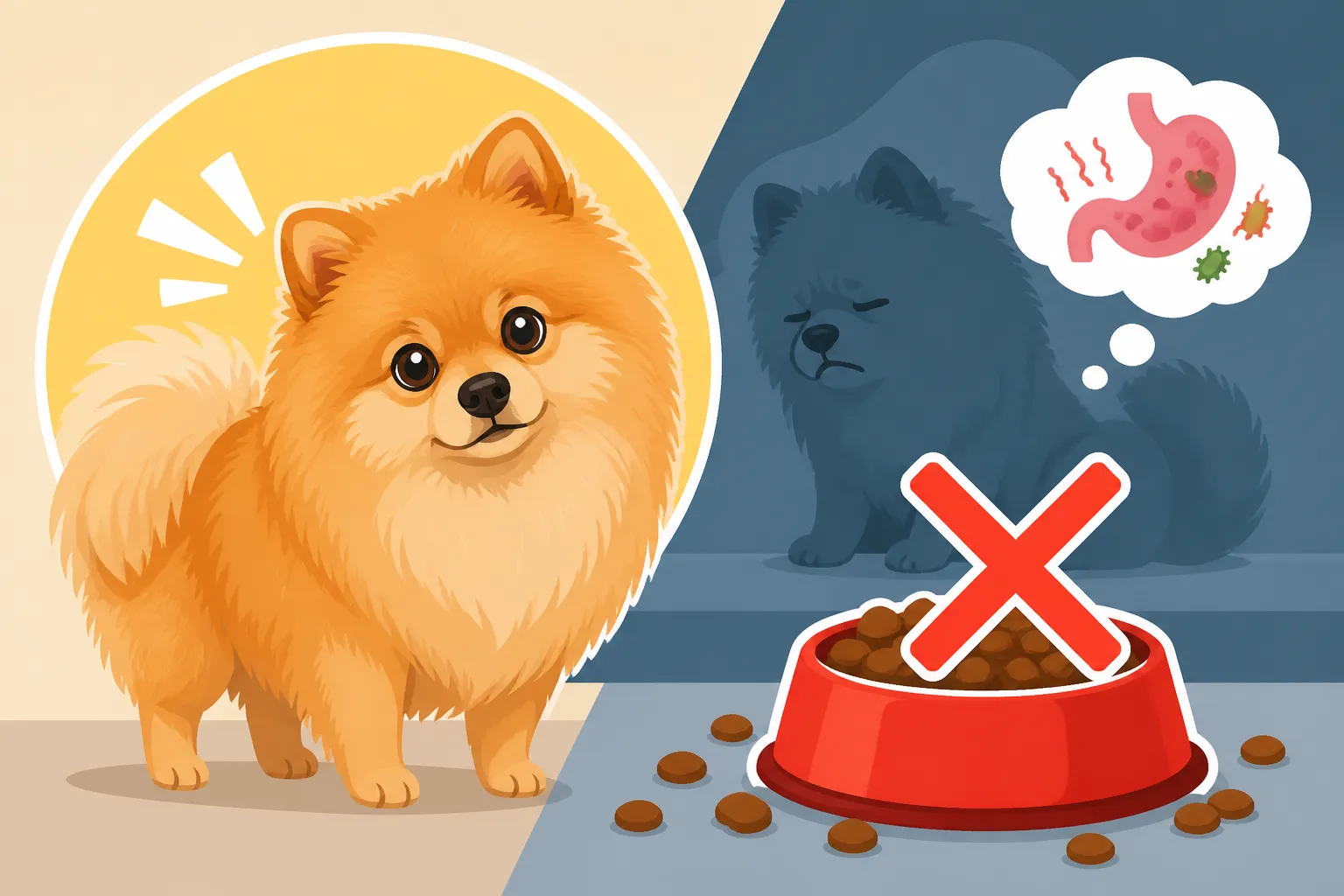
It's so tempting, isn't it? You want your little Pomeranian to always have access to food, to eat when they're hungry, or maybe you're worried they'll go without. Many of us fall into the trap of leaving food down all day, thinking we're doing our best. But for a Pomeranian, this seemingly harmless habit can actually lead to a host of health and behavioral problems. This guide will walk you through exactly why free-feeding isn't the best approach for your fluffy companion and how to establish a healthier mealtime routine.
The Hidden Risks of Free-Feeding Your Pomeranian
Leaving a bowl of kibble out constantly might seem convenient, but it can mask serious health concerns and contribute to common Pomeranian ailments. It's not just about what they eat, but when and how much.
Weight Management Challenges
Pomeranians are small dogs, and even a little extra weight can put significant strain on their tiny bodies and delicate joints. When food is always available, it's incredibly difficult to track how much your Pom is truly consuming. A handful of kibble here, a few bites there—it all adds up, often without you even realizing it. This constant grazing can easily lead to your Pomeranian becoming overweight or even obese.
Over time, this excess weight can exacerbate existing conditions like Slipping Kneecaps in a Five Pound Pomeranian or make them more susceptible to respiratory issues such as The Honking Cough of a Pomeranian's Collapsing Windpipe. It's a silent creep of extra pounds that can seriously impact their mobility, energy levels, and overall lifespan. We love our Poms round and fluffy, but there's a fine line between a healthy fluff and an unhealthy layer of fat that puts their health at risk.
Dental Health Deterioration
Pomeranians are notoriously prone to dental problems, largely due to their small mouths and crowded teeth. Dental Disease in a Mouth the Size of a Pomeranian's is a major concern, often leading to pain, infection, and even tooth loss if not properly managed. When food is left out all day, your Pomeranian is essentially snacking intermittently. Every time they eat, food particles get lodged between their tiny teeth, creating a breeding ground for bacteria.
This constant exposure to food and subsequent bacterial growth leads to a rapid buildup of plaque and tartar. Unlike scheduled meals where the mouth has time to 'reset' between feedings, free-feeding creates a continuous environment for dental decay. While dental chews can help, they are far less effective if your Pom is constantly grazing throughout the day, never giving their mouth a break. It accelerates the timeline for needing professional dental cleanings and potentially extractions.
Undiagnosed Health Issues
One of the most crucial ways we monitor our Pomeranians' health is through their eating habits. A sudden decrease in appetite or a complete refusal of food is often the very first sign that something is amiss. It could be anything from a minor upset stomach to a more serious underlying illness. If you're free-feeding, however, these critical warning signs can be completely missed.
Your Pom might pick at their food a bit less, or only eat a fraction of what they normally would, but because there's always food in the bowl, you might not notice the change until they are significantly ill. This delay in recognizing a problem can mean a delay in veterinary intervention, potentially making conditions harder to treat or progressing further than they would have otherwise. By having a set mealtime, you're better equipped to spot The First Signs a Pomeranian Is Aging or any other developing health concern immediately.
Behavioral Consequences of Unlimited Access to Food
Beyond the physical health risks, leaving food down all day can inadvertently cultivate undesirable behaviors in your Pomeranian. These behaviors, once ingrained, can be challenging to correct and impact the harmony of your home.
Resource Guarding and Aggression
Food is a high-value resource for many dogs, and Pomeranians are no exception. When a food bowl is always present, some Poms can develop resource guarding behaviors. This means they might become possessive over their food, growling, snapping, or even biting anyone (human or animal) who approaches their bowl while they're eating or even when they're just near it. It's a natural instinct to protect what's theirs, but in a home environment, it can lead to dangerous situations, especially if you have children or other pets.
This isn't necessarily a sign of a "mean" dog; it's a learned behavior born from the constant availability and perceived threat to their valuable commodity. Scheduled meals, where food is presented and then removed after a set time, teach your Pomeranian that food will always be provided, reducing the need for them to guard it frantically. It helps them understand that you control this resource, fostering trust rather than defensiveness.
Picky Eating Habits
Have you ever noticed your Pomeranian turning their nose up at their kibble, seemingly holding out for something better? This "picky eater" phenomenon is often a direct result of free-feeding. If food is always available, there's no urgency to eat. Your Pom learns that they don't have to consume their meal when it's offered because it will still be there later, or perhaps you'll eventually offer a tastier alternative. This can lead to a cycle where your Pom becomes increasingly finicky about their meals.
They might wait to see if you'll add a special topper, offer a different food altogether, or give them a human snack instead. This creates an unhealthy dynamic where the dog dictates mealtime, rather than the owner. If you're dealing with A Pomeranian That Turns Its Nose Up at Dinner, removing the constant access to food and establishing a consistent meal schedule is often the first and most effective step to encourage them to eat what's offered.
House Training Regression and Confusion
Effective house training relies heavily on routine and predictability. What goes in must come out, and if your Pomeranian's intake schedule is erratic due to free-feeding, their elimination schedule will be equally unpredictable. This makes it incredibly difficult to anticipate when your Pom will need to go outside, leading to more indoor accidents and prolonged house training efforts.
Imagine trying to potty train a puppy when you can't predict when they'll need to relieve themselves. It's a nightmare! Why House Training a Pomeranian Drags On for many owners, and inconsistent feeding is a common culprit. Scheduled meals allow you to better time potty breaks, reinforcing the connection between eating, needing to go, and going outside in the right spot. It creates a rhythm that your Pomeranian can learn and follow, making house training much smoother and more successful.
Establishing a Healthy Feeding Routine for Your Pomeranian
The good news is that transitioning to a scheduled feeding routine is entirely achievable and offers numerous benefits. It's about consistency, structure, and understanding your Pomeranian's unique needs.
Recommended Feeding Schedule
For most adult Pomeranians, two meals a day is ideal. This usually means a morning meal and an evening meal, spaced roughly 8-12 hours apart. Some smaller or very active Poms might benefit from three smaller meals a day, especially if they are particularly prone to low blood sugar or are still very young. Young puppies, in particular, need more frequent meals to prevent Blood Sugar Crashes in a Pomeranian Puppy, often eating three to four times a day until they are a bit older.
Consistency is key here. Try to feed your Pomeranian at approximately the same times each day. This helps regulate their metabolism, aids digestion, and creates a predictable rhythm for their potty schedule. Your Pomeranian thrives on routine, and knowing when their meals are coming can actually reduce anxiety and make them feel more secure. For more detailed information on puppy feeding, check out Feeding a Pomeranian Puppy Often Enough to Stay Safe.
Portion Control and Measuring
This is where the rubber meets the road. Once you establish a feeding schedule, you need to know exactly how much to feed. The guidelines on your dog food bag are a good starting point, but they are just that—guidelines. A Pomeranian's ideal weight typically falls between The Three to Seven Pounds a Pomeranian Should Hold, and their caloric needs can vary significantly based on age, activity level, and individual metabolism.
Use a precise measuring cup or, even better, a digital kitchen scale to measure their kibble. Eyeballing it is a common mistake that can easily lead to overfeeding. Adjust the portion size based on your Pomeranian's body condition. You should be able to feel their ribs easily without seeing them, and they should have a discernible waist when viewed from above. If your Pom is gaining too much weight, slightly reduce their portion, and vice-versa if they're too lean. It might surprise you How Little Food an Adult Pomeranian Needs in a day!
| Feature | Free-Feeding (Food Always Available) | Scheduled Feeding (Set Mealtimes) |
|---|---|---|
| Weight Control | Difficult to monitor intake, higher risk of obesity. | Easy to track, helps maintain ideal weight. |
| Dental Health | Constant grazing, increased plaque/tartar buildup. | Mouth gets breaks between meals, potentially better dental hygiene. |
| Health Monitoring | Hard to spot changes in appetite, delays diagnosis. | Easy to notice changes, early detection of illness. |
| House Training | Unpredictable potty schedule, more accidents. | Predictable potty schedule, aids training. |
| Behavior | Can lead to resource guarding, picky eating. | Reinforces routine, reduces guarding, promotes healthy appetite. |
| Digestion | Grazing may lead to inconsistent digestion. | Regular meals promote consistent digestion. |
| Puppy Hypoglycemia | Risky, but puppies need frequent meals (careful distinction). | Essential for managing puppy blood sugar, but needs appropriate frequency. |
Choosing the Right Food and Bowl
Selecting appropriate food is as important as the feeding schedule itself. Pomeranians generally thrive on high-quality small breed formulas designed for their size and energy needs. Look for foods with real meat as the first ingredient and avoid excessive fillers. Brands like Ollie offer fresh, human-grade food delivered to your door, which can be an excellent option for Poms, especially those with sensitivities. For kibble, many reliable brands offer formulas with small-sized pieces that are Kibble Small Enough for a Pomeranian to manage comfortably. You can find a vast selection of these on retailer sites like Chewy, allowing you to compare ingredients and prices easily.
The bowl itself matters too. Choose a shallow, sturdy bowl that won't tip over easily. Stainless steel is often recommended because it's easy to clean and doesn't harbor bacteria like some plastics can. Some Poms, especially those with a thick ruff, might benefit from slightly elevated bowls to prevent their beautiful fur from dragging in their food. This also helps with posture during eating.
Transitioning from Free-Feeding to Scheduled Meals
Making the switch from free-feeding can feel daunting, but with patience and consistency, your Pomeranian will adapt. Remember, you're doing this for their long-term health and well-being.
Gradual Changes and Patience
If your Pomeranian has been free-fed their entire life, suddenly removing the food bowl might cause stress or confusion. Start by simply putting the food down for a set amount of time at regular intervals. For example, offer breakfast for 30 minutes, then pick it up, regardless of how much was eaten. Do the same for dinner. After a few days, you can shorten that time to 15-20 minutes.
Your Pomeranian might protest by not eating at all for the first day or two. This is normal. A healthy adult Pomeranian will not starve themselves. They will eventually learn that food is only available during certain windows. Puppies, however, should not miss meals due to the risk of hypoglycemia, so their transition might need more careful supervision and perhaps a slightly longer window. Stay calm and consistent; your calm demeanor will reassure your Pom.
Handling a Reluctant Eater
When you first transition, your Pomeranian might refuse to eat during the designated meal times. This is often an attempt to "hold out" for the old routine or better food. It's crucial not to give in by leaving the food down longer or offering treats as a replacement. If your Pom doesn't eat within the 15-20 minute window, simply pick up the bowl and offer it again at the next scheduled mealtime. Don't add extra food to the next meal to compensate.
If your Pomeranian still consistently refuses to eat after a couple of days, and you've tried different food options, consult your veterinarian to rule out any underlying health issues. Sometimes, adding a small amount of warm water or a low-sodium broth to kibble can make it more enticing. However, for Getting a Pomeranian to Eat When It Refuses, the most effective method is usually simply sticking to the schedule and letting them learn that hunger dictates eating when food is available.
Incorporating Training and Enrichment
Mealtime can be more than just eating; it can be an opportunity for mental enrichment and training. Instead of just putting a bowl down, consider using puzzle feeders or slow feeder bowls. These toys make your Pomeranian work a little for their meal, stimulating their mind and slowing down their eating pace, which is great for digestion. You can find a wide variety of puzzle feeders suitable for small dogs on Amazon or Chewy.
You can also incorporate a simple training exercise before each meal. Have your Pomeranian sit or lie down and wait patiently before you place the bowl on the floor. This reinforces good manners and strengthens your bond. Using a small portion of their daily kibble as rewards for training sessions throughout the day can also be a fantastic way to engage their minds. This helps your Pomeranian see you as the provider of all good things, solidifying their respect and trust.
Special Considerations for Pomeranians
While scheduled feeding is generally beneficial, Pomeranians have unique breed characteristics that require specific attention during feeding transitions and routine establishment.
Hypoglycemia Risks in Puppies and Small Adults
This is perhaps the most critical distinction to make. While free-feeding is discouraged, young Pomeranian puppies (especially those under 4-6 months) are highly susceptible to hypoglycemia, or dangerously low blood sugar. Their tiny bodies don't store much glucose, and they burn through calories very quickly. For these little ones, missing even one meal or going too long between feedings can lead to a Blood Sugar Crashes in a Pomeranian Puppy. Symptoms can include lethargy, trembling, confusion, and even seizures.
Therefore, while you want to establish a routine, young puppies might need to eat three to four times a day, and you should monitor their intake carefully to ensure they are getting enough. Some very tiny adult Pomeranians, especially those prone to stress, can also be susceptible. For older Poms, scheduled meals help prevent overeating that can lead to obesity, which in itself can cause other health problems. Always discuss your puppy's feeding schedule with your vet to ensure you're providing enough nutrition to prevent these dangerous crashes.
Managing Multiple-Pomeranian Households
If you're lucky enough to share your home with more than one Pomeranian, scheduled feeding becomes even more important. Leaving food down for multiple dogs can quickly lead to competition, resource guarding, and difficulties in monitoring individual intake. One Pom might be a faster eater and steal food from another, leading to one dog becoming overweight and the other underweight. This also makes it impossible to tell if one dog is refusing food due to illness.
To avoid this, always feed multiple Pomeranians in separate, quiet areas. This could mean putting one in their crate, another in a different room, or using baby gates to create distinct feeding zones. This ensures each dog can eat at their own pace without feeling threatened or rushed, and you can accurately observe how much each individual is consuming. For thoughts on managing a multi-dog home, you might find Whether Two Pomeranians Are Twice the Work helpful.
Travel and Environmental Changes
Pomeranians are often avid travelers and adapt well to new environments, but maintaining their feeding routine is crucial, especially during times of change. Whether you're going on vacation, moving to a new house, or simply having a busy week with guests, try to stick to their established meal schedule as much as possible. Disruptions to routine can cause stress, which can sometimes lead to digestive upset or a temporary loss of appetite.
Pre-portioning their meals into individual baggies or containers before you leave can make feeding on the go much easier and ensure consistency. Bring their familiar food bowl and any comfort items they associate with mealtime to help them feel secure. If you're considering Whether a Pomeranian Travels Well, remember that maintaining their routine, including feeding, will greatly contribute to their comfort and sense of normalcy, making the experience more pleasant for everyone.
Disclaimer
This article is for general informational purposes only and does not constitute professional advice. Laws, prices and regulations vary by location and change over time. Consult a qualified professional for guidance on your specific situation.