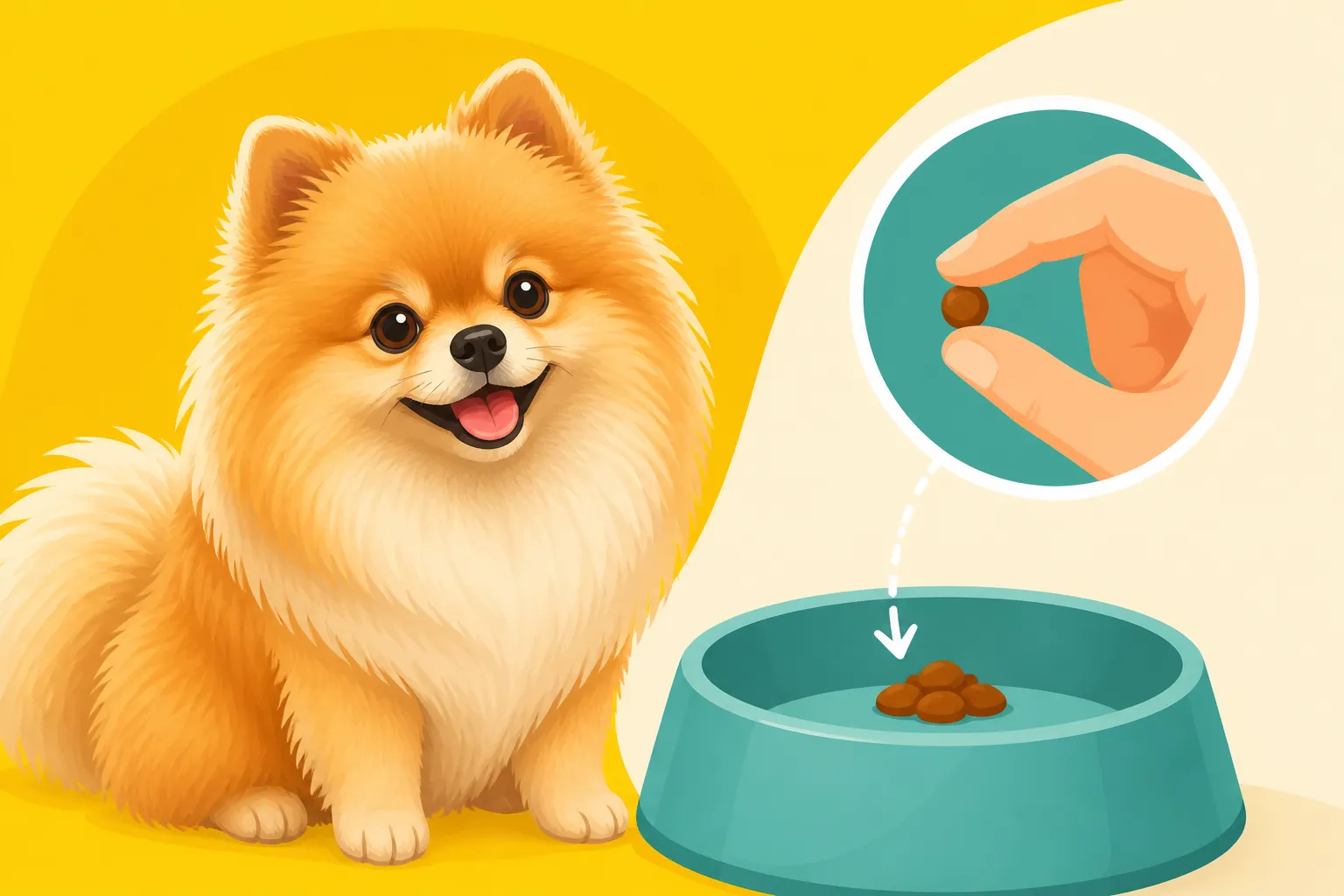
How Little Food an Adult Pomeranian Needs
One of the biggest surprises for new Pomeranian owners, or even those experienced with larger breeds, is just how little food these adorable fluffballs actually need. It’s a common frustration to stare at a tiny measuring scoop, wondering if such a minuscule amount could possibly sustain a lively, energetic dog. The truth is, due to their small stature and sometimes delicate systems, striking the right balance with their diet is absolutely crucial for their long-term health and vitality. This guide will walk you through understanding your adult Pomeranian's unique dietary requirements, helping you navigate portion sizes, food choices, and feeding routines to ensure your tiny companion thrives without being overfed or undernourished.
Understanding the Pomeranian's Unique Nutritional Needs
Pomeranians might be small, but they're packed with personality and a surprising amount of energy. This energetic nature, combined with their tiny bodies, means their metabolism can run quite high compared to a sedentary larger dog. However, their small size also makes them incredibly prone to obesity if even slightly overfed, and they have specific anatomical considerations that impact their diet.
Why Small Breed Formulas Matter for Poms
It's not just marketing hype; small breed formulas are genuinely designed with dogs like Pomeranians in mind. Their kibble pieces are significantly smaller than standard dog food, and this isn't just for convenience. A Pomeranian's mouth is tiny, and larger kibble can be difficult, if not impossible, for them to chew properly. This can lead to frustration, refusal to eat, or worse, a choking hazard.
Beyond kibble size, small breed formulas often have a different nutritional balance. They tend to be more calorie-dense, meaning a smaller volume of food provides ample energy, which is perfect for their higher metabolism. They also frequently contain ingredients that support dental health, as small breeds are notorious for dental problems, and sometimes include joint support, given their propensity for conditions like Slipping Kneecaps in a Five Pound Pomeranian. Look for foods with high-quality protein sources, healthy fats, and complex carbohydrates.
The Double-Edged Sword of a High Metabolism
Pomeranians are known for being quite active, zipping around the house and demanding attention. This level of activity generally translates to a higher metabolic rate per pound of body weight than a larger, more placid dog. They burn through calories relatively quickly, which is why they might need to eat more frequently than you'd expect for their size, even if the individual portions are tiny. Why a Pomeranian Eats Three Times a Day is a common recommendation, especially for younger or very active adults.
However, this high metabolism doesn't give owners a free pass to overfeed. Their small stomachs can only hold so much, and excess calories quickly turn into excess weight. Obesity in a Pomeranian isn't just about looking less svelte; it puts immense strain on their delicate joints, exacerbates respiratory issues like The Honking Cough of a Pomeranian's Collapsing Windpipe, and can lead to other serious health complications like diabetes. It's a delicate balance of providing enough energy without going overboard.
Calculating Daily Caloric Intake for an Adult Pomeranian
Determining the exact number of calories your Pomeranian needs isn't a one-size-fits-all answer. It depends on several individual factors, and what works for one Pom might not be quite right for another. Generic guidelines on food bags are a starting point, but personalization is key.
Factors Influencing Calorie Needs
Several variables play a critical role in how many calories your adult Pomeranian requires daily:
- Age: Younger adult Poms (1-6 years) are typically more active and may need slightly more calories than their senior counterparts. As Poms age, their metabolism often slows down, and their activity levels decrease, necessitating a reduction in caloric intake to prevent weight gain. The Year a Pomeranian Starts Needing More or, conversely, less, can vary by individual.
- Activity Level: This is huge. A Pomeranian that spends its days chasing toys, going for brisk walks, and playing with other dogs will naturally burn more calories than one that prefers napping on the sofa most of the time. Be honest about your dog's actual activity. A "couch potato" Pom needs significantly fewer calories than an "adventure dog."
- Weight and Body Condition: The ideal weight for an adult Pomeranian typically falls between three and seven pounds. However, within that range, a dog closer to seven pounds will need more food than one closer to three. More importantly, it's about their body condition – can you easily feel their ribs without seeing them? Do they have a clear waist? The Three to Seven Pounds a Pomeranian Should Hold is a helpful guideline, but visual and tactile assessment is paramount.
- Reproductive Status: Intact (not spayed or neutered) dogs generally have a slightly higher metabolic rate than altered dogs. If your Pomeranian has been spayed or neutered, their caloric needs may decrease, and you'll need to adjust their food accordingly to prevent weight gain. Whether Spaying Changes a Pomeranian's Lifespan often involves managing post-spay weight gain.
- Overall Health: Any underlying health conditions can affect a Pomeranian's caloric needs. For instance, a dog recovering from surgery might need a temporary increase in calories for healing, while one with a thyroid condition might need fewer calories or a specialized diet. Always consult your veterinarian if your Pom has health issues impacting their diet.
Estimating Calories Based on Body Weight
While a vet is the best source for precise caloric recommendations, you can use general formulas as a starting point. A common guideline is that dogs need approximately 20-30 calories per pound of ideal body weight per day for maintenance. For a Pomeranian, which often has a higher metabolism due to its breed and typical activity, this might lean towards the higher end of that range, or even slightly above, depending on individual factors.
Let's do a quick calculation. If your Pomeranian's ideal weight is 5 pounds, they might need anywhere from 100 to 150 calories per day. This doesn't sound like much, does it? That's why food selection and precise measurement are so critical. A cup of one kibble might have 350 calories, while another has 450. You need to know the caloric density of your specific food.
| Pomeranian Weight (lbs) | Low Activity (Daily Calories) | Moderate Activity (Daily Calories) | High Activity (Daily Calories) |
|---|---|---|---|
| 3 | 75-90 | 90-105 | 105-120 |
| 4 | 90-120 | 120-140 | 140-160 |
| 5 | 100-150 | 150-175 | 175-200 |
| 6 | 120-180 | 180-210 | 210-240 |
| 7 | 140-210 | 210-245 | 245-280 |
Note: These are general estimates. Always consult your veterinarian for personalized recommendations and adjust based on your dog's body condition and activity levels.
Choosing the Right Food for Your Pomeranian
The market is flooded with dog food options, and it can feel overwhelming to pick the best one for your precious Pom. Beyond just the calorie count, the quality of ingredients, the form of the food, and how it aligns with your dog's specific needs are all crucial considerations.
Quality Ingredients and Small Kibble Size
When scrutinizing dog food labels, prioritize formulas that list a high-quality animal protein (like chicken, lamb, or fish) as the first ingredient. Avoid foods with excessive fillers, artificial colors, flavors, or preservatives. Grains aren't inherently bad for most dogs, but some Poms may have sensitivities. If you're concerned about grain-free diets and heart health, discuss this with your vet. Grain Free Diets and a Pomeranian's Heart is a topic worth researching carefully.
As mentioned, kibble size is non-negotiable for Pomeranians. Look specifically for "small breed" or "toy breed" formulas. These kibbles are designed to be easily picked up and chewed by their tiny mouths, reducing the risk of choking and aiding digestion. If your Pomeranian has missing teeth or dental issues, you might even need to consider softening their kibble with a bit of warm water or opting for wet food options. Kibble Small Enough for a Pomeranian is a primary concern.
Wet Food, Fresh Food, and Supplementation
While dry kibble is convenient, wet food or fresh food options can be excellent for Pomeranians, especially those who are picky eaters, need more moisture in their diet, or have dental problems. Wet foods are often less calorically dense by volume than kibble but can be very palatable. Fresh food services, like Ollie, deliver pre-portioned, human-grade meals directly to your door, taking the guesswork out of measuring. These can be particularly beneficial for Poms with sensitive stomachs or specific dietary needs.
Supplements, like fish oil for skin and coat health or glucosamine for joint support, might be beneficial, but always introduce them under veterinary guidance. Over-supplementation can be just as harmful as deficiencies. Remember, a balanced diet should ideally provide most of what your Pom needs, but individual circumstances might warrant specific additions. Supplements That Support a Pomeranian's Skin can be a great boost for their gorgeous double coat.
Portion Control and Feeding Schedules
Getting the right amount of food into your Pomeranian is a daily act of precision. Even a slight overestimation can lead to weight creep, so exact measurements and a consistent schedule are your best friends.
Precision in Measuring Portions
Eyeballing your Pomeranian's food portion is a recipe for disaster. What looks like a small scoop to us can be a significant caloric difference for a dog weighing only a few pounds. Invest in a proper digital kitchen scale to measure food by weight (grams or ounces) rather than volume (cups), as weight is far more accurate. If you must use a measuring cup, ensure it's a standard kitchen measuring cup, not a pet food scoop, which can vary wildly in size.
Once you know the exact caloric content of your chosen food (usually listed on the bag or can), and you have your vet-recommended daily calorie target, you can calculate the precise weight of food needed. Divide this total daily amount into two or three smaller meals. For instance, if your Pom needs 150 calories a day and their food has 350 calories per cup, they need roughly 0.4 cups total per day. This might mean two meals of 0.2 cups each, which is a tiny amount! This is why a digital scale is invaluable. You can find many brands of small-breed dog food and useful measuring tools on platforms like Amazon or Chewy.
The Importance of a Consistent Schedule
Free-feeding, where food is left out all day for your dog to graze, is generally not recommended for Pomeranians. It's too easy for them to overeat, especially if you have multiple pets. Why a Pomeranian Should Not Have Food Left Down is paramount for weight management and also for monitoring their appetite, which can be an indicator of health.
Instead, establish a consistent feeding schedule, typically two to three meals per day for adult Poms. This helps regulate their metabolism, prevents them from getting overly hungry, and makes house training easier if you're on a consistent potty schedule. For example, a small breakfast, a small lunch, and a small dinner. Always pick up any uneaten food after about 15-20 minutes to prevent grazing and to gauge if your Pom is truly hungry.
| Feeding Frequency | Pros | Cons | Best For |
|---|---|---|---|
| Once Daily | Simple, fits busy schedules | Can lead to intense hunger, potential for upset stomach | Generally not recommended for Poms |
| Twice Daily | Good balance, common for adult dogs | May still be too long between meals for some small Poms | Most adult Pomeranians, helps with digestion |
| Thrice Daily | Helps maintain stable blood sugar, avoids hunger bouts | Requires more effort from owner, can be tricky with schedules | Energetic Poms, those prone to hypoglycemia or pickiness |
Navigating Treats and Training Rewards
We all love to spoil our Poms with treats, but it's crucial to remember that every calorie counts. Treats should make up no more than 10% of their total daily caloric intake. If your Pomeranian needs 150 calories a day, that means only 15 calories from treats! That's about one or two tiny training treats, not a handful of biscuits.
When training, use very small, low-calorie treats, or even pieces of their regular kibble. Break larger treats into pea-sized portions. If you're giving a lot of treats during a training session, subtract an equivalent amount of kibble from their next meal. This careful accounting is vital to prevent unintentional weight gain.
Recognizing Underfeeding and Overfeeding
Because Pomeranians are so small, even a slight imbalance in their diet can have noticeable and sometimes serious consequences. Learning to recognize the signs of both underfeeding and overfeeding is a critical part of being a responsible Pom parent.
Signs of Underfeeding
While less common than overfeeding in pampered Poms, underfeeding can occur, especially if you're overly strict with portions or if your dog has an underlying condition that increases their caloric needs without you realizing it. Watch for these signs:
- Weight Loss: This is the most obvious sign. If your Pomeranian is losing weight or fails to gain weight as a puppy, it's a red flag. Track their weight weekly on a baby scale.
- Prominent Ribs/Spine/Hip Bones: Unlike a healthy Pomeranian where you can feel the ribs but not see them, an underfed Pom will have visible bony protrusions, especially under their dense coat. Finding a Pomeranian's Ribs Through the Coat takes practice, but it's a vital skill.
- Low Energy/Lethargy: While Poms are generally energetic, an underfed dog may seem unusually tired, listless, or uninterested in play.
- Poor Coat Condition: A dull, dry, or excessively shedding coat can sometimes indicate nutritional deficiencies, though other health issues can also cause this.
- Excessive Hunger: Your Pom might constantly beg for food, try to steal food, or seem ravenous at meal times.
If you suspect your Pomeranian is underfed, consult your vet immediately to rule out any medical conditions and adjust their diet appropriately.
Signs of Overfeeding and Its Consequences
Overfeeding is a far more common issue with Pomeranians, often stemming from owners mistakenly believing their tiny dogs need more food than they do, or from too many treats. The consequences can be significant:
- Weight Gain/Obesity: This is the most prevalent sign. Your Pom might look rounder, their waistline disappears, and it becomes harder to feel their ribs. Whether an Eight Pound Pomeranian Is Overweight is a common question, and generally, if they are significantly over their breed standard, they are.
- Lethargy/Reduced Activity: An overweight Pom might be less inclined to play, go for walks, or even move around the house, creating a vicious cycle where less activity leads to more weight gain.
- Difficulty Breathing: Excess weight puts pressure on the respiratory system, potentially worsening conditions like tracheal collapse. Why an Overweight Pomeranian Struggles to Breathe can be a serious concern.
- Joint Problems: The extra strain on their small joints can lead to or exacerbate luxating patellas and other orthopedic issues.
- Other Health Issues: Obesity is a risk factor for diabetes, heart disease, certain cancers, and can even complicate anesthesia during necessary procedures like a dental cleaning.
If your Pom is overweight, don't try drastic dieting on your own. Work with your veterinarian to create a safe and effective weight loss plan. This usually involves a gradual reduction in calories, a switch to a lower-calorie, high-fiber food, and an increase in safe, appropriate exercise. Taking Half a Pound Off a Pomeranian Safely requires patience and vet guidance.
Special Dietary Considerations for Pomeranians
While the core principles of feeding remain consistent, certain life stages or specific situations might require adjustments to your Pomeranian's diet.
Managing Senior Pomeranian Diets
As Pomeranians age, their nutritional needs shift. Their metabolism slows, activity levels often decrease, and they may develop age-related health issues like dental problems, kidney disease, or arthritis. Feeding an Old Pomeranian With Few Teeth can be a major challenge.
For senior Poms (typically around 8-10 years and older, though it varies):
- Reduced Calories: Many senior dogs need fewer calories than when they were younger to prevent weight gain, even if they eat the same amount of food.
- Easier to Chew Foods: If dental disease is present, Softening Food for a Senior Pomeranian or switching to wet food becomes crucial.
- Joint Support: Supplements like glucosamine and chondroitin can be beneficial for arthritic joints. Some senior formulas incorporate these directly.
- Kidney-Friendly Options: If kidney function is declining, your vet might recommend a prescription diet lower in phosphorus and protein.
- Increased Fiber: Some senior dogs experience constipation, and a diet with appropriate fiber can help.
Regular vet check-ups are especially important for senior Pomeranians to monitor their health and adjust their diet as needed. The Checkup Schedule a Pomeranian Should Keep will often include discussions about diet as they age.
The Role of Dental Chews and Regular Brushing
Pomeranians are highly susceptible to dental disease, which can start as early as two or three years old. Their tiny, crowded mouths are a perfect breeding ground for plaque and tartar. While diet plays a role, it's not a substitute for active dental care.
Dental chews can help reduce plaque, but they are not a replacement for daily brushing. Choose dental chews specifically designed for toy breeds to ensure they are appropriately sized and don't pose a choking hazard. Always supervise your Pom while they're chewing.
The single most effective thing you can do for your Pomeranian's dental health is to brush their teeth daily with a pet-specific toothpaste. This is a topic so important, it deserves its own deep dive: Daily Tooth Care in a Pomeranian's Crowded Mouth. Even with the best home care, most Pomeranians will still require professional dental cleanings under anesthesia throughout their lives.
Staying Hydrated: Water is Essential
Last but not least, never underestimate the importance of fresh water. Pomeranians, like all dogs, need constant access to clean, fresh water. Dehydration can lead to numerous health problems, from kidney issues to heatstroke. Ensure their water bowl is always full and clean, and consider a ceramic or stainless steel bowl to keep water cooler and prevent bacterial buildup. Some Poms might be encouraged to drink more if you add a tiny splash of low-sodium chicken broth to their water, or if you use a pet fountain. Even though they are small, How Little Water a Pomeranian Actually Drinks can still be surprising, but it's vital for their health.
This article is for general informational purposes only and does not constitute professional advice. Laws, prices and regulations vary by location and change over time. Consult a qualified professional for guidance on your specific situation.