Why a Pomeranian Eats Three Times a Day
It's a common dilemma for Pomeranian parents: you've got this tiny, energetic fluffball, and you're constantly wondering if you're feeding them enough, or too much, and how often. The truth is, a Pomeranian isn't just a small dog; they have a unique metabolism that often demands more frequent meals than larger breeds. This comprehensive guide will explain exactly why feeding your beloved Pom three times a day, or even more for puppies, is often the best approach to keep them healthy, happy, and full of that famous Pom sparkle.
The Unique Nutritional Demands of a Pomeranian
Pomeranians, with their compact size and vibrant personalities, are more than just aesthetically pleasing. Their small stature dictates a very specific set of nutritional needs, largely revolving around their accelerated metabolism. If you've ever felt like your tiny Pom is a perpetual motion machine, you're not wrong – that high energy comes with a significant caloric burn.
Why Small Breeds Burn Calories Faster
It might seem counterintuitive, but smaller dogs like Pomeranians actually burn calories at a much higher rate per pound of body weight than their larger canine counterparts. This phenomenon is rooted in basic physics and physiology. They have a larger surface area to volume ratio, meaning they lose heat more quickly and must expend more energy to maintain their core body temperature. Think about it: a small teacup cooling down versus a large thermos. The teacup cools much faster.
Beyond simply regulating temperature, Poms also tend to have higher heart rates and faster metabolisms overall. This means their internal engines are constantly running at a quicker pace, demanding a steady supply of fuel. They process food more rapidly, extracting energy quickly, which then gets used up just as swiftly. This isn't just about boundless energy for play; it's a fundamental aspect of their biology that impacts how they utilize nutrients and maintain vital functions.
Preventing Hypoglycemia in Pomeranians
One of the most critical reasons for frequent feeding in Pomeranians, particularly in puppies but sometimes even in adults, is the prevention of hypoglycemia. Hypoglycemia is a dangerously low blood sugar level, and it can strike a small breed dog with alarming speed if they go too long without food. Their tiny bodies don't have large reserves of glycogen (stored glucose) in their liver, which larger dogs can tap into during periods of fasting.
When a Pomeranian's blood sugar drops, you might first notice lethargy, weakness, or a wobbly gait. In severe cases, they can collapse, have seizures, or even fall into a coma. It’s a terrifying experience for any owner to witness. By feeding your Pomeranian three times a day, you're essentially providing a continuous, gentle stream of glucose to their system, stabilizing their blood sugar levels and significantly reducing the risk of these sudden, life-threatening drops. This consistent fuel ensures their brain and body have the energy they need to function properly throughout the day. It's truly a cornerstone of responsible Pomeranian care. If you ever see signs of this, it's an emergency; learn to recognize it with Recognizing a Hypoglycemic Pomeranian.
The Critical Role of Frequent Meals for Pomeranian Puppies
The puppy stage is perhaps the most vulnerable time for a Pomeranian regarding their feeding schedule. These tiny bundles of joy are growing at an incredible rate, and their underdeveloped systems require diligent attention to their nutritional intake.
The Vulnerability of Pomeranian Puppies
Imagine a human infant who needs to eat every few hours, and you're close to understanding a Pomeranian puppy's needs. Their miniature stomachs can only hold a small amount of food at any given time, meaning they can't consume enough calories in one sitting to last them for many hours. This, combined with their rapid growth and still-developing metabolic regulation, makes them highly susceptible to hypoglycemia.
A Pomeranian puppy simply doesn't have the physiological buffer to cope with long stretches without food. A missed meal or an extended gap between feedings can quickly deplete their limited glucose reserves, leading to a blood sugar crash. Owners often recount stories of their lively puppy suddenly becoming unresponsive, almost like a ragdoll. It's not uncommon for a puppy to go from playful to dangerously low in just a few hours. Ensuring they receive small, frequent meals throughout the day is the most effective way to keep their blood sugar stable, fueling their growth and protecting them during this fragile stage of life. If you're wondering Whether a Pomeranian Puppy Can Skip a Meal, the answer is almost always a resounding no.
Transitioning from Puppy to Adult Feeding Schedules
While puppies often need to eat even more frequently than three times a day – sometimes four to five small meals for very young or tiny pups – there comes a time for a gradual transition. Around six to eight months of age, most Pomeranians begin to mature, and their growth rate starts to slow. This is when you can typically start to reduce the number of meals, slowly moving towards a stable three-times-a-day schedule.
This transition shouldn't be abrupt. Instead, slowly increase the portion size of the three main meals while phasing out a smaller, mid-day snack. Observe your puppy closely during this time: Are they maintaining their energy levels? Is their weight stable? Are there any signs of lethargy or weakness between meals? Every Pomeranian is an individual, and some might take a little longer to adjust, or might even benefit from an extra small snack in the late afternoon well into their first year. Your vet can provide guidance on the best timing and portioning as your particular Pom grows and changes. For more insights on this critical period, consider reading The Age a Pomeranian Outgrows Sugar Crashes.
Why Adult Pomeranians Thrive on a Three-Meal Schedule
While the risk of severe hypoglycemia diminishes as a Pomeranian matures, the benefits of a three-meal-a-day schedule extend well into adulthood. It's not just about survival; it's about optimal health, energy, and digestive comfort for these sensitive little dogs.
Stabilizing Blood Sugar and Energy Levels
Even adult Pomeranians, with their fast metabolisms, can experience subtle dips in blood sugar if meals are too far apart. While these dips might not be as dramatic or dangerous as a puppy's hypoglycemic crash, they can still manifest as a noticeable slump in energy, irritability, or an increased tendency to "beg" for food. Imagine how you feel when you've skipped lunch – a bit sluggish, maybe a headache? Your Pom feels something similar.
By dividing their daily caloric intake into three smaller, more frequent meals, you ensure a much more stable glucose supply to their brain and muscles throughout the day. This leads to more consistent energy levels, better mood regulation, and a generally happier, more settled dog. They won't experience those peaks and valleys that can come with one or two large meals, helping them maintain that characteristic Pom zest for life from morning until night. It's a proactive approach to their metabolic well-being.
Managing Weight and Digestion
For adult Pomeranians, three meals a day can be a powerful tool for both weight management and digestive health. Because Poms are so small, even a few ounces can make a big difference in their overall body condition. It's surprisingly easy for a tiny dog to become overweight, especially if they're being fed large, infrequent meals which can lead to overeating out of extreme hunger. The Three to Seven Pounds a Pomeranian Should Hold is a common guideline, and hitting that target requires careful feeding.
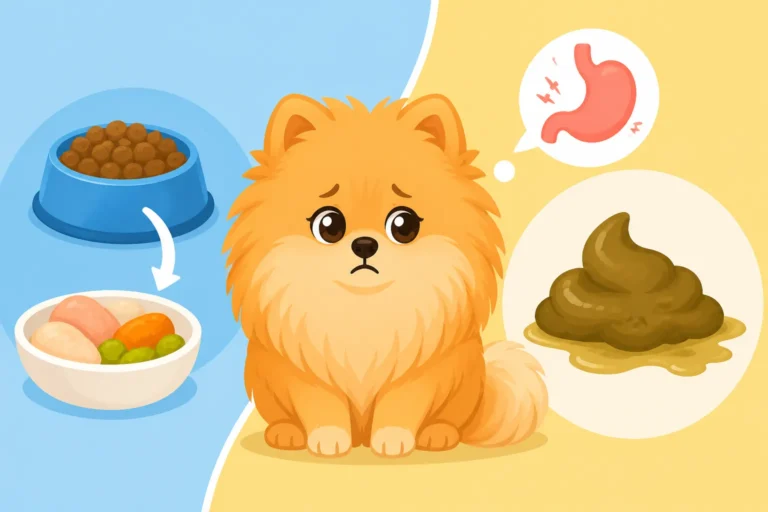
Spreading out their food helps keep them feeling satisfied and less prone to scavenging or demanding extra treats. It also allows their small digestive systems to process food more efficiently. Large meals can sometimes overwhelm their delicate stomachs, potentially leading to discomfort, gas, or even vomiting in some sensitive individuals. Smaller, more frequent portions are easier for their bodies to break down and absorb, ensuring they get the most nutrients from their food and experience smoother digestion. This consistent feeding rhythm can be a game-changer for Poms with sensitive tummies or those prone to weight fluctuations.
Customizing Your Pomeranian's Feeding Routine
While three meals a day is an excellent general guideline for adult Pomeranians, it's crucial to remember that every dog is an individual. What works perfectly for one Pom might need a slight tweak for another. Personalization is key to optimal care.
Factors Influencing Feeding Frequency
Several factors can influence the ideal feeding frequency and portion sizes for your Pomeranian. Age, for instance, is paramount. We've already discussed puppies needing more, but senior Pomeranians, especially those with Softening Kibble for a Pomeranian With Few Teeth or specific health conditions, might also benefit from increased meal frequency with smaller, easily digestible portions. Their metabolism can slow, but their ability to process large amounts of food might also decrease.
Activity level plays a huge role. A highly active Pom who accompanies you on daily adventures or engages in dog sports will burn more calories than a contented lap dog. Health conditions such as diabetes, certain types of liver disease, or even recovery from surgery can necessitate more precise and frequent feeding schedules, often advised directly by your veterinarian. Even environmental factors like extreme heat or cold might subtly alter their energy needs. Always consider your dog's individual circumstances and consult with your vet to fine-tune their diet.
Practical Tips for a Three-Meal Schedule
Implementing a three-meal-a-day schedule doesn't have to be complicated, even for busy households. Consistency is the most important thing. Try to feed them at roughly the same times each day – perhaps breakfast around your own, a mid-day meal, and dinner in the evening. This helps regulate their metabolism and digestive system.
If you work outside the home, consider using an automatic feeder that dispenses a pre-portioned mid-day meal. These are readily available on platforms like Amazon and can be programmed to release food at a specific time. For food choices, whether you opt for high-quality dry kibble, wet food, or fresh food diets like those offered by Ollie, ensure it's specifically formulated for small breeds to meet their unique nutritional needs. How Little Food an Adult Pomeranian Needs is often surprising, so always measure carefully. Many owners find it helpful to order their dog food online from retailers like Chewy, ensuring they always have the right small-breed formula on hand without a last-minute dash to the store.
| Meal | Time (Example) | Purpose | Notes |
|---|---|---|---|
| Breakfast | 7:00 – 8:00 AM | Kickstarts metabolism, provides morning energy | Essential after an overnight fast, helps prevent morning lethargy and ensures stable blood sugar to start the day. |
| Lunch/Mid-day | 12:00 PM – 2:00 PM | Sustains energy, prevents blood sugar dips | Crucial for Poms; keeps their fast metabolism fueled and avoids long gaps between meals. Can be managed with an automatic feeder if you're not home. |
| Dinner | 5:00 PM – 7:00 PM | Replenishes energy, provides nutrition for the evening | Last meal before bed, ensuring they have enough energy and nutrients overnight. Avoid feeding too late, which can disrupt sleep. |
Debunking Common Pomeranian Feeding Myths
There are quite a few misconceptions out there about feeding small dogs, and Pomeranians often get caught up in them. Clearing up these myths can help ensure your Pom is on the right path to a healthy and well-fed life.
Free-Feeding vs. Scheduled Meals
One of the most pervasive myths, especially with small breeds, is that free-feeding (leaving food out all day for the dog to graze on) is acceptable, or even preferable. The thought is often, "They're so tiny, they'll just eat what they need." While some dogs can self-regulate, for many Pomeranians, free-feeding can lead to a host of problems.
First, it makes it nearly impossible to monitor their actual intake. Is your Pom eating enough to prevent hypoglycemia? Or too much, leading to weight gain? With food always available, you lose that crucial oversight. Second, free-feeding can encourage picky eating habits. If food is constantly there, it loses its value, and your Pom might become less enthusiastic about mealtime. Third, it can complicate house-training, as there's no predictable schedule for when they'll need to relieve themselves. Scheduled meals provide structure, allow you to control portions, and foster a healthier relationship with food. It ensures they eat when they should and helps you gauge their appetite, which is a key indicator of their overall health.
Overfeeding and Underfeeding Dangers
Both overfeeding and underfeeding pose significant risks to a Pomeranian's health. Underfeeding, as we've discussed, carries the immediate danger of hypoglycemia, especially in puppies. But chronic underfeeding, even subtle, can lead to nutrient deficiencies, poor coat quality, low energy, and a compromised immune system. Pomeranians already exist in a delicate balance, and not providing adequate calories and nutrients can have far-reaching health consequences.
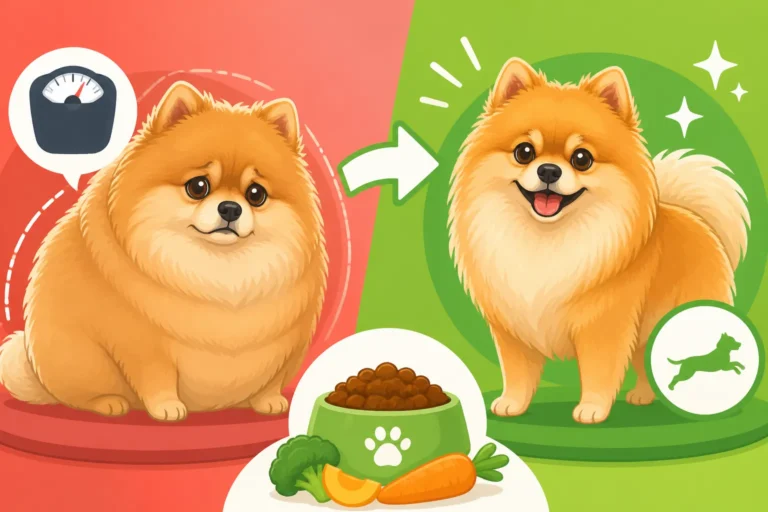
On the flip side, overfeeding is a silent danger that can slowly chip away at your Pom's well-being. Because they are so small, even a few extra kibbles or too many treats can quickly add up to significant weight gain. An overweight Pomeranian is at a much higher risk for a range of health issues, including Why an Overweight Pomeranian Struggles to Breathe, exacerbating conditions like collapsing trachea, placing undue stress on their delicate joints (like their knees, prone to luxating patellas), and increasing their risk for diabetes. It can also reduce their overall lifespan and quality of life. Owners often struggle with understanding How Little Food an Adult Pomeranian Needs to maintain a healthy weight. The key is precise measurement, monitoring their body condition (you should be able to lightly feel their ribs, not see them), and adjusting portions as needed based on their activity and age.
Practical Strategies for Implementing a Three-Meal Plan
Making the switch to a three-meal-a-day schedule for your Pomeranian doesn't have to be a major overhaul. With a little planning and consistency, you can easily integrate this beneficial routine into your daily life, ensuring your little companion thrives.
Creating a Consistent Schedule
The cornerstone of any successful feeding plan is consistency. Dogs are creatures of habit, and Pomeranians especially benefit from a predictable routine. Try to pick three times during the day that you can realistically stick to, even on weekends. For example, you might aim for breakfast around 7:30 AM, lunch at 1:00 PM, and dinner at 6:30 PM. These times don't have to be exact to the minute, but aiming for a 30-minute window will help regulate your Pom's digestion and metabolism.
Once you establish this rhythm, your Pomeranian's body will learn to expect food at these intervals, which helps prevent extreme hunger and stabilizes blood sugar. This predictability also aids in house-training, as a consistent feeding schedule often leads to a more consistent potty schedule. Think of it as setting an internal clock for your dog; they'll feel more secure and less anxious when they know when their next meal is coming.
Choosing the Right Food and Portions
Selecting the right food is just as important as the feeding frequency. Always opt for a high-quality dog food specifically formulated for small breeds. These formulas typically have smaller kibble sizes, which are easier for a Pomeranian's tiny mouth to chew and digest, and they are balanced to meet the higher metabolic needs of small dogs. Whether you choose dry kibble, wet food, or a fresh food diet, read the ingredient list carefully and ensure meat is the primary ingredient.
Portion control is absolutely critical for Pomeranians. Even a small handful of extra kibble can represent a significant percentage of their daily caloric intake. Use a measuring cup every single time you feed them. Don't eyeball it! The feeding guidelines on dog food bags are a good starting point, but remember these are general recommendations. Your Pomeranian's ideal portion will depend on their age, activity level, and individual metabolism. You might find great small-breed options available on Chewy, offering convenience and variety. Monitor their weight and body condition regularly; if they're gaining or losing too much, adjust their portions slightly up or down. Your vet can also provide personalized recommendations for daily caloric intake and optimal food choices. The good news is that The Small Monthly Food Bill a Pomeranian Runs is often quite manageable, allowing you to invest in high-quality options.
Incorporating Snacks and Treats Wisely
Even with three meals a day, most Pomeranian owners like to give treats. And that's perfectly fine! Treats can be excellent for training, enrichment, or just showing affection. However, they must be incorporated wisely into your Pom's overall caloric intake to avoid accidental overfeeding.
First, choose treats that are appropriately sized for a tiny mouth. Small, soft training treats that can be easily broken into even smaller pieces are ideal. Second, consider the caloric density of treats. Many commercial treats are surprisingly high in calories. Look for low-calorie options or even use pieces of their regular kibble for training rewards. If your Pomeranian is getting a significant number of treats during the day, remember to slightly reduce the portion size of their regular meals to compensate. Companies like Ollie often provide nutrient-dense, easily digestible options if you're looking for fresh food treats. This balance ensures your Pom enjoys their treats without impacting their healthy weight or nutritional balance.
Disclaimer
This article is for general informational purposes only and does not constitute professional advice. Laws, prices and regulations vary by location and change over time. Consult a qualified professional for guidance on your specific situation.