Whether an Old Pomeranian Needs More Grooming
As your beloved Pomeranian enters their golden years, many owners wonder if their grooming routine needs a complete overhaul. It's a valid concern, as our senior Poms aren't always as spry as they once were, and their beautiful double coats, delicate skin, and even their temperament can start to change. This guide will help you understand the evolving grooming needs of an older Pomeranian, ensuring they stay comfortable, healthy, and looking their best, even with the added challenges that come with age.
The Evolving Pomeranian Coat: From Fluffy to Fragile
The hallmark of a Pomeranian is undoubtedly their magnificent double coat – a plush undercoat and long, straight guard hairs. While this coat is usually a joy to behold, age can bring about significant changes that directly impact how you approach grooming. It's not always about more grooming, but often different grooming.
Thinning, Softening, and Patchy Loss
One of the most common changes you'll notice in an old Pomeranian's coat is a general thinning, especially in areas like the hindquarters or flanks. The vibrant, dense undercoat that once made them look like a little puffball might start to soften, become sparser, or even disappear in patches. This isn't always a sign of disease; sometimes it's just a natural part of aging, akin to our own hair thinning. This softer, thinner coat can feel different to the touch and might be more prone to tangling because it loses some of its natural structure and resilience. You might notice the underlying skin becoming more visible, which means it needs extra protection and attention. It’s also important to differentiate this natural thinning from more serious issues like The Age a Pomeranian's Coat Starts to Thin or even conditions like Alopecia X.
The softening of the coat means that while it might not seem as thick, it can still knot easily. The texture itself might become finer, almost wispy, especially around the ears, legs, and tail. Imagine trying to brush very fine human hair – it snags and tangles with little provocation. The robust "stand off" quality of their younger coat often diminishes, leading to a flatter appearance. This requires a gentler approach to brushing and bathing, as their skin beneath might also be more sensitive.
Increased Matting and Skin Sensitivity
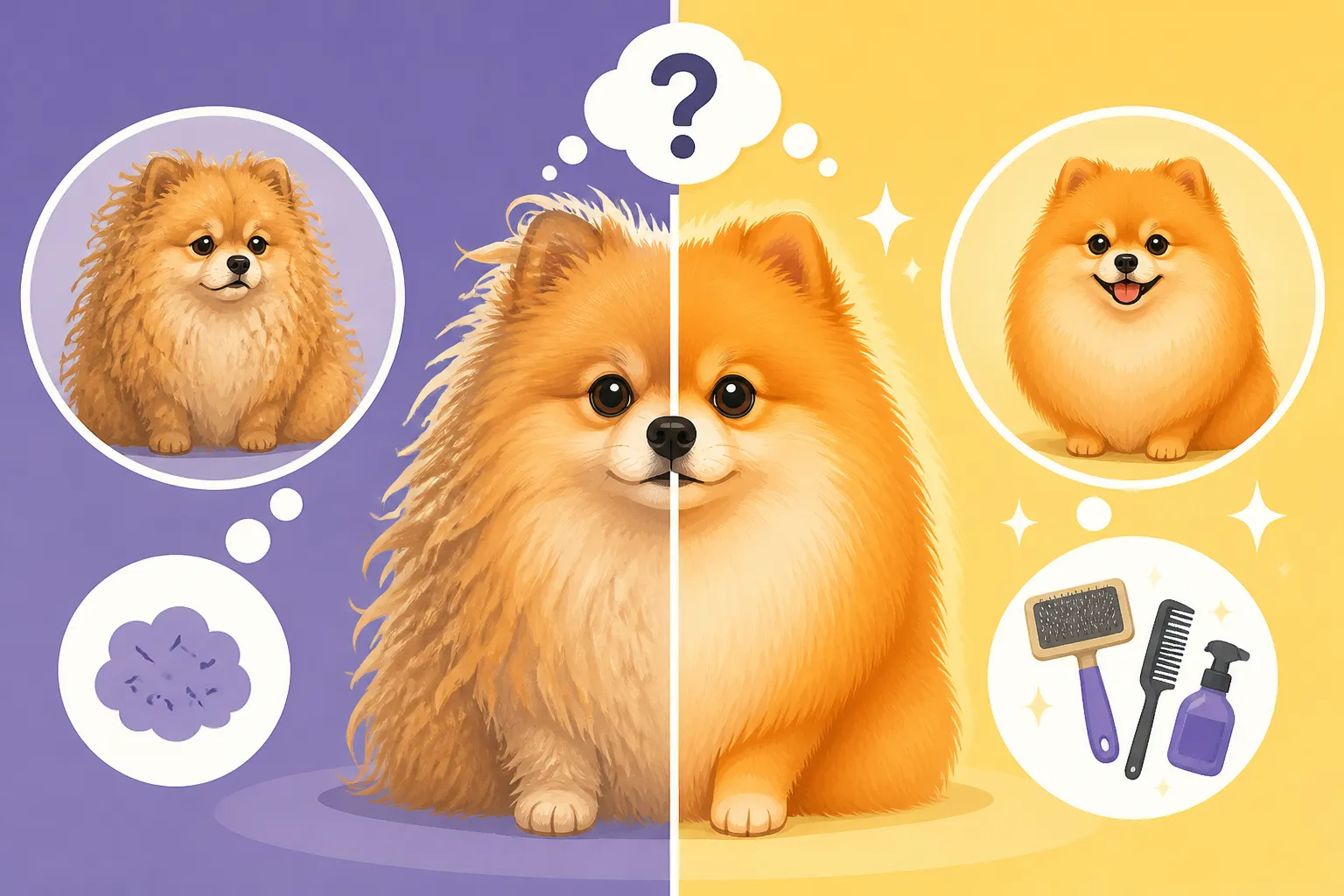
Paradoxically, even with thinning hair, older Pomeranians can be more prone to matting. The softer texture, combined with decreased activity levels or changes in how they lie down, can create prime conditions for knots and mats to form, particularly in friction areas like behind the ears, under the armpits, and in the "britches" area around their rear. These mats aren't just cosmetic; they can pull on the skin, causing pain, irritation, and even skin infections if left untended.
Furthermore, a senior Pomeranian's skin often becomes thinner, drier, and more delicate. They might develop age spots, benign growths (which should always be checked by a vet), or simply be more susceptible to bruising or irritation from vigorous brushing. Any underlying health conditions, like thyroid issues or allergies, can also manifest as skin problems. This heightened sensitivity means you need to be extra vigilant about checking their skin during grooming, using hypoallergenic, moisturizing shampoos, and employing brushes with soft bristles. It's a delicate balance: you need to ensure regular grooming to prevent mats, but you also need to be incredibly gentle to avoid causing discomfort or injury.
Fading Colors and Texture Changes
Beyond thinning, you might notice changes in your Pomeranian's coat color. What was once a vibrant orange might fade to a softer cream, a rich black could develop silvery strands, or a deep sable might lighten significantly. These color changes are completely normal as pigments lessen with age. While they don't impact the practical grooming needs, they are a visual reminder that your pup is maturing and may require a more thoughtful approach to their care.
Sometimes, the coat's texture can also become coarser in certain areas, even as it thins in others. This uneven texture can make brushing a little more challenging, as different parts of the coat respond differently to the brush. You might find you need to use a wider variety of grooming tools or techniques to properly manage all areas of their evolving coat. Regularly inspecting their entire body, not just for mats, but for any new lumps, bumps, or areas of irritation, becomes even more crucial in their later years.
Navigating Physical Challenges During Grooming
Grooming isn't just about the coat; it's about the entire dog. As Pomeranians age, they often face physical limitations that make traditional grooming positions or prolonged sessions uncomfortable or even painful. Understanding and accommodating these changes is paramount to a stress-free experience for both of you.
Mobility and Comfort for Arthritic Joints
Many senior Pomeranians develop arthritis or other joint issues, such as Arthritis in a Pomeranian at Ten or Slipping Kneecaps in a Five Pound Pomeranian. Getting them to stand still for extended periods, especially on a grooming table, can be challenging. They might resist having their legs manipulated for brushing or nail trims, or struggle with the vibration of clippers. What was once a minor inconvenience can become a source of significant pain and anxiety.
To help, consider grooming your Pomeranian on a soft, non-slip surface, like a thick mat on the floor, or even Beds an Old Pomeranian Can Climb Into. Support their body gently, avoid twisting their limbs, and take frequent breaks. If you usually groom on a table, invest in a good quality grooming arm with a comfortable sling, or a ramp to help them get on and off without jumping. The goal is to minimize discomfort and make the experience as positive as possible. Gentle massage before and after grooming might even help ease some of their stiffness.
Vision and Hearing Impairments
Just like people, older Pomeranians can experience a decline in their sight and hearing. They might not see you approaching with a brush, or react startled to the sound of clippers if they didn't hear you turn them on. This can lead to increased anxiety and make them more prone to nipping out of fear rather than aggression. You might notice them bumping into furniture more often, or being slow to react to their name. Clouding Eyes in a Pomeranian Past Ten is a common age-related change.
When grooming a Pom with sensory impairments, always approach them slowly and speak to them in a calm, reassuring voice. Let them sniff the grooming tools before you use them. Instead of startling them with a sudden sound, allow them to feel the vibration of clpper on a less sensitive part of their body first, like their hip, before moving to more delicate areas. Maintaining a consistent grooming routine and environment can also help them feel more secure. Patience is truly a virtue here.
The Importance of Shorter, More Frequent Sessions
The days of a single, marathon grooming session might be over for your senior Pomeranian. Their stamina decreases, their attention span shortens, and remaining in one position for too long can become uncomfortable. Instead of trying to get everything done at once, break grooming down into shorter, more frequent sessions.
Perhaps you do brushing one day, nails the next, and a sanitary trim on another. This approach reduces stress, makes the tasks more manageable for both of you, and prevents your Pom from associating grooming with prolonged discomfort. Even if it means brushing for just 5-10 minutes a day, consistency will prevent mats and keep their coat in better condition. Brushing an Old Pomeranian Lying Down might be a necessary adaptation for their comfort. Remember, a clean, mat-free coat is essential for their overall well-being and helps prevent skin issues, which can be even harder to treat in older dogs.
Special Skin and Nail Care for Senior Poms
Beyond the coat, an aging Pomeranian's skin and nails have unique needs that demand attention during grooming. These are areas where neglect can lead to significant discomfort and health issues.
Dry Skin, Lumps, and Bumps
As mentioned, senior Poms often have drier, more delicate skin. This can lead to flakiness, itchiness, and increased susceptibility to irritation. During your grooming sessions, it's vital to carefully examine their skin for any changes. Look for new lumps, bumps, moles, or areas of redness and inflammation. While many growths are benign lipomas, any new or changing lump should be pointed out to your veterinarian immediately.
Using a gentle, moisturizing shampoo designed for sensitive skin is crucial during baths. You might even consider a leave-in conditioner or a skin-soothing spray, readily available at retailers like Chewy or Amazon, to help combat dryness between baths. Omega fatty acid supplements can also support skin health from the inside out. When you brush, part the hair regularly and visually inspect the skin, feeling gently for anything out of the ordinary.
Nail Overgrowth and Thickening
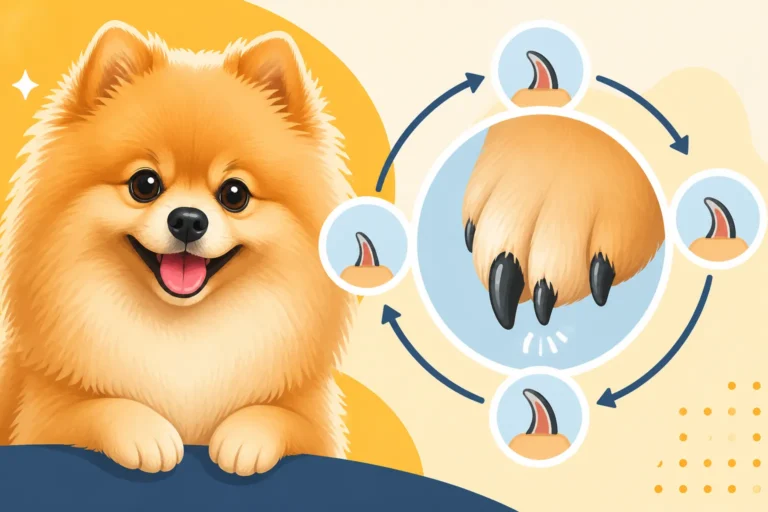
Older Pomeranians often become less active, which means their nails don't wear down naturally as much as they once did. This can lead to overgrowth, where the nails become too long, making it difficult for them to walk properly, putting strain on their paw joints, and potentially even growing into their paw pads, causing painful infections. Additionally, senior dog nails can sometimes become thicker and harder, making them more challenging to trim.
Regular nail trims are non-negotiable for senior Poms. If their nails are very thick, a Dremel tool might be more comfortable and effective than clippers, as it grinds them down gradually. If you're uncomfortable doing it yourself, don't hesitate to visit a professional groomer or your vet's office for regular trims. The goal is to keep them short enough that they don't touch the ground when your Pomeranian is standing. This might require more frequent trims than you were used to in their younger years. Don't forget their dewclaws, which never touch the ground and can grow long and curl into the leg if neglected.
Maintaining Hygiene with Incontinence or Reduced Mobility
Some older Pomeranians may experience occasional urinary or fecal incontinence, or simply have difficulty holding themselves in a proper position to eliminate. This can lead to urine staining or fecal matter getting caught in their britches, leading to painful skin scalding, odor, and potential infections. For these Poms, Keeping an Incontinent Pomeranian's Coat Clean becomes a top priority.
Regular sanitary trims are essential to keep the fur around their private areas short and clean. This allows for easier clean-up and prevents waste from accumulating in their coat. You might also need to give more frequent mini-baths to their rear end or use pet-safe wipes to keep them fresh between full baths. If your Pomeranian is struggling with mobility, specialized ramps, or even a doggy diaper, which you can find on Amazon, might be helpful in maintaining cleanliness and dignity.
Essential Grooming Tools and Techniques for Older Pomeranians
Adapting your grooming approach for a senior Pomeranian often means re-evaluating your tools and techniques. Comfort, gentleness, and efficiency are key.
Gentle Brushes and Conditioners
Forget harsh slicker brushes that might irritate delicate skin. For an old Pomeranian, opt for a softer pin brush with coated tips or a natural bristle brush. These are much kinder to sensitive skin and can still effectively work through tangles and distribute natural oils. A good quality wide-toothed comb is also invaluable for gently teasing out any small mats without pulling.
When bathing, use a sulfate-free, moisturizing shampoo. Follow up with a good conditioner, leaving it in for a few minutes to deeply hydrate their coat and skin. Many brands offer formulations specifically for senior dogs or those with sensitive skin. Products from popular pet supply sites like Chewy offer a wide array of choices for sensitive skin and coat issues. After bathing, gently blot their coat dry with a soft towel rather than vigorous rubbing, which can create tangles. If you use a blow dryer, always use a low heat setting and keep it moving to avoid overheating their skin.
Low-Stress Bathing Methods
Bathing an older Pomeranian can be a challenge if they're stiff, unsteady, or anxious. Instead of a full-blast shower, consider a shallower bath in a non-slip tub or even a large sink. Use lukewarm water – never too hot or too cold. A hand-held shower sprayer can be great for rinsing, allowing you to direct the water precisely without drenching them.
Talk to them calmly throughout the process. Offer treats and praise to create positive associations. If they struggle with standing, consider getting a bath support sling or a small chair with suction cups for the tub floor to give them something to lean against. Remember, their joints might ache, and their balance might not be what it once was, so minimize unnecessary movements.
Professional Grooming vs. Home Care Considerations
While home grooming offers a controlled environment and personal touch, there comes a point when a professional groomer specializing in senior dogs might be beneficial. They have specialized equipment, experience with various temperaments, and knowledge of techniques for older dogs. However, ensure they understand your Pomeranian's specific needs, such as Anesthesia Risk in a Four Pound Pomeranian if any sedation is discussed, or their tendency for The Honking Cough of a Pomeranian's Collapsing Windpipe which means extra care around the neck.
If you choose a professional, look for one who practices positive reinforcement, works in a quiet environment, and offers senior-specific services, such as shorter appointments or hand-drying instead of cage drying. For some Poms, the stress of a salon might outweigh the benefits, making home grooming the kinder option. You might find a balance, handling daily brushing at home but taking them to a groomer for more complex tasks like a full bath and trim every few months. Regardless of who does the grooming, remember that consistency and gentleness are the most important elements in keeping your old Pomeranian comfortable and well-cared for. Even their diet can play a role in their overall health and grooming tolerance, with some owners opting for fresh food services like Ollie that cater to specific dietary needs, which can indirectly support coat and skin health.
| Grooming Aspect | Younger Pomeranian | Older Pomeranian |
|---|---|---|
| Coat Texture | Dense, firm double coat, stands off body | Thinner, softer, potentially patchy, prone to matting |
| Skin Sensitivity | Generally resilient | Thinner, drier, more delicate, prone to irritation |
| Brushing Frequency | 2-3 times a week to prevent mats | Daily, short, gentle sessions to prevent mats and check skin |
| Nail Trims | Every 2-4 weeks, depending on activity | Every 2-3 weeks, potentially more often, may need grinding |
| Bathing Frequency | Every 3-4 weeks (or as needed) | Every 4-6 weeks (or as needed), gentle, moisturizing shampoo |
| Mobility Concerns | Active, can stand easily on table | Arthritis, stiffness, poor balance; needs support, breaks |
| Sensory Issues | Good vision and hearing | Reduced vision/hearing; requires slow, calm approach |
| Sanitary Trims | Regular maintenance for cleanliness | More frequent, crucial for incontinence/reduced mobility |
| Anxiety Levels | Generally adaptable | Can increase due to discomfort or sensory loss |
Ultimately, while the amount of time spent grooming might not drastically increase, the attention to detail and the gentleness of your approach absolutely will. Your old Pomeranian isn't just a pet; they're a cherished family member entering a new phase of life, and their grooming needs will reflect that journey. Being observant, patient, and proactive in adapting their routine ensures they remain happy, healthy, and comfortable in their golden years.
Disclaimer
This article is for general informational purposes only and does not constitute professional advice. Laws, prices and regulations vary by location and change over time. Consult a qualified professional for guidance on your specific situation.