Keeping an Incontinent Pomeranian’s Coat Clean
One of the most disheartening challenges for any Pomeranian parent is when their beloved fluffy companion starts experiencing incontinence. It’s not just about the accidents themselves, which are upsetting enough; it's the constant battle to keep that magnificent double coat clean and hygienic. The dense undercoat and long guard hairs, which are the hallmark of the breed, can easily become matted and stained with urine or feces, leading to skin irritation, foul odors, and a truly uncomfortable situation for your little friend. This guide is here to walk you through practical, empathetic strategies to manage incontinence in your Pomeranian, ensuring their comfort and maintaining that beautiful coat.
Understanding the Challenges of Incontinence in Pomeranians
Pomeranians are known for their luxurious, voluminous double coats, their small stature, and their proximity to the ground. While these traits make them incredibly adorable, they also present unique challenges when incontinence becomes an issue. Imagine a tiny dog with long fur around its rear and belly, sitting or lying down immediately after an accident. That beautiful coat acts like a sponge, soaking up urine or trapping fecal matter, leading to a constant struggle to keep them clean.
The causes of incontinence in Pomeranians can vary widely. It might be a simple bladder infection, which can be treated with medication. It could be age-related weakening of bladder muscles, common in older dogs, or even hormonal changes after spaying. Sometimes, neurological issues or spinal problems can affect bladder and bowel control. Even excitement or fear can lead to 'submissive urination,' especially in puppies or very anxious adult Poms. It’s crucial to first consult your veterinarian to pinpoint the exact cause of your Pomeranian's incontinence, as proper diagnosis is the first step toward effective management and, potentially, treatment. This initial step is vital before you can even begin to tackle the coat-cleaning aspect effectively.
Why the Pomeranian Coat Makes Incontinence Worse
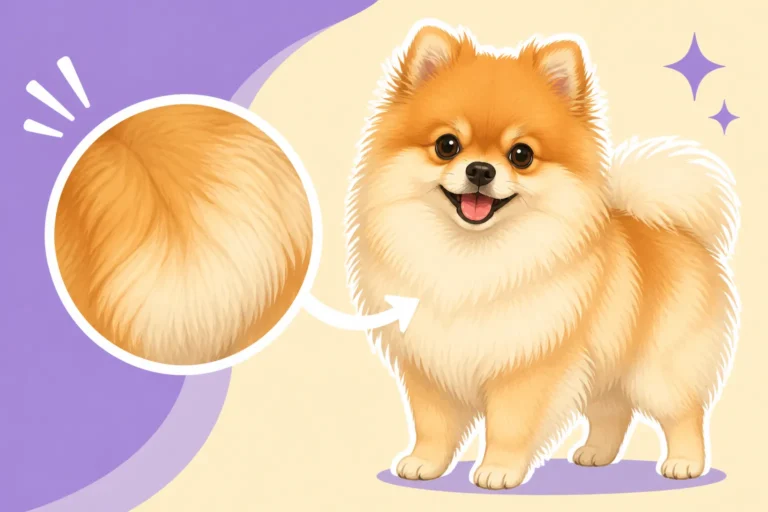
The Pomeranian's distinctive double coat consists of a soft, dense undercoat and a longer, coarser outer coat of guard hairs. This combination is designed for warmth and protection, but it's a nightmare when it comes to liquid or solid waste. Urine can wick deep into the undercoat, causing a persistent smell even after superficial cleaning. Feces can become deeply embedded in the "britches" – the long fur on their hindquarters – leading to matting, skin scalding, and discomfort.
This isn't just an aesthetic problem. Chronic dampness and irritation from urine or feces can lead to severe skin infections, yeast overgrowth, and hot spots, which are intensely itchy and painful for your dog. A matted coat, especially around the rear, can pull at the skin, causing pain and making future cleaning even more difficult. It's a vicious cycle that can quickly degrade your Pomeranian's quality of life, emphasizing why proactive and consistent coat care is absolutely paramount when dealing with incontinence. Keeping up with The Grooming Schedule a Pomeranian Runs On becomes even more critical now.
Daily Management Strategies for a Clean Coat
When facing Pomeranian incontinence, your daily routine will likely need significant adjustments. Proactive measures are far easier and more effective than reactive cleaning after a major accident. The goal is to minimize contact between waste and fur, and to clean promptly when accidents do occur, preventing odors and skin issues. This often means becoming incredibly diligent about certain grooming practices and creating a structured environment.
Strategic Sanitary Trims
This is perhaps the most impactful step you can take. A "sanitary trim" involves carefully trimming the fur around your Pomeranian's genitals and anus. For an incontinent dog, this needs to be more frequent and potentially more extensive than for a perfectly clean one. The idea is to remove the fur that would most likely become soiled, creating a clear pathway for waste to exit without clinging to the coat.
You'll need a good pair of blunt-nosed grooming scissors or small electric trimmers designed for pets. Carefully lift your Pomeranian's tail and trim the fur around the anus very short, but always be careful not to nick the skin. For males, trim around the prepuce; for females, around the vulva. You might also want to trim the fur on the underside of their tail and on their inner thighs, especially if urine tends to spray or run down their legs. This creates a "no-fur zone" that significantly reduces the amount of waste clinging to their coat. Many owners opt to learn how to do Sanitary Trimming on a Pomeranian at home between professional grooming appointments to keep up with this crucial maintenance.
Regular Wiping and Spot Cleaning
Even with a good sanitary trim, accidents can still happen, and residual dribbles might still reach the fur. This is where regular wiping becomes your best friend. Keep pet-specific wet wipes readily available in several locations around your home – near their bed, by the door, and wherever they spend most of their time. These wipes are formulated to be gentle on sensitive skin and are great for quick clean-ups.
After every potty break, or even just after your Pomeranian has been lying down for a while if they're prone to dribbling, make it a habit to gently wipe their hindquarters. Pay close attention to the fur on their inner thighs, under their tail, and around their private areas. For quick spot cleaning, especially if you notice a small amount of urine on their fur, a damp cloth with a mild pet shampoo or a specialized enzymatic cleaner can work wonders. Many owners find a good supply of pet-specific wet wipes, often available from retailers like Chewy, indispensable for these quick clean-ups. For those stubborn stains or smells, a little baking soda mixed with water to form a paste can be applied, left for a few minutes, then wiped away before a proper bath.
Bathing and Deep Cleaning Techniques for Incontinence
While daily management is key, a full bath will still be necessary more frequently for an incontinent Pomeranian than for one who stays perfectly clean. The goal is to effectively remove all waste, odors, and prevent skin irritation, all while protecting that precious double coat. You can't just throw them in the tub; a methodical approach is needed to ensure thorough cleaning without causing stress or damage.
The "Butt Bath" Approach
For minor accidents or persistent urine staining, a full body bath might be overkill, especially if your Pom finds bathing stressful. This is where the "butt bath" comes in handy. This technique focuses only on the soiled areas, usually the hindquarters, tail, and sometimes the belly.
Here's how to do it:
- Prepare: Gather your supplies: a small basin or utility sink, warm water, a gentle pet-specific shampoo, a washcloth or small sponge, and towels. You might want to wear gloves.
- Isolate: Gently place your Pomeranian’s hindquarters into the basin, keeping their front paws and chest out of the water. This minimizes stress and keeps the rest of their coat dry.
- Wet and Shampoo: Thoroughly wet the soiled fur with warm water. Apply a small amount of shampoo and gently work it into a lather, paying close attention to any stained or matted areas. You might need to let the shampoo sit for a few minutes to break down urine salts or loosen dried feces.
- Rinse Thoroughly: This is critical! Any shampoo residue left on the skin or coat can cause irritation and matting. Use a gentle stream of water or a clean, wet washcloth to rinse repeatedly until the water runs clear and no suds remain.
- Dry Completely: Blot the area gently with a towel. Because Pomeranians have a double coat, air-drying can lead to mildew and skin issues. Use a pet-safe hairdryer on a cool or low-heat setting, fluffing the fur with your fingers or a pin brush until it's completely dry. This helps prevent matting and skin problems. You’ll want to dry right down to the skin to avoid issues. Remember that Drying a Pomeranian Without Damaging the Coat is an art form!
Choosing the Right Products
The products you use make a significant difference. Harsh human shampoos can strip a Pomeranian's skin of its natural oils, leading to dryness and irritation. Always opt for a pH-balanced, gentle pet shampoo. Look for formulas designed for sensitive skin or those with deodorizing properties if odor is a major concern.
For tough stains or persistent odors, an enzymatic cleaner can be a lifesaver. These cleaners break down the organic compounds in urine and feces, effectively eliminating the smell rather than just masking it. You can find these at most pet supply stores or online through retailers like Amazon. Avoid products with strong fragrances, as these can irritate your Pomeranian's sensitive skin and respiratory system. For everyday maintenance, having a good detangler spray can also help manage the coat and make brushing easier after cleaning.
Preventative Measures and Environmental Adjustments
Beyond the direct cleaning, there are many steps you can take to prevent accidents and make life easier for an incontinent Pomeranian. These include dietary adjustments, protective wear, and creating a supportive home environment.
Dietary Considerations
What your Pomeranian eats can directly impact their bowel movements. If their stool is consistently soft, it will inevitably lead to more mess and make cleaning their britches a nightmare. Discuss with your vet whether a change in diet could help solidify their stool. High-quality dog foods, often found at specialty stores or through subscription services like Ollie, may offer better digestibility, leading to firmer, more consistent waste. Sometimes, adding a fiber supplement (under vet guidance) can also help regulate bowel movements.
For urinary incontinence, certain supplements designed to support bladder health might be recommended by your vet. While diet won't "cure" incontinence, optimizing it can certainly make managing the aftermath much easier. For example, ensuring proper hydration by always having fresh water available helps keep urine diluted, which can be less irritating to the skin should accidents occur.
Protective Wear and Environmental Modifications
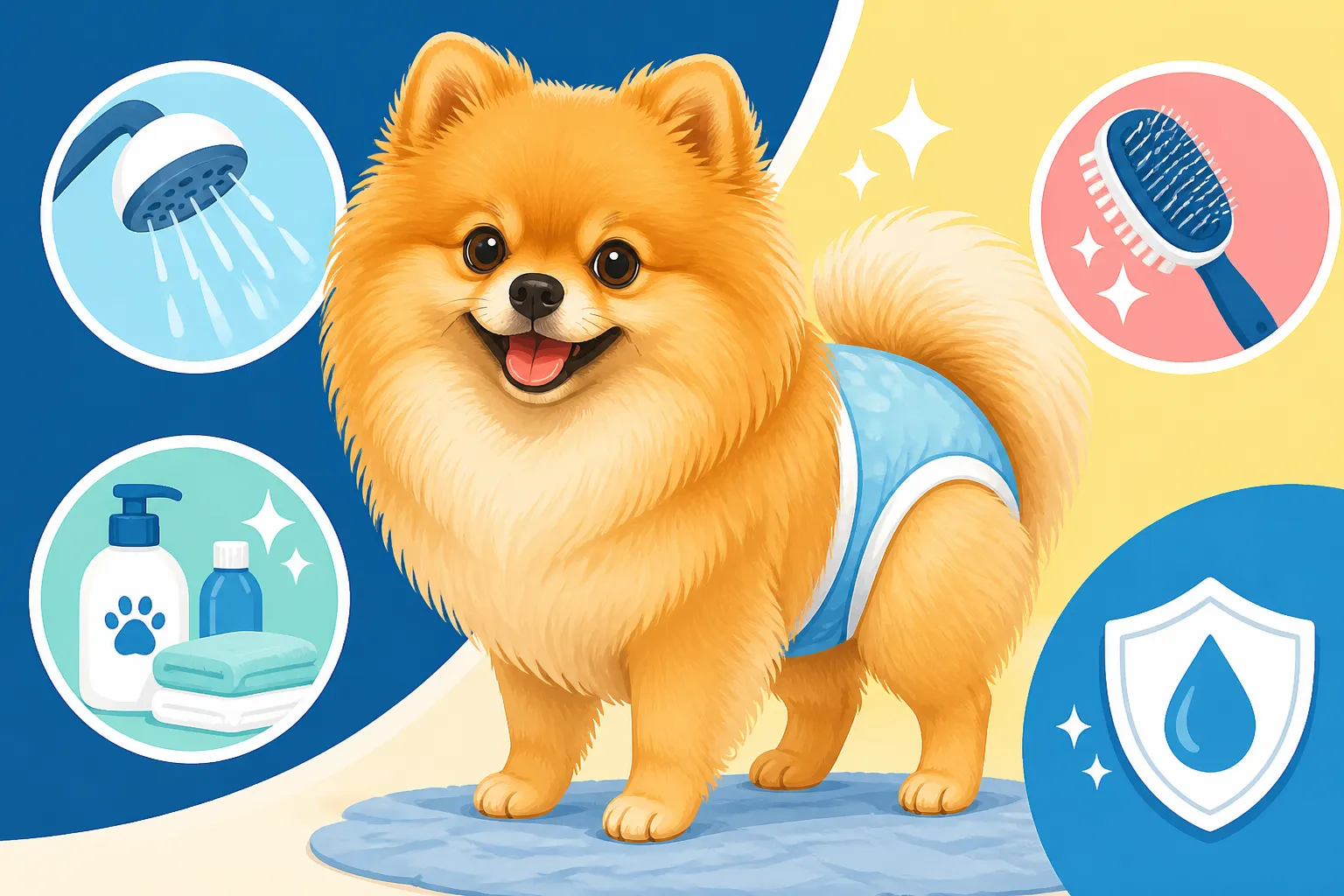
Dog diapers or belly bands can be incredibly useful, especially for female Pomeranians or male Poms who lift their legs and mark. These can catch urine, preventing it from ever reaching the coat. Ensure you choose a size appropriate for your Pomeranian, as a poor fit can lead to leaks or discomfort. Many brands offer washable, reusable diapers, which are more economical and environmentally friendly in the long run. Just be sure to change them frequently to prevent skin irritation. You can find a wide selection of these products, along with waterproof training pads, on Chewy or Amazon.
Here's a quick comparison of protective wear:
| Type of Wear | Best For | Pros | Cons |
|---|---|---|---|
| Dog Diapers | Female dogs, full containment | Catches all urine/feces | Must be changed frequently; can be bulky for small Poms |
| Belly Bands | Male dogs (marking, dribbling) | Covers area where males typically urinate | Only catches urine, not feces; can leak if full |
| Waterproof Pads | Protecting furniture, beds, crates | Disposable or washable; good for accidents | Doesn't protect the dog's coat directly |
| Sanitary Pants | Female dogs in heat, minor dribbles | Lighter than full diapers, less bulky | May not contain large accidents; less absorbent |
Beyond direct protection, consider your home environment. Lay down waterproof puppy pads in areas where your Pomeranian spends a lot of time, especially their sleeping spots. Use washable pet beds or place waterproof covers under their bedding. Keep a keen eye out for the first signs of discomfort or changes in routine that might signal an impending accident. Remember that sometimes An Old Pomeranian That Wanders at Night might be due to a need to relieve themselves.
By being proactive, diligent, and patient, you can ensure your incontinent Pomeranian lives a comfortable, clean, and dignified life, despite their challenges. It truly is about making their golden years, or any challenging period, as pleasant as possible. Understanding The First Signs a Pomeranian Is Aging can help you anticipate some of these needs.
Disclaimer
This article is for general informational purposes only and does not constitute professional advice. Laws, prices and regulations vary by location and change over time. Consult a qualified professional for guidance on your specific situation.