Whether a Pomeranian Needs Sunscreen on Thin Skin
It’s a question many Pomeranian parents ponder, especially when the sun is shining or if their beloved Pom has a coat that's thinned out a bit: does my tiny fluffball actually need sunscreen? You might picture humans slathering on lotion at the beach, but the idea of doing that to a dog can feel strange. Yet, just like us, our Poms are susceptible to sun damage, particularly if they have areas where their skin is more exposed. This guide will walk you through understanding your Pomeranian's skin, identifying vulnerable spots, and deciding when and how to protect them from harmful UV rays.
Understanding Your Pomeranian's Skin and Coat
When you think of a Pomeranian, you probably picture a magnificent, dense double coat. It's their hallmark, a fluffy shield that makes them look like tiny, animated clouds. This incredible coat typically offers a good deal of natural protection against the elements, including the sun. But not all Poms have perfect, pristine coats all the time, and even the densest fur isn't a magical force field.
The Protective Double Coat
A Pomeranian’s coat is truly a marvel of nature. It consists of two distinct layers: a soft, dense undercoat that provides insulation and warmth, and longer, coarser guard hairs that form the outer layer, repelling water and dirt. This double layer is designed to protect them from both cold and heat, and yes, to a significant extent, from the sun. Think of it as their built-in sun hat and coat, all in one. For most Poms with a full, healthy coat, a casual stroll in moderate sunshine isn't usually a major concern, because those guard hairs and the thick undercoat physically block many of the UV rays. However, this protection isn't absolute, especially during peak sun hours or extended exposure. The Double Coat That Makes a Pomeranian and Why It Stays On discusses this in more detail.
When the Coat Thins: Natural Changes and Health Conditions
Here's where the sunscreen conversation really comes into play. Not all Pomeranians maintain that ideal, dense coat throughout their lives. Several factors can lead to thinning hair, exposing the delicate skin underneath to the sun's rays.
For starters, many Poms go through what we affectionately call "the puppy uglies," a period where they shed their soft puppy coat to make way for their adult double coat. During this transition, which often happens between four and ten months of age, their fur can look patchy and thin, temporarily reducing their natural sun protection. You might also notice The Age a Pomeranian's Coat Starts to Thin as they get older, with some senior Poms experiencing a more generalized thinning or even bald patches, especially on their hindquarters or flanks.
Beyond natural aging and puppy development, several health conditions can severely impact a Pomeranian's coat density. Alopecia X, often called Black Skin Disease, is a common culprit where the hair follicles essentially "shut down," leading to symmetrical hair loss, often starting on the body and leaving large areas of skin completely exposed. Why Pomeranian Owners Call Alopecia X Black Skin Disease explores this frustrating condition. While Whether Alopecia X Hurts a Pomeranian in itself, the exposed skin becomes highly vulnerable to sunburn, cold, and secondary infections. Other conditions like hypothyroidism or Cushing's disease can also cause coat thinning or hair loss, making sunscreen a more serious consideration. It's always best to consult with your vet if you notice significant or sudden hair loss, as it could be a sign of an underlying health issue.
Identifying Areas of Vulnerability to Sunburn
Even with a gorgeous, full coat, certain parts of your Pomeranian's body are naturally less protected and therefore more prone to sunburn. When the coat thins or is absent, these areas become even more critical to monitor.
Common Spots for Thin or Exposed Skin
Imagine your Pom rolling around, playing fetch, or just enjoying a nap in a sunny spot. Which parts of their body are most likely to catch the direct rays?
- Ear Tips: Pomeranians have those adorable, small, erect ears, and the tips are often sparsely covered with fur. This makes them highly susceptible to sunburn, especially if your Pom loves to bask with their ears perked up.
- Nose and Bridge of the Nose: While a Pom's nose leather is typically pigmented, the skin directly around it and on the bridge of the nose can be quite delicate and exposed. Light-colored Poms, or those with Dudley noses (pink or flesh-colored), are at even greater risk.
- Belly and Groin: When a Pomeranian lies on its back, exposing that cute tummy, the skin there is extremely thin and usually has very little fur. This area can burn surprisingly quickly, leading to discomfort and potential long-term damage.
- Inner Thighs: Similar to the belly, the inner thighs are often sparsely coated and can be exposed during certain activities or positions.
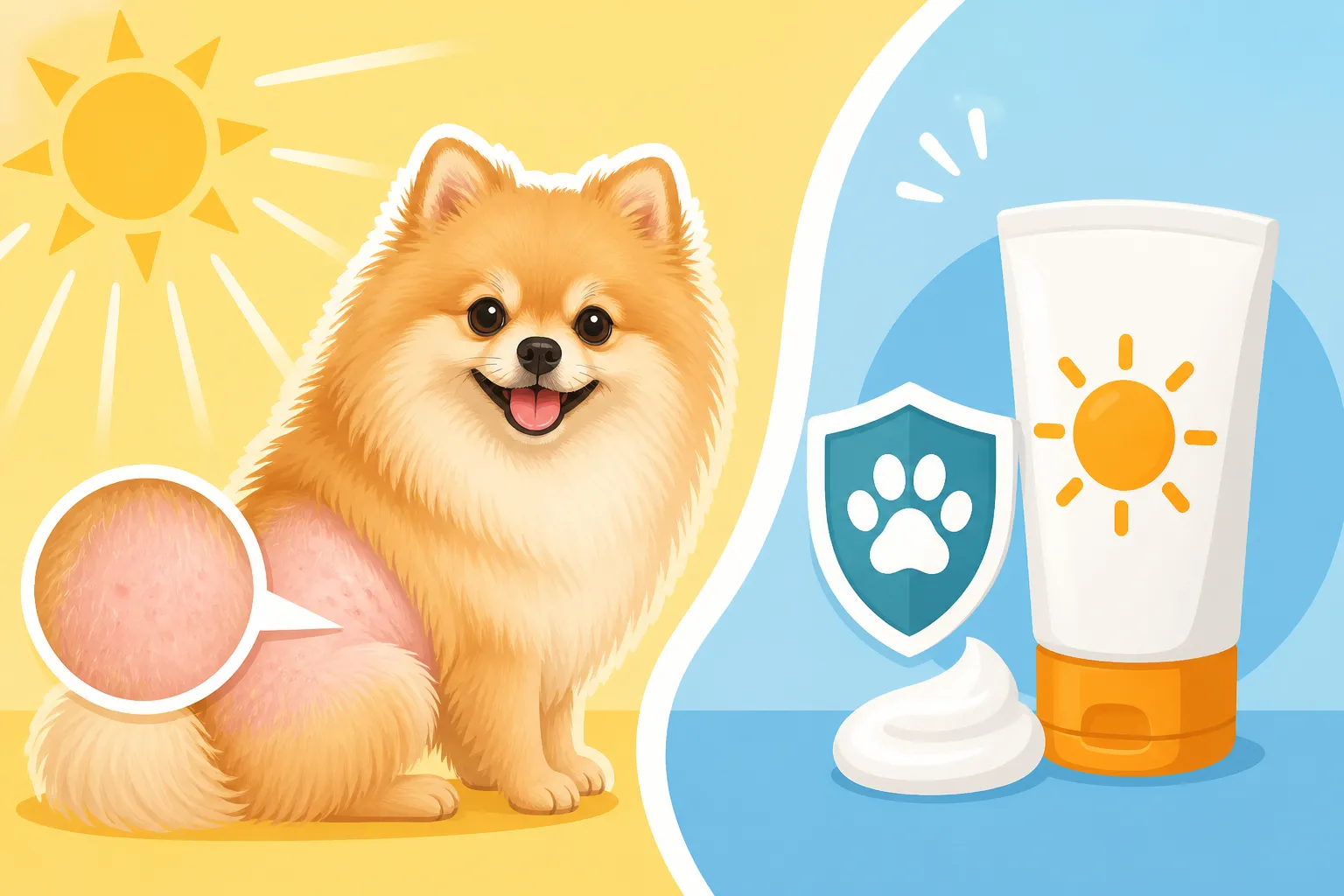
- Areas of Coat Loss: As we discussed, if your Pom has thinning hair due to age, "puppy uglies," or a condition like Alopecia X, any bald or thinly haired patches on their back, sides, or tail become prime targets for sunburn. Protecting a Bald Pomeranian's Skin From Sun is paramount.
- Around the Eyes and Mouth: While usually well-protected by facial fur, very short-muzzled Poms or those with lighter pigmentation around their eyes can sometimes be vulnerable in these sensitive spots.
The Risks of Sun Exposure for Pomeranians
Sunburn isn't just a temporary discomfort for our Poms; it carries several serious risks. Just like in humans, prolonged or intense UV exposure can have lasting consequences for canine health.
- Pain and Discomfort: A sunburned Pom will be itchy, tender to the touch, and generally miserable. Their skin might appear red, inflamed, and even blistered in severe cases. Imagine how uncomfortable you feel after a bad sunburn – your Pom feels the same, but can't articulate it.
- Secondary Infections: Damaged skin is compromised skin. A sunburn can break down the skin barrier, making it easier for bacteria to penetrate and cause secondary skin infections. Your Pom might scratch at the irritated areas, further exacerbating the problem and introducing more bacteria.
- Heatstroke: While not directly a result of sunburn, excessive sun exposure often goes hand-in-hand with overheating. Given their double coats, Pomeranians are particularly susceptible to heatstroke if left in direct sun for too long, even if they aren't directly sunburnt. The Temperature That Is Too Hot for a Pomeranian is important to be aware of.
- Increased Risk of Skin Cancer: This is the most serious long-term risk. Repeated sunburns and chronic UV exposure can significantly increase a dog's risk of developing various forms of skin cancer, including squamous cell carcinoma and melanoma. While any dog can get skin cancer, those with lighter pigmentation, thin coats, or conditions causing hair loss are at higher risk.
Understanding these risks underscores why proactive sun protection is not just about comfort, but about your Pomeranian's overall health and longevity.
Deciding If Your Pomeranian Needs Sunscreen
Now that you know the risks and vulnerable spots, how do you decide if your particular Pomeranian needs sunscreen? It's not a one-size-fits-all answer, but there are clear guidelines to help you make an informed decision.
When Sunscreen Becomes Essential
If your Pomeranian falls into any of these categories, consider sunscreen an essential part of their sun protection regimen:
- Poms with Thin or Sparse Coats: This is the most obvious indicator. If your Pom has natural thinning due to age, is going through the "puppy uglies," or has a medical condition like Alopecia X that has caused hair loss, their exposed skin absolutely needs protection.
- Light-Colored Poms: Poms with white, cream, or very light sable coats, especially those with pink skin or pale noses, have less natural pigment to protect them from UV radiation. They are inherently more prone to sunburn.
- Poms with Outdoor Lifestyles: If your Pomeranian spends significant time outdoors, whether in a fenced yard, on long walks, or accompanying you on outdoor adventures, they will accumulate more sun exposure. Even short bursts of direct sun add up.
- Peak Sun Hours: Regardless of coat density, if you're taking your Pom out between 10 AM and 4 PM when the sun's UV index is highest, particularly in warmer months, consider applying sunscreen to their vulnerable areas.
- High Altitude or Near Water/Snow: UV radiation is more intense at higher altitudes. Additionally, water and snow reflect UV rays, essentially doubling your Pom's exposure. If you live in or visit such environments, sun protection is critical.
- Poms Prone to Sunburn: Some Poms just seem to burn more easily. If you've noticed your Pom's ears or nose getting pink after outdoor time, take it as a clear sign that sunscreen is needed.
Choosing a Safe and Effective Dog Sunscreen
Okay, so you've decided your Pom needs sunscreen. Great! But you can't just grab your own bottle of SPF 50. Human sunscreens often contain ingredients that are toxic to dogs if licked or ingested. Look for a product specifically formulated for pets.
Here’s what to look for and avoid:
| Feature | What to Look For | What to Avoid |
|---|---|---|
| Ingredients | Titanium Dioxide, Zinc Oxide (non-nano particle), Aloe Vera, Vitamin E, dog-safe emollients. | Zinc Oxide (large amounts, can be toxic if ingested), PABA, Oxybenzone, Octinoxate, Fragrances, Dyes, Artificial Preservatives. |
| Formulation | Water-resistant, non-greasy, non-irritating, lick-safe, fragrance-free. | Anything that smells strongly, is sticky, or is difficult to apply evenly. |
| Application | Sprays, creams, or wipes specifically for dogs. | Anything not explicitly labeled for canine use. |
| SPF | Generally SPF 15-30 is recommended for dogs. Anything higher offers diminishing returns for the added chemicals. | Extremely high SPF numbers (e.g., 70+), which often mean more chemicals without significantly better protection. |
When selecting a brand, you might find options on pet-focused retailers like Chewy or even general online marketplaces like Amazon, which often carry a range of pet sunscreens. Always read reviews and ingredient lists carefully. A good, lick-safe formula is paramount since your Pom will undoubtedly try to groom it off. Test a small area first to ensure no allergic reaction.
Beyond Sunscreen: Other Sun Protection Strategies
Sunscreen is a fantastic tool, but it's just one piece of the puzzle. A multi-pronged approach offers the best protection for your Pomeranian.
- Limit Peak Sun Exposure: The simplest and most effective strategy is to avoid taking your Pom out during the hottest and brightest parts of the day, typically between 10 AM and 4 PM. Early mornings and late afternoons are much safer for walks and playtime.
- Provide Shade: Whenever your Pom is outdoors, ensure they have access to ample shade. This could be from trees, an umbrella, a covered patio, or a pop-up tent if you're at the park or beach.
- Protective Clothing: Yes, it might sound a bit silly, but doggy sun shirts or rash guards are a real thing! For Poms with very thin coats or extensive hair loss on their back and body, a lightweight, breathable UV-protective shirt can be incredibly effective. Make sure it's loose-fitting and doesn't restrict movement or cause overheating. Whether a Pomeranian Needs Clothing at All is a topic that explores this further.
- Dog Goggles or Hats: For extremely sensitive eyes or Poms who spend a lot of time in bright sun (think boating or snow adventures), specialized dog goggles can provide UV protection. While hats aren't for every Pom, some tolerate them well for short periods, offering a bit of shade for their face and ears.
- Stay Hydrated: Always have fresh, cool water available for your Pom, especially when spending time outdoors. Hydration helps regulate body temperature and is crucial for overall health.
Preventing Sunburn and Promoting Skin Health
Taking a proactive approach to sun safety means integrating protective measures into your daily routine and being attentive to your Pomeranian's overall skin health. It's about more than just slapping on sunscreen; it's about creating a safe environment and fostering healthy habits.
Daily Habits for Sun Safety
Making sun protection a routine habit is key to keeping your Pomeranian safe and comfortable.
- Check the UV Index: Before you head out, quickly check the local UV index. Many weather apps provide this information. On days with a high UV index, be extra vigilant with protection or simply stay indoors during peak hours.
- Regular Skin Checks: Get into the habit of gently parting your Pomeranian's fur and examining their skin regularly, especially after outdoor excursions. Look for any redness, flakiness, irritation, or unusual bumps. Pay close attention to the vulnerable spots we discussed earlier: ear tips, nose, belly, and any areas of thinning coat. Early detection of sunburn or other skin issues can prevent more serious problems down the line.
- Mind the Pavement: It’s not just the air temperature that matters; hot pavement can burn your Pom’s delicate paw pads. The Pavement Temperature That Burns a Pomeranian is a serious concern. While not directly related to UV damage on skin, it’s another crucial aspect of outdoor safety during sunny weather. If the pavement is too hot for your hand, it’s too hot for their paws.
- Indoor Sun Monitoring: Even indoors, direct sunlight streaming through a window can provide enough UV exposure to cause a sunburn, especially if your Pom loves to nap in a sunny spot on the rug. If they frequently do this, consider drawing curtains or using UV-blocking window films in those areas, or simply redirect their favorite napping spot to a shadier part of the room.
- Consider their age and activity levels: A playful puppy or an active adult might spend more time exposed to the sun than a less active senior. Tailor your protective measures to your Pom's lifestyle.
Addressing Underlying Skin Issues
If your Pomeranian has a pre-existing condition that causes coat thinning or hair loss, managing that condition is the first step towards better sun protection and overall skin health.
- Veterinary Consultation: If you notice new or worsening hair loss, redness, itching, or any unusual skin lesions, consult your veterinarian immediately. They can diagnose the underlying cause, whether it's Alopecia X, a thyroid issue like discussed in The Hormone Disease Mistaken for a Pomeranian's Alopecia, allergies, or another dermatological problem. Proper diagnosis and treatment are crucial.
- Supportive Skin Care: Your vet might recommend specific shampoos, conditioners, or topical treatments to soothe irritated skin, promote healing, or manage symptoms associated with certain conditions. For Poms with dry or sensitive skin, gentle, moisturizing products can help maintain the skin barrier's integrity.
- Diet and Supplements: A balanced, high-quality diet is fundamental for healthy skin and coat. Some Poms may benefit from supplements like omega-3 fatty acids (fish oil) which can support skin health, reduce inflammation, and even contribute to a healthier coat. Companies like Ollie, known for their fresh dog food, often formulate meals with ingredients beneficial for skin and coat, and many pet supplement brands are available on Chewy or Amazon. Always discuss any dietary changes or supplements with your vet first to ensure they are appropriate for your individual Pomeranian.
- Regular Grooming: For Poms with thinning coats, gentle, regular grooming is still important. It helps stimulate blood flow to the skin, distributes natural oils, and allows you to monitor their skin condition more closely. Just be extra gentle on sensitive or exposed areas.
By combining common-sense sun avoidance with targeted sun protection and proactive skin health management, you can ensure your precious Pomeranian enjoys the sunshine safely and comfortably, no matter their coat condition.
Disclaimer
This article is for general informational purposes only and does not constitute professional advice. Laws, prices and regulations vary by location and change over time. Consult a qualified professional for guidance on your specific situation.