The Temperature That Is Too Hot for a Pomeranian
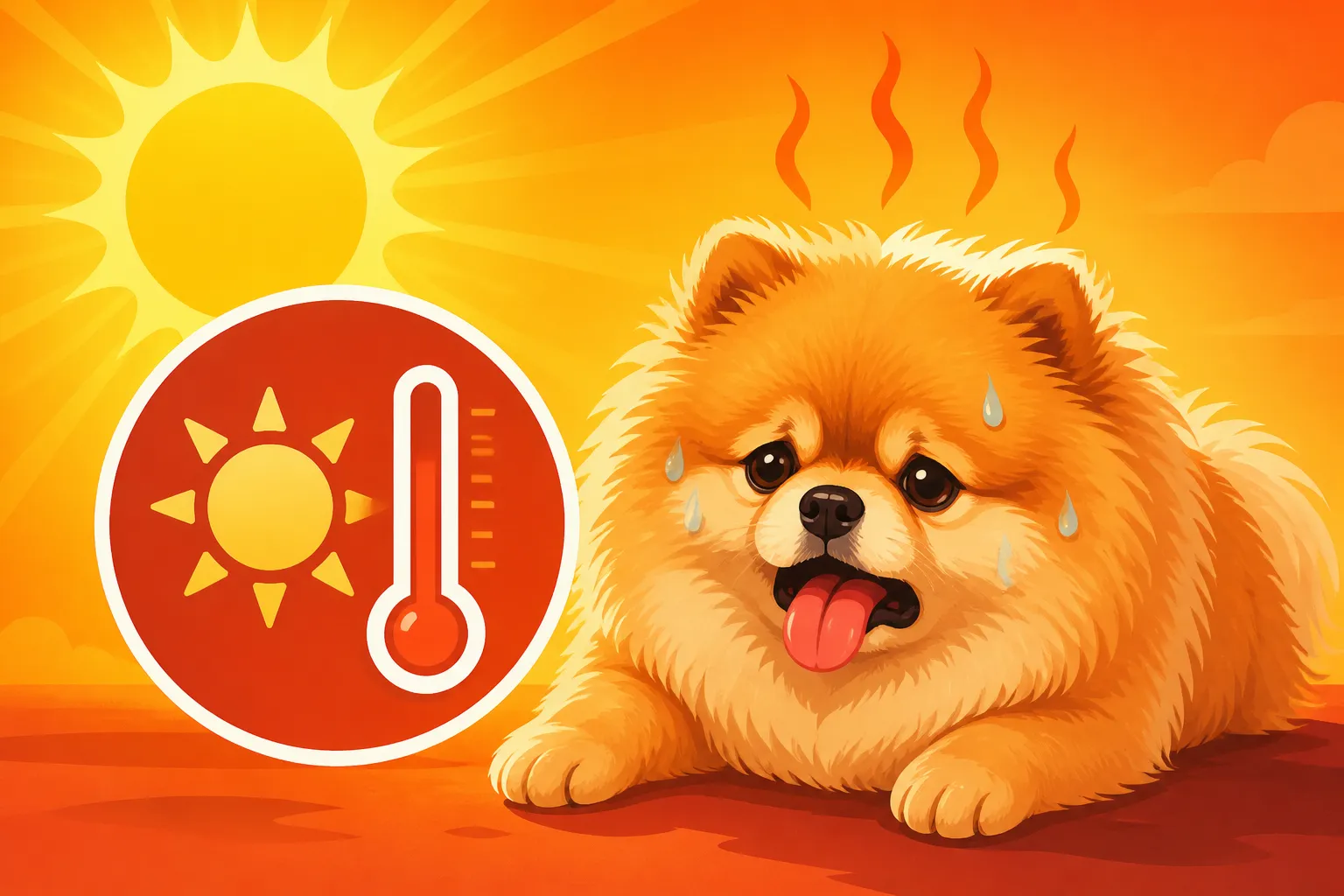
The summer months, or even just unexpectedly warm days, can fill a Pomeranian owner with a unique kind of dread. You look at that magnificent fluffball, panting a little, and you can’t help but wonder: is my precious Pom too hot right now? It's a valid concern, as our little companions can struggle in the heat more than their robust appearance might suggest. This guide will walk you through exactly what temperatures pose a risk to your Pomeranian, how to recognize the crucial signs of overheating, and practical, actionable steps you can take to keep them safe and comfortable when the weather heats up.
The Science Behind Pomeranians and Heat Tolerance
It's easy to look at a Pomeranian, with their luxurious double coat, and assume they're built for cold climates. And while they certainly have ancestry rooted in cooler regions, their small size and unique physiology mean they have a harder time regulating their body temperature when the mercury rises. Understanding these factors is the first step in ensuring their safety.
The Double Coat Dilemma: Friend or Foe?
Your Pomeranian's famous double coat is, in many ways, a marvel of natural engineering. It consists of a dense, soft undercoat and longer, harsher guard hairs. In winter, this combination traps warm air close to their body, providing excellent insulation against the cold. However, in summer, this same coat acts as an insulator against both cold and heat. It's designed to protect them from the sun's harsh UV rays and provide a barrier against external heat, if it's healthy and well-maintained.
The critical factor here is air circulation. A properly brushed, healthy double coat allows air to move through it, which helps to wick away heat from the skin. Mats and neglected undercoat, however, can prevent this crucial air flow, turning their natural protection into a heat trap. This is why you should never shave your Pomeranian in summer, no matter how tempting it might seem. Shaving can permanently damage their coat, ruining its ability to regulate temperature, and it can even lead to skin issues. If you're wondering more about why shaving is a bad idea, you can delve into Why a Shaved Pomeranian May Not Regrow.
Small Size, Big Surface Area: A Misconception?
There's a common misconception that smaller dogs cool down faster because they have a larger surface area relative to their body mass. While technically true, this doesn't tell the whole story for a Pomeranian. Their small stature means they're closer to hot surfaces like pavement, which can radiate significant heat upwards. This ground-level heat can be far more intense than the ambient air temperature, turning a sidewalk into a dangerous griddle for their tiny paw pads.
Pomeranians also cool themselves primarily through panting. Unlike humans, they don't sweat much through their skin, relying on the evaporation of moisture from their tongues and respiratory tracts. While Poms aren't considered a true brachycephalic (flat-faced) breed, some individuals might have shorter muzzles than others, which can slightly impede efficient panting. Factors like age, overall health, and weight also play a huge role. An older Pom, a puppy, or a Pomeranian that's carrying a few extra pounds Whether an Eight Pound Pomeranian Is Overweight will have a much harder time coping with heat. Similarly, underlying health issues, like a heart condition The Heart Defect Found in a Pomeranian Puppy, can significantly increase their risk.
What Temperature is Truly Too Hot?
Defining "too hot" isn't just about a single number on the thermometer. It's a combination of ambient temperature, humidity, direct sunlight, and the Pomeranian's individual health and activity level. As a general guideline, once the temperature hits around 75°F (24°C), especially if accompanied by high humidity, you need to start exercising caution with your Pomeranian.
When the temperature creeps up to 80°F (27°C) or higher, even a moderate amount of activity can become dangerous. Above 85°F (29°C), even sitting in the shade can be risky, especially if humidity is also high, as it makes it harder for panting to effectively cool them. The real danger often lies with the temperature of the ground. Asphalt and concrete can be 30-60 degrees hotter than the air temperature. At an air temperature of just 80°F, asphalt can easily be 130-140°F, which is hot enough to cause severe burns to paw pads in minutes. This is why checking the pavement temperature is so important; you can learn more about this specific danger in The Pavement Temperature That Burns a Pomeranian.
Recognizing the Subtle (and Not-So-Subtle) Signs of Overheating
Your Pomeranian can't tell you they're too hot, so it's up to you to be a vigilant observer. Early detection of heat stress is absolutely critical; ignoring the initial signs can quickly escalate into a life-threatening emergency.
Early Warnings: Don't Dismiss These Cues
In the initial stages of overheating, your Pomeranian might seem a bit off. These subtle changes are your cue to intervene immediately and get them to a cooler environment.
- Excessive Panting: While all dogs pant to cool down, pay attention to the intensity and duration. If your Pom is panting much harder, faster, or louder than usual, even after minimal exertion, it's a red flag. Their breathing might seem labored or shallow.
- Restlessness or Seeking Shade: They might become agitated, unable to settle, pacing, or actively seeking out the coolest spot in the room or yard. They might seem uncomfortable and keep shifting positions.
- Bright Red Gums or Tongue: A normal healthy Pomeranian's gums should be a healthy pink. If they appear bright red, almost cherry-colored, this indicates increased blood flow as their body tries to dissipate heat.
- Lethargy or Reduced Activity: A Pomeranian who normally loves to play might suddenly refuse to engage, seem tired, or move very slowly. This can be a sign their body is struggling.
- Thick Saliva or Drooling: As they pant more intensely, their saliva can become thicker and stickier, sometimes accompanied by excessive drooling as their body tries to cool.
Advanced Stages: When It's an Emergency
If early signs are missed or ignored, heat stress can quickly progress to full-blown heatstroke, which is a severe medical emergency. At this point, immediate veterinary attention is paramount.
- Vomiting and Diarrhea: These gastrointestinal symptoms are serious indicators of organ distress due to overheating.
- Stumbling or Loss of Coordination: Your Pom might appear disoriented, wobbly, or even collapse. Their gait might be drunken or uncoordinated.
- Dazed Expression or Unresponsiveness: They may seem unaware of their surroundings, glassy-eyed, or difficult to rouse.
- Dark Red or Bluish Gums (Cyanosis): If the gums turn a dark brick red, or even worse, a bluish or purplish tint, it means their organs are not getting enough oxygen. This is a critical sign.
- Collapse or Seizures: This is the most severe stage and requires immediate emergency veterinary care. Seizures can cause further increases in body temperature, creating a dangerous cycle.
Who Is Most at Risk?
While any Pomeranian can overheat, certain individuals are particularly vulnerable. Understanding these risk factors can help you be even more cautious.
- Puppies and Senior Poms: Very young puppies have immature thermoregulation systems, and senior Pomeranians When a Pomeranian Counts as Old often have underlying health conditions or simply less efficient bodily functions.
- Overweight Pomeranians: Carrying extra weight acts as an additional insulating layer and places more strain on their cardiovascular system, making it much harder for them to cool down.
- Pomeranians with Underlying Health Conditions: Dogs with respiratory issues (like collapsing trachea), heart disease, or kidney problems are at a significantly higher risk. Their bodies are already working harder, leaving less reserve to cope with heat stress.
- Pomeranians Not Acclimated to Heat: If your Pom is suddenly exposed to a heatwave after living in a cooler environment, they will be less able to cope. Acclimation takes time.
Here's a quick reference guide to spotting and responding to heat stress:
| Sign of Overheating | Severity | Immediate Action | When to Call the Vet |
|---|---|---|---|
| Excessive Panting, Restlessness | Mild | Move to cool, shaded area. Offer fresh, cool water. Monitor closely. | If signs persist or worsen within 15-20 minutes. |
| Bright Red Gums, Lethargy | Moderate | Immediately move to cool area. Apply cool, wet cloths to armpits, groin, neck. Use a fan. | Call immediately for advice; prepare for emergency visit. |
| Vomiting, Stumbling | Severe | Emergency vet immediately. Cool gently en route with wet towels and AC. | Immediately. This is an emergency. |
| Collapse, Seizures | Critical | Immediate emergency vet. Focus on rapid, safe transport while trying to cool gently. | Immediately. Life-threatening emergency. |
Proactive Strategies for Keeping Your Pomeranian Cool
The best defense against heatstroke is a good offense! By implementing a few thoughtful strategies, you can significantly reduce your Pomeranian's risk of overheating and ensure their comfort during warm weather.
Timing is Everything: Adjusting Your Routine
One of the simplest yet most effective ways to protect your Pomeranian is to adjust their daily schedule to avoid the hottest parts of the day.
- Early Morning and Late Evening Walks: Restrict all outdoor exercise and even potty breaks to the coolest hours of the day. This typically means before 8 or 9 AM and after 7 or 8 PM, depending on your local climate. Even then, keep walks short and focused. Remember, a Pomeranian doesn't need to walk miles to get adequate exercise; a gentle stroll around the block or some indoor playtime can suffice. For more on appropriate activity levels, see How Far a Pomeranian Can Walk in a Day.
- Avoiding Peak Sun Hours: From late morning through late afternoon, the sun's rays are at their strongest. Even if the air temperature feels tolerable, direct sunlight can rapidly raise your Pom's body temperature, especially with their dense coat. Stick to shaded areas only, or better yet, keep them indoors during these hours.
- Keep Exercise Light: During warm periods, opt for mental stimulation and gentle play indoors rather than strenuous physical activity. A game of 'find the treat' or working on simple tricks can be just as tiring without the heat risk.
Hydration and Cooling Aids: Essential Tools
Ensuring your Pomeranian stays well-hydrated and providing external cooling options are key components of heat prevention.
- Always Have Fresh Water Available: This might seem obvious, but it's crucial. Always have multiple bowls of fresh, cool water accessible both indoors and outdoors. When you go out, carry a portable water bottle and collapsible bowl. Brands like Chewy offer a wide variety of travel-friendly water solutions, from squeeze bottles with attached cups to compact silicone bowls.
- Cooling Mats and Elevated Beds: These can make a huge difference for indoor comfort. Cooling mats often contain a gel that activates with pressure, providing a cool spot for your Pom to lie on. Elevated beds allow air to circulate underneath, preventing heat from radiating up from the floor. You can find many options for these products on Amazon, making it easy to find one that suits your space and your Pom's preference. Curious about how well they work? Check out Whether a Cooling Mat Reaches Through a Pomeranian's Coat.
- Damp Towels and Ice Packs: For a quick cool-down, gently drape a cool, damp (not soaking wet) towel over your Pomeranian's back or place it under them. You can also wrap ice packs in a towel and place them nearby for them to lie against if they choose.
- Frozen Treats: A wonderful way to help cool them from the inside out is with frozen treats. You can freeze low-sodium chicken broth, mashed pumpkin, or even some safe fruit chunks (like watermelon or blueberries). Many pet stores carry molds for making pet-friendly popsicles.
- Portable Fans: A small, portable fan can be a lifesaver, especially on patios or during short outings where air circulation might be limited.
Indoor Safety: Your Home as a Haven
Your home should be a sanctuary from the heat. Don't underestimate the importance of creating a cool indoor environment.
- Air Conditioning and Fans: If you have AC, use it! Keeping your home at a comfortable temperature is the most effective way to protect your Pom. If AC isn't an option, use fans strategically to create cross-ventilation and keep air moving. Remember, fans cool people by evaporating sweat, but they primarily move air for dogs, which still helps to dissipate heat.
- Shaded Windows and Drawn Blinds: Sunlight streaming through windows can significantly heat up a room. Close blinds or curtains on sunny sides of the house to keep direct heat out.
- Never Leave Your Pomeranian in a Car: This is perhaps the most critical rule. Even on a mild 70°F (21°C) day, the temperature inside a car can reach 90°F (32°C) in just 10 minutes, and 100°F (38°C) in 20 minutes. Cracking windows does almost nothing to prevent this rapid temperature rise. Leaving your Pomeranian in a parked car, even for a very short time, is incredibly dangerous and can be fatal.
- Regular Grooming: While shaving is a no-go, regular brushing is crucial. Removing loose undercoat allows the air to circulate closer to the skin, enhancing their natural cooling system. A thorough brush-out several times a week, working in sections down to the skin, can make a significant difference. Find out more about this process in Working a Pomeranian's Coat in Sections to the Skin and also about The Double Coat That Makes a Pomeranian and Why It Stays On.
What to Do if Your Pomeranian Overheats
Despite your best efforts, sometimes accidents happen, or the heat can become overwhelming unexpectedly. Knowing how to react quickly and appropriately if your Pomeranian shows signs of overheating can literally save their life.
Immediate Actions: Every Second Counts
If you suspect your Pomeranian is overheating, swift action is essential. Do not delay!
- Move to a Cooler Environment Immediately: The very first thing you need to do is get them out of the heat source. This means moving them indoors to an air-conditioned room, into deep shade, or even into a car with the AC blasting.
- Offer Small Sips of Cool (Not Ice Cold) Water: Hydration is important, but don't force them to drink. Offer cool, fresh water. Avoid ice-cold water as it can cause a shock to their system, potentially leading to vomiting or even internal complications. Just cool water is best.
- Begin External Cooling: This is where you actively help reduce their body temperature.
- Cool, Wet Cloths: Apply cool, damp cloths or towels to their pulse points: the groin area, armpits, and neck. These areas have large blood vessels close to the surface, where cooling the blood can help lower core body temperature.
- Fan: If available, direct a fan onto their body. The moving air helps to evaporate moisture and cool them down.
- Do Not Submerge in Ice Water: While tempting, submerging an overheated dog in ice water can be dangerous. It can cause the blood vessels on the skin to constrict, trapping heat inside their body and potentially leading to shock. Gentle, gradual cooling is safer.
- Monitor Their Breathing and Gums: As you cool them, watch for any improvement in their panting and the color of their gums. If their gums were bright red, you want to see them return to a healthier pink.
When to Seek Veterinary Care
Even if your Pomeranian seems to recover quickly after initial cooling, it's always best to contact your veterinarian immediately if you suspect heatstroke. They can advise you on whether an emergency visit is necessary, based on the severity of symptoms and your dog's individual risk factors.
- Don't Hesitate: If your Pom is vomiting, stumbling, seizing, collapsed, or has very dark red/bluish gums, this is an emergency. Get them to the nearest animal hospital right away. Call them while you're on the way so they can prepare for your arrival.
- What to Expect at the Vet: The veterinary team will take your Pomeranian's temperature and likely start intravenous (IV) fluids to combat dehydration and support organ function. They may also use additional cooling methods under controlled conditions, administer oxygen, and monitor for potential complications such as kidney damage, neurological issues, or blood clotting problems.
Long-Term Recovery and Prevention
Even after surviving heatstroke, there can be lasting effects. Heatstroke can cause damage to internal organs, including the kidneys, liver, and brain. Your veterinarian will provide guidance on post-heatstroke care and potential follow-up appointments to monitor for these complications.
The most important takeaway is prevention. Once your Pomeranian has experienced heat stress, they are often more susceptible to it in the future. Make a firm commitment to reviewing and implementing all the preventive measures discussed. Consider adjusting their diet during warmer months to include more hydrating options. Some fresh dog food brands, like Ollie, offer meals with higher moisture content, which can subtly contribute to overall hydration. Always be mindful of the weather, monitor your Pomeranian closely, and err on the side of caution when the temperatures climb. Your little Pom depends on you to keep them safe and comfortable, no matter the season.
Disclaimer
This article is for general informational purposes only and does not constitute professional advice. Laws, prices and regulations vary by location and change over time. Consult a qualified professional for guidance on your specific situation.