When a Pomeranian Counts as Old
It’s a bittersweet moment when you start to notice the subtle signs that your spirited little Pomeranian isn't quite the young pup they used to be. One day they're bouncing off the walls, and the next, you catch them sleeping a little longer, moving a bit slower, or perhaps their once-lustrous coat isn't quite as fluffy. This guide is here to help you understand exactly when a Pomeranian truly enters their senior years, what changes to anticipate, and how to ensure their golden years are as comfortable and joyful as possible.
Defining "Old" for Your Pomeranian: More Than Just a Number
Pinpointing the exact moment your Pomeranian becomes "old" isn't as simple as marking a date on a calendar. While there are general guidelines, the truth is, every dog is an individual, and a lot depends on their unique genetics, lifestyle, and overall health. However, understanding the typical lifespan and general age categories can provide a crucial framework for adjusting your care.
The Typical Pomeranian Lifespan: What to Expect
Pomeranians are known for being one of the longer-lived toy breeds, often gracing our lives for well over a decade. It's not uncommon to hear stories of Poms living into their mid-teens, and sometimes even longer. Generally, you can expect your furry companion to live anywhere from twelve to sixteen years, though some exceptional cases see them thriving well past seventeen. The reality is that How Long a Well Bred Pomeranian Actually Lives can vary, and a good breeder often aims for longevity in their lines, prioritizing health and vitality.
This extended lifespan is a blessing, but it also means that their senior phase will be a significant portion of their life. Unlike larger breeds that might show signs of aging by five or six, a Pomeranian often maintains a youthful demeanor for much longer. This can make it tricky to recognize when the aging process truly begins, leading many owners to be caught off guard when changes eventually appear.
When Seniority Truly Begins: A Look at Age Categories
For most small dog breeds like Pomeranians, veterinarians typically consider them senior around the age of 7 or 8. However, because Poms are on the smaller end of the spectrum, some might not show overt signs until they are closer to 9 or 10. This is the period when The Year a Pomeranian Starts Needing More in terms of specialized care and attention. Think of it less as a hard cut-off and more as a gradual transition where their body's systems begin to slow down and become more susceptible to age-related conditions.
During this phase, their internal organs might start to function less efficiently, their immune system may not be as robust, and their cognitive abilities could subtly shift. It's a time for increased vigilance and proactive care rather than a cause for alarm. Understanding these age categories helps you anticipate changes and partner with your vet to maintain your Pom's quality of life.
Individual Variation: Why Some Poms Age Differently
While 7 or 8 is a good benchmark for senior status, it's crucial to remember that factors like genetics, diet, exercise, and preventative care play a massive role. A Pomeranian who has maintained a healthy weight, received consistent vet check-ups, and had a nutrient-rich diet throughout their life might appear and act younger than their chronological age. Conversely, a Pom with a history of health issues, obesity, or a less active lifestyle might show signs of aging earlier.
Even within the same litter, siblings can age at different rates. Some might maintain their boundless energy and playful spirit well into their teens, while others might prefer more naps and less strenuous activity earlier on. Paying close attention to your individual Pom's habits and energy levels is far more important than solely relying on a number. These individual differences mean that your approach to their senior care will need to be just as personalized.
Recognizing the Whispers of Time: Early Signs of Aging
The signs of aging in a Pomeranian are often subtle at first, manifesting as slight shifts rather than dramatic changes. Being observant and knowing what to look for can help you identify these early indicators and adjust your care proactively, ensuring your furry friend remains comfortable and happy.
Subtle Physical Changes in Your Older Pom
One of the first things you might notice in an aging Pomeranian is a change in their physical appearance or movement. Their once vibrant double coat, which is one of their most defining features, might start to thin slightly, particularly around their hindquarters, or become a bit coarser. Their eyes, once bright and sparkling, may begin to show a slight cloudiness, a condition known as lenticular sclerosis, which is a normal part of aging. However, any significant changes to their eyes, like a bluish-white opacity, could also indicate Clouding Eyes in a Pomeranian Past Ten and warrant a vet visit.
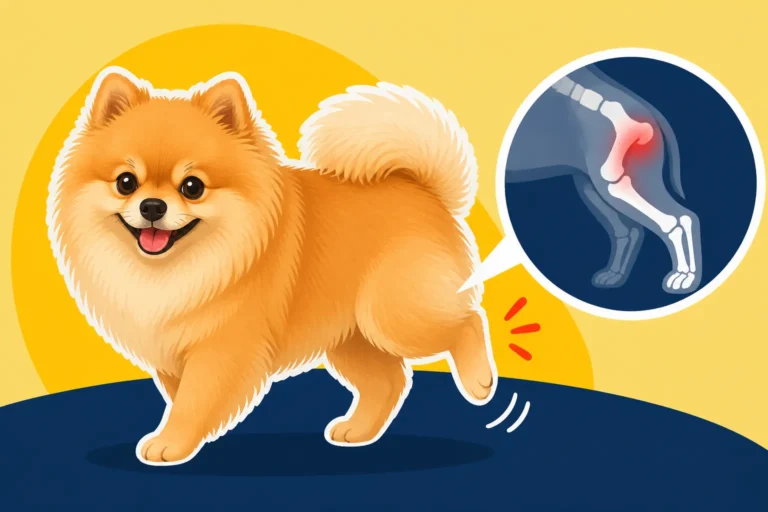
You might also observe a decrease in their overall activity level. They may not greet you with the same explosive energy they once did, preferring a gentle wag and a slow approach. Stiffness after naps or reluctance to jump on furniture (or needing assistance) can be early indicators of joint discomfort, a common concern as they age. Look for The First Signs a Pomeranian Is Aging like these; they are whispers, not shouts, that their body is changing.
Shifts in Behavior and Cognitive Function
As Pomeranians age, their cognitive abilities can also undergo subtle changes. You might notice them seeming a little more confused, perhaps staring blankly at walls, getting disoriented in familiar surroundings, or even experiencing altered sleep-wake cycles. An old Pomeranian that wanders at night might be experiencing canine cognitive dysfunction, often likened to Alzheimer's in humans. This can manifest as anxiety, increased vocalization, or a decreased interest in interactions they once enjoyed.
Their personality might also shift. A once outgoing Pom might become more reserved, or a shy one might become more vocal. They might have accidents in the house, even if they were perfectly house-trained for years. This isn't usually defiance but rather a sign of reduced bladder control or cognitive issues. Gentle patience and understanding are paramount during this period.
Monitoring Appetite, Thirst, and Energy Levels
Changes in appetite and thirst are significant indicators of an aging Pomeranian. A sudden decrease in food intake, or conversely, an increased hunger without weight gain, could signal underlying health issues. Similarly, increased thirst could be a sign of kidney disease or diabetes, both of which become more common in older dogs. It's important to monitor their water consumption closely and report any drastic changes to your veterinarian.
Energy levels are probably one of the most obvious signs. While it's normal for senior dogs to sleep more, an excessive amount of lethargy or a complete disinterest in activities they once loved should not be ignored. A Pom that used to love their walks around the neighborhood but now seems hesitant or tired after only a few blocks is sending a clear message. Keeping a journal of these observations can be incredibly helpful for your vet in assessing their overall health.
Adapting Care for Your Senior Pomeranian
As your Pomeranian gracefully enters their golden years, their needs will shift, and so too should their care routine. Adapting their diet, exercise, and veterinary visits is crucial to supporting their health and ensuring they enjoy their senior life to the fullest.
Tailoring Their Diet for Longevity and Comfort
One of the most immediate changes you should consider is their diet. Older Pomeranians typically have a slower metabolism, which means they require fewer calories to maintain a healthy weight. Continuing to feed them the same high-calorie food they ate as a puppy can lead to weight gain, putting unnecessary strain on their joints and organs. Look for senior-specific dog foods that are formulated with lower calories, higher fiber for digestive health, and often include joint-supporting supplements like glucosamine and chondroitin.
If your senior Pom has lost some teeth or has dental issues, Feeding an Old Pomeranian With Few Teeth might require softening their kibble with warm water or transitioning to a wet food diet. Some older Poms also benefit from smaller, more frequent meals to aid digestion and prevent blood sugar drops. Always consult your vet before making significant dietary changes, especially if your Pom has specific health concerns.
Gentle Exercise and Maintaining Mobility
While your senior Pomeranian might not be up for marathon play sessions, maintaining a consistent, gentle exercise routine is still vital. Regular, short walks on soft surfaces can help keep their joints limber, muscles strong, and mind stimulated without overexertion. Avoid high-impact activities or long stretches that could strain their aging body. If they're showing signs of Arthritis in a Pomeranian at Ten, shorter, more frequent strolls are often better than one long one.
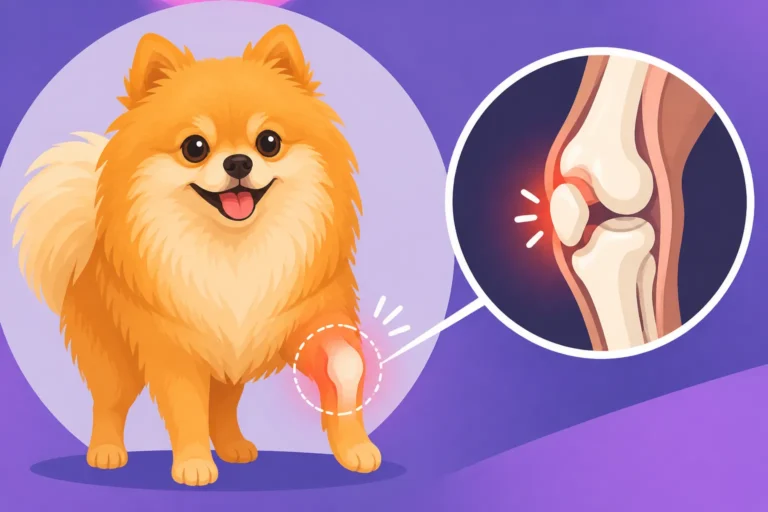
Consider adding ramps or pet stairs around the house to help them access their favorite couch or bed safely, preventing injuries from jumping. This small change can make a huge difference in protecting their joints, especially if they have conditions like Slipping Kneecaps in a Five Pound Pomeranian. Gentle stretching or massage can also be beneficial, but always check with your vet or a certified canine physical therapist for appropriate techniques. The goal is to keep them moving comfortably, not to push them beyond their limits.
The Critical Role of Veterinary Care in Golden Years
As your Pomeranian ages, regular veterinary checkups become even more crucial. Instead of annual visits, your vet might recommend semi-annual appointments to catch any age-related conditions early. These visits typically include a thorough physical exam, blood work, and urinalysis to monitor organ function, especially for conditions like Kidney Disease in an Aging Pomeranian. Early detection often leads to more effective management and a better quality of life.
This is also where considering pet insurance like Healthy Paws can truly be a lifesaver. While it might not cover pre-existing conditions if purchased late, having a policy in place before age-related illnesses manifest can significantly ease the financial burden of diagnostics, medications, and specialized treatments. Discuss with your vet the best The Checkup Schedule a Pomeranian Should Keep for your senior Pom, as their needs will be unique. Proactive care is key to managing their health challenges effectively.
Navigating Common Health Challenges in Older Pomeranians
Aging in Pomeranians, just like in humans, often brings with it a higher susceptibility to certain health issues. Being aware of these common challenges allows you to be proactive, seek veterinary attention promptly, and provide the best possible care for your beloved senior companion.
Addressing Dental Challenges and Oral Hygiene
One of the most prevalent and often overlooked issues in aging Pomeranians is dental disease. Their small mouths are prone to overcrowding, which can lead to rapid plaque and tartar buildup. By the time they are seniors, many Poms have significant dental problems, including gum disease, abscesses, and even tooth loss. This can cause pain, difficulty eating, and can even impact their overall health as bacteria from the mouth can enter the bloodstream and affect vital organs. Dental Disease in a Mouth the Size of a Pomeranian's is a very real and painful problem.
Daily brushing, if tolerated, is ideal, but regular professional dental cleanings under anesthesia are often necessary. While the thought of anesthesia for an older dog can be daunting, your vet will perform pre-anesthetic bloodwork to ensure they are a good candidate. The benefits of a healthy mouth far outweigh the risks for most senior Poms, improving their comfort, appetite, and potentially extending their lifespan. Companies like Healthy Paws, depending on the plan and if the condition isn't pre-existing, might help with the costs of these essential dental procedures.
Managing Joint Pain and Mobility Issues
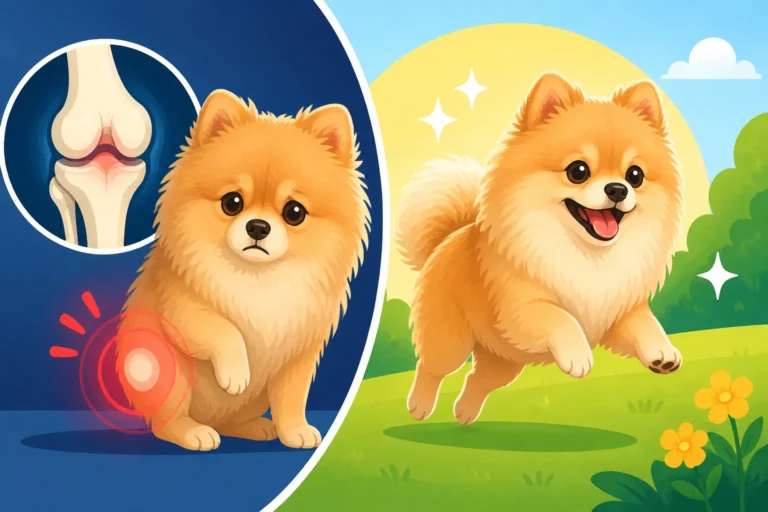
Arthritis and other orthopedic conditions are very common in older Pomeranians. Years of jumping, running, and even just daily movement can take a toll on their small joints. This can manifest as stiffness, lameness, difficulty standing up or lying down, or a reluctance to engage in activities they once enjoyed. As mentioned earlier, Slipping Kneecaps in a Five Pound Pomeranian is also a breed-specific concern that can worsen with age.
Management often involves a multi-modal approach. Your vet might recommend anti-inflammatory medications, joint supplements (like glucosamine and chondroitin), and even physical therapy. Creating a joint-friendly environment at home with ramps, orthopedic beds, and non-slip surfaces can also make a significant difference. Regular, gentle exercise helps maintain muscle mass, which supports the joints, preventing further deterioration.
Recognizing and Proactively Treating Chronic Conditions
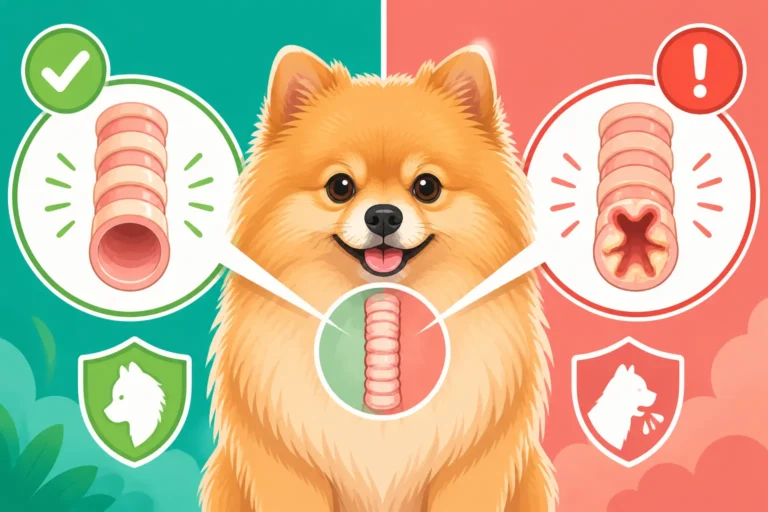
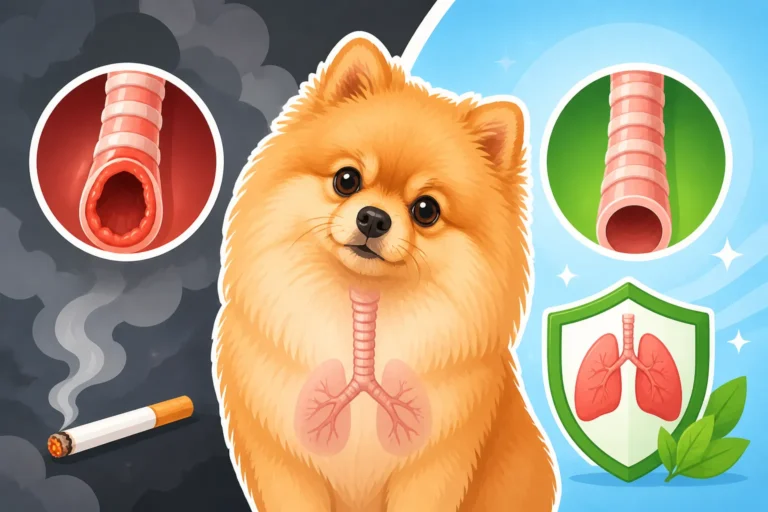
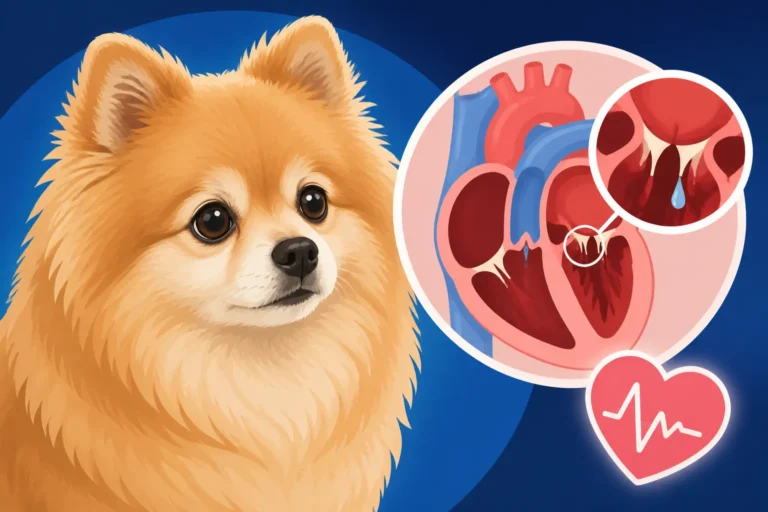
Beyond dental and joint issues, older Pomeranians are at a higher risk for a range of chronic conditions. Heart disease, such as mitral valve disease, is common in small breeds and can lead to symptoms like coughing or exercise intolerance. It's important to differentiate between Whether a Pomeranian's Cough Is Heart or Trachea as tracheal collapse is also a significant concern in the breed, leading to a distinctive honking cough.
Other common conditions include kidney disease, liver disease, diabetes, and even certain types of cancer. Regular vet visits and diagnostic screenings become your best tools for early detection. If a condition is identified, your vet will work with you to create a management plan, which may involve medication, dietary changes, and lifestyle adjustments. Having robust pet insurance coverage from a provider like Healthy Paws can provide immense peace of mind, knowing that you have support for managing these long-term health challenges without having to make difficult financial decisions during an already stressful time.
| Age (Pomeranian Years) | Equivalent Human Age | Common Physical Changes | Common Behavioral Changes | Recommended Care |
|---|---|---|---|---|
| 0-1 years | 0-15 years | Rapid growth, puppy teeth | High energy, learning | Puppy vaccines, spay/neuter, basic training |
| 1-6 years | 15-40 years | Peak physical condition, stable weight | Active, playful, established routine | Annual vet check, consistent diet/exercise |
| 7-9 years | 40-55 years | Slight slowing, possible coat thinning, subtle joint stiffness | More naps, less intense play, minor cognitive shifts | Biannual vet check, senior food consideration, joint supplements |
| 10+ years | 55+ years | Noticeable greying, clouding eyes, significant joint issues, hearing/vision loss | Increased confusion, house-training lapses, decreased interaction, wandering | Frequent vet checks (every 3-6 months), specialized senior diet, medication for chronic conditions, environmental adjustments |
Disclaimer
The information provided in this article is intended for general informational and educational purposes only, and is not a substitute for professional veterinary advice. Always consult with a qualified veterinarian regarding any health concerns or before making any decisions about your Pomeranian's medical care or diet.