How Long a Well Bred Pomeranian Actually Lives
It’s a heartbreaking worry for any Pomeranian parent: how much time do we truly get with our beloved little fluffballs? We see so many stories, both wonderful and tragic, and it can leave you feeling anxious about their delicate nature. The truth is, while Pomeranians are small, a well-bred Pomeranian can actually enjoy a wonderfully long and vibrant life. This guide is here to shed light on what "well-bred" truly means for their longevity and how your care makes all the difference.
Understanding the Pomeranian Lifespan Average
When you bring a Pomeranian into your life, you're not just getting a pet; you're gaining a family member, and naturally, you want them by your side for as long as possible. The good news is, Pomeranians, especially those from responsible breeders, tend to have a respectable lifespan that often surprises people.
The General Expectation vs. Reality
Many folks might expect a small dog like a Pomeranian to have a shorter lifespan, perhaps around 8-10 years, simply because some tiny breeds can indeed face more health challenges. However, for a genuinely well-bred Pomeranian, the average lifespan is typically in the range of 12 to 16 years. That's a significant chunk of time filled with joy, companionship, and endless tail wags! It's not uncommon to hear of Poms living even longer, sometimes reaching 17, 18, or even beyond, truly defying expectations. The key distinction here is "well-bred." This isn't just a fancy term; it's a critical indicator of the foundational health your little companion will possess. While it's lovely to think all Poms come from healthy lines, the reality is that the breeding practices behind your dog will profoundly influence their journey through life.
Why Genetics Play a Massive Role
The foundation of a long, healthy life for any dog, and especially a Pomeranian, starts with good genetics. Responsible breeders invest immense time, effort, and resources into understanding pedigrees and health testing their breeding stock. They aim to minimize the risk of passing on genetic predispositions to common Pomeranian ailments. This means screening for conditions that can significantly impact a Pom's quality of life and longevity, such as luxating patellas (slipping kneecaps), certain heart conditions, and even some eye problems.
In contrast, dogs from backyard breeders or puppy mills often come from parents who haven't undergone any health screenings. These breeders may not even be aware of potential genetic issues lurking in their lines. This can mean a higher likelihood of puppies inheriting debilitating or life-shortening conditions. For example, a puppy from untested parents might be more prone to developing Slipping Kneecaps in a Five Pound Pomeranian early in life, leading to pain and potentially costly surgeries. Similarly, inherited heart defects, which can unfortunately be present in Pomeranian puppies, are far more likely when parents haven't had proper cardiac evaluations. When you choose a well-bred Pom, you're essentially choosing a dog whose family tree has been carefully vetted to give them the best possible start.
Distinguishing Well-Bred Poms from the Rest
Navigating the world of Pomeranian breeders can feel like a minefield, especially with so many adorable puppies vying for your attention. But understanding the difference between a responsible breeder and others is paramount to ensuring your Pom has the best chance at a long, healthy life.
The Hallmark of a Responsible Breeder
A responsible Pomeranian breeder is like a dedicated scientist and loving caretaker rolled into one. They don't just breed two dogs because they're both Poms and look cute together. Their process is meticulous, ethical, and rooted deeply in the health and temperament of the breed. This means they will conduct extensive health testing on their breeding dogs, looking for genetic markers or physical conditions that could be passed down. You'll often hear about certifications from organizations like the Orthopedic Foundation for Animals (OFA) for joint health (like knees and elbows, though elbows are less common for Poms) and the Canine Eye Registry Foundation (CERF) or the American College of Veterinary Ophthalmologists (ACVO) for eye health. Crucially, they will also perform cardiac screenings to detect any heart abnormalities, helping to prevent serious issues like The Heart Defect Found in a Pomeranian Puppy in their offspring.
Beyond tests, a good breeder will be transparent. They'll readily share health clearances, allow you to meet the puppy's mother (the dam) and sometimes the father (the sire), and demonstrate the clean, nurturing environment where their puppies are raised. They'll ask you just as many questions as you ask them, ensuring their puppies are going to suitable homes. They'll provide a written contract, often including a health guarantee, and offer lifetime support. These practices are not just about paperwork; they directly contribute to the puppy's longevity by reducing the chances of debilitating genetic diseases and ensuring a strong, healthy start in life. The initial investment in a well-bred Pomeranian might be higher, but it's an investment in a longer, healthier, and happier future for your pet, saving you potential heartache and costly vet bills down the line.
The Pitfalls of "Teacup" or "Bargain" Poms
The allure of an impossibly tiny "teacup" Pomeranian or a significantly cheaper "bargain" Pom can be strong, but this is where critical decisions must be made. The term "teacup" is not an officially recognized size category by reputable kennel clubs like the AKC. Instead, it's often a marketing term used by less scrupulous breeders to sell undersized Poms, which are frequently runts of litters or bred from two very small, often unhealthy, parents. These dogs are typically under the breed standard's weight of 3 to 7 pounds and face a myriad of severe health challenges. They are far more fragile, susceptible to broken bones, and prone to serious conditions like hypoglycemia (blood sugar crashes), hydrocephalus ("water on the brain"), and organ issues.
Similarly, "bargain" Poms, often advertised at unusually low prices, are usually a red flag. These dogs typically come from puppy mills or backyard breeders who cut corners on health, nutrition, and veterinary care. They don't invest in health testing, proper nutrition for the dam during pregnancy, or critical early veterinary care for the puppies. While the initial price tag might be attractive, these savings are almost always offset by exorbitant veterinary bills later in the dog's life. These pups often come with a higher risk of conditions like Blood Sugar Crashes in a Pomeranian Puppy or severe dental problems because of poor genetic lines and early neglect. It's a stark reality that The Health Cost of Breeding Pomeranians Under Three Pounds or poorly bred Poms can be devastating, leading to a much shorter lifespan filled with chronic health struggles. Choosing a Pom based solely on a low price or trendy "teacup" size can be a devastating choice for both your wallet and, more importantly, your beloved pet's well-being.
Common Health Challenges and Their Impact on Longevity
Even with the best genetics, Pomeranians, like all breeds, have certain predispositions. Understanding these common health challenges allows owners to be proactive, seek early intervention, and ultimately, help their Poms live their fullest, longest lives.
Orthopedic and Structural Concerns
Pomeranians are known for their lively, bouncy personalities, but their small structure can make them prone to certain orthopedic issues. One of the most common is luxating patellas, often referred to as "slipping kneecaps." This is a condition where the kneecap (patella) dislocates or slips out of its normal groove. You might notice your Pom skipping a step, holding a leg up for a moment, or bunny-hopping. While some cases are mild and managed with pain medication and joint supplements, more severe grades might require surgery. Whether a Pomeranian's Kneecap Needs Surgery is a common question. Responsible breeders screen for this, but even with good genetics, accidents can happen, and constant jumping off furniture or rough play can exacerbate the issue. Unmanaged, severe luxating patellas can lead to arthritis and chronic pain, impacting a dog's activity level and overall quality of life.
Another significant structural concern in Pomeranians is tracheal collapse. This involves the weakening of the cartilage rings that make up the trachea (windpipe), causing it to flatten and making breathing difficult. It often presents as a distinctive "honking" cough, especially when excited, pulling on a collar, or during exercise. The Honking Cough of a Pomeranian's Collapsing Windpipe is a sound that can be quite alarming for owners. While it's often a congenital condition, obesity and environmental irritants like smoke can worsen it. Management typically involves weight control, cough suppressants, anti-inflammatory medications, and using a harness instead of a collar. In severe cases, surgery might be considered, but it's a complex procedure. While not always life-threatening, severe tracheal collapse can significantly reduce a Pomeranian's stamina, comfort, and, if left unmanaged, can lead to serious respiratory distress, indirectly affecting their longevity.
Cardiac and Dental Health
The tiny hearts and mouths of Pomeranians also require careful attention to ensure a long and healthy life. When it comes to cardiac health, congenital heart defects can occur, with Patent Ductus Arteriosus (PDA) being one of the more common issues found in puppies. This is a condition where a blood vessel connecting the aorta and pulmonary artery, which is open during fetal development, fails to close after birth. If not corrected, it can lead to heart failure. Responsible breeders screen for this during early vet checks and will not breed dogs with a history of PDA. As Poms age, they can also be susceptible to acquired heart diseases like mitral valve disease, a common issue in many small breeds. Regular veterinary check-ups are crucial for early detection and management of any heart murmurs or signs of heart disease.
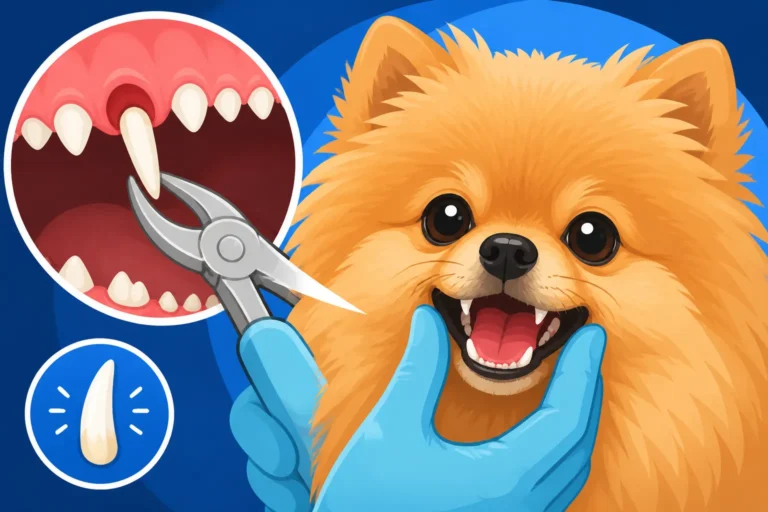
Perhaps surprisingly, dental disease is one of the most pervasive and impactful health issues affecting Pomeranian longevity. Their small mouths are prone to overcrowding, making them a perfect breeding ground for plaque and tartar buildup. If left unaddressed, this can rapidly progress to severe gum disease, tooth loss, and painful infections. The real danger, however, lies in the systemic effects: bacteria from advanced dental disease can enter the bloodstream and travel to vital organs like the heart, kidneys, and liver, contributing to serious, life-threatening conditions. Dental Disease in a Mouth the Size of a Pomeranian's can begin surprisingly early. Regular, ideally daily, tooth brushing is essential, along with professional dental cleanings under anesthesia as recommended by your vet. Ignoring dental health isn't just about bad breath; it's a direct threat to your Pomeranian's overall health and lifespan. This is where pet insurance, like a policy from Healthy Paws, can be incredibly helpful, often covering a significant portion of these essential dental procedures when they're due to illness or injury, ensuring your Pom gets the care they need without financial strain.
Lifestyle and Care: Maximizing Your Pomeranian's Years
While genetics lay the groundwork, the day-to-day care you provide is incredibly powerful in shaping your Pomeranian's health trajectory and maximizing their precious years. From what they eat to how they move, every decision contributes to their well-being.
Nutrition and Weight Management
One of the most crucial aspects of Pomeranian care is their diet and maintaining a healthy weight. These little dogs don't need a lot of food, but the food they do eat needs to be of the highest quality. Opt for a premium small-breed specific kibble, or consider fresh food options, formulated to meet their unique nutritional needs. Look for ingredients that support their dense double coat and provide balanced energy. Free-feeding, where food is left out all day, is a common pitfall that can lead to obesity. Instead, feed your Pom measured meals two to three times a day.
Obesity is a silent killer in Poms. Even an extra pound or two on their tiny frames can put immense strain on their joints, exacerbate breathing issues like The Honking Cough of a Pomeranian's Collapsing Windpipe, and contribute to a host of other health problems, including diabetes and heart disease. It's incredibly easy for a Pomeranian to gain weight because they burn fewer calories than larger dogs. You should be able to feel their ribs easily without pressing hard, and they should have a discernible waist when viewed from above. If you suspect your Pom is overweight, consult your vet for a tailored weight loss plan that reduces calories safely without compromising essential nutrients. Prioritizing lean body condition through proper nutrition is one of the most impactful ways to add healthy years to your Pomeranian's life.
Preventative Veterinary Care and Exercise
Regular preventative veterinary care is non-negotiable for a long-lived Pomeranian. Just like humans, routine check-ups catch potential issues early, often before they become serious and costly problems. Your veterinarian is your best partner in ensuring your Pom's health, guiding you through vaccination schedules, parasite control (fleas, ticks, heartworm), and nutritional advice. The Checkup Schedule a Pomeranian Should Keep might seem frequent, but these visits are vital. As Poms age, biannual check-ups are often recommended to monitor for age-related conditions. Having pet insurance, such as a policy from Healthy Paws, can provide immense peace of mind, knowing that if your Pom faces an unexpected illness or accident, you can focus on their recovery without the added stress of crushing vet bills.
Exercise for a Pomeranian is about quality, not quantity. While they have bursts of energy and enjoy playtime, their tiny joints and delicate windpipes mean high-impact activities or long, strenuous walks aren't suitable. Short, daily walks on a harness (never a collar, due to tracheal collapse risk) are perfect for mental stimulation and light physical activity. Engaging them with indoor play, puzzle toys, and short training sessions provides essential mental enrichment. Creating a safe home environment is also key; consider investing in Ramps and Steps Sized for a Pomeranian to prevent them from jumping off furniture, which can put undue stress on their knees and backs, potentially leading to injuries or worsening luxating patellas. A holistic approach that combines attentive veterinary care, proper nutrition, and appropriate exercise forms the bedrock of a long and thriving life for your Pomeranian.
The Gift of Time: Pomeranians Living Past Average
While the average lifespan gives us a good benchmark, many Pomeranians defy these numbers, gracing their families with their presence for exceptionally long periods. These stories are a testament to genetics, dedicated care, and a little bit of luck.
Stories of Senior Poms
It's truly heartwarming to hear about Pomeranians who sail past the 16-year mark, sometimes reaching 18, 19, or even into their early twenties. These aren't just statistics; they are beloved family members who have enjoyed an extended, happy life. Often, these super-seniors share common threads: they came from excellent breeding lines, received consistent, high-quality veterinary care throughout their lives, maintained a healthy weight, and lived in loving, low-stress environments. They typically had owners who were hyper-vigilant about their health, noticing the subtle shifts that come with age, like a slight decline in hearing, clouding eyes (cataracts), or a slower gait.
For example, I once knew a beautiful little orange Pom named Max who lived to be 19. His owner, a retired woman, was meticulous about his diet, ensuring he had regular dental care, and adapting his exercise as he aged. She had ramps leading to every sofa and bed and kept his brain active with gentle puzzle toys. When his eyesight started to fade, she didn't rearrange the furniture, allowing him to navigate familiar spaces. These anecdotes highlight that while genetics are a strong predictor, the dedication of an owner can undeniably extend both the quantity and quality of a Pomeranian's golden years. Recognizing The First Signs a Pomeranian Is Aging and adapting their care proactively is key to making these extra years comfortable and joyful.
The Holistic Approach to Senior Care
As your Pomeranian moves into their senior years – typically around age 8-10 – their care needs will naturally evolve. This is where a holistic approach becomes incredibly beneficial. Diet adjustments are common; many senior Poms benefit from formulas with fewer calories to prevent weight gain, or softer foods if dental issues or missing teeth become a problem. Supplements like glucosamine and chondroitin can provide much-needed support for aging joints, even if they never developed severe luxating patellas. Omega-3 fatty acids can support coat health, cognitive function, and reduce inflammation. Your vet might also suggest antioxidants or specific cognitive supplements to help maintain mental sharpness.
Maintaining mental engagement is just as important as physical care. Continue with short, gentle training sessions, introduce new (but easy) puzzle toys, or simply spend quality time cuddling and talking to them. Their world may shrink as their senses dull, so making their immediate environment as comfortable and predictable as possible is vital. Orthopedic beds can provide relief for aching joints, and keeping warm is often more important for older, less active Poms. The relationship with your veterinarian becomes even more critical during these years, as they can help you manage chronic conditions, monitor bloodwork for early signs of organ decline, and guide you through adaptations to ensure your senior Pom remains as comfortable and joyful as possible. This attentive, evolving care allows many Pomeranians to not just live longer, but to truly thrive in their twilight years.
What "Longer Life" Really Means for a Pomeranian
Ultimately, while the desire for our Pomeranians to live as long as possible is natural, it's crucial to consider the quality of those years. A long life is only a blessing if it's filled with comfort, joy, and dignity.
Quality of Life Over Quantity
As pet parents, we often face the incredibly difficult balance between extending our beloved Pomeranian's life and ensuring that life is still good. It's a deeply personal journey, but focusing on quality of life should always be paramount. This means closely observing your Pom for signs of chronic pain, distress, or a significant decline in their ability to enjoy their favorite activities. Are they still eager to eat? Do they greet you with enthusiasm? Can they still comfortably move around their environment? Are they responsive and engaged, or do they seem withdrawn and uncomfortable?
These are the difficult questions that guide decisions about ongoing treatments, palliative care, or, heartbreakingly, when it might be time to consider euthanasia. Interventions, whether they are medications, special diets, or even surgeries, should always be weighed against the potential for genuine improvement in their comfort and happiness. There comes a point where aggressive treatment may prolong suffering rather than enhance life. It's a conversation you'll have with your vet, your family, and, in your heart, with your precious Pom. The Day You Decide for an Old Pomeranian is one of the hardest days a pet owner will ever face, but it is also the ultimate act of love and selflessness to ensure they are free from pain.
The Emotional Journey of Pomeranian Ownership
The bond we form with our Pomeranians is profound, a tiny shadow that follows us, a fluffy face that melts our hearts. With a lifespan of 12-16 years, they are with us through significant chapters of our own lives. This deep connection makes the inevitable loss incredibly painful. Anticipating their aging process, managing their health challenges, and eventually saying goodbye is an emotional journey filled with joy, worry, and profound grief. It's important to acknowledge and validate these feelings.
Cherishing every moment, documenting their quirks, and providing them with the best possible life are the ways we honor this bond. By understanding their breed-specific needs, investing in responsible breeding, committing to preventative care, and adapting to their changing requirements, we give our Pomeranians the very best chance at a full, vibrant, and yes, often quite long life. The journey with a Pomeranian is a gift, and knowing you've done everything in your power to make their time with you healthy and happy is the greatest comfort you can have.
| Feature | Well-Bred Pomeranian | Poorly-Bred / "Teacup" Pomeranian |
|---|---|---|
| Typical Lifespan | 12-16+ years (often exceeding 16) | 5-10 years (often shorter, with chronic issues) |
| Health Issues | Lower incidence of genetic issues; may develop age-related conditions like arthritis, dental disease, or heart murmurs. | Higher incidence of genetic and developmental problems: severe luxating patellas, hydrocephalus, severe hypoglycemia, organ failure, extreme dental issues, fragile bones. |
| Initial Cost | Higher ($1,500 – $6,000+), reflecting health testing, good nutrition, and vet care. | Lower ($400 – $1,500+), often due to lack of health testing, poor care, or irresponsible breeding. |
| Long-Term Vet Costs | Generally lower preventative care costs; potential for age-related treatments. Pet insurance helps cover unexpected illness. | Significantly higher due to chronic, severe health problems from an early age. Frequent emergency visits. |
| Temperament | Stable, confident, playful, adaptable. | Often anxious, fearful, prone to reactivity due to poor socialization, genetics, and chronic pain. |
| Breeder Practices | Health clearances (OFA, CERF, cardiac), clear pedigrees, health guarantees, takes dogs back, provides support. | No health testing, vague or absent pedigrees, no health guarantee, focuses on "rare" colors/sizes, sells through third parties. |
Disclaimer
Please remember that the information provided in this guide is for educational purposes only and should not be considered a substitute for professional veterinary advice. Every Pomeranian is an individual, and specific health concerns or conditions should always be discussed with a qualified veterinarian.